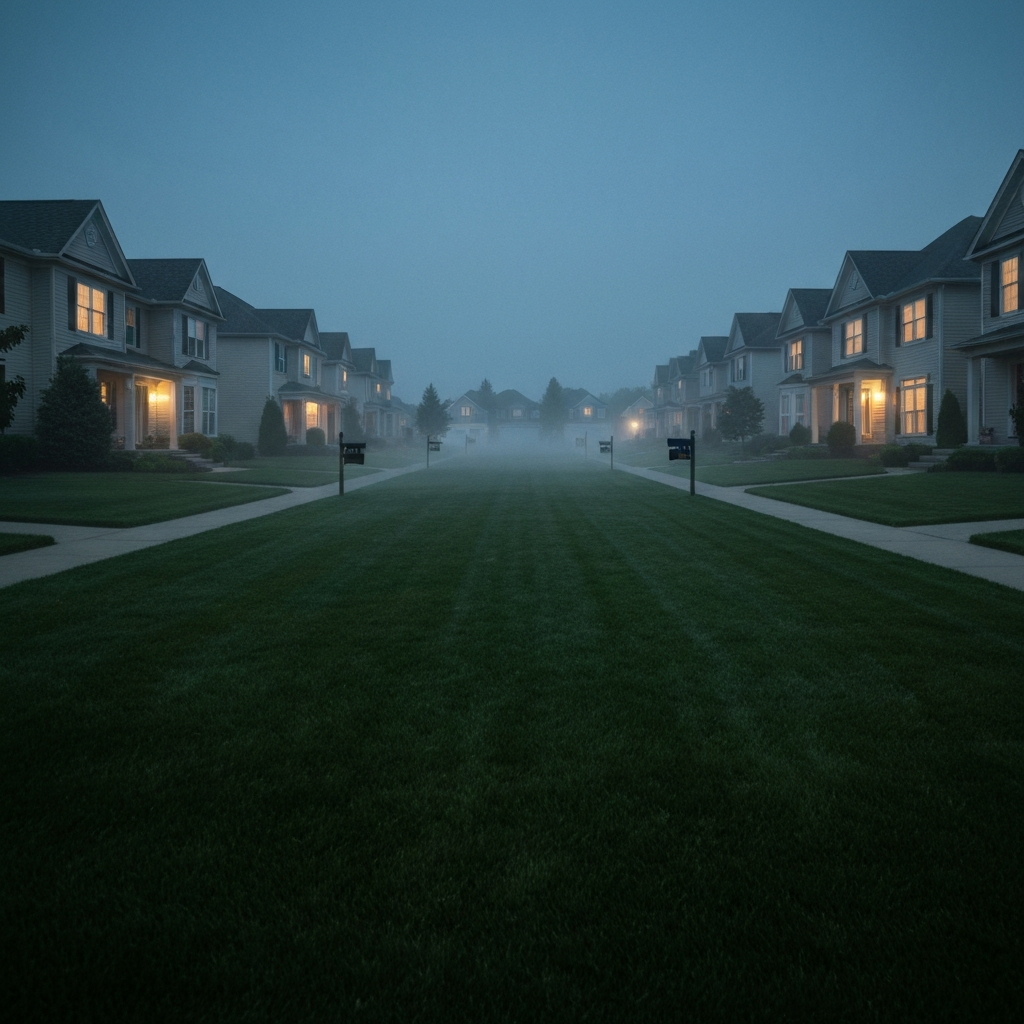
The Illusion of the White Picket Fence
For centuries, literature located its monsters in the wild. The dark, impenetrable forests of fairy tales, the storm-battered moors of Victorian gothic, and the unforgiving oceans of maritime epics served as the primary landscapes for human peril. But following the post-war housing boom of the mid-twentieth century, authors realized that true terror did not require a haunted castle or a desolate wilderness. The most profound existential dread could be found right at the end of a freshly paved driveway. The American suburb, initially sold as a utopia of safety, family values, and upward mobility, quickly became modern fiction’s most compelling and disturbing setting.
This shift in literary geography marked a turning point in psychological storytelling. The suburb offered authors a pristine canvas of manicured lawns, identical facades, and quiet cul-de-sacs—a setting defined entirely by its pursuit of perfection. By placing characters in environments where basic survival was guaranteed, writers could strip away external conflicts and focus entirely on internal decay. The resulting subgenre of suburban fiction holds up a mirror to middle-class anxieties, revealing the suffocating conformity, isolation, and moral rot hiding just behind the drawn blinds of the picture window.
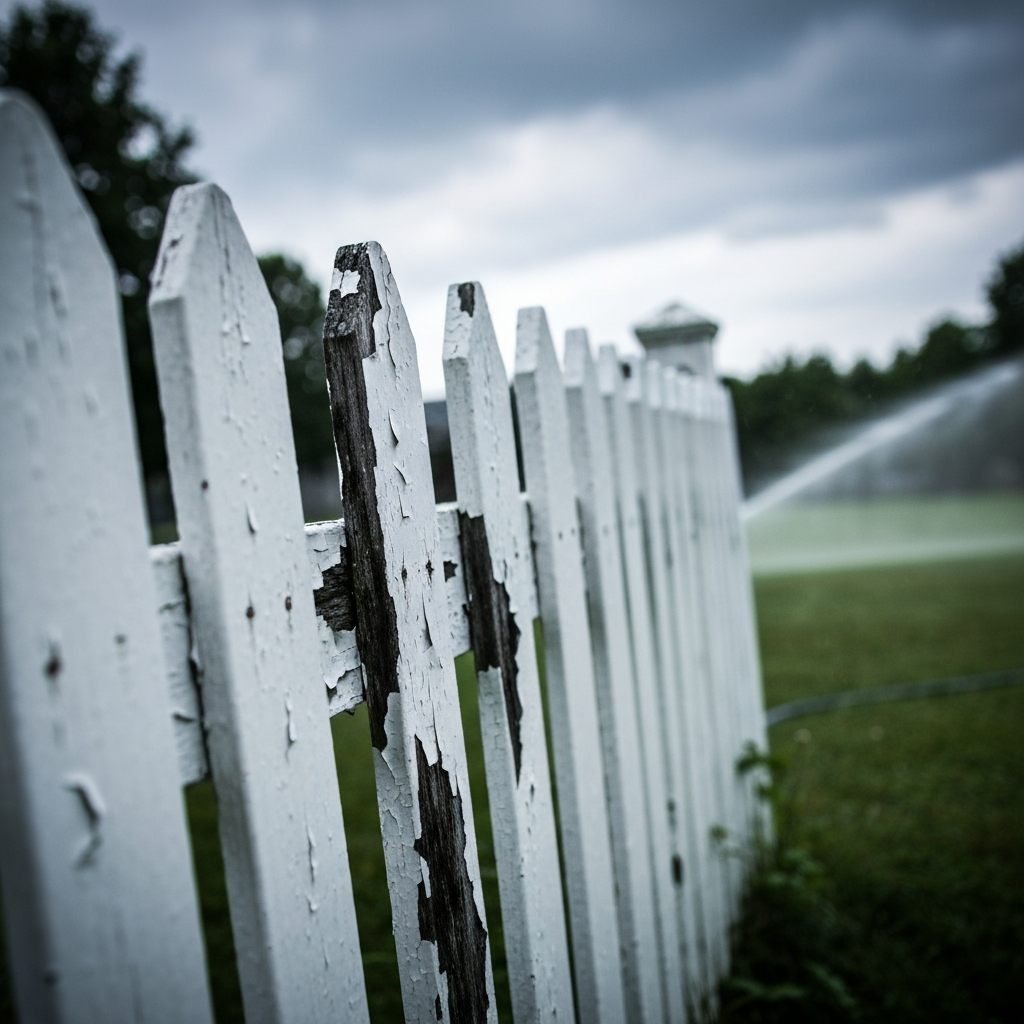
Mid-Century Malaise: The Birth of Commuter Despair
The earliest literary interrogations of suburbia emerged almost as soon as the first tract homes were built. Writers like John Cheever and Richard Yates recognized that the mass exodus from the city to the suburbs was not just a change in address, but a fundamental shift in the human psyche. The promise of the suburbs was absolute security, but these authors exposed the heavy psychological toll of that security.
In Richard Yates’s devastating 1961 novel Revolutionary Road, the suburbs are depicted as an emotional graveyard. Frank and April Wheeler believe they are special, intellectually superior to their neighbors, yet they find themselves trapped in the same repetitive cycle of commuter trains, cocktail parties, and domestic disputes. Yates masterfully uses the physical space of the suburb—the isolation of the house, the quiet of the neighborhood—to amplify the deafening silence between the couple. The suburb becomes a gilded cage, where the suppression of desire in the name of conformity leads to catastrophic tragedy.
The Purgatory of the Swimming Pool
John Cheever, often dubbed the “Chekhov of the suburbs,” took a slightly more surreal approach to the domestic landscape. In his iconic short story The Swimmer, Cheever transforms the backyard swimming pool into a metaphor for the emptiness of affluent suburban life. As the protagonist, Neddy Merrill, attempts to swim home across his county through a series of his neighbors’ pools, his journey exposes the passage of time, the fragility of social standing, and the ultimate emptiness of his existence. Cheever’s genius lay in his ability to take the ultimate symbol of suburban luxury—the private pool—and turn it into a watery purgatory where a man can drown in his own irrelevance.
The Rise of the Suburban Gothic
As the decades progressed, the literary treatment of the suburbs shifted from mid-century existential malaise to something far more sinister. The “Suburban Gothic” emerged, a genre that applies the tropes of traditional gothic literature—hauntings, madness, inherited curses, and decaying structures—to the modern planned community. In these narratives, the threat is no longer just spiritual emptiness; it is a palpable, creeping dread.
Jeffrey Eugenides’s The Virgin Suicides is a masterclass in this aesthetic. Set in an affluent Michigan suburb in the 1970s, the novel chronicles the inexplicable suicides of the five Lisbon sisters. Eugenides meticulously details the physical decay of the Lisbon house, which mirrors the rotting of the American Dream itself. As the girls withdraw from the world, the house falls into disrepair, standing in stark, horrifying contrast to the aggressively maintained lawns of their neighbors. The neighborhood’s obsession with appearances, its inability to confront the reality of death and depression, ultimately accelerates the tragedy. The suburb in Eugenides’s work is not a sanctuary; it is an incubator for a localized, fatal sickness.
Similarly, Rick Moody’s The Ice Storm uses a freak weather event to expose the moral bankruptcy of a wealthy Connecticut suburb. As the ice freezes the landscape, trapping the characters in their homes, their repressed sexual frustrations and familial betrayals thaw. The physical environment of the suburb—usually controlled, predictable, and safe—is weaponized by nature, revealing how utterly defenseless these characters are against their own base instincts.
Contemporary Suburbia: Privilege, Race, and Fire
In contemporary fiction, the critique of the suburb has expanded to address the systemic inequalities baked into its very foundation. Modern authors use the suburban setting to explore how these communities are designed not just to keep danger out, but to keep certain demographics out, weaponizing zoning laws, property values, and “good schools” to maintain a rigid social hierarchy.
Celeste Ng’s Little Fires Everywhere brilliantly dismantles the illusion of the progressive, colorblind suburb. Set in Shaker Heights, Ohio—one of the first planned communities in the United States—the novel contrasts the rigidly structured lives of the wealthy Richardson family with the nomadic, artistic existence of Mia Warren and her daughter. Shaker Heights is depicted as a place where the height of the grass is regulated by law, reflecting a deeper obsession with controlling human behavior. Ng exposes how the suburb’s demand for order and assimilation is inherently violent, particularly toward marginalized identities. When the Richardson house literally burns to the ground, it reads as an inevitable consequence of trying to contain human complexity within perfectly measured property lines.
The Architecture of Paranoia: The Domestic Thriller
It is impossible to discuss the modern literary suburb without acknowledging its role as the premier setting for the contemporary psychological thriller. The architecture of suburbia—large houses with multiple rooms, privacy fences, attached garages, and a heavy reliance on cars—creates a unique brand of isolation. You can live inches away from your neighbors and never truly know them. This spatial dynamic is a goldmine for suspense.
Gillian Flynn’s Gone Girl capitalized on this architectural paranoia, setting a dark, twisting narrative of marital warfare against the backdrop of a McMansion in North Carthage, Missouri. The massive, echoing house becomes a theater of deception. In the domestic thriller, the suburb is terrifying precisely because it is so quiet. The lack of street-level community life means that whatever happens behind closed doors stays behind closed doors. The pristine facade of the house acts as the ultimate alibi. Readers are drawn to these stories because they prey on a universal modern suspicion: that the people with the neatest lawns have the most to hide.
The Enduring Allure of the Cul-de-Sac
Why does literature continually return to the suburbs to mine our deepest fears? The answer lies in the contrast between expectation and reality. We expect danger in a dark alley; we expect betrayal in the cutthroat corridors of high finance. But we expect the suburb to be a refuge. When authors introduce chaos, madness, or profound sadness into this highly controlled environment, the shock to our system is magnified.
The literature of the suburbs forces readers to confront the uncomfortable truth that geographic relocation cannot cure psychological ailments. A white picket fence cannot keep out depression, a two-car garage cannot repair a fractured marriage, and a neighborhood watch program cannot protect us from our own destructive impulses. By turning the ultimate symbol of safety into a landscape of dread, modern fiction reminds us that the human condition, with all its flaws and darkness, will inevitably take root in whatever soil we plant it—no matter how meticulously that soil has been landscaped.
Do you enjoy the content on Agenda Creativa?
Your contributions help me create new articles, share creative ideas, and keep this platform alive! If you like what I do and want to support my work, you can buy us a coffee.
Every cup of coffee means more than just a gesture – it's direct support for my passion to create inspiring and useful content. Thank you for being part of this journey!
☕ Buy me a coffee
