The End of the Passive Landscape
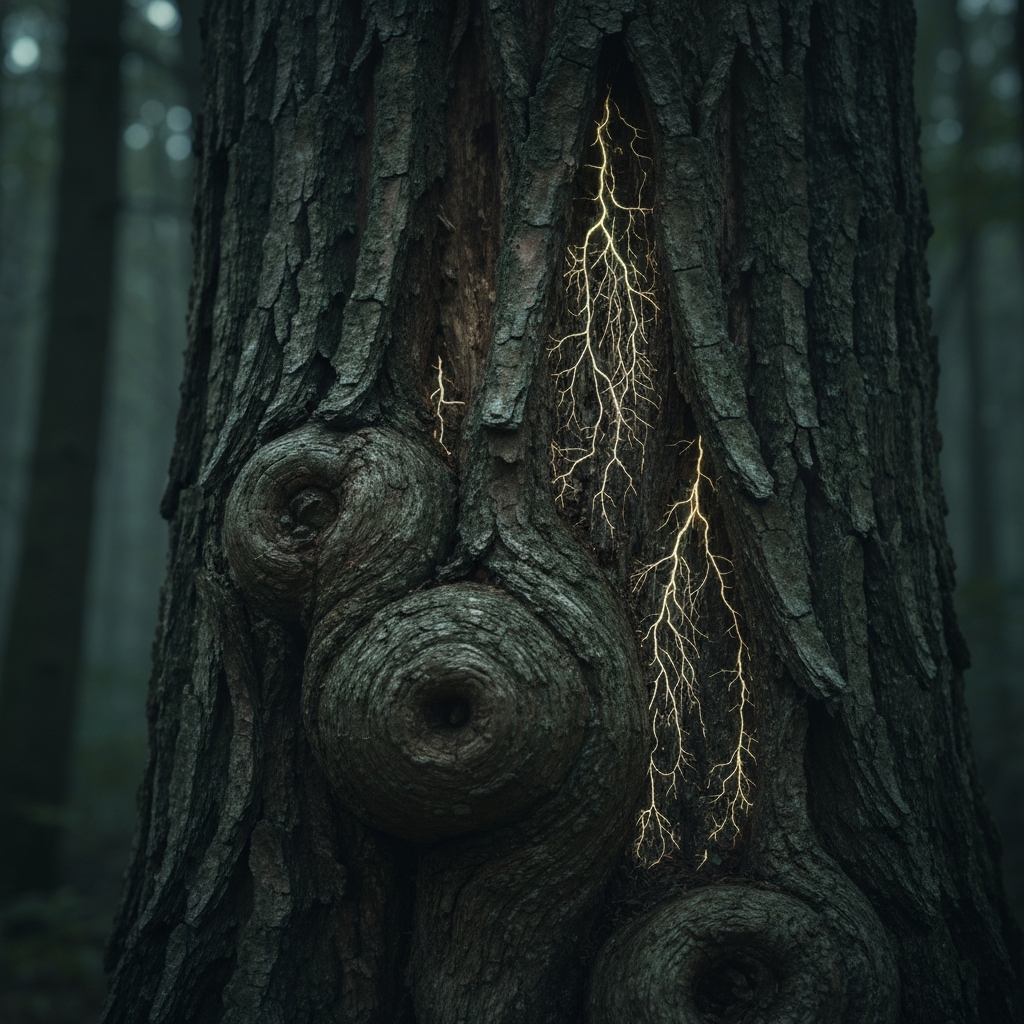
For centuries, the natural world in literature has been relegated to the background. Forests, gardens, and sprawling plains existed primarily as stages upon which human dramas unfolded. A brooding moor might reflect a protagonist’s internal turmoil, or a blossoming orchard might signal a romantic awakening, but the flora itself remained entirely passive. Trees were timber waiting to be cut; vines were obstacles to be cleared; flowers were symbols to be plucked. This anthropocentric view of storytelling is undergoing a radical transformation. A new literary movement is taking hold, one that strips humans of their supreme narrative authority and grants agency, memory, and consciousness to the very ground we walk on. This is the botanical turn in modern fiction.
Driven by recent breakthroughs in botany and ecology—most notably the discovery of complex mycorrhizal networks that allow trees to communicate and share resources—contemporary authors are rethinking what it means to be sentient. They are writing narratives where plants are no longer scenery, but active participants, antagonists, and even protagonists. By giving voice to the voiceless and motion to the seemingly immobile, these writers are forcing readers to confront a terrifying and beautiful reality: we are not the only ones watching, remembering, and acting upon the world.
Decentering the Human Experience
To write from the perspective of a plant, or to elevate a plant to the status of a central character, requires a fundamental dismantling of human narrative conventions. Traditional storytelling relies on human concepts of time, movement, and dialogue. Characters walk from room to room, speak to one another, and experience life in a rapid sequence of minutes and hours. Plants operate on an entirely different biological rhythm.
Authors exploring botanical consciousness must invent new narrative mechanics to represent this alien mode of existence. This often begins with a distortion of time. What does a century mean to an organism that lives for three thousand years? modern eco-fiction frequently employs temporal shifts that stretch the narrative canvas, slowing down the pacing to match the imperceptible growth of a root system or the seasonal shedding of leaves. In these stories, a human lifespan is reduced to a brief, frantic flash of movement, while the true, enduring drama belongs to the ancient organisms quietly observing generations of human folly.
The Language of Chemistry and Light
If plants do not speak, how does an author render their dialogue? The challenge of the botanical narrative lies in translating non-verbal, non-animal communication into prose that a human reader can comprehend. Writers have begun to replace auditory and vocal descriptions with a heavy reliance on chemical, tactile, and light-based imagery.
Instead of a shouted warning, a conscious forest in a modern novel might release a bitter flood of tannins into its leaves, a silent alarm passed from root to root through fungal threads. The narrative tension is built not through heated arguments, but through the slow, deliberate release of pheromones, the aggressive expansion of a canopy to steal sunlight from a rival, or the patient strangulation of a parasitic vine. By shifting the sensory focus away from human speech, authors create a deeply immersive experience that challenges our understanding of intelligence. It demands that the reader learn a new, silent vocabulary—one written in the language of soil, water, and photosynthesis.
The Mycorrhizal Metaphor: Redefining Community
The scientific concept of the ‘wood wide web’—the underground fungal network that connects the roots of trees, allowing them to share nutrients and distress signals—has provided modern literature with its most powerful new metaphor. For generations, the dominant cultural narrative in the West has been one of rugged individualism, a philosophy often mirrored in the solitary hero’s journey. The botanical turn subverts this entirely.
In narratives driven by plant consciousness, individualism is an illusion, and isolation is death. The forest operates as a decentralized, collective intelligence. Authors use this biological reality to explore profound themes of interconnectedness, mutual aid, and collective grief. When a single tree is felled in these stories, the trauma ripples through the entire network. This biological framework allows writers to critique human systems of capitalism and exploitation. By contrasting the hyper-individualistic, often destructive nature of human society with the collaborative, symbiotic networks of the forest, modern fiction asks a pointed question: which species is truly the more advanced?
Botanical Dread and the Eco-Gothic
Not all botanical narratives are peaceful meditations on interconnectedness. The realization that plants are active, sensing beings has also given rise to a new, terrifying subgenre: botanical horror. If plants can remember, they can also hold grudges. If they can communicate, they can conspire.
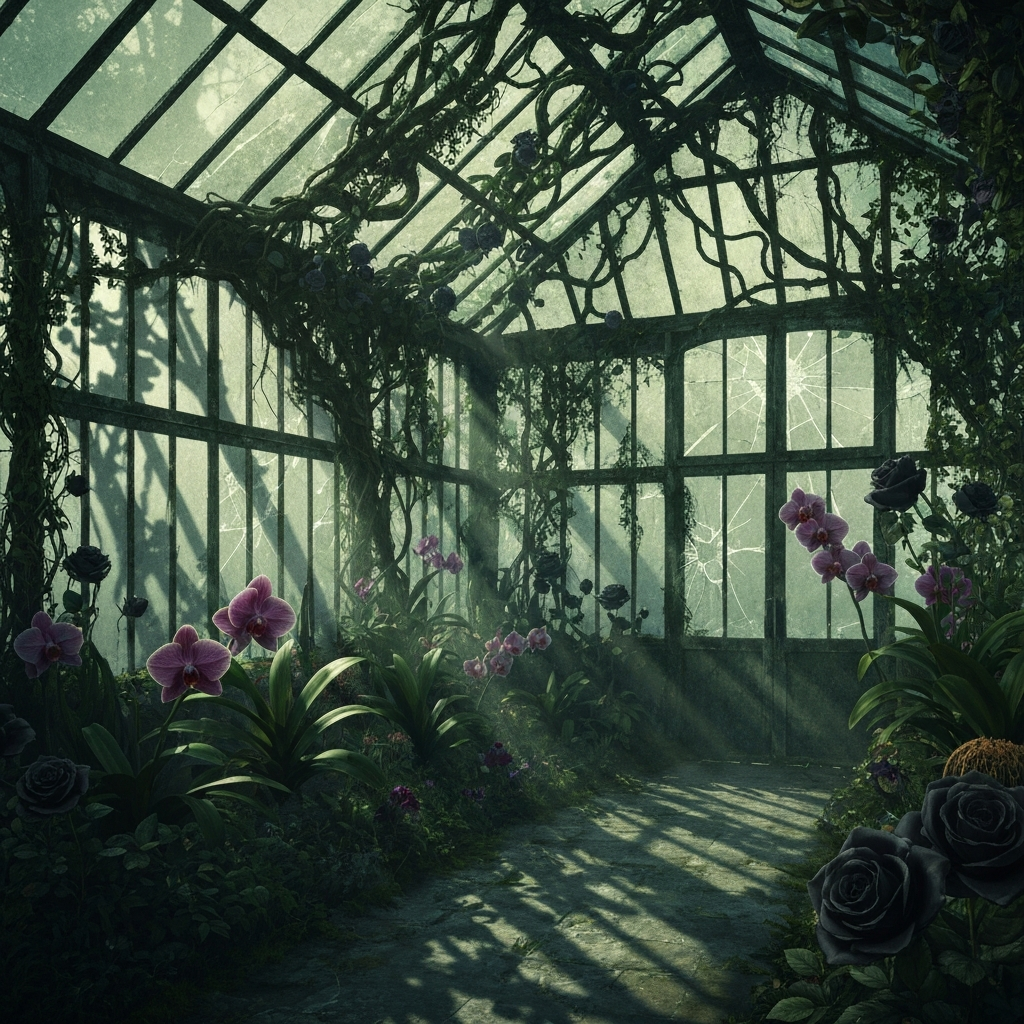
This is a modern evolution of the classic gothic trope. While Victorian literature occasionally flirted with the idea of the dangerous exotic plant—often housed in a humid, oppressive glass greenhouse—modern eco-gothic fiction takes the threat out of the conservatory and into the wild. In these stories, nature is not a passive victim of human industry; it is a patient, calculating force capable of defending itself.
When the Flora Bites Back
In contemporary botanical dread, the horror stems from a profound loss of human control. Narratives explore fungal infections that alter human behavior, aggressive flora that reclaims urban spaces with terrifying speed, and forests that actively disorient and consume trespassers. The fear generated by these stories is uniquely existential. It preys on our deep-seated guilt over ecological destruction and our suppressed knowledge that, ultimately, the earth will outlast us.
These antagonists are terrifying precisely because they are indifferent to human morality. A creeping vine does not operate out of malice; it operates out of a biological imperative to survive and expand. By pitting human characters against an antagonist that cannot be reasoned with, intimidated, or entirely destroyed, authors of eco-gothic fiction highlight the fragility of the human ego. The horror lies in the realization that we are entirely expendable to the ecosystems we inhabit.
Curing Plant Blindness Through Prose
In the late 1990s, botanists coined the term ‘plant blindness’ to describe the human tendency to ignore plant species in our environment, viewing them merely as a green blur behind the more ‘interesting’ animal life. This cognitive bias has profound implications for conservation and ecological awareness. Modern literature is proving to be one of the most effective antidotes to this blindness.
By elevating plants to the role of conscious actors, writers force readers to look closer. When a reader spends three hundred pages immersed in the internal life of an ancient oak tree, or following the desperate, chemical cries of a clear-cut forest, they cannot walk through a park the same way again. The green blur resolves into a complex, bustling society of individuals. The rustle of leaves becomes a conversation; the scent of cut grass becomes a distress signal.
A New Literary Paradigm
The botanical turn represents a necessary evolution in how we tell stories. As we face escalating environmental crises, the old narratives of human supremacy and endless conquest are no longer sufficient. We require stories that accurately reflect our place in the broader ecological web—not as rulers, but as participants.
By decentering the human and exploring the rich, silent lives of plants, modern authors are expanding the boundaries of empathy. They are teaching us to recognize consciousness in forms that look nothing like our own. This shift in perspective is not merely a stylistic trend; it is a profound philosophical realignment. In giving the natural world its voice back, literature is helping to bridge the vast, artificial divide we have constructed between humanity and the earth that sustains it. The stories of tomorrow will not just be written on paper; they will be written about the trees that provided it, acknowledging the silent, ancient witnesses to our fleeting human history.
Do you enjoy the content on Agenda Creativa?
Your contributions help me create new articles, share creative ideas, and keep this platform alive! If you like what I do and want to support my work, you can buy us a coffee.
Every cup of coffee means more than just a gesture – it's direct support for my passion to create inspiring and useful content. Thank you for being part of this journey!
☕ Buy me a coffee