The Illusion of the Countryside Haven
For centuries, the pastoral tradition has served as literature’s ultimate safe haven. From the classical poetry of Virgil to the romanticized verses of William Wordsworth, the rural landscape was consistently depicted as a sanctuary of innocence, simplicity, and moral purity. The countryside was the antidote to the corruption, congestion, and moral decay of the city. Characters who retreated to the woods or the fields found rejuvenation, spiritual clarity, and a harmonious relationship with a benevolent natural world.
However, as literature evolved to reflect a more nuanced understanding of human psychology, sociology, and environmental reality, the veneer of the pastoral idyll began to fracture. Modern and contemporary fiction has increasingly turned its back on the romanticized countryside, giving rise to the anti-pastoral. In this literary landscape, the sprawling fields and dense forests are no longer places of refuge. Instead, they are arenas of isolation, economic decay, and profound psychological tension. Contemporary authors are actively dismantling the pastoral tradition, forcing readers to confront the dark side of the idyll.
The Transition from Romanticism to Realism
The seeds of this subversion were planted during the transition from Romanticism to Realism, notably in the works of authors like Thomas Hardy. Hardy’s Wessex was beautiful, but it was also entirely indifferent to human suffering. In novels like Tess of the d’Urbervilles, the agricultural landscape is not a playground for nymphs and shepherds; it is a place of backbreaking labor, social ostracization, and fatalistic tragedy. Nature, in Hardy’s view, was a mechanistic force, fundamentally unconcerned with the morality or survival of the individuals who worked its soil.
This early shift paved the way for mid-century writers to completely invert the pastoral trope. Shirley Jackson, for instance, masterfully weaponized the rural village setting. In her iconic short story The Lottery, the quaint, tight-knit agrarian community is revealed to be a harbor for blind tradition and horrific communal violence. Jackson understood that the very elements that make a rural setting seem idyllic—tradition, isolation, and close-knit neighbors—are the exact same elements that can foster xenophobia, groupthink, and inescapable cruelty.
Isolation as a Psychological Pressure Cooker
One of the most effective tools in the modern anti-pastoral narrative is the reframing of isolation. In the traditional pastoral, being removed from the broader society offers peace and the space for deep introspection. It is a voluntary retreat. In contemporary fiction, this exact same isolation becomes a psychological pressure cooker. The vast, empty spaces do not represent freedom; they represent vulnerability and a terrifying distance from help.
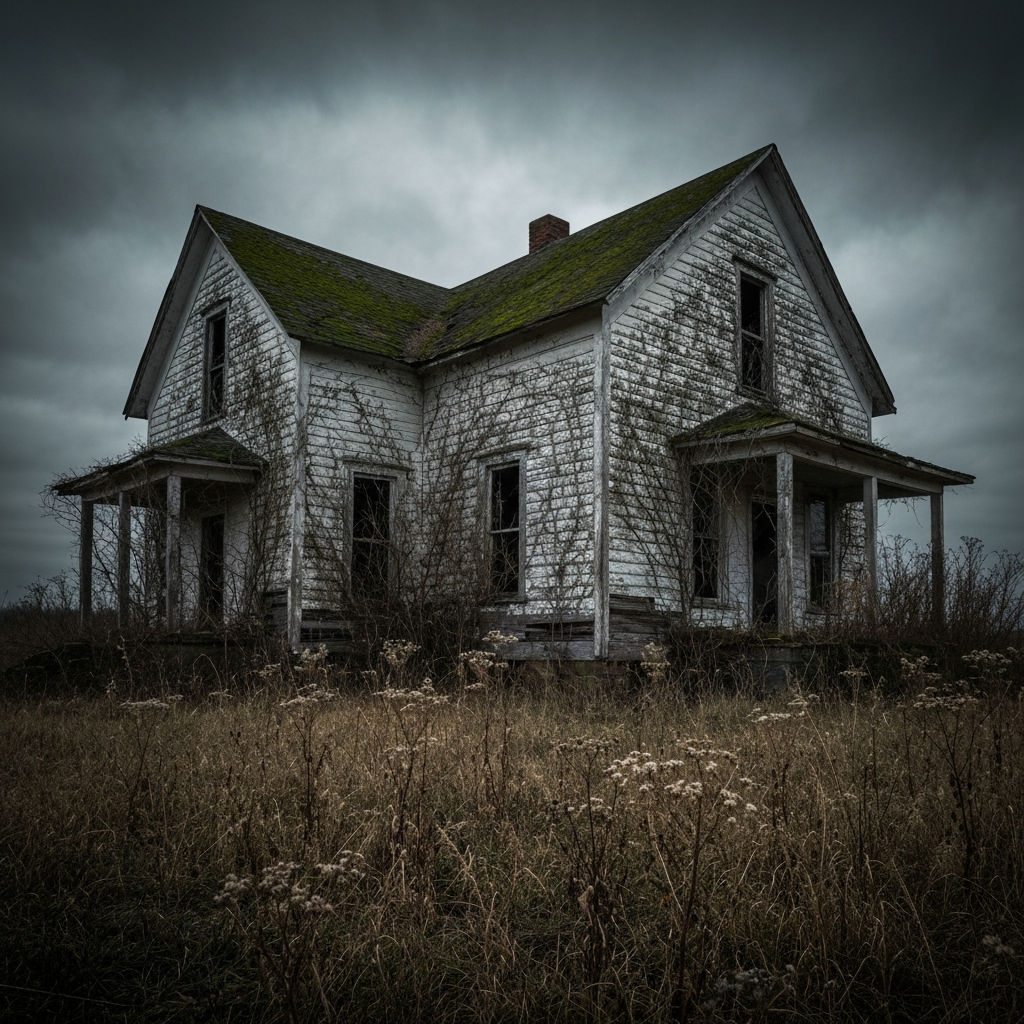
When characters in modern thrillers or literary fiction find themselves in remote cabins, isolated farmhouses, or sprawling estates, the narrative tension stems directly from their geographic seclusion. The silence of the country is no longer peaceful; it is deafening and oppressive. Authors use this isolation to strip characters of their societal safety nets, forcing them to confront their own internal demons or the very real threats that lurk beyond the tree line. The physical distance from civilization mirrors a psychological descent, where the rules of polite society no longer apply, and primal survival instincts take over.
Rural Noir and Economic Decay
Beyond the psychological terror of isolation, modern fiction subverts the pastoral by injecting harsh socioeconomic realities into the landscape. The emergence of ‘rural noir’ or ‘country grit’ has fundamentally reshaped how we view the literary countryside. Authors operating in this space reject the idea of the rural landscape as a timeless, unchanging paradise, instead portraying it as a casualty of modern capitalism, industrial abandonment, and systemic neglect.
Daniel Woodrell, who coined the term ‘country noir,’ exemplifies this in works like Winter’s Bone. The Ozarks of Woodrell’s fiction are breathtakingly beautiful, but they are also scarred by deep poverty, methamphetamine addiction, and brutal clan violence. The natural beauty of the mountains stands in stark, ironic contrast to the desperate, violent lives of the people who inhabit them. Similarly, Jesmyn Ward’s novels, set in the rural South, explore how systemic racism, poverty, and environmental disasters ravage communities that are entirely dependent on the land.
In these narratives, the land does not provide a bounty; it demands a toll. The characters are trapped by their geography, unable to escape the economic dead zones that their hometowns have become. This stark realism shatters the pastoral illusion that living close to nature equates to living a good, pure life. Instead, it highlights the vulnerability of rural populations to economic shifts and environmental degradation.
Nature as a Hostile Entity
Furthermore, the landscape itself has undergone a radical transformation in modern literature. It is no longer a passive, beautiful backdrop for human drama; it is an active, formidable, and often hostile entity. The romantic idea of ‘Mother Nature’ has been replaced by a vision of the natural world as an apex predator.
Annie Proulx is a master of this specific subversion. In her short stories and novels, particularly those set in Wyoming or Newfoundland, the weather and the terrain are actively antagonistic. The cold kills, the wind drives people mad, and the isolation breeds deep, unshakeable loneliness. In her fiction, humans do not conquer nature, nor do they live in harmony with it; they merely survive it, often at great physical and psychological cost. Cormac McCarthy also utilized this hostile landscape, rendering the American West and South as brutal, unforgiving territories where the violence of men is perfectly mirrored by the harshness of the environment.
The Resurgence of Folk Horror
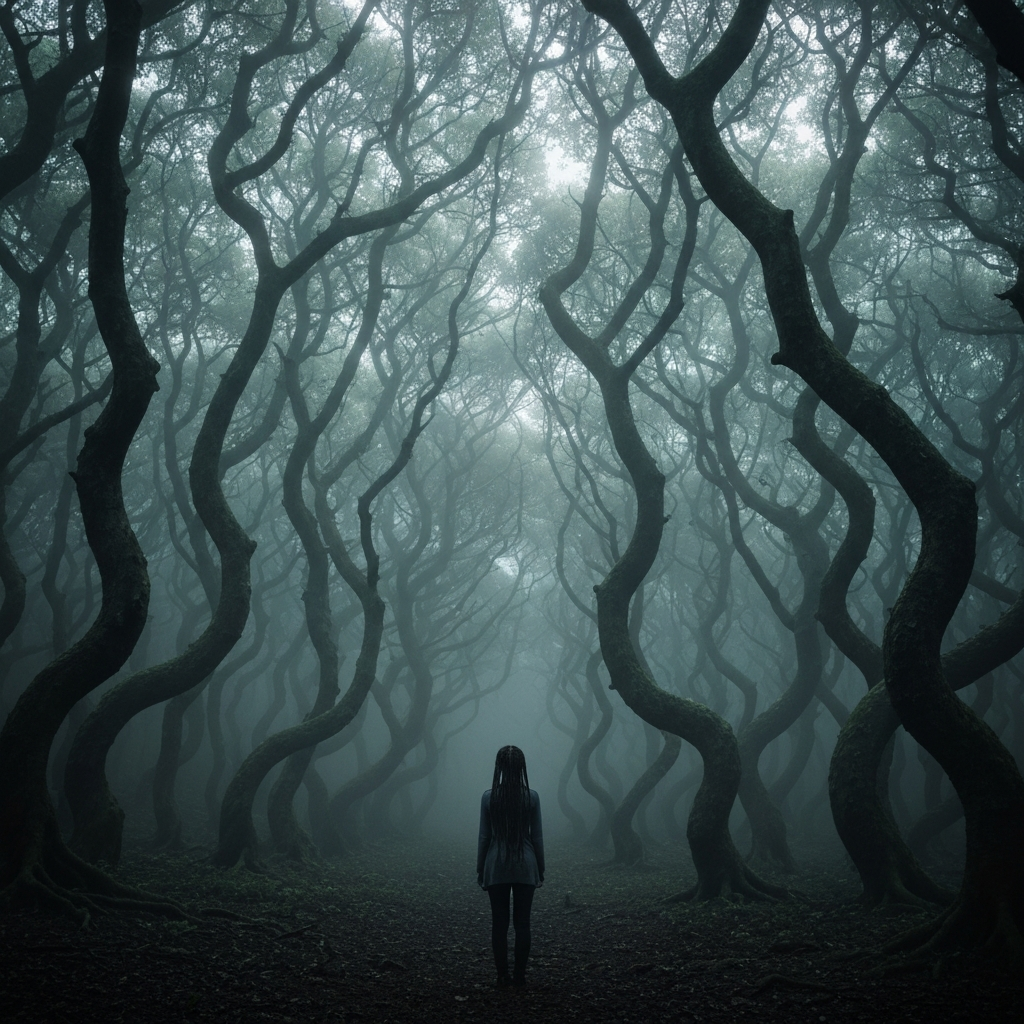
This subversion reaches its most extreme and terrifying iteration in the contemporary resurgence of literary folk horror. Here, the pastoral tradition is twisted into something genuinely sinister. Folk horror relies heavily on the aesthetics of the countryside—ancient woods, harvest festivals, isolated farming communities—but it infuses these elements with dread, pagan rituals, and a profound fear of the old, untamed world.
Authors like Andrew Michael Hurley, in his acclaimed novel The Loney, utilize the bleak, desolate stretches of the English coastline to evoke a sense of ancient, creeping dread. The rural communities in these stories are insular and deeply suspicious of outsiders, clinging to belief systems that predate modern religion and morality. The landscape in folk horror is imbued with memory and blood; it demands sacrifice and punishes those who disrespect its unspoken rules. This genre completely inverts the pastoral by suggesting that the closer we get to nature, the closer we get to the dark, irrational, and violent origins of humanity.
The Enduring Appeal of the Subverted Idyll
Why are modern readers and writers so drawn to the destruction of the pastoral idyll? The appeal lies in the narrative’s commitment to truth over comfort. Contemporary readers are acutely aware of the complexities of the modern world, including climate change, rural poverty, and the psychological toll of isolation. A purely romanticized view of nature feels not only outdated but inherently dishonest.
By subverting the pastoral, authors create a powerful cognitive dissonance. The contrast between the aesthetic beauty of a setting and the horrific or tragic events that occur within it creates a highly charged atmosphere. Blood looks starker when spilled on pristine snow; cruelty feels more shocking when it happens in a sun-dappled meadow. This juxtaposition forces readers to remain vigilant, reminding us that evil and suffering are not confined to the concrete jungles of the city.
Ultimately, the dark side of the idyll represents a crucial evolution in storytelling. By dismantling the pastoral tradition, contemporary authors are demanding a more honest engagement with the spaces we inhabit. They remind us that nature is not a moral compass, nor is it a sanctuary designed for our comfort. It is vast, indifferent, and wild—and the true terror often comes not from the landscape itself, but from what the isolation of that landscape allows human beings to do to one another.
Do you enjoy the content on Agenda Creativa?
Your contributions help me create new articles, share creative ideas, and keep this platform alive! If you like what I do and want to support my work, you can buy us a coffee.
Every cup of coffee means more than just a gesture – it's direct support for my passion to create inspiring and useful content. Thank you for being part of this journey!
☕ Buy me a coffee
