The Lure of the Dusty Shelf
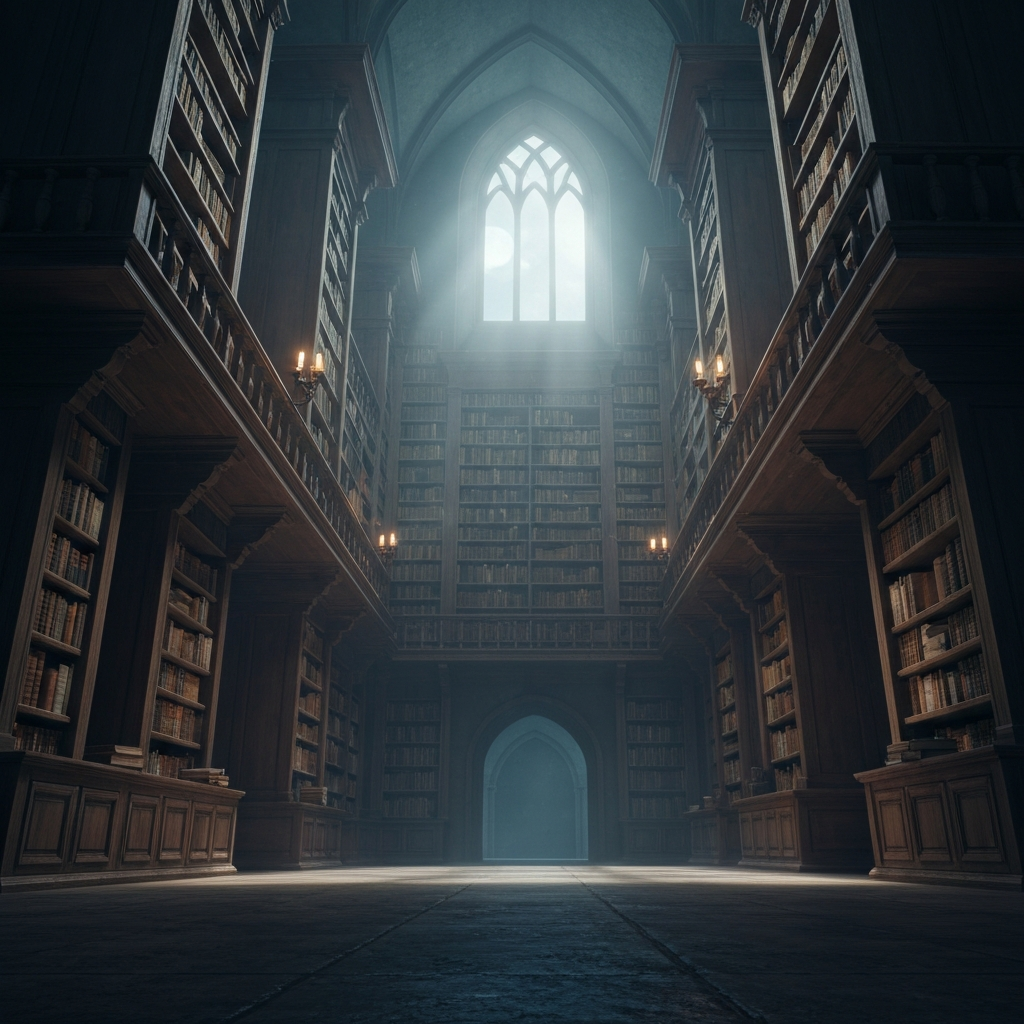
There is a distinct, almost intoxicating scent associated with the slow decay of paper. As lignin breaks down, it releases volatile organic compounds that smell faintly of vanilla and dried grass. For centuries, this sensory experience has signaled a space of quiet contemplation and safety. However, in contemporary literature, the library, the museum, and the hidden archive have undergone a radical transformation. They are no longer merely passive repositories of human knowledge; they have become active, often malevolent entities. The aesthetics of the archive now serve as a powerful narrative device, functioning as psychological labyrinths where protagonists must confront the fragility of memory, the subjectivity of history, and the terrifying weight of forgotten truths.
This shift from the library as a sanctuary to the library as a site of existential dread reflects a broader cultural anxiety regarding information. We live in an era characterized by data saturation, where the sheer volume of recorded history threatens to overwhelm our capacity to process it. Modern authors harness this anxiety, utilizing the physical archive as a tangible manifestation of the overwhelming, chaotic nature of human memory and societal record-keeping. The stacks are no longer ordered by a comforting Dewey Decimal system; they are sprawling, infinite, and inherently dangerous.
The Archive as a Psychological Labyrinth
The grandfather of the modern literary archive is undoubtedly Jorge Luis Borges, whose seminal work, ‘The Library of Babel,’ imagined a universe consisting entirely of an infinite library containing every possible permutation of text. Contemporary fiction has enthusiastically adopted and adapted this premise. In these modern narratives, the architecture of the archive mirrors the internal architecture of the human mind. The endless corridors, the misfiled documents, and the locked, forbidden rooms represent the suppressed memories, the subconscious fears, and the cognitive dissonances of the characters who navigate them.
Consider Carlos Ruiz Zafón’s ‘The Shadow of the Wind,’ which introduces readers to the Cemetery of Forgotten Books—a sprawling, secret labyrinth in the heart of Barcelona where unloved and banned books are fiercely protected. The physical space of this archive is not logical; it is emotional and defensive. As the protagonist navigates its spiraling staircases and shadowy alcoves, he is simultaneously navigating the trauma of a post-Civil War Spain. The architecture of the archive forces the protagonist to confront the reality that history is not a straight line, but a tangled web of secrets waiting to be unearthed.
Epistemological Anxiety and the Fear of Forgetting
At the core of archival fiction lies a profound epistemological anxiety: how do we know what we know, and what happens when the records of our knowledge are lost or manipulated? The archive promises permanence, yet it is inherently fragile. Books burn, ink fades, and documents are deliberately destroyed by those in power. Modern literature exploits this tension, using the archive to illustrate the tenuous nature of truth. When a protagonist enters an archive seeking answers, they rarely find a neat, cohesive narrative. Instead, they find fragments, contradictions, and silences. The archive becomes a space that highlights the impossibility of ever fully capturing or understanding the past, forcing characters to construct their own meaning from the debris of history.
The Museum as a Graveyard of Context
While libraries hoard words, museums hoard objects, and contemporary fiction treats the museum with an equal measure of fascination and skepticism. If the library is a labyrinth of thought, the museum is often portrayed as a graveyard of context. Objects in a museum have been uprooted from their natural environments, stripped of their original utility, and placed behind glass for passive consumption. Authors use this setting to explore themes of colonialism, theft, and the sanitization of history.
In narratives centered around museums or private collections, the physical artifacts often possess a haunting quality. They are severed from the hands that crafted them and the cultures that utilized them. The protagonist’s interaction with these objects frequently triggers a realization of the violence inherent in the act of collecting. The museum is exposed not as a neutral educational space, but as a site of contested ownership and curated narratives. The objects themselves seem to demand restitution, driving the plot forward as characters grapple with the moral implications of preservation versus repatriation.
The Archivist as an Unlikely Protagonist
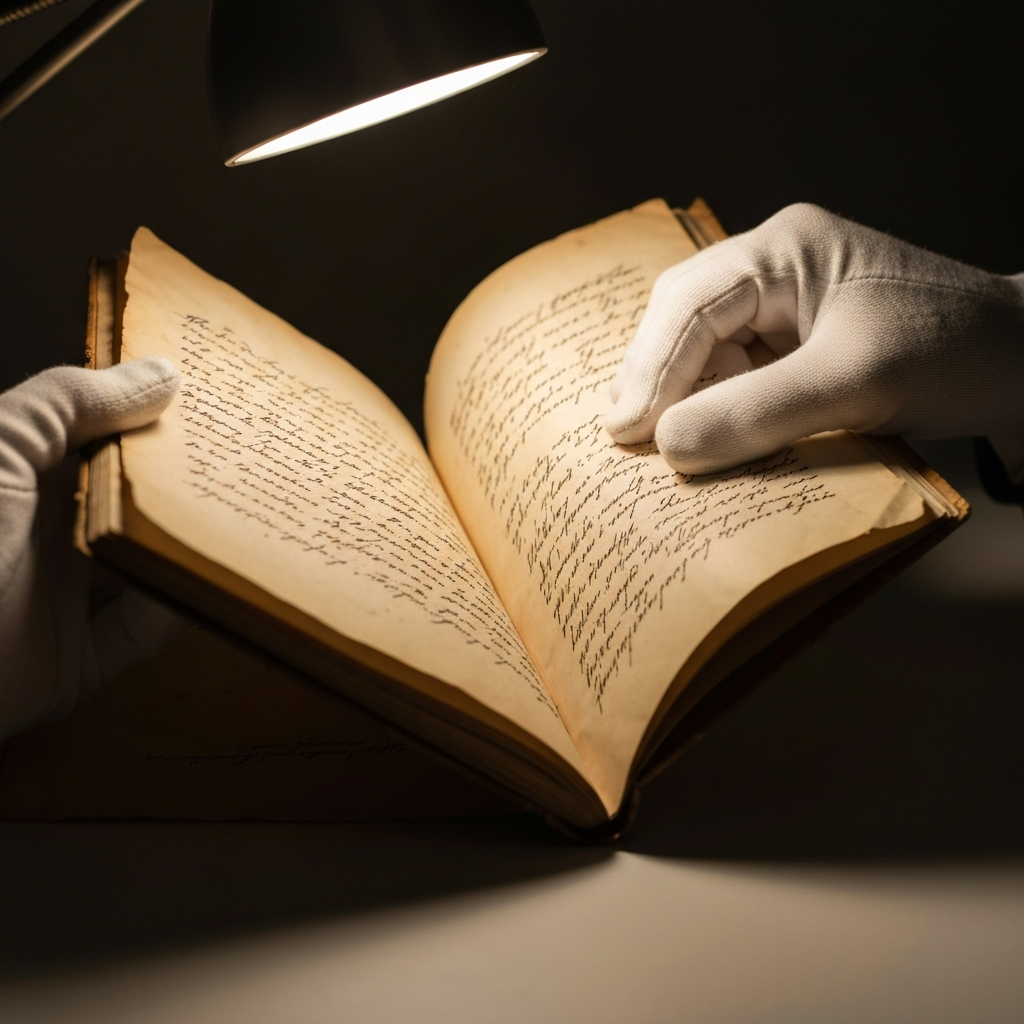
To navigate these treacherous spaces, literature relies on a specific archetype: the archivist, the curator, or the obsessive researcher. Traditionally, these figures are characterized by their passivity. They are observers, catalogers of the actions of others. However, modern fiction thrusts these quiet individuals into the center of the conflict. The act of reading a diary, restoring a painting, or translating a dead language becomes an act of profound, sometimes dangerous, intervention.
These protagonists are driven by a desperate need for order. They believe that if they can just arrange the files correctly, if they can just decipher the marginalia, the chaos of the world will resolve into a coherent pattern. Yet, the archive continually subverts this desire. The more the archivist digs, the more the boundaries between the past and the present blur. They become haunted by the voices they are trying to preserve, realizing that to interact with an archive is to invite the dead back into the world of the living.
Hidden Records and the Subversion of History
One of the most potent tropes within this subgenre is the discovery of the hidden record—the suppressed diary, the redacted file, the manuscript hidden within the binding of another book. This device is fundamentally political. It acknowledges that the official archive is a curated space, constructed by the victors to validate their own supremacy. The hidden record serves as a counter-narrative, a voice from the margins that threatens to destabilize the accepted historical consensus.
By centering the plot around the recovery of these suppressed voices, contemporary authors use the aesthetics of the archive to perform a kind of literary archaeology. They expose the gaps and silences in the official record. The narrative tension arises not just from the physical danger of uncovering a secret, but from the philosophical danger of realizing that the history one has been taught is a fabrication. The archive, therefore, becomes a battleground where the past is constantly being rewritten, and where the act of remembering is inherently rebellious.
The Digital Void vs. The Tactile Relic
In an age where information is increasingly stored in ephemeral, invisible clouds, the literary obsession with the physical archive might seem anachronistic. Yet, it is precisely the digitization of our world that makes the physical book, the handwritten letter, and the crumbling photograph so narratively compelling. The digital archive is infinite and sterile; it lacks the vulnerability that makes physical objects meaningful.
Contemporary fiction emphasizes the tactile nature of the physical archive. Authors linger on the texture of vellum, the specific shade of sepia in a photograph, the marginalia scribbled in the margins by a desperate hand. These physical imperfections are proof of human touch, proof of existence. A server can be wiped clean with a keystroke, leaving no trace, but a physical archive bears the scars of its survival. It can be burned, flooded, or hidden, but its destruction requires physical effort. This vulnerability transforms the document from a mere container of information into a relic, imbued with the spirit of its creator and its previous owners.
Why We Keep Returning to the Stacks
The enduring appeal of archival fiction lies in its dual nature. It appeals to our deepest desire for order, offering the tantalizing promise that the universe can be cataloged, understood, and safely stored away. At the same time, it subverts this desire, revealing that the archive is just as chaotic, subjective, and haunted as the human mind itself.
When we read stories about hidden libraries and forgotten museums, we are participating in a shared cultural ritual. We are confronting our fear of oblivion. The aesthetics of the archive remind us that while the past is always slipping away from us, it never truly disappears. It waits in the dark, gathering dust on a forgotten shelf, ready to be opened by anyone brave enough to break the spine and read the words within.
Do you enjoy the content on Agenda Creativa?
Your contributions help me create new articles, share creative ideas, and keep this platform alive! If you like what I do and want to support my work, you can buy us a coffee.
Every cup of coffee means more than just a gesture – it's direct support for my passion to create inspiring and useful content. Thank you for being part of this journey!
☕ Buy me a coffee
