The Ultimate Narrative Vantage Point
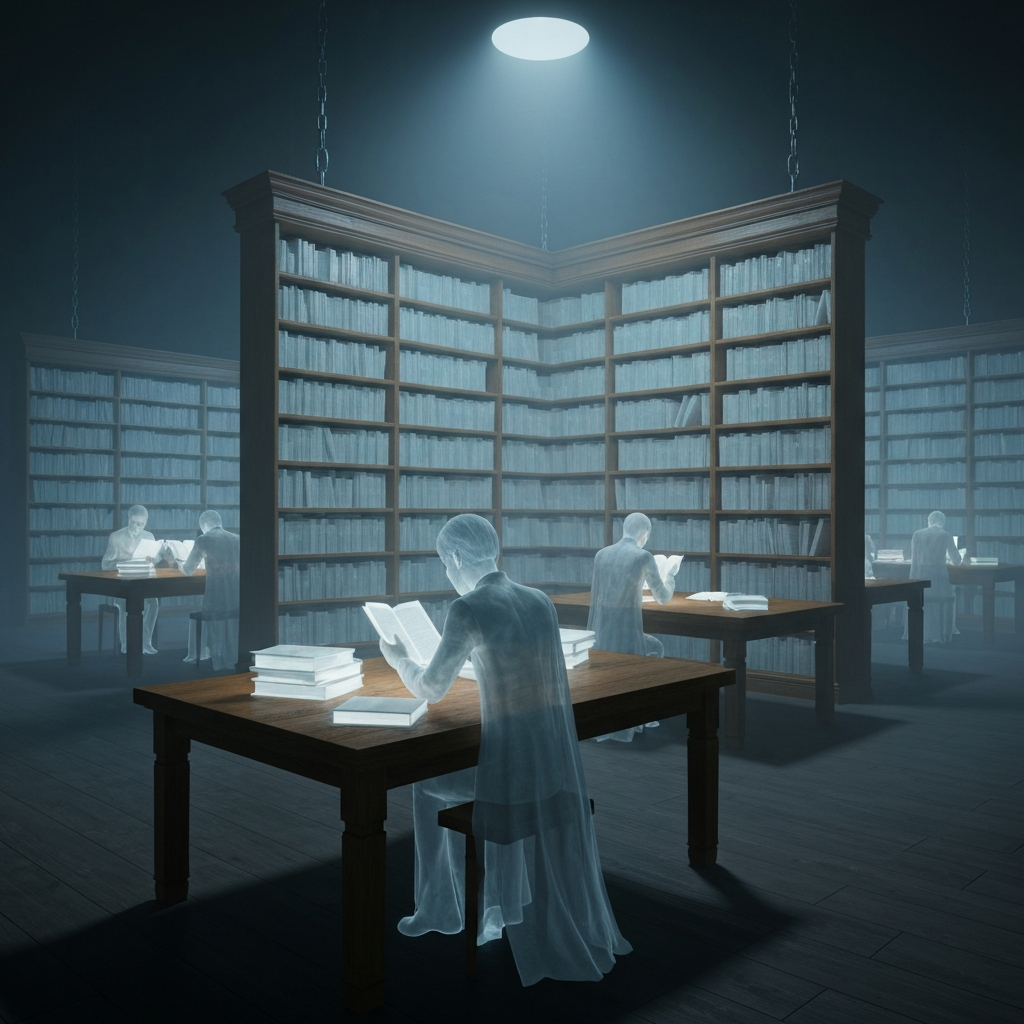
Death is typically the definitive end of a character’s arc. Once a protagonist’s heart stops, the narrative baton is usually passed to the survivors, leaving the deceased as a memory, a catalyst, or a ghost haunting the margins of the plot. But what happens when the main character refuses to relinquish the microphone? The posthumous narrator—a voice speaking from beyond the grave—has evolved into one of the most structurally fascinating devices in modern fiction. By positioning the storyteller outside the boundaries of mortality, authors unlock an entirely new framework for exploring grief, memory, and the human condition.
This narrative choice defies the ultimate biological limit, transforming the silence of death into a powerful vantage point. A narrator who has already crossed the threshold is immune to earthly threats, social expectations, and the linear progression of time. Consequently, the reader is granted access to a perspective that is uniquely liberated, often resulting in stories that are deeply philosophical, startlingly honest, and structurally inventive.
From Victorian Specters to Modern Critics
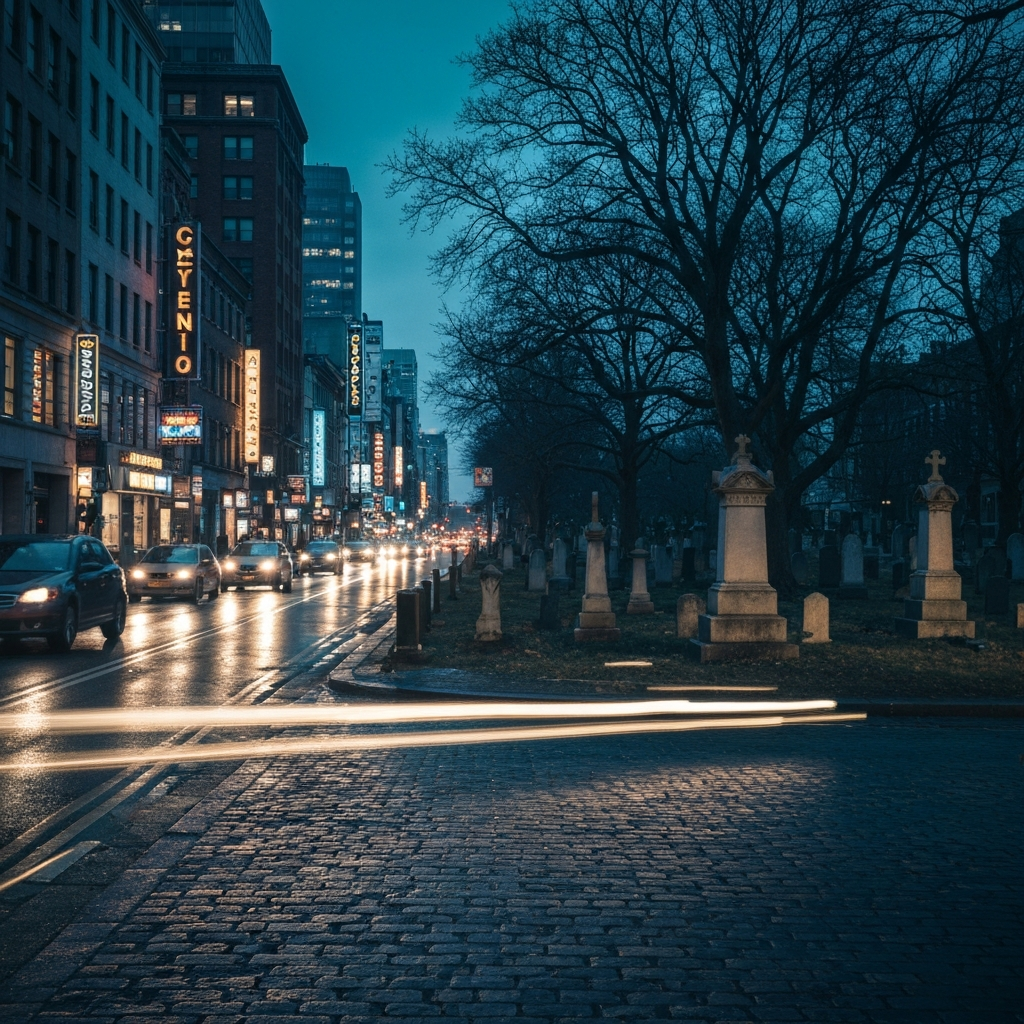
While contemporary authors have popularized the speaking dead, the lineage of this device stretches back centuries. Classical epics frequently featured descents into the underworld, where the living conversed with shades, but these spirits were merely side characters in a living hero’s journey. During the Victorian era, the dead spoke primarily through ghost stories, serving to frighten the living, deliver moral warnings, or exact revenge. Their purpose was heavily tied to the actions of those still breathing.
A defining milestone that shifted the dead from plot devices to autonomous storytellers arrived in 1881 with Joaquim Maria Machado de Assis’s brilliant satirical novel, The Posthumous Memoirs of Brás Cubas. By dedicating his book to the worm gnawing at his cold flesh, Brás Cubas established a radical new tone for the posthumous voice. He was not a solemn phantom delivering grave warnings; he was a cynical, liberated observer. Death granted him the freedom to be entirely honest about his mediocre life, unburdened by social conventions or the fear of judgment. This early masterpiece demonstrated that the afterlife could be a space not just of spiritual reckoning, but of sharp, unvarnished societal critique.
Omniscience Without Agency: The Observer’s Paradox
In modern literature, the posthumous perspective often serves to highlight a profound paradox: the acquisition of ultimate knowledge paired with the total loss of agency. The dead can see everything, yet they can change nothing. This tension replaces traditional plot-driven suspense with deep emotional resonance.
This dynamic is the emotional engine driving Alice Sebold’s The Lovely Bones. Susie Salmon watches her family splinter and her killer evade justice from her personalized version of heaven. Her narration is characterized by a desperate yearning to intervene, to reach across the metaphysical divide and comfort her grieving father or guide the police. Sebold uses Susie’s spectral vantage point to examine the ripple effects of tragedy. The narrator’s inability to act forces the reader to sit with the uncomfortable reality of powerlessness. We, like Susie, are reduced to pure observers, witnessing the agonizing, non-linear process of healing among the living. The narrative tension relies not on what the protagonist will do next, but on how she—and the reader—will come to accept what has already been done.
Historical Trauma and the Unquiet Dead
Beyond personal tragedy, the posthumous narrator is increasingly used to address collective and historical trauma. When a character dies as a result of systemic violence or historical injustice, their continued voice serves as a refusal to be erased. They become the unquiet dead, demanding that history be witnessed and acknowledged.
Jesmyn Ward’s Sing, Unburied, Sing masterfully employs this technique through the character of Richie, the ghost of a young boy who died violently at the Mississippi State Penitentiary. Richie’s posthumous narration adds a layer of historical weight to the contemporary struggles of the living characters. He is trapped in a transitional state, unable to move on until his story is fully told and understood. Through Richie, Ward illustrates how the atrocities of the past continue to haunt the present. The posthumous voice here is not omniscient or at peace; it is fractured, searching, and deeply tethered to the unresolved racial traumas of the American South. The dead narrator becomes a literal manifestation of history refusing to stay buried.
The Choral Afterlife: Polyphony and Collective Memory
Sometimes, the posthumous narrator is not a singular voice, but a cacophony of the stranded. When authors expand the afterlife to include a chorus of the dead, the narrative scope shifts from personal history to a sprawling portrait of human nature.
George Saunders executed this brilliantly in Lincoln in the Bardo. Set in a Tibetan Buddhist transitional state (the bardo), the novel is narrated by a multitude of spirits trapped by their earthly attachments. As they observe Abraham Lincoln mourning his young son, Willie, the dead narrators reveal their own unresolved traumas, prejudices, and desires. Here, the posthumous voice is not a source of clarity, but of profound confusion. Many spirits do not even realize they are dead, referring to their coffins as “sick-boxes.” Saunders uses this polyphonic narrative to explore how fiercely humans cling to identity and grievance, even after the physical body has expired. The dead in the bardo hold up a mirror to the living, reflecting our collective inability to let go of our egos.
Death as the Ultimate Objective Lens
A close cousin to the deceased protagonist is the personification of Death itself serving as the narrator. While not a human speaking from the afterlife, this perspective achieves a similar narrative distance. Markus Zusak’s The Book Thief employs Death as a weary, overworked observer of humanity during World War II.
By using an immortal, non-human entity to tell the story of a young German girl, Zusak strips away nationalistic and historical biases. Death views humanity with a mixture of bafflement and deep compassion, fascinated by our capacity for both staggering cruelty and profound beauty. This external lens allows the narrative to process the sheer scale of the Holocaust without losing the intimate, emotional core of one girl’s life. The narrator’s ultimate conclusion—that it is “haunted by humans”—subverts the traditional dynamic, suggesting that the living, with their chaotic and destructive choices, are far more complex and terrifying than the grim reaper.
Defying the Linear Timeline: The Architecture of Memory
One of the most significant advantages of the posthumous narrator is the liberation from linear time. For the living, time moves strictly forward, dictated by the biological clock. For the dead, time is often rendered as a simultaneous landscape where past, present, and future coexist.
This temporal fluidity allows authors to structure narratives entirely around the associative logic of memory. A dead narrator can jump from the moment of their demise to a childhood afternoon, and then fast-forward to the distant future of their descendants, all within a single paragraph. The narrative is no longer bound by cause and effect in the physical world; it is bound by emotional resonance. This structural freedom mimics the way grief operates in the human mind—as an unpredictable force that pulls us backward just as we attempt to move forward. The posthumous voice becomes the perfect vehicle for exploring how memory shapes our understanding of a life completed, revealing that the meaning of a life is often only visible in retrospect.
The Enduring Power of the Unsilenced Voice
The enduring appeal of the posthumous narrator lies in its unique blend of intimacy and distance. These voices speak to us from the ultimate unknown, offering a fictional map of a territory we will all eventually enter. They allow authors to bypass the mundane mechanics of physical survival and focus entirely on the philosophical, emotional, and historical core of existence.
Whether they are offering cynical societal critiques, yearning for the touch of loved ones, demanding historical justice, or struggling to understand their own demise, these narrators remind us that a story does not necessarily end when the breath stops. By giving voice to the void, contemporary literature transforms death from a silent wall into a resonant echo chamber. It challenges readers to consider what remains of us after we are gone, suggesting that the final word is not dictated by mortality, but by the enduring, transcendent power of the narrative itself.
Do you enjoy the content on Agenda Creativa?
Your contributions help me create new articles, share creative ideas, and keep this platform alive! If you like what I do and want to support my work, you can buy us a coffee.
Every cup of coffee means more than just a gesture – it's direct support for my passion to create inspiring and useful content. Thank you for being part of this journey!
☕ Buy me a coffee
