The Forgotten Art of the Installment
Long before streaming services conditioned audiences to eagerly anticipate weekly episode drops, the literary world had already perfected the art of episodic storytelling. Serialized fiction—stories published in sequential installments over time—was once the dominant mode of consuming literature. While the twentieth century largely shifted reader preferences toward the self-contained, standalone novel, the digital era has sparked a massive resurgence in episodic reading. To understand why modern readers are returning to serialized formats on platforms like Substack, Wattpad, and Kindle Vella, we must first look back at the economic and cultural forces that birthed the format.
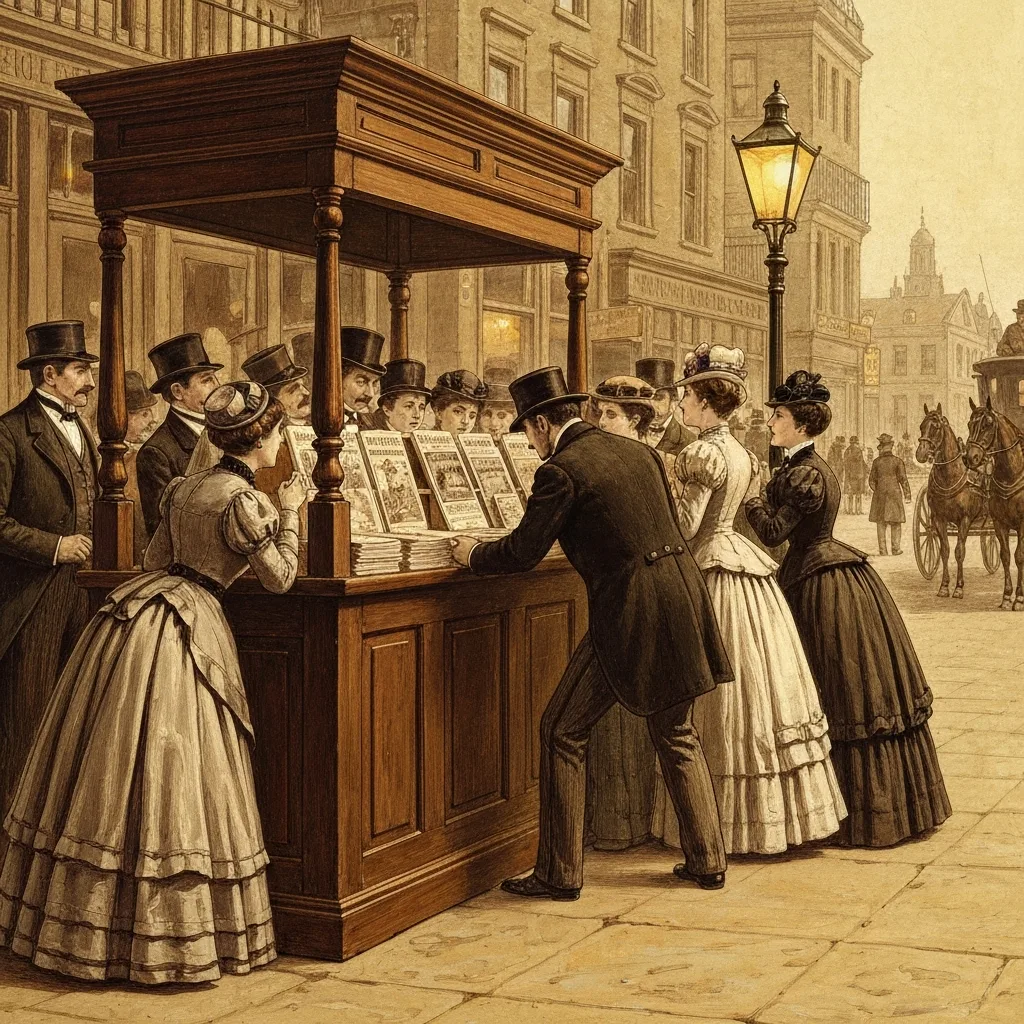
The concept of breaking a larger narrative into digestible chunks was born out of necessity. In the early nineteenth century, books were luxury items. A standard three-volume novel was prohibitively expensive for the average working-class individual. Publishers realized that by breaking a novel down into weekly or monthly installments and printing them in inexpensive magazines or standalone paper fascicles, they could democratize access to literature while simultaneously securing a steady, prolonged revenue stream. The installment plan transformed reading from an elite privilege into a mass-market phenomenon.

The Pickwick Phenomenon and the French Feuilleton
The watershed moment for serialized fiction arrived in 1836 with a young, relatively unknown author named Charles Dickens. His publication of The Posthumous Papers of the Pickwick Club started slowly, but by introducing a compelling new character in the fourth installment, sales exploded from a few hundred copies to over forty thousand per issue. Dickens proved that readers would eagerly part with a shilling a month for the privilege of spending time with characters they had grown to love. Dickens essentially became the showrunner of his era, writing installments just weeks before they went to print, allowing him to adjust the storyline based on public reaction.
Across the English Channel, the French were experiencing a similar literary revolution with the feuilleton—a section of the daily newspaper devoted to fiction and cultural gossip. Alexandre Dumas capitalized on this format masterfully. The Count of Monte Cristo and The Three Musketeers were originally published as serials. Dumas and his collaborators understood that to keep readers buying the newspaper day after day, every installment needed to end with a compelling hook. The pacing of these classic works, characterized by their rapid plot developments, sudden reversals of fortune, and high-stakes drama, was a direct result of the medium in which they were published.
The Birth of the Cliffhanger
Writing for serialization fundamentally alters the architecture of a narrative. A traditional novel allows for a slow, simmering buildup, trusting that the reader holds the entire physical book in their hands and will eventually reach the climax. A serialized author affords no such luxury. Every chapter or installment must function as a micro-narrative, possessing its own internal arc while propelling the overarching plot forward.
This structural demand gave rise to the cliffhanger. The term itself originates from the serialized novels of Thomas Hardy. In his 1873 serial A Pair of Blue Eyes, Hardy literally left his protagonist, Henry Knight, hanging desperately off the edge of a cliff staring into the stony eyes of a fossilized trilobite at the end of an installment. Readers had to wait an entire month to discover if Knight would survive the ordeal. This technique of interrupting the narrative at a moment of peak tension became the defining characteristic of serial fiction, ensuring that readers would return, wallet in hand, for the next issue.
The Mid-Century Slump and the Rise of the Paperback
Despite its massive popularity, serialized fiction saw a steep decline in the mid-twentieth century. The advent of the mass-market paperback drastically reduced the cost of book production. Readers could now purchase an entire novel for roughly the same price as a magazine. Simultaneously, the rise of radio and eventually television usurped the role of the serial as the primary source of episodic entertainment. The communal watercooler discussions that once centered around the fate of Dickens’s Little Nell now focused on the latest radio soap operas or evening television broadcasts.
For decades, serialization was relegated to specific genre niches, such as science fiction and mystery magazines, while mainstream literary fiction moved firmly into the realm of the standalone hardcover or paperback. The serialized format was viewed by many literary critics as a historical curiosity, an antiquated method of publishing that belonged to a bygone era of gaslamps and printing presses.
The Digital Serial Renaissance
The internet, however, is fundamentally a medium of continuous, incremental updates, making it the perfect environment for the resurrection of serialized fiction. The modern serial renaissance began quietly on message boards and fanfiction archives in the late 1990s and early 2000s. Writers uploaded their stories chapter by chapter, cultivating dedicated audiences who would leave immediate feedback in the comment sections. This digital environment recreated the interactive, communal reading experience of the Victorian era.
Platforms like Wattpad formalized this process, designing their entire interface around episodic mobile reading. Wattpad recognized that the modern reader, equipped with a smartphone, consumes content in short bursts—during a morning commute, waiting in line for coffee, or right before bed. By breaking stories down into bite-sized chapters, digital serials fit perfectly into the fragmented schedules of contemporary life. The platform’s algorithm rewards consistent, frequent updates, encouraging authors to write and publish on a rolling basis.
Algorithms, Microtransactions, and the Creator Economy
The financial models supporting modern serialized fiction have also evolved, blending traditional subscription methods with modern creator economy tools. Platforms like Royal Road and Tapas allow authors to build massive readerships through free serialized webnovels, which they then monetize via Patreon. Dedicated fans pay a monthly subscription fee to read chapters ahead of the public release schedule. This direct financial relationship between author and reader bypasses traditional publishing gatekeepers entirely.
Major tech companies have also recognized the lucrative potential of episodic reading. Amazon launched Kindle Vella, a platform where stories are published one short episode at a time. The first few episodes are free, but readers must purchase tokens to unlock subsequent installments. This microtransaction model closely mirrors the mechanics of mobile gaming, capitalizing on the psychological drive to find out what happens next. Substack, initially known for journalism and essays, has increasingly become a haven for literary fiction writers who serialize novels directly to their subscribers’ inboxes, reviving the epistolary and periodical traditions simultaneously.
How Serialization Shapes Modern Narrative Arcs
Just as the Victorian periodical influenced the pacing of Dickens and Dumas, digital serialization is shaping the stylistic choices of contemporary authors. Modern web serials often prioritize momentum over exposition. Authors must quickly establish stakes and maintain a relentless pace to prevent reader drop-off between updates. This has led to the rising popularity of genres that naturally support continuous escalation, such as LitRPG, progression fantasy, and high-stakes romance.
Furthermore, the feedback loop between author and audience is tighter than ever before. While Dickens had to wait weeks to gauge public reaction through sales figures and letters, a modern web serialist receives immediate, granular feedback via comments and analytics within minutes of posting a chapter. This live-audience dynamic allows authors to pivot their storylines, flesh out unexpectedly popular side characters, or adjust the pacing based on real-time reader engagement. The story becomes a living, collaborative document rather than a static, finished product.
The Future of Episodic Reading
As the publishing industry continues to navigate the complexities of the digital landscape, serialized fiction stands out as a robust, adaptable format. It lowers the barrier to entry for new writers, allowing them to build audiences organically without needing a literary agent or a massive marketing budget. For readers, it offers a daily or weekly ritual, a continuous engagement with a fictional world that a binge-read standalone novel cannot provide.
The return of serialized fiction is not a step backward into the past, but rather a brilliant adaptation of a proven storytelling method to modern technology. By combining the suspense of the Victorian cliffhanger with the instant connectivity of the internet, episodic storytelling has reclaimed its place as a vital, dynamic force in contemporary literature. Whether delivered via a nineteenth-century broadsheet or a twenty-first-century smartphone app, the fundamental human desire remains unchanged: we just want to know what happens next.
Do you enjoy the content on Agenda Creativa?
Your contributions help me create new articles, share creative ideas, and keep this platform alive! If you like what I do and want to support my work, you can buy us a coffee.
Every cup of coffee means more than just a gesture – it's direct support for my passion to create inspiring and useful content. Thank you for being part of this journey!
☕ Buy me a coffee