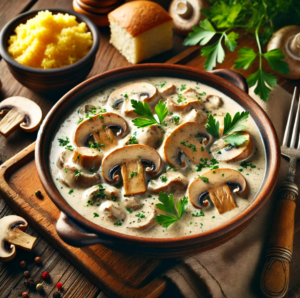
Nettle stew is a simple yet special dish typical of traditional Romanian cuisine, bringing the full freshness of spring to the table. Packed with vitamins and minerals, nettle is the perfect ingredient for a healthy, nourishing meal. Cooked with onion, garlic, and a drizzle of olive oil or butter, this nettle stew develops a smooth creamy texture and savory taste, perfected by adding milk or water for extra creaminess.
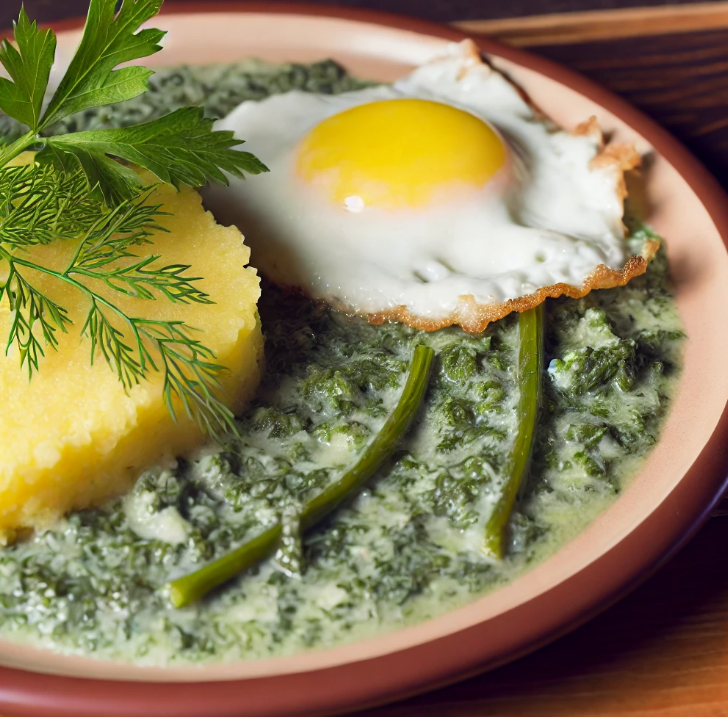
This recipe is easy to prepare and full of nutritional benefits, making it ideal for a light, revitalizing meal. Nettle stew can be served alongside warm polenta and, for extra flavor, a fried egg or grated cheese, transforming the dish into a complete culinary experience. Additionally, the addition of fresh dill or parsley imparts a pleasant aroma, enhancing the authentic taste of the nettles.
This dish reminds us of simple childhood meals, cooked with love and care for our health. Enjoy this traditional preparation that brings a touch of nature and an explosion of freshness to your table!
Ingredients:
- 500 g fresh nettles
- 1 small onion, finely chopped
- 2–3 garlic cloves, crushed
- 2 tablespoons olive oil or butter
- 1–2 tablespoons flour (optional, to thicken)
- 200 ml milk or water (for a lighter version)
- Salt and pepper, to taste
- 1 bunch dill or fresh parsley, chopped (optional, for extra aroma)
Preparation:
Cleaning the Nettles:
Wash the nettles thoroughly in several changes of water to remove impurities and grit. Place them in a large pot of boiling water and cook for 2–3 minutes. This step softens the nettles and removes their bitter taste. Drain, reserving some cooking water for later use.
Chopping the Nettles:
Once cooled slightly, finely chop the nettles with a knife or puree them in a blender for a smoother consistency, if preferred.
Preparing the Onion and Garlic Base:
In a pan, heat the oil or butter and sauté the onion until golden. Add the garlic and cook for 1 minute, taking care not to burn it.
Adding Nettles and Flour:
Stir in the chopped nettles over the onion and garlic. If you wish to thicken the stew, sprinkle in the flour and stir until well incorporated.
Adding Milk or Water:
Pour in the milk or water (you may also use the reserved nettle cooking liquid) and let simmer over low heat for 5–10 minutes, until the stew thickens and attains a creamy consistency.
Seasoning:
Adjust with salt and pepper to taste, and stir in the chopped dill or parsley for a burst of freshness.
Serving:
Serve the nettle stew hot alongside polenta and, for those who wish, a fried egg or grated cheese. This traditional, nutrient-rich dish is perfect for adding vitamins and minerals to a simple yet flavorful meal.
Bon appétit!
1. Why Is Nettle Stew Considered a Traditional Romanian Dish and What Role Does It Play in Our Cuisine?
Nettle stew is often associated with the arrival of spring, when young plants emerge with a fresh taste and valuable nutrients. In many regions of Romania, nettles are foraged from the wild and prepared using family recipes passed down through generations. These dishes, often featuring simple ingredients like onion, garlic, and milk, highlight the rustic and authentic character of our cuisine, underscoring the close connection to the natural environment.
2. How Are Nettles Prepared to Achieve a Delicious Dish Without Bitterness?
First, rinse them thoroughly in cold water to remove all dirt and grit. Then, blanch the nettles for 2–3 minutes in boiling salted water; this reduces bitterness and softens the leaves. After draining, the nettles can be chopped or pureed, depending on the desired texture.
3. What Is the Role of Flour in Traditional Nettle Stew, and Can It Be Omitted?
Flour acts as a thickening agent, adding extra consistency and a creamy texture to the dish. However, for a lighter, gluten-free version, you may omit the flour. In that case, the chopped nettles will still provide body, especially if well cooked and stirred, and you can adjust by reducing the liquid volume.
4. Which Type of Milk or Liquid Can Be Used for a Lighter or Vegan Variation?
In the traditional recipe, cow’s milk is used for a rich flavor and smooth texture. For a lighter option, use low-fat milk or simply water. For a vegan version, replace the milk with a plant-based alternative (soy, almond, etc.), and the nettles will retain their characteristic taste. Butter can also be substituted with olive oil or a vegan margarine.
5. Why Are Garlic and Onion Added to Nettle Stew, and How Do They Influence the Final Flavor?
Garlic and onion provide an essential aromatic base, balancing nettles’ slight bitterness with sweetness and depth. Sautéing them in oil or butter develops a flavorful layer that, combined with the creamy nettles, creates a harmonious contrast. This classic combination is common in Romanian cooking, intensifying and unifying the flavors of the main ingredients.
6. How Can Nettle Stew Be Served to Create a Complete and Balanced Meal?
A classic choice is to pair it with warm polenta, which soaks up the stew and offers a textural contrast. Add a fried egg or grated cheese (telemea, kashkaval, burduf) for extra protein and flavor. A side of seasonal salad (lettuce, radishes) or pickles adds a tangy note, yielding a complete, nutrient-dense meal.
7. Are There Regional or Personal Variations of Nettle Stew?
Yes, variations exist by region and family preference. Some add rice or boiled potatoes to thicken and enrich the stew. In other areas, sour cream replaces milk for a richer taste. Different herbs (for example, dill instead of parsley) also alter the final aroma.
8. What Nutritional Role Do Nettles Play and Why Are They Considered So Healthy?
Nettles are rich in iron, calcium, vitamins A, C, and K, and antioxidants. These nutrients support bone health, the immune system, and help prevent anemia. Additionally, nettles contain anti-inflammatory compounds and may help regulate blood sugar levels. While cooking slightly reduces heat-sensitive nutrients, most remain intact, keeping the stew highly nourishing.
9. Can Nettle Stew Be Consumed During Fasting Periods or in Special Diets?
Yes, nettle stew suits fasting diets if you omit the milk (or replace with plant milk) and butter, using only olive oil. In low-carb diets, the carbohydrate content from onion and garlic is moderate, and nettles themselves are low in calories. However, be mindful of additions like egg or cheese if following strict dietary guidelines.
10. What Is the Secret to Achieving a “Grandma’s Home Cooking” Flavor in Nettle Stew?
The key is using the freshest nettles, harvested or bought recently for intense aroma. Slowly sautéing onion and garlic brings out traditional flavors. Finally, adding milk (or sour cream) and a knob of butter yields richness, while fresh chopped parsley or dill adds a burst of springtime freshness. Cooking slowly over low heat, with patience, develops an authentic taste reminiscent of comforting childhood meals.

Do you enjoy the content on Agenda Creativa?
Your contributions help me create new articles, share creative ideas, and keep this platform alive! If you like what I do and want to support my work, you can buy us a coffee.
Every cup of coffee means more than just a gesture – it's direct support for my passion to create inspiring and useful content. Thank you for being part of this journey!
☕ Buy me a coffee