The Psychology of First Impressions
They say we eat with our eyes first, and nowhere is this more accurate than with appetizers. As the opening act of any culinary experience, starters set the tone, build anticipation, and communicate the level of care put into the meal. A beautifully presented bite-sized snack can turn a casual gathering into a memorable event, while a haphazardly plated dish might leave guests underwhelmed before they even take a bite. Mastering the art of appetizer presentation is not just about making food look pretty; it is about understanding color theory, spatial awareness, and the psychology of appetite. When you present a thoughtfully arranged plate, you are telling a story of flavor, texture, and hospitality.
Essential Plating Techniques for Bite-Sized Delights
Transforming a simple recipe into a visual masterpiece requires a basic understanding of professional plating principles. You do not need a culinary degree to apply these concepts; you only need a shift in perspective.
The Rule of Odds
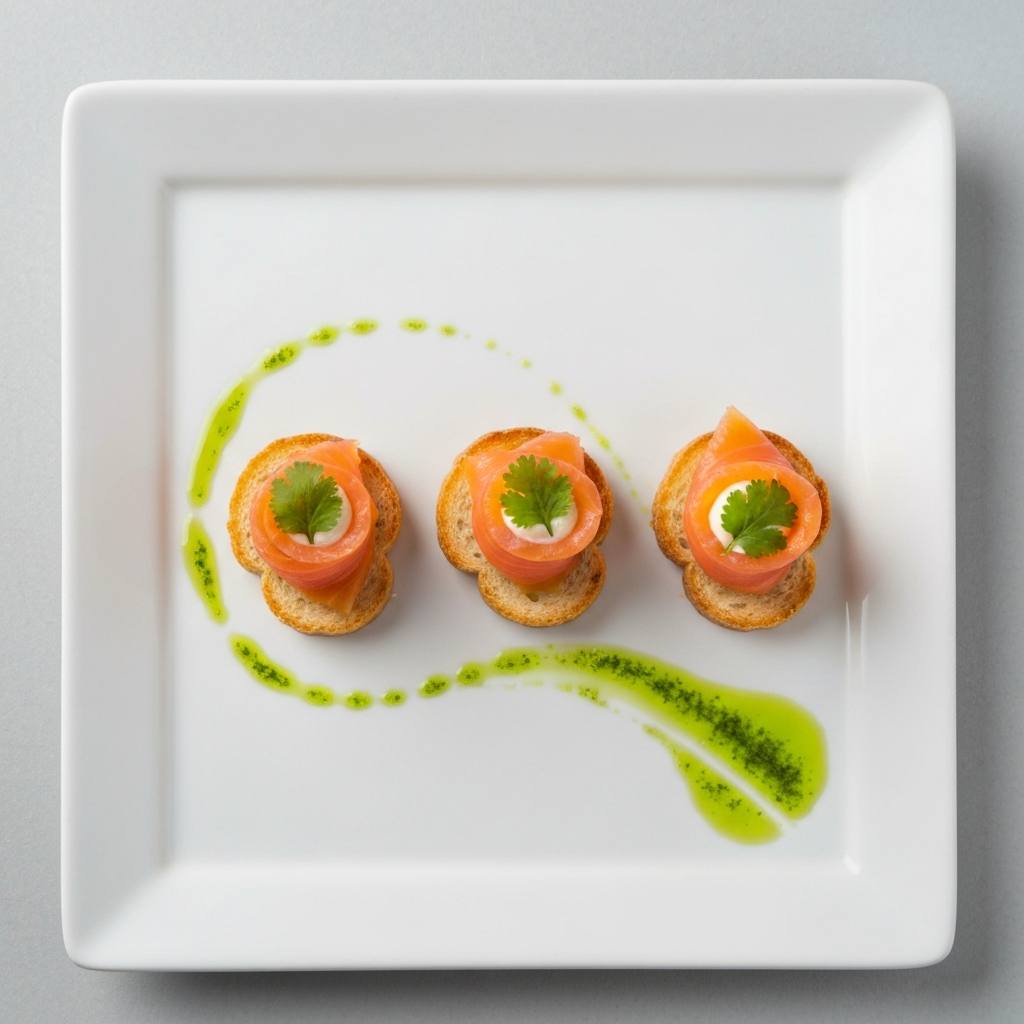
One of the most fundamental rules in visual arts and food presentation is the rule of odds. When serving individual appetizers on a shared platter or a personal plate, arrange them in groups of three, five, or seven. The human brain finds odd numbers inherently more interesting and dynamic than even numbers, which tend to look overly symmetrical and static. A plate with three perfectly crafted stuffed mushrooms will always look more appealing and professionally styled than a plate with four arranged in a rigid square.
Embracing Negative Space
Amateur hosts often make the mistake of overcrowding a platter, believing that abundance equals generosity. While this works for a rustic grazing board, individual plated appetizers require breathing room. Negative space—the empty area on the plate around the food—frames your appetizer, drawing the eye directly to the ingredients. By leaving a significant portion of the plate bare, you communicate elegance and confidence. Think of the plate as a canvas; you wouldn’t paint over every single inch of it. Let the stark white of porcelain or the deep charcoal of slate contrast with the vibrant colors of the food.
Building Height and Architecture
Flat food is rarely exciting. Creating verticality on a plate adds a three-dimensional appeal that catches the light and reveals different textures. You can achieve height in appetizers by stacking ingredients thoughtfully. For example, instead of laying a slice of prosciutto flat on a crostini, gently fold it into a ribbon-like shape. Lean a crisp parmesan tuile against a dollop of whipped goat cheese. Use small ring molds to form tartares or vegetable salads into neat, towering cylinders. This architectural approach makes the dish look substantial and meticulously crafted.
Tools of the Trade: What Every Host Needs
To execute high-level presentation, a few simple, inexpensive tools can make a world of difference.
Plating Tweezers and Offset Spatulas
Fingers are often too clumsy for delicate work. A pair of fine-tipped plating tweezers allows you to precisely place microgreens, edible flowers, or tiny slivers of chili exactly where you want them without smudging the surrounding plate. Offset spatulas are equally crucial; their angled blades allow you to easily transfer delicate canapés from a prep station to the final serving platter without disturbing the arrangement or leaving messy fingerprints.
Squeeze Bottles and Piping Bags
Sauces should never just be poured or spooned haphazardly if you are aiming for a refined look. Small plastic squeeze bottles allow you to create perfect uniform dots of aioli, balsamic glaze, or herb oil. Piping bags fitted with star or round tips turn simple spreads—like cream cheese, chicken liver mousse, or hummus—into beautifully textured rosettes that sit perfectly atop crackers or cucumber rounds.
Choosing the Perfect Canvas
The vessel you serve your appetizers on is just as important as the food itself. The serving piece must complement the style, temperature, and mood of the dish.
Classic Porcelain vs. Rustic Wood
Stark white, oversized porcelain plates are the gold standard for modern, fine-dining presentations. They offer maximum contrast and a clean background that makes vibrant colors pop. However, if you are serving something inherently rustic—like a hearty bruschetta or a robust terrine—a polished olive wood board or a piece of natural slate might be more appropriate. The earthy tones of wood and stone complement the hearty nature of the food.
Unconventional Serving Vessels
To truly surprise your guests, look beyond traditional plates. Serve chilled gazpacho shooters in tall, elegant shot glasses rimmed with smoked salt. Present delicate seafood bites inside cleaned oyster shells resting on a bed of crushed rock salt or seaweed. Use Asian-style ceramic soup spoons for single-bite liquid or messy appetizers, allowing guests to consume the entire bite cleanly. Even polished marble tiles or mirrored glass can be used for dramatic, contemporary presentations.
Garnishes That Transform
A garnish should never be an afterthought, nor should it be something inedible just for the sake of color. The best garnishes enhance both the visual appeal and the flavor profile of the appetizer.
Edible Flowers and Microgreens
Nothing breathes life into a plate quite like fresh flora. Edible flowers such as pansies, nasturtiums, and borage blossoms add brilliant pops of purple, yellow, and blue that are difficult to achieve with standard ingredients. Microgreens—the tiny seedlings of vegetables like radish, cilantro, or amaranth—provide a delicate, lacy texture and a concentrated burst of flavor. A single micro-cilantro leaf placed atop a spicy tuna bite with tweezers shows an incredible level of dedication to the craft.
Textural Contrasts
Visual appeal is heavily tied to texture. If an appetizer is soft—like a smooth pâté or a creamy cheese ball—it visually begs for a crunchy contrast. Incorporate crushed toasted pistachios, delicate shards of crispy chicken skin, fried capers, or translucent slices of radish. These elements catch the light differently than smooth surfaces, creating shadows and highlights that make the food look appetizing.
Sauce Swooshes and Drops
Sauce is a powerful visual tool. Instead of drizzling sauce over the top of a carefully constructed appetizer (which can hide the ingredients and look messy), apply the sauce directly to the plate. Place a generous spoonful of puree on the plate and use the back of the spoon to drag it into an elegant ‘swoosh’. Alternatively, use a squeeze bottle to place three varying-sized dots of sauce in the negative space next to the appetizer. This technique bridges the gap between the food and the edge of the plate.
Thematic Presentation Strategies
The way you present your appetizers should adapt to the nature of the event you are hosting. A technique that works perfectly for a formal dinner might feel out of place at a casual Sunday gathering.
Elegant Dinner Parties
For formal occasions, focus on minimalism and precision. Serve individual composed bites rather than communal dips. Ensure every single piece is identical in size and shape. Use high-contrast plating—such as a bright yellow saffron arancini on a matte black slate plate. Keep portions strictly to one or two bites, ensuring guests can eat them gracefully while holding a cocktail glass.
Casual Grazing and Game Days
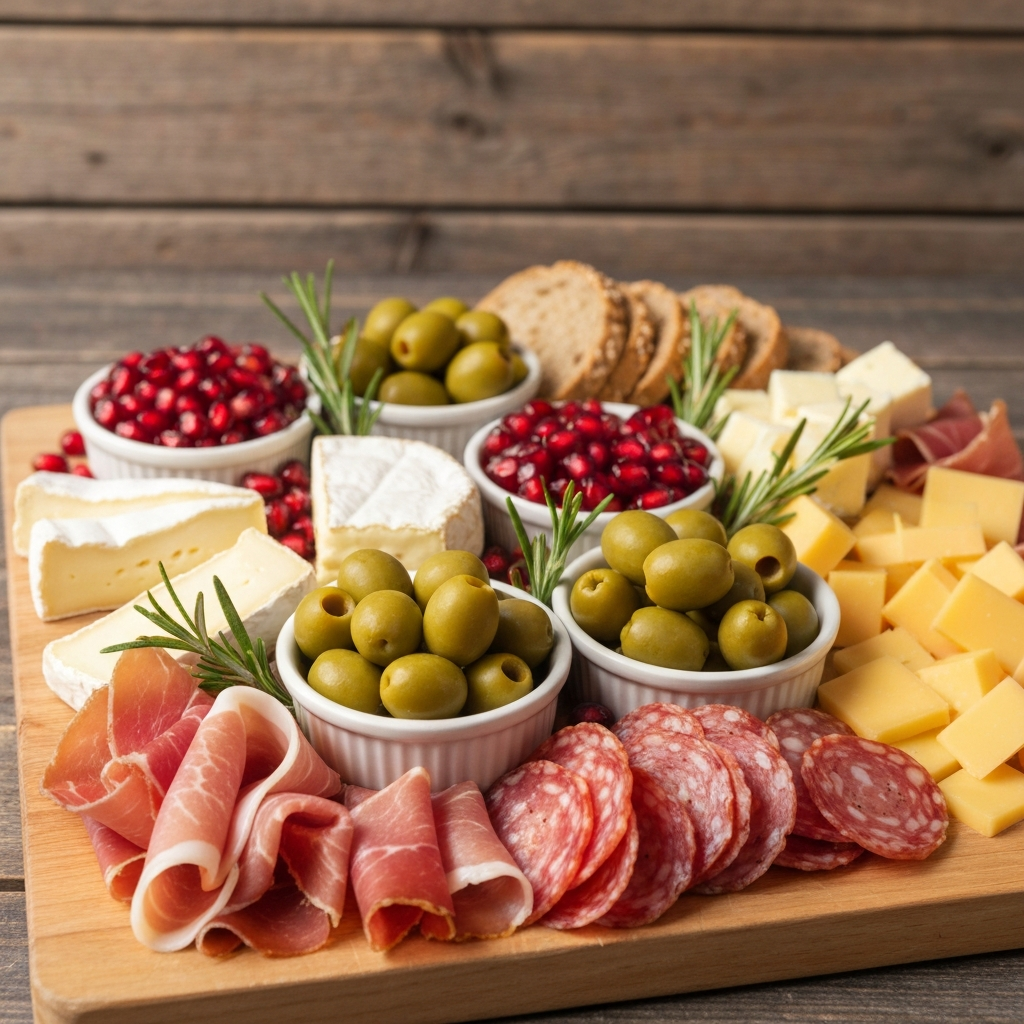
When the atmosphere is relaxed, the presentation should be abundant and inviting, but still organized. This is where the ‘organized chaos’ of a grazing board shines. Group ingredients by color and type, but allow them to spill over slightly into one another. Use small bowls to corral messy items like olives or dips, and build height by stacking crackers or leaning wedges of cheese against one another. Tuck sprigs of fresh rosemary or clusters of grapes into the empty gaps to ensure the board looks lush and overflowing.
Holiday Feasts
Holidays offer a chance to lean into seasonal aesthetics without becoming kitschy. For winter holidays, incorporate deep reds and forest greens using pomegranate seeds, cranberry reductions, and fresh thyme sprigs. Serve appetizers on frosted glass or metallic silver trays to mimic winter elements. For spring and summer events, rely heavily on bright citrus zest, edible flowers, and light, wooden serving boards that reflect the brightness of the season.
The Final Polish
Before any plate leaves the kitchen, take a moment to inspect it. Wipe the rims of the plates with a damp cloth lightly dipped in white vinegar to remove any rogue fingerprints or smudges of sauce. This final polish is the hallmark of a meticulous host. Mastering the art of appetizer presentation takes practice, patience, and a willingness to experiment. By applying these techniques, you will not only create beautiful food, but you will also craft an unforgettable sensory experience that begins the moment your guests set eyes on the table.

Do you enjoy the content on Agenda Creativa?
Your contributions help me create new articles, share creative ideas, and keep this platform alive! If you like what I do and want to support my work, you can buy us a coffee.
Every cup of coffee means more than just a gesture – it's direct support for my passion to create inspiring and useful content. Thank you for being part of this journey!
☕ Buy me a coffee