A Quiet Rebellion on the Bookshelves
Fantasy literature has long been synonymous with world-ending stakes, dark lords, and chosen ones destined to bleed for the fate of humanity. For decades, the publishing industry prioritized the epic and the grim. Readers followed farm boys across war-torn continents, witnessed the fall of ancient empires, and endured the grueling political machinations of morally gray anti-heroes. However, a quiet rebellion is taking place on bookshelves around the world. Enter cozy fantasy: a subgenre that trades broadswords for baking sheets and replaces the impending apocalypse with the gentle challenge of opening a coffee shop in a bustling fantasy metropolis.
The shift toward low-stakes fiction did not happen in a vacuum. The cultural zeitgeist over the past decade has been marked by high stress, global uncertainty, and a relentless 24-hour news cycle. In literature, this anxiety was often reflected in the popularity of grimdark fantasy and dystopian narratives. Books by authors like George R.R. Martin and Joe Abercrombie dominated the conversation, offering gritty, realistic takes on human nature where no character was safe, and violence was a primary currency. While these epic tales offer incredible storytelling, they demand a high emotional toll from the reader.
Eventually, a profound sense of fatigue set in. Readers began seeking an escape that did not mirror the exhaustion of their daily lives. They wanted magic, but they wanted it applied to comfort. They sought out worlds where the biggest conflict wasn’t defeating a dark god, but rather ensuring the local harvest festival went off without a hitch. This desire for literary refuge paved the way for cozy fantasy to transition from a niche internet aesthetic to a dominant force in traditional publishing.
Defining the Cozy Fantasy Genre
What exactly constitutes a cozy fantasy? At its core, the genre is defined by its scale. The stakes are deeply personal rather than global. A protagonist might be trying to renovate an abandoned inn, brew the perfect cup of magical tea, or solve a low-level, non-violent mystery in a quaint village. The fate of the world is never hanging in the balance. Instead, the narrative tension comes from relatable, everyday challenges wrapped in a fantastical setting.
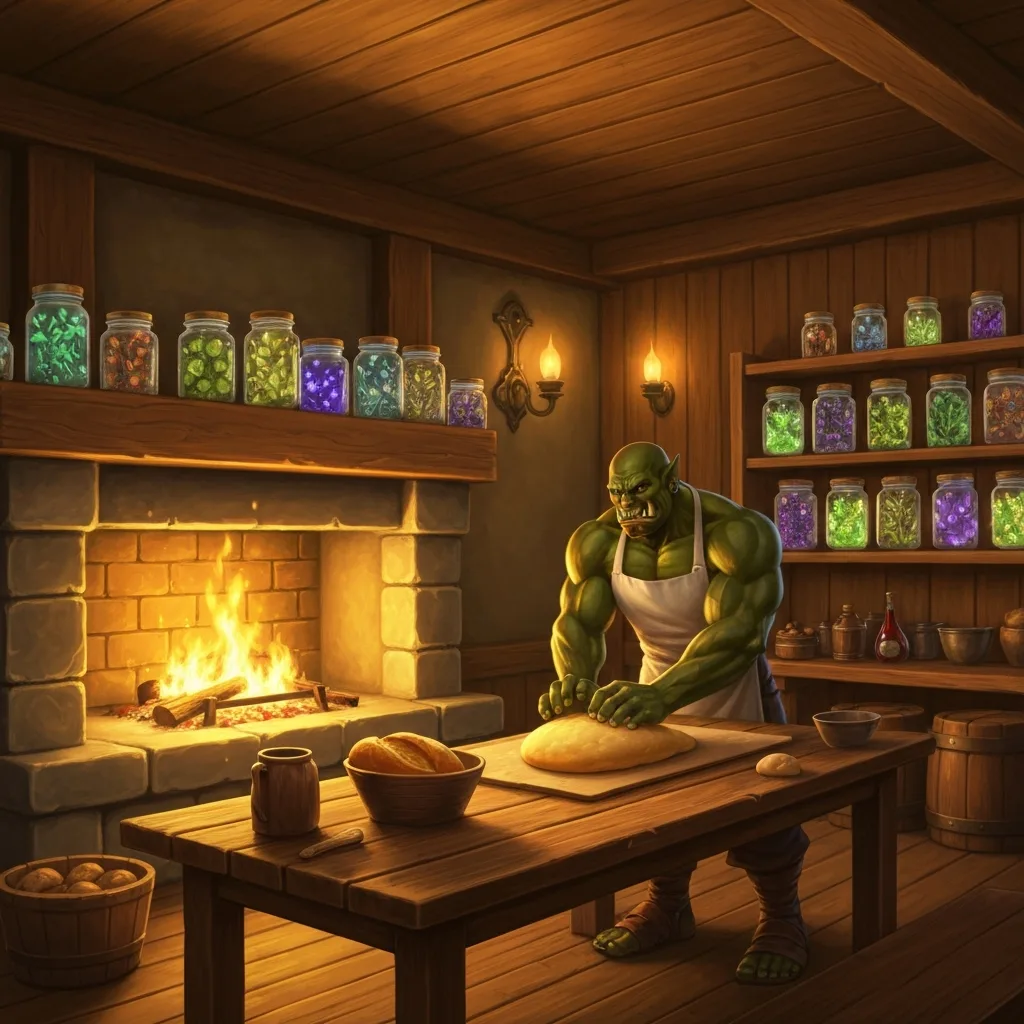
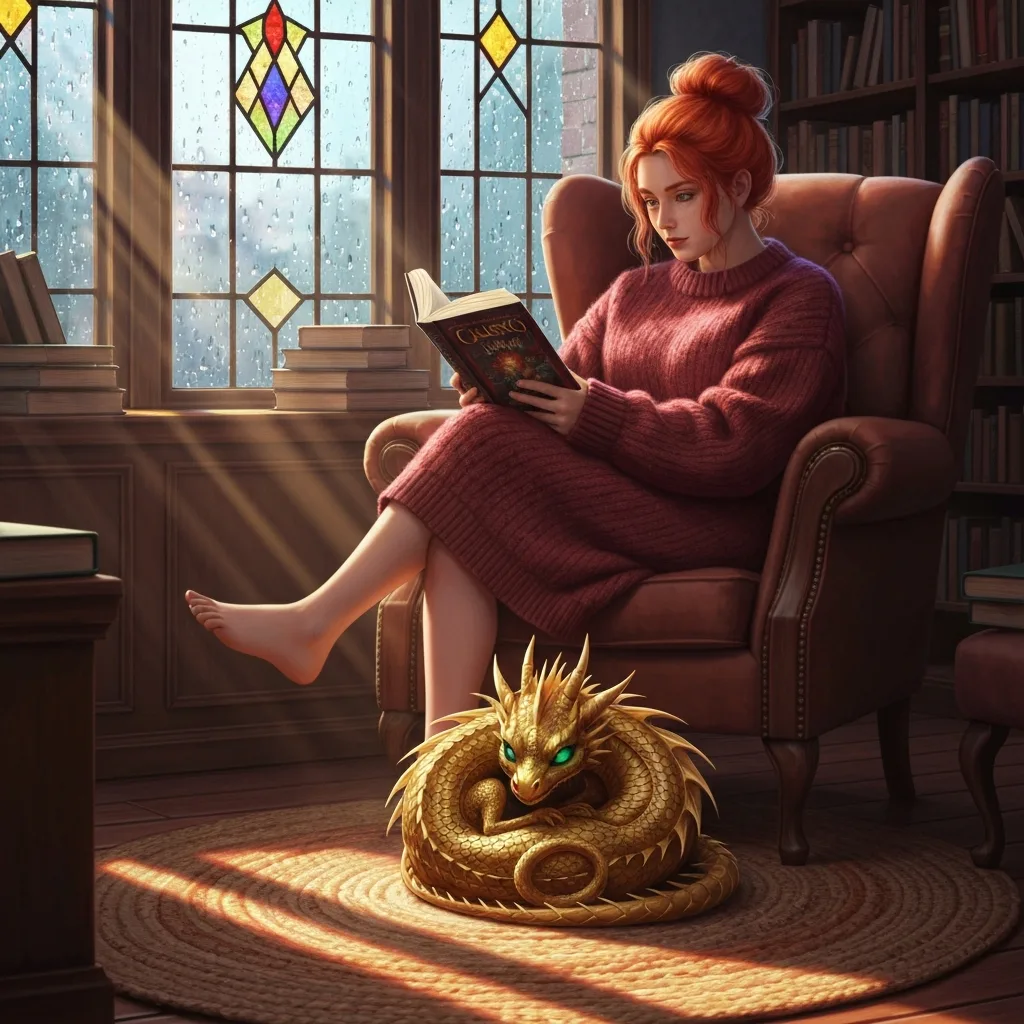
Magic in these stories is rarely used for combat. It is practical, domestic, and whimsical. A witch might use her powers to help plants grow in her greenhouse, while a retired orc mercenary might use his immense strength to knead bread dough. The environment itself plays a crucial role. The settings are designed to be inviting—think rain pattering against the stained glass window of a dusty bookshop, a warm hearth in a bustling tavern, or a sun-drenched garden filled with mythical creatures.
The Hallmark Traits of Low-Stakes Fiction
Beyond the setting and stakes, cozy fantasy relies heavily on character-driven narratives centered around the concept of ‘found family.’ Because the characters are not busy fighting off hordes of monsters, they have the time to sit down, share a meal, and build meaningful relationships. The conflicts that do arise are usually solved through communication, community effort, and empathy rather than violence. Villains, if they exist at all, are often just misunderstood individuals or minor antagonists like a snooty rival baker or a bureaucratic city inspector. The pacing is intentionally slow and atmospheric. It encourages the reader to linger in the world, enjoying the sensory details of a well-cooked meal or the satisfaction of a hard day’s work.
Subverting High Fantasy Tropes
One of the most delightful aspects of cozy fantasy is how it actively subverts the established tropes of traditional high fantasy. For decades, readers have been conditioned to expect certain character arcs: the farm boy who discovers a magical sword, the rogue who assassinates a corrupt king, or the ancient wizard guiding a fellowship into enemy territory. Cozy fantasy takes these familiar archetypes and places them in mundane situations, creating an inherent, gentle humor.
The terrifying dark lord is now a middle manager at a magical post office; the bloodthirsty barbarian is struggling to master the delicate art of pastry making; the ancient, brooding vampire just wants to organize their sprawling library in peace. This subversion does two things. First, it rewards long-time fantasy readers who understand the tropes being played with, offering a fresh, affectionate parody of the genre they love. Second, it humanizes these larger-than-life figures. By stripping away the epic destiny, the narrative forces these characters to grapple with highly relatable challenges: paying rent, dealing with difficult customers, or navigating the awkward early stages of a romance. The humor is never mean-spirited; rather, it is born from the juxtaposition of extraordinary beings engaging in ordinary life.
The Roots and the Recent Boom
While the current explosion of cozy fantasy feels unprecedented, the subgenre has deep roots. Authors like Diana Wynne Jones and Terry Pratchett frequently played with low-stakes, humorous, and domestic fantasy elements. Studio Ghibli films, particularly Kiki’s Delivery Service and Howl’s Moving Castle, have also served as massive visual and thematic inspirations for modern cozy fantasy writers.
However, the recent boom can be largely attributed to the self-publishing community, which recognized the demand for comfort reads long before traditional publishers caught on. Travis Baldree’s Legends & Lattes is widely considered the watershed moment for the modern cozy fantasy movement. Originally self-published, this novel about an orc retiring from adventuring to open a coffee shop became a viral sensation on platforms like TikTok before being picked up by a major publisher. Its success proved that there was a massive, hungry audience for stories where nothing terrible happens.
The Psychological Appeal of Warm Hearths
The psychological appeal of these stories cannot be overstated. Reading cozy fantasy is akin to wrapping oneself in a weighted blanket. It provides a safe space where the reader knows the characters they grow to love will not be brutally killed off in the next chapter. This predictability is not a flaw; it is a feature. In a world that often feels chaotic and out of our control, there is profound comfort in a narrative where hard work pays off, people are fundamentally good, and problems can be solved over a hot cup of tea.
It validates the importance of ordinary life. By elevating mundane tasks—cooking, cleaning, crafting, and building friendships—to the level of magic, cozy fantasy reminds us that there is value and beauty in our own daily routines. It rejects the notion that a life must be epic to be meaningful. Instead, it argues that a quiet life, lived with intention and surrounded by people you care about, is an adventure in its own right.
Expanding the Boundaries: Cozy Sci-Fi and Beyond
The success of cozy fantasy is also influencing other speculative genres. We are now seeing the rise of ‘hopepunk’ and cozy science fiction. Becky Chambers, with her Monk and Robot series, has masterfully translated the cozy aesthetic into a futuristic, sci-fi setting, focusing on themes of nature, philosophy, and gentle exploration rather than galactic warfare. Cozy mysteries are also blending with fantasy more seamlessly than ever, giving rise to paranormal cozies featuring amateur sleuth witches and vampire bookstore owners.
This cross-pollination ensures that the low-stakes movement remains fresh and diverse, offering something for every type of reader. Whether you prefer the rustic charm of a medieval fantasy tavern or the sleek, optimistic corridors of a peaceful starship, the core promise remains the same: a narrative space where kindness wins and the stakes are manageable.
The Future of Comfort Reading
The rise of cozy fantasy represents a fascinating shift in how we consume escapist literature. It challenges the long-held assumption that fantasy must be dark, sprawling, and violent to be taken seriously. As readers continue to prioritize their mental health and seek out joy in their entertainment, the demand for warm hearths, soft magic, and found families will only grow.
Cozy fantasy is not just a fleeting trend born out of modern anxiety; it is a permanent expansion of the fantasy genre’s boundaries. It stands as a gentle reminder that sometimes, the bravest thing a hero can do is lay down their sword, put on an apron, and invite their neighbors in for a warm meal.
Do you enjoy the content on Agenda Creativa?
Your contributions help me create new articles, share creative ideas, and keep this platform alive! If you like what I do and want to support my work, you can buy us a coffee.
Every cup of coffee means more than just a gesture – it's direct support for my passion to create inspiring and useful content. Thank you for being part of this journey!
☕ Buy me a coffee