The dessert course is more than a final sweet note—it’s an opportunity to showcase technique, elevate the dining experience and leave a lasting impression. Whether you’re hosting an intimate dinner or managing a large banquet, these comprehensive best practices will ensure your dessert service is both flawless and memorable.
1. Preparing the Table for Dessert
- Clear and reset: Once the main-course dinnerware is removed, wipe the table surface discreetly with a lightly dampened cloth to eliminate crumbs and smudges.
- White linen placement: If using a secondary tablecloth or overlay for dessert, choose a crisp white linen to highlight colours and textures.
- Glassware order: Replace water and wine glasses with appropriate dessert wine glasses (e.g., tulip-shaped for Sauternes) and a small cordial glass for after-dinner liqueur.
- Service tray: Have a polished silver or stainless-steel tray ready with fresh napkins, extra utensils and any garnish bowls (e.g., mint sprigs, chocolate shavings).
2. Presentation of the Dessert
- Individual plating vs. buffet style:
- Individual plating allows for precise art-quality presentation: sculpt quenelles, pipe cream rosettes, dust with powdered sugar or cocoa through stencils.
- Platter service cultivates shared indulgence: arrange bite-sized pastries, fruit brochettes or petite fours in symmetrical patterns.
- Temperature and timing: Bring frozen or chilled desserts onto the table exactly 30 seconds before serving to ensure optimal texture and presentation.
- Height and balance: Incorporate vertical elements—tuile cookies, spun sugar nests or crisp biscuit shards—to create visual interest.
3. Selecting the Right Cutlery for Dessert
- Design and finish: Choose cutlery with a sleek profile and mirror finish to reflect the dessert’s colours. Avoid ornate patterns that distract from the plate.
- Specialty pieces:
- Cheesecake knife: narrow, offset blade for clean slices of dense cakes.
- Entremet fork: three-tined, slightly curved for mousse and layered desserts.
- Coupe spoon: larger bowl, ideal for crèmes brûlées and custards.
- Placement etiquette: Align handles at a 90° angle to the table edge; ensure symmetry and accessibility.
4. Positioning the Cutlery
- Above the plate, center-aligned:
- Place the fork tines pointing left, spoon bowl facing right.
- Knife blade facing inward towards the plate.
- Sequential usage: If a dessert course includes multiple utensils (e.g., spoon then fork), arrange them in order of use, outward to inward.
5. Techniques for Fruit Tarts and Pies
- Scoring the crust: Lightly score baked pastry edges to guide even cutting and prevent crumbling.
- Tool pairing: Use a dessert fork to support and a butter knife (if offered) to slice through firm fruits.
- Keeping crust crisp: Serve tarts on a slightly warmed plate to prevent condensation that softens the base.
6. Handling Cream-Filled and Puff Pastry Desserts
- Layer stabilization: Chill mille-feuille for 5–10 minutes before cutting to firm up the cream layers.
- Cutting method: Use a sharp, thin-bladed knife; employ a gentle sawing motion.
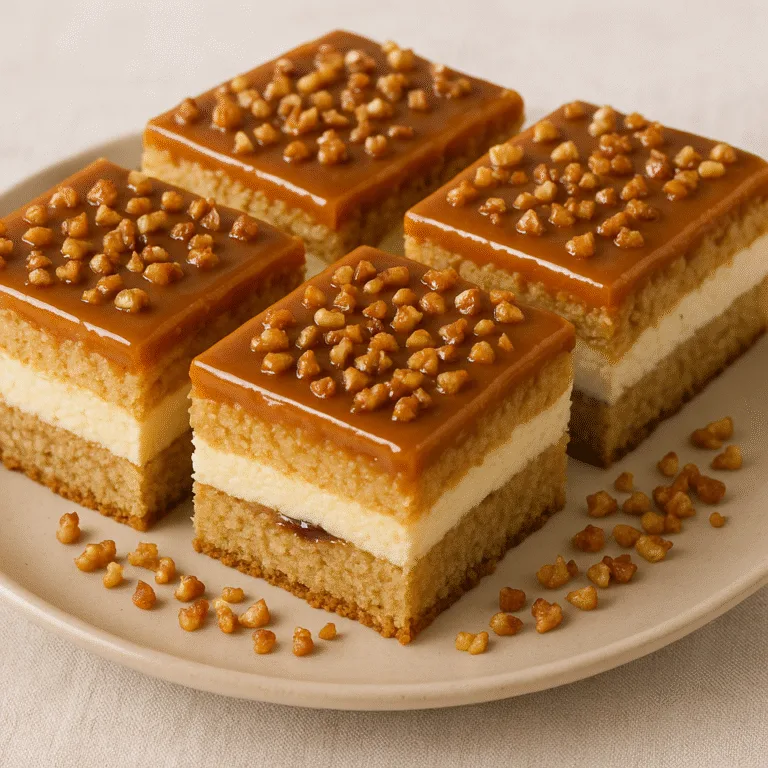
- Portion control: Aim for even, bite-size rectangles—this preserves structural integrity and encourages elegant bites.
7. Serving & Consuming Fresh Fruit
- Sanitation station: Offer a small bowl of chilled water with a citrus wedge for guests to rinse berries.
- Mini carving set: Provide a small paring knife and fork for citrus segments, melon wedges or stone fruits.
- Accompaniments: Present small carafes of honey-lemon syrup or mint-sugar mix for guests to drizzle.
8. Elegant Ways to Enjoy Strawberries
- Hand-held: When plain, present strawberries with stems intact on a decorative plate—guests can enjoy them as finger food.
- With cream: If served with whipped cream, provide a petite spoon; dip the spoon into cream, then into the berry, to maintain poise.
9. Hand-Held Desserts: Relaxed Refinement
- Finger buffet: Display biscuits, macarons, grapes and cherries in small porcelain bowls with tongs or mini forks—this merges convenience with etiquette.
- Napkin etiquette: Supply cocktail-size napkins folded into quarters for easy grasping without soiling fingers.
10. Jam, Honey & Spreads
- Transfer ritual: Always spoon jam or honey into a small side dish before passing—this prevents double-dipping and shows consideration.
- Accompanying knife: Provide a flat pâté knife for controlled spreading.
- Flavor notes: Label each preserve (e.g., “Apricot-Lavender Conserve”) on a small tent card for informative flair.
11. Cutlery During Service
- Resting position: After use, place utensil handles at 4 o’clock on the plate, blades and bowls inward—this signifies “pause” rather than “finished.”
- Post-service removal: Clear used cutlery on a separate tray swiftly and silently to maintain the ambiance.
12. Artful Decoration of Desserts
- Garnish hierarchy: Start with the base element (cake, mousse), add a complementary sauce or coulis, then finish with textural accents (crumbs, nut praline).
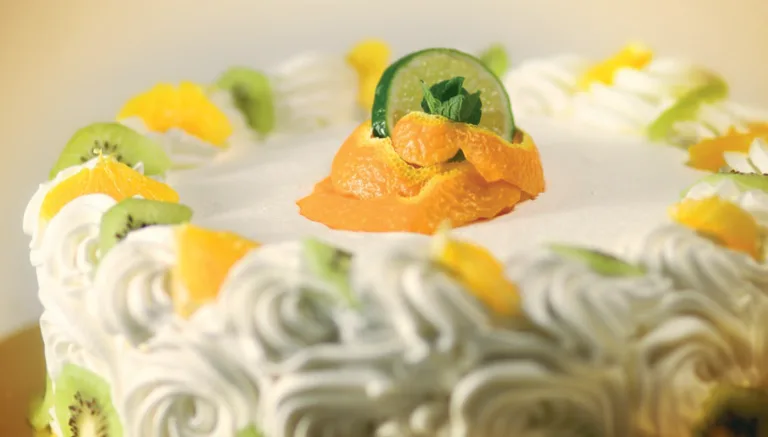
- Natural elements: Use edible flowers, micro-herbs and freshly zested citrus for colour contrast and aromatic lift.
- Sauce presentation: Employ a squeeze-bottle to create dots, lines or swooshes—think minimalist, modern plate design.
13. Pairing Sweet and Aromatic Wines
- Classic matches: Sauternes with fruit tarts; Icewine (Eiswein) with crème brûlée; Moscato d’Asti with light cakes.
- Serving temperature: Chill dessert wines to 8–10 °C. Too cold numbs flavour; too warm accentuates alcohol.
- Glassware tip: Use small dessert-wine glasses with slightly flared rims to concentrate aromas.
14. Chocolate Desserts: The One Exception
- Why skip wine: Deep, roasted cocoa notes can clash with tannins and acidity in wines.
- Alternative pairings: Offer rich coffee blends (e.g., single-origin espresso), sweet port or a spiced rum for balanced harmony.
15. Concluding with Coffee and Fine Liqueurs
- Coffee service: Present a selection—espresso, single-origin pour-over or cold brew. Offer sugar cubes, cinnamon sticks and a drop of cream on the side.
- Liqueur flight: Include small pours of amaretto, Grand Marnier and aged brandy; provide tasting notes for a curated experience.
16. Champagne – From Aperitif to Dessert
- Versatility: Brut styles with light desserts (fruit kaiserschmarrn), rosé champagne with berry-based soufflés.
- Flute care: Serve in chilled flutes; fill only two-thirds to allow bubbles to develop.
- Pacing: Offer a mid-course glass between cheese and dessert to cleanse the palate.
Final Thoughts
By incorporating these detailed techniques— from precise plating to thoughtful pairings— you elevate dessert service from mere afterthought to the highlight of the meal. Attention to temperature, presentation, cutlery, glassware and flavour harmony ensures that every sweet ending is nothing short of extraordinary.
Enjoy creating your own culinary masterpieces, and let each dessert become a showcase of your dedication to refinement and elegance.come a unique experience, and the dessert, the most anticipated moment. Turn your meals into a culinary show and enjoy the refinement of perfect desserts!
Why is clearing the table before serving dessert important?
Answer: Clearing the table ensures an elegant presentation and creates a clean space conducive to enjoying the dessert. It underlines respect for guests and offers a transition moment between the main courses and dessert, preparing the atmosphere for a delicious finale.
How does the presentation of the dessert influence the guests’ experience?
Answer: The presentation of the dessert is essential because the visual aspect creates the first impression. Desserts plated individually can provide a sophisticated air, while serving on large platters encourages interaction and creates a sense of conviviality. Details such as decoration, colours and arrangement increase the pleasure of savouring the dish.
What are the appropriate cutlery for desserts and why are they important?
Answer: Cutlery for dessert includes fork, knife and spoon, each adapted to the type of dessert. They are smaller and more delicate than regular cutlery, emphasising the finesse of the dessert. Correct use demonstrates good taste and respect for table etiquette.
How should fruit tarts be properly eaten?
Answer: Fruit tarts are generally eaten with a fork. If accompanied by a spoon, it can be used to gently cut portions, while the fork stabilises the dessert. This method ensures elegance and prevents damage to the presentation.
Why must we be careful when consuming creamy pastries and puff pastry?
Answer: Desserts like mille-feuilles or custard slices require a delicate approach because the cream layers can be unstable. Using a fork helps maintain their shape and avoids messy leaks, guaranteeing a pleasant and aesthetic experience.
How should fresh fruits be served and consumed in a refined manner?
Answer: Fresh fruits are always served with a small knife to allow cleaning or slicing. This gesture adds a touch of refinement and shows respect for the guests. Smaller fruits, such as strawberries, can be consumed with a spoon if accompanied by cream or other toppings.
What are the rules for consuming hand-held desserts?
Answer: Desserts like biscuits, cookies or small fruits can be eaten by hand, but with elegance. It is important to avoid abrupt gestures and to use a napkin if needed. This creates a relaxed atmosphere while maintaining good manners.
Why is dessert decoration essential?
Answer: Decor not only contributes significantly to the visual experience but also creates an immediate impact. Elements such as syrups, fresh fruits or mint leaves add not only beauty but also complementary flavours, transforming the dessert into a culinary masterpiece.
Which beverages pair best with desserts?
Answer: Dessert wines such as Moscato or other fortified wines perfectly complement most desserts. However, for chocolate-based desserts, wines are avoided because the intense flavours of chocolate can dominate the drink’s taste. Champagne remains a versatile choice, suitable from the beginning of the meal to dessert.
How do coffee and fine liqueurs conclude an elegant meal?
Answer: Coffee and fine liqueurs offer a refined and relaxing end to the meal, complementing the dessert. The combination of coffee’s bitterness and the sweetness of liqueurs creates a perfect balance, preparing guests to conclude the meal with complete satisfaction.

Do you enjoy the content on Agenda Creativa?
Your contributions help me create new articles, share creative ideas, and keep this platform alive! If you like what I do and want to support my work, you can buy us a coffee.
Every cup of coffee means more than just a gesture – it's direct support for my passion to create inspiring and useful content. Thank you for being part of this journey!
☕ Buy me a coffee