Cooking is a combination of science and art, and the little details make the difference between a good meal and a memorable feast. Whether you are a beginner or an experienced cook, these culinary secrets will enhance your dishes and simplify your work in the kitchen.
Culinary Secrets for Success in the Kitchen
Tips for Tender, Juicy Meat
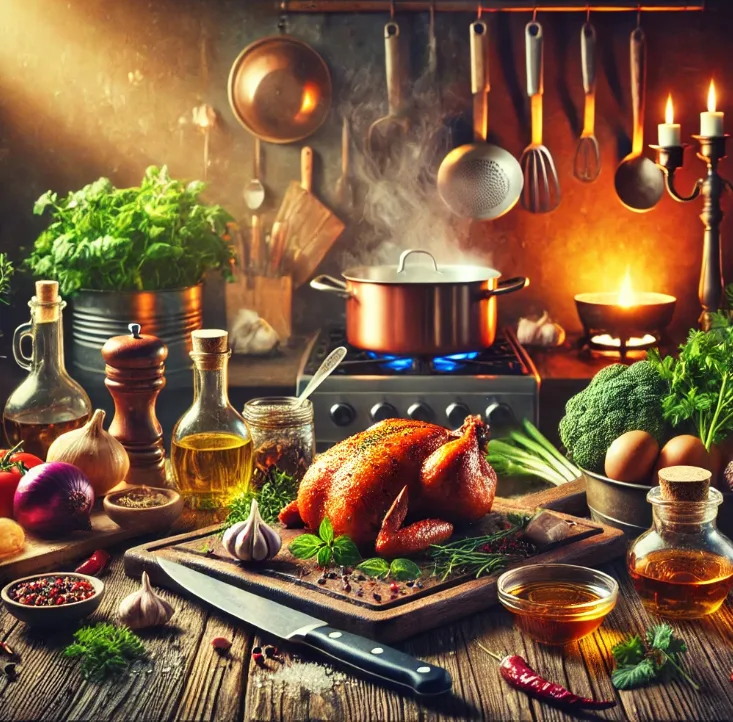
Marinating the meat in yogurt, buttermilk, or vinegar before cooking helps achieve a wonderfully tender texture, as the enzymes gently break down muscle fibers. For an even cook, let the meat rest at room temperature for 30 minutes before it goes into the pan or oven. Once cooked, allow the meat to rest for 5–10 minutes so that all those flavorful juices redistribute and stay locked inside.
Secrets for Delicious Vegetables
To preserve a vibrant color and crisp bite, start by blanching your veggies: plunge them into boiling water for 1–2 minutes, then immediately transfer them to an ice bath. When roasting, use a high heat (200–220 °C) to develop a caramelized flavor. Season hearty root vegetables at the beginning of cooking, and save delicate greens for a final sprinkle so they don’t wilt.
Creating Perfect Soups & Broths
Achieve a crystal-clear broth by diligently skimming off foam as your stock simmers. Begin with cold water when cooking meat to encourage gradual flavor release, and drop in a marrow bone or meat-on-the-bone for a richer taste. Add fresh herbs—parsley, dill, or lovage—only at the very end to preserve their bright aroma. For the perfect tangy balance, finish sour soups with fresh borscht, lemon juice, or vinegar.
Enhancing Soup Flavor & Texture
- Sauté aromatics: Gently sweat carrots, onions, and celery in a little oil or butter before adding them to the pot to deepen their flavor.
- Mid-cook tomatoes: Adding tomatoes halfway through preserves their bright taste.
- Silky creaminess: Use boiled potatoes or a splash of cream for a smooth texture; for a heartier consistency, whisk in a tablespoon of flour or cornstarch slurry.
- Spice layering: Simmer with peppercorns, bay leaves, and thyme, but hold off on salt until the end so you can adjust seasoning perfectly.
- Homemade stock: Swap water for homemade broth to intensify natural savory notes.
- Finish with butter: A teaspoon of butter at the end of cooking vegetable soups adds an unexpected depth of flavor.
Storage & Serving Tips
If you’ve prepared soup in advance, cool it quickly and refrigerate to lock in freshness. Once cold, remove any solidified fat for a lighter broth. When serving, accompany clear soups with a swirl of beaten egg or a dollop of yogurt in sour stews for an attractive presentation.
Avoiding Unpleasant Odors
Neutralize strong fishy smells with a strip of lemon peel or a bay leaf. In fattier meat soups, a few celery leaves or sprigs of parsley bring a pleasant freshness.
Noodles & Rice
Cook noodles separately and add them just before serving to prevent the soup from thickening. A splash of oil in the pasta water keeps strands from sticking. For perfect rice, adhere to a 2:1 water-to-rice ratio, toast the grains in oil or butter first, and resist lifting the lid during cooking to maintain ideal fluffiness.
Baking & Beyond
For successful cakes, ensure all ingredients—butter, eggs, milk—are at room temperature, weigh your ingredients precisely, and add eggs one at a time for a uniformly tender crumb.
With these culinary secrets, your soups, stews, veggies, grains, and baked goods will consistently shine with flavor, texture, and clarity. Enjoy your cooking!
Secrets for Perfect Rice
Achieving perfect rice begins with the correct water-to-rice ratio: for white rice, combine 2 parts water with 1 part rice. Before you add the liquid, take a moment to toast the rice in a little oil or butter—this step deepens its flavor profile and helps each grain stay separate. Once the water goes in, resist the urge to lift the lid; allowing the rice to absorb the water undisturbed ensures a light, fluffy texture every time.
Secrets for Successful Cakes
The foundation of a perfect cake is ensuring all ingredients—butter, eggs, and milk—are at room temperature so the batter emulsifies smoothly. Precision matters: use a kitchen scale to measure each component accurately, guaranteeing consistent results across batches. When you incorporate the eggs, add them one at a time; this technique maintains a uniform crumb and promotes an even rise.
Secrets for Spices and Aromatic Herbs:

Dry-roasting spices such as cumin and coriander in a dry pan before use intensifies their aroma by releasing essential oils. When cooking, add fresh herbs at the very end to preserve their vibrant fragrance and bright flavor. Store dried herbs in opaque, airtight containers away from light and humidity to maintain their potency.
Secrets for Creamy Sauces
Achieve the perfect emulsion by gradually whisking cold butter into hot sauces, ensuring a silky consistency. When thinning out your sauce, add milk or cream slowly and in stages to prevent lumps. For a thicker sauce, incorporate a slurry of starch and cold water, which thickens without altering the sauce’s delicate flavor.
General Kitchen Secrets
A well-sharpened knife is both safer and more efficient than a dull one—maintain your blades regularly. To degrease soups, chill them and skim off the solidified fat for a lighter finish. Before frying, conduct a water-drop test: flick a bit of water into the pan—if it sizzles, the pan is hot enough for perfect searing.
Quick List of Culinary Secrets
- Marinate meat for tenderness.
- Let meat rest after cooking to retain juices.
- Blanch vegetables for vibrant color.
- Roast vegetables at high heat for intense flavor.
- Skim foam for crystal-clear soups.
- Add herbs at the end for freshness.
- Toast rice before boiling for richer taste.
- Use the correct water-to-rice ratio (2:1).
- Store dried herbs in opaque jars.
- Dry-roast spices to intensify aroma.
- Add eggs one at a time for an even cake crumb.
- Keep baking ingredients at room temperature.
- Gradually emulsify butter into hot sauces.
- Store butter in an airtight container for freshness.
- Use a meat thermometer to ensure perfect doneness.
These simple tricks will help turn your cooking into a true culinary feast. Experiment with them and let creativity guide you in the kitchen! Enjoy your meal!
How can you achieve tender, juicy meat every time?
Marinating the meat in yogurt, buttermilk, or vinegar is an effective trick for tenderizing, as the enzymes in these ingredients help break down muscle fibers. Allowing the meat to rest after cooking lets the internal juices redistribute, preventing dryness and ensuring each bite remains succulent.
What is the best way to preserve the vibrant color of vegetables?
Blanching is the ideal method: boil the vegetables for 1–2 minutes, then immediately transfer them to a bowl of ice water. This process stops cooking and locks in the color, making it perfect for broccoli, green beans, or carrots.
What makes the difference between a clear soup and a cloudy one?
Removing the foam that forms during the initial boiling and starting with cold water ensures a perfectly clear broth. Additionally, adding ingredients in stages, according to each one’s cooking time, helps maintain the soup’s clarity.
How can you get perfect, non-sticky rice?
Toasting the rice in a little butter or oil before adding the liquid helps keep the grains separate. Adhering to the 2:1 water-to-rice ratio and keeping the lid on during cooking are also essential for fluffy rice.
How can you intensify the aroma of dried spices?
Dry-roasting them in a pan for a few seconds releases their essential oils and deepens their flavor. This trick works wonders for spices like cumin, coriander, or mustard seeds.
What is the secret to a successful cake?
All ingredients—butter, eggs, milk—must be at room temperature for uniform mixing. Adding eggs one at a time and using precise weighing ensures a consistent, tender crumb.
How do you make a creamy sauce without lumps?
A proper emulsion is key: whisk cold butter into hot sauces while stirring constantly. For thickening, use a starch-and-water slurry, added gradually to reach the desired consistency without altering the sauce’s delicate flavor.
What tricks help create the perfect soup?
Add fresh herbs such as parsley or dill only at the end of cooking to preserve their bright aroma. In meat-based soups, including a marrow bone enriches the taste and lends a silky texture.
How can you avoid strong odors in fish or fatty meat soups?
Adding a lemon peel or a bay leaf reduces intense smells. In fattier soups, celery leaves or parsley balance the aroma and introduce a pleasant freshness.
How can you turn simple dishes into memorable meals?
Small details make all the difference: marinate meat for depth of flavor, roast vegetables for added aroma, and finish soups with a splash of cream for creaminess. Infuse each dish with personality by choosing the right spices and techniques. Enjoy your culinary creations!

Do you enjoy the content on Agenda Creativa?
Your contributions help me create new articles, share creative ideas, and keep this platform alive! If you like what I do and want to support my work, you can buy us a coffee.
Every cup of coffee means more than just a gesture – it's direct support for my passion to create inspiring and useful content. Thank you for being part of this journey!
☕ Buy me a coffee