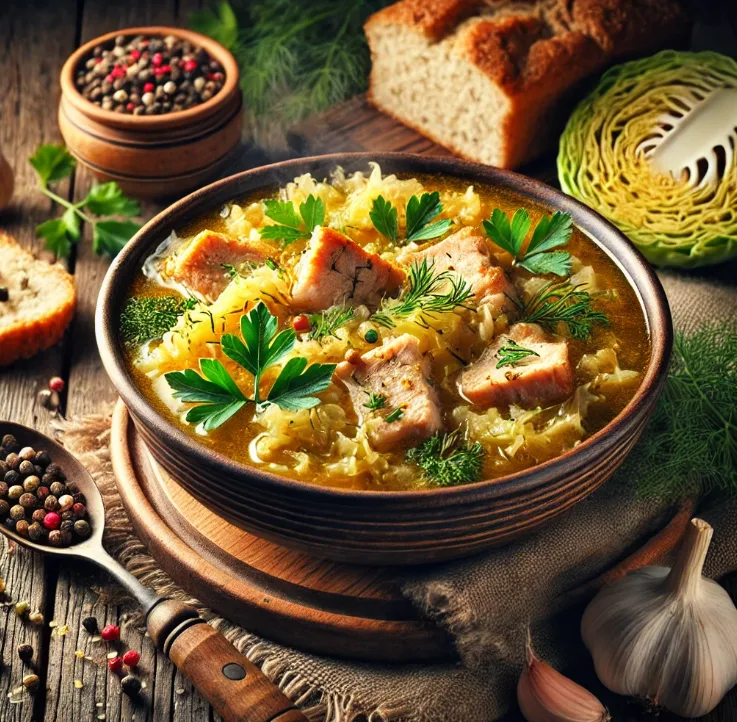
A simple and flavorful recipe, Potato Soup with Corn is a comforting soup, perfect for cool days. By combining potatoes with sweet corn and fresh vegetables, this soup is both nourishing and delicious.
Ingredients:
8 cups of meat broth
6 potatoes
1 cup of cooked or canned sweet corn
½ parsley root
1 carrot
1 onion
2 tablespoons of melted butter
Salt
Bay leaves
Whole black peppercorns
2 tablespoons of chopped fresh herbs
Preparation Method:
Bring the meat broth to a boil and add the potatoes cut into cubes.
After 5–7 minutes, add the chopped parsley root, the sautéed onion, and the prepared sweet corn (if canned, remove the husks; if fresh, cook it covered with its husks over low heat).
Remove the kernels from the cob and add them to the soup.
When the vegetables are tender, season with salt, spices, and the chopped fresh herbs.
Before serving, sprinkle additional chopped herbs on top.
Description: Potato Soup with Corn is an ideal choice for a light lunch or dinner, full of flavor. The combination of creamy potatoes with sweet corn and fresh vegetables makes this recipe not only healthy but also very tasty. The meat broth adds extra depth, while the fresh herbs provide a vibrant, aromatic finish. This is a comforting soup, perfect for facing cooler days, and the corn makes it a wonderful choice for both children and the whole family.
Can I use a different broth instead of meat broth? Yes, you can use vegetable broth for a vegetarian version or even plain water if you prefer a lighter soup.
How do I know when the potatoes are done? Potatoes are done when they become tender and can be easily pierced with a fork, usually after 15–20 minutes of boiling.
Can I use frozen corn instead of cooked or canned corn? Yes, frozen corn is a good alternative; just be sure to cook it before adding it to the soup.
Is it necessary to sauté the onion before adding it to the soup? While sautéing adds more flavor, you can add the onion directly to the soup if you want a simpler preparation.
What other vegetables can I add for extra flavor? You can add celery, zucchini, or even green beans to enrich the soup.
How can I make the soup thicker? If you prefer a denser texture, mash some of the potatoes to achieve a creamier consistency.
Is Potato Soup with Corn suitable for a vegan diet? Yes, you can make this soup vegan by replacing the butter with olive oil or another plant-based fat.
How can I store the soup for several days? Store the soup in the refrigerator for 2–3 days or freeze it for later consumption.
Can I replace the herbs with other aromatic plants? Yes, you can substitute parsley, lovage, thyme, or basil according to your preferences.
How do I know if the soup is properly seasoned? Taste the soup before removing it from the heat and adjust the salt and pepper until it reaches your desired flavor.
Chicken Broth with Rice
A classic Romanian recipe, Chicken Broth with Rice is a light yet flavorful soup, ideal for a comforting meal. With the perfect combination of succulent chicken, fresh vegetables, and rice, this broth is excellent both for cool days and for bringing the family together at the table.
Ingredients:
6 cups of water
½ chicken
2/3 cup of rice
3 carrots
1 parsley root
3 onions
3 tablespoons of oil
2 cups of acidic borscht or a pinch of citric salt
Salt
Whole black peppercorns
Fresh thyme
1 tablespoon chopped fresh parsley
Preparation Method:
Place the chicken in cold water and cook until done, skimming off any foam and fat that forms.
In the resulting broth, add the carrots and parsley root (both chopped) and simmer until tender.
Stir in the rice and let it cook, then add the borscht or citric salt.
Season with salt, peppercorns, and fresh thyme, then simmer for a few more minutes.
Serve with pieces of chicken and sprinkle with fresh parsley.
Description: Chicken Broth with Rice is a traditional Romanian soup that is easy to prepare yet rich in flavor. It combines tender chicken meat with fresh vegetables and rice to create a nourishing and comforting dish. The borscht or citric salt provides a perfect balance between sweet and sour, while the fresh parsley lends a bright, aromatic finish. This soup is ideal for lunch or dinner, making it an excellent choice for family meals or as a warm start to any gathering
Can I use a different meat instead of chicken? Yes, you can substitute with chicken meat or even turkey, but chicken gives the most authentic, intense traditional flavor.
Is it necessary to use acidic borscht, or can I use another ingredient? If you don’t have borscht, you can use lemon juice or citric salt for a similar tangy note.
How can I make the broth more flavorful? Add a few whole black peppercorns, fresh thyme, or a hint of garlic to boost the aroma.
How do I know when the rice is cooked properly? Rice is done when it becomes tender, absorbs most of the liquid, yet still holds its shape.
Can I replace rice with another grain? Yes, you can use quinoa, barley, or even wheat berries for a different texture.
What other vegetables can I add to Chicken Broth with Rice? You can enrich the soup with celery, zucchini, or green beans for extra nutrients and variety.
Is it necessary to skim foam and fat from the broth? Yes, removing the foam and fat helps achieve a clearer, less greasy soup.
How can I make the broth spicier? If you prefer a spicier soup, add hot chili peppers or a pinch of cayenne pepper.
How long can I store Chicken Broth with Rice? You can refrigerate the broth for 2–3 days or freeze it for longer storage.
Is this soup suitable for a lighter diet? Yes, Chicken Broth with Rice is a nutritious, protein-rich dish, ideal for a balanced and light diet.
Bird Giblet Broth
A traditional Romanian recipe brimming with flavor and a delightful aroma, Bird Giblet Broth is the perfect dish for chilly days. With a lightly sour broth, tender bird giblets, fresh vegetables, and homemade noodles, this soup is a delight that brings the whole family to the table.
Ingredients:
6 cups of water
500–700 g of bird giblets
1½ cups of homemade noodles
1 carrot
2 parsley roots
1 celery root
2 onions
1 tablespoon of oil
2 cups of acidic borscht or a pinch of citric salt
Salt
Bay leaves
Whole black peppercorns
1 tablespoon of chopped fresh dill
For the noodles:
1½ cups of wheat flour
2 eggs
⅓ cup of water
Salt
Preparation Method:
Wash the giblets thoroughly and soak them in cold water for 1–2 hours. Then place them in cold water, bring to a boil, and skim off any foam. Simmer over low heat until tender.
Finely chop the onions and sauté them in oil. Slice the parsley roots, celery root, and carrot into thin rounds.
Once the giblets are cooked, add the prepared vegetables and cook for 15–20 minutes. Stir in the borscht or citric salt, season with salt, peppercorns, and bay leaves.
Let the broth simmer for another 4–5 minutes. Add the chopped fresh dill and adjust seasoning to taste.
For the noodles:
Place the flour in a bowl and make a well in the center. Add the eggs, water, and a pinch of salt, then mix to form a firm dough. Let it rest for 10–20 minutes.
Roll out the dough on a flat surface, cut into thin strips, and allow to dry slightly.
Add the noodles to the boiling broth and cook until tender, about 3–5 minutes.
Description: Bird Giblet Broth evokes authentic Romanian culinary traditions, with intense flavors and aromas. The giblets impart a rich savoriness, while the acidic borscht balances the taste, making this soup both comforting and nourishing. The fresh vegetables, homemade noodles, and finely chopped herbs add a burst of freshness, and spices like pepper and bay leaf deepen the aroma. This broth is ideal for lunch or dinner, a perfect choice to warm guests or family on a cold day.
Can I use a different meat instead of bird giblets? Yes, you can substitute chicken or turkey meat, but bird giblets deliver a more intense, authentic flavor.
How can I replace the homemade noodles if I’m short on time? You may use store-bought noodles, though the homemade noodles add extra depth and texture to the broth.
Is it necessary to use acidic borscht, or can I substitute it? If you don’t have borscht, add lemon juice or citric salt for a similar tangy note.
How can I make the broth spicier? For a spicier kick, add fresh chili peppers or a pinch of cayenne.
What other vegetables can I include for additional flavor? Feel free to add potatoes, zucchini, or bell peppers for a different taste profile.
How do I know when the giblets are fully cooked? They’re done when tender and their color changes; test with a fork—tender meat should pull away easily.
How can I tell when the noodles are cooked? The noodles are ready when they’re soft yet still hold their shape; test with a fork.
How can I store the broth for several days? Store in the refrigerator for 2–3 days or freeze for longer preservation.
Can I use a different herb instead of dill? Yes, parsley or lovage work well for a different herbal note.
Is Bird Giblet Broth suitable for a lighter diet?
Potato Soup with Corn Grits and Mushrooms
An easy-to-prepare soup, yet full of flavor, perfect for a fall or winter meal. By combining potatoes, corn grits, and mushrooms, this soup is comforting and nourishing, ideal as a light meal or as a starter in a more elaborate menu.
Ingredients:
8 cups of water
5 potatoes
3 tablespoons of corn grits
8–10 champignon mushrooms
2 onions
½ parsley root
3 tablespoons of oil
Salt
Whole black peppercorns
Bay leaves
1 tablespoon of chopped fresh dill
Preparation Method:
Slice the onions and parsley root into thin strips and lightly sauté in oil.
Boil the mushrooms, drain them, chop finely, and sauté.
Cook the corn grits in boiling water until tender.
Bring the mushroom broth to a boil, then add the potatoes cut into cubes and cook for 12–15 minutes.
When the soup is ready, stir in the sautéed mushrooms and season with black pepper and bay leaves.
Serve with a sprinkle of finely chopped fresh dill.
Description: Potato Soup with Corn Grits and Mushrooms is a simple yet extremely tasty recipe, perfect for anyone seeking a light and healthy dish. The corn grits add a distinct texture, while the mushrooms provide a rich savoriness balanced by the aroma of onion and parsley. Ideal for lunch or dinner, this soup can be served with fresh bread and a garnish of finely chopped herbs for an extra burst of freshness.
What type of mushrooms can I use instead of champignons? You can use any mushrooms you prefer, such as oyster mushrooms or wild mushrooms, to give the soup a different flavor.
Can I use frozen corn grits? Yes, if you don’t have dried grits, you can use frozen ones—just be sure to cook them thoroughly before adding them to the soup.
How can I make the soup creamier? If you prefer a creamier soup, you can add a mashed potato puree or cooking cream after the soup is done.
Is this soup suitable for vegans? Yes, this soup can be considered vegan if you avoid using butter or oils containing animal ingredients.
What other vegetables can I add to the soup? You can enrich the flavor and increase the vitamin content by adding carrot, celery, or zucchini.
How can I make the soup spicier? If you like a spicier soup, add hot chili peppers, fresh chili, or even cayenne pepper for a kick.
How do I know when the potatoes are done? Potatoes are done when they become tender and can be easily pierced with a fork, usually after 12–15 minutes of boiling.
Can I use a different herb instead of dill? Yes, you can use parsley, thyme, or basil according to your preferences for a different taste.
How can I store the soup for several days? Store the soup in the refrigerator for 2–3 days. For longer storage, freeze in small portions.
Is this soup suitable for children? Yes, this soup is easy to digest and healthy, making it ideal for children—just adjust the salt and pepper to their taste.
Countryside Soup
A traditional Romanian recipe, Countryside Soup is a hearty and flavorful dish with a characteristic sour taste, achieved from borscht or lemon. It combines lamb meat, white beans, and vegetables, making it a comforting meal ideal for family gatherings.
Cut the meat into small pieces, place in cold water, and cook until done.
Strain the broth, return it to the pot, then add the beans, sliced parsley and celery roots.
Five to seven minutes before removing from heat, add the chopped tomatoes, lovage, borscht, and chili pepper. Bring to a boil, season with salt to taste, and stir in the chopped herbs.
Countryside Soup is an exceptionally popular dish in Romania, distinguished by its fresh, tangy flavor imparted by the borscht or lemon used to sour it. The combination of lamb meat, white beans, vegetables, and fresh herbs makes this soup a nutrient-rich and savory rustic delight. Prepared with patience and simple ingredients, Countryside Soup is a true taste of the countryside, perfect for bringing the family together at the table.
Here are 10 Frequently Asked Questions about Countryside Soup:
Can I use a different type of meat instead of lamb? Yes, you can use beef or chicken, but lamb provides the most distinctive, authentic flavor for this traditional dish.
How can I make the soup more sour if I don’t have acidic borscht? You can use lemon juice or citric salt to achieve a similar tangy profile. The soup will be just as tasty without borscht.
Is it necessary to use white beans? White beans contribute to the texture and savoriness of the soup, but you can substitute green beans or red beans if needed.
How do I know when the beans are fully cooked? Beans should be tender but not falling apart. If needed, add more water and cook until they are completely done.
Can I add other vegetables to the soup? Yes, you can include zucchini, bell peppers, or extra celery root for a more intense flavor.
Can this soup be made without meat? Yes, you can prepare a vegetarian version using only vegetables and white beans for a delicious meat-free broth.
How can I tell if the soup is properly seasoned? Taste it before removing it from the heat and adjust the salt or borscht according to your preferences.
Can I use a different herb instead of lovage and parsley? You may substitute with thyme or basil for a different aromatic profile.
Is Countryside Soup suitable for multiple days? Yes, it can be refrigerated for 2–3 days or frozen for longer storage. Its flavor often improves as it rests.
How can I make the soup spicier? If you prefer a spicier soup, increase the amount of chili pepper or add a bit of red pepper powder to suit your taste.
Homemade Borscht
Homemade borscht is a traditional Romanian soup with a rich and slightly sour taste, perfect for cold days. It is made with pork fat, fresh cabbage, and sour borscht, along with simple seasonings like garlic, bay leaves, and black pepper. This dish offers an ideal balance between salty and sour flavors, making it a comforting meal for family dinners or special occasions.
Ingredients:
6 cups of water
500 g of pork fat
½ head of fresh cabbage
2 onions
2 cups of homemade borscht or a pinch of citric acid
2 tablespoons of tomato paste
4–5 cloves of garlic
Bay leaves
Salt
Whole black peppercorns
1 tablespoon of chopped dill and parsley
Preparation Method:
Cut the pork fat into pieces and lightly fry it, then add the sliced onions and tomato paste.
Pour in the hot water and cook until the meat is done.
Add the fresh cabbage cut into thin strips. After 7–10 minutes, stir in the homemade borscht, salt, bay leaves, and pepper.
Bring to a boil, then season with the crushed garlic and sprinkle in the dill and parsley.
10 Frequently Asked Questions about Homemade Borscht
What is the difference between homemade borscht and commercial borscht? Homemade borscht is made from natural ingredients without preservatives or additives, giving it a more authentic and richer taste compared to commercial versions, which may contain artificial flavors.
Can I use a different type of meat instead of pork fat? Yes, you can substitute beef, chicken, or even lamb, depending on your preference. However, pork fat gives borscht its characteristic richness.
How can I make the borscht more sour if I don’t have sour borscht? Use a small amount of citric acid or lemon juice to achieve the desired sourness.
Why is it important to fry the meat before adding water? Frying the meat helps develop a more intense, complex flavor, giving the borscht deeper savoriness.
What can I add to make the borscht spicier? If you like a spicier flavor, add hot chili peppers or red pepper flakes to taste.
Can I replace cabbage with another vegetable? Cabbage is essential for the classic texture and flavor, but you can try Brussels sprouts or broccoli—though the taste will differ.
How do I know when the borscht is done? It’s ready when the meat is fully cooked and the cabbage is tender. Taste it to ensure it’s sufficiently sour and seasoned.
What type of sour borscht is recommended for this recipe? Homemade or naturally fermented borscht is best, but a high-quality store-bought version will also work.
How can I store homemade borscht for several days? Refrigerate for 3–4 days, or freeze in small portions for longer storage.
Is homemade borscht a healthy dish? Yes, it’s healthy due to its natural ingredients, being rich in vitamins and minerals. The pork fat provides protein, the cabbage offers fiber and vitamins, and the garlic and dill and parsley support immune health.
Bruschette and Crostini: Italian Delights for Every Occasion
Introduction to the World of Bruschette and Crostini
ruschette and Crostini are not only traditional dishes of Italian cuisine, but also symbols of conviviality and culinary joy. Their origins can be traced back to the Middle Ages, when Italian farmers used bread as a base for various combinations of ingredients to make use of leftovers. Thus, bruschette—slices of toasted bread—were topped with diverse ingredients, contributing to a rich and varied gastronomic culture.
Crostini, a more sophisticated variant of bruschette, are typically small slices of toasted bread served with an assortment of spreads made from vegetables, cheeses, or proteins. Thanks to their crispy texture and ease of customization, crostini have become extremely popular both in Italy and internationally. Their popularity has grown significantly alongside modern culinary trends, where easy-to-serve, flavorful appetizers are sought after at festive meals and casual gatherings alike.
Over time, both bruschette and crostini have evolved to include an impressive diversity of ingredient combinations, reflecting the regional variety of Italy and international influences. From simple versions with tomatoes and basil to elaborate creations featuring fish or meat, these dishes showcase the creativity and versatility of Italian appetizers. Today, bruschette and crostini are valued not just as snacks, but as culinary expressions of the Italian style, essential at the table for any occasion.
Differences Between Bruschette and Crostini
While both are beloved Italian appetizers, bruschette and crostini differ in ingredients and preparation. The first noticeable distinction is size: bruschette are generally larger, cut from a slice of rustic bread, whereas crostini are smaller, often from a baguette or thin white loaf.
In terms of bread type, bruschette often use dense rustic loaves that absorb extra virgin olive oil and added flavors more effectively, creating a complex taste experience. Crostini, by contrast, are made from finer white bread, resulting in an elegant, crunchy bite.
Preparation also varies: bruschette are frequently grilled or oven-toasted and paired with fresh ingredients like tomatoes, basil, or cheese. Crostini are usually pan-toasted and topped with spreads—pâtés or creams—that vary by region and tradition.
Bruschette toppings tend to focus on simple, natural ingredients that highlight base flavors, while crostini allow for greater recipe variability, including more elaborate combinations. This diversity reflects both preparation differences and the cultural and gastronomic nuances between these two Italian delights.
Core Ingredients for Bruschette and Crostini
Bruschette and crostini, two traditional Italian appetizers, rely heavily on the quality of ingredients used to achieve the best results. We begin with the types of bread, which form the base of these dishes. Typically, rustic bread or ciabatta is used for its dense texture, which can support various toppings. The bread must be fresh, with a crispy crust and a soft crumb, allowing it to absorb the flavors of the added ingredients.
Another essential ingredient is extra virgin olive oil, which not only adds a distinct flavor but also a touch of elegance. It is recommended to use extra virgin olive oil, known for its rich and complex taste. This can be brushed on the bread before toasting and also drizzled over the finished dish just before serving.
Vegetables such as fresh tomatoes, peppers, and olives are often used as toppings. Fresh tomatoes bring a pleasant acidity that perfectly complements the crunchy texture of the bread. They may be diced into small cubes or prepared as a salsa. Additionally, cured meats like prosciutto and salami can enrich the taste by adding a salty contrast. On the other hand, cheeses such as mozzarella or Parmesan provide a creaminess that harmonizes all the flavors.
In conclusion, selecting top-quality ingredients, from the bread to the finest cheeses, is essential for creating exceptional bruschette and crostini that will satisfy even the most refined palates. Combining these elements will not only deliver an explosion of flavors but will also transform every occasion into a special moment.
Classic Bruschette Recipes
Bruschette are classic Italian appetizers, prized for both their flavor and simplicity of preparation. Here are a few traditional recipes featuring high-quality ingredients that make each serving a delight. We begin with the ever-popular bruschette with tomatoes and basil.
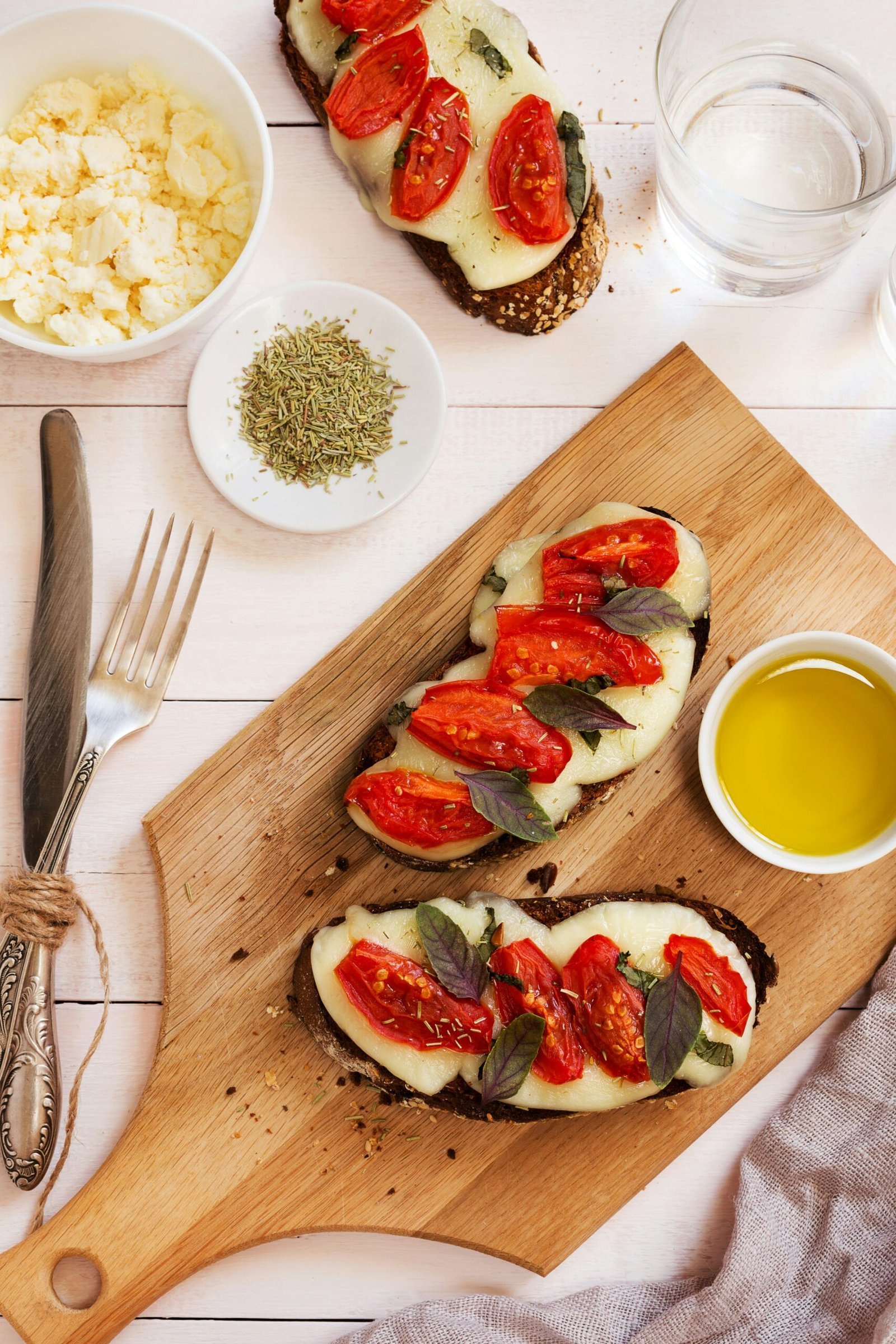
Tomato and Basil Bruschette Ingredients: ciabatta or baguette slices, fresh tomatoes, basil, extra virgin olive oil, salt, and pepper. Method: Toast the bread slices in the oven or on the grill until golden and crispy. Meanwhile, dice the tomatoes, mix with chopped basil, a drizzle of oil, salt, and pepper. After the bread has cooled slightly, top with the tomato mixture and serve immediately.
Olive and Anchovy Bruschette Ingredients: green or black olives, anchovies, olive oil, lemon, and garlic. Method: Finely chop the olives and anchovies, combine in a bowl with olive oil and lemon juice. Spoon this mixture onto toasted bread slices. Serve with lemon wedges and parsley leaves for garnish.
Goat Cheese and Honey Bruschette Ingredients: goat cheese, honey. Method: Spread goat cheese on toasted bread and drizzle with honey, creating a sweet-and-savory contrast for a truly unique taste experience.
These recipes are easy to prepare and ideal for any occasion, whether it’s an informal dinner or a special event, bringing authentic Italian flavor to your table.
Delicious Crostini Recipes
Crostini are an excellent choice for appetizers or snacks due to their versatility. Here are some creative recipes highlighting diverse flavor combinations:
Black Olive Tapenade Crostini Method: Start with toasted baguette slices, then top with a smooth black olive tapenade made from olives, garlic, extra virgin olive oil, and lemon juice. This bold, aromatic spread pairs beautifully with a glass of red wine.
Goat Cheese and Honey Crostini Method: Toast baguette slices, spread a generous layer of goat cheese, then top with a few drops of honey and toasted nuts. This sweet-and-savory combination is perfect for special occasions or romantic dinners.
Caramelized Vegetable Crostini Method: Toast the bread slices, then caramelize onions and bell peppers, seasoning with salt and pepper. Once the vegetables are soft and golden, pile them generously onto the baguette for a savory crunch.
Feta and Sun-Dried Tomato Crostini Method: Toast bread slices and top with feta cheese, sun-dried tomatoes, and fresh oregano for an intense, visually striking appetizer that brightens any spread.
These crostini recipes are just a few examples of the numerous combinations you can try. Feel free to experiment and adapt them to your tastes, ensuring each creation adds an elegant touch to your meal.
Serving Bruschette and Crostini: Expert Advice
When it comes to serving bruschette and crostini, presentation and preparation are essential to impress your guests. These Italian delights can be prepared in a variety of styles, but one common point is the importance of visual appeal. It is recommended to use wooden or porcelain platters that showcase the vibrant colors of the ingredients. Arranging them in colorful, layered displays not only makes the dishes look attractive but also invites tasting. Additionally, adding fresh herbs, such as basil or parsley, can provide a pleasant contrast.
The serving temperature plays a crucial role in the tasting experience. Bruschette are best served at room temperature, which allows the flavors to blend harmoniously. In contrast, crostini can be enjoyed either warm or cold, depending on the chosen toppings. Cold preparations are ideal on warm days, while hot variants—featuring melted cheeses or roasted vegetables—create a cozy ambiance on cooler evenings.
Flavor pairing is another important component. Having a variety of ingredients on hand lets you experiment with creative combinations. For example, a bruschetta topped with fresh tomatoes and mozzarella pairs well with a crisp white wine, while crostini with liver pâté suit a robust red. Don’t forget non-alcoholic options; a citrus-based aperitif or iced tea can diversify the flavor palette. Furthermore, placing olives or nuts alongside the main platter can perfectly complete this culinary experience.
Bruschette and Crostini in Culinary Culture
Bruschette and crostini are more than simple appetizers in Italian culinary tradition; they symbolize conviviality and shared meals. These dishes are often served at social events and festivals, appreciated for their versatility and ability to incorporate a wide range of ingredients, from tomatoes and basil to cheeses and olives. In Italy, bruschette frequently appear at the start of meals as an “antipasto” that awakens the appetite. Their origins lie in rural regions, where farmers prepared them with simple, local ingredients.
On the other hand, crostini are associated with more elegant presentations, commonly featured in fine-dining restaurants as part of refined menus. They are characterized by thinner slices of bread and toppings ranging from sophisticated pâtés to vegetable spreads. These appetizers have gained popularity not only in Italy but around the world, integrating into international menus and influencing global gastronomic culture.
In recent decades, festivals dedicated to bruschette and crostini have emerged, where chefs from various corners of the world present creations inspired by traditional Italian recipes. These events celebrate not only the dishes themselves but also the joy of cooking and sharing meals with loved ones. Thus, bruschette and crostini become ambassadors of a culinary culture that transcends gastronomic boundaries, inviting everyone to share in the delight of authentic taste. In conclusion, these appetizers play an essential role in connecting people through food, promoting a unique and memorable culinary experience.
Home Cooking Tips: Common Mistakes to Avoid
Preparing bruschette and crostini at home can be a rewarding experience, but also challenging, especially for novices. One of the most frequent pitfalls is using inferior ingredients. The quality of the bread, tomatoes, or olive oil can significantly influence the final flavor. It is recommended to use artisanal bread that is fresh and crispy to create an excellent base for bruschette or crostini.
Another important aspect is proper slicing of ingredients. Novice cooks often overlook that the size and shape of toppings affect texture and presentation. Tomatoes, for example, should be diced into small cubes to mix evenly with other toppings. Moreover, it is essential to drain ingredients well to prevent the bread from becoming soggy.
Adding the right amount of seasonings and aromatics is also crucial. A common mistake is neglecting flavor harmonies. For instance, garlic and basil perfectly complement the taste of tomatoes, bringing a note of freshness to the dish. It’s equally important to respect proportions so as not to overpower the main flavors. In some cases, cooks may add too much olive oil, which can weigh down the texture.
Therefore, to achieve the best results in preparing bruschette and crostini, attention to detail is paramount. Every ingredient matters, and following a few simple tips can transform an ordinary recipe into an authentic Italian delight.
Conclusion: Share Your Love for Bruschette and Crostini
Bruschette and crostini are more than just appetizers; they provide an opportunity to bring people together, whether at a family gathering, a party with friends, or an elegant dinner. These Italian delicacies not only delight the taste buds but also help create lasting culinary memories. With each bite, we can enjoy a variety of fresh, aromatic ingredients, and preparing them can become a communal experience. Every recipe carries a personal touch, reflecting individual traditions and preferences.
In this spirit, we invite readers to share their own bruschette and crostini recipes, along with the experiences and stories surrounding these dishes. What unique ingredients have you used in your creations? What are your most cherished memories of enjoying bruschette with loved ones? These questions help build a culinary community that appreciates and celebrates Italian fare.
Let us remember that cooking and savoring food are important social activities that unite us. Every meal can become a celebration of flavors and relationships. Now is the perfect time to try new flavor combinations, explore cooking techniques, and collect recipes to pass down through generations. Through these simple yet sophisticated dishes, we can perpetuate traditions and cultivate new memories. By sharing our love for bruschette and crostini, we not only enjoy culinary delights but also the deep connection that food creates between people.
10 întrebări frecvente despre bruschete și crostini:
10 Frequently Asked Questions about Bruschette and Crostini
What is the main difference between bruschette and crostini? Bruschette are usually larger slices of rustic bread, served with fresh toppings, while crostini are smaller, from thin bread or baguette, and feature more elaborate toppings.
What type of bread is best suited for making bruschette and crostini? Rustic bread or ciabatta is typically used for bruschette, and thin white loaf or baguette slices are ideal for crostini.
How should bread be prepared correctly for bruschette and crostini? Bread should be toasted on a grill, in a pan, or in the oven until golden and crunchy. Rub with garlic for extra aroma.
What are the classic ingredients for bruschette toppings? Classic toppings include tomatoes, basil, garlic, extra virgin olive oil, mozzarella, and salt.
What sophisticated toppings can be used for crostini? Sophisticated crostini toppings include pâtés, fine cheeses, cured meats, honey, nuts, caramelized vegetables, or sun-dried tomatoes.
How can I ensure the bread doesn’t become soft after adding toppings? It is important to toast the bread well and drain high-liquid ingredients, such as tomatoes or vegetables, thoroughly.
What type of olive oil is recommended for bruschette and crostini? Extra virgin olive oil is preferred for its rich taste and authentic aroma.
How can bruschette and crostini be adapted for vegetarian or vegan diets? Use toppings such as hummus, avocado, tomatoes, olives, roasted vegetables, or nut-based spreads.
Can bruschette and crostini be prepared in advance? Yes, the bread can be toasted ahead of time, but toppings should be added just before serving to avoid sogginess.
What are the best occasions to serve bruschette and crostini? They are perfect as appetizers for dinners, parties, picnics, or any event requiring elegant, easy-to-prepare snacks.
December 6 – Saint Nicholas: The Story and Significance of the Feast
Who Was Saint Nicholas?
Saint Nicholas, celebrated on December 6, is one of the most beloved saints of Christianity, known for his generosity, compassion, and miracles. Born in the 3rd century in the city of Patara in Lycia (today’s Turkey), he became the bishop of Myra.
Saint Nicholas was recognized during his lifetime for his charitable deeds, protecting children, sailors, and all in need. He is considered the patron saint of many groups, especially children, thanks to the numerous legends about his kindness and generosity.
The Story of Saint Nicholas
The legendary figure of Saint Nicholas, known worldwide today, has its roots in the life and deeds of the historical saint. One of the best-known stories tells of his rescue of three poor sisters who could not marry for lack of a dowry. Saint Nicholas secretly threw bags of gold through their window, saving their honor and giving them a chance at a better life. It is said these bags fell into their stockings hung to dry, giving rise to the tradition of placing gifts in boots or socks on the night of December 5–6.
Over time, his image evolved into that of Saint Nicholas, protector of children, who brings gifts to the well-behaved and admonishes the disobedient with a symbolic rod.
Significance of the Feast for Orthodox Christians
In the Orthodox Christian calendar, Saint Nicholas symbolizes charity, humility, and love for one’s neighbor. He is an example of virtue for all Christians, and his feast is an occasion for prayer and gratitude for received blessings. Believers attend special services dedicated to Saint Nicholas, asking for his protection and intercession.
He is also regarded as the patron of sailors, renowned for calming storms and saving those at sea. Many Christians bear his name, and his day is a family celebration.
Romanian Traditions for Saint Nicholas
Clean Shoes and Gifts: On the evening of December 5, children polish their boots and place them by the door, eagerly awaiting gifts from Saint Nicholas. Well-behaved children receive sweets, fruits, or small presents, while the naughtiest may find a symbolic rod.
The Apple Twig: In folk tradition, the twig that Saint Nicholas leaves has deeper meaning: if planted and it takes root, it is believed to bring good luck to the family.
Charity: December 6 is an occasion to help those in need, following Saint Nicholas’s example of generosity.
Carols: In some Romanian regions, the feast is accompanied by caroling, seen as the symbolic start of the winter holiday season.
Saint Nicholas – A Symbol of Universal Generosity
Saint Nicholas is not only a Christian symbol but also a figure who inspired stories and traditions worldwide. In Western Europe, he is known as Sinterklaas, and his image later evolved into Santa Claus. Yet the essence of his story remains unchanged: a model of kindness, generosity, and protection for the vulnerable.
Conclusion
The Feast of Saint Nicholas is more than a day of joy for children; it is an invitation to reflection and charity. It is a moment when we remember that true wealth lies in giving, and the spirit of the holidays begins with small acts full of love.
May this day inspire you to be more generous and kinder, following the example of Saint Nicholas!
Happy Name Day to everyone named Nicholas, Nicoleta, and all their variants! 🙏🎁
Who was Saint Nicholas and what makes him so special? Answer: Saint Nicholas was a 3rd-century bishop known for his charity and compassion. He helped poor communities, protecting children and sailors. He became one of the most beloved saints due to his miracles and generosity. He is also recognized as the patron of sailors, children, and those in need.
How did the tradition of polishing boots for Saint Nicholas originate? Answer: The tradition stems from the legend of the three poor sisters whom Saint Nicholas helped by secretly tossing bags of gold through their window. These bags landed in their stockings hung to dry, symbolizing unexpected gifts. Over time, this custom evolved into the tradition of polishing boots on the evening of December 5 in anticipation of presents.
Why is Saint Nicholas the patron of sailors? Answer: Saint Nicholas is considered the patron of sailors because of stories about his miracles at sea. It is said that he calmed storms and saved crews in danger. Sailors prayed to him for protection, and this tradition has been preserved for centuries.
What is the religious significance of Saint Nicholas in the Orthodox calendar? Answer: In Orthodox tradition, Saint Nicholas symbolizes charity, humility, and love for one’s neighbor. His day is dedicated to prayer and thanksgiving for received blessings, and special services honor him as one of Christianity’s greatest saints.
What traditional customs are associated with Saint Nicholas in Romania? Answer: In Romania, the main customs include:
Polishing boots on the evening of December 5.
Leaving a symbolic rod for disobedient children and gifts for the well-behaved.
Charitable acts, helping those in need, following Saint Nicholas’s example.
Carol singing, considered the symbolic start of the winter holiday season.
Why does Saint Nicholas sometimes leave rods instead of gifts? Answer: The symbolic rod is a traditional way to admonish those who have not been obedient. However, it also has a deeper meaning: in some traditions, if the apple twig is planted and takes root, it brings good luck to the family in the coming year.
How is Saint Nicholas different from Santa Claus? Answer: Although both are inspired by Saint Nicholas, the traditional figure preserves more of the religious and historical traditions. Santa Claus, by contrast, is a modern, commercial reinterpretation focused more on gifts and Christmas magic.
What do the gifts given by Saint Nicholas symbolize? Answer: The gifts symbolize kindness, generosity, and hope. They are a way to spread joy and encourage good deeds, reminding us of Saint Nicholas’s assistance to those in need.
How is Saint Nicholas’s Day celebrated in Romanian churches? Answer: Romanian churches hold special services dedicated to Saint Nicholas. The faithful pray for protection, health, and blessings, and those who bear his name receive heartfelt “La mulți ani!” greetings.
What is Saint Nicholas’s cultural impact worldwide? Answer: Saint Nicholas has inspired numerous traditions and stories around the world. For example, in Western Europe, he is known as Sinterklaas, and in America, his image evolved into Santa Claus. Yet his essence—as a symbol of generosity and protection—remains unchanged.
Homemade Toba – Traditional Romanian Recipe
Homemade toba is one of the indispensable traditional dishes on holiday tables, an authentic Romanian cold cut that combines pork meat and organs with intense flavors, offering a unique texture. Below you’ll find the detailed recipe, explained step by step.
What makes homemade toba a traditional Romanian dish? Homemade toba is a traditional Romanian cold cut associated with winter holidays. The preparation combines pork meat, organs, and spices inside a natural casing (pork stomach), valued for its authentic flavors and distinctive texture. The recipe reflects the Romanian culinary heritage, where every part of the pig is utilized.
How is the pork stomach prepared for filling? The pork stomach is thoroughly cleaned with warm and cold water, rubbed with coarse salt and vinegar to eliminate unpleasant odors. It is then soaked in cold salted water for 1–2 hours. This process ensures the integrity of the membrane and removes any impurities.
What role does the rind play in the toba mixture? The pork rind adds a gelatinous consistency to the final product, helping bind the ingredients. It is especially important if the toba is not mechanically tied, providing a compact appearance and a rich taste.
How can a balanced aroma be achieved in homemade toba? Adding crushed garlic, sweet paprika, and freshly ground black pepper to the hot broth creates a flavorful base. Optionally, using coriander or allspice intensifies the taste complexity without overwhelming the palate.
Why is pressing the toba important after cooking? Pressing helps remove excess liquid and compacts the ingredients, resulting in a firm, sliceable texture. It is essential for achieving the traditional shape, perfect for serving.
How is the filling mixture prepared for stuffing the toba? The meat, rind, and organs are cut into 3–4 cm cubes, mixed with the hot, seasoned broth, and left to absorb the aromas. Alternating meat pieces with broth during stuffing ensures a uniform, well-bound texture.
How is toba smoked for an intense flavor? After complete cooling, the toba is lightly dried in a cool, ventilated place, then cold-smoked (20–30 °C) for 6–12 hours. Hardwood such as beech or oak imparts a subtle, pleasant smoke. It is important to maintain a steady smoke without direct flame.
What alternatives exist if smoking toba is not possible? If smoking is not feasible, the toba can be kept plain and served directly after cooking. For a similar smoky note, a sprinkle of smoked paprika can be added to the mixture.
How is homemade toba served to impress guests? The toba is thinly sliced and arranged on a platter, garnished with lettuce leaves, red onion, or pickles. It is accompanied by homemade bread, mustard, or a glass of red wine for a complete experience.
How can the homemade toba recipe be customized? Depending on the region, you can add pork blood (for a blood toba variant), specific spices, or ingredients such as hard-boiled egg slices. Adapting the recipe to family tastes and local traditions preserves authenticity while offering variety.
Culinary Secrets for Perfect Recipes
Cooking is a combination of science and art, and the little details make the difference between a good meal and a memorable feast. Whether you are a beginner or an experienced cook, these culinary secrets will enhance your dishes and simplify your work in the kitchen.
Culinary Secrets for Success in the Kitchen
Tips for Tender, Juicy Meat Marinating the meat in yogurt, buttermilk, or vinegar before cooking helps achieve a wonderfully tender texture, as the enzymes gently break down muscle fibers. For an even cook, let the meat rest at room temperature for 30 minutes before it goes into the pan or oven. Once cooked, allow the meat to rest for 5–10 minutes so that all those flavorful juices redistribute and stay locked inside.
Secrets for Delicious Vegetables To preserve a vibrant color and crisp bite, start by blanching your veggies: plunge them into boiling water for 1–2 minutes, then immediately transfer them to an ice bath. When roasting, use a high heat (200–220 °C) to develop a caramelized flavor. Season hearty root vegetables at the beginning of cooking, and save delicate greens for a final sprinkle so they don’t wilt.
Creating Perfect Soups & Broths Achieve a crystal-clear broth by diligently skimming off foam as your stock simmers. Begin with cold water when cooking meat to encourage gradual flavor release, and drop in a marrow bone or meat-on-the-bone for a richer taste. Add fresh herbs—parsley, dill, or lovage—only at the very end to preserve their bright aroma. For the perfect tangy balance, finish sour soups with fresh borscht, lemon juice, or vinegar.
Enhancing Soup Flavor & Texture
Sauté aromatics: Gently sweat carrots, onions, and celery in a little oil or butter before adding them to the pot to deepen their flavor.

Mid-cook tomatoes: Adding tomatoes halfway through preserves their bright taste.
Silky creaminess: Use boiled potatoes or a splash of cream for a smooth texture; for a heartier consistency, whisk in a tablespoon of flour or cornstarch slurry.
Spice layering: Simmer with peppercorns, bay leaves, and thyme, but hold off on salt until the end so you can adjust seasoning perfectly.
Homemade stock: Swap water for homemade broth to intensify natural savory notes.
Finish with butter: A teaspoon of butter at the end of cooking vegetable soups adds an unexpected depth of flavor.
Storage & Serving Tips If you’ve prepared soup in advance, cool it quickly and refrigerate to lock in freshness. Once cold, remove any solidified fat for a lighter broth. When serving, accompany clear soups with a swirl of beaten egg or a dollop of yogurt in sour stews for an attractive presentation.
Avoiding Unpleasant Odors Neutralize strong fishy smells with a strip of lemon peel or a bay leaf. In fattier meat soups, a few celery leaves or sprigs of parsley bring a pleasant freshness.
Noodles & Rice Cook noodles separately and add them just before serving to prevent the soup from thickening. A splash of oil in the pasta water keeps strands from sticking. For perfect rice, adhere to a 2:1 water-to-rice ratio, toast the grains in oil or butter first, and resist lifting the lid during cooking to maintain ideal fluffiness.
Baking & Beyond For successful cakes, ensure all ingredients—butter, eggs, milk—are at room temperature, weigh your ingredients precisely, and add eggs one at a time for a uniformly tender crumb.
With these culinary secrets, your soups, stews, veggies, grains, and baked goods will consistently shine with flavor, texture, and clarity. Enjoy your cooking!
Secrets for Perfect Rice Achieving perfect rice begins with the correct water-to-rice ratio: for white rice, combine 2 parts water with 1 part rice. Before you add the liquid, take a moment to toast the rice in a little oil or butter—this step deepens its flavor profile and helps each grain stay separate. Once the water goes in, resist the urge to lift the lid; allowing the rice to absorb the water undisturbed ensures a light, fluffy texture every time.
Secrets for Successful Cakes The foundation of a perfect cake is ensuring all ingredients—butter, eggs, and milk—are at room temperature so the batter emulsifies smoothly. Precision matters: use a kitchen scale to measure each component accurately, guaranteeing consistent results across batches. When you incorporate the eggs, add them one at a time; this technique maintains a uniform crumb and promotes an even rise.
Secrets for Spices and Aromatic Herbs:
Dry-roasting spices such as cumin and coriander in a dry pan before use intensifies their aroma by releasing essential oils. When cooking, add fresh herbs at the very end to preserve their vibrant fragrance and bright flavor. Store dried herbs in opaque, airtight containers away from light and humidity to maintain their potency.
Secrets for Creamy Sauces Achieve the perfect emulsion by gradually whisking cold butter into hot sauces, ensuring a silky consistency. When thinning out your sauce, add milk or cream slowly and in stages to prevent lumps. For a thicker sauce, incorporate a slurry of starch and cold water, which thickens without altering the sauce’s delicate flavor.
General Kitchen Secrets A well-sharpened knife is both safer and more efficient than a dull one—maintain your blades regularly. To degrease soups, chill them and skim off the solidified fat for a lighter finish. Before frying, conduct a water-drop test: flick a bit of water into the pan—if it sizzles, the pan is hot enough for perfect searing.
Quick List of Culinary Secrets
Marinate meat for tenderness.
Let meat rest after cooking to retain juices.
Blanch vegetables for vibrant color.
Roast vegetables at high heat for intense flavor.
Skim foam for crystal-clear soups.
Add herbs at the end for freshness.
Toast rice before boiling for richer taste.
Use the correct water-to-rice ratio (2:1).
Store dried herbs in opaque jars.
Dry-roast spices to intensify aroma.
Add eggs one at a time for an even cake crumb.
Keep baking ingredients at room temperature.
Gradually emulsify butter into hot sauces.
Store butter in an airtight container for freshness.
Use a meat thermometer to ensure perfect doneness.
These simple tricks will help turn your cooking into a true culinary feast. Experiment with them and let creativity guide you in the kitchen! Enjoy your meal!
How can you achieve tender, juicy meat every time? Marinating the meat in yogurt, buttermilk, or vinegar is an effective trick for tenderizing, as the enzymes in these ingredients help break down muscle fibers. Allowing the meat to rest after cooking lets the internal juices redistribute, preventing dryness and ensuring each bite remains succulent.
What is the best way to preserve the vibrant color of vegetables? Blanching is the ideal method: boil the vegetables for 1–2 minutes, then immediately transfer them to a bowl of ice water. This process stops cooking and locks in the color, making it perfect for broccoli, green beans, or carrots.
What makes the difference between a clear soup and a cloudy one? Removing the foam that forms during the initial boiling and starting with cold water ensures a perfectly clear broth. Additionally, adding ingredients in stages, according to each one’s cooking time, helps maintain the soup’s clarity.
How can you get perfect, non-sticky rice? Toasting the rice in a little butter or oil before adding the liquid helps keep the grains separate. Adhering to the 2:1 water-to-rice ratio and keeping the lid on during cooking are also essential for fluffy rice.
How can you intensify the aroma of dried spices? Dry-roasting them in a pan for a few seconds releases their essential oils and deepens their flavor. This trick works wonders for spices like cumin, coriander, or mustard seeds.
What is the secret to a successful cake? All ingredients—butter, eggs, milk—must be at room temperature for uniform mixing. Adding eggs one at a time and using precise weighing ensures a consistent, tender crumb.
How do you make a creamy sauce without lumps? A proper emulsion is key: whisk cold butter into hot sauces while stirring constantly. For thickening, use a starch-and-water slurry, added gradually to reach the desired consistency without altering the sauce’s delicate flavor.
What tricks help create the perfect soup? Add fresh herbs such as parsley or dill only at the end of cooking to preserve their bright aroma. In meat-based soups, including a marrow bone enriches the taste and lends a silky texture.
How can you avoid strong odors in fish or fatty meat soups? Adding a lemon peel or a bay leaf reduces intense smells. In fattier soups, celery leaves or parsley balance the aroma and introduce a pleasant freshness.
How can you turn simple dishes into memorable meals? Small details make all the difference: marinate meat for depth of flavor, roast vegetables for added aroma, and finish soups with a splash of cream for creaminess. Infuse each dish with personality by choosing the right spices and techniques. Enjoy your culinary creations!
📬 Stay Creative
Get free tools, fresh articles, and creative inspiration delivered to your inbox.
🍪 We use cookies to improve your experience. By continuing to use this site, you agree to our use of cookies.