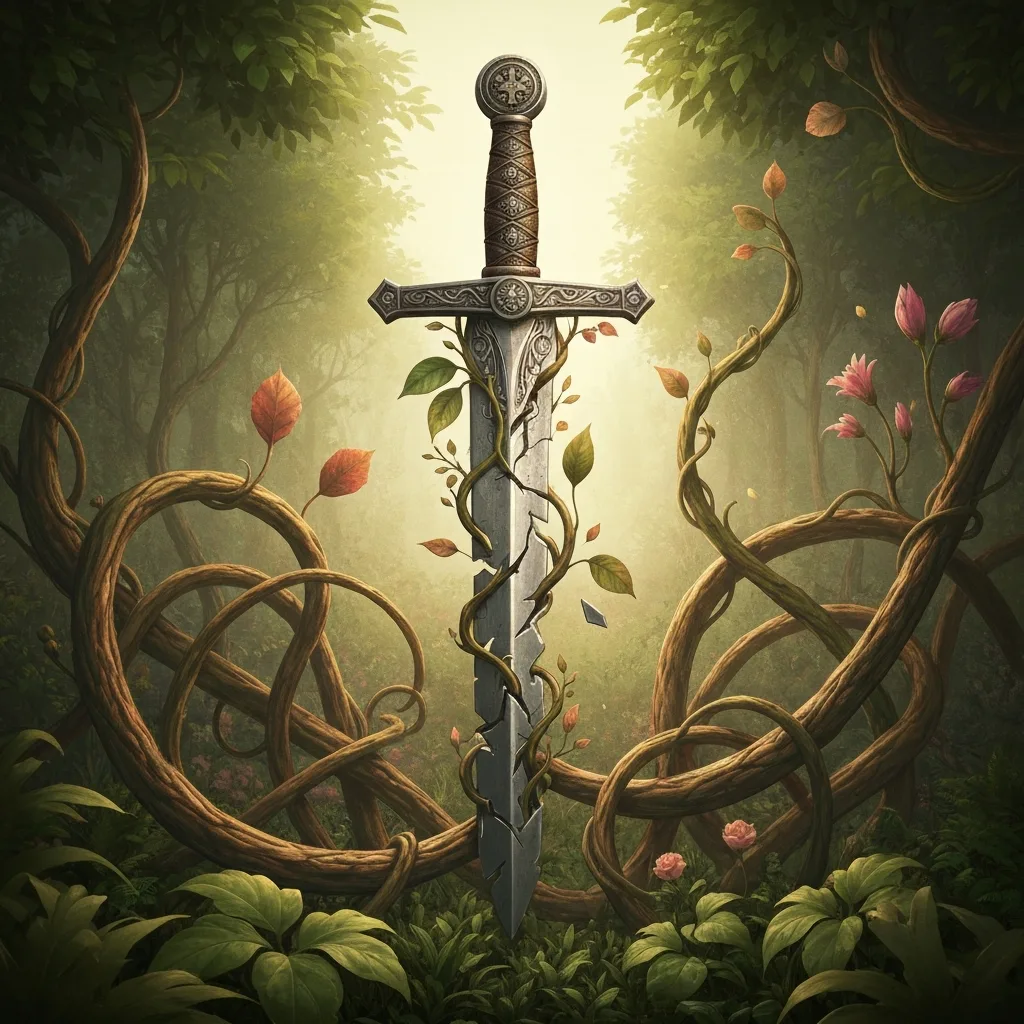
The Shadow of Joseph Campbell
For decades, a single structural framework has dominated Western storytelling: the Hero’s Journey. Popularized by mythologist Joseph Campbell in his 1949 work ‘The Hero with a Thousand Faces,’ this narrative template—often referred to as the monomyth—charts the predictable path of a chosen protagonist. They receive a call to adventure, cross a threshold into the unknown, face a series of trials, achieve a decisive victory, and return home transformed. From ancient epics like the Odyssey to modern blockbusters and sprawling fantasy series, the monomyth has served as the default blueprint for narrative success.
However, the literary landscape is undergoing a profound structural shift. Contemporary authors are increasingly abandoning the Hero’s Journey, finding its linear, conquest-driven parameters too restrictive for the complexities of modern life. The monomyth inherently prioritizes individualism, external conflict, and a binary view of victory and defeat. As readers seek stories that reflect a nuanced, interconnected, and often ambiguous reality, writers are looking beyond Campbell’s rigid circle to explore alternative frameworks. This departure is not a rejection of structure, but an expansion of the literary toolkit, allowing for stories that honor collective action, internal integration, and non-western narrative traditions.
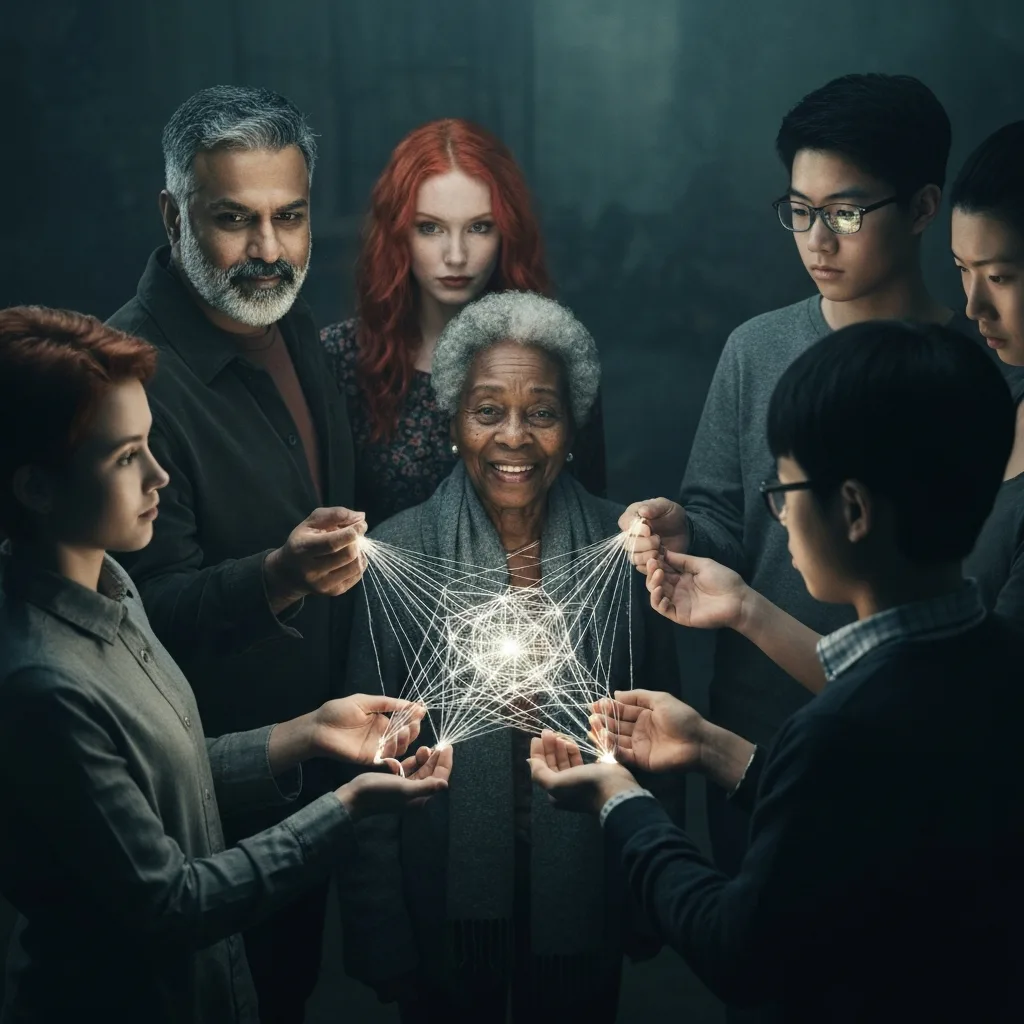
The Carrier Bag Theory and Collective Narratives
One of the earliest and most profound critiques of the monomyth came from visionary author Ursula K. Le Guin. In her essay ‘The Carrier Bag Theory of Fiction,’ Le Guin challenged the assumption that the first human tool was a weapon used for hunting and domination. Instead, she proposed that the first tool was likely a receptacle—a sling, a net, or a basket used to gather and carry food. Le Guin applied this anthropological theory to literature, arguing that the traditional hero’s narrative is a ‘spear’ story, focused on linear progression, conflict, and a singular climax. She advocated for ‘receptacle’ stories, which gather diverse elements, voices, and experiences into a shared space without the need for a conquering hero.
Modern authors are actively applying this theory by shifting focus from the singular chosen one to the collective. In contemporary speculative fiction and literary fiction alike, we see a rise in ensemble casts where the community itself acts as the protagonist. Richard Powers’ Pulitzer Prize-winning novel ‘The Overstory’ is a prime example. The narrative structure mimics the root system of a forest, weaving together the lives of disparate characters whose collective actions address the overarching crisis of deforestation. No single character saves the day; the ‘hero’ is the interconnected network of human and non-human actors. By decentralizing the protagonist, authors can explore systemic issues—such as climate change, social inequality, and institutional corruption—that cannot be solved by a lone individual wielding a metaphorical sword.
Kishōtenketsu: Narrative Without Conflict
Western literature often operates on the assumption that narrative requires conflict. The monomyth is entirely dependent on an inciting incident that throws the protagonist’s world into chaos, forcing them to fight their way back to equilibrium. But as global literary traditions become more accessible, Western authors and readers are discovering the power of narrative structures that do not rely on aggressive confrontation.
Kishōtenketsu is a classic four-act narrative structure originating in Chinese poetry and widely used in Japanese and Korean storytelling. It consists of four phases: Introduction (ki), Development (shō), Twist (ten), and Conclusion (ketsu). Unlike the three-act Western structure, Kishōtenketsu does not require a central antagonist or a climactic battle. The ‘twist’ in the third act is not a confrontation, but rather a sudden shift in perspective or an introduction of a new element that recontextualizes the previous acts. The conclusion then reconciles this new information with the original premise.
This structure is highly effective for exploring themes of acceptance, everyday life, and emotional realization. Modern slice-of-life literature and the burgeoning genre of ‘healing fiction’—such as Toshikazu Kawaguchi’s ‘Before the Coffee Gets Cold’—utilize this framework to profound effect. By removing the mandate for a vanquished enemy, authors can write deeply compelling stories about grief, memory, and relationships. Readers are captivated not by the tension of an impending battle, but by the quiet, profound shifts in human understanding.
The Heroine’s Journey: Healing the Internal Divide
Even when authors maintain a focus on a singular protagonist, the nature of their journey is evolving. In 1990, author and therapist Maureen Murdock published ‘The Heroine’s Journey,’ a direct response to Campbell. Murdock, who studied under Campbell, felt that his model failed to address the psychological and spiritual path of women—or anyone whose primary struggle is internal rather than external. When Murdock presented her model to Campbell, he famously dismissed it, claiming women did not need a journey because they were the place the hero was trying to get to.
Murdock’s framework outlines a path of internal integration rather than external conquest. The Heroine’s Journey begins with a rejection of the feminine and an initial success in a patriarchal, externally driven world. However, this success eventually leads to spiritual aridity and a descent into the figurative underworld. The climax of this journey is not slaying a dragon, but healing the split between the masculine and feminine aspects of the self, resulting in a holistic integration.
We see this structure vividly in modern psychological fiction and character-driven fantasy. The protagonist’s ultimate goal is not to conquer a kingdom or defeat a dark lord, but to reclaim lost parts of their identity and heal generational wounds. Authors like N.K. Jemisin and Madeline Miller utilize elements of this internal journey, crafting protagonists whose ultimate victories are deeply personal and centered on self-actualization and the breaking of toxic cycles, rather than the acquisition of power or glory.
Fragmented Realities and Non-Linear Storytelling
The monomyth implies a neat, circular progression: departure, initiation, and return. But modern psychology and our understanding of trauma have shown that human experience rarely follows such a tidy trajectory. Trauma fractures time; memory is inherently non-linear. To accurately reflect the modern human condition, authors are dismantling the chronological timeline entirely.
Non-linear storytelling allows writers to mimic the associative nature of human thought. By jumping between past, present, and imagined futures, authors create a mosaic of experience rather than a straight line of progression. This structural fragmentation reflects a world that often feels chaotic and unpredictable. Novels like Emily St. John Mandel’s ‘Station Eleven’ use temporal shifts to build thematic resonance, showing how art and memory survive across fractured timelines. The journey here is not about a hero moving forward to solve a problem, but about the reader piecing together the narrative shards to understand the broader picture of resilience and humanity.
Embracing the Unknown
The movement away from the Hero’s Journey represents a maturation of the literary form. Joseph Campbell’s monomyth will always hold value; it speaks to a primal human desire for order, progression, and triumph. However, relying on it as the sole blueprint for storytelling severely limits the kinds of truths literature can explore.
By embracing collective narratives, conflict-free structures, internal integration, and non-linear timelines, modern authors are proving that there are countless ways to craft a compelling story. They are challenging readers to find meaning not just in the slaying of dragons, but in the quiet moments of realization, the strength of communities, and the complex, ongoing process of simply being human. As the boundaries of literature continue to expand, the abandonment of the monomyth ensures that the stories of tomorrow will be as diverse, unpredictable, and intricate as the world they seek to reflect.
Do you enjoy the content on Agenda Creativa?
Your contributions help me create new articles, share creative ideas, and keep this platform alive! If you like what I do and want to support my work, you can buy us a coffee.
Every cup of coffee means more than just a gesture – it's direct support for my passion to create inspiring and useful content. Thank you for being part of this journey!
☕ Buy me a coffee