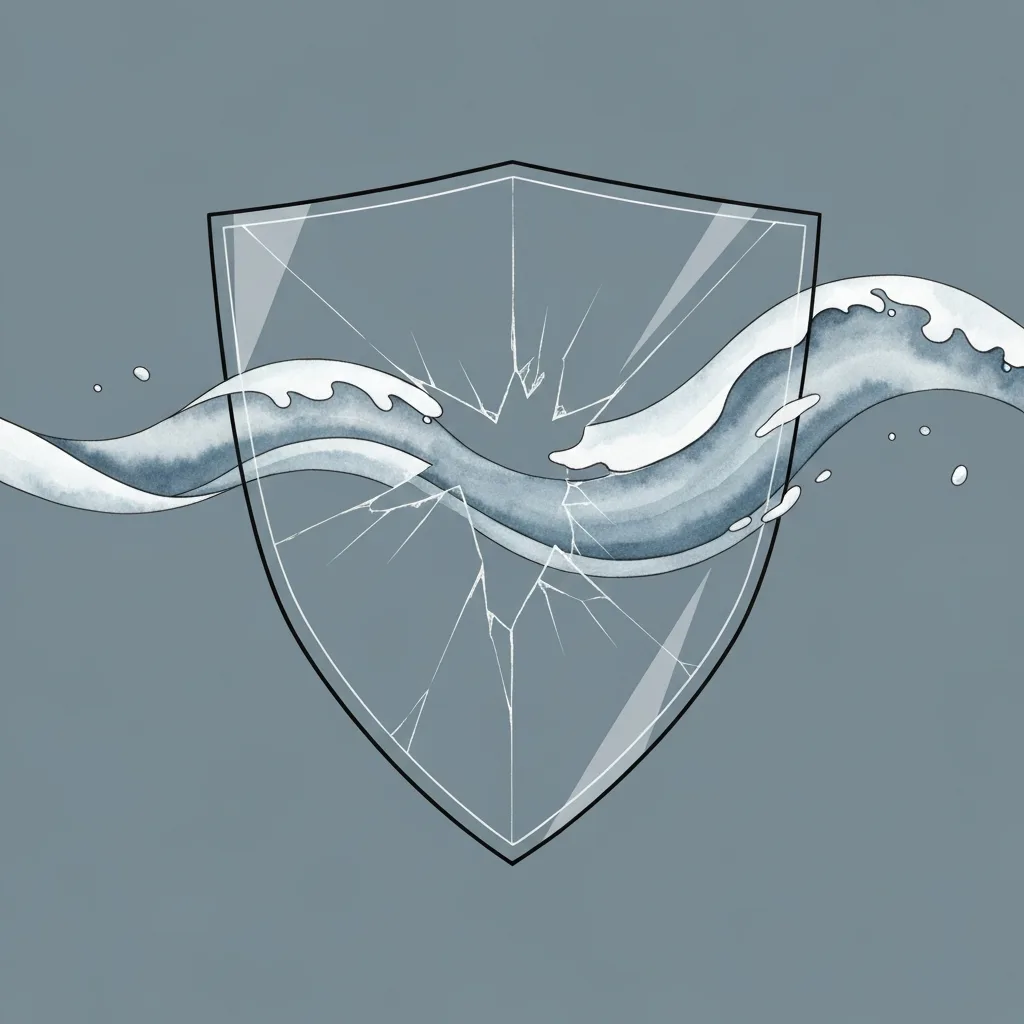
The Illusion of Invulnerability
Human beings are biologically wired for self-preservation. When we encounter profound psychological distress—a brutal rejection, a sudden loss, a deep betrayal, or a humiliating failure—our nervous system instinctively constructs defenses to prevent that specific agony from ever occurring again. We build emotional armor. On the surface, this psychological shielding feels like a triumph of resilience. We become stoic, unbothered, and fiercely independent. We curate lives that minimize risk and maximize predictability. But this protective barrier harbors a silent, devastating cost. By attempting to engineer a life free from emotional injury, we inadvertently sabotage our capacity for genuine psychological balance.
The paradox of emotional armor lies in its inherent rigidity. When we shield ourselves from potential pain, we do not actually eliminate the threat of suffering; we simply trap the fear of it inside our bodies. This chronic defensive posture demands massive amounts of cognitive and somatic energy, leaving us depleted, disconnected, and ultimately more fragile. True emotional balance is not the absence of vulnerability, but the mindful capacity to remain open and permeable in the face of uncertainty.

The Architecture of Psychological Bracing
Emotional armor rarely manifests as a sudden, conscious decision. It begins as a series of subtle micro-adaptations. You stop expressing your true needs to avoid the sting of disappointment. You intellectualize your feelings rather than experiencing them physically. You keep relationships at a safe, superficial distance, always leaving one foot out the door. In clinical psychology, this phenomenon is often referred to as experiential avoidance—the systematic attempt to alter the form, frequency, or situational sensitivity of negative private experiences, even when doing so causes behavioral harm.
While experiential avoidance offers immediate, short-term relief, it creates a long-term feedback loop of anxiety. When you constantly shield yourself from distress, you inadvertently signal to your amygdala—the brain’s threat-detection center—that the emotion itself is a lethal danger. You are literally training your brain to fear your own internal landscape. Consequently, the threshold for what triggers your nervous system begins to lower dramatically. A minor disagreement or a fleeting moment of sadness is suddenly interpreted as an existential crisis because your psychological immune system has never been allowed to build natural antibodies through graded exposure.
The Somatic Toll of Chronic Defensiveness
Emotional armor is not merely a mental construct; it is a tangible physical reality. Psychological bracing translates directly into somatic bracing. Notice what happens to your body when you anticipate emotional pain or conflict: your jaw clenches, your shoulders elevate toward your ears, your breathing becomes shallow and erratic, and your pelvic floor tightens. This is the physiological posture of defense, an evolutionary hangover designed to protect your vital organs from physical attack.
Living in a state of chronic somatic bracing keeps your autonomic nervous system locked in a low-grade sympathetic response—a perpetual state of fight-or-flight. You are constantly metabolizing stress hormones like cortisol and adrenaline, which degrades your physical health and severely narrows your window of tolerance. When your body is already taut with tension, even a minor stressor can tip you into severe dysregulation. You become brittle. Like a rigid tree branch in a severe storm, you are much more likely to snap under pressure, whereas a flexible, unarmored branch simply bends and rebounds.
The Myth of Selective Numbing
One of the most insidious aspects of emotional armor is the persistent belief that we can selectively block out the negative while remaining open to the positive. We desperately want to numb the grief, the shame, and the fear, but we still expect to feel joy, love, and deep connection. Unfortunately, human neurobiology does not work this way.
The neural pathways that process emotional pain are intimately entangled with the pathways that process pleasure, awe, and fulfillment. When you deaden your capacity to feel distress, you simultaneously deaden your capacity to feel anything else. Your emotional baseline flattens out into a dull, gray plateau of anhedonia. This is precisely why many people who consider themselves highly protected, guarded, and “strong” often report a pervasive sense of emptiness, boredom, or apathy. They have successfully barricaded themselves against pain, but they have also barricaded themselves against the vibrancy of life.
Barricades vs. Boundaries
It is crucial to distinguish between emotional armor and healthy psychological boundaries. Boundaries are semi-permeable; they are conscious parameters you set to protect your energy and maintain your integrity. You mindfully choose what to let in and what to keep out based on your current capacity, your values, and the context of the situation. Boundaries are flexible and require deep present-moment awareness.
Armor, on the other hand, is a barricade. It is an unconscious, rigid wall erected out of historical fear rather than present-moment reality. It does not differentiate between a genuine threat and a sincere bid for connection. Armor pushes everything away indiscriminately. Moving from psychological fragility to true emotional resilience requires the slow dismantling of these barricades while simultaneously learning to set mindful, dynamic boundaries.
Cultivating Emotional Permeability
If emotional armor creates fragility, the antidote is emotional permeability—the ability to let experiences move through you without getting stuck, resisting, or collapsing. Permeability is the very essence of advanced mindfulness practice. It is the art of becoming a conduit for your emotions rather than a rigid container for them.
When you are emotionally permeable, you do not try to stop the wave of grief, anger, or anxiety from hitting you. Instead, you drop your resistance and allow it to wash over and through you, trusting that your nervous system knows exactly how to process and release it. You recognize that emotions are temporary physiological states, neurochemical waves that typically last only a few minutes if they are not continuously fueled by cognitive rumination or physical resistance.
The Practice of Somatic Softening
Dismantling your armor must begin in the body. Because emotional bracing is held deep in your musculature, you must consciously practice somatic softening to signal safety to your brain. When you notice yourself feeling defensive, anxious, or emotionally shut down, intentionally redirect your attention away from the racing narrative in your mind and anchor it in your physical sensations.
Scan your body for areas of chronic tension. Consciously drop your shoulders away from your ears. Unclench your jaw and let your tongue fall away from the roof of your mouth. Let your belly become soft and round as you take a slow, deep breath in, and exhale with a prolonged, audible sigh. This physical softening acts as a powerful bottom-up intervention. By consciously relaxing your physical armor, you interrupt the neuroception of threat, allowing your mind to follow your body into a state of calm, grounded receptivity.
Micro-Dosing Vulnerability
You cannot strip away years of emotional armor all at once—doing so would flood your nervous system, trigger massive panic, and only reinforce the need for stronger defenses. Instead, you must practice micro-dosing vulnerability. This means intentionally exposing yourself to small, highly manageable moments of emotional openness.
Micro-dosing vulnerability might look like admitting a minor mistake to a colleague without immediately justifying it. It could be telling a trusted friend that you are struggling today, rather than defaulting to the automatic “I’m fine.” It might simply involve sitting quietly alone with a feeling of mild sadness or frustration for two minutes without reaching for your phone to distract yourself. These micro-exposures train your brain that you can experience emotional discomfort and survive it intact. Over time, this builds profound psychological confidence and expands your window of tolerance.
Reclaiming Your Psychological Agility
Shedding your emotional armor is not an act of surrender; it is an act of supreme psychological courage. It requires the willingness to stand in the inherent unpredictability of the human experience without a shield. But the reward for this mindful vulnerability is a life of deep, resonant color and authentic connection.
When you stop expending all your daily energy on defense and avoidance, you reclaim a massive amount of psychological bandwidth. You become agile. You finally learn that true safety does not come from preventing pain, but from knowing with absolute certainty that you have the internal resources to process whatever comes your way. By embracing emotional permeability, you transform your nervous system from a rigid fortress of isolation into a dynamic, flowing channel of resilience, connection, and enduring emotional balance.

Do you enjoy the content on Agenda Creativa?
Your contributions help me create new articles, share creative ideas, and keep this platform alive! If you like what I do and want to support my work, you can buy us a coffee.
Every cup of coffee means more than just a gesture – it's direct support for my passion to create inspiring and useful content. Thank you for being part of this journey!
☕ Buy me a coffee