The Cultural Shift Away from Grimdark
For over a decade, the landscape of speculative fiction was dominated by a distinct flavor of cynicism. The sweeping success of the grimdark subgenre—characterized by morally ambiguous anti-heroes, bleak landscapes, and the overarching philosophy that human nature is fundamentally selfish—cast a long shadow over modern publishing. Readers consumed narratives where betrayal was inevitable and violence was the primary currency of power. However, cultural pendulums always swing back. In recent years, a quiet but fierce rebellion has taken root in the literary world, offering a counter-narrative to the pervasive gloom. This movement is known as hopepunk.
Hopepunk is not about toxic positivity or ignoring the very real systemic issues that plague society. Instead, it frames optimism as a deliberate, radical choice. In a world that often feels overwhelmingly dark, choosing to care, to build communities, and to fight for a better future is inherently subversive. This literary movement posits that kindness is not a weakness to be exploited by the ruthless, but rather a weapon to be wielded against apathy and despair.
The Origins of a Literary Rebellion
The term ‘hopepunk’ was first coined in 2017 by fantasy author Alexandra Rowland in a brief, viral social media post. Rowland simply stated that the opposite of grimdark was hopepunk, and the concept resonated instantly with thousands of readers and writers. The suffix ‘punk’ is crucial here. In literary terms, ‘punk’ denotes resistance against an oppressive establishment. Cyberpunk rebels against corporate hegemony and hyper-capitalism; steampunk reimagines historical technological paradigms. Hopepunk, therefore, rebels against the establishment of cynicism and the narrative that humanity is doomed to destroy itself.
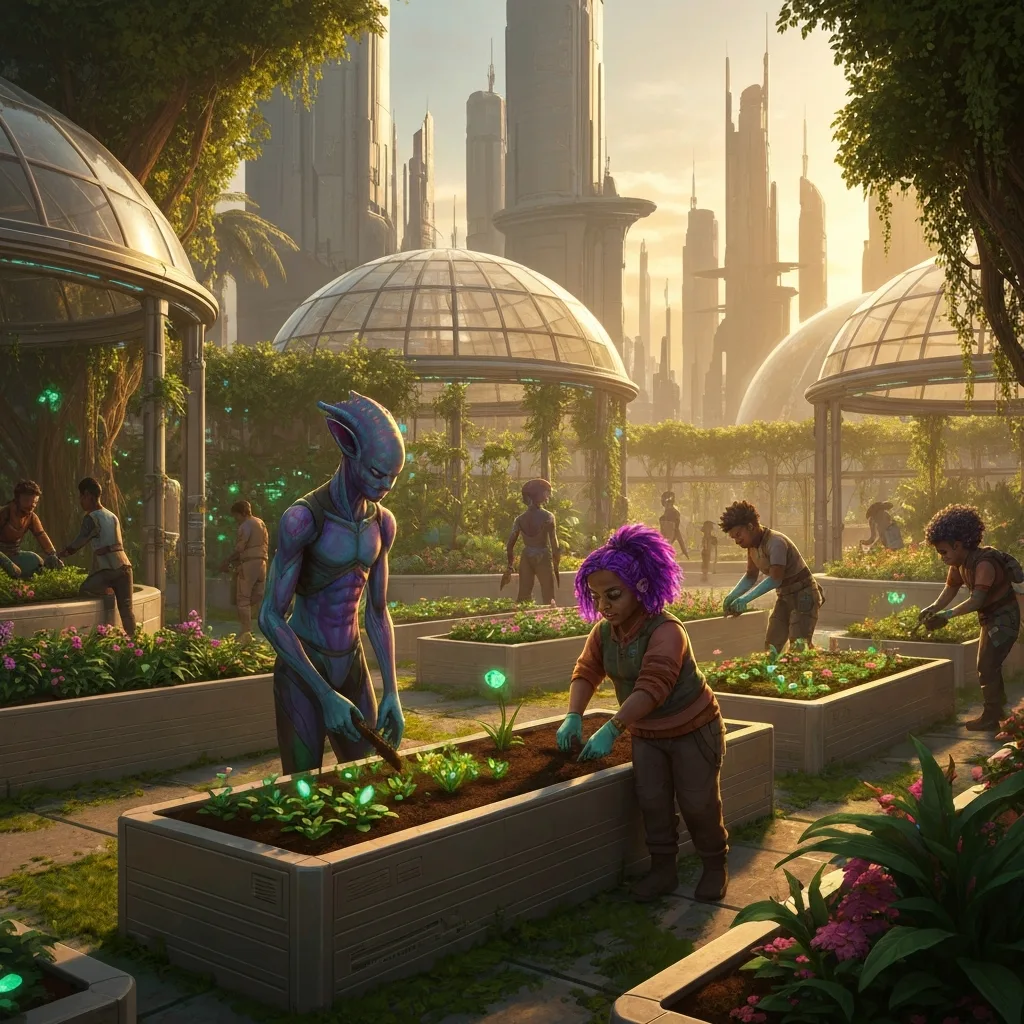
This movement emerged during a period of intense global anxiety. Political polarization, looming climate crises, and widespread social unrest left readers exhausted by fiction that merely mirrored the bleakness of the evening news. Audiences began craving stories that offered a blueprint for survival and recovery, rather than just a magnifying glass on destruction. Hopepunk answered this call by providing narratives where characters acknowledge the brokenness of their world but actively choose to plant seeds for a garden they might never live to see.
Core Pillars of Hopepunk Literature
While hopepunk spans various genres—from high fantasy to hard science fiction—it is unified by several distinct thematic pillars that separate it from both grimdark and traditional, conflict-free utopian fiction.
Radical Kindness as a Strategic Choice
In traditional grimdark narratives, compassion is often a fatal flaw. A character who pauses to help a stranger is likely to be stabbed in the back. In hopepunk, kindness is a tactical advantage. It builds alliances, fosters loyalty, and creates resilient networks that can withstand external pressures. Characters in these stories understand that extending empathy requires immense courage. They choose to trust others, knowing they might be hurt, because the alternative—living in paranoid isolation—is a fate worse than betrayal.
The Power of Found Family and Community
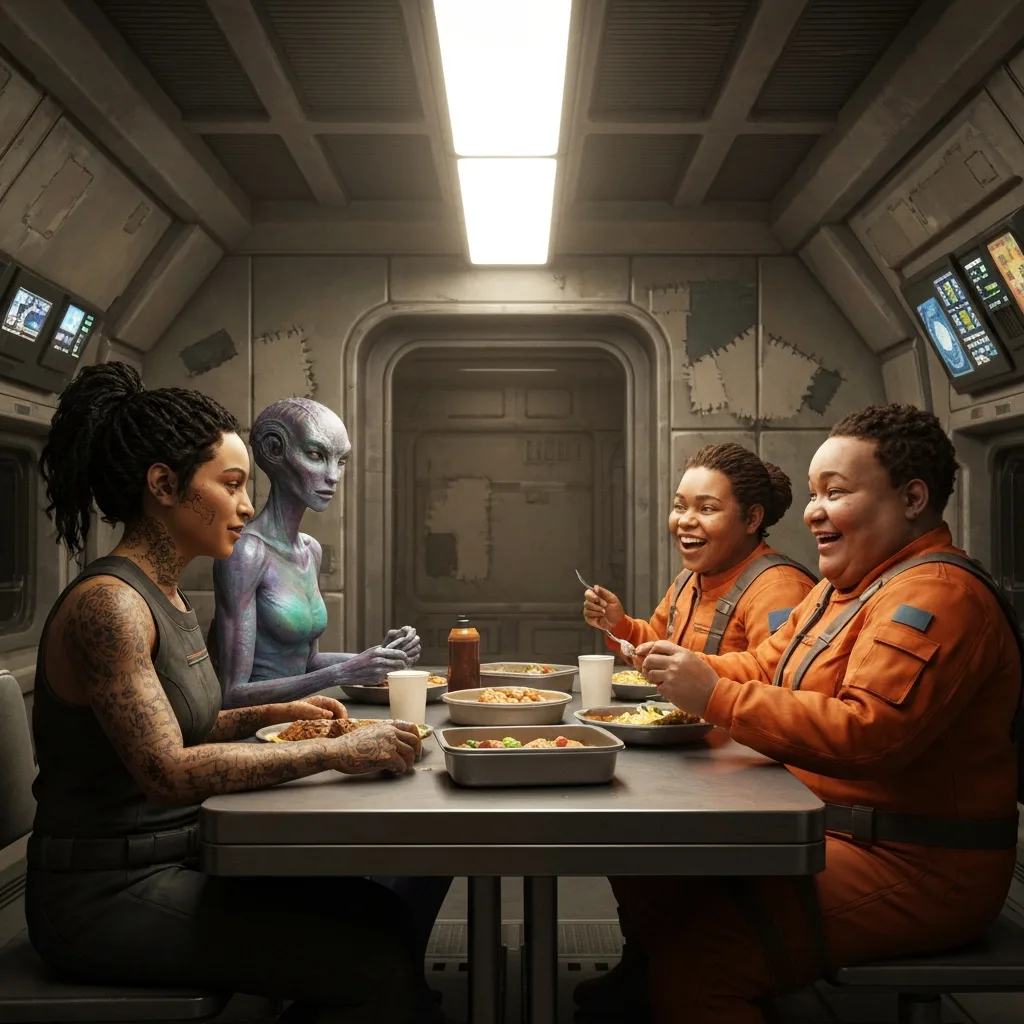
The ‘Chosen One’ trope has long been a staple of speculative fiction, centering the fate of the world on a singular, uniquely gifted individual. Hopepunk dismantles this hyper-individualistic approach. Instead, it champions the concept of the ‘found family’—a diverse, often marginalized group of individuals who come together through shared struggles. These narratives emphasize that saving the world (or even just saving a neighborhood) is a collective effort. The hero is replaced by the community. Success is achieved through cooperation, mutual aid, and the pooling of varied, ordinary skills rather than singular martial prowess or magical supremacy.
The Messiness of Incremental Progress
Hopepunk does not promise a neat, definitive victory where evil is vanquished forever. It acknowledges that progress is a messy, non-linear process. Characters fail, systems collapse, and setbacks are frequent. The narrative tension in these stories often derives from the characters’ internal struggle to maintain their resolve in the face of these setbacks. The victory in a hopepunk novel is rarely a triumphant battle over a dark lord; it is usually the successful negotiation of a peace treaty, the rebuilding of a damaged ecosystem, or the simple survival of a community that the powers-that-be tried to erase.
Key Works and Authors Defining the Genre
Several contemporary authors have become the vanguard of the hopepunk movement, crafting universes that perfectly encapsulate its ethos.
Becky Chambers and the Galactic Everyday
Becky Chambers’ Wayfarers series is frequently cited as the quintessential hopepunk text. Set in a vast, complex galactic commons, her novels eschew massive space battles in favor of intimate character studies. Her protagonists are ordinary laborers, mechanics, and archivists trying to make a living and understand one another across vast cultural and biological divides. Chambers focuses on the friction of cohabitation and the beauty of compromise, proving that compelling science fiction does not require the threat of galactic annihilation.
Martha Wells and the Reluctant Protector
Martha Wells’ wildly popular Murderbot Diaries offers a slightly more cynical, yet deeply hopepunk narrative. The protagonist is a heavily armed security android that has hacked its own governor module. Instead of going on a murderous rampage—as grimdark tropes would dictate—it just wants to be left alone to watch soap operas. Despite its intense social anxiety and professed disdain for humans, it continually risks its own existence to protect its clients. Murderbot’s journey from a piece of corporate property to an autonomous being who chooses to care for its found family is a masterclass in weaponized optimism.
Terry Pratchett: The Proto-Hopepunk Master
While the term did not exist during the majority of his career, Sir Terry Pratchett’s Discworld series is built entirely on the foundations of hopepunk. Pratchett’s work is fiercely angry at injustice, yet profoundly optimistic about the decency of ordinary people. Characters like Commander Sam Vimes and Granny Weatherwax operate on a furious, unyielding brand of morality. They do the right thing not because it is easy or rewarding, but because someone has to do it. Pratchett’s satirical fantasy world remains a vital touchstone for modern writers exploring themes of civic duty and human resilience.
Why Readers are Craving Weaponized Optimism
The surge in hopepunk’s popularity is a direct response to the psychological toll of the modern era. Psychologists have noted that chronic exposure to negative news and apocalyptic media can lead to a state of learned helplessness—a belief that no action can change the outcome of a situation. Literature has the power to either reinforce this helplessness or disrupt it.
Hopepunk acts as a cognitive disruptor. By providing narratives where small, persistent acts of rebellion and kindness yield tangible results, these books offer an antidote to doomscrolling. They remind readers that while utopia may be an impossible goal, a slightly better tomorrow is entirely achievable. This fiction serves as emotional nourishment, equipping readers with the psychological resilience needed to face real-world challenges. It validates the exhaustion of fighting for a better world while simultaneously insisting that the fight is worth the cost.
The Future of Speculative Fiction
As the publishing industry continues to evolve, the demand for nuanced, optimistic narratives shows no signs of waning. We are seeing hopepunk bleed into other emerging subgenres, such as solarpunk, which focuses specifically on sustainable, ecologically harmonious futures. The rigid boundaries between literary fiction and genre fiction are blurring, allowing these themes of community and resilience to reach wider audiences.
Ultimately, the rise of hopepunk signifies a maturation in speculative fiction. It moves beyond the adolescent fascination with destruction and grim realities, stepping into the much more difficult territory of construction and healing. It challenges both writers and readers to ask a far more demanding question than ‘How does the world end?’ Instead, it asks: ‘After the world breaks, how do we put it back together?’

Do you enjoy the content on Agenda Creativa?
Your contributions help me create new articles, share creative ideas, and keep this platform alive! If you like what I do and want to support my work, you can buy us a coffee.
Every cup of coffee means more than just a gesture – it's direct support for my passion to create inspiring and useful content. Thank you for being part of this journey!
☕ Buy me a coffee