The Narrative Power of the Plate
There is a distinct, visceral reaction that occurs when a skilled author describes a meal. The scent of roasted garlic seems to lift off the page; the snap of a fresh apple resonates in the reader’s ear; the warmth of a hearty stew settles in the stomach. However, food in fiction is rarely just about sustenance. In the hands of a master storyteller, the culinary arts transform into a potent narrative device. When authors write about meals, ingredients, and the act of eating, they offer readers a profound window into the cultural, social, and emotional landscapes of their characters.
From the opulent feasts of classic literature to the intimate, culturally specific kitchens of contemporary fiction, culinary writing shapes our perception of both the story and the world it represents. The intersection of literature and food reveals how we connect, how we remember, and how we define our identities. By examining the evolution of food in fiction, we can better understand how the culinary and the literary nourish us in equal measure.
The Culinary Classics: Feasts, Famines, and Social Commentary
In classical and nineteenth-century literature, food was frequently deployed as a barometer for social class, morality, and economic disparity. Authors utilized the dining table to critique societal structures and highlight the stark divides between the privileged and the impoverished.
Dickensian Dinners and the Economics of Eating
Few authors understood the sociological weight of a meal quite like Charles Dickens. In his works, food is inextricably linked to power and deprivation. The infamous scene in Oliver Twist, where the young orphan dares to ask for more gruel, remains one of the most powerful literary indictments of institutional cruelty. The thin, watery porridge is not merely bad food; it is a manifestation of the meager value society placed on the lives of the poor.
Conversely, the meager but joyfully shared goose of the Cratchit family in A Christmas Carol stands as a symbol of resilience and familial warmth against the cold, hoarding greed of Ebenezer Scrooge. For Dickens, what a character eats—and more importantly, how they share it—is a direct reflection of their moral compass.
Proust’s Madeleine: The Architecture of Memory
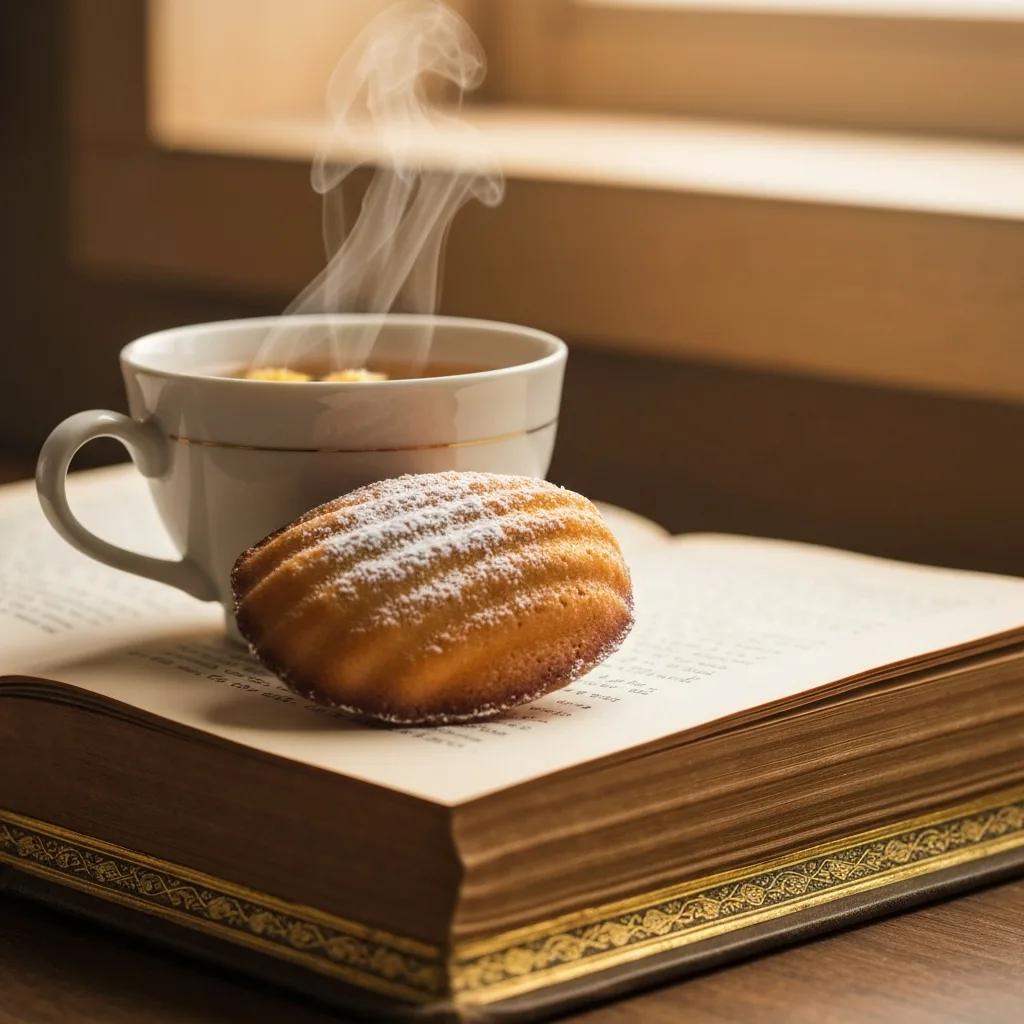
Moving into the early twentieth century, the function of food in literature shifted inward, becoming a trigger for psychological exploration. The most famous example of this is Marcel Proust’s In Search of Lost Time. When the narrator dips a petite, shell-shaped madeleine cake into his lime-blossom tea, the taste unlocks a flood of childhood memories.
This literary moment coined the term “Proustian memory,” illustrating how involuntary memory is often tied to our senses of taste and smell. Proust elevated food from a physical necessity to a metaphysical key, capable of unlocking the locked doors of human psychology and the passage of time.
Magical Realism and the Alchemy of the Kitchen
As literature evolved, certain genres began to treat the kitchen not just as a domestic space, but as a site of profound power and magic. In the realm of magical realism, cooking becomes an act of alchemy, where emotions are literally baked into the food and consumed by others.
Emotion as an Ingredient
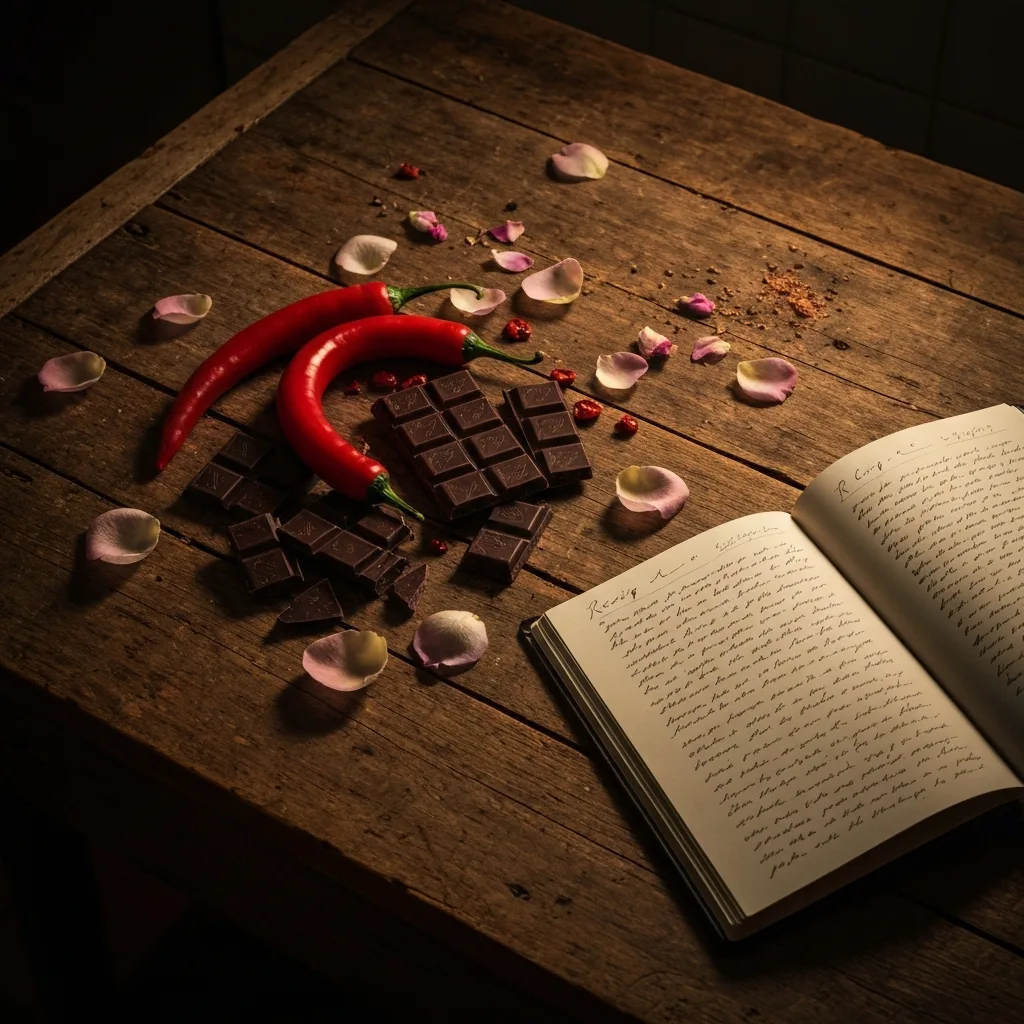
Laura Esquivel’s Like Water for Chocolate is a definitive masterclass in this tradition. The protagonist, Tita, is forbidden from marrying her true love and is instead relegated to the family kitchen. Unable to express her feelings verbally, Tita channels her intense emotions—sorrow, passion, anger—into her cooking. When her guests eat her quail in rose petal sauce, they are overcome with an uncontrollable lust; when they eat her wedding cake, they are struck by a profound, weeping melancholy.
Esquivel uses food to subvert the traditional, patriarchal view of the kitchen as a place of female subjugation. Instead, the kitchen becomes Tita’s domain of ultimate influence, a place where she controls the emotional and physical states of everyone around her. Similarly, in Joanne Harris’s Chocolat, the creation of rich, decadent chocolate becomes a tool of liberation, challenging the rigid, austere religious dogma of a small French village.
Migration, Identity, and the Family Table
In contemporary fiction, the intersection of food and literature frequently centers on themes of migration, diaspora, and cultural identity. For characters navigating a new country or grappling with a hyphenated identity, food serves as an anchor to their heritage and a bridge to their new reality.
The Struggle for Authentic Ingredients
Authors like Jhumpa Lahiri and Chimamanda Ngozi Adichie frequently use food to illustrate the tension between assimilation and cultural preservation. In Lahiri’s The Namesake, Ashima Ganguli’s attempt to recreate a beloved Indian street snack using American Rice Krispies and Planters peanuts is a poignant representation of the immigrant experience. It highlights the struggle to make do with foreign substitutes while desperately yearning for the authentic taste of home.
Food in these narratives acts as a silent language of love between generations. Parents who may struggle to communicate with their assimilated children often express their devotion through meticulously prepared traditional meals. The dining table becomes a contested space where cultural values are negotiated, passed down, or occasionally rejected.
Food as Metaphor: Desire, Control, and Rebellion
Beyond cultural identity, contemporary authors frequently utilize food to explore bodily autonomy, gender roles, and the psychology of control. The act of eating—or refusing to eat—can be a powerful act of rebellion against societal expectations.
Consumption and Power Dynamics
Margaret Atwood’s pioneering novel The Edible Woman explores the relationship between food, consumerism, and female identity. As the protagonist, Marian, feels increasingly consumed by her impending marriage and the restrictive gender roles of the 1960s, she finds herself unable to eat. She begins to identify with the food on her plate, viewing the meat as a fellow victim of a predatory society. Her literal rejection of food mirrors her psychological rejection of the life laid out for her.
In a different vein, George R.R. Martin’s epic fantasy series A Song of Ice and Fire uses exhaustive, mouth-watering descriptions of feasts to establish the wealth, geography, and political power of his fictional world. The lavish seventy-seven-course meals of the nobility stand in stark contrast to the starvation of the common folk, serving as a constant reminder of the fragile, brutal hierarchy of Westeros. When the long winter finally arrives, the sudden absence of these feasts creates a palpable sense of dread and impending doom for the reader.
The Modern Rise of Culinary Fiction
Today, the literary world has seen the emergence of “culinary fiction” or “foodie fiction” as a distinct subgenre. These are novels where food is not merely a motif, but the central driving force of the plot. Books like Sweetbitter by Stephanie Danler or Kitchens of the Great Midwest by J. Ryan Stradal cater to a modern readership that is increasingly obsessed with restaurant culture, farm-to-table ethics, and the grueling reality of professional kitchens.
This genre bridges the gap between the cookbook and the novel. Authors of culinary fiction must possess a deep understanding of gastronomy, translating the chaotic, sensory overload of a commercial kitchen into precise, evocative prose. They explore the ambition, addiction, and artistry required to succeed in the culinary world, proving that the pursuit of the perfect dish is as compelling a narrative arc as any traditional hero’s journey.
The Shared Purpose of Reading and Eating
The enduring relationship between literature and food stems from a fundamental shared purpose: both are essential forms of nourishment. While food sustains the physical body, literature sustains the mind and the spirit. When the two intersect on the page, they create a deeply immersive experience that engages all our faculties.
Whether it is a critique of Victorian poverty, a magical expression of forbidden love, or a quiet meditation on immigrant identity, culinary writing grounds abstract themes in a universal, relatable experience. We all know what it means to be hungry, to be satisfied, and to taste a flavor that reminds us of home. By harnessing the sensory power of food, authors invite us to pull up a chair, sit at their characters’ tables, and partake in the profound, complex feast of the human experience.

Do you enjoy the content on Agenda Creativa?
Your contributions help me create new articles, share creative ideas, and keep this platform alive! If you like what I do and want to support my work, you can buy us a coffee.
Every cup of coffee means more than just a gesture – it's direct support for my passion to create inspiring and useful content. Thank you for being part of this journey!
☕ Buy me a coffee