The Threat Moves Indoors
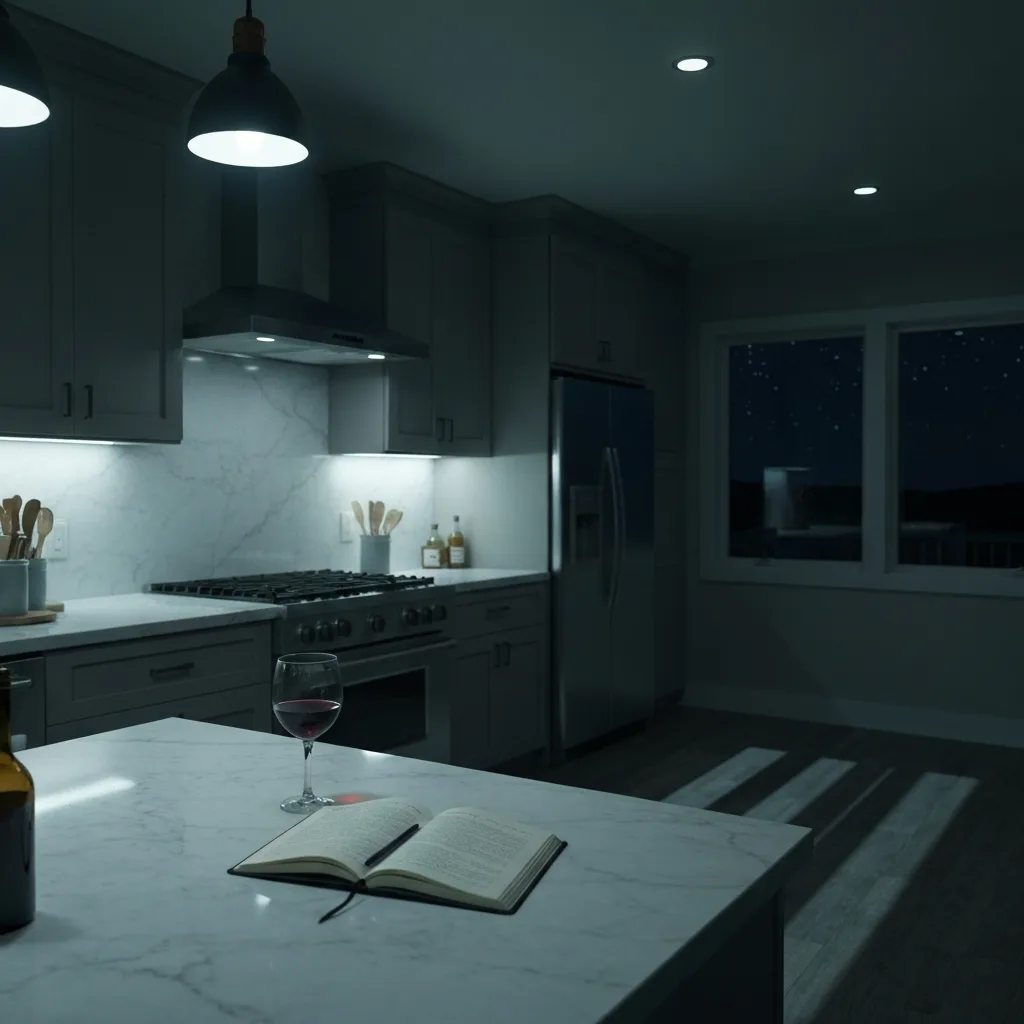
For decades, the crime genre relied on external threats to generate fear and propel narratives forward. Readers were conditioned to fear the serial killer stalking the neon-lit city streets, the organized crime syndicate operating in the shadows, or the foreign spy stealing state secrets. The danger was always ‘out there,’ a malevolent force intruding upon the safety of everyday life. However, a seismic shift occurred in the publishing industry over the last decade. The threat moved indoors. The modern psychological thriller, specifically the subgenre of domestic suspense, redefined the boundaries of crime fiction by suggesting that the most dangerous place a person can be is inside their own home.
Domestic suspense strips away the global stakes of espionage and the procedural elements of traditional detective fiction. Instead, it focuses the lens on the claustrophobic dynamics of marriage, family, and close-knit neighborhoods. By placing the source of terror in the kitchen, the bedroom, or the cul-de-sac, these novels tap into a primal, universal vulnerability. We can lock our doors against the outside world, but what happens when we have already locked the danger inside with us?
The Ancestry of Domestic Terror
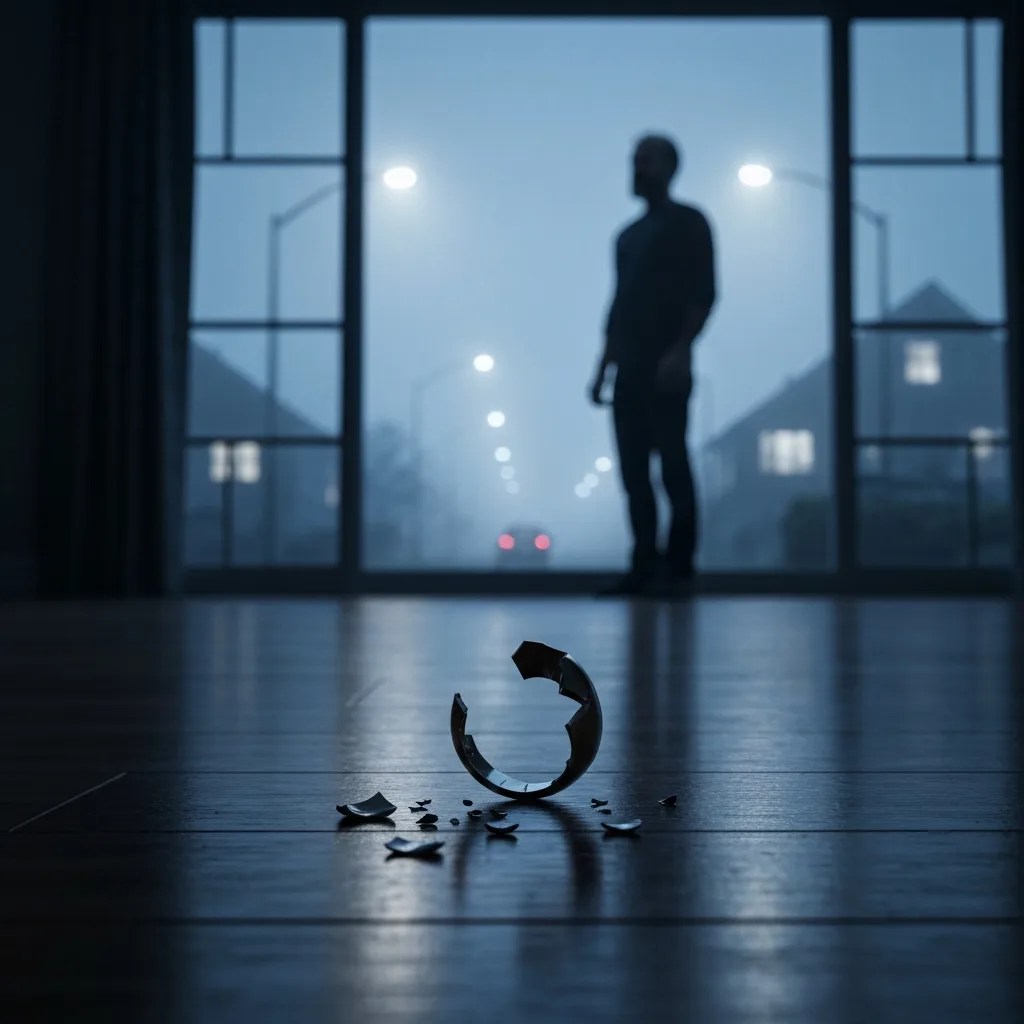
While the current explosion of domestic suspense feels distinctly modern, its roots stretch deep into literary history. The genre owes a significant debt to Daphne du Maurier, whose 1938 masterpiece Rebecca established the template for the psychological isolation of a protagonist within a sprawling, secretive household. Du Maurier understood that a house could be as antagonistic as any villain, and that the ghosts of past relationships could actively haunt the present.
Similarly, Patricia Highsmith laid the groundwork for the moral ambiguity that defines the modern domestic thriller. Highsmith’s characters were rarely traditional heroes or clear-cut villains; they were ordinary people driven to extraordinary, often violent acts by jealousy, obsession, or the suffocating constraints of their social environments. The modern domestic thriller takes Highsmith’s cynical view of human nature and applies it to the modern suburban landscape, proving that the mid-century anxieties she explored are still highly relevant today.
The Catalyst of the Modern Era
It is impossible to discuss the contemporary landscape of domestic suspense without acknowledging the monumental impact of Gillian Flynn’s Gone Girl. Published in 2012, the novel did not invent the domestic thriller, but it codified its modern rules and proved its massive commercial viability. Flynn shattered the traditional gender roles of crime fiction. She presented a marriage as a literal battleground and introduced readers to a level of calculated, mutual destruction between spouses that felt entirely new.
The brilliance of the modern domestic thriller lies in its structure. Authors frequently employ alternating points of view and dual timelines to destabilize the reader. You are never entirely sure who is telling the truth, because the truth in a failing marriage is rarely objective. This structural choice forces the reader to become the detective, sifting through biased accounts, half-truths, and outright lies to piece together the reality of the domestic situation.
The Architecture of the Domestic Thriller
The Suburbs as a Panopticon
Setting plays a crucial role in the mechanics of domestic suspense. The pristine suburb, the gated community, or the affluent neighborhood often serves as an ironic backdrop for the narrative’s dark events. These environments are built on the illusion of safety and conformity. Manicured lawns, neighborhood watch programs, and PTA meetings create a facade of perfect order. However, this intense focus on outward appearances creates a panopticon effect.
Characters in these novels are constantly observed by their neighbors, forcing them to maintain their perfect facades even as their private lives disintegrate. The tension arises from the friction between the public image and the private reality. When the facade finally cracks—whether through a disappearance, a murder, or a scandalous revelation—the resulting fallout is magnified by the community’s insatiable, voyeuristic appetite for the destruction of their peers.
Gaslighting and the Weaponization of Intimacy
Unlike traditional thrillers where the violence is physical and immediate, the violence in domestic suspense is frequently psychological and prolonged. Gaslighting—the psychological manipulation of a person into doubting their own sanity—is a cornerstone of the genre. Antagonists weaponize intimacy, using their deep knowledge of their partner’s insecurities, past traumas, and fears to systematically dismantle their reality.
This psychological warfare is terrifying because it is insidious. The protagonist often does not realize they are under attack until they are entirely isolated from their support systems. The tension in the narrative is built not on car chases or gunfights, but on a misplaced set of keys, an unexplained charge on a bank statement, or a subtle change in a spouse’s routine. The mundane details of domestic life are twisted into instruments of terror.
The Feminist Underpinnings of Domestic Suspense
Beneath the twists and turns, modern domestic suspense often operates as a sharp critique of contemporary womanhood and the invisible labor of domesticity. Many of the genre’s leading authors—such as Liane Moriarty, Lisa Jewell, and Sally Hepworth—use the thriller format to explore deeply feminist themes. They examine the crushing weight of maternal expectations, the loss of identity that can accompany marriage, and the societal pressure on women to project perfection.
In these novels, the home is frequently portrayed not as a sanctuary, but as a cage. The female protagonists are often dismissed by society—viewed as hysterical, overly emotional, or unreliable due to their gender, their status as mothers, or their struggles with mental health or addiction. The narrative arc often involves these women reclaiming their agency, weaponizing the very domestic invisibility that society forced upon them to outsmart their abusers or solve the central mystery.
The Bystander Effect and the Unreliable Witness
As the genre has evolved, it has expanded beyond the immediate marital unit to explore the role of the bystander. Novels like Paula Hawkins’ The Girl on the Train and A.J. Finn’s The Woman in the Window introduced the concept of the unreliable witness. These protagonists are physically or psychologically detached from the central crime, observing it from a distance—through a train window or a camera lens.
These characters are typically wrestling with their own severe traumas, making them highly unreliable narrators. Their involvement in the central mystery is a desperate attempt to find purpose or connection, but their compromised states make them easy targets for the actual perpetrators. This sub-trope plays heavily on the modern anxiety of urban and suburban alienation—the idea that we live closer to our neighbors than ever before, yet we have no idea what is actually happening behind their closed blinds.
Why We Read About the Danger Next Door
The enduring popularity of domestic suspense raises an interesting psychological question: why are readers so drawn to stories that turn their own living spaces into sites of terror? The appeal lies in a complex mixture of catharsis, validation, and the thrill of proximity.
Reading about the spectacular collapse of a seemingly perfect marriage or the exposure of a neighborhood’s dark secrets provides a safe outlet for our own domestic anxieties. It validates the suspicion that nobody’s life is as perfect as their social media profiles suggest. Furthermore, the proximity of the threat makes the reading experience intensely immersive. It is easy to distance oneself from an international assassin; it is much harder to distance oneself from the idea that the person sleeping next to you might be a stranger.
The Future of the Psychological Thriller
As society changes, the domestic thriller continues to adapt. The genre is increasingly incorporating modern technology into its narratives. Smart home devices, location tracking apps, and digital footprints are providing new tools for both the perpetrators of domestic manipulation and the protagonists fighting back. The house itself is becoming ‘smart,’ and in the hands of a domestic suspense author, a house that knows your routines and controls your locks is a terrifying prospect.
Additionally, the genre is beginning to tackle broader socioeconomic issues, using the domestic setting to explore class disparities, the housing crisis, and the gig economy. But regardless of how the specific plot devices evolve, the core appeal of the domestic thriller will remain unchanged. As long as human beings continue to keep secrets from the people they love, authors will continue to find fertile ground in the dark, quiet corners of the domestic sphere.

Do you enjoy the content on Agenda Creativa?
Your contributions help me create new articles, share creative ideas, and keep this platform alive! If you like what I do and want to support my work, you can buy us a coffee.
Every cup of coffee means more than just a gesture – it's direct support for my passion to create inspiring and useful content. Thank you for being part of this journey!
☕ Buy me a coffee