The Aesthetics of Intellect and Murder
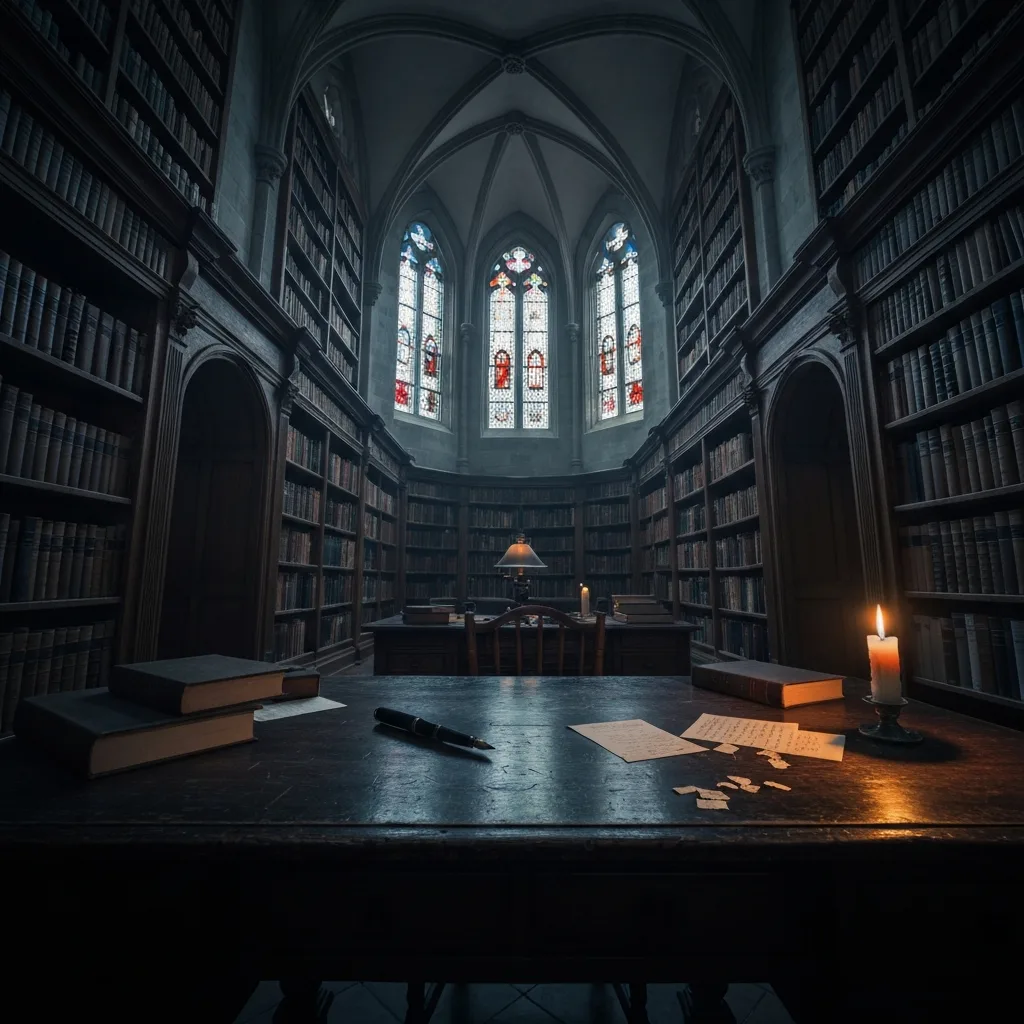
Picture a secluded university campus. Ivy crawls up the stone facades of centuries-old buildings, the library smells of decaying paper and polished wood, and a tight-knit group of exceptionally bright students gathers to discuss ancient poetry. On the surface, it is a romanticized vision of higher education. Yet, beneath the tweed blazers, cups of black coffee, and late-night study sessions lies a current of intellectual arrogance, psychological manipulation, and often, murder. This is the realm of Dark Academia.
What began as a niche internet aesthetic has evolved into a formidable literary subgenre. Dark Academia novels strip away the innocence usually associated with coming-of-age campus stories, replacing it with a profound examination of what happens when the pursuit of knowledge crosses the line into obsession. By isolating characters in elite academic environments, authors create pressure cookers where morality is scrutinized, tested, and frequently discarded. To understand the grip this subgenre has on contemporary literature, we must examine its foundational texts, its core thematic pillars, and how modern authors are actively subverting its established tropes.
The Progenitor: Donna Tartt and The Secret History
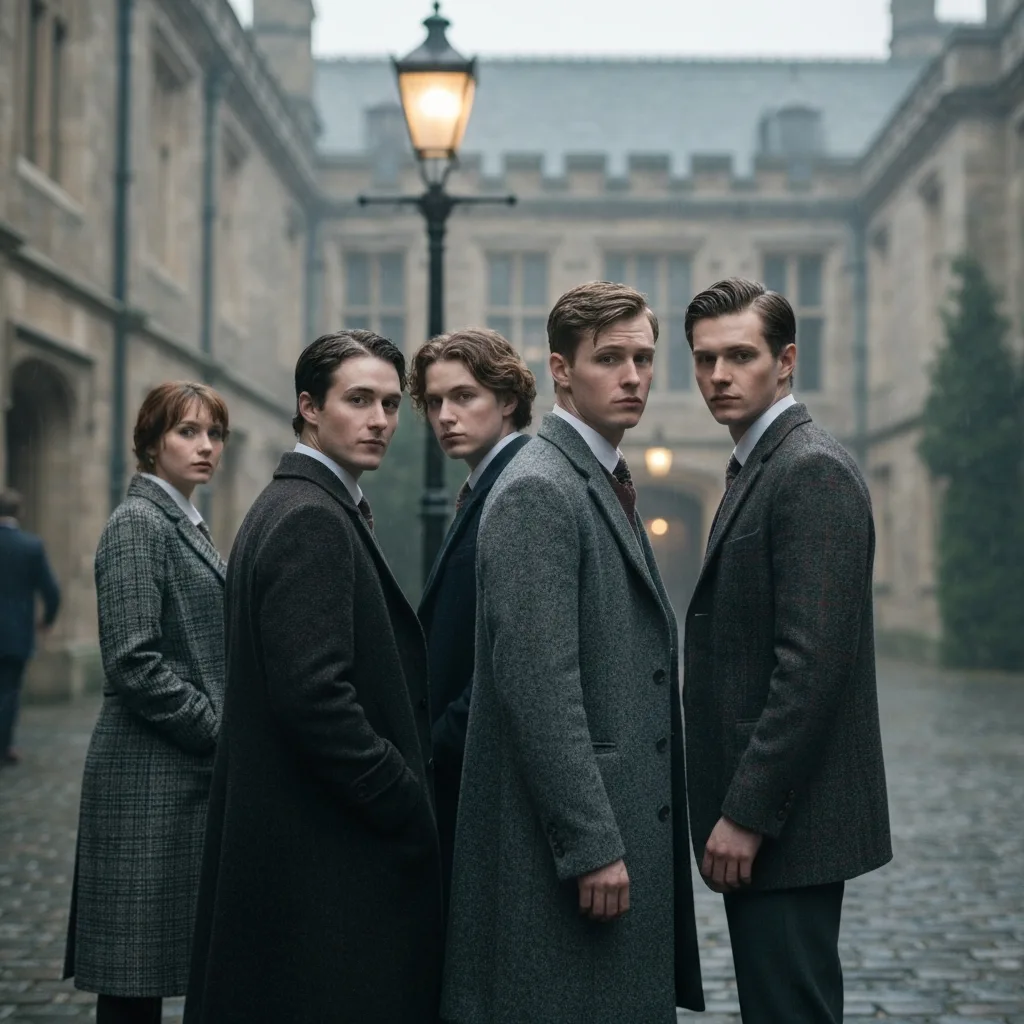
While elements of Dark Academia can be traced back to Gothic literature and early 20th-century campus novels, the subgenre as we know it today was codified by Donna Tartt’s 1992 masterpiece, The Secret History. Tartt did not just write a novel; she constructed a blueprint that dozens of authors would follow over the next three decades.
The Blueprint of Obsession
The Secret History introduces us to Julian Morrow’s exclusive classics program at the fictional Hampden College. A small, insular group of students, cut off from the rest of the student body, becomes so consumed by their study of ancient Greek culture that they attempt to recreate a Bacchanalian rite. The experiment ends in accidental bloodshed, which inevitably necessitates a secondary, entirely deliberate murder to cover up the first.
Tartt’s brilliance lies in her structural choices. The novel is an inverted detective story—a “whydunit” rather than a “whodunit.” The reader knows the victim and the perpetrators on the very first page. The narrative tension derives entirely from watching highly educated, supposedly civilized individuals rationalize their descent into barbarism. Tartt establishes the ultimate Dark Academia premise: intelligence is not synonymous with morality, and an obsession with beauty and history can easily blind individuals to the horrors of the present.
Key Themes Defining the Subgenre
The success of The Secret History spawned a wave of literature that adopted its aesthetic and thematic concerns. While settings and plots vary, true Dark Academia fiction relies on a specific set of interlocking themes.
The Pursuit of Knowledge at All Costs
At the center of every Dark Academia novel is an intense, almost physical hunger for knowledge. Characters are rarely studying practical subjects like economics or engineering. Instead, they are entirely devoted to the humanities—classics, linguistics, theater, or literature. This knowledge is elevated to a sacred status. The characters believe that by mastering these archaic subjects, they are accessing a higher plane of existence, separating themselves from the mundane concerns of ordinary people. This intellectual elitism inevitably breeds a dangerous hubris. When characters believe they are intellectually superior, they easily convince themselves that the normal rules of society—and the laws of the state—no longer apply to them.
Isolation and the Institutional Crucible
Setting is paramount in these novels. The institutions are almost always elite, ancient, and geographically isolated. Think of remote New England liberal arts colleges, mist-shrouded Oxford colleges, or fictional boarding schools hidden deep within impenetrable forests. This isolation is both physical and psychological. By removing the characters from their families and the broader society, authors create a closed ecosystem. In these environments, minor academic rivalries feel like matters of life and death, and toxic friendships can flourish without outside intervention. The institution itself often acts as a silent antagonist, fostering an environment where ambition is rewarded and mental health is ignored.
Moral Ambiguity and Transgression
Dark Academia thrives in the gray areas of human morality. The protagonists are rarely traditional heroes; they are deeply flawed, arrogant, and often complicit in terrible acts. Yet, authors employ tight psychological framing to make readers sympathize with, or at least understand, their choices. The transgression—whether it is academic fraud, betrayal, or murder—is usually the result of a philosophical or aesthetic conviction taken to its logical, terrifying extreme. The genre asks a persistent question: if art and history demand sacrifice, who is chosen to bleed?
Modern Masterpieces: Expanding the Canon
As the genre has matured, contemporary authors have taken the foundational elements of Dark Academia and pushed them into new, exciting territories, often critiquing the very elitism the genre was initially built upon.
If We Were Villains by M.L. Rio
M.L. Rio’s debut novel is perhaps the most faithful spiritual successor to Tartt’s work, yet it carves out its own distinct identity. Instead of classics, If We Were Villains focuses on a group of fourth-year acting students at an elite arts conservatory who exclusively study and perform Shakespeare. Rio brilliantly blurs the line between the characters and the roles they play on stage. When the casting dynamics shift and the “hero” is forced to play the “villain,” the on-stage violence spills over into reality. The novel is a masterful exploration of how art imitates life, and how consuming a text can eventually lead to the text consuming the reader.
Babel by R.F. Kuang
While early Dark Academia often ignored the racial and class exclusions inherent in elite institutions, R.F. Kuang’s Babel, or the Necessity of Violence: An Arcane History of the Oxford Translators’ Revolution tackles these issues head-on. Set in an alternate 1830s Oxford, the novel follows Robin Swift, a Chinese boy brought to England to study at the Royal Institute of Translation. Kuang uses the aesthetic of Dark Academia to deliver a blistering critique of British imperialism. In Babel, the magic system relies on language and translation, which the empire hoards to maintain global dominance. Kuang interrogates the dark reality of academia: that these beautiful, historic institutions were often built on the exploitation and erasure of marginalized cultures. It is a necessary evolution of the genre, turning the lens back on the institutions themselves.
Ninth House by Leigh Bardugo
Leigh Bardugo injects the genre with supernatural horror in Ninth House. Set at Yale University, the novel follows Galaxy “Alex” Stern, a high school dropout who is offered a full ride to the Ivy League institution because of her unique ability to see ghosts. Her job is to monitor Yale’s secret societies, which practice dark magic to manipulate the stock market, influence politics, and secure their own power. Bardugo uses the supernatural elements as a metaphor for the real-world privilege and impunity enjoyed by the wealthy elite. The ivy-covered walls in Ninth House hide rot, corruption, and a terrifying sense of entitlement.
The Enduring Appeal of the Shadows
Why do readers continue to flock to stories about miserable, morally bankrupt students in cold libraries? The answer lies in the duality of the subgenre. On one hand, Dark Academia offers a powerful form of escapism. It romanticizes the intellectual life, making the act of reading a dusty tome by candlelight feel like a profound, rebellious act. It appeals to anyone who has ever loved a book so much they wanted to disappear inside it.
On the other hand, it serves as a safe space to explore existential dread and the darker facets of human nature. By watching brilliant characters make catastrophic mistakes, readers can explore the limits of ambition and the consequences of unchecked obsession from a safe distance. Dark Academia reminds us that a sharp mind is not a shield against human frailty. As the genre continues to evolve—bringing in new voices, diverse perspectives, and sharper critiques of institutional power—its core warning remains the same: beware the dark corners of the library, for you never know what you might learn about yourself.


Do you enjoy the content on Agenda Creativa?
Your contributions help me create new articles, share creative ideas, and keep this platform alive! If you like what I do and want to support my work, you can buy us a coffee.
Every cup of coffee means more than just a gesture – it's direct support for my passion to create inspiring and useful content. Thank you for being part of this journey!
☕ Buy me a coffee