
The Shift from Shining Armor to Shadows
For centuries, literature was dominated by paragons of virtue. Readers followed the exploits of knights, noble kings, and pure-hearted adventurers who faced insurmountable odds with unwavering moral clarity. These traditional heroes served a distinct purpose: they were aspirational figures, designed to reflect the highest ideals of their respective societies. However, as the world grew more complex, so did the characters populating our bookshelves. The modern reader no longer demands absolute perfection; instead, we crave authenticity. Enter the anti-hero: the deeply flawed, morally ambiguous, and endlessly fascinating protagonist who has come to define contemporary storytelling.
An anti-hero lacks conventional heroic attributes like idealism, courage, or morality. They might be cynical, selfish, manipulative, or even outright criminal. Yet, despite their glaring shortcomings, they command our attention and, surprisingly, our empathy. Understanding why we root for these broken individuals requires a close examination of literary history, human psychology, and the evolving nature of the stories we choose to consume.
The Historical Roots of Moral Ambiguity
While the anti-hero feels like a modern invention, the archetype has deep historical roots. The earliest traces of flawed protagonists can be found in classical mythology and Elizabethan drama. Achilles, the greatest of the Greek warriors, was driven not by a noble desire to save his people, but by staggering arrogance and a thirst for personal glory. Centuries later, William Shakespeare perfected the art of the tragic, flawed lead. Macbeth is a murderer driven by unchecked ambition, yet the audience is forced into intimate proximity with his guilt and paranoia, making his descent into madness a shared experience rather than a distant spectacle.
Milton’s Satan and the Byronic Hero
The true ancestor of the modern anti-hero arguably arrived in 1667 with John Milton’s epic poem, Paradise Lost. Milton set out to justify the ways of God to men, but inadvertently created one of the most compelling literary figures in history: Satan. Milton’s Satan is charismatic, rebellious, and fiercely independent. His famous declaration, “Better to reign in Hell, than serve in Heaven,” resonated deeply with later generations of writers, particularly the Romantics.
This rebellious spirit was codified in the 19th century by Lord Byron. The “Byronic Hero”—characterized by a brooding demeanor, a hidden past, profound intelligence, and a disdain for societal norms—became a staple of Victorian literature. Characters like Emily Brontë’s Heathcliff in Wuthering Heights embody this archetype perfectly. Heathcliff is vindictive, cruel, and obsessive, yet his raw, all-consuming passion for Catherine Earnshaw makes him an unforgettable and strangely magnetic focal point. He is not a good man, but he is undeniably a great character.
The Psychological Appeal of the Flawed Lead
Why do readers willingly spend hundreds of pages in the company of liars, thieves, and misanthropes? The answer lies in the psychological concept of relatability and the catharsis of transgression. In reality, human beings are inherently flawed. We experience jealousy, anger, selfishness, and doubt. When we read about a traditional, flawless hero, we may admire them, but we rarely see ourselves in them. A perfect character highlights our own inadequacies.
Validation Through Imperfection
An anti-hero, on the other hand, validates our hidden imperfections. When a protagonist makes a selfish choice or acts out of spite, it provides a safe, fictional space for readers to process their own darker impulses. We root for them not because we agree with their actions, but because we understand their underlying motivations. Their struggles with morality mirror the complex, often contradictory nature of real life, where the line between right and wrong is frequently blurred.
The Catharsis of Transgression
Furthermore, anti-heroes offer a unique form of escapism. Society requires us to follow rules, suppress disruptive emotions, and maintain a polite facade. The anti-hero is bound by no such restrictions. They say the unspeakable, break the rules, and act on their basest desires. Reading about a character who rejects societal expectations provides a profound sense of catharsis. We experience the thrill of rebellion vicariously through their actions, without suffering the real-world consequences.
Landmark Anti-Heroes in 20th-Century Fiction
The trauma of the two World Wars, the Great Depression, and the subsequent disillusionment with traditional authority figures accelerated the rise of the anti-hero in the 20th century. The literature of this era reflects a deep skepticism toward the concept of absolute good.
The Cynic and the Sociopath
J.D. Salinger’s The Catcher in the Rye introduced readers to Holden Caulfield, a teenager whose profound grief manifests as relentless cynicism and hypocrisy. Holden is judgmental, alienates those who try to help him, and constantly lies. Yet, his vulnerability and his desperate desire to protect the innocence of childhood make him a profoundly sympathetic figure. He is a hero not because he saves the day, but because he survives his own mind.
Patricia Highsmith pushed the boundaries of the archetype even further with The Talented Mr. Ripley. Tom Ripley is a con artist and a murderer. Unlike a traditional mystery where the goal is to catch the killer, Highsmith aligns the reader’s perspective entirely with Tom. We experience his anxiety, his meticulous planning, and his desperate desire for a better life. The genius of Highsmith’s writing lies in her ability to make the reader actively hope that a sociopath gets away with murder.
The Contemporary Landscape: Blurring Morality
In contemporary literature, the anti-hero has become the standard rather than the exception. Modern authors excel at creating protagonists who challenge the reader’s moral compass, demanding that we constantly re-evaluate our allegiances.
The Rise of the Unlikable Female Protagonist
One of the most significant developments in recent decades is the dismantling of gendered expectations in character development. Historically, female characters were heavily pressured to be “likable”—virtuous, maternal, and supportive. Contemporary literature has aggressively rejected this constraint, giving rise to fiercely complex, unlikable female anti-heroes.
Gillian Flynn’s Gone Girl is a masterclass in this subgenre. Amy Dunne is manipulative, vengeful, and terrifyingly brilliant. She weaponizes societal expectations of women to enact a horrific revenge. Yet, her famous “Cool Girl” monologue strikes a chord with readers because it exposes the exhausting reality of performing femininity. Similarly, Stieg Larsson’s Lisbeth Salander in The Girl with the Dragon Tattoo is antisocial, violent, and deeply traumatized. She operates entirely outside the law, yet her unwavering, albeit brutal, sense of justice against abusers makes her an icon of modern fiction. These characters prove that women in literature do not need to be pleasant to be compelling.
The Craft: How Writers Build Empathy for the Wicked
Creating a successful anti-hero is a delicate balancing act. If a character is too wicked without any redeeming qualities, the reader will simply disengage. Authors must employ specific narrative techniques to ensure that, no matter how dark the protagonist’s actions become, the reader remains tethered to their journey.
Establishing Clear Motivations
The foundation of a compelling anti-hero is a clear, understandable motivation. A character can commit terrible acts, provided the reader understands exactly why they are doing it. If a protagonist robs a bank out of sheer greed, they are a villain. If they rob a bank to pay for their child’s life-saving surgery, they are an anti-hero. The action remains illegal and morally wrong, but the underlying motivation is rooted in universal human emotion.
The Power of Vulnerability
Additionally, writers must expose the character’s vulnerabilities. An anti-hero who is invincible and remorseless is boring. Readers connect with suffering and doubt. When a flawed protagonist experiences genuine pain, faces overwhelming odds, or shows a fleeting moment of tenderness toward an animal or a marginalized person, it creates a crack in their hardened exterior. These moments of humanity are the hooks that keep readers invested, hoping against hope for the character’s redemption—even if that redemption never comes.
Conclusion: A Mirror to Our Complexities
The enduring allure of the anti-hero in modern literature is a reflection of our own evolving understanding of human nature. We no longer believe in the binary concepts of pure good and pure evil. We recognize that people are messy, driven by conflicting desires, and capable of both great cruelty and profound kindness.
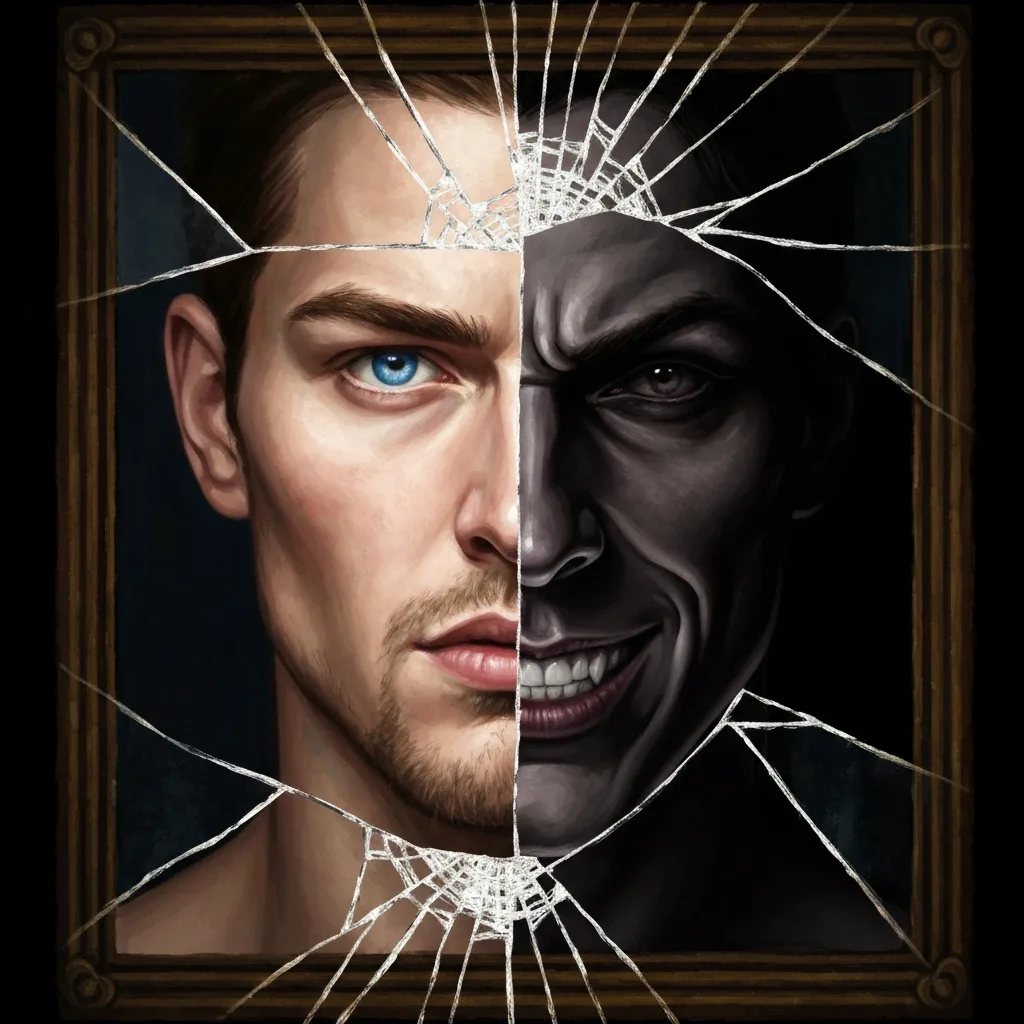
By celebrating the flawed protagonist, literature offers us a mirror in which we can examine our own shadows. These characters challenge us to find empathy for the unlikable, to understand the roots of transgression, and to acknowledge that sometimes, the most captivating stories are not about saving the world, but about surviving the darkness within ourselves.




Do you enjoy the content on Agenda Creativa?
Your contributions help me create new articles, share creative ideas, and keep this platform alive! If you like what I do and want to support my work, you can buy us a coffee.
Every cup of coffee means more than just a gesture – it's direct support for my passion to create inspiring and useful content. Thank you for being part of this journey!
☕ Buy me a coffee