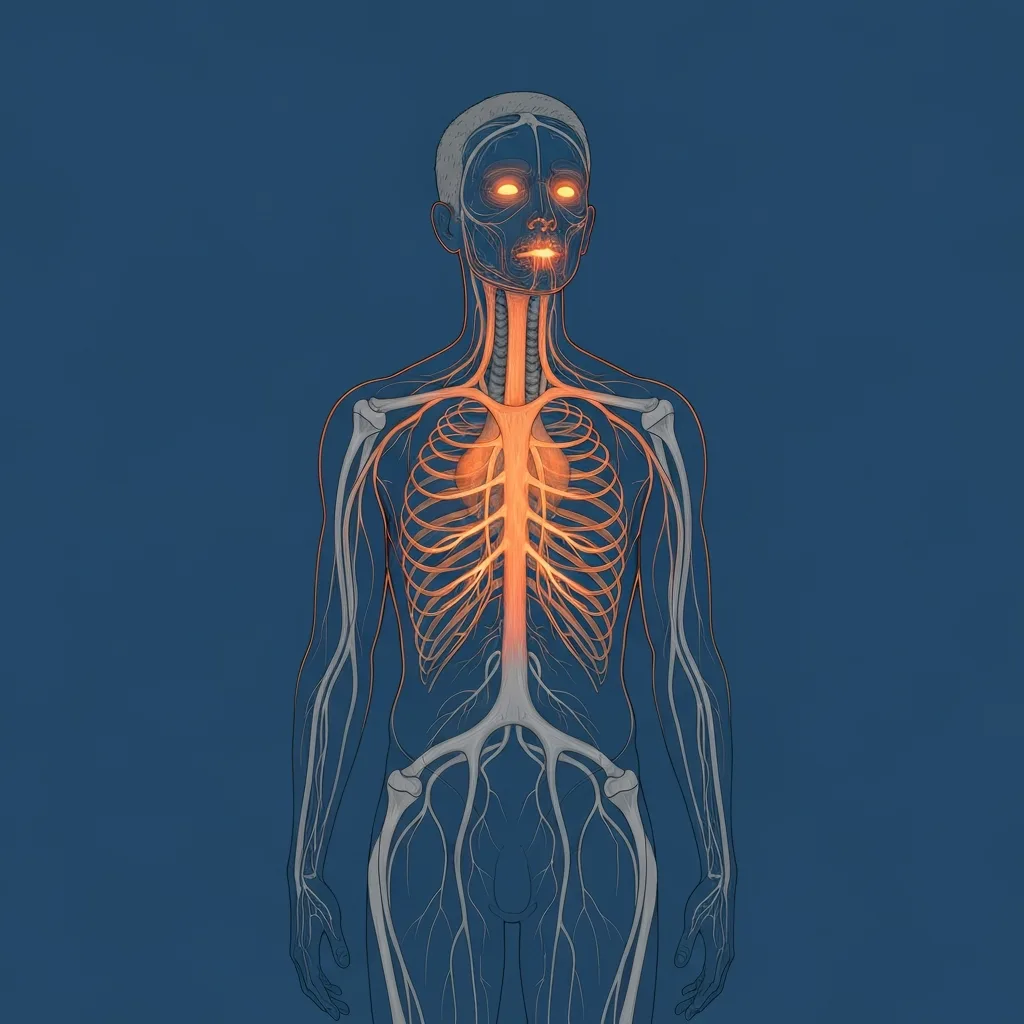
The Anatomy of a Micro-Resentment
When we think of emotional trauma or psychological distress, we tend to picture massive relational earthquakes: betrayals, profound losses, or severe conflicts. We brace ourselves for these macro-events, mobilizing our psychological resources to survive them. However, for most people, it is rarely the major crises that bankrupt our daily emotional reserves. Instead, it is the slow, silent accumulation of micro-resentments—the tiny, seemingly insignificant frustrations we swallow in the name of keeping the peace.
A micro-resentment occurs when a boundary is subtly crossed, a need is casually dismissed, or an expectation is quietly ignored, and rather than addressing it, we suppress our reaction. It is the partner who repeatedly leaves their shoes in the hallway, the colleague who subtly talks over you in a meeting, or the friend who consistently texts late to cancel plans. Individually, these moments feel too trivial to warrant a confrontation. Our logical brain, specifically the prefrontal cortex, quickly rationalizes the event: It is not a big deal. I am overreacting. It is easier to just let it go.
But the nervous system does not operate on logic. The moment the boundary is crossed, your amygdala registers a threat. Your body initiates a micro-stress response—a slight spike in cortisol, a subtle tightening of the jaw, a shallowing of the breath. When you use cognitive force to suppress this physiological reaction, you do not eliminate the stress; you simply trap it in the body. This creates an emotional open loop. Over time, these open loops accumulate, fundamentally altering your baseline state of arousal and pushing your nervous system into a state of chronic, low-grade dysregulation.

The Illusion of “Letting It Go”
Modern wellness culture places a heavy emphasis on “letting things go” and “not sweating the small stuff.” While the intention behind this advice is to promote emotional equanimity, it often leads to a dangerous psychological habit: emotional bypassing. There is a profound difference between true somatic release and cognitive dismissal.
True forgiveness or release requires processing the emotion. It requires acknowledging the irritation, feeling the physical sensation it produces, and allowing the nervous system to complete its stress cycle. Cognitive dismissal, on the other hand, is an act of psychological suppression. You tell yourself you are fine, but your body is keeping a meticulous score. You are essentially gaslighting your own nervous system, demanding that it ignore the physiological reality of its own distress.
When you repeatedly bury micro-resentments, your nervous system begins to view your environment as inherently unsafe, not because of an external predator, but because you are no longer acting as an advocate for your own boundaries. This internal self-abandonment breeds a unique form of anxiety. You become hyper-vigilant, constantly scanning your environment for the next minor irritation, bracing for the next small boundary violation. Your window of tolerance shrinks, leaving you psychologically fragile and easily overwhelmed by standard daily stressors.
How Trapped Irritation Manifests Somatically
Because micro-resentments are not given a voice, they must find an alternative route of expression. The human body is remarkably efficient at converting suppressed psychological energy into somatic symptoms. When you swallow irritation, it does not evaporate; it takes up residence in your physiology.
For many, this manifests in the musculoskeletal system. Chronic neck and shoulder tension, unexplained jaw pain (bruxism), and tension headaches are classic somatic markers of unvoiced anger. The body is literally bracing itself, holding the muscular posture of defense that you refused to express verbally.
Others experience this dysregulation in the gastrointestinal tract. The gut and the brain are intimately connected via the vagus nerve. Chronic suppression of emotion keeps the body locked in a mild sympathetic (fight-or-flight) state, which actively suppresses the parasympathetic (rest-and-digest) functions. This can lead to unexplained bloating, nausea, or changes in appetite. You might also notice a pervasive sense of fatigue. It requires a massive amount of subconscious metabolic energy to keep a lid on accumulated resentments. The sheer effort of maintaining a facade of calm while internally simmering leaves you feeling perpetually drained, regardless of how much sleep you get.
The Spillover Effect: Misdirected Reactivity
Perhaps the most destructive consequence of accumulating micro-resentments is the phenomenon of misdirected reactivity. When your nervous system is saturated with unprocessed irritation, it loses its ability to absorb new stressors. You are operating at the absolute edge of your emotional bandwidth.
Consequently, the next minor inconvenience—a dropped spoon, a slow internet connection, an innocent question from a loved one—triggers a disproportionate, explosive reaction. You are not actually enraged about the dropped spoon; you are discharging months of accumulated, unvoiced frustration. This misdirected reactivity often leads to deep feelings of guilt and shame, which only further dysregulates the nervous system, creating a vicious cycle of suppression, explosion, and remorse.
Mindful Strategies for Processing Micro-Resentments
To break the cycle of micro-resentments, you must shift your approach from cognitive suppression to somatic awareness and intentional release. This requires developing a new relationship with irritation, viewing it not as a failure of your inner peace, but as vital data from your nervous system indicating that a boundary needs attention.
1. Interoceptive Tracking
The first step in preventing the accumulation of micro-resentments is catching them in the body before the mind has a chance to rationalize them away. This practice, known as interoceptive tracking, involves tuning into your internal physical sensations. When an interaction occurs, before asking yourself, Is this worth getting mad over?, ask yourself, What is happening in my body right now? Notice the sudden heat in your chest, the clenching of your stomach, or the tightening of your throat. By simply acknowledging the physical reality of the irritation without judgment, you validate the nervous system’s response, which immediately reduces the intensity of the stress signal.
2. The Practice of Micro-Discharges
If you determine that a micro-resentment truly does not need to be voiced to the other person, you still must process the physiological energy. You cannot simply think your way out of a somatic response. Engage in a micro-discharge to complete the stress cycle. This could be taking three deep, intentional sighs, shaking out your hands and arms for twenty seconds, or taking a brisk walk around the block. The goal is to give the mobilized fight-or-flight energy a physical exit route, ensuring it does not become trapped in your muscle tissue.
3. Vocalizing Without Blame
For micro-resentments that are recurring, verbal expression is necessary to restore your nervous system’s sense of safety. The key is to communicate the boundary without escalating the conflict. Use somatic, “I”-focused language rather than accusatory language. Instead of saying, You always ignore me when I am talking, you might say, When I am interrupted, I feel a rush of frustration and I lose my train of thought. I need to be able to finish my sentences. By focusing on your internal experience rather than their character, you de-escalate the other person’s defenses while successfully externalizing your own trapped energy.
4. Expanding Your Ambiguity Tolerance
Often, we suppress micro-resentments because we are terrified of the temporary relational friction that comes with setting a boundary. We prefer the familiar discomfort of silent resentment over the unpredictable discomfort of a difficult conversation. Building ambiguity tolerance involves mindfully sitting with the anxiety of a minor conflict. Remind yourself that a healthy relationship can withstand the expression of minor irritations. The short-term discomfort of voicing a boundary is a necessary investment in the long-term health of both the relationship and your nervous system.
Reclaiming your emotional bandwidth requires abandoning the performative role of the “chill,” endlessly accommodating person. True emotional balance is not the absence of irritation; it is the fluid, mindful processing of it. By honoring your micro-resentments, you stop fighting a silent war within your own body, allowing your nervous system to finally return to a state of genuine, sustainable rest.
Do you enjoy the content on Agenda Creativa?
Your contributions help me create new articles, share creative ideas, and keep this platform alive! If you like what I do and want to support my work, you can buy us a coffee.
Every cup of coffee means more than just a gesture – it's direct support for my passion to create inspiring and useful content. Thank you for being part of this journey!
☕ Buy me a coffee