
The Burden of the Blank Canvas
There is a pervasive fantasy in the modern world of ambition: the dream of total sovereignty. We idolize the idea of waking up with an entirely blank calendar, completely untethered from obligations, bosses, or rigid schedules. The assumption is that if we simply possessed absolute freedom over our time, our intrinsic drive would naturally flourish. We believe that autonomy is the ultimate fuel for high-level execution.
Yet, reality rarely aligns with this romantic vision. When actually granted this ultimate freedom—whether through a weekend with zero plans, a hard-earned sabbatical, or the sudden transition to full-time entrepreneurship—most people do not experience a surge of relentless momentum. Instead, they experience a terrifying collapse in motivation. They find themselves pacing the house, endlessly scrolling, and paralyzed by the sheer volume of possibilities. The blank canvas, it turns out, is not liberating; it is suffocating.
This is the Sovereignty Paradox: while we deeply crave autonomy, infinite choice is a psychological toxin. When every single minute of your day requires a conscious decision about what to do next, your cognitive bandwidth is rapidly drained by the act of choosing, leaving almost nothing left for the act of executing. Absolute freedom does not amplify your drive; it bankrupts it.
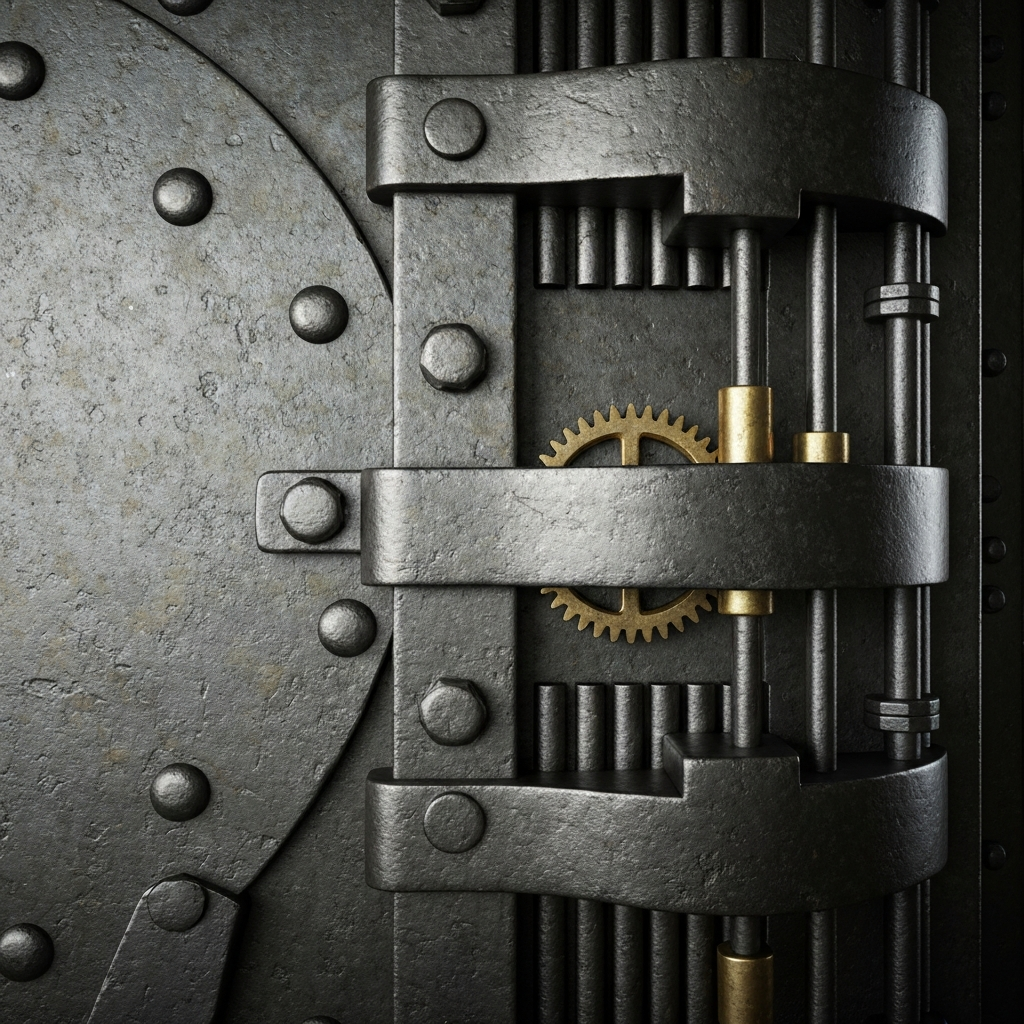
The Cognitive Cost of Constant Negotiation
To understand why freedom can be so paralyzing, we have to examine the mechanics of decision fatigue. Human willpower and cognitive energy are not infinite resources. Every choice you make—from what to eat for breakfast to which project to tackle first—consumes a measurable amount of metabolic energy in the prefrontal cortex.
When you operate in a state of total freedom, you are forcing your brain to constantly negotiate with itself. Should I write this article now, or should I go to the gym first? Should I check my email, or should I start outlining that new proposal? Maybe I should just make some coffee and think about it.
This internal dialogue is incredibly expensive. By the time you finally decide on a course of action, you have already exhausted a significant portion of the psychological fuel required to actually perform the task. You have leaked your motivational energy through the sieve of indecision. The mind cannot operate efficiently as a pure democracy where every passing impulse, fear, and preference gets a vote. When you give every internal voice equal weight, the result is endless filibustering. Nothing gets passed. Nothing gets done.
The Inner Dictator vs. The Inner Democrat
High performers fundamentally understand that sustainable drive cannot coexist with constant negotiation. To protect their execution, they split their identity into two distinct roles: the Architect and the Operator. Or, more bluntly, the Dictator and the Soldier.
The amateur tries to be both simultaneously. They sit down at their desk and try to decide what the best strategy is while simultaneously trying to execute it. This blending of roles creates massive friction. The professional, however, separates the decision-making process from the execution process entirely. They recognize that to maintain high levels of drive, they must temporarily surrender their freedom in the moment of action.
They do not rely on spontaneous inspiration; they rely on predetermined mandates. They engineer environments and systems where the choice of what to do has already been violently removed. They build benevolent self-dictatorships.
The Architecture of Restriction
Reclaiming your drive requires you to intentionally limit your own sovereignty. You must build rigid structures that protect you from your own desire for options. Here are three psychological frameworks to eliminate choice and engineer unstoppable, frictionless momentum.
1. The Rule of Pre-Computation
The most dangerous time to decide what you are going to do today is today. When you wake up, your brain is highly susceptible to comfort-seeking behaviors. If you ask a sleepy, un-caffeinated brain what it wants to do, it will inevitably choose the path of least resistance.
To bypass this, you must practice pre-computation. You make tomorrow’s decisions tonight. Every evening, you must assume the role of the CEO of your own life. You look at the landscape, assess the priorities, and write down a ruthless, non-negotiable mandate for the following day. You dictate exactly what will happen, in what order, and for how long.
When you wake up the next morning, you are no longer the CEO. You are simply the employee. You are not allowed to think about the strategy. You are not allowed to pivot. You are only allowed to follow the orders written on the paper. By pre-computing the day, you eliminate the cognitive leakage of morning negotiation. You wake up and immediately step into motion.
2. Temporal Monogamy
Multitasking is a well-documented productivity killer, but the true danger of having multiple options is the psychological escape hatch it provides. If you allocate a three-hour block to “work on my business,” you have given yourself too much freedom. You can easily spend that time tweaking a logo, organizing files, or reading industry news—all of which feel like work but are actually sophisticated forms of procrastination.
The antidote is temporal monogamy. You must assign one specific, hyper-defined task to a specific block of time, and you must treat that pairing as sacred. If 9:00 AM to 11:00 AM is dedicated to writing a sales page, you are not allowed to do anything else. More importantly, if you get stuck and cannot write, you are still not allowed to do anything else.
You can stare at the blinking cursor. You can look at the wall. But you cannot open a new tab. You cannot check your phone. You cannot go clean the kitchen. By removing all alternative forms of stimulation, you force your brain into a corner. Eventually, the boredom and restriction become so uncomfortable that doing the hard work becomes the most attractive option available. You harness the power of restriction to force engagement.
3. Environmental Lock-In
Willpower is a fragile safety net; environment is a concrete floor. If your workspace allows for infinite choices, you will eventually make the wrong one. If your phone is on your desk, you have the freedom to check it. If your guitar is next to your computer, you have the freedom to strum it. Every visible distraction is a silent demand on your cognitive load, forcing you to actively choose not to engage with it.
Engineering a benevolent dictatorship means designing your physical and digital environment so that the right choice is the only logical choice. It means using website blockers that you cannot easily disable. It means leaving your phone in another room. It means working on a secondary laptop that only has a word processor installed. You do not just try to resist temptation; you architect an environment where temptation physically does not exist.
The Freedom of Inevitability
It is deeply counterintuitive, but the ultimate expression of human freedom is not the ability to do whatever you want in any given moment. That brand of freedom leads to anxiety, stagnation, and the slow death of ambition. True freedom is the ability to design a system that guarantees your success, and then surrendering yourself to that system.
When you stop obsessing over autonomy and start embracing restriction, something remarkable happens. The anxiety of choice evaporates. The heavy burden of constantly motivating yourself disappears. You are no longer relying on fleeting emotional states to get things done. You have replaced the chaos of infinite options with the quiet, relentless power of inevitability.
Stop trying to liberate yourself from structure. Your drive does not need more open space; it needs narrower walls. Build the rules, lock the doors, and watch as your execution reaches heights that total freedom could never provide.
Do you enjoy the content on Agenda Creativa?
Your contributions help me create new articles, share creative ideas, and keep this platform alive! If you like what I do and want to support my work, you can buy us a coffee.
Every cup of coffee means more than just a gesture – it's direct support for my passion to create inspiring and useful content. Thank you for being part of this journey!
☕ Buy me a coffee
