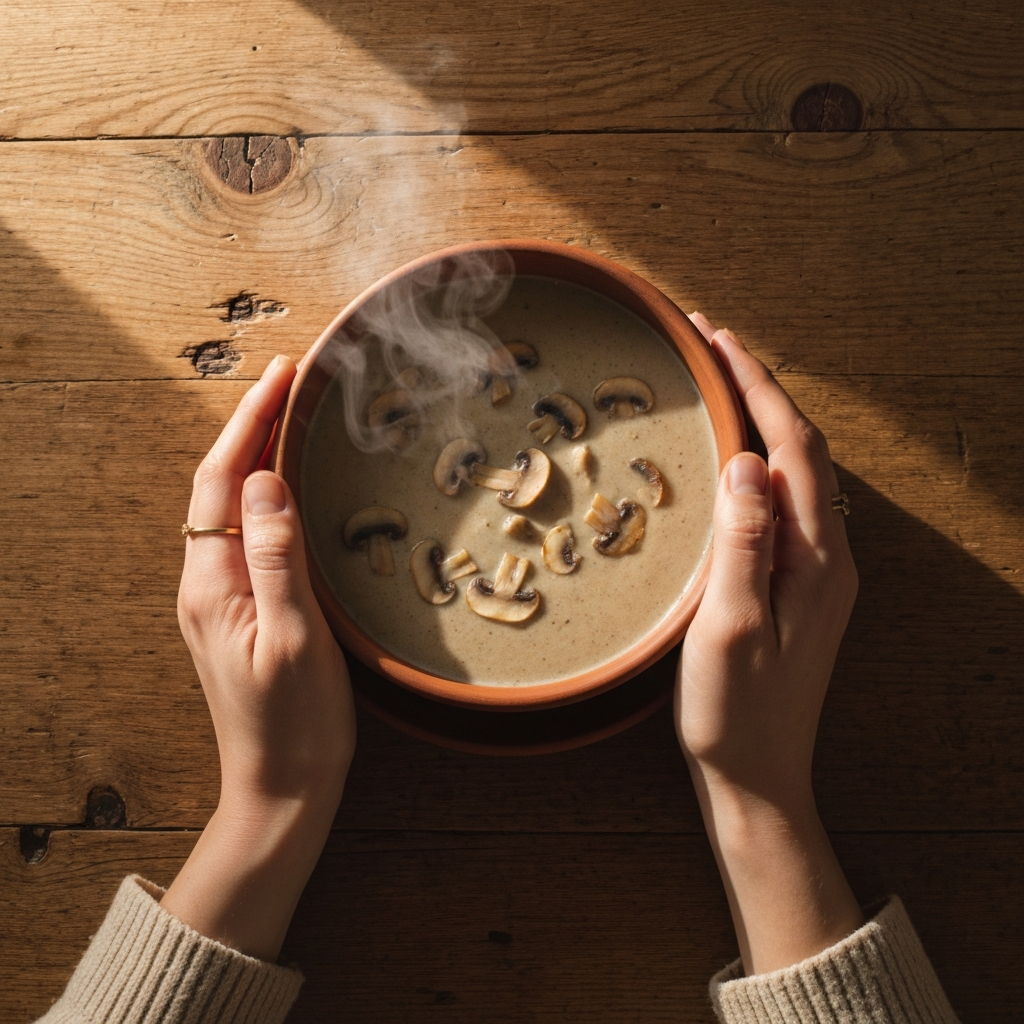
The urge hits late on a Tuesday. The inbox is overflowing, the ambient hum of daily anxiety is peaking, and suddenly, the only logical solution feels like a bowl of warm macaroni and cheese, a specific brand of chocolate, or a family recipe for soup. We call it “comfort food,” but this term drastically understates the complex psychological operation occurring beneath the surface. You are not experiencing a culinary deficit; you are experiencing a nervous system demand.
Comfort food is rarely about physical hunger. It is a highly specific, neurologically driven attempt to alter an emotional state. When we examine the psychology of comfort food, we are actually looking at the architecture of human coping mechanisms, memory retrieval, and biochemical regulation. Understanding this drive is the first step in transforming our relationship with these foods from one of compulsive dependency to conscious, balanced enjoyment.
The Architecture of Edible Nostalgia
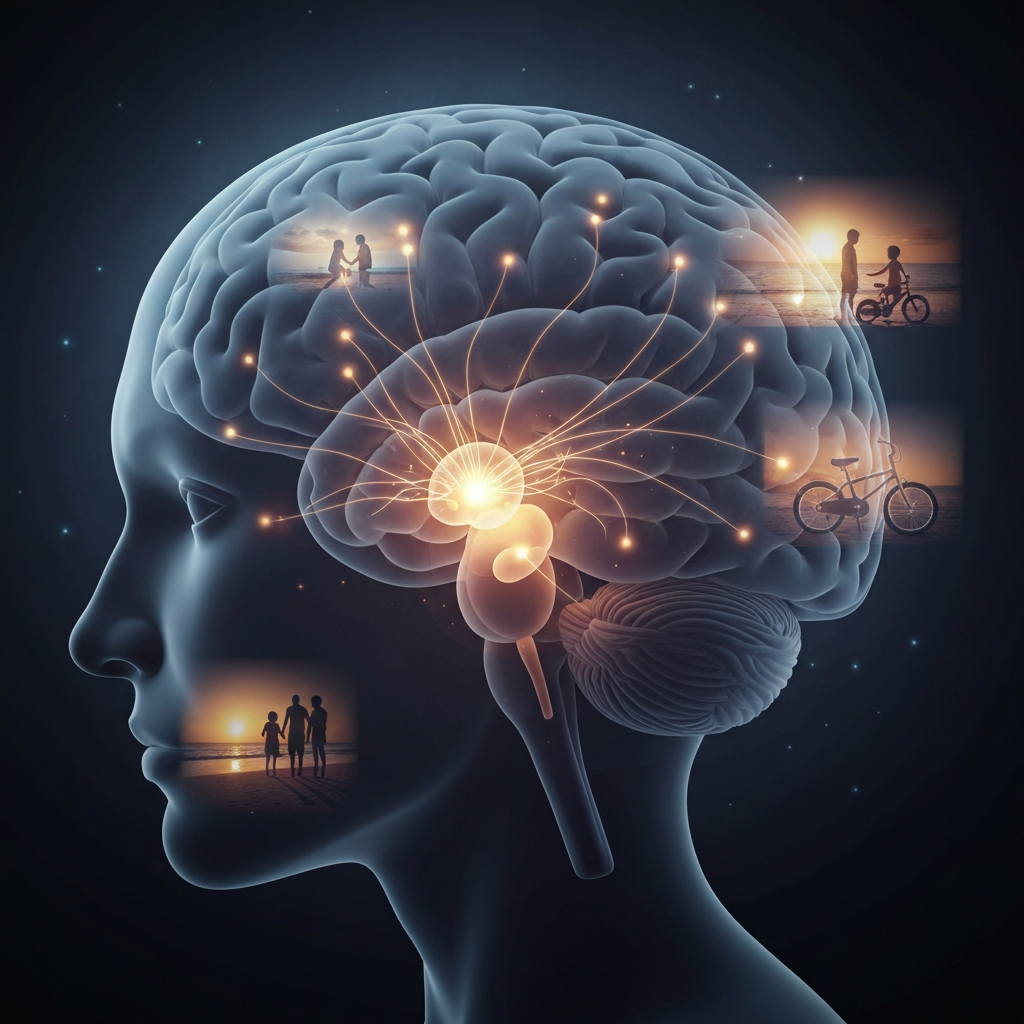
To understand why we reach for specific foods when we feel depleted, we must look at how the brain processes memory and emotion. The olfactory bulb and the gustatory cortex—the regions responsible for smell and taste—have a direct, privileged neural pathway to the amygdala and the hippocampus. These are the brain’s primary emotional and memory centers. Unlike visual or auditory stimuli, which must pass through the thalamus for sensory processing, smell and taste bypass this neurological tollbooth entirely.
This means that the flavor or aroma of a specific meal can trigger an immediate, visceral recall of the past. When you eat a food associated with childhood safety, maternal care, or a period of low stress, your brain does not just remember the event; it briefly simulates the physiological state of that time. Psychologists refer to this phenomenon as “affective memory.” You are subconsciously attempting to ingest the feeling of safety.
If you grew up associating warm bread with a peaceful Sunday morning, eating that bread during a high-stress workweek is a somatic attempt to anchor your nervous system. The craving is not a weakness; it is a highly logical survival mechanism. Your brain is scanning its internal database for the fastest, most reliable route to a feeling of security, and it lands on a sensory experience that previously delivered that exact neurobiological result.
The Biochemical Cascade of Stress Eating
Beyond memory, there is a hardwired biochemical reason comfort foods tend to share a specific macronutrient profile. We rarely crave celery or lean chicken breast when we are emotionally dysregulated. Comfort foods are almost universally rich in carbohydrates, fats, and sugars. This is not a coincidence; it is an attempt at neurochemical self-medication.
When you experience acute or chronic psychological friction, your adrenal glands release cortisol, the body’s primary stress hormone. Elevated cortisol signals to your brain that you are in a state of depletion and need immediate, dense energy to survive a perceived threat. Simultaneously, chronic stress depletes serotonin, the neurotransmitter responsible for mood stabilization and a sense of internal well-being.
Carbohydrate-heavy foods facilitate the production of tryptophan, an amino acid that serves as a direct building block for serotonin. Consuming these foods triggers a genuine, albeit temporary, neurochemical shift. The influx of sugar and fat also prompts the release of dopamine and endorphins, providing a brief analgesic effect against emotional pain. In the short term, comfort food works. It successfully numbs distress and elevates mood. The psychological trap, however, lies in the refractory period that inevitably follows.
The Trap of the Guilt-Binge Cycle
The problem with using food as a primary emotional regulator is the secondary psychological distress it often creates. Because the serotonin and dopamine spikes are transient, the original emotional discomfort inevitably returns, often accompanied by a new layer of shame or guilt regarding the food consumption itself.
This creates a dangerous, self-perpetuating loop. You feel stressed, so you seek the somatic soothing of a comfort food. Once the biochemical high fades, you experience a vulnerability hangover and judge yourself for a perceived lack of willpower. This self-judgment triggers a new spike in cortisol, which—ironically—re-activates the biological craving for the very food you are feeling guilty about.
Furthermore, when we eat compulsively in a state of emotional dysregulation, we often engage in somatic override. We eat so quickly, or with such profound distraction, that we fail to actually register the sensory experience. We consume the calories without extracting the psychological comfort, leaving the nervous system just as dysregulated as it was before the first bite.
Navigating Cravings with Psychological Flexibility
To break this cycle, we do not need to eliminate comfort food entirely. Emotional asceticism—the strict denial of all self-soothing behaviors—only increases psychological rigidity and primes the nervous system for an eventual crash. Instead, the goal is to navigate these cravings with mindfulness, decoupling the physical action from the psychological anxiety.
1. Implement the Psychological Pause
The space between the urge to eat and the act of eating is where emotional autonomy is built. When a sudden, intense craving strikes, practice the technique of “urge surfing.” Do not immediately deny the craving, but do not immediately satisfy it either. Tell yourself, “I can have this, but I am going to wait ten minutes.” Use those ten minutes to conduct a brief internal audit. Ask yourself: What emotional state am I trying to alter? Am I feeling lonely, overwhelmed, bored, or genuinely physically hungry? Simply naming the underlying emotion reduces its intensity and shifts your brain from the reactive amygdala to the rational prefrontal cortex.
2. Practice Conscious Savoring
If you decide that comfort food is exactly what you need in that moment, commit to eating it with complete mindfulness. Remove the moral judgment. Do not eat it standing in front of the refrigerator, and do not eat it while scrolling through emails. Put it on a plate, sit down, and engage your senses fully. Notice the texture, the temperature, and the complex flavors. By bringing panoramic awareness to the act of eating, you maximize the psychological benefit. You will often find that when you are truly present, it takes a significantly smaller amount of food to achieve the desired feeling of comfort and satiation.
3. Broaden Your Self-Soothing Repertoire
Comfort food becomes a psychological liability only when it is your singular tool for emotional regulation. The goal is to build a diverse toolkit of somatic and psychological anchors. If you recognize that your craving for mashed potatoes is actually a craving for physical warmth and grounding, can you achieve a similar somatic shift by taking a hot shower or using a weighted blanket? If the craving is driven by a need for dopamine and distraction, can you engage in a brief period of soft fascination, such as a walk outside or listening to a deeply engaging podcast? Diversifying your coping mechanisms reduces the pressure on food to solve every emotional crisis.
4. Dismantle Food Morality
Finally, achieving emotional balance requires stripping comfort foods of their moral weight. Food is not inherently “good” or “bad”; it is simply a combination of macronutrients that impacts your body and mind in specific ways. When you remove the taboo from your favorite comfort foods, they lose their psychological power over you. A slice of pie is no longer a moral failure; it is just a slice of pie. This cognitive reappraisal neutralizes the guilt, preventing the secondary spike in cortisol that keeps the emotional eating cycle spinning.
Comfort food is a testament to the human brain’s brilliant, relentless drive to find safety and equilibrium in a chaotic environment. It is a deeply ingrained mechanism of self-care, rooted in memory and neurobiology. By approaching our cravings with curiosity rather than condemnation, we can honor the emotional need behind the hunger. We can learn to sit with our distress, use food as a conscious tool rather than an unconscious crutch, and ultimately reclaim our psychological center—one mindful bite at a time.
Do you enjoy the content on Agenda Creativa?
Your contributions help me create new articles, share creative ideas, and keep this platform alive! If you like what I do and want to support my work, you can buy us a coffee.
Every cup of coffee means more than just a gesture – it's direct support for my passion to create inspiring and useful content. Thank you for being part of this journey!
☕ Buy me a coffee
