The Myth of the Psychological Pressure Cooker
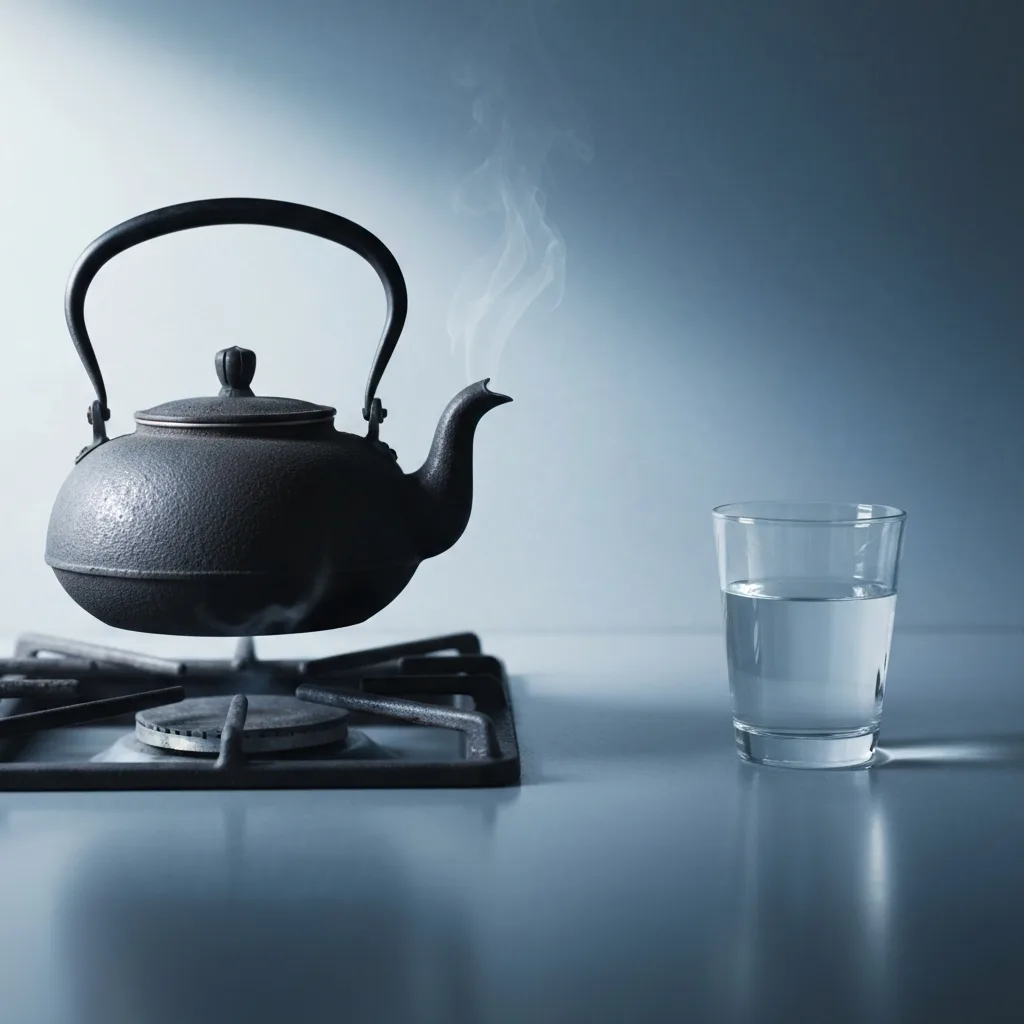
We are culturally conditioned to believe that human emotions operate like steam in a pressure cooker. The prevailing wisdom suggests that if we do not ‘let out’ our anger, frustration, or profound sadness, the internal pressure will build until we inevitably explode. This belief drives the multi-million-dollar industry of rage rooms, the endless threads of internet venting, and the well-meaning advice from friends to simply ‘get it out of your system.’
But modern affective science and neurobiology paint a starkly different picture. Psychological research has repeatedly demonstrated that venting does not extinguish the flame of emotional distress; rather, it acts as a bellows, feeding oxygen to the fire. The concept of emotional catharsis—the idea that vigorously expressing a negative emotion releases it—is largely an illusion. Instead of purging the emotion from our nervous system, venting rehearses it, deepens the neural grooves associated with the pain, and ultimately amplifies our psychological distress.
The Origins of a Flawed Metaphor
To understand why we cling to the idea of venting, we must look back to the late 19th century. Sigmund Freud and his colleague Josef Breuer popularized the concept of catharsis in their early psychoanalytic theories. They utilized a ‘hydraulic model’ of the human mind, conceptualizing psychic energy as a fluid that could become blocked, creating neurotic symptoms. The proposed cure was to unblock this energy through intense emotional expression.
While Freud eventually moved away from this model in his later work, the hydraulic metaphor had already firmly embedded itself in the public consciousness. It feels intuitively correct. When we are angry, we feel physical tension: our heart rate elevates, our muscles tighten, and our breath becomes shallow. Yelling, punching a pillow, or launching into a prolonged tirade provides a momentary physical discharge that temporarily relieves this somatic tension. However, this brief physiological release is dangerously deceptive. It masks the long-term psychological tax of rehearsal.
The Neuroscience of Venting: Why Rehearsing Pain Strengthens It
The human brain operates on a fundamental principle of neuroplasticity, often summarized by Hebb’s Law: ‘Neurons that fire together, wire together.’ Every time you recount a narrative of betrayal, rehearse an argument in your mind, or vent aggressively about a frustrating colleague, you are actively firing the neural circuits associated with that distress.
When you vent, the amygdala—the brain’s threat detection center—signals the hypothalamus to activate the sympathetic nervous system. This triggers the release of cortisol and adrenaline. By aggressively rehashing the event, you are essentially tricking your brain into believing the threat is occurring all over again. You are not emptying the reservoir of anger; you are practicing being angry.
Decades of empirical studies support this. Research conducted by Brad Bushman at Ohio State University demonstrated that individuals who hit a punching bag while thinking about a person who angered them actually reported higher levels of anger afterward compared to those who simply sat quietly. The physical act of lashing out, combined with the cognitive focus on the trigger, reinforced the aggressive state rather than dissipating it. Venting is akin to scratching a mosquito bite: it provides momentary relief while guaranteeing the itch will return with greater ferocity.
The Difference Between Processing and Ruminating
A common fear is that if we abandon venting, we are left with emotional suppression—shoving our feelings down until they manifest as physical illness or sudden outbursts. This is a false dichotomy. The alternative to venting is not suppression; it is mindful processing.
Suppression involves denying the existence of the emotion. Venting involves becoming wholly consumed by the narrative of the emotion. Mindful processing, however, involves observing the emotion without attaching a sprawling narrative to it. It is the difference between saying, ‘I am noticing a tight, hot sensation in my chest’ (processing) and saying, ‘I cannot believe they did this to me, they always do this, and it is going to ruin my career’ (ruminating).
Co-Rumination and the Social Cost of Venting
The illusion of catharsis becomes particularly insidious when it occurs in social settings. We often seek out friends to vent, believing that shared outrage constitutes emotional support. While validation is a crucial component of human connection, habitual venting often devolves into ‘co-rumination.’
Co-rumination occurs when two or more people excessively discuss personal problems, focusing on negative feelings and the insurmountable nature of the issues without moving toward problem-solving. While this can temporarily increase feelings of closeness and bonding, research shows it significantly elevates cortisol levels for both the speaker and the listener. It creates an echo chamber of distress. The conversation spirals, reinforcing the perception of victimhood and powerlessness, leaving both parties more dysregulated than when the conversation began.
Somatic Settling: The Mindful Alternative to Catharsis
If venting amplifies distress and suppression breeds internal toxicity, how do we effectively move difficult emotions through the nervous system? The answer lies in shifting our attention from the cognitive narrative to the somatic (physical) experience.
Emotions are physiological events long before they become conscious thoughts. By the time you realize you are angry, your body has already initiated a cascade of biochemical reactions. To process the emotion, you must address the biology, not just the biography of the feeling.
The 90-Second Rule of Emotional Biochemistry
Neuroanatomist Dr. Jill Bolte Taylor identified that the strictly biochemical lifespan of an emotion—from the moment it is triggered to the moment the chemicals are flushed from the bloodstream—is approximately 90 seconds. If an emotion lasts longer than a minute and a half, it is because we are choosing to artificially sustain it by looping the triggering thoughts.
When intense distress strikes, the goal is to ride out those 90 seconds without feeding the fire. This involves ‘somatic settling’—dropping your awareness out of your ruminating mind and into your physical body. Notice the physical sensations of the emotion with objective curiosity. Where is the heat? Where is the tension? Breathe slowly and deeply, extending your exhales to signal to your parasympathetic nervous system that you are safe. By removing the narrative fuel, the biochemical fire naturally burns itself out.
Expressive Writing vs. Ruminative Journaling
Another highly effective method for processing distress without falling into the catharsis trap is structured expressive writing. However, it is vital to distinguish this from ruminative journaling. Simply writing down a list of complaints or recounting the exact details of how you were wronged is just venting on paper.
Psychologist James Pennebaker pioneered research into expressive writing, discovering that its healing power lies in meaning-making. To process an emotion effectively through writing, you must move beyond the ‘what happened’ and explore the ‘why it matters.’ Effective expressive writing involves constructing a coherent narrative that integrates the painful event into your broader life story. It requires shifting perspectives, examining your own reactions, and ultimately finding a sense of closure or learning. You are not discharging the emotion; you are organizing it.
Conclusion: Moving From Discharge to Integration
True emotional balance is not achieved by treating the mind as a holding tank that needs periodic emptying. It is achieved by developing the capacity to hold space for discomfort without immediately reacting to it. By abandoning the illusion of catharsis, we stop reinforcing our own suffering.
The next time you feel the overwhelming urge to vent, pause. Recognize the urge not as a demand for explosive release, but as a signal that your nervous system requires regulation. Step away from the narrative. Anchor yourself in your physical body. Breathe through the 90-second biochemical wave. By choosing mindful integration over chaotic discharge, you reclaim your psychological stability and build profound, lasting emotional resilience.




Do you enjoy the content on Agenda Creativa?
Your contributions help me create new articles, share creative ideas, and keep this platform alive! If you like what I do and want to support my work, you can buy us a coffee.
Every cup of coffee means more than just a gesture – it's direct support for my passion to create inspiring and useful content. Thank you for being part of this journey!
☕ Buy me a coffee