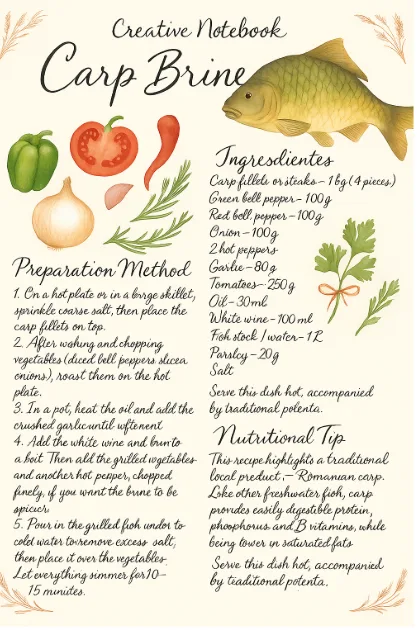
As seafood lovers, there is nothing quite like the delicate flavor of a perfectly cooked fillet or the briny sweetness of fresh shellfish. However, our appetite for the ocean’s bounty has brought many marine ecosystems to the brink. Overfishing, destructive harvesting methods, and habitat destruction mean that the choices we make at the fish counter have profound environmental consequences. The good news is that enjoying a phenomenal fish dinner and protecting the oceans are not mutually exclusive. By choosing sustainable seafood, you can support responsible fisheries, encourage environmentally sound aquaculture, and still serve restaurant-quality meals at home.
Understanding what makes seafood sustainable is the first step toward becoming a more responsible consumer. Sustainable seafood refers to fish and shellfish caught or farmed in ways that consider the long-term vitality of harvested species and the well-being of the oceans. This means maintaining stable population levels, minimizing accidental catches of non-target species—known as bycatch—and avoiding damage to the seafloor.
How to Identify Sustainable Seafood Choices
Navigating the seafood counter can feel overwhelming, but several practical tools and guidelines can help you make eco-friendly choices with confidence.
Look for Trusted Certifications
One of the easiest ways to identify sustainable fish is to look for credible eco-labels. The Marine Stewardship Council (MSC) blue tick is a globally recognized standard for wild-caught seafood. It guarantees that the fish comes from a fishery that has been independently assessed on its impacts on wild fish populations and the ecosystems they are part of. For farmed seafood, the Aquaculture Stewardship Council (ASC) label ensures that the aquaculture operations minimize their environmental footprint and respect the rights of workers and local communities.
Consult Seafood Watch Guides
The Monterey Bay Aquarium’s Seafood Watch program is an invaluable resource. They offer a consumer guide and a mobile app that categorizes seafood into “Best Choices,” “Good Alternatives,” and “Avoid.” These recommendations are based on rigorous scientific research regarding fishing practices and population health. Before you write your grocery list, a quick check of the Seafood Watch app can steer you away from overexploited species like certain types of bluefin tuna or farmed Atlantic salmon grown in open net pens.
Embrace Bivalves and Smaller Fish
If you want to make the most environmentally positive choice, look lower on the food chain. Bivalves, such as mussels, oysters, and clams, are the ultimate sustainable seafood. They are filter feeders, meaning they require no external feed; instead, they clean the water around them as they grow. Farming them actually improves local water quality and provides habitat for other marine life. Similarly, small, fast-reproducing fish like sardines, mackerel, and anchovies are incredibly resilient to fishing pressures and are packed with healthy omega-3 fatty acids.
Prioritize Local and Seasonal Catches
Just like produce, seafood has seasons. Buying local, seasonal fish reduces the carbon footprint associated with flying fresh seafood across the globe. Visit your local fishmonger or farmers market and ask what was caught recently. Building a relationship with a knowledgeable fishmonger is one of the best ways to discover fresh, sustainable, and often cheaper alternatives to the standard commercial species.
The Real Cost of Unsustainable Fishing
To truly appreciate the importance of these choices, it helps to understand the alternative. Industrial fishing operations often employ methods like bottom trawling, where massive weighted nets are dragged across the ocean floor. This practice indiscriminately scoops up everything in its path, destroying ancient coral reefs and sponge beds that serve as crucial nurseries for marine life. Furthermore, the bycatch associated with poorly managed fisheries results in the senseless death of millions of tons of marine animals annually, including sea turtles, dolphins, and seabirds. By voting with our wallets and refusing to buy seafood harvested through these destructive means, we send a clear message to the industry that sustainability is a non-negotiable consumer demand.
Delicious and Eco-Friendly Sustainable Seafood Recipes
Knowing what to buy is only half the equation; knowing how to cook it ensures that these sustainable choices become a regular part of your culinary rotation. Here are three fantastic recipes that highlight the freshness and flavor of eco-friendly catches.
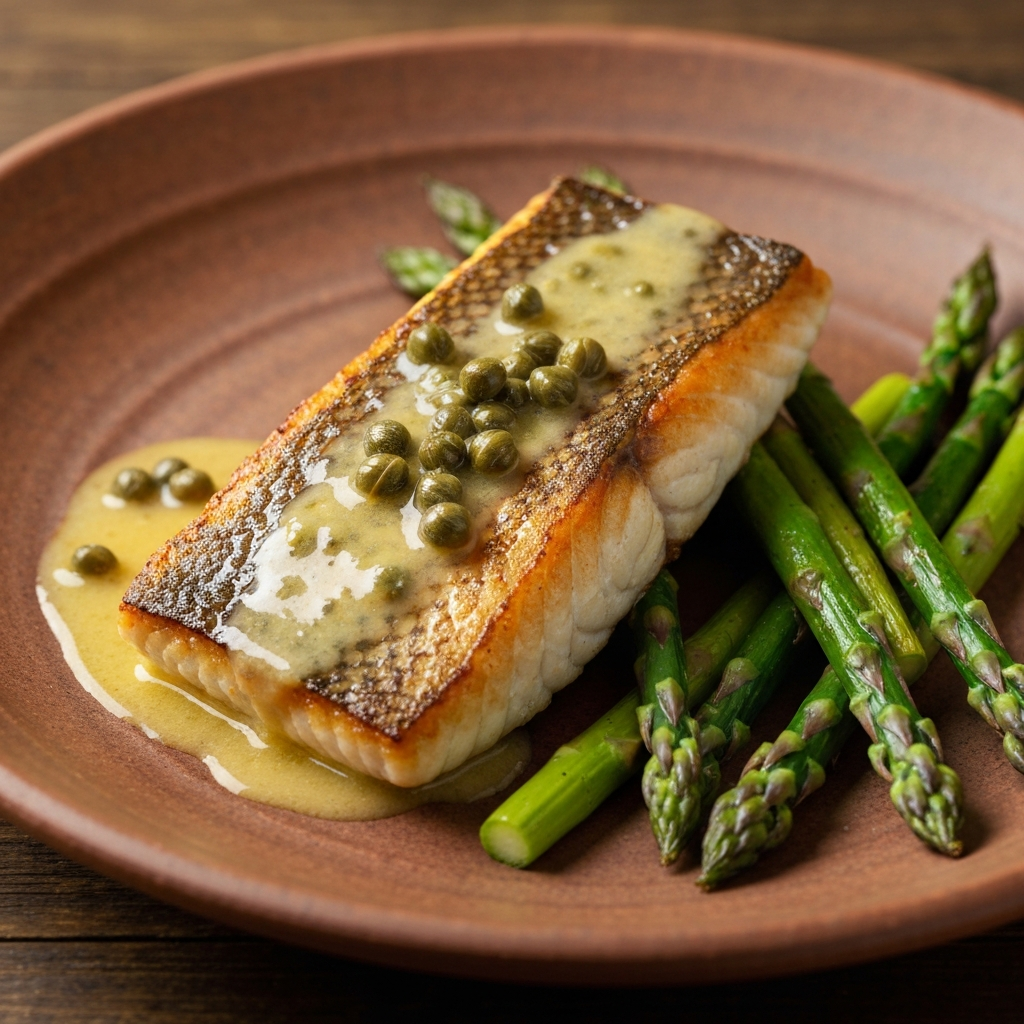
Pan-Seared Barramundi with Lemon-Caper Butter
Barramundi, particularly when farmed in closed-loop systems, is a highly sustainable white fish. It has a mild, buttery flavor and a firm texture that holds up beautifully in the pan. Because it is largely vegetarian in its farmed diet, it does not rely heavily on wild forage fish, making it an excellent ecological choice.
To prepare this dish, start by patting two barramundi fillets completely dry with paper towels and seasoning them generously with kosher salt and black pepper. Heat a tablespoon of olive oil in a stainless steel or cast-iron skillet over medium-high heat. Once the oil is shimmering, place the fillets skin-side down. Press down gently with a spatula for the first ten seconds to prevent the skin from curling. Let the fish cook undisturbed for about four to five minutes until the skin is crisp and golden. Flip the fillets and cook for another two minutes. Remove the fish to a warm plate.
In the same skillet, lower the heat to medium and add two tablespoons of unsalted butter. As the butter melts and begins to foam, stir in a minced shallot and cook until translucent. Add two tablespoons of drained capers, the juice of half a lemon, and a splash of dry white wine. Let the sauce reduce for a minute, then stir in a handful of chopped fresh parsley. Spoon this bright, briny sauce over the crispy barramundi and serve immediately alongside roasted asparagus or a fresh green salad.
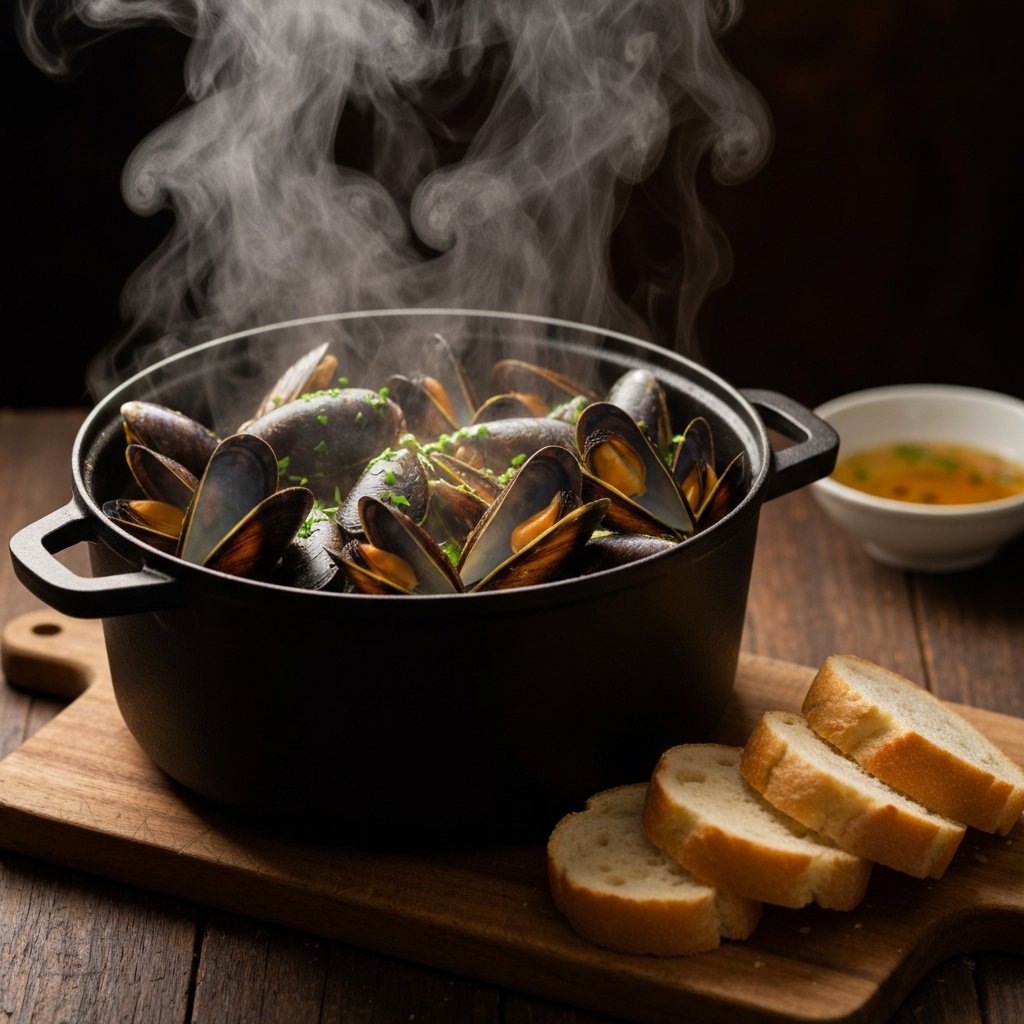
Mussels Steamed in White Wine and Garlic
As mentioned earlier, mussels are a zero-input food source that actively regenerates their environment. They are also incredibly quick and easy to cook, making them perfect for a weeknight dinner that feels like a special occasion.
Begin by scrubbing two pounds of fresh, rope-grown mussels under cold running water, removing any fibrous beards attached to the shells. Discard any mussels that remain open after you tap them. In a large, heavy-bottomed pot or Dutch oven, heat two tablespoons of olive oil over medium heat. Add four cloves of thinly sliced garlic, a pinch of red pepper flakes, and a finely diced fennel bulb. Sauté until the fennel is soft and the garlic is fragrant, being careful not to let the garlic brown.
Pour in one cup of a crisp, dry white wine—like Sauvignon Blanc or Pinot Grigio—and bring the liquid to a rapid simmer. Add the cleaned mussels to the pot, cover tightly with a lid, and let them steam for five to seven minutes. Shake the pot occasionally. The mussels are done when their shells have popped wide open. Discard any that remain closed. Stir in a quarter cup of heavy cream and a generous handful of chopped fresh tarragon or parsley. Serve the mussels in large bowls with plenty of crusty sourdough bread to soak up the phenomenal, ocean-scented broth.
Baked Pacific Cod with Roasted Cherry Tomatoes and Olives
While Atlantic cod populations have historically suffered from severe overfishing, Pacific cod from well-managed fisheries in Alaska is a fantastic, sustainable alternative. It offers the same flaky, lean white meat that absorbs flavors wonderfully.
Preheat your oven to 400 degrees Fahrenheit. In a baking dish, toss two cups of cherry tomatoes, half a cup of pitted Kalamata olives, three smashed garlic cloves, and a tablespoon of capers with two tablespoons of olive oil. Roast this mixture for fifteen minutes until the tomatoes begin to burst and release their juices.
Remove the dish from the oven and nestle four Pacific cod fillets among the roasted tomatoes. Drizzle the fish with a little olive oil, season with salt, pepper, and a pinch of dried oregano. Return the dish to the oven and bake for another ten to twelve minutes, depending on the thickness of the fillets. The fish should flake easily with a fork when done. Finish the dish with a squeeze of fresh lemon juice and a scattering of torn basil leaves. This Mediterranean-inspired preparation is not only incredibly healthy but also relies entirely on responsibly sourced ingredients.
Tips for Cooking Sustainable Fish at Home
Cooking fish at home intimidates many home cooks, but it requires only a few basic techniques to master. First, always ensure your fish is dry before it hits the pan; moisture is the enemy of a good sear. Second, rely on a meat thermometer if you are unsure about doneness. Most fish is perfectly cooked at an internal temperature of 145 degrees Fahrenheit. Finally, remember that fish continues to cook slightly after being removed from the heat, so taking it off the stove just before it looks completely done will prevent it from drying out.
Conclusion
Transitioning to sustainable seafood is a delicious and highly rewarding journey. By paying attention to certifications, utilizing seafood guides, and being open to trying new, eco-friendly species, you can enjoy the incredible flavors of the ocean while ensuring those resources remain abundant for future generations. The recipes provided here are just a starting point. Armed with the right knowledge and a commitment to protecting marine ecosystems, your kitchen can become a hub for both extraordinary meals and positive environmental change.
Do you enjoy the content on Agenda Creativa?
Your contributions help me create new articles, share creative ideas, and keep this platform alive! If you like what I do and want to support my work, you can buy us a coffee.
Every cup of coffee means more than just a gesture – it's direct support for my passion to create inspiring and useful content. Thank you for being part of this journey!
☕ Buy me a coffee