The Defining Narrative of the Modern Era
Human history is written in the footprints of those who have left their homes, whether driven by the ravages of war, the desperation of poverty, or the quiet, persistent ache for a better life. In the literary world, the narrative of exile and migration has evolved from a niche subgenre into arguably the defining theme of contemporary fiction. The modern literature of displacement does not merely recount the physical logistics of crossing borders; it examines the profound psychological fractures that occur when a person’s sense of place is abruptly severed.
While classical literature often framed exile as a punitive measure—think of Ovid weeping by the Black Sea or Dante banished from his beloved Florence—modern storytelling treats displacement as a complex, multifaceted human condition. It is no longer just about the tragedy of leaving; it is about the agonizing, often impossible task of arriving. Today’s authors are capturing the friction between the culture left behind and the culture that refuses to fully open its doors, creating stories that resonate with profound existential weight.
The Ghost of the Motherland: Memory and Nostalgia
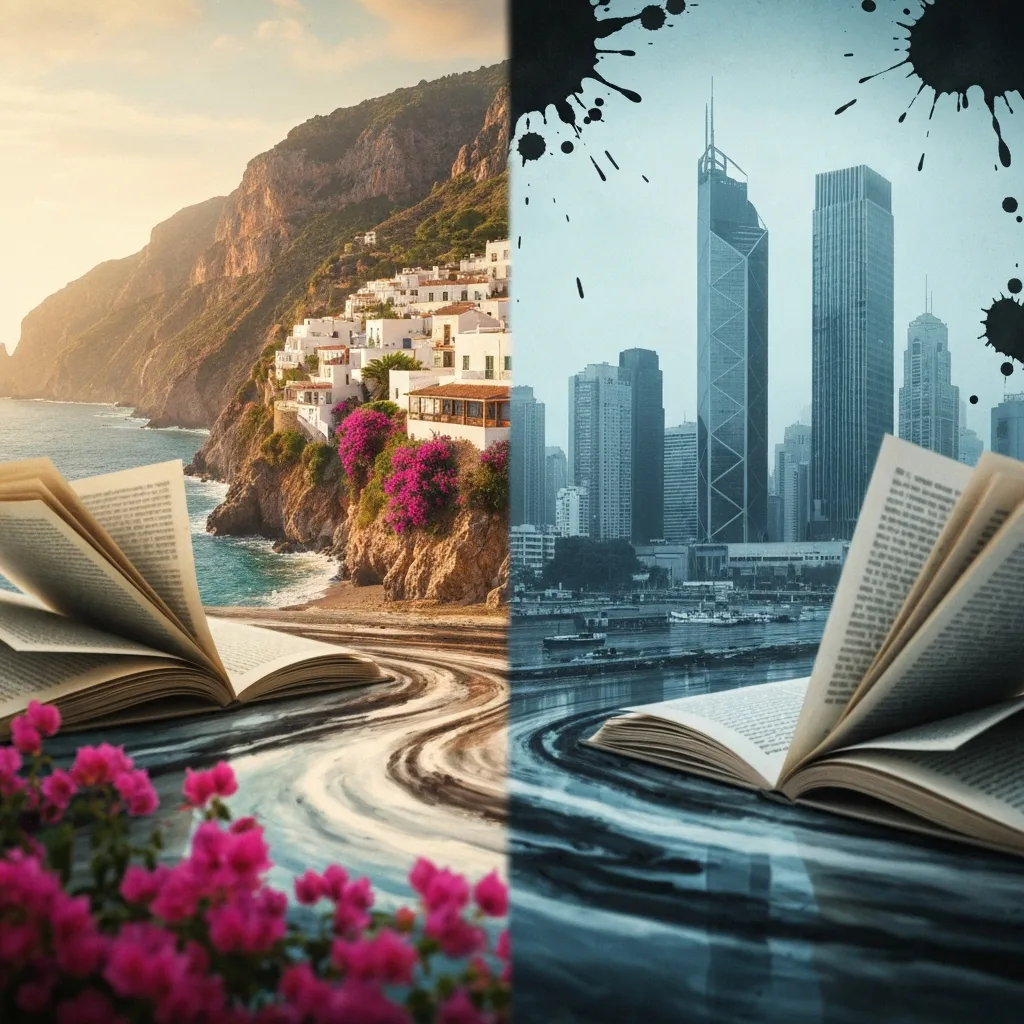
One of the most prominent features of displacement literature is the heavy, sometimes suffocating burden of memory. Characters in these novels frequently find themselves trapped in a liminal space, physically occupying a new country while psychologically residing in the past. This dual existence creates a narrative tension that authors exploit to brilliant effect.
In these stories, the homeland is rarely depicted with strict objective reality. Instead, it becomes a mythologized space, distorted by nostalgia and trauma. Writers like Salman Rushdie and Edwidge Danticat have masterfully demonstrated how memory acts as both a life raft and an anchor. The homeland is reconstructed through sensory details—the smell of specific spices, the cadence of a regional dialect, the distinct quality of light at dusk—that haunt the protagonist in their new environment. This idealized past frequently clashes with the harsh, sterile reality of their present circumstances, forcing characters to reconcile the ghosts of who they were with the strangers they are forced to become.
The Illusion of the Clean Break
Contemporary migration fiction actively subverts the traditional “fresh start” trope. For decades, the immigrant narrative in Western literature was heavily romanticized, often culminating in successful assimilation and the achievement of the American (or European) Dream. Modern authors reject this simplistic trajectory. They portray assimilation not as a triumphant finish line, but as a slow, painful process of erasure.
Characters are shown making grueling compromises, shedding parts of their identity to survive in spaces that view them with suspicion. The emotional cost of this adaptation is central to the literature of exile. It asks a devastating question: What good is a new life if you have to destroy your old self to live it?
Language as a Battlefield
Perhaps nowhere is the trauma of displacement more evident than in the realm of language. For the exiled protagonist, the loss of a mother tongue is equivalent to the loss of the self. Language is the architecture of thought, and when a character is forced to operate in a foreign language, their entire personality is often muted or mistranslated.
Authors frequently use linguistic struggle as a metaphor for cultural alienation. We see this in the works of writers like Jhumpa Lahiri and Yiyun Li, where characters grapple with the inadequacy of their adopted vocabularies. The inability to express nuance, humor, or deep emotion in a new language leaves migrants feeling intellectually diminished and socially isolated. Furthermore, the act of writing about exile in the language of the colonizer or the host country adds a layer of meta-textual tension. The author themselves must translate untranslatable cultural grief into a medium that the host culture can digest.
Code-Switching and Fragmented Dialogue
To capture this linguistic friction, modern storytellers often employ code-switching, fragmented dialogue, and untranslated phrases within their prose. This technique refuses to coddle the reader, forcing them to experience a fraction of the disorientation that the characters feel. By leaving certain cultural markers untranslated, the author preserves the sanctity of the origin culture while simultaneously illustrating the barrier between the migrant and their new world.
Magical Realism and the Surrealism of the Refugee Experience
The sheer absurdity and bureaucratic nightmare of modern displacement have pushed many authors away from strict realism. To accurately convey the surreal nature of fleeing one’s home, navigating detention centers, and crossing militarized borders, writers are increasingly turning to speculative elements and magical realism.
Mohsin Hamid’s critically acclaimed novel Exit West is a prime example. By introducing magical doors that instantaneously transport characters from war-torn cities to affluent Western metropolises, Hamid strips away the logistical mechanics of the refugee journey. Without the distraction of the physical trek, the narrative focuses entirely on the psychological shock of sudden displacement and the immediate hostility of the new environment. This blending of the fantastical with grim geopolitical reality allows authors to bypass political fatigue and strike directly at the emotional core of the crisis.
Humanizing the Headlines
In an era where news cycles are dominated by statistics—thousands of displaced persons, endless border disputes, political rhetoric—literature serves a vital corrective function. The human brain struggles to comprehend the suffering of millions, but it can deeply understand the suffering of one. The literature of exile takes the abstract, overwhelming concept of global migration and distills it into intimate, individual tragedies and triumphs.
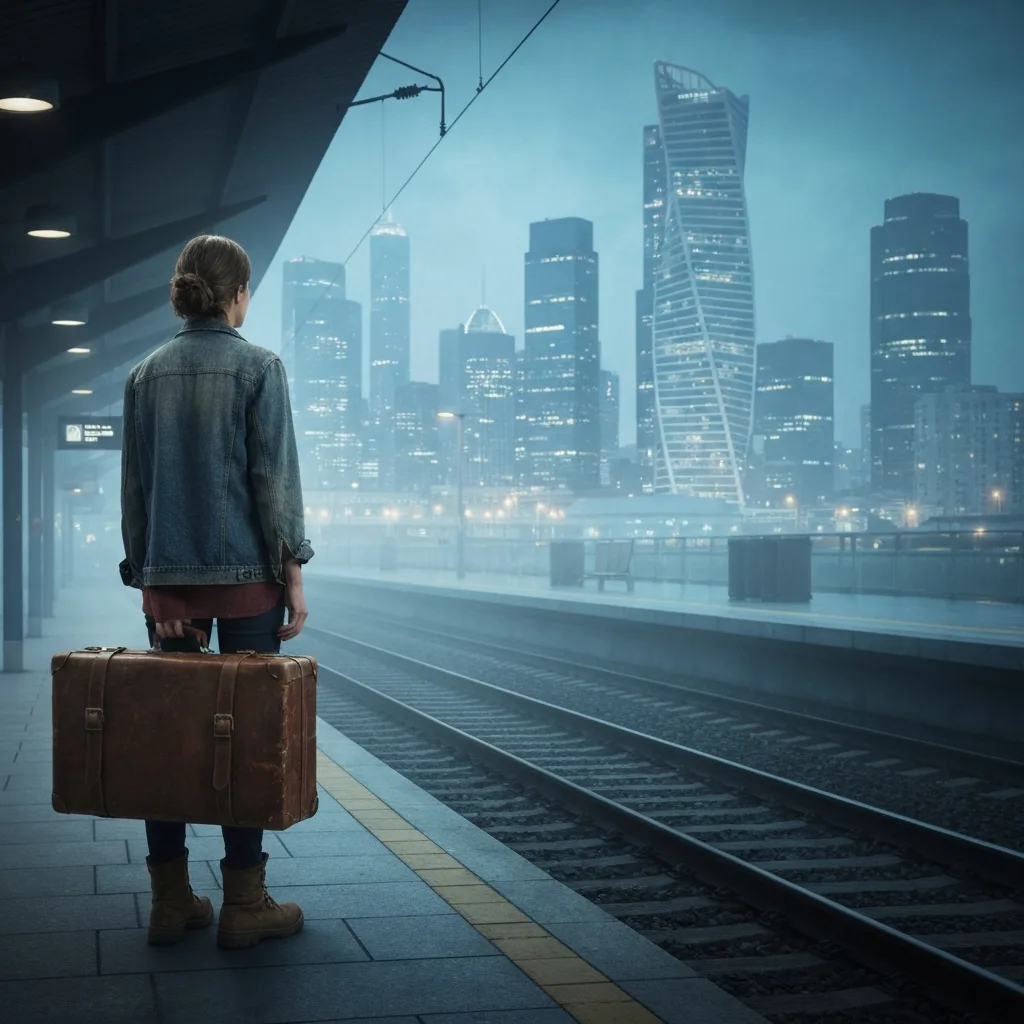
When a reader follows a single family as they pack their entire existence into a single suitcase, or watches a highly educated professional reduced to menial labor in a hostile city, the political becomes deeply personal. These narratives challenge the monolithic, often dehumanizing labels applied to refugees and immigrants, restoring their agency, their flaws, and their complex humanity.
The Universal Search for Belonging
While the specific circumstances of political exile or forced migration are foreign to many readers, the underlying emotional currents of these books are universally resonant. At its core, the literature of displacement is about the search for “home”—a concept that is becoming increasingly unstable for everyone in the modern world.
Even those who have never left their hometowns often experience a sense of alienation, a feeling that the world has shifted beneath their feet and left them culturally or economically stranded. The migrant’s acute, physical search for a place to belong mirrors the modern individual’s internal search for purpose and community. By exploring the extremes of isolation and adaptation, stories of exile offer profound insights into human resilience.
The Future of Displacement Literature
As we look toward the future, the literature of exile is poised to evolve once again. The looming specter of climate change promises to displace millions, giving rise to a new wave of “climate migration” narratives. These stories will likely shift the focus from political persecution to environmental collapse, exploring what happens when the homeland isn’t just dangerous, but physically submerged or rendered uninhabitable.
Additionally, the rise of digital nomadism and hyper-globalization is creating a new kind of voluntary, yet deeply isolating, displacement. The fiction of tomorrow will undoubtedly explore the psychological impact of being tethered to the world digitally while remaining physically rootless.
Ultimately, as long as human beings are forced to move, they will be forced to tell their stories. The literature of exile remains a crucial, beating heart within modern fiction, challenging our definitions of borders, identity, and what it truly means to be home.
Do you enjoy the content on Agenda Creativa?
Your contributions help me create new articles, share creative ideas, and keep this platform alive! If you like what I do and want to support my work, you can buy us a coffee.
Every cup of coffee means more than just a gesture – it's direct support for my passion to create inspiring and useful content. Thank you for being part of this journey!
☕ Buy me a coffee