The Deep Currents of Culinary History
Food is never merely sustenance, and nowhere is this more evident than in humanity's relationship with fish and seafood. For millennia, the act of pulling a meal from the water has been steeped in ritual, economic survival, and deep-seated cultural identity. When we sit down to enjoy a plate of grilled sardines, a delicate slice of sashimi, or a hearty bowl of seafood stew, we are participating in a story that predates recorded history. The cultural significance of fish dishes extends far beyond the plate, acting as a mirror that reflects the values, geography, and historical struggles of societies around the world.
Long before agriculture anchored humans to the land, the oceans, rivers, and lakes offered an abundant and reliable food source. Coastal communities thrived, and the ability to catch, prepare, and preserve fish became a foundational pillar of early civilizations. The development of preservation techniques—salting, smoking, drying, and fermenting—did more than just keep hunger at bay during harsh winters; it established global trade routes. The story of salted cod, or ‘bacalhau’, is a perfect example. Driven by the need for durable protein on long naval voyages, European explorers and Basque fishermen turned cod into a global commodity. This single fish shaped the economies of nations, fueled the age of exploration, and cemented itself into the culinary DNA of countries like Portugal, where it is famously said there are 365 ways to prepare bacalhau, one for every day of the year.
Faith, Ritual, and the Symbolism of the Catch
Because fish has always been a vital source of life, it naturally found its way into the spiritual and religious practices of cultures worldwide. The consumption of fish is often tied to specific rituals, fasting periods, and celebrations, transforming simple meals into acts of faith and communal solidarity.
Christianity and the Friday Fish
In the Christian tradition, fish holds profound symbolic weight. The Greek word for fish, ‘ichthys’, was used as a secret acronym by early Christians to identify one another. Over the centuries, the Catholic Church’s mandate to abstain from warm-blooded meat on Fridays and during Lent profoundly influenced Western diets and economies. This religious observance created a massive, sustained demand for fish across Europe, effectively subsidizing the fishing industry and leading to the creation of countless regional fish dishes. From the classic British fish and chips to complex Mediterranean seafood bakes, the ‘Friday fish’ tradition shaped the culinary landscape of entire continents.
Abundance and the Lunar New Year
In many Asian cultures, fish is the ultimate symbol of prosperity and surplus. During the Lunar New Year, serving a whole fish is a non-negotiable tradition in Chinese households. This practice is rooted in linguistics: the Mandarin word for fish, ‘yu’, sounds exactly like the word for surplus or abundance. To ensure a prosperous year ahead, the fish is served whole—with the head and tail intact—symbolizing a good beginning and a good end to the year. The dish is often steamed delicately with ginger, scallions, and soy sauce, allowing the natural sweetness of the fresh catch to shine through while reinforcing the cultural emphasis on family unity and future wealth.
The Jewish Tradition of Gefilte Fish
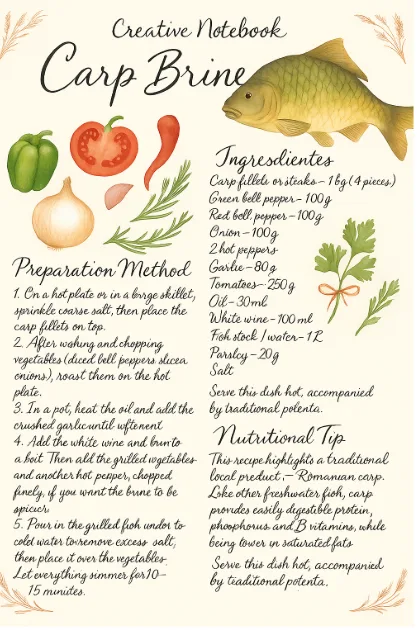
For Ashkenazi Jews, ‘gefilte fish’ is a dish deeply entwined with religious observance and historical hardship. The name translates to ‘stuffed fish’ in Yiddish. Originally, it was made by grinding inexpensive freshwater fish like carp or pike with onions and matzo meal, then stuffing the mixture back into the fish skin. This dish was born out of the necessity to stretch a small, affordable amount of protein to feed a large family on the Sabbath. Furthermore, Jewish dietary laws forbid the picking of bones on the Sabbath, making a pre-boned, ground fish dish the perfect solution. Today, while the skin is often omitted, gefilte fish remains a poignant reminder of resourcefulness and faith, served traditionally during Passover and other significant holidays.
Culinary Signatures: How Geography Shapes the Menu
The way a culture prepares its fish speaks volumes about its geographical environment and historical ingenuity. By examining regional fish dishes, we can read the landscape and climate of the people who created them.
Japan: Precision and Deep Respect for the Ocean
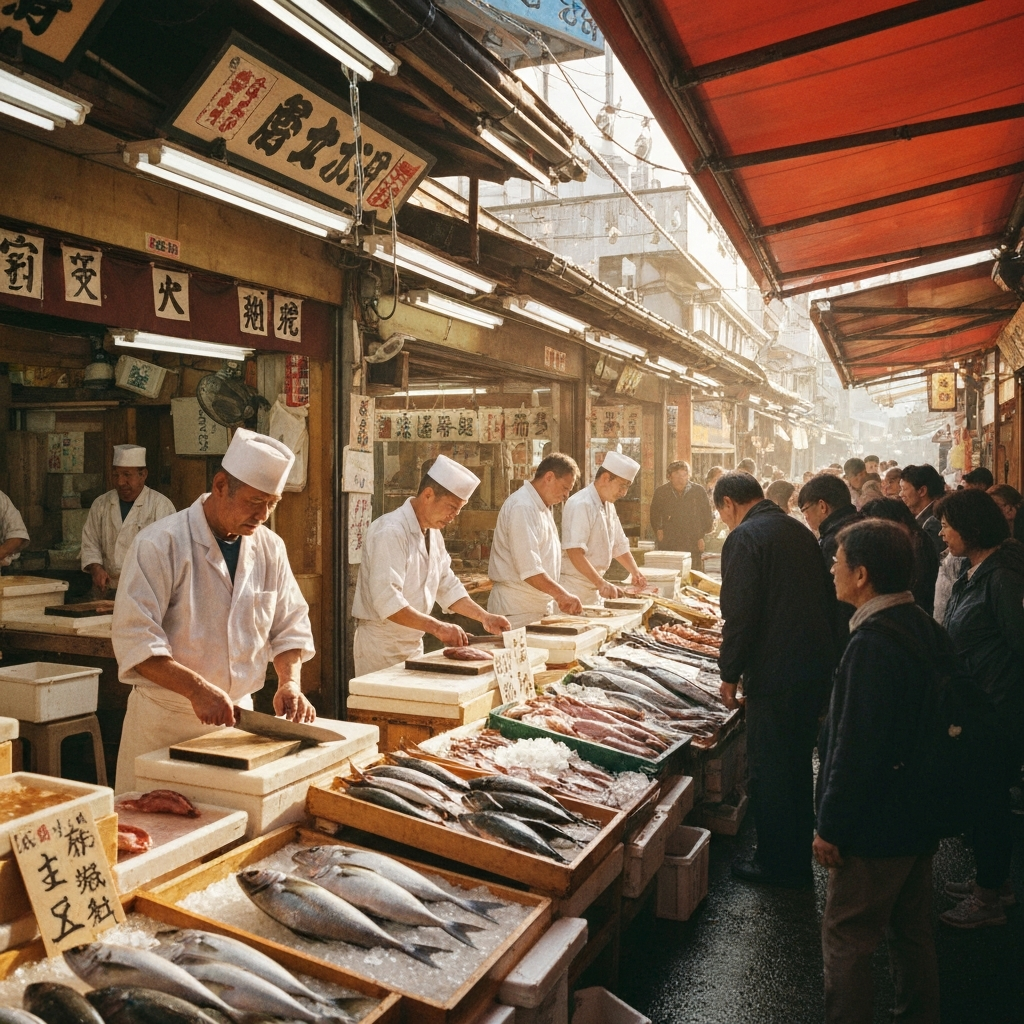
As an island nation, Japan’s connection to the sea is absolute. The Japanese culinary philosophy of ‘Washoku’ emphasizes harmony, seasonality, and deep respect for the natural flavor of the ingredients. Sushi and sashimi are the global ambassadors of this philosophy. Preparing raw fish requires an intimate understanding of the ocean’s rhythms, the specific anatomy of different species, and masterful knife skills. The concept of ‘shun’—the exact moment a seasonal ingredient is at its peak flavor—dictates what is served. A master sushi chef does not mask the flavor of the fish; rather, they use precise cuts, specific temperatures, and subtle accompaniments to highlight the pure essence of the sea.
Peru: The Ancient Roots of Ceviche
In South America, ceviche is more than a national dish; it is a historical record on a plate. Long before the Spanish arrived with citrus fruits, the indigenous Moche civilization of coastal Peru was already ‘cooking’ raw fish using the fermented juice of the local banana passionfruit. When European colonizers introduced limes and onions, the dish evolved into the ceviche we recognize today. The vibrant, acidic marinade known as ‘leche de tigre’ (tiger’s milk) chemically alters the proteins in the fish, turning it opaque and firm. Ceviche is a brilliant adaptation to a hot coastal climate, requiring no fire to prepare, and stands as a vibrant testament to the blending of indigenous and colonial foodways.
Scandinavia: The Art of Survival and Preservation
In the frigid climates of Scandinavia, fresh food was historically scarce during the long, dark winters. Survival depended entirely on preservation. This harsh reality gave birth to dishes like ‘gravlax’. Today, gravlax is a luxury item—salmon elegantly cured with salt, sugar, and dill. However, its origins are far more rugged. The word translates literally to ‘grave salmon’, referring to the medieval practice of fishermen burying salted salmon in the freezing sand above the high-tide line to lightly ferment and cure. Similarly, the infamous Swedish ‘surströmming’ (fermented Baltic herring) represents an extreme method of preservation, utilizing just enough salt to prevent rotting while allowing fermentation. These dishes are edible history lessons in human endurance and adaptability.
The Mediterranean: From Fishermen’s Scraps to Culinary Icons
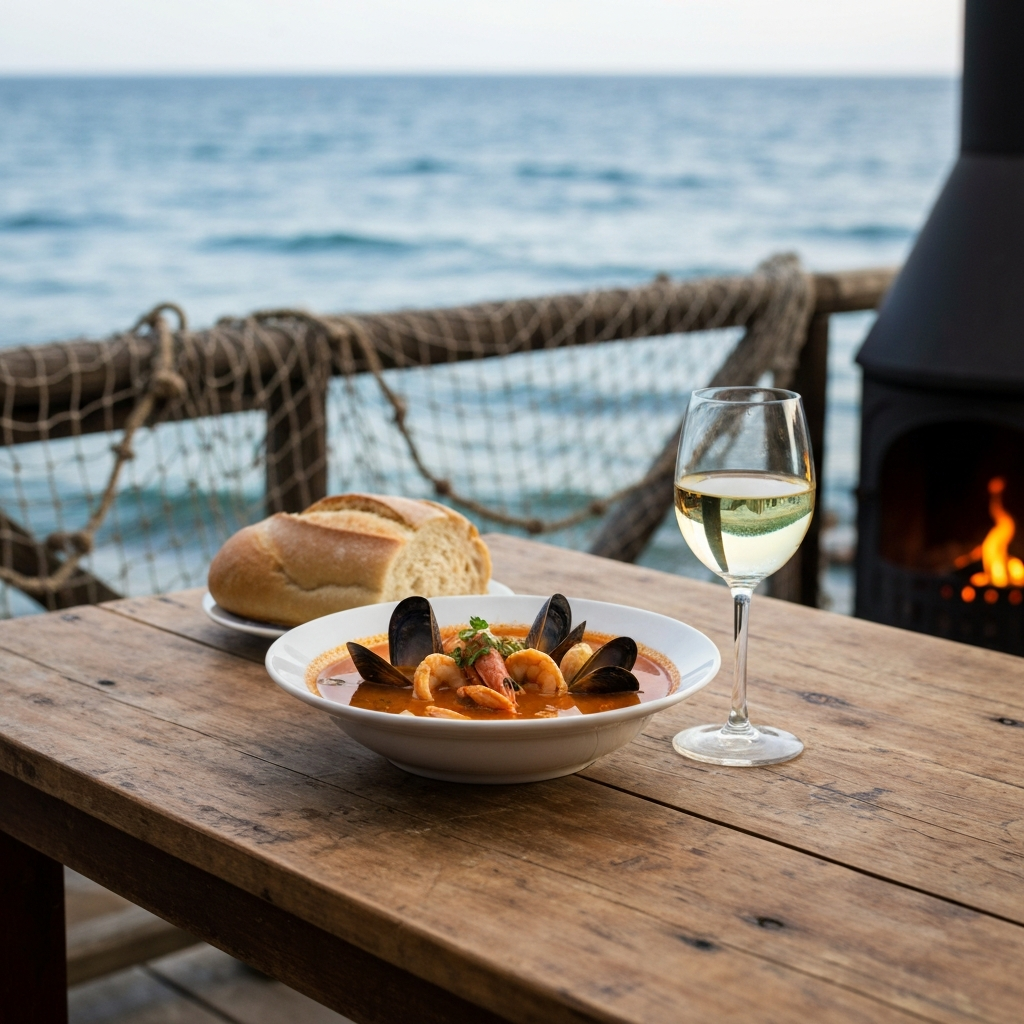
Many of the world’s most celebrated fish dishes began as peasant food. The French ‘bouillabaisse’ is a prime example. Originating in the port city of Marseille, this rich, saffron-infused seafood stew was originally cooked by local fishermen using the bony rockfish they were unable to sell at the market. Boiled in seawater with garlic and fennel, it was a cheap, hearty meal meant to warm the bones after a long day on the water. Today, bouillabaisse is a protected cultural icon, strictly regulated by local charters and served in high-end restaurants. It illustrates how the humble resourcefulness of coastal workers can evolve into a defining pillar of a region’s gastronomic identity.
The Modern Crossroads: Sustainability and Preserving Heritage
As we appreciate the cultural weight of these dishes, we must also confront the modern reality of our oceans. The historical significance of seafood is inextricably linked to the health of marine ecosystems. Today, industrial overfishing, habitat destruction, and climate change threaten not only the fish populations but also the cultural heritage that relies upon them.
Traditional coastal communities have long practiced artisanal fishing methods that respect the natural limits of the ecosystem. Their recipes were developed based on what the local waters could sustainably provide in a given season. In contrast, modern global demand often pressures fisheries to harvest specific popular species year-round, leading to severe ecological imbalances. Preserving the cultural significance of fish dishes requires a return to mindful consumption. By choosing to eat locally sourced, seasonal, and sustainably caught seafood, we are doing more than protecting marine biodiversity; we are actively participating in the preservation of human culture.
Chefs and home cooks alike are increasingly recognizing that the future of seafood heritage lies in utilizing underappreciated species, reducing bycatch, and supporting local fishing communities. When we adapt our menus to what the ocean can responsibly provide, we honor the ancient relationship between humans and the sea.
Conclusion
Fish dishes are far more than a collection of recipes; they are a profound expression of human history, geography, and spirituality. From the salt-cured cod that fueled global exploration to the delicate sashimi that captures the essence of a Japanese season, every bite of seafood tells a story of survival, adaptation, and reverence. As we move forward, understanding the cultural significance of these dishes is crucial. It reminds us that our connection to the water is ancient and fragile, demanding our respect and stewardship so that future generations can continue to share in the ocean’s timeless bounty.
Do you enjoy the content on Agenda Creativa?
Your contributions help me create new articles, share creative ideas, and keep this platform alive! If you like what I do and want to support my work, you can buy us a coffee.
Every cup of coffee means more than just a gesture – it's direct support for my passion to create inspiring and useful content. Thank you for being part of this journey!
☕ Buy me a coffee