For most of us, the transition from the demands of the day to the evening routine is fraught with lingering cortisol. The workday rarely ends with a clean break; instead, it bleeds into the commute, the living room, and inevitably, the kitchen. By the time we stare into the refrigerator, cooking feels less like nourishment and more like the final, exhausting hurdle before we are allowed to rest. But what if the very act of preparing food could be the mechanism that transitions your nervous system from survival mode back to a state of calm?
The Kitchen as a Somatic Sanctuary
Mindful cooking is the practice of using culinary preparation as a deliberate anchor for your attention. It requires shifting your perspective of cooking from a transactional chore—a means to an end—into an experiential process. When we rush through meal prep, chopping haphazardly while listening to a podcast, texting, and mentally rehearsing tomorrow’s meeting, we remain trapped in the Default Mode Network of the brain. This network is responsible for rumination, future-tripping, and anxiety.
Engaging deeply with the sensory experience of cooking forces the brain to switch gears. It activates the task-positive network, pulling your awareness out of your head and into your physical body. The kitchen is inherently a highly sensory environment. It offers tactile feedback, auditory rhythms, and potent olfactory stimulation. By intentionally tuning into these inputs, cooking becomes a powerful form of somatic grounding, capable of short-circuiting the stress loop.
The Psychology of Culinary Mindfulness
To understand why mindful cooking works, we have to look at how the nervous system processes safety. When you are stressed, your body is braced for a threat. To convince your nervous system that the threat has passed, you need concrete, physical evidence in the present moment. The rhythmic, repetitive motions of cooking—stirring a pot, kneading dough, or slicing vegetables—provide predictable, soothing sensory input. This repetition signals to the vagus nerve that you are safe, allowing your heart rate to slow and your breathing to deepen.
Furthermore, the olfactory system (your sense of smell) is uniquely wired in the brain. Unlike other senses, smells bypass the thalamus and travel directly to the amygdala and hippocampus, the regions involved in emotion and memory. The smell of garlic sautéing in olive oil or a lemon being zested doesn’t just smell good; it provides an immediate, visceral interruption to psychological distress, anchoring you firmly in the present reality.
Practical Steps for Mindful Meal Preparation
Transforming your daily dinner routine into a mindfulness practice does not require complex recipes or hours of free time. It only requires a shift in intentionality. Here is how to build a mindful cooking practice.
1. The Art of the Transition
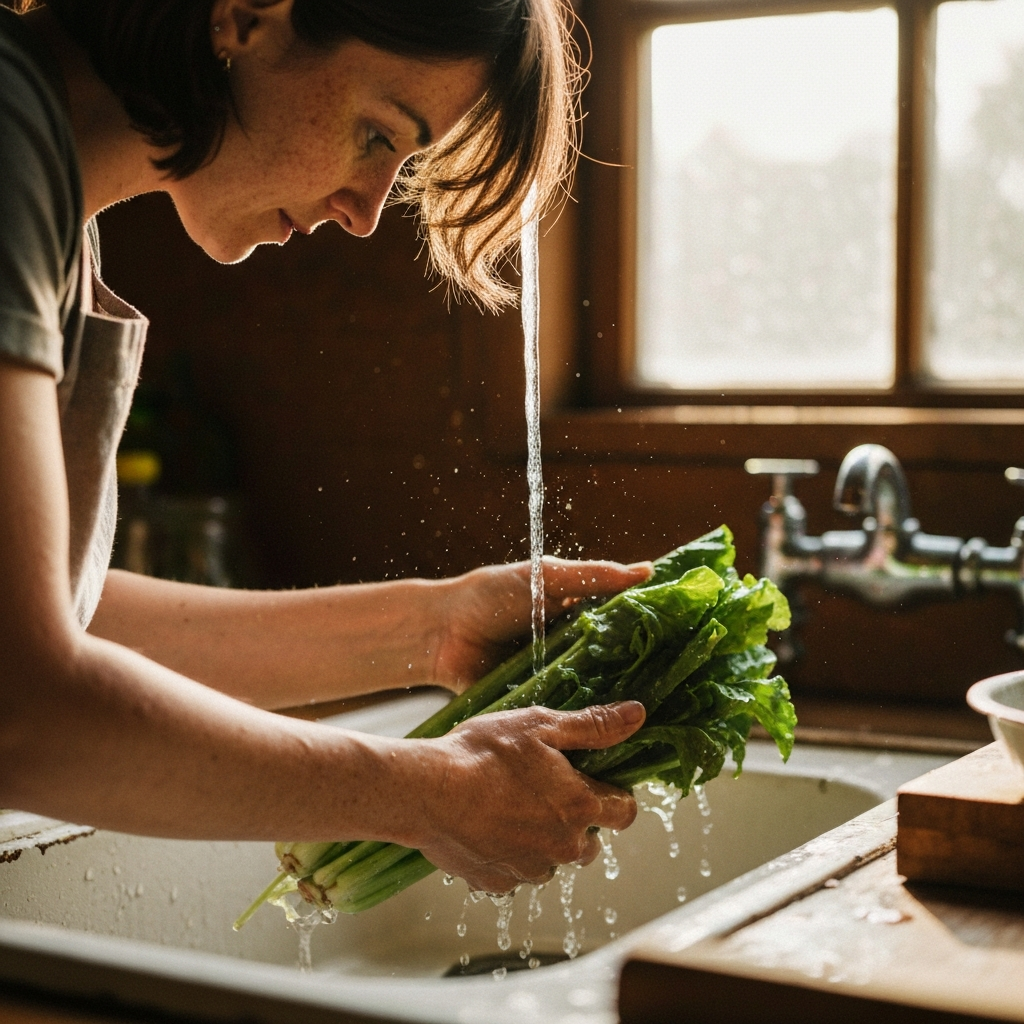
Before you even touch a knife or a pan, establish a micro-boundary between your day and your evening. Wash your hands intentionally. Feel the temperature of the water, the lather of the soap, and the texture of the towel. Use this physical act as a psychological reset button. Take one deep, diaphragmatic breath and consciously decide to leave your work emails and daily irritations outside the kitchen.
2. Emotional Mise en Place
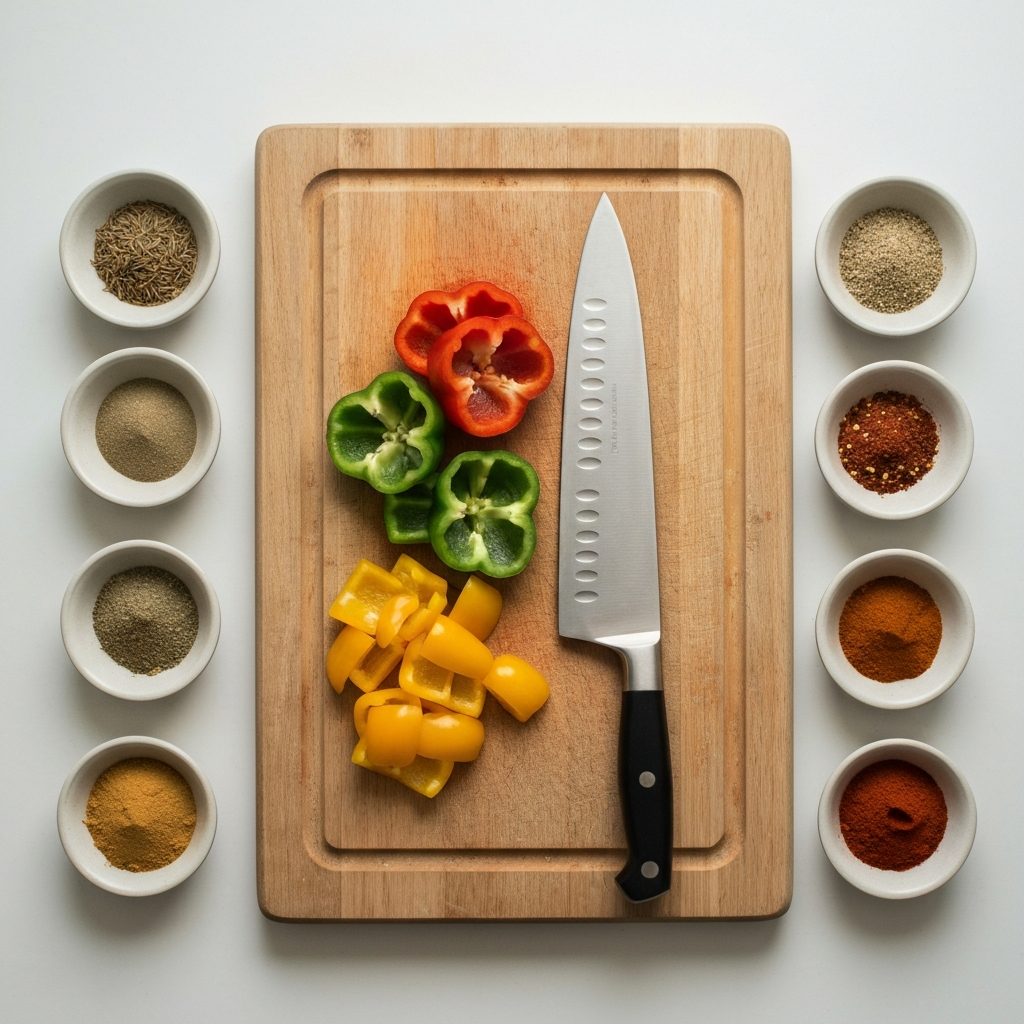
In professional kitchens, mise en place (everything in its place) is a strict operational rule. In mindful cooking, it is a psychological tool. Before you begin cooking, gather all your ingredients. Wash the vegetables, measure the spices, and arrange your tools. This prevents the frantic, mid-cooking scramble that spikes adrenaline. By organizing your physical space, you create a sense of containment and predictability that is deeply soothing to an overstimulated mind.
3. Sensory Anchoring Through Prep
As you begin to prepare the food, focus entirely on the sensory details of the ingredients. Notice the vibrant color of a bell pepper, the dense weight of a root vegetable, or the fragile texture of fresh herbs. When you chop, tune into the rhythmic sound of the knife hitting the cutting board. If your mind wanders to a stressful thought, do not judge it. Simply notice the thought, and gently return your attention to the physical sensation of the knife handle in your palm and the sound of the blade.
4. Pacing and Patience
Anxiety thrives on false urgency. We often cook on high heat, trying to force the food to finish faster. Mindful cooking invites you to practice patience. Allow the onions to caramelize slowly. Watch the physical transformation of the ingredients as they change color and texture. Resist the urge to multitask. If you have three minutes while a pot comes to a boil, do not pull out your phone. Stand there. Watch the water. Allow yourself the rare luxury of doing absolutely nothing for sixty seconds.
The Act of Mindful Consumption
The mindfulness practice does not end when the stove is turned off. How we consume our food is just as critical to our emotional well-being as how we prepare it. Eating in a state of stress compromises digestion and robs us of the psychological satisfaction of the meal.
1. Plating with Intention
Take an extra thirty seconds to plate your food thoughtfully. You do not need to be a Michelin-starred chef to appreciate visual harmony. Notice the contrast of colors on the plate. Acknowledge the effort you just put into creating this nourishment. This brief pause fosters a sense of gratitude and completion, signaling to your brain that a task has been successfully accomplished.
2. Engaging the Palate
Sit down at a table, away from screens and distractions. Before taking your first bite, pause to inhale the aroma of the meal. As you eat, chew slowly. Try to identify the individual flavor profiles—the acidity of a tomato, the earthiness of cumin, the richness of butter. Notice the temperature and the mouthfeel. By fully engaging your palate, you maximize the psychological reward of the meal, leaving you feeling deeply satisfied rather than just physically full.
Overcoming the Resistance to Cooking
It is entirely normal to feel resistance to this practice, especially when you are deeply fatigued. The thought of chopping vegetables when you are burnt out can feel like an impossible demand. The key to overcoming this barrier is to decouple mindful cooking from culinary perfectionism.
Mindful cooking does not require a complex, multi-step recipe. You can practice mindfulness while making a simple piece of toast. The mindfulness comes from the quality of your attention, not the complexity of the dish. Listen to the scrape of the butter knife, smell the toasted bread, and feel the warmth radiating against your fingers. By starting small, you prove to your nervous system that the kitchen can be a place of refuge, rather than a place of obligation.
Closing the Loop on Daily Stress
Modern life is full of open loops—projects that take months to finish, endless email threads, and ongoing interpersonal conflicts. These open loops drain our emotional bandwidth because we rarely get to experience the psychological relief of completion. Cooking is one of the few daily activities that offers a definitive beginning, middle, and end.
You start with raw, disparate ingredients, you apply heat and effort, and you end with a finished, tangible product that sustains you. By approaching this daily necessity with mindful presence, you reclaim a portion of your day from the grip of stress. You transform a mundane chore into a vital ritual of self-care, proving to your nervous system that no matter how chaotic the world outside may be, you have the power to create a moment of peace, right there at your kitchen counter.
Do you enjoy the content on Agenda Creativa?
Your contributions help me create new articles, share creative ideas, and keep this platform alive! If you like what I do and want to support my work, you can buy us a coffee.
Every cup of coffee means more than just a gesture – it's direct support for my passion to create inspiring and useful content. Thank you for being part of this journey!
☕ Buy me a coffee
