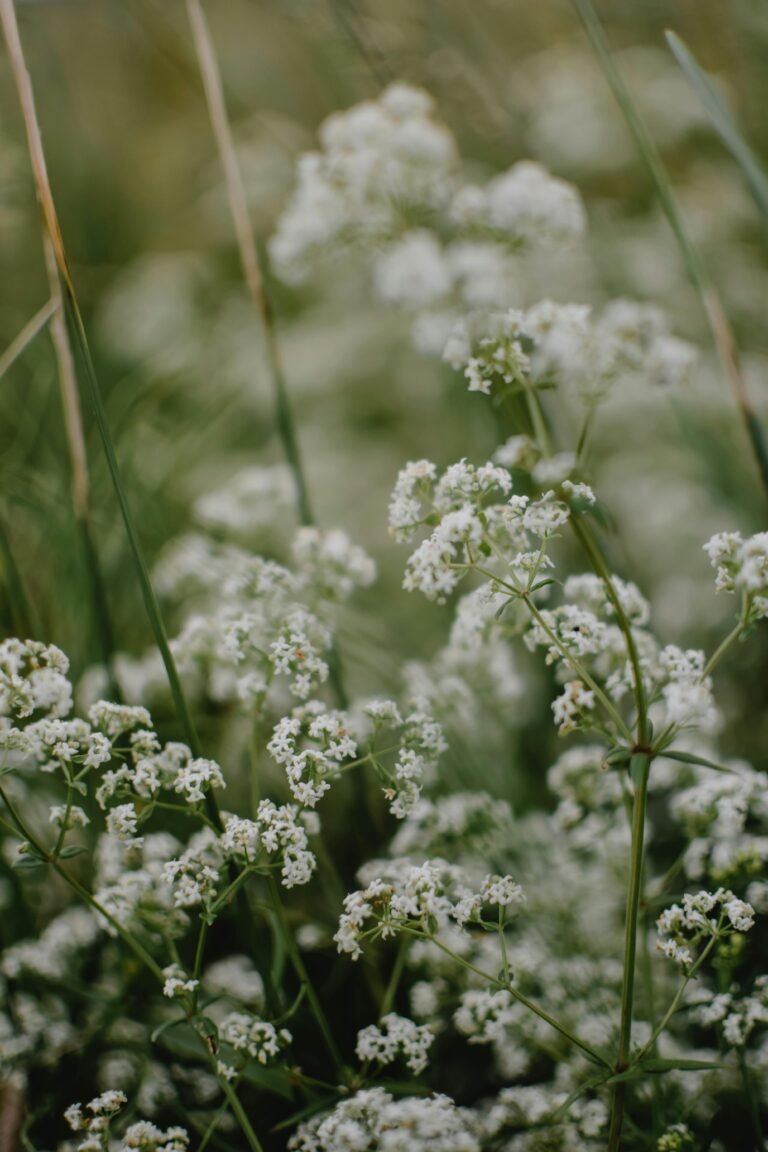
Wild garlic can be grown in the garden or in pots, preferring a rich, moist soil and a shaded spot. Seeds or bulbs are planted in autumn, and the plants will bloom in spring. Regular watering and applying mulch to maintain moisture is important. Growing it at home ensures access to fresh leaves without affecting wild populations.
8. What are the risks of excessive harvesting of wild garlic from nature?
Excessive harvesting can lead to the depletion of wild populations and affect forest ecosystems. Wild garlic plays an important role in biodiversity, feeding pollinating insects and other animals. It is essential to respect local regulations, harvest moderately, and avoid destroying roots to allow regeneration.
Wild garlic, scientifically known as Allium ursinum, is a perennial herbaceous plant belonging to the Liliaceae family. It is easily recognized by its lance-shaped green leaves, which emit a characteristic garlic-like aroma, distinguishing it from other landscape plants. Wild garlic can grow up to 30-50 centimeters in height and produce white flowers arranged in umbrellas that bloom from March to May. This flowering period coincides with favorable spring weather conditions, making wild garlic a sought-after ingredient for culinary and medicinal uses.

The natural habitat of wild garlic consists primarily of moist deciduous forests, where it thrives in humus-rich, well-drained soils with adequate moisture. This plant is commonly found in mountainous and hilly regions, with a broad geographical distribution across Europe, including Romania. Despite its popularity, wild garlic is a vulnerable species, and excessive harvesting can lead to a decline in its natural populations. Therefore, it is important to follow conservation regulations when foraging in the wild.
Wild garlic’s ecological preferences make it an important plant in forest ecosystems, contributing to biodiversity. It is also a valuable source of nutrients and antioxidants for human well-being. Due to its nutritional benefits and therapeutic effects, wild garlic is a popular choice in healthy diets, especially during the spring season.
In conclusion, Allium ursinum is a multifunctional plant with a positive impact on health and the environment. This introduction to wild garlic highlights its importance in local flora and its valuable potential in modern gastronomy.
Nutritional Benefits of Wild Garlic
Wild garlic, also known as Allium ursinum, is a wild plant with a wide range of nutritional benefits. Its nutritional profile is rich in vitamins, minerals, and antioxidants, which are essential for overall health. It’s year excellent source of vitamin C, which plays a crucial role in strengthening the immune system, assisting iron absorption, and promoting skin health. Additionally, wild garlic contains vitamins A and B, which is important for vision, cellular health, and metabolism.

In terms of minerals, wild garlic is a good source of calcium, iron, magnesium, and potassium. Calcium is essential for good health, while ironically is vital force hemoglobin production and preventing anemia. Magnesium supports metabolic processes and stress reduction, and potassium helps maintain healthy blood pressure. Regular consumption of wild garlic can significantly contribute to the intake of these essential minerals.
Beyond vitamins and minerals, wild garlic is known for its high antioxidant content, incl flavonoids and sulfur compounds. These antioxidants protect the body’s cells from oxidative stress and free radical damage, helping to reduce the risk of chronic diseases. Studies also suggest that wild garlic has anti-inflammatory effects, which may be beneficial in managing conditions such as arthritis and heart disease.


Therapeutic Properties of Wild Garlic
Wild garlic, known scientifically as Allium ursinum, is a perennial herbaceous plant with a series of therapeutic properties recognized over time. Among its most important characteristics are its anti-inflammatory and antimicrobial effects, as well as its ability to strengthen the immune system. This plant plays a significant role in traditional medicine, being used in various preparations for the treatment and prevention of several conditions.

One of the most notable aspects of wild garlic is that it contains organosulfur compounds, such as allicin, which are responsible for many of its health benefits. Studies have shown that these substances have anti-inflammatory effects, improving the condition of patients with chronic inflammatory diseases such as arthritis. Additionally, wild garlic is recognized for its antimicrobial properties, having the ability to fight against bacteria and fungi. This makes wild garlic an effective remedy in preventing infections and strengthening the intestinal flora.
In addition, recent research indicates that using wild garlic can support the immune system, helping the body defend itself better against diseases. A study published in the Journal of Medicinal Food showed that wild garlic extracts can stimulate the activity of immune cells, thus contributing to a more effective defense of the organism. In conclusion, wild garlic proves to be a plant with multiple beneficial effects, having the potential to be integrated into daily diets for supporting general health.
Here are some recipes for tincture of sedum and information about its benefits:
Recipe 1: Classic tincture of leurde
Ingredients:
- Here are some recipes for wild garlic tincture and information about its benefits:
- 500 ml of 40-50% alcohol (vodka or food alcohol)
Method of preparation:
- Wash the bay leaves well and let them dry on a clean towel.
- Finely chop the leaves and put them in a glass jar.
- Pour the alcohol over the bay leaves so that they are completely covered.
- Close the jar tightly and let it macerate for 14 days in a cool, dark place. Shake the jar daily.
- After 14 days, strain the liquid through cheesecloth or a coffee filter and store the tincture in dark glass bottles.
Recipe 2: Concentrated tincture of leurde
Ingredients:
- 200 g fresh leurde leaves
- 500 ml food alcohol (70%)
Method of preparation:
- Finely chop the bay leaves and put them in a glass jar.
- Pour the alcohol over the leaves until they are completely covered.
- Leave the mixture to macerate for 3-4 weeks, stirring daily.
- After this period, strain the tincture and store it in dark bottles, away from light and heat.
Uses of tincture of leurde:
- For heart health: Leurda helps reduce blood pressure and cholesterol. The tincture can be administered 10-15 drops diluted in water 2-3 times a day to support cardiovascular health.
- Detoxification: Leurda is known for its detoxifying properties, helping to remove heavy metals from the body and purify the blood. It is recommended to take the tincture before meals for several weeks.
- Digestion support: Yarrow tincture can stimulate digestion and combat bloating or flatulence. Take 10-20 drops after main meals.
- Immunity: Due to its anti-bacterial and anti-viral properties, wort tincture can strengthen the immune system. You can take 10-15 drops daily during cold and flu periods.
- Respiratory problems: Leurda helps to decongest the airways and can be used to relieve cough or bronchitis. Administer the tincture with honey or in a glass of warm tea.
- Liver detoxification: Due to its ability to support detoxification, the tincture can be used for liver and kidney health.
Mode of administration:
The tincture is usually administered as drops, diluted in water or tea. The usual dose is 10-20 drops, 2-3 times a day, depending on the condition. To benefit from the detoxifying and general health supporting effects, a 3-4 week treatment is recommended.
These tinctures are easy to make at home and offer numerous health benefits.
Ways to use leura in the kitchen
Leurda, also known by the scientific name Allium ursinum, is an aromatic plant with a wide range of culinary uses. This plant is often appreciated for its characteristic garlic-like taste and considerable nutritional value. A simple way to use leurda is in salads. It can be added fresh, finely chopped, to give a distinct taste to dishes. Combined with fresh vegetables such as tomatoes, cucumbers and green leaves, leurda offers not only an extra flavor, but also an increased nutritional value.
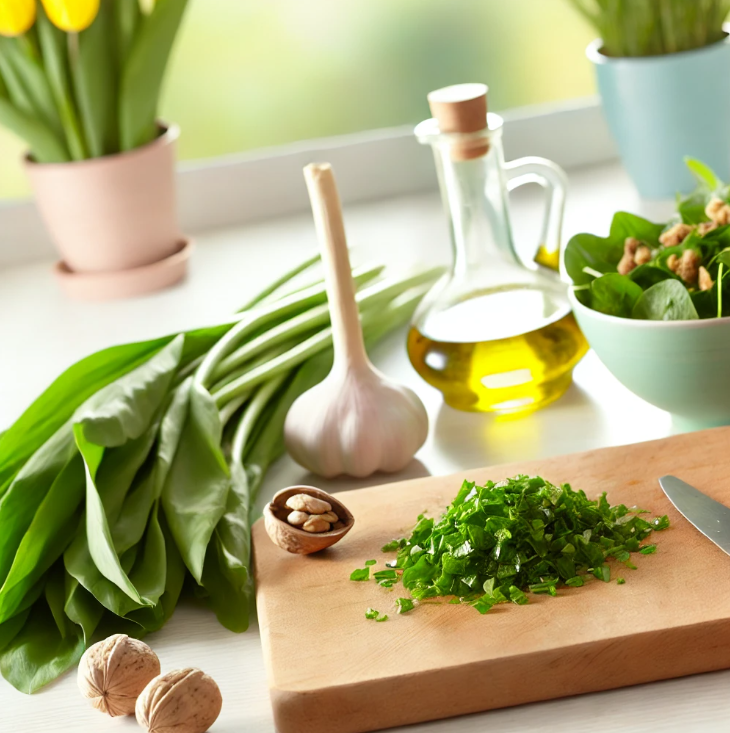
Leurda is also an ideal ingredient for soups. It can be lightly sauteed in olive oil with onions and potatoes, then added to the vegetable soup. This not only improves the taste, but also enriches the texture, bringing a touch of freshness. In addition, leurda can be used as a base for a creamy soup puree, which can be served as a healthy and comforting meal.
Leurde pesto is another popular option, offering a healthy and tasty alternative to the traditional basil-based pesto. To prepare leurde pesto, it is enough to mix the fresh leaves with walnuts, olive oil and grated parmesan, thus obtaining a delicious sauce that can be used to season pasta, salads or various grilled dishes.
In conclusion, leurda is a versatile ingredient that can be easily integrated into the daily diet, bringing both flavor and health benefits.
Here are some delicious recipes that use leurde in the kitchen:
1. Leurde salad with radishes and cheese

Ingredients:
- 1 link of leurde
- 1 bundle of radishes
- 100 g feta or telemea cheese
- 2 tablespoons olive oil
- The juice of half a lemon
- Salt and pepper to taste
Method of preparation:
- Wash leurda and radishes well.
- Cut leurda into strips and radishes into thin slices.
- Mix the vegetables in a bowl, add the diced cheese.
- Drizzle with olive oil and lemon juice.
- Season with salt and pepper to taste and serve immediately.
2. Leurde pesto

Ingredients:
- 2 links of leurde
- 50 g nuts or pine seeds
- 50 g grated parmesan
- 100 ml olive oil
- The juice of half a lemon
- Salt and pepper to taste
Method of preparation:
- Wash the leurda and put it in the blender together with the nuts, parmesan and lemon juice.
- Gradually add the olive oil, mixing until you get a smooth paste.
- Season with salt and pepper to taste.
- Use the pesto on pasta, toast or as a sauce for vegetables.
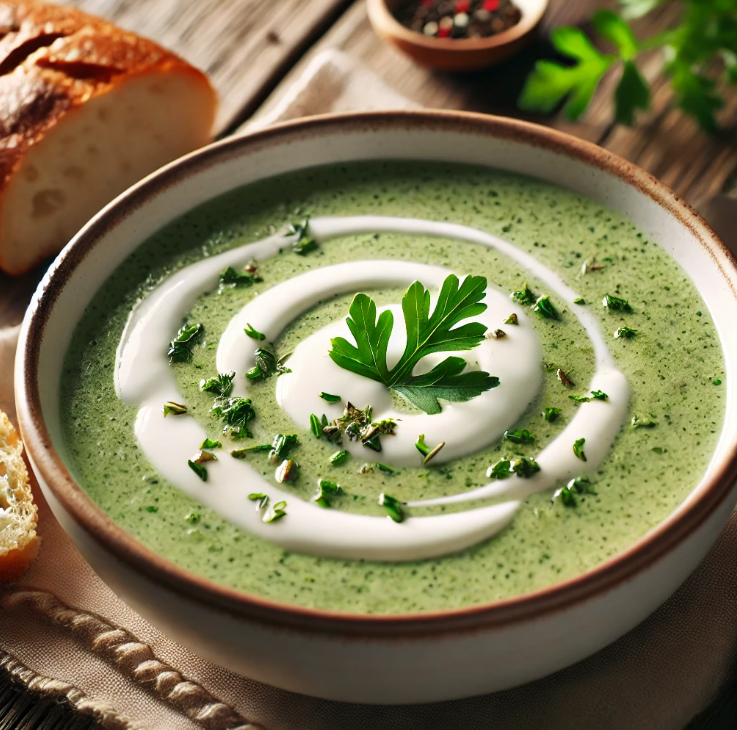
3. Leurde cream soup
Ingredients:
- 2 links of leurde
- 1 onion
- 2 potatoes
- 500 ml vegetable soup
- 100 ml of liquid cream
- 1 tablespoon olive oil
- Salt and pepper to taste
Method of preparation:
- Peel the onion and potatoes, then dice them.
- In a pot, sauté the onion in olive oil until golden.
- Add the potatoes and vegetable stock, cook until the potatoes are soft.
- Wash and cut the leurda, then add it to the pot and boil for another 2-3 minutes.
- Puree the soup with a vertical blender until it becomes creamy.
- Add the liquid cream, season with salt and pepper and serve hot.

4. Omelette with leurde and cheese
Ingredients:
- 4 eggs
- 1 link of leurde
- 50 g telemea or feta cheese
- 1 tablespoon olive oil
- Salt and pepper to taste
Method of preparation:
- Beat the eggs in a bowl and add salt and pepper.
- Finely chop the leurda and the cheese into cubes.
- Heat the oil in a pan, add the leurda and fry it gently.
- Pour the beaten eggs and sprinkle the cheese on top.
- Cook the omelet over medium heat until well done, then fold and serve warm.
5. Pasta with leurde and mushrooms

Ingredients:
- 300 g pasta (spaghetti, tagliatelle)
- 2 links of leurde
- 200 g champignon mushrooms
- 100 ml cooking cream
- 1 tablespoon olive oil
- Salt and pepper to taste
- Grated parmesan for serving
Method of preparation:
- Cook the pasta according to package directions.
- Slice the mushrooms and saute them in a pan with olive oil.
- Wash and cut the leurda, then add it over the mushrooms.
- Pour in the cream and let it simmer over low heat until the sauce thickens a little.
- Mix the cooked pasta with the leurde and mushroom sauce.
- Serve with grated Parmesan on top.
Delicious recipes with leurde
Leurda, also known as wild garlic, is a versatile ingredient that can be used in various aromatic dishes. Here are some easy-to-prepare recipes highlighting the benefits and flavor of this herb.
Leurde cream soup it is a comforting and nourishing dish. Start by sautéing a large, finely chopped onion in a little olive oil until translucent. Add about 300 grams of diced potatoes and 500 ml of water, then bring to the boil. After the potatoes are cooked, add a good handful of freshly washed leurde and let it boil for 5 minutes. Use an upright blender to cream the mixture and season with salt and pepper to taste.
The last proposed recipe is wild garlic salad. Mix fresh wild garlic leaves with cherry tomatoes, diced cucumber, and feta cheese. Season with olive oil, balsamic vinegar, salt, and pepper. This salad is a refreshing option, ideal for enjoying the benefits of wild garlic in a simple and tasty way.
The last proposed recipe is leurde salad. Mix fresh bay leaf with cherry tomatoes, diced cucumber and feta cheese. Season with olive oil, balsamic vinegar, salt and pepper. This salad is a refreshing option, ideal for enjoying the benefits of leurde in a simple and tasty way.
These recipes not only highlight the flavor of leurde, but also contribute to a balanced diet. Experiment with these dishes and add leurda in different combinations to discover new tastes.
Harvesting leurda in the wild
Picking allium ursinum (Allium ursinum) from the wild can be a pleasant and beneficial activity, but it requires special care and knowledge to avoid confusion with other plants. This species of wild garlic is recognized for its long green leaves and white flowers, characteristics that distinguish it from other potentially toxic plants. One of the most important aspects in collecting leurda is its clear recognition. Yarrow leaves have a distinctive garlic flavor, which is a conclusive clue. They also grow in dense clusters in moist, cool forests, usually in April and May.

When picking, it is essential to avoid confusing leurda with plants such as wild tulip or wild peony, which may look similar but are toxic. An effective method of identification is to tear off a leaf; leurda will give off a strong smell of garlic, while the other plants will not exhibit this characteristic. It is also recommended to pick the plants from clean areas, away from pollution or pesticides.
In terms of legal considerations, it is important to check your local regulations regarding wild harvesting. Many protected areas have strict bans on harvesting plants, including leurda, to preserve natural ecosystems. Make sure you have the necessary permits and follow the established rules to protect biodiversity and avoid penalties. Thus, picking leurda will be not only a pleasant activity, but also an ecologically responsible one.
Growing leurda at home
Growing leurda (Allium ursinum) at home is an excellent option for herb lovers, offering not only culinary but also health benefits. To ensure optimal development, it is essential to pay special attention to soil, lighting and watering conditions. This plant prefers moist, well-drained, nutrient-rich soil. An ideal composition would include garden soil mixed with compost or organic fertilizer, which will help stimulate growth.

Leurda requires a shady or partially shaded place to develop properly. Direct exposure to the sun can negatively affect the health of the plant, and this can be seen by dry or yellowing leaves. For this reason, places under trees or in shadier corners of the garden are ideal for growing leurda. If it is decided to grow in pots, it is recommended to choose a pot deep enough to allow the development of the root system.
Watering is another important aspect in leurda care. This plant prefers a moist environment, but not excessively wet, which could lead to root rot. It is recommended to water the plant regularly, maintaining a balance between moisture and drainage. Also, applying an organic mulch can help retain soil moisture and prevent uncontrolled plant growth. By observing these conditions, growing leurda at home will be a pleasant and fruitful experience.
The ecological impact of leurda harvesting
Allium ursinum (Allium ursinum) picking has gained popularity in recent decades, both for its nutritional properties and its distinctive flavors. However, excessive harvesting of this plant from the wild can have a significant negative impact on local populations. Some studies suggest that, in certain regions, uncontrolled harvesting activity can lead to the decline of leurda populations, thus affecting the ecosystems in which it thrives.
Leurda grows in moist forests with rich soils and plays an important role in maintaining biodiversity. It is a food source for various wildlife, including insects and mammals. Over-harvesting can disrupt this ecological balance, affecting not only the plants but also the organisms that depend on them for food. Also, the removal of mature gorse plants can prevent the natural regeneration of populations, which deepens the problem of its disappearance in certain areas.
The importance of protecting natural resources and adopting sustainable practices thus become essential priorities. It is crucial that both harvesters and traders follow local regulations regarding the harvesting of leurda. For example, using harvesting methods that allow the plant to regenerate, such as picking only the leaves without uprooting the plant, can help maintain a healthy population of sedge in the wild.
In conclusion, to secure the future of this valuable plant and preserve the ecological balance, it is essential to be aware of the negative effects of overharvesting and to engage in sustainable harvesting practices. This will not only protect the leurda, but also contribute to the preservation of biodiversity in natural environments.

Conclusion: the value of leurda in our culture and diet
Leurda, scientifically known as Allium ursinum, plays a significant role in Romanian culinary traditions and contributes to our overall health. This aromatic herb, recognized for its distinctive flavor and beneficial properties, has been used for generations in various culinary preparations. Eating leurde not only enriches the meals with a special flavor, but also brings many essential vitamins and nutrients for the body.
In Romania, leurda is often associated with spring, due to its harvest period that coincides with the return to life of nature. This wild vegetable is present in many traditional recipes, such as pies, salads or soups, offering not only a unique taste, but also a lot of nutritional benefits. By consuming leurde, it can help strengthen the immune system, detoxify the body and improve cardiovascular health.

The importance of leurda is not only limited to food, but also to the cultural aspect. This plant symbolizes the connection between man and nature, recalling traditional gathering practices and respect for local flora. Thus, it is essential to encourage the exploration and knowledge of leurda, either by gathering it in the wild or by including it in our daily diet. By searching for leurda, we connect with nature and ancestral traditions, promoting a healthy and sustainable lifestyle.
Therefore, leurda, with all its benefits and cultural values, deserves to occupy a leading place in our diet and to be celebrated as a valuable ingredient in Romanian cuisine.
1. What is leurda and how do we recognize it in nature?
Leurda (Allium ursinum), also known as wild garlic, is a perennial herbaceous plant characterized by long green leaves and an intense garlic smell. It grows in moist, shady forests, usually in spring, between March and May. The flowers are white, arranged in the shadows, and the distinctive aroma helps to identify the plant, differentiating it from other species, some of them toxic, such as water lily.
2. What are the main nutritional benefits of leura?
Leurda is an excellent source of vitamins such as vitamin C, which strengthens the immune system, and vitamins A and B, essential for eye health and metabolism. It is rich in minerals such as iron, calcium and magnesium, beneficial for bone health and preventing anemia. It contains antioxidants and sulphurous compounds, such as allicin, which fight free radicals and help detoxify the body.
3. What therapeutic properties does leurda have?
Leurda is recognized for its anti-inflammatory, antimicrobial and detoxifying effects. Allicin, an active compound, helps reduce inflammation and fight bacterial and fungal infections. Leurda supports cardiovascular health by reducing blood pressure and cholesterol. It also helps detoxify the liver and kidneys, removing heavy metals from the body.
4. How can leurda support heart health?
Leurda contributes to cardiovascular health by dilating blood vessels and reducing blood pressure. Its potassium content regulates the heart rate, and sulfur compounds reduce bad cholesterol (LDL), preventing the accumulation of atherosclerotic plaques. Regular consumption can lower the risk of heart disease and stroke.
5. How to prepare leurde tincture and what is it useful for?
For the tincture, fresh leaves of leurde are chopped and infused in food alcohol for 14 days, then strained. Administer 10-15 drops diluted in water, 2-3 times a day. The tincture is effective for detoxification, lowering blood pressure and strengthening immunity. It is also useful for supporting digestion and relieving respiratory problems.
6. How can leurda be used in the kitchen?
Leurda is a versatile ingredient, suitable for salads, soups, pesto and omelettes. Fresh leaves provide a distinctive garlic flavor, and their nutritional value makes them ideal for healthy recipes. A simple pesto with leurde, walnuts, olive oil and parmesan cheese can be used for pasta or canapes.
7. How to grow leurda at home?
Leurda can be grown in the garden or in pots, preferring rich, moist soil and a shady spot. The seeds or bulbs are planted in the fall and the plants will flower in the spring. Regular watering and applying a mulch to maintain moisture is important. Home cultivation provides access to fresh leaves without affecting wild populations.
8. What are the risks of overharvesting from nature?
Overharvesting can lead to the decline of wild populations and damage to forest ecosystems. Leurda plays an important role in biodiversity by feeding pollinating insects and other animals. It is essential to follow local regulations, harvest moderately and avoid root destruction to allow regeneration.
9. How to avoid confusion between wild garlic and other toxic plants?
Wild garlic can be confused with plants such as Lily of the Valley, which is toxic. For correct identification, tear a leaf and check for the strong garlic smell. Wild garlic leaves are thinner and shiny, and the plant has small white flowers arranged in umbels. Only pick from areas where you are certain of the identification.
Recipe 1: Classic Wild Garlic Tincture
Ingredients:


Do you enjoy the content on Agenda Creativa?
Your contributions help me create new articles, share creative ideas, and keep this platform alive! If you like what I do and want to support my work, you can buy us a coffee.
Every cup of coffee means more than just a gesture – it's direct support for my passion to create inspiring and useful content. Thank you for being part of this journey!
☕ Buy me a coffee