The Foundation of High Performance
For decades, hustle culture sold us a toxic lie: sleep is a luxury, and exhaustion is a status symbol. We traded hours of rest for extra hours at the desk, believing that sheer willpower could override our biological limits. But modern neuroscience and performance psychology have completely debunked this myth. If you want to operate at peak capacity, manage your time effectively, and maintain your mental health, sacrificing rest is the worst strategy you can deploy.
The secret to sustainable productivity is not a new app, a complex time-blocking method, or another cup of coffee. It is sleep hygiene. Quality sleep is the foundational habit upon which all other organizational and productivity systems rest. Without it, your cognitive abilities degrade, your emotional regulation falters, and your output plummets.

The Biology of Sleep and Productivity
To understand why sleep is the ultimate productivity multiplier, we have to look at what happens in the brain when the lights go out. Sleep is not a passive state of unconsciousness; it is an active, highly organized process of biological maintenance.
During the deeper stages of sleep, your brain performs critical cognitive housekeeping. It consolidates memories, moving information from short-term storage to long-term retention. This means the skills you learned and the information you processed during the day are hardwired into your brain while you rest. If you cut your sleep short, you interrupt this consolidation phase, leading to forgetfulness and a steep decline in learning capacity.
Furthermore, sleep is when the brain literally cleans itself. The glymphatic system, the brain’s waste clearance pathway, becomes highly active during deep sleep. It flushes out toxic byproducts that accumulate during waking hours, including amyloid-beta proteins. When you wake up after a poor night of sleep and feel that familiar “brain fog,” you are experiencing the effects of a brain that has not properly cleared its metabolic waste. You cannot organize your day or execute complex tasks efficiently when your neurological hardware is bogged down by toxins.
Sleep’s Direct Impact on Mental Well-being
Productivity does not exist in a vacuum. Your ability to focus and get things done is inextricably linked to your mental health. Chronic sleep deprivation is a massive disruptor of emotional stability.
When you are sleep-deprived, the amygdala—the brain’s emotional control center—becomes hyperactive. Studies show that a lack of sleep can increase amygdala reactivity by up to 60%. This is why minor inconveniences, like a delayed email or a spilled cup of coffee, can feel like catastrophic events when you are exhausted. At the same time, the connection between the amygdala and the prefrontal cortex (the area responsible for logical reasoning and impulse control) is severely weakened.
This neurological disconnect mimics the symptoms of anxiety and depression. You become more reactive, less resilient to stress, and highly susceptible to burnout. It becomes nearly impossible to maintain a positive, organized mindset when your brain is trapped in a biological state of fight-or-flight. Prioritizing sleep hygiene is one of the most effective, immediate ways to stabilize your mood and protect your mental well-being.
What Exactly is Sleep Hygiene?
People often confuse “getting enough sleep” with “sleep hygiene,” but they are not the same thing. You can spend eight hours in bed and still wake up exhausted if the quality of your rest is poor. Sleep hygiene refers to the environment and the daily habits that promote consistent, uninterrupted, restorative sleep.
Think of sleep hygiene as the organizational system for your physical recovery. Just as you would not expect to do your best work at a messy, noisy desk, you cannot expect your brain to transition into deep sleep in a chaotic, unoptimized environment.
Actionable Sleep Hygiene Habits for High Output
Improving your sleep hygiene requires intentionality. Here are practical, science-backed strategies to optimize your sleep architecture, boost your daily productivity, and protect your mental health.
1. Implement the 3-2-1 Shutdown Rule
What you do in the hours leading up to bedtime dictates the quality of your sleep. The 3-2-1 rule is a simple framework to help your body transition from active wakefulness to rest.
- 3 hours before bed: Stop eating large meals and drinking alcohol. Digestion requires energy, and processing food can raise your core body temperature, which disrupts sleep architecture. Alcohol might help you fall asleep faster, but it destroys REM sleep, leaving you groggy the next day.
- 2 hours before bed: Stop working. Close the laptop and stop checking emails. You need to signal to your brain that the demands of the day are over, allowing your cortisol levels to drop.
- 1 hour before bed: Stop looking at screens. The blue light emitted by phones and televisions suppresses the production of melatonin, the hormone responsible for regulating your sleep-wake cycle.
2. Optimize Your Sleep Environment
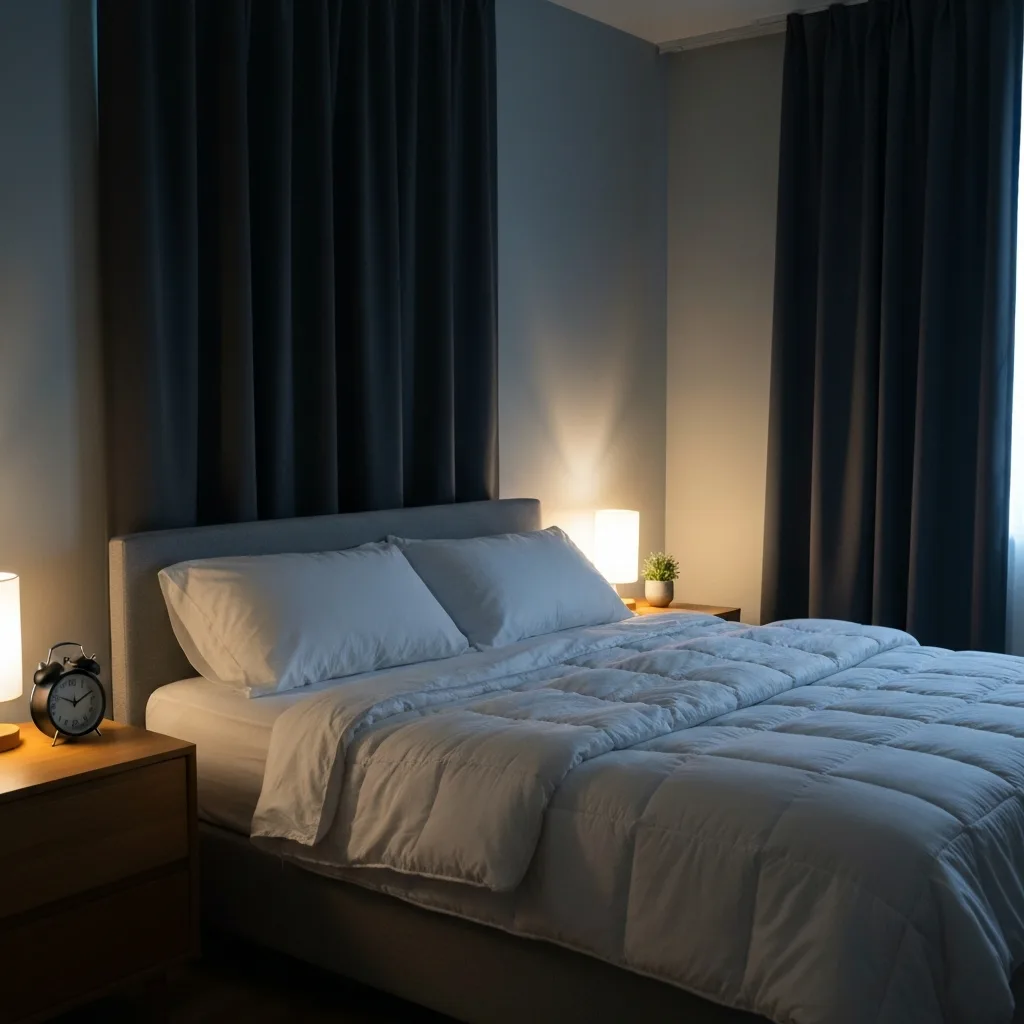
Your bedroom should be optimized for one primary function: rest. To achieve this, you need to control three variables: light, temperature, and noise.
First, make your room as dark as possible. Even small amounts of ambient light from streetlamps or electronic devices can penetrate your eyelids and disrupt melatonin production. Invest in high-quality blackout curtains or use a sleep mask.
Second, drop the temperature. Your core body temperature needs to decrease by about two to three degrees Fahrenheit to initiate and maintain sleep. The optimal bedroom temperature for most people is surprisingly cool—around 65 degrees Fahrenheit (18 degrees Celsius).
Finally, manage noise. If you live in a noisy environment, use a white noise machine or earplugs to mask disruptive sounds that could pull you out of deep sleep cycles.
3. The Consistency Principle
Your brain relies on circadian rhythms—a 24-hour internal clock—to regulate sleepiness and wakefulness. This clock thrives on routine. Going to bed and waking up at wildly different times confuses your circadian rhythm, leading to a state of perpetual “social jetlag.”
To fix this, anchor your wake-up time. Set an alarm for the exact same time every single day, including weekends. While you might occasionally go to bed later than planned, keeping your wake-up time consistent will eventually force your body to feel tired at the appropriate time in the evening. Consistency is the single most powerful tool for training your biological clock.
4. Cognitive Offloading Before Bed
One of the most common barriers to falling asleep is a racing mind. When you lie in the dark, your brain finally has the quiet space to process the day’s events and worry about tomorrow’s tasks. This can cause a spike in anxiety right when you need to relax.
To combat this, practice cognitive offloading. Keep a notebook on your nightstand. About an hour before bed, write down everything that is on your mind. List the tasks you need to accomplish tomorrow, the problems you are trying to solve, and any lingering anxieties. By transferring these thoughts from your brain to a piece of paper, you give your mind permission to let them go for the night. This simple organizational habit drastically reduces sleep onset latency (the time it takes to fall asleep).
5. Manage Morning Light Exposure
Sleep hygiene does not just happen at night; it starts the moment you wake up. Morning sunlight is the primary signal that resets your circadian rhythm for the day. When bright light hits your eyes, it triggers a healthy spike in cortisol, shakes off sleep inertia, and starts a biological timer that will make you naturally sleepy 14 to 16 hours later.
Aim to get outside and expose your eyes to natural sunlight for 10 to 15 minutes within the first hour of waking. If you wake up before the sun rises, turn on bright overhead lights until you can get outside.
The Non-Negotiable Foundation
Organizing your task list, optimizing your calendar, and setting ambitious goals are all important aspects of productivity. But none of these tactics matter if the person executing them is running on an empty battery. Poor sleep destroys focus, shatters emotional resilience, and completely derails your mental well-being.
By treating sleep hygiene with the same respect and discipline that you apply to your work, you transform rest from a passive necessity into an active advantage. Protect your sleep, and your productivity and mental health will naturally follow.

Do you enjoy the content on Agenda Creativa?
Your contributions help me create new articles, share creative ideas, and keep this platform alive! If you like what I do and want to support my work, you can buy us a coffee.
Every cup of coffee means more than just a gesture – it's direct support for my passion to create inspiring and useful content. Thank you for being part of this journey!
☕ Buy me a coffee