Thyme (Thymus serpyllum): Benefits, Uses, and Properties

Introduction to the World of Thyme

Thyme, scientifically known as Thymus serpyllum, is an aromatic plant from the Lamiaceae family that has proven to have multiple benefits in both the culinary and medicinal fields. This species of thyme originally appears in the Mediterranean regions and later spreads to parts of Europe, Asia, and North Africa. As a perennial plant, thyme often grows in dry, rocky soils, preferring sunny areas where it can fully develop its intense aroma and therapeutic properties.

The botany of thyme provides relevant information about its morphology. This plant has woody stems at the base, with thin shoots and usually modest heights of up to 30 cm. The leaves are opposite, small, oval-shaped, with a fine texture and an intense green color. The flowers, usually a delicate violet or pink, attract pollinators, contributing to the local ecosystem. This plant is not only a popular ingredient in gastronomy but also an element with significant historical meaning, used in traditional medicine since ancient times.

In various cultures, thyme has been used as a remedy for different ailments, including respiratory or digestive problems. Over the centuries, its popularity has grown, and contemporary research confirms its beneficial effects, making Thymus serpyllum an exceptionally valuable plant. Detailed knowledge of this plant’s origin and use is essential to appreciate its role in society and to explore the ways in which it can be integrated into modern lifestyles.

Medicinal Properties of Thyme

Thyme (Thymus serpyllum) is an herbaceous plant with multiple medicinal properties, recognized in traditional medicine for its beneficial effects on health. Among the most notable characteristics of thyme are its antimicrobial, antioxidant, and anti-inflammatory properties.

The active components of thyme, such as thymol and carvacrol, have demonstrated significant antimicrobial effects by acting against a variety of bacteria, fungi, and viruses. These properties make it a natural inhibitor of infections, often used in natural treatments to combat colds, respiratory infections, and other common ailments. Additionally, thyme infusions are used for gargling in cases of throat and tonsil inflammation.

In addition to its antimicrobial effects, thyme also contains powerful antioxidants that help protect the body against oxidative stress. These compounds contribute to the neutralization of free radicals, thereby reducing the risk of cellular degeneration and chronic diseases. For this reason, consuming thyme may play a preventive role in the development of cardiovascular diseases and other conditions associated with aging.

The anti-inflammatory properties of thyme are also remarkable. Studies have shown that thyme extracts can reduce the inflammation and pain associated with various acute and chronic conditions. These effects are largely due to the bioactive compounds found in this plant, which moderate the body’s inflammatory response. Regular use of thyme in the diet or as supplements can bring significant benefits for overall health.

Therefore, thyme proves to be a valuable ingredient not only in the kitchen but also in complementary therapy, having considerable potential for ensuring a healthy lifestyle.

Here are a few recipes for thyme tea and their therapeutic uses:

  1. Simple Thyme TeaIngredients:
    • 1 teaspoon of dried thyme
    • 250 ml of boiling water
    Method of Preparation:
    • Add the thyme to a cup.
    • Pour boiling water over the thyme.
    • Cover and let steep for 10 minutes.
    • Strain and drink the warm tea.
    Use:
    • For coughs and colds: Thyme tea helps to soothe coughs and acts as a natural expectorant, aiding in the removal of mucus from the respiratory tract.
    • For the immune system: It has antimicrobial and anti-inflammatory properties that help fight infections.
  2. Thyme Tea with HoneyIngredients:
    • 1 teaspoon of dried thyme
    • 250 ml of boiling water
    • 1 teaspoon of honey
    Method of Preparation:
    • Prepare the simple thyme tea as per the above recipe.
    • After the tea has cooled slightly, add the honey and mix well.
    Use:
    • For sore throats: Honey combined with thyme has a soothing and emollient effect on an irritated throat.
    • For immunity: The mixture is excellent for supporting the immune system during colds.
  3. Thyme Tea with LemonIngredients:
    • 1 teaspoon of dried thyme
    • Juice from ½ a lemon
    • 250 ml of boiling water
    • 1 teaspoon of honey (optional)
    Method of Preparation:
    • Prepare the base thyme tea as per the basic recipe.
    • After the tea has cooled slightly, add the lemon juice and, if desired, the honey.
    Use:
    • For digestion: The lemon adds a digestive effect that helps to alleviate bloating and gastric discomfort.
    • For detoxification: Combined with lemon, this tea is a good detoxifier and can stimulate metabolism.
  4. Thyme Tea with GingerIngredients:
    • 1 teaspoon of dried thyme
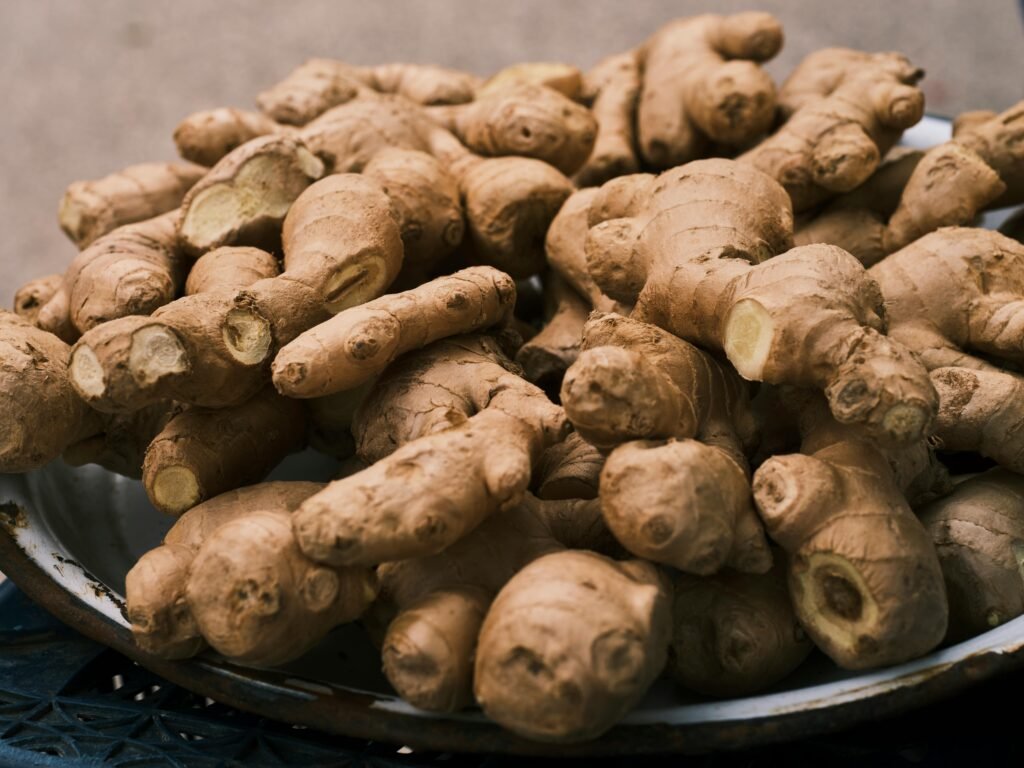
    • 1 slice of fresh ginger
    • 250 ml of boiling water
    Method of Preparation:
    • Place the thyme and ginger in a cup.
    • Pour boiling water over them.
    • Let steep for 10 minutes, strain, and drink warm.
    Use:
    • For coughs and breathing: Ginger adds a refreshing effect, and thyme helps open the respiratory tract and eliminate mucus.
    • For inflammation: This tea has anti-inflammatory effects and helps alleviate headaches and feverish states.
  5. Thyme Tea with MintIngredients:
    • 1 teaspoon of dried thyme
    • 1 teaspoon of dried mint
    • 250 ml of boiling water
    Method of Preparation:
    • Place the thyme and mint in a cup.
    • Pour boiling water over them and let steep for 10 minutes.
    • Strain and consume the warm tea.
    Use:
    • For indigestion: Combined with mint, this tea helps to alleviate digestive discomfort and reduce stomach cramps.
    • For relaxation: Mint adds a relaxing and refreshing effect, perfect for reducing stress and improving sleep.

These thyme teas are beneficial for the respiratory, digestive, and immune systems, offering a natural solution for various ailments.

Culinary Uses of Thyme

Thyme (Thymus serpyllum) is an aromatic plant highly prized in gastronomy due to its distinct taste and its many nutritional properties. This herb can be used in numerous dishes, adding not only a note of flavor but also extra health benefits. Thyme is often used to season meat, fish, and vegetables, but it can also be incorporated into various sauces and soups. Traditional recipes that include thyme range from meat stews, oven-roasted vegetable dishes, to various Mediterranean preparations where fresh flavors are essential.

To integrate thyme into a daily diet, one can start by adding it to simple dishes, such as vegetable salads or baked potatoes. Just one teaspoon of dried thyme or a few fresh leaves can transform an ordinary dish into a refined culinary experience. Additionally, thyme infusions are especially comforting and can bring digestive benefits, making them ideal for evening meals.

In addition to its pleasant taste, thyme is also known for its antioxidant, antiseptic, and anti-inflammatory properties. These benefits can improve not only the flavor of foods but also the well-being of those who consume them. In this context, enriching the diet with thyme can offer not only an explosion of aromas but also an important source of nutrients.

Delicious Recipe: Chicken with Thyme

To prepare a delicious chicken with thyme dish, the following ingredients are needed:

  • 1 kg of chicken thighs
  • 4-5 cloves of garlic
  • 3 tablespoons of olive oil
  • 2 tablespoons of fresh thyme (or 1 tablespoon of dried thyme)
  • Salt and pepper to taste
  • Juice from one lemon
  • 200 ml of chicken broth

These ingredients combine perfectly to offer a savory, aromatic, and healthy dish.

To begin, preheat the oven to 200 degrees Celsius. In a large bowl, mix the olive oil, crushed garlic, thyme, lemon juice, salt, and pepper. Add the chicken thighs to this mixture, ensuring that they are well coated with the marinade. Let them marinate for approximately 30 minutes to allow the flavors to permeate the meat.

After the thighs have marinated, place them in a baking dish. Pour the chicken broth over the chicken, then place the dish in the oven. Roast for approximately 40-50 minutes, or until the chicken becomes golden and succulent, and the internal temperature reaches 75 degrees Celsius.

Chicken with thyme can be served alongside garnishes such as mashed potatoes, grilled vegetables, or a fresh salad. This recipe is not only simple to prepare but also combines the fine taste of thyme with the delicate flavor of chicken, providing a delicious meal for loved ones. Additionally, thyme brings health benefits, enriching the dish with antioxidants and antibacterial properties.

Thyme in Aromatherapy

Thyme (Thymus serpyllum) is an aromatic plant appreciated not only for its flavor but also for the therapeutic properties it offers, especially in the field of aromatherapy. The essential oils extracted from thyme are used to promote physical and mental well-being, having beneficial effects on mood and overall health. The process of extracting thyme essential oil is usually carried out by steam distillation of fresh or dried plants, a method essential to preserve the active compounds such as thymol, carvacrol, and other volatile oils.

These active substances contribute to the anti-stress and anxiolytic effects of thyme essential oil. By inhaling the vapors or using it in diffusers, thyme can help reduce tension and anxiety, thereby promoting a state of deep relaxation. Furthermore, essential oil blends that include thyme are often used in therapeutic massages, where not only the aroma but also its analgesic properties provide a beneficial experience for reducing muscular stress and accumulated tension.

The use of thyme in aromatherapy is not limited solely to emotional effects; it also demonstrates potential anti-inflammatory and antiseptic properties. Therefore, it is recommended in cases of colds or flu, being an excellent option for improving respiratory health. Consulting with an aromatherapy specialist is essential to determine the most appropriate methods and dilutions needed based on individual needs, while avoiding potential adverse reactions. By integrating thyme into an aromatherapy routine, users can experience a calming and revitalizing ambiance that significantly contributes to general well-being.

Thyme in Gardening

Cultivating thyme (Thymus serpyllum) is an exceptional choice for vegetable or herb gardens, not only because of its pleasant aromas but also due to its numerous health benefits. Thyme grows best in well-drained soils with a neutral pH, preferring areas with constant temperature and moderate humidity. It is recommended to avoid overly wet soils, as these can lead to root rot.

It is important to choose a location exposed to sunlight, as thyme needs at least 6-8 hours of sunlight per day to develop optimally. Additionally, planting thyme in areas with good air circulation can help prevent fungal diseases that are often caused by stagnant moisture around the plant. Begin by planting thyme in the spring once the frost risk has passed, using seeds or transplants.

Caring for the plant is quite simple. It is recommended to apply a thin layer of compost each year to ensure the necessary nutrients are available. Watering should be balanced; during dry periods, the plant may require additional attention, but it is essential not to overwater in order to avoid damaging the roots.

Thyme can be grown both in the garden and in pots. If you choose to grow it indoors, ensure that it has access to natural light and fresh air. Regular trimming of the plants will promote a denser growth and ensure an intensified aroma. Therefore, to enjoy its unmistakable freshness and fragrance, cultivating thyme is an excellent solution for both beginner and experienced gardeners.

Recent Research on Thyme

Thyme (Thymus serpyllum) has captured the attention of researchers worldwide due to its therapeutic properties and traditional uses. Recently, several studies have explored the efficacy and potential of this plant in various fields. One of the most relevant studies was conducted to evaluate the antimicrobial effects of thyme. The results showed that thyme extracts demonstrated significant activity against several types of pathogenic bacteria, suggesting that this plant may be an effective natural agent in combating infections.

In addition, some studies have investigated the antioxidant effects of thyme, emphasizing its role in reducing oxidative stress. The research confirmed the presence of phenolic compounds in thyme, which contribute to this antioxidant effect. This aspect is particularly important in the context of chronic diseases, where oxidative stress plays a major role in their progression.

Another captivating area of research has been the study of thyme’s effect on respiratory health. A clinical study demonstrated that the use of thyme infusions can help alleviate symptoms associated with respiratory conditions such as cough and bronchitis. This suggests that thyme could have significant potential as a complementary treatment in modern medicine.

These findings clearly suggest that thyme is not merely an aromatic plant but an agent with multiple therapeutic benefits. However, it is essential that research continues in this field to fully understand its mechanisms of action and implications for health.

Contraindications and Side Effects

The use of thyme (Thymus serpyllum) can bring numerous health benefits, but it is important to be aware of contraindications and possible side effects that may occur. Although thyme is generally considered safe for consumption, some individuals might experience adverse reactions. For example, excessive use of thyme may cause gastrointestinal disturbances, such as nausea or diarrhea. Therefore, it is recommended to avoid consuming large doses without the supervision of a specialist.

Another aspect to consider is that thyme may interact with various medications, especially anticoagulants and drugs that affect the hormonal system. This is due to its anti-inflammatory and antimicrobial properties, which can influence the effects of other treatments. For instance, individuals undergoing treatment with anticoagulants should consult their doctor before including thyme in their diet, as it may intensify the effects of these medications and increase the risk of bleeding.

Additionally, pregnant or breastfeeding women should exercise caution, as there are not enough studies that demonstrate the safety of thyme use during these periods. It is essential that any supplement or plant-based remedy be discussed with a doctor before use. Consulting a specialist is fundamental, especially for those with pre-existing conditions or those undergoing medication, to avoid possible adverse reactions.

Cultural and Folkloric Aspects of Thyme

Thyme, scientifically known as Thymus serpyllum, has a rich history in many cultures and traditions around the world, bearing deep significance in both spirituality and popular medicine. This aromatic plant has been used over time not only as a spice but also as a symbol of courage and protection in the mythology of various peoples.

In ancient times, the Greeks believed that thyme had magical powers. It was used in purification rituals and also as an offering to the gods. It was considered that its aroma helped improve mood, and warriors would sprinkle thyme on their armor to gain bravery and strength. In ancient Rome, thyme was associated with love and was often used in bouquets of flowers presented by men to the women they loved.

Furthermore, in popular traditions in Europe, thyme is often invoked in witchcraft and natural remedies. In certain cultures, it is believed that carrying thyme can bring luck, and its purifying smoke is used to ward off evil spirits. Throughout the centuries, people valued thyme to prevent colds, believing that this plant offers natural protection against illnesses.

In conclusion, thyme throughout history has been much more than just a culinary herb, carrying profound meaning in various cultures. Folklore and traditions keep alive the memory of its symbolic uses, demonstrating its cultural and spiritual importance. These perspectives on thyme reflect the close connection between people and nature, highlighting the importance of plants in everyday life and spirituality.

Conclusions and Recommendations

Following the analysis conducted on thyme (Thymus serpyllum), it is evident that this aromatic plant brings a series of remarkable benefits for health, nutrition, and therapeutic uses. Its antimicrobial, antioxidant, and anti-inflammatory properties are essential in supporting human health. Additionally, thyme contributes to improving digestion, strengthening the immune system, and may alleviate respiratory symptoms. These beneficial effects underscore the importance of including thyme in the diet, whether as a spice or in the form of an infusion.

It is recommended that, in order to fully benefit from the properties of thyme, it be used in a diversified manner by integrating it into various culinary preparations. Regular use of thyme in culinary dishes not only improves the taste of foods but also provides an intake of essential nutrients. Recommendations for its use include adding thyme to soups, stews, salads, or as an ingredient in various marinades. Moreover, thyme infusions can be an excellent choice to support respiratory health, especially during the cold season.

However, it is important to pay attention to balance. An excess in the consumption of this plant, as with any other medicinal herb, can generate adverse effects. Therefore, it is recommended to consult a health specialist before introducing thyme into the treatment regimen for a chronic condition or for therapeutic purposes. The systematic and moderate use of thyme, alongside a balanced and varied diet, will maximize the benefits that this wonderful plant can offer. Exploring both traditional and modern knowledge about thyme can open doors to new health and nutritional practices from which long-term benefits can be reaped.

sa în grădină alături de alte plante aromatice (lavandă, rozmarin) creează un colț dedicat ierburilor, ușor accesibil pentru rețete culinare și ceaiuri.

Recent studies highlight the antimicrobial and antioxidant potential of thyme, suggesting possibilities for integration into dietary supplements and natural cosmetic products. Additionally, preliminary research suggests that thyme extracts could have beneficial effects in managing symptoms of some respiratory diseases or in reducing systemic inflammation, but additional clinical studies are needed to confirm these hypotheses. In the future, new pharmaceutical formulas and personal care products based on the active compounds in thyme could be developed, thus maximizing the potential of this aromatic plant.

  1. How is the popularity of thyme (Thymus serpyllum) explained in the history of phytotherapy?
    Thyme is a plant used since ancient times for its medicinal and culinary properties. Originating from the Mediterranean area, it was adopted in various cultures due to its intense aroma and beneficial effects on health. Historical studies show that the ancient Egyptians, Greeks, and Romans valued this plant for its antiseptic properties, using it in purification rituals and in the embalming process. Over time, popular medicine recognized thyme’s role in alleviating respiratory and digestive problems and in maintaining general health, which continuously increased its popularity.
  2. What are the main health benefits of thyme and how do they work?
    Thyme contains antioxidants (such as flavonoids) and volatile oils (such as thymol and carvacrol), which give it strong antimicrobial, anti-inflammatory, and antioxidant properties. On a respiratory level, it can help reduce inflammation, loosen secretions, and alleviate cough. In addition, thyme supports the digestive process by stimulating enzyme production, preventing bloating and indigestion. It is also capable of strengthening the immune system, being associated with a reduced risk of bacterial and viral infections.
  3. Which chemical components in thyme are responsible for its therapeutic properties?
    Among the most important chemical components are thymol and carvacrol, two phenolic compounds with strong antimicrobial and anti-inflammatory action. Thymol is known for its ability to destroy or inhibit the development of bacteria and fungi, while carvacrol acts in synergy with thymol, enhancing its efficacy. Thyme also contains other bioactive substances, including flavonoids and tannins, which contribute to its antioxidant activity, protecting the body against damage caused by oxidative stress.
  4. In what form can thyme be consumed to benefit from its medicinal properties?
    Thyme can be consumed in various forms, depending on individual preferences and needs. The most common variants include:
    • Teas: Obtained from either fresh or dried leaves by adding boiling water.
    • Tinctures: Involving the maceration of thyme in alcohol or vinegar, extracting the active compounds in concentrated form.
    • Capsules or powders: Used as dietary supplements, useful in immune-support programs.
    • Essential oil: Although potent, it must be diluted for safe external use or in aromatherapy.
  5. How is a simple thyme tea prepared and what effects can it have?
    A simple tea is prepared by adding one teaspoon of dried thyme (or two teaspoons of fresh thyme) in 250 ml of boiling water, covering the cup for 10-15 minutes. After straining, the tea can be consumed warm, optionally sweetened with honey. This tea supports respiratory function, soothes cough, and aids digestion. It may also have a calming effect, making it suitable before bedtime, especially when combined with plants such as lavender or chamomile.
  6. How can thyme be used in cooking and what benefits does it bring in the culinary field?
    Thyme is a valued spice for its strong aroma and slightly peppery taste. It pairs excellently with meat dishes (chicken, lamb, pork), in soups, stews, and also in vegetarian dishes with vegetables or mushrooms. In the culinary context, thyme not only enhances flavor but also supports digestion by reducing bloating. Its antioxidant properties help maintain the freshness of foods and can contribute, to a small extent, to reducing bacterial growth in preparations.
  7. Are there any contraindications or side effects associated with thyme use?
    In general, moderate consumption of thyme is considered safe. However, excessive use may cause digestive disturbances, such as nausea or intestinal discomfort. Individuals allergic to plants from the Lamiaceae family (such as mint or rosemary) should be cautious, as they may develop skin or respiratory reactions. Additionally, pregnant or breastfeeding women should seek advice from a specialist before consuming concentrated thyme supplements, as there are not enough studies to attest to its safety during these periods.
  8. What role does thyme play in aromatherapy and in supporting mental health?
    In aromatherapy, thyme essential oil is appreciated for its tonic and revitalizing effect. When inhaled or diffused, the aroma of thyme can improve mood, reduce feelings of mental exhaustion, and help clear the mind. Some specialists believe that the chemical substances in thyme may help reduce cortisol levels (the stress hormone), thus supporting emotional balance. However, as the essential oil is very concentrated, it requires dilution and careful application.
  9. How can thyme be integrated into the garden for those who wish to grow it at home?
    Thyme prefers well-drained soils and sunny areas and is not very demanding regarding soil type. It can be planted in both spring and autumn, using seeds or cuttings. Young transplants require moderate watering, without excess, to avoid root rot. In general, thyme is a hardy perennial that can be harvested regularly to stimulate the growth of new shoots. Placing it in the garden alongside other aromatic plants (such as lavender, rosemary) creates a dedicated herb corner, easily accessible for culinary recipes and teas.
  10. What do recent studies say about the properties of thyme and its potential future uses?
    Recent studies highlight the antimicrobial and antioxidant potential of thyme, suggesting possibilities for its integration into dietary supplements and natural cosmetic products. Additionally, preliminary research indicates that thyme extracts might have beneficial effects in managing symptoms of certain respiratory diseases or reducing systemic inflammation, although further clinical studies are necessary to confirm these hypotheses. In the future, new pharmaceutical formulas and personal care products based on the active compounds in thyme could be developed, thereby maximizing the potential of this aromatic plant.

Swedish Herb Compresses: Tradition, Benefits and Ways of Use

Introduction to Swedish Herb Compresses

Swedish herb compresses represent a traditional form of natural treatment with deep roots in the history of Scandinavian folk medicine. These remedies have been used for centuries as an effective method to treat various ailments, primarily relying on the curative properties of local plants. The history of this type of compress is intertwined with the ancient traditions of Northern culture, which combined botanical knowledge with empirical experiences in health treatments.

The origin of Swedish herb compresses can be traced back to indigenous communities living in the northern regions, where the harsh climate and abundant nature offered a variety of medicinal plants. These communities developed specific methods of preparing compresses, using herbs such as chamomile, St. John’s wort, or sage, plants renowned for their soothing and anti-inflammatory effects. Over time, these practices were influenced by contributions from other European cultures, thereby consolidating a complex system of natural remedies.

In traditional Swedish medicine, the herbal compress is applied to the affected areas of the body, with the purpose of reducing pain, alleviating inflammation, and promoting healing. In their characteristic style, the northerners incorporated the use of these herbs not only for their therapeutic effects but also as part of local rituals, emphasizing the deep connection between man and nature. This holistic approach underlines the importance of balance and harmony, honoring ancestral traditions and the power of plants as natural remedies, thus laying the groundwork for the use of Swedish herb compresses even today.

Swedish Herbs: What They Are and How They Work

Swedish herbs represent a combination of medicinal plants that have been used over the centuries in traditional medicine, especially in the northern regions. These plants are often used in the form of compresses, which are applied to the skin to treat various conditions. The composition of Swedish herbs includes a varied selection of plants, each having specific therapeutic properties. Among the most common herbs are marigolds, chamomile, licorice, and echinacea.

The active principles in these plants are responsible for their beneficial effects on the body. For example, marigolds contain carotenoids, which have anti-inflammatory properties, thus helping to reduce inflammation and skin irritation. Chamomile is renowned for its soothing and antispasmodic effects, often being used in compresses to alleviate localized discomfort. Licorice is appreciated for its antimicrobial and antioxidant properties, making it useful in treating skin infections.

These Swedish herbs work in synergy, facilitating the body’s recovery by stimulating blood circulation and reducing muscle tension. By applying the compress with these plants, the active substances penetrate the skin, helping to alleviate pain and promote an overall sense of well-being. It is important to note that the efficacy of these herbs can vary depending on the individual and on how they are used, so adults or children wishing to try these natural remedies should seek the advice of a health specialist.

The Benefits of Swedish Herb Compresses

Swedish herb compresses are attributed numerous benefits thanks to the natural ingredients from which they are made. These traditional treatments are popular among those seeking alternative solutions for alleviating various ailments. One of the main advantages of using Swedish herb compresses is their ability to reduce muscular and joint pain. Herbal gardens are often rich in active substances that help relax inflamed tissues, providing quick relief for users.

In addition, the compress promotes blood circulation. This circulatory stimulation can be crucial for the body’s recovery after intense physical exercise or following injuries. Many case studies have shown that individuals who applied such compresses experienced quicker muscle regeneration, which allowed them to return to their daily activities in a shorter time.

Another important aspect is the anti-inflammatory effect associated with the use of herbal compresses. By utilizing various medicinal plants, these compresses can reduce localized inflammations, helping to alleviate symptoms related to arthritis or other inflammatory conditions. Users’ testimonials frequently emphasize the effectiveness of these natural treatments, with many people reporting a significant decrease in discomfort and overall improvements in their health.

For this reason, the use of Swedish herb compresses proves to be a viable option for those who wish to address health issues through traditional methods while enjoying the benefits of natural plants.

How to Prepare Swedish Herb Compresses

Preparing Swedish herb compresses is a simple yet effective process that can easily be carried out at home. The first important step is the selection of herbs, which should be fresh or dried, depending on availability. Herbs such as chamomile, lavender, rosemary, and thyme are often used because of their beneficial properties. Ensure that the selected herbs are of superior quality and, if possible, sourced organically.

Once you have chosen the appropriate herbs, the next step is to infuse them. A common method is to add about 2–3 tablespoons of herbs into a container with approximately 500 ml of boiling water. Cover the container and let the mixture sit for 15–20 minutes. This step allows the release of the active substances from the herbs, increasing the efficiency of the compresses. Meanwhile, prepare a cheesecloth or a strip of clean fabric that will be used as the base for the compress.

After the infusion has cooled slightly, strain the mixture to remove the herbs. Moisten the cheesecloth or fabric in the obtained infusion and gently squeeze to avoid drips. Then, apply the compress to the desired area of the skin, ensuring that it is comfortable. It is recommended to leave the compress on the skin for 15–30 minutes, depending on your needs. This practice not only helps to ease discomfort but also brings a feeling of relaxation and well-being.

Swedish herbs, a mixture of plants traditionally used in alternative medicine, contain a variety of botanical components that contribute to their therapeutic benefits. Among the key plants are Ruta graveolens, myrrh, and Valeriana officinalis. Each of these plants brings its own qualities, collaboratively enhancing the overall effects of the mixture.

Ruta graveolens, also known as common rue, is valued for its anti-inflammatory and antispasmodic properties. This plant can help alleviate cramps and reduce inflammation, making it a valuable ingredient in various remedies. In addition, it is also used to support digestion by stimulating bile flow and facilitating nutrient absorption.

Myrrh, another essential ingredient of Swedish herbs, is extracted from the resin of a woody plant. This component contributes to antibacterial and antifungal effects and is especially used to support oral and throat health. Moreover, myrrh is known for its calming properties on the nervous system, positively affecting anxiety and stress.

Similarly, Valeriana officinalis is famous for its sedative effects, often being used to alleviate insomnia and promote restful sleep. This plant also has relaxing qualities, helping to reduce tension and prevent mental unrest.

Combining these plants in Swedish herb recipes generates a synergistic blend, effective in supporting overall health. Thus, each component not only retains its individual benefits but also contributes to enhancing the global effect of the mixture, making Swedish herbs a popular option in alternative therapies.

Indications and Contraindications for Use of Compresses

Swedish herb compresses are recognized for their therapeutic properties, their use being associated with various health benefits. It is important to understand both the indications and the contraindications before resorting to this form of natural treatment. In general, the compresses are used to soothe inflammations, reduce localized pain, and support tissue regeneration. They may also be useful in conditions such as arthritis, bruises, or muscle pain. Containing natural ingredients, the compresses contribute to muscle relaxation, thus improving general comfort.

However, it is essential to pay attention to possible contraindications. The use of Swedish herb compresses is not indicated for individuals who suffer from allergies to the active ingredients in these herbal blends. Additionally, people with dermatological conditions such as eczema or psoriasis should avoid applying the compresses, as these may exacerbate symptoms. Furthermore, the use of compresses is contraindicated in cases of active infections or open wounds, as this can worsen the overall health status by introducing bacteria.

It is imperative that any use of Swedish herb compresses be preceded by consultation with a doctor or a specialist in phytotherapy. These professionals can provide personalized information and recommendations based on each individual’s health status. This way, the safe and effective use of these natural remedies is ensured, minimizing possible risks.

Personal Experiences

Swedish herb compresses have become increasingly popular over the past decades, and user experiences reflect the effectiveness of these natural remedies. Many people have discovered that using these compresses has provided them with relief and comfort in various conditions. For example, Maria, a patient who suffered from chronic muscle pain, chose to integrate Swedish herb compresses into her daily routine. She observed a significant improvement in her discomfort and reported increased mobility after using this treatment for several weeks.

Another example is the story of Ion, who tried the compresses as part of a complementary therapy following a surgical intervention. Ion claimed that the regular application of the compresses contributed to reducing inflammation and accelerated his recovery process. He was impressed by the calming effects and by the way these natural preparations helped him feel better both physically and mentally.

Success stories do not stop here. Ana, who used Swedish herb compresses for dermatological issues, noticed an improvement in her skin condition, which boosted her self-confidence. Many reviews also underline the beneficial effect these remedies have in managing stress and tension. In addition, users appreciate the ease of preparing the compresses and the accessibility of the herbs used.

These testimonies demonstrate that Swedish herb compresses can offer effective solutions for a variety of health problems, turning the personal experiences of users into a testament to the natural power of this type of treatment.

Comparing Compresses with Other Treatment Methods

Within the various treatment approaches for different conditions, Swedish herb compresses stand out by offering a natural alternative to conventional medications. In comparison with pharmaceutical drugs, which may include significant side effects and dependency, Swedish herb compresses are often considered safer. They utilize natural extracts from plants, having a milder impact on the body. However, their effectiveness may vary depending on the individual and the severity of the condition treated.

It is important to mention that although Swedish herb compresses can offer therapeutic benefits, they should not replace conventional medical treatments when these are necessary. For example, in cases of acute or severe conditions, such as infections, prompt medical intervention is essential. In this context, if used in parallel with standard treatments, the compresses can improve patient comfort and aid in recovery.

In contrast with other alternative therapies, such as acupuncture or aromatherapy, Swedish herb compresses focus on the direct application of active substances to the affected areas of the body. This localized method facilitates the penetration of ingredients into inflamed or painful zones. However, the use of these compresses may require prior preparation, unlike conventional medications, which are ready for administration.

Thus, each treatment method presents distinct advantages and disadvantages. It is essential for the patient to assess the available options, consult with specialists, and consider both their individual needs and the nature of the condition to choose the most appropriate therapeutic approach.

Tips for Integrating Compresses into a Daily Routine

Integrating Swedish herb compresses into a daily routine can bring numerous benefits for health and well-being. It is important to adopt a systematic approach so that these natural remedies become a synergistic part of one’s lifestyle. First of all, the frequency of using the compresses should be adapted to individual needs. Generally, it is recommended to use the compresses two to four times a week, depending on the condition being treated and the body’s reaction.

Another important aspect is choosing the optimal moment for application. The most effective times are in the morning, for revitalization, or in the evening, for relaxation and recovery. For example, if you wish to use Swedish herb compresses to alleviate muscle pain, applying them in the evening after an exhausting day can be extremely beneficial. It is also essential to adhere to the recommended application duration: typically, between 20 and 40 minutes is considered sufficient to allow the active substances from the herbs to penetrate effectively into the skin.

The combinations of herbs play a crucial role in the efficacy of the compresses. For example, if you want to treat inflammations, a combination of nettle and arnica may provide significant results. Try to experiment with different combinations to find out what works best for you. It is advisable to consult a phytotherapy specialist to personalize the blends based on specific needs and individual reactions.

Resources and Where to Find Quality Swedish Herbs

Swedish herbs are increasingly sought after due to their therapeutic benefits and their use in traditional medicine. For those interested in purchasing these products, there are several places where you can obtain quality Swedish herbs. An ideal starting point is online stores offering a wide range of plant-based preparations. Many of these websites collaborate with local farmers and provide organic products, thus ensuring the purity and efficacy of the herbs.

In addition, natural pharmacies are another viable option. Here, consumers can find not only Swedish herbs but also receive advice from specialists in natural treatments. Pharmacies often provide personalized recommendations based on individual needs, ensuring the proper use of these remedies. It is important to verify the pharmacy’s reputation and the quality of the available herbs to have confidence in their effectiveness.

Furthermore, specialized courses are a valuable resource for those wishing to learn more about the use of medicinal plants, including Swedish herbs. These courses cover a wide range of topics, from plant identification to the preparation of tinctures and teas. Participating in such courses not only enhances theoretical knowledge but also offers the chance to experience this practice under the guidance of professionals.

In conclusion, finding quality Swedish herbs can be achieved through online stores, natural pharmacies, and specialized courses. These resources are essential for those who wish to explore the benefits of natural treatments and to integrate Swedish herbs into their health routines.

Introduction to Swedish Plant Baths

Swedish plant baths represent a remarkable tradition in Swedish culture, with deep roots in the history of personal care and health. These baths are not just a form of relaxation but also a therapeutic practice that uses the natural power of plants. In Sweden, various aromatic and medicinal plants have been used for centuries to support the physical and mental well-being of individuals. This type of bath focuses on the use of specific plants, each having unique properties that contribute to improving health.

The main advantage of plant baths is their ability to provide a holistic experience. In addition to physical relaxation, these baths also promote the detoxification of the body, stress relief, and improved blood circulation. The plants used, such as chamomile, sage, or lavender, have demonstrated anti-inflammatory and antiseptic properties. Thus, contact with these natural ingredients helps regenerate the skin, giving it a healthy and revitalized appearance.

The benefits of plant baths extend beyond merely improving physical health; they also have a significant impact on mental well-being. The aroma of the plants helps relax the mind and reduce anxiety, transforming the bath into a sanctuary of calm and tranquility. These indulgent sessions are not only personal care rituals but also precious opportunities to recharge mentally, essential for overall well-being.

Benefits of Plant Baths

Swedish plant baths offer a wide range of benefits for both physical and mental health. These baths, rich in plant extracts, contribute to relaxing both the body and mind, serving as an effective method to combat everyday stress. By inhaling the aromatic vapors and by coming into contact with water infused with plants, users experience a deep sense of tranquility, which helps lower tension and anxiety.

An important aspect of plant baths is their curative property. Many plants used in these baths, such as lavender, chamomile, or eucalyptus, are known for their ability to alleviate various conditions. For example, chamomile is recognized for its anti-inflammatory effect, helping to reduce skin irritations, while lavender can help improve sleep and promote relaxation. Thus, plant baths not only act on the emotional well-being but also on the overall physical condition.

Additionally, Swedish plant baths improve blood circulation and stimulate body detoxification. These baths provide a unique opportunity to sweat, eliminating toxins and unwanted accumulations. Consequently, regular use of plant baths can help maintain hormonal balance, reducing the risk of developing health problems. In particular, people suffering from digestive issues or muscle pain can benefit significantly from these practices, underscoring both their therapeutic and relaxing impact.

Which Swedish Plants Can Be Used in Baths?

Swedish plants offer a variety of therapeutic and aromatic benefits, making them an excellent choice for baths. In the following section, we explore some of the most popular plants that can be used, starting with lavender, known for its relaxing effects and ability to reduce stress. Essential oils extracted from lavender flowers can be added to bathwater to create a calming ambiance.

Chamomile is another appreciated plant, recognized for its anti-inflammatory and soothing properties. Chamomile infusions can be prepared by steeping dried flowers in hot water, after which they are added to the warm bath for a comforting effect, improving the quality of sleep.

Mint is a plant with a refreshing and invigorating fragrance, ideal for energizing baths. It can be used in the form of essential oil or fresh leaves. Its aroma helps open up the respiratory pathways and stimulate circulation, offering a sensation of freshness.

Other Swedish plants worth mentioning include rosemary, which has toning effects on the body and may help reduce muscle pain. Additionally, linden is known for its relaxing properties, and infusing linden flowers in warm water is an excellent method to benefit from this plant.

Each of these plants can be easily prepared for baths, either through infusions or by adding essential oils directly into the water. This not only enhances the bathing experience but also brings multiple advantages for health and well-being.

Methods for Preparing Plant Baths

Plant baths represent an excellent way to benefit from the therapeutic properties of plants. Several methods exist for preparing these baths, each with its specific advantages. A frequently used technique is the preparation of infusions, which involves adding the plants to hot water to extract their active substances. This method is particularly effective for plants with essential oils or aromatic elements, such as lavender or chamomile. Typically, it is recommended to use approximately 100 grams of dried plants per liter of water. Once the infusion is ready, it can be added to the bathwater.

Another popular method is the steam bath, which presents benefits for both the skin and the respiratory system. This is achieved by boiling the plants in a container, and the resulting vapor reaches the body. It is an effective technique for plants that help clear the respiratory passages, such as eucalyptus. In this case, using about 50 grams of plants is recommended for optimal effect.

Additionally, a simple way to enjoy plant baths is to add dried plants directly into a bathtub filled with warm water. This allows a variety of plants, such as rosemary or mint, to release their properties directly into the water. It is important to use approximately 200 grams of plants, allowing them to infuse in the water for 10–15 minutes before entering the bath. By diversifying the combinations of plants, personalized experiences can be created, associating the plants with the desired effects, such as relaxation or energizing. Therefore, exploring these methods will considerably enhance the experience of a plant bath.

Enhancing the Bath Experience

Enhancing the experience of Swedish plant baths can transform an ordinary ritual into an oasis of relaxation and revitalization. One way to create a conducive environment is by choosing quality aromatic candles, which not only light up the space but also provide a pleasant fragrance. Scents of lavender, eucalyptus, or mint can perfectly complement the calming effects of Swedish plants, contributing to the relaxation of both the mind and the body.

In addition to aromatic candles, relaxing music plays an essential role in creating the ideal atmosphere for a soothing bath. Choose gentle melodies, such as ambient music or natural sounds, that induce a state of calm and well-being. Keeping the volume at a moderate level helps maintain a tranquil atmosphere without distracting from the moment of relaxation.

Essential oils are also a key ingredient in enhancing the experience of a plant bath. Adding a few drops of essential oil to the water can intensify the effects of the plants and provide a deeper aroma. Oils of rosemary or tea tree can not only bring a pleasant scent but also health benefits, such as stimulating circulation or improving mood.

Finally, integrating these essential elements – aromatic candles, relaxing music, and essential oils – will create a dedicated space for relaxation, where Swedish plants can exert their beneficial effects, transforming the bathing experience into a ritual of deep revitalization.

Ensuring Safety in the Use of Plants for Bathing

Using plants in Swedish baths can bring numerous therapeutic and relaxing benefits, but it is essential to follow some precautions to avoid potential adverse reactions. First of all, it is crucial to identify any possible allergies to plants. Some individuals may develop allergic reactions to certain herbs or flowers, which can cause skin rashes, irritations, or discomfort. Thus, it is recommended to perform an allergy test by applying a small amount of infusion on the skin to observe any reactions.

Another important aspect to consider is the interaction between plants and any prescribed medications. There are plants that may influence the effectiveness of certain medicines, either by intensifying them or by diminishing their effect. For example, plants such as Ginkgo biloba or St. John’s wort can interfere with anticoagulant and antidepressant medications. Individuals undergoing regular medication should consult a doctor before introducing any plant into their bathing routine.

People with pre-existing medical conditions, such as cardiovascular issues, diabetes, or asthma, should be particularly cautious. The use of certain plants may exacerbate the symptoms of these conditions. For example, some plants with diuretic properties can cause dehydration or fluctuations in blood pressure. It is imperative that before starting any plant therapy, one discusses it with a health specialist who can offer personalized and relevant advice.

Reviews and User Experiences

Users’ experiences with Swedish plant baths emphasize the positive effects they notice on both health and mental well-being. Many reviews highlight the calming and relaxing properties of these baths, mentioning a reduction in stress and anxiety after a session. For instance, one user shared that after a chamomile plant bath, she experienced deeper, more refreshing sleep and noted how the natural aromas contributed to a tranquil atmosphere in her relaxation space.

Other testimonials emphasize the positive impact of Swedish plant baths on the skin. One user mentioned that a bath with lavender and rosemary helped alleviate skin irritation and provided intense hydration. She acknowledged the benefits of rosemary, which, according to traditions, is known for its antioxidant and revitalizing properties.

Some users also remarked that Swedish plant baths offer an excellent opportunity to create a personal care ritual dedicated to self-reflection and relaxation. A common theme in reviews is the importance of transforming the bath into a personal sanctuary, a place where users can escape the daily hustle. Often, users mention incorporating relaxing music or candles during the bath, thereby enhancing the beneficial effect of the plants.

These wonderful stories shape the image of Swedish plant baths as not just a simple hygiene ritual, but also an effective method for improving mental and physical health. Thus, it is clear that user experiences confirm the profound benefits of this traditional practice.

Swedish Plant Baths in Swedish Culture

Swedish plant baths constitute an essential component of deeply rooted traditions in Nordic culture. In Sweden, the use of plants in personal care rituals is an age-old practice that combines the benefits of aromatherapy with local traditions. These baths are not perceived merely as methods of relaxation but as forms of holistic therapy that promote physical and emotional well-being.

The origins of these rituals are lost in the mists of time, being an integral part of the Swedish way of life. The use of aromatic plants such as lavender, chamomile, and mint is not only for comfort; each plant contains specific curative properties that contribute to detoxifying the body and revitalizing the mind. Moreover, these baths reflect the deep connection between people and nature, emphasizing a traditional respect for natural resources.

In contemporary Swedish society, plant baths have become a popular way to escape everyday stress. Many spas and wellness centers offer treatments that include Swedish plant baths, becoming a common choice for those seeking moments of introspection and revitalization. These practices are not only a form of personal care but also a way to honor ancestral traditions, keeping the Swedish cultural heritage alive.

Thus, Swedish plant baths not only improve the individual’s well-being but also contribute to maintaining the connection with ancient traditions and customs, symbolizing an important cultural continuity. These rituals are an excellent example of how nature and culture intertwine in the daily lives of the Swedes.

Conclusion and Encouragement to Experiment

In conclusion, the discussion about Swedish plant baths makes it clear that they offer numerous benefits for health and well-being. These baths are not just a relaxing ritual; they are an effective method to improve skin appearance, reduce stress, and promote a restful sleep. The plants used in these baths, such as chamomile, lavender, or rosemary, are recognized for their therapeutic properties, contributing to a pleasant and revitalizing experience.

In addition to the impact on physical health, Swedish plant baths also influence mental well-being by promoting a sense of calm and relaxation. The process of surrounding yourself with the aromas and natural essences of the plants can have a positive effect on your mood, helping to combat anxiety and depression. This emphasizes the importance of integrating these practices into your daily lifestyle.

We encourage readers to experiment with Swedish plant baths, exploring a variety of herb combinations that suit personal preferences. Each bath can be tailored to individual needs, ensuring maximum benefits. It is also advisable to educate oneself about the properties of the plants used, in order to discover both their physical and psychological effects.

Therefore, we urge everyone to try this natural method of relaxation and wellness, which promises not only to improve health but also to enrich daily life with moments of calm and introspection.

Frequently Asked Questions About Swedish Herb Compresses

How did Swedish herb compresses originate and what significance do they have in traditional medicine?
Swedish herb compresses originated in the northern regions of Europe, where doctors and healers used local medicinal plants to treat pain, inflammation, and wounds. In traditional medicine, these compresses not only serve as solutions for minor ailments but also play a part in a ritual aimed at harmonizing the body and spirit. Over the centuries, they have been enriched with new ingredients and techniques, being recognized for their ability to balance the body and support natural healing processes.

What do Swedish herbs contain and how do they work on the body?
Swedish herbs are generally a blend of several plants such as chamomile, sage, St. John’s wort, or angelica, each having specific properties. In synergy, these plants help reduce inflammation, stimulate blood circulation, and soothe pain. The active compounds, such as flavonoids, polyphenols, or volatile oils, are absorbed through the skin when the compress is applied locally, thus contributing to the revitalization of tissues and supporting regeneration.

What are the main benefits of Swedish herb compresses?
Firstly, these compresses can alleviate muscle and joint pain, being useful in treating contusions, sprains, and other minor traumas. In addition, the antiseptic properties of the plants support the healing of superficial wounds, while their anti-inflammatory effect helps reduce swelling and redness. Many users also mention the relaxing effect attributed to the calming aromas and soothing substances in the blend. By improving circulation and reducing nervous tension, the compress promotes an overall sense of well-being.

How are Swedish herb compresses prepared in practical terms?
The first step involves selecting the plants—fresh or dried—and, if necessary, chopping them finely. A concentrated herbal infusion can be made by boiling the herbs in water for a few minutes, or they can be macerated in an alcoholic base (vodka or 40–50% alcohol) to extract the active substances. Once this liquid is obtained, a cheesecloth or clean cloth is soaked in it and then applied to the affected area. Depending on the instructions, the compress may be left to work for 20–30 minutes or even overnight for a prolonged effect.

In which situations and for what kind of problems is the use of these compresses indicated?
Swedish herb compresses are particularly recommended for local inflammations, muscle or joint pain, superficial wounds, and swelling. Some specialists also suggest their use in cases such as neuralgia, rheumatism, or recovery after intense physical exertion. Additionally, the compress can be beneficial for relieving local tension that arises as a result of stress or a minor physical trauma. However, the effects can vary from person to person, and consulting a specialist remains a prudent option.

Are there any contraindications or possible adverse reactions to these compresses?
Yes. Individuals with hypersensitivity to certain plants in the blend risk developing skin rashes or itching. A simple test on a small area of skin is recommended before using the compresses on a larger scale. Furthermore, those with severe open wounds or complex dermatological conditions should exercise caution. Some phytotherapists recommend avoiding these compresses during pregnancy, especially if the herbs contain compounds with abortive potential. As with any natural treatment, it is essential to follow the recommended dosages and duration.

How do Swedish herb compresses differ from other natural treatments (such as plant baths or poultices)?
Swedish herb compresses focus on localized action, being applied directly to the problem area. Unlike plant baths, which affect the entire body, compresses target a specific region, potentially increasing their effectiveness on localized pain or inflammation. Poultices, on the other hand, usually involve a pasty mass of plants and other ingredients (such as clay), whereas Swedish compresses use an infusion or tincture that is typically simple to prepare and apply.

What can you say about the experiences of users who have adopted Swedish herb compresses?
Many reports emphasize the reduction of inflammation and quick alleviation of muscle or joint pain, especially when the compresses are applied consistently. Some users mention a decrease in discomfort related to rheumatism or during the recovery period after a sprain. On an emotional level, feedback also highlights a general feeling of calm due to the soothing aromas of the plants. At the same time, some users advise those interested to assess their individual tolerance to the plants to avoid potential allergies.

How can Swedish herb compresses be integrated into a balanced lifestyle?
The compress can be applied after physical exercise, when muscles are tense or slight joint stiffness occurs. It can also be used at the end of a strenuous day to relax areas exposed to stress (shoulders, knees, soles of the feet). A regular schedule, for example once or twice a week, can contribute to maintaining overall well-being. In addition, combining compresses with relaxation techniques (yoga, meditation) or massages may maximize the benefits for both body and mind.

Where can quality Swedish herbs be obtained and how do you choose the right products?
It is essential to look for verified sources—natural health stores, organic farms, or reputable phytotherapists. Read the labels carefully to check the list of ingredients and the country of origin. Superior quality plants are grown without pesticides, being harvested at the optimal times to ensure the maximum amount of active substances. For those with little experience, it may be helpful to consult a specialist who can offer personalized recommendations and guide you in using the compresses efficiently and safely.

Herbal Baths: Benefits, Recipes and Uses

Introduction to Herbal Baths

Herbal baths represent a traditional practice that combines nature with the art of relaxation, having deep roots in various cultures around the world. This wellness method, encountered especially in rural regions, has been used for generations to promote physical and mental health. Its origins are found in the use of herbs and aromatic plants, which were often locally harvested and integrated into personal care rituals.

The traditions related to herbal baths can be found in European, Asian, and even African cultures, each possessing its own recipes and rituals. From warm baths with essential oils and aromatic plants to cold baths with infusions made from flowers and leaves, these practices served not only as methods of relaxation but also as therapeutic remedies. Thus, the herbal bath is not merely a simple recreational activity, but a ritual in which the body and mind come together to find balance and well-being.

In the modern era, the herbal bath has attracted the attention of wellness specialists, being integrated into many spas and aromatherapy treatments. Its importance has grown as people seek natural solutions in contrast to pharmaceutical drugs. Its therapeutic effects are recognized in improving circulation, alleviating stress, and strengthening the immune system. This practice offers an escape from the fast pace of contemporary life, encouraging a time for reflection and personal rejuvenation, which are essential elements for holistic health.

Benefits of Herbal Baths

Herbal baths have been a traditional remedy used for centuries to promote health and well-being. They offer a series of significant benefits, starting with muscle relaxation. Due to the heat and active compounds in the plants, the baths help release muscle tension, which can lead to a reduction of discomfort and pain. This relaxation is essential for maintaining proper muscle tone and for preventing injuries.

The stimulation of blood circulation is another remarkable benefit of herbal baths. By exposure to heat, blood vessels dilate, promoting blood flow to body tissues. This improvement in circulation not only aids in cellular regeneration but also contributes to better oxygenation of the body, thus facilitating detoxification processes.

Detoxifying the skin is another advantage of these baths. Plants have antimicrobial and anti-inflammatory properties that help cleanse the pores and reduce irritations. Constant exposure to herbal baths can contribute to achieving healthier and more radiant skin by eliminating accumulated impurities and toxins.

In addition, herbal baths have a positive impact on mental state. The natural aromas of the plants, such as lavender or chamomile, can induce a state of deep relaxation, reducing stress and anxiety. This results in better sleep quality and a general state of well-being.

Moreover, these baths can strengthen the immune system through anti-inflammatory response and by stimulating circulation, thereby reinforcing the body’s natural defense against diseases. In conclusion, herbal baths represent an effective means of improving various aspects of physical and mental health, becoming increasingly popular among those who seek holistic personal care.

Plants Used in Herbal Baths

Herbal baths are an excellent way to benefit from the natural properties of various medicinal and aromatic plants. These plants not only add aroma and pleasure to the pampering experience but also provide remarkable therapeutic effects. Among the most used plants are chamomile, lavender, rosemary, and sage.

Chamomile is renowned for its calming and relaxing properties. Chamomile infusions can help reduce stress and anxiety while also having anti-inflammatory effects. Its use in herbal baths contributes to skin hydration and the alleviation of irritations, making it an ideal ingredient for moments of relaxation.

Lavender, with its captivating aroma, is often associated with relaxation and improved sleep quality. Essential lavender oil, used in baths, can reduce tension, providing a state of well-being and a general sense of calm. In addition to its relaxing effects, lavender also possesses antiseptic properties that help in skin care.

Rosemary is another appreciated plant, having revitalizing and stimulating effects. Its aromas can improve blood circulation and provide an energy boost, being effective in reducing fatigue and a state of exhaustion. Like chamomile and lavender, rosemary also contributes to the detoxification of the body, being a distinctive natural remedy.

Finally, sage stands out for its antimicrobial and anti-inflammatory properties. Using sage in baths helps not only in relaxing the muscles but also in cleansing the skin of impurities. It is an excellent choice for those seeking both relaxation and skin care, often having a synergistic effect in combination with other plants.

Herbal Bath Recipes

Herbal baths are an excellent way to benefit from the therapeutic properties of plants. Here are a few recipes that can be used for various purposes, such as relaxation, revitalization, and detoxification. Each recipe includes the necessary ingredients, preparation instructions, and usage tips, so that you can fully benefit from these aromatic baths.

Relaxation Baths: A popular recipe is baths with lavender and chamomile, which help reduce stress and induce a state of calm.
Required ingredients: 3 tablespoons of dried lavender flowers, 3 tablespoons of chamomile flowers, 1 liter of water. In a pot, bring the water to a boil, add the flowers, and let it simmer on low heat for 10 minutes. Strain the mixture and pour it into a bathtub filled with warm water. It is recommended to also add a few drops of lavender essential oil for an extra relaxing effect.

Revitalizing Baths: Try a combination of rosemary and mint for an energizing effect.
Required ingredients: 2 tablespoons of dried rosemary, 2 tablespoons of dried mint leaves, 1 liter of water. The procedure is similar: boil the plants in water for 10 minutes, strain, and add to the bathtub water. These plants are known for their ability to stimulate blood circulation and revitalize the body.

Detoxifying Baths: An effective recipe includes fennel and ginger.
Required ingredients: 3 tablespoons of fennel seeds, 1 small grated ginger root, 1 liter of water. Boil the ingredients together for 15 minutes, strain, and pour into the bathtub with warm water. This bath helps eliminate toxins and offers a feeling of freshness.

Use these recipes during moments of relaxation to fully benefit from their therapeutic effects. Each herbal bath not only improves mood but also the overall health of the body.

Preparation of the Herbal Bath

Preparing a herbal bath is a simple process, but it requires attention to detail to achieve the best benefits. The first step is choosing the right plants. This may vary depending on the purpose of the bath; for example, for relaxation, plants such as lavender or chamomile are recommended due to their calming properties. If the goal is to revitalize the skin, plants like rosemary or mint may be more beneficial. It is important to use fresh or dried plants, depending on availability.

After choosing the plants, the next step is the infusion process. It is usually recommended to use an amount of 100-200 grams of plants for every 100 liters of water. These can be placed in a cheesecloth bag or in a special strainer to facilitate their later removal from the water. The water should be heated to a temperature not exceeding 40-45°C, to preserve the efficiency of the essential oils without degrading them.

The exposure time is also essential in preparing the herbal bath. A bath should last between 20 and 30 minutes to allow the active principles to penetrate the skin. It is recommended to ensure that the water temperature remains constant, adding warm water if necessary. Additionally, creating a relaxing environment during the bath can considerably improve the experience. Scented candles, soothing music, and a pleasant atmosphere can transform the bath from a simple routine into a pampering ritual.

Herbal Baths for Different Needs

Herbal baths represent an effective and natural method to address various health and well-being issues. They offer a unique opportunity to benefit from the therapeutic properties of plants through water, transforming a simple bath into a revitalizing experience. In the following section, we will focus on specific needs, such as stress, insomnia, muscle pain, and skin conditions, as well as the appropriate plants for each issue.

For managing stress, plants such as lavender and chamomile are particularly effective. Lavender is known for its calming effects, and when added to water, it helps relax the mind and improve mood. Chamomile, on the other hand, has anti-inflammatory and sedative properties, being an excellent ally in combating accumulated tension. A combination of these plants could create an environment conducive to disconnection and relaxation.

In the case of insomnia, baths with valerian or linden flower offer a natural remedy for better sleep. Valerian has a positive impact on sleep quality, reducing the time needed to fall asleep, while linden flower has calming effects, helping to relax. Both plants, when added to warm water, can contribute to improving sleep.

For muscle pain, plants such as arnica and ginger are extremely beneficial. Arnica is known for its anti-inflammatory and analgesic properties, and ginger stimulates blood circulation, providing a warming effect. A bath with arnica extract and slices of fresh ginger can bring considerable comfort to tired muscles.

Regarding skin conditions, baths with oatmeal or sodium bicarbonate are excellent solutions. Oatmeal is effective in soothing irritated or dry skin, having moisturizing properties, while sodium bicarbonate can help reduce itching caused by irritations. Combining these ingredients can offer a relaxing and curative bath.

Contraindications and Precautions

The use of herbal baths is popular due to the therapeutic and relaxing benefits they offer. However, it is essential that users are aware of the possible contraindications and precautions associated with this type of natural treatment. Firstly, individuals with pre-existing medical conditions should consult a specialist before starting a herbal bath program. This is a necessary precaution because certain plants may interact negatively with medications or aggravate existing health conditions.

Also, those who suffer from known allergies to plants should be extremely cautious. A sensitivity test is recommended on a small area of the skin before extensive use of any plant in the herbal bath. In case an adverse reaction occurs, such as irritation or itching, it is indicated to immediately stop use and consult a doctor. The administration of medicinal plants is not always without risks, and some plants may cause unpleasant side effects if used improperly.

Furthermore, pregnant women and breastfeeding mothers should avoid certain herbal baths, as not all ingredients are safe for these categories. It is important for these users to seek advice from a medical specialist before experimenting with herbal baths. In conclusion, informed decision-making and precaution play a crucial role in the use of herbal baths, ensuring a pleasant and beneficial experience for physical and mental well-being.

Personal Experiences and Success Stories

Herbal baths have been used for centuries for therapeutic purposes, and many people have discovered significant health benefits through their use. A remarkable example is the story of a 45-year-old woman who began using herbal baths to manage stress and improve sleep. After a month of regular sessions, she noticed a considerable improvement in the quality of her sleep, mentioning that chamomile and lavender plants had a positive impact on her mental state. This experience was so revealing that she started sharing the method with friends and family.

Additionally, another individual, a 30-year-old man, used herbal baths as part of a recovery plan after a sports injury. By using plants such as arnica and ginger root in combination with warm water, he found that his pain was alleviated and the recovery process accelerated. This once again demonstrates the effectiveness of herbal baths in alternative treatments.

Not all experiences, however, are positive; some individuals have learned important lessons. For example, one woman discovered that certain plants used in her baths were not well tolerated by her skin, causing irritation. Although initially discouraged, this experience led her to explore more suitable alternatives for her skin type, thereby enriching her knowledge about medicinal plants.

These success stories and lessons learned by users of herbal baths underline the importance of experimentation and the personalization of treatments, highlighting the remarkable potential of herbal baths in maintaining and improving well-being.

Conclusion

Herbal baths have been a valued practice throughout history and continue to play a vital role in promoting health and well-being in modern life. These rituals not only help with relaxation but also offer a variety of therapeutic benefits, thanks to the properties of the plants used. By integrating herbal baths into the daily routine, people can experience not only an effective remedy against stress but also a pleasant way to pamper the body and mind.

The benefits of herbal baths include improved blood circulation, detoxification of the body, soothing of the nervous system, and alleviation of musculoskeletal pain. Additionally, some plants have antimicrobial and anti-inflammatory properties, making them useful in treating various skin conditions. The importance of these baths is not limited to physical aspects; they also significantly contribute to mental health by providing a space for deep reflection and relaxation.

Adopting herbal baths as part of a healthy lifestyle can improve quality of life. It is recommended to experiment with different plants, discover the combinations that are most effective and pleasant for you, and integrate these findings into your daily routine. Whether you opt for a lavender bath for relaxation or a mint bath for revitalization, every experience can bring a positive contribution. Thus, herbal baths can become not only a personal care habit but also an essential component of a balanced and healthy life.

Why are herbal baths considered a therapeutic alternative and how do they act on the body?
Herbal baths harness the medicinal and aromatic properties of plants through direct contact with the skin and the inhalation of vapors. When you add plants (leaves, flowers, or roots) to warm water, their bioactive substances are released in the form of essential oils and volatile compounds. Thus, the plants can help calm the nervous system, reduce inflammation, relax the muscles, and promote detoxification. By combining warm water with beneficial plants, the baths ensure a faster absorption of the active principles, acting both physically and psychologically.

What specific benefits can be obtained through regular use of herbal baths?
In addition to the obvious effect of relaxation, herbal baths bring other benefits. They can improve blood circulation, help reduce muscle tension, alleviate joint pain, and maintain good mobility. Thanks to the antiseptic and anti-inflammatory properties of some plants (for instance, chamomile, lavender, rosemary), these baths are useful in soothing irritations or skin conditions. Moreover, the released vapors can alleviate nasal congestion and support easier breathing. On an emotional level, they promote calm, reduce anxiety, and improve sleep quality.

What are the most well-known plants used in therapeutic baths and what effects does each offer?
Chamomile stands out for its calming effects, helping with general relaxation and skin regeneration. Lavender has sedative and anxiolytic properties, making it perfect for relaxation moments and improving sleep quality. Rosemary is recognized for its revitalizing action, being beneficial for stimulating circulation and boosting energy. Mint offers a refreshing sensation and helps combat muscle fatigue. Finally, calendula (marigold) has a strong anti-inflammatory and healing effect, useful in the case of irritations and superficial wounds.

How is a herbal bath correctly prepared and what equipment is necessary?
The first step is selecting the appropriate plants, either fresh or dried, depending on the desired effect. The quantity varies, but generally, 100-200 grams of plants are used for a bath. The plants can be placed in a fabric bag and then infused in boiling water for 10-15 minutes, after which the infusion is poured into the bathtub. The water in the tub should be between 36 and 39°C. For a pleasant ambience, you may use candles or relaxing music. Finally, it is essential to ensure that the bath does not last more than 20-30 minutes to avoid dehydration and excessive fatigue.

What differentiates a relaxation bath from one with a revitalizing or detoxifying effect?
In a relaxation bath, the focus is on plants with sedative and calming effects (chamomile, lavender, lemon balm). These plants help release mental and muscular tension, contributing to a more restful sleep. In contrast, a revitalizing bath uses stimulating plants such as rosemary, mint, or eucalyptus, which improve circulation and provide an energy boost. For detoxification, plants with a diuretic and perspiring effect are chosen, for example, horsetail or nettle, which support the elimination of toxins through the skin.

What precautions should be taken before having a bath with medicinal plants?
First of all, it is recommended to perform a sensitivity test if you have not used the particular plant before. People with sensitive skin or allergies might develop unpleasant reactions. Additionally, pregnant women, breastfeeding mothers, and individuals with chronic conditions (hypertension, cardiovascular diseases) should consult a doctor. Water that is too hot may worsen certain health issues, and an excessively long bath may lead to dizziness or even exhaustion.

Are there concrete herbal bath recipes for different needs and health issues?
Yes. For example, for stress and insomnia, a combination of lavender and chamomile can be chosen. For muscle and joint pain, a mixture of rosemary and arnica (especially in the form of essential oil) can alleviate inflammation and pain. In the case of eczema or acne, baths with calendula and chamomile have an emollient and calming effect, reducing irritations. For stimulating circulation and eliminating the sensation of heavy feet, bay leaves and mint can be added.

What role do essential oils play in complementing herbal baths and how can we use them safely?
Essential oils can enhance the benefits of the plants used in the bath, intensifying the aroma and therapeutic properties. A few drops are added to the water, preferably after dissolving them in a carrier oil (such as almond oil) to avoid direct contact with the skin. However, the dose must be respected (3-5 drops of essential oil) to prevent irritation and unwanted reactions. It is recommended to be aware of the contraindications of the oils used, especially in cases of pregnancy, hypertension, or asthma.

How do we choose the appropriate plants according to the purpose of the bath and the season?
In spring and summer, plants such as mint or lemon balm can be used for a cooling effect, while in winter, you can benefit from “warmer” plants such as ginger, cinnamon, or thyme, which warm up and support circulation. If relaxation is desired, you can choose chamomile, lavender, or passionflower, whereas for revitalization, rosemary, sage, or eucalyptus are appropriate. Consult phytotherapy guides to identify the most suitable combinations and take into account possible allergies or personal sensitivities.

What long-term effects can herbal baths have and how can they be integrated into a balanced lifestyle?
When used regularly, herbal baths can contribute to better stress management, improved sleep quality, and strengthened immune function. Thus, in the long term, they can boost vitality and provide additional physical and emotional comfort. To integrate them into a balanced lifestyle, you can schedule a herbal bath session once or twice a week, alternating plant combinations according to the season and the specific needs of your body. Pay attention to your diet, ensure adequate hydration, and engage in moderate physical exercise to enhance the benefits of this natural practice.

Preparation of Medicinal Plant Salves and Oils: A Complete Guide

Introduction to the World of Plant Salves and Oils

Plant salves and oils represent a fascinating field in natural medicine, with deep roots in the cultural traditions of humanity. These preparations are particularly important, not only because of their therapeutic properties but also due to the cultural significance they hold in various societies. Salves, which are essentially a mixture of fatty ingredients with medicinal plants, are used to treat different conditions—from skin irritations to muscular problems. Essential oils, extracted from various plants, have a wide range of uses, including aromatherapy, therapeutic massages, and cosmetics.

Types of Plants Used in the Preparation of Salves and Oils

The preparation of plant-based salves and oils involves a variety of plant species, each having specific characteristics that contribute to their effectiveness in natural treatments. Medicinal plants have been used for centuries for therapeutic purposes, and the knowledge of these plants is essential for creating effective natural remedies. Among the most frequently used plants in this process are chamomile, lavender, arnica, and marigolds.

Chamomile (Matricaria chamomilla) is renowned for its anti-inflammatory, soothing, and antiseptic properties. It is often used in the preparation of salves intended for irritated or inflamed skin, due to its ability to reduce redness and discomfort. Lavender (Lavandula angustifolia), on the other hand, is appreciated for its pleasant aroma and calming effects. The essential oil of lavender is frequently incorporated into ointments to help alleviate anxiety and promote restful sleep.

Arnica (Arnica montana) is a well-known plant in popular medicine for its use in treating bruises and muscle pains, being an important ingredient in most massage oils. It contains active compounds that help reduce inflammation and accelerate the healing process. Marigolds (Calendula officinalis), with their vibrant flowers, are frequently used in the preparation of ointments for their emollient and healing properties, being beneficial in the treatment of wounds, burns, and skin irritations.

The cultivation areas of these plants vary, but they are generally found in temperate regions, such as Europe and North America. The cultivation of these medicinal plants can be carried out both in personal gardens and on a commercial scale, thereby promoting easier access to the natural resources necessary for preparing salves and oils.

Metode de extracție a uleiurilor esențiale

The extraction of essential oils from plants is a fundamental process in obtaining the aromas and therapeutic benefits associated with them. There are several methods used for this purpose, each having its advantages and disadvantages. Among the best-known methods are steam distillation, cold pressing, and infusion.

Steam distillation is the most widespread method and involves the use of steam to separate the essential oils from the rest of the plant components. This technique allows for an efficient extraction, preserving the organoleptic qualities of the oil. However, steam distillation requires specialized equipment and strict temperature control, as very high temperatures can damage the volatile compounds.

Cold pressing is another popular method, used especially for citrus fruits. This method involves crushing the fruits and extracting the oil through mechanical pressing. The advantage of this method is the preservation of the natural aromas and vitamins, but it is limited to certain plants and oils that are not sensitive to oxidation.

Heat sources are crucial in the extraction and preparation process. An electric stove or a small hot plate are ideal options, as they offer better temperature control. Slow heating is essential to avoid overheating the oils, which can lead to the destruction of their beneficial properties.

Other useful accessories include a blender or food processor, which can be used to chop the plants before extraction. A fine sieve or cheesecloth is necessary to separate the oil from the plant residues after the extraction process. Additionally, a thermometer can be useful to monitor the temperature of the oil during the preparation process. With this equipment, you will be prepared to create plant oils and alifs at home, benefiting from their properties.

Infusion, on the other hand, is a simpler method that involves soaking the plants in a base oil. This process allows the essential oils to transfer into the base oil; however, it is important to note that infusion produces less concentrated oils compared to steam distillation. Moreover, the time required for infusion may vary, affecting the efficiency of the process.

In conclusion, the choice of extraction method depends on the type of plant used, the final purpose, and the resources available. Each method has its own specificities, but all contribute to enriching the range of plant oils available on the market.

Preparation of Alifs: Recipes and Techniques

The preparation of alifs from plants is an ancestral practice that has been passed down through generations. These alifs have numerous therapeutic benefits and can be prepared using natural ingredients, commonly available. A basic recipe for making alifs involves the use of fats, such as butter or olive oil, along with the desired medicinal plants.

A simple recipe involves infusing the chosen plant in a pure oil. The process starts by choosing a plant with specific properties. For example, to treat inflammation, arnica may be used. Olive oil is gently heated, then dried arnica flowers are added, and the mixture is left to macerate for 2-3 weeks, shaking it occasionally. After this period, the mixture is strained, obtaining an infused oil.
If a thicker consistency is desired, this oil is mixed with beeswax in a ratio of 1:4, for example. The infused oil is heated and beeswax is added, stirring continuously until completely melted. Then, the composition is poured into a container and left to cool. This alif can be used to soothe various skin conditions, such as insect bites or burns.

Another valuable example is the use of the lavender plant, known for its relaxing properties. This plant can be combined with coconut oil to create an alif that helps relax tense muscles and relieve stress. It is essential to use high-quality plants and to maintain the balance between ingredients so that the therapeutic benefits of the alif are maximized.

Preparation of Plant Oils: Recipes and Techniques

The preparation of plant oils is a traditional process that combines nature with practical knowledge. There are several methods of extracting essential oils, each having its own advantages and particularities. Two of the most common methods are maceration and distillation.

Maceration involves combining the plants with a base oil, such as olive oil or almond oil, in which the mixture is left at room temperature for several weeks. This method allows the active substances from the plants to transfer into the oil. For example, preparing an oil aimed at relaxation may involve using lavender flowers and sunflower oil. After maceration, the mixture can be strained to eliminate solid particles, resulting in an aromatic and beneficial oil.

Distillation, on the other hand, is a more complex method that uses steam to extract the essential oil from the plants, keeping the volatile particles intact. This technique is often used to create essential oils intended for aromatherapy. For instance, peppermint essential oil can be obtained by distilling peppermint leaves, resulting in an oil with refreshing properties.

When it comes to preserving plant oils, it is important to store them in a dark and cool place, preferably in dark-colored glass bottles. This helps prevent oxidation and maintains the active properties. Usage limitations are also essential to consider; some oils may cause allergic reactions or may be contraindicated for certain individuals, such as pregnant women or small children.

Combined, the use of different plants can generate synergistic effects. For example, mixing eucalyptus oil with tea tree oil can enhance antimicrobial benefits. Exploring these combinations may lead to the discovery of personalized natural remedies, tailored to the specific needs of the user.

Preservation and Storage of Alifs and Oils

The proper preservation and storage of alifs and plant oils are essential to maintain their efficiency and therapeutic benefits. These products, obtained through natural methods, can be affected by external factors such as light, temperature, and humidity. Therefore, it is important to adhere to ideal storage conditions to prevent their degradation.

The first important aspect in the preservation process is the choice of the appropriate container. It is recommended to use dark-colored glass bottles or jars, which protect the content from direct light—a factor known to accelerate oxidation. It is also important to ensure that the containers are airtight, to prevent the penetration of air, which can lead to the spoilage of the oils.

In terms of temperature, the oils and alifs should be stored in a cool environment, away from direct heat sources, such as sunlight or radiators. An ideal temperature is between 15-20 degrees Celsius. Additionally, humidity plays an important role; an environment that is too humid may encourage mold formation, while an overly dry environment can dehydrate the products, affecting their quality.

It is crucial to pay attention to the signs of deterioration of the alifs and oils. An unpleasant odor, a change in color, or the separation of components are clear indicators that the product is no longer usable. Therefore, periodic stock checks are recommended so that damaged products can be eliminated in time, ensuring that only superior quality alifs and oils are used.

Applications and Uses of Alifs and Plant Oils

Alifs and plant oils have remarkable applications in personal care and wellness treatments, having been used throughout history for their therapeutic benefits. These natural products derived from plant sources are often considered effective alternatives to commercial chemical products, due to the varied benefits they offer the human body.

In personal care, alifs rich in essential oils can act as moisturizing and emollient agents, helping to alleviate skin conditions such as eczema or dermatitis. For example, a combination of lavender oil and olive oil can create an alif effective for soothing irritated skin, owing to the anti-inflammatory effect of lavender. These remedies, often used in daily care routines, are easy to integrate into everyday life.

Aromatherapy is another popular use of the essential oils extracted from plants. Diffusing peppermint or eucalyptus oils into the surrounding environment can help create a relaxing and stimulating atmosphere. These oils not only produce a pleasant aroma but also help reduce anxiety and support concentration. Case studies have highlighted the beneficial effects of aromatherapy in stress management, underscoring the efficiency of natural remedies as complementary methods for mental health care.

Additionally, alifs and plant oils can be used for therapeutic purposes, stemming from different traditions. For example, the use of tea tree oil for treating acne is a common practice, validated by recent research. This effectiveness is particularly significant for those who prefer to avoid conventional medications. Therefore, the use of alifs and plant oils continues to gain popularity among consumers seeking natural solutions for their personal care and wellness.

Precautions and Contraindications in the Use of Alifs and Plant Oils

The use of alifs and plant oils can offer numerous therapeutic benefits, but it is essential to approach these products responsibly. Firstly, some alifs and essential oils may cause adverse reactions. These reactions can range from local irritations to severe allergic responses, depending on the individual’s sensitivity. Therefore, it is advisable to perform a tolerance test to check for any skin reactions. Applying a small sample of the product to a small area of the skin can help identify potential allergies.

In addition to adverse reactions, interactions with medications are another important concern. Alifs and plant oils may influence the metabolism of medications, which could lead to an increased or decreased effect of these drugs. It is crucial for individuals undergoing medical treatment to consult a specialist before using these remedies. Physicians can offer personalized advice based on the medical history and ongoing treatments.

Contraindications are also an important aspect of using alifs and plant oils. Certain products are not recommended for pregnant or breastfeeding women, due to the potential risks for the fetus or newborn. Additionally, individuals with specific medical conditions, such as liver problems or severe dermatological conditions, should avoid using these products without consulting a specialist. Adhering to these precautions will ensure a positive and safe experience in using alifs and plant oils.

  1. Why are alifs and plant oils considered valuable natural remedies?
    Alifs and plant oils contain active compounds isolated from various parts of the plants (flowers, leaves, roots) that retain their therapeutic properties. Thanks to these elements, the products can alleviate inflammation, encourage the healing of minor skin injuries, and help restore the protective barriers of the skin or muscles. In addition, ointments and plant oils have been used in many cultures for medicinal and cosmetic purposes, linking nature with traditional medical practice.
  2. What types of plants are most commonly used for preparing alifs and plant oils?
  • Lavender: recognized for its calming effects, it supports muscle relaxation and improves sleep quality.
  • Calendula (Marigold): an ideal remedy for irritated or wounded skin, with healing and anti-inflammatory properties.
  • Arnica: useful in alleviating pain and muscle inflammation, frequently applied after intense physical effort.
  • Chamomile: recommended for its anti-irritation properties and for calming skin redness, often used in care products for sensitive skin.
  • Mint: provides a cooling sensation and has a refreshing effect, helping to relax the muscles.
  1. What equipment and materials are needed to prepare alifs and plant oils at home?
    In addition to the chosen plants, you will need:
  • Scales and graduated containers: for accurately measuring the ingredients (oils, wax, butters, etc.).
  • Heat-resistant glass or metal vessels: essential for thermal processing and the maceration of plants.
  • A controllable heat source: a stove with a small flame or an electric hot plate to avoid overheating.
  • Dark glass bottles and airtight jars: for storage, protecting the active compounds from light and oxidation.
  • A fine sieve, cheesecloth, or coffee filter: necessary for separating the final oil from the macerated plants.
  1. What extraction methods are used for plant oils and how do they differ?
  • Maceration: The plants are left to macerate in a base oil (e.g., olive, almond, sunflower oil) for 2-6 weeks at room temperature. This method gradually extracts the liposoluble compounds from the plants and is relatively simple, suitable for most medicinal plants.
  • Warm infusion (bain-marie): Helps accelerate the process by heating the oil and plants at low temperatures (below 60-70°C). It requires careful monitoring to avoid burning the plants or spoiling the oil.
  • Distillation: Mainly used for obtaining essential oils (volatile). This is a more complex technique that effectively separates the volatile substances from the rest of the plant, but it requires specialized equipment.
  1. How is a basic plant alif prepared?
  • Maceration of the plant in oil: Use a plant with calming or antioxidant properties (e.g., marigold). It is macerated in olive oil for 2-4 weeks, with occasional agitation.
  • Straining the mixture: After the maceration period, the oil is strained through a cheesecloth to remove plant residues.
  • Melting the wax: In a separate vessel, an appropriate amount of beeswax (generally 10-20% of the total volume) is heated together with the obtained oil.
  • Mixing and cooling: The oil and melted wax are mixed for homogenization, then poured into clean containers and allowed to solidify. Thus, a simple yet effective alif is obtained.
  1. What are the main therapeutic benefits of these alifs and oils?
  • Anti-inflammatory properties: Help reduce muscle pain, sprains, and contusions.
  • Emollient and moisturizing effect: Ideal for treating dry and cracked skin, contributing to skin regeneration.
  • Calming and relaxing: Due to plants like lavender or chamomile, they can reduce stress and anxiety.
  • Antiseptic and healing: Used for superficial wounds, eczema, and other skin conditions, speeding up the healing process.
  1. How can these products be maintained over time and stored to preserve their properties?
    Storing them in dark-colored glass containers that are well sealed protects the contents from light and air. It is recommended to keep them in a cool place, away from heat sources and moisture. For alifs, high temperatures can lead to ingredient separation, and for oils, oxidation and rancidity are major risks. In general, the shelf life of these products varies from a few months to a year, depending on their composition and the preparation methods.
  2. Are there any contraindications or precautions when using alifs and plant oils?
    Yes. Before introducing a new alif or oil, a tolerance test is recommended by applying a small amount on the forearm and waiting 24 hours to check for any skin reactions (redness, itching). Some individuals may exhibit allergies to certain plants (lavender, mint, etc.). Pregnant or breastfeeding women, as well as individuals with serious chronic conditions, should consult a specialist before using the products. Additionally, some oils (such as phototoxic ones like bergamot) may cause reactions in the sun, making it necessary to avoid excessive UV exposure.
  3. What benefits does the combination of several plants in the same alif or oil offer?
    The synergy between the compounds of different plants can enhance the therapeutic action. For example, combining motherwort (with reparative effects on minor fractures and contusions) with marigolds (healing) and lavender (calming) can offer a complex, multifunctional product that accelerates skin regeneration and alleviates discomfort. However, it is essential to be aware of potential interactions and to maintain an optimal balance between the ingredients.
  4. How can alifs and plant oils be integrated into a daily care and treatment routine?
  • Massage: Applying the oils on tense areas relaxes the muscles and improves circulation.
  • Body care: Alifs with an emollient effect can be used daily on dry skin, cracked heels, or rough hands.
  • Spot treatments: Applied locally on areas with inflammation, bruises, or minor injuries to support healing.
  • Aromatherapy: Essential oils added to a diffuser can create a relaxing or energizing environment, depending on the type of plant.
  • Self-care rituals: A warm bath with a few drops of plant-infused oil can calm the mind and body, adding a dimension of deep relaxation.

Medicinal Plant Tinctures: Benefits, Methods of Preparation, and Usage

What Are medicinal plant tinctures?

Medicinal plant tinctures are concentrated solutions obtained by extracting the active principles from plants using alcoholic solutions. This extraction process is intended to isolate and concentrate the active compounds—such as flavonoids, alkaloids, and essential oils—that are naturally present in various types of plants. Tinctures can be considered a veritable medicinal content, with multiple applications in phytotherapy.

The preparation of tinctures involves the use of alcohol, but its proportion varies depending on the plant used and the desired active principles. Usually, 40–60% alcohol is used, as this ensures efficient extraction and preserves the integrity of the active components. The extraction process often involves the maceration of the plants for several weeks, followed by the filtration of the obtained solution. Through this method, tinctures become more easily absorbed by the body compared to other forms of preparation, such as plant teas or powders.

Medicinal plant tinctures are not only remedies for various conditions but also products for maintaining health, being used for both therapeutic and preventive purposes.

Furthermore, by being integrated into personal care rituals, tinctures can bring significant benefits to general well‑being.

These concentrated solutions have several advantages, including a long shelf life and ease of use, as they can be administered in the form of drops, which makes them very convenient.

Benefits of Medicinal Plant Tinctures

Medicinal plant tinctures are considered effective natural remedies, with a wide range of health benefits. These concentrated preparations help in treating various conditions by extracting the therapeutic properties of plants. For example, echinacea tincture is known for its ability to support the immune system and is often used during the cold season to prevent colds and flu. This plant contains active compounds that help stimulate the body’s immune response.

In addition, tinctures can help reduce symptoms associated with various health problems. For example, valerian tincture is frequently used to combat insomnia and anxiety, being a natural sedative that helps relax the nervous system. Scientific studies have demonstrated that the use of tinctures can contribute to the alleviation of stress symptoms and improve sleep quality.

Along with these benefits, medicinal plant tinctures are also appreciated for their antioxidant effects. Antioxidants help fight reactive oxygen species in the body, thus contributing to cellular health. For instance, basil tincture has been studied for its antioxidant and anti-inflammatory properties, having a positive impact on digestive and general health.

It is important to note that these natural remedies do not replace medical consultation, but can be used as adjuvants in standard treatments. Several studies support the effectiveness of tinctures, making them a viable option for those who wish to adopt a more natural approach to their health.

A prudent and informed use of tinctures can bring significant benefits, thereby improving the quality of life of the users.

The Most Commonly Used Plants for Tinctures

The preparation of medicinal plant tinctures involves the selection of plants with recognized therapeutic properties. Among the most commonly used plants are echinacea, valerian, mint, arnica, and chamomile, each having distinct characteristics and specific health benefits.

Echinacea is one of the most popular plants used in natural medicine due to its ability to support the immune system. It helps in the prevention and treatment of infections, being especially effective in cases of colds and flu. Echinacea tincture can be used as a natural remedy to reduce the symptoms of these conditions.

Another notable example is valerian, known for its calming effects. This plant is frequently used to treat insomnia and anxiety. Valerian tincture can induce a state of relaxation, facilitating sleep and improving sleep quality. It is also beneficial for reducing everyday stress.

Mint, with its fresh and tonic aroma, stands out for its digestive properties. Mint tincture is often used to alleviate gastrointestinal discomfort, such as bloating and indigestion. It can stimulate digestion and provide a feeling of comfort.

Arnica is a plant primarily used externally, recognized for its anti-inflammatory and analgesic properties. Arnica tincture is often employed to treat bruises, sprains, and muscle pain. It helps reduce inflammation and accelerates the healing process.

Finally, chamomile, a versatile plant, is used for its calming and anti-inflammatory effects. Chamomile tincture is effective in soothing skin irritations and digestive problems, as well as serving as a remedy for insomnia and stress. Each of these plants contributes to the diversity and effectiveness of medicinal plant tinctures, offering natural solutions for various conditions. This varied palette underlines the importance of knowing medicinal plants and using them correctly for health benefits.

How Are Medicinal Plant Tinctures Prepared?

The preparation of medicinal plant tinctures is a relatively simple process that involves using a few basic ingredients, such as dried or fresh plants and a solvent, usually ethyl alcohol or vodka. This step-by-step guide will detail the methods of preparation and specify the correct proportions for obtaining effective tinctures.

The first step in preparing tinctures is selecting the desired medicinal plants. Any plant with therapeutic properties can be used, but it is essential that the plant is correctly identified. For example, plants such as St. John’s wort, rose hips, or chamomile are frequently used due to their known benefits. Once the plant is selected, it must be prepared by drying, if necessary, and then lightly crushing.

The proportions are very important in this process. The general rule is to use 1 part plant to 5 parts solvent for dried plants, or a 1:4 ratio for roots and bark. Dried plants will require a greater amount of solvent compared to fresh ones, considering that fresh plants contain more water.

After the ingredients are prepared, the plant is added to a glass container, and the solvent is poured over it, ensuring that it is completely covered. The container must be sealed tightly and left to macerate in a dark, cool place for 2–6 weeks, with occasional shaking. The maceration time depends on the type of plant; some require a longer period to extract all the active substances.

A variation of the preparation method may include the use of vinegar instead of alcohol, being a preferred alternative for those who desire a tincture without alcohol. The use of apple cider vinegar, for example, can offer a different taste and add additional benefits. Regardless of the method chosen, it is crucial to respect the proportions and maceration time to obtain a quality medicinal tincture.

Methods of Using Tinctures

Medicinal plant tinctures can be used in various ways, having diverse applications in natural health practices. It is essential to know the recommended doses and frequency of administration to maximize their benefits. Tinctures are generally administered in small doses, often between 20 and 30 drops, diluted in water or other liquids. This method helps reduce the strong taste of the tincture and facilitates better absorption of the active ingredients.

The frequency of administering tinctures varies depending on the purpose of use. Typically, tinctures can be taken 2 to 3 times a day. Users should pay attention to the body’s response to the tinctures and adjust the doses or frequency of use accordingly. It is also important for individuals to consult a health specialist, especially if there are preexisting conditions or if other medications are being taken, in order to avoid harmful interactions and ensure safe usage.

Another notable practice is the use of tinctures in combinations for synergistic effects. For example, a mix of adaptogenic plant tinctures can support the immune system and help reduce stress. It is recommended to combine tinctures with complementary effects, without exceeding the total recommended dose for each individual tincture. This approach can yield more effective results, considering that each tincture can potentiate the action of the other.

Therefore, the use of tinctures requires a careful and informed approach, ensuring that users benefit from their advantages without unnecessary risks. Correct administration practices will contribute to a positive and effective experience.

Precautions and Contraindications

Medicinal plant tinctures are valued for their numerous therapeutic benefits, but their use is not without risks. Thus, it is essential to be aware of possible contraindications and adverse effects that may occur from using this form of treatment. For example, certain tinctures may cause allergic reactions in individuals sensitive to the active ingredients or to components of the plant from which they are extracted. This can lead to symptoms such as skin rashes, itching, or swelling. Therefore, it is recommended that individuals with a history of allergies conduct a sensitivity test before using new tinctures.

Another important aspect is the interaction of tinctures with prescribed medications. Some plant extracts may amplify or, on the contrary, reduce the effectiveness of medications. It is known, for example, that tinctures containing St. John’s wort can affect the metabolism of many medications, including antidepressants, thereby causing unpleasant adverse reactions. For this reason, it is essential for patients to consult a doctor before starting a tincture treatment, especially if they are on regular medication.

Furthermore, certain groups of people, such as pregnant women, breastfeeding mothers, or individuals with chronic conditions, should be particularly cautious when using medicinal plant tinctures. In these cases, consulting a specialist becomes an absolute necessity in order to avoid any potential risk to their health and that of others. Therefore, correct information and medical consultation are essential before beginning the use of medicinal plant tinctures.

Medicinal Tinctures in Traditional Medicine vs. Modern Medicine

Medicinal plant tinctures have a long history, having been used for generations in traditional medicine. This form of treatment is based on the extraction of active principles from plants through the use of alcohol or other solvents. Traditional medicine regards tinctures as natural remedies that contribute to health through a holistic approach. The practices of this form of medicine are often personalized, taking into account the specific needs of the individual and local traditions. Most tinctures are used to support the immune system, alleviate stress, and improve digestive functions.

On the other hand, modern medicine adopts an evidence-based approach, relying on clinical studies and rigorous trials. Tinctures, although less frequently used in contemporary medical practice, still find a place in some complementary therapies. Moreover, some tinctures are integrated into pharmaceutical medications, where their effects are scientifically studied to determine efficacy and safety. This process has led to a better understanding of the mechanisms by which tinctures influence the body, even if they are not always widely accepted by the medical community.

The collaboration between traditional and modern medicine can offer opportunities for integrative treatments, especially in the context of increasing interest in natural remedies. Tinctures continue to be a subject of debate, with many health professionals exploring ways in which they can be used effectively in conjunction with conventional therapies. This integration may improve patient outcomes, providing both scientifically validated treatments and traditional benefits.

User Reviews and Experiences

Medicinal plant tinctures have gained popularity among those seeking natural solutions for various health issues. Many individuals who have used these tinctures share varied reviews, highlighting both the positive effects and any potential disadvantages. A very large number of users express their appreciation for the effectiveness of medicinal plants, describing personal experiences that demonstrate the beneficial effects of tinctures.

For example, some users mention that echinacea tincture helped reduce the symptoms of colds and flu, providing them with a sense of well‑being during the cold season. Others, such as valerian tincture, are often praised for their calming properties, helping to manage stress and anxiety, according to their testimonials. These reviews emphasize the importance of correct preparation of tinctures to ensure maximum effectiveness, as well as the way in which each individual’s body can respond differently to these treatments.

However, there are also less positive experiences. Some users have reported adverse reactions or inefficacy in the case of certain tinctures, suggesting that each person may have a different sensitivity to medicinal plants. For example, some individuals who tried ginseng tincture did not notice significant improvements in energy or concentration. Such stories are essential in providing a complete picture of the efficacy of medicinal plant tinctures, given that the response to plant-based treatments varies considerably.

In conclusion, user reviews underscore the diverse effects that medicinal plant tinctures can have, both positive and negative. These real-life experiences offer a valuable guide for those considering the use of tinctures to improve their health. It is important for each user to conduct their own research and consult specialists before integrating these tinctures into their health regimen.

Conclusion and Future Perspectives

Medicinal plant tinctures represent a traditional remedy with a significant impact on contemporary health. These concentrated extracts offer not only a natural alternative to chemical medications but also a holistic approach to treating various conditions. Their benefits, ranging from anti‑inflammatory and antioxidant properties to the ability to support the immune system, underline the vast potential of these preparations. The use of tinctures has been amplified by the growing interest in natural medicine and the desire of people to enhance their health through less invasive methods.

Future perspectives for medicinal plant tinctures are promising. As research advances, we are witnessing the development of scientific studies that can validate the therapeutic properties of various plants. These initiatives could contribute to the creation of standardized products that are accessible and safe for public consumption. Moreover, the integration of these tinctures into modern lifestyles could be facilitated by educational initiatives informing the public about the correct methods of preparation and usage.

In addition, the development of technologies for the extraction and purification of plant ingredients may lead to the creation of more effective tinctures with a higher safety profile. This will allow not only a broader use in alternative medicine but also integration into patients’ treatment plans alongside conventional medications. In conclusion, medicinal plant tinctures have the potential to become a central element in future wellness and health approaches, contributing to the promotion of a healthy and balanced life. This evolution requires collaboration among researchers, practitioners, and the medical community to ensure their use under conditions of maximum safety and efficiency.

  1. What Are Medicinal Plant Tinctures and How Do They Differ From Other Forms of Preparation?
    Tinctures are concentrated extracts obtained by macerating medicinal plants in an alcoholic solution (most often ethyl alcohol or vodka) over several weeks. Compared to teas or plant powders, tinctures preserve the bioactive substances in a concentrated form that is easily assimilated by the body. This method of preparation allows for the extraction of active principles—such as alkaloids, essential oils, and flavonoids—in a higher concentration than in other types of phytotherapeutic products.
  2. How Do Medicinal Plant Tinctures Work and What Major Benefits Do They Offer?
    The alcohol in tinctures acts as a solvent, releasing and stabilizing the active substances from the plants. This extraction method ensures more rapid absorption of the compounds by the body, increasing the therapeutic efficacy. The benefits range from boosting the immune system (echinacea tincture), supporting the nervous system (valerian tincture), or regulating digestion (mint tincture). In addition, a tincture has a longer shelf life and can be easily dosed (by drops), making it extremely practical.
  3. What Are the Main Plants Used for Tinctures and Their Therapeutic Properties?
  • Echinacea: Supports the immune system and can help in reducing and shortening the duration of colds.
  • Valerian: Has a sedative and anxiolytic effect, useful for insomnia, agitation, and stress.
  • Mint: Aids digestion, alleviates bloating, and can reduce abdominal discomfort.
  • St. John’s Wort: Supports emotional balance but interacts with several medications.
  • Arnica (for external use): Ideal for bruises and inflammations, possessing anti‑inflammatory and analgesic properties.
  • Chamomile: Calming, mildly sedative, and anti‑inflammatory, beneficial for gastrointestinal conditions and relaxation.
  1. How Is a Medicinal Plant Tincture Correctly Prepared at Home?
    1. Choosing the Plant: Select the aerial parts or roots according to phytotherapeutic recommendations (e.g., mint leaves, chamomile flowers, valerian root).
    2. Crushing and Drying: The plants are dried (if needed) and lightly crushed to increase the surface area in contact with the alcohol.
    3. Proportions: Generally, use 1 part plant to 5 parts alcohol (for dried plants) or 1:4 for roots and bark. Food-grade alcohol at 40–60% can be used.
    4. Maceration: Place the mixture in a glass container with an airtight closure and keep it in a dark place for 2–6 weeks, shaking periodically.
    5. Filtration and Storage: After the maceration period has ended, strain the liquid and store it in glass bottles, preferably amber-colored, labeled with the name and production date.
  2. What Is the General Method of Administration of Tinctures and What Should Be Considered in Dosage?
    The usual dose for medicinal tinctures is between 20–30 drops taken 2–3 times a day, diluted in water or warm tea. However, the exact dose may vary depending on the potency of the plant and the recommendations of a specialist. The duration of administration differs, and some phytotherapists recommend breaks between courses, to avoid the body becoming accustomed to the substances. Before increasing the dose, it is advisable to observe the body’s reaction and consult a doctor, especially if there are preexisting health conditions.
  3. What Benefits Do Tinctures Offer Compared to Other Plant-Based Supplements (Powder, Tea, Capsules)?
    Due to the alcohol, the active principles are extracted more rapidly and are more easily absorbed by the body, ensuring high bioavailability. Unlike teas, tinctures have a higher concentration of beneficial substances and a longer shelf life (usually 1–2 years). Plant powders can be more difficult to administer, and tablets or capsules may contain excipients. Tinctures also allow for fine dosing and can be combined according to individual needs.
  4. Are There Any Contraindications or Precautions to Be Aware of When Using Tinctures?
    Yes, particularly the alcohol content may be problematic for individuals with liver conditions, pregnant women, breastfeeding mothers, or those undergoing certain treatments. Some plants (e.g., St. John’s wort) can interact with medications, reducing or amplifying their effects. It is crucial to check for potential allergic reactions and to follow the advice of a health professional to avoid complications, especially in cases of chronic diseases or combined therapies.
  5. How Are Tinctures Integrated Into Modern Medicine and Is There Scientific Evidence Supporting Their Effectiveness?
    Modern medicine has begun to analyze the potential of tinctures in greater detail. There are studies that attest to the efficacy of certain plant species (echinacea, valerian, St. John’s wort) in alleviating specific symptoms. Although not all phytotherapeutic properties are confirmed, scientific interest in phytotherapy is growing, and many tinctures available on the market meet quality and safety standards. However, in most cases, tinctures are considered an adjuvant or complementary therapy rather than a complete substitute for conventional medications.
  6. What Are the Main Plants Used for Tinctures and Their Therapeutic Effects?
  • Echinacea: Stimulates immunity, helping to prevent and shorten colds.
  • Valerian: Has a sedative and anxiolytic effect, useful for insomnia, agitation, and stress.
  • Mint: Alleviates digestive problems, reducing bloating and cramps.
  • St. John’s Wort: Supports emotional balance but interacts with several medications.
  • Arnica (for external use): Ideal for bruises and inflammation, with anti‑inflammatory and analgesic properties.
  1. What Future Developments Can Be Expected in the Field of Tinctures and How Can Consumers Choose Quality Products?
    With the growing demand for natural remedies, a wider range of tinctures can be anticipated on the market, including more sophisticated, scientifically tested forms. Future medical studies may lead to the standardization of production and dosage methods, making tinctures more accessible and safer for consumers. To choose quality products, it is recommended to check the label (alcohol concentration, botanical species, expiration date), look for reputable manufacturers, and ideally consult a phytotherapist or a doctor specialized in complementary therapies.

Methods of Preparing Tea: A Complete Guide for Tea Lovers

Introduction to the World of Tea

Tea, one of the most popular beverages in the world, has a rich and fascinating history, having been consumed for thousands of years in various cultures. Its origins can be traced back to China, where legends suggest that around 2737 BC, the emperor Shen Nong accidentally discovered the beneficial effects of tea leaves on boiled water. Over time, tea has become not only a beverage but also a symbol of social rituals and hospitality in different cultures.

Throughout its evolution, tea has taken on multiple forms and has been adapted in various ways—from the elaborate Japanese ceremonies known as “chanoyu” to the British afternoon tea, which includes cakes and sandwiches. The diversity of tea variants is impressive, including green tea, black tea, white tea, oolong tea, and herbal infusions, each having its own aromatic nuances and health benefits.

The cultural impact of tea extends beyond the act of consuming it. It is often associated with moments of relaxation and socialization, representing opportunities for gathering with friends and family. In addition, tea has influenced the global economy, being one of the most commercially traded products on the international market. Today, tea continues to evolve, with new varieties and preparation methods appearing constantly, reflecting the diversity of tastes and preferences of consumers around the world.

STEAMING OR INFUSION

Fresh plants are cut and placed in a glass container or another non-metallic vessel. Water is boiled, then removed from the heat and poured over the prepared plants. Fresh plants should not be left in the vessel—so that the tea “infuses” for only a very short time (about ½ minute)! The tea must be very light in color: light yellow or light green. Dried plants are allowed to steep for a bit longer (rest time: 1–2 minutes). Tea prepared in this way is much healthier and more visually pleasing.

The roots are added to the indicated amount of cold water, brought to a few gentle boils, and then left to steep for 3 minutes.

The tea ration for a day is introduced into a thermos and sipped occasionally throughout the day, according to the indication. In general, about 1 heaped teaspoon of plants is used per ¼ liter of water (equal to 1 cup), otherwise following the specific indication for each plant.

Types of Tea and Their Characteristics

Tea, the beverage revered worldwide for its flavor and health benefits, is available in an astonishing variety of types. Each type of tea has distinct characteristics, influenced by its cultivation method, processing, and chemical composition. The most common types of tea include green tea, black tea, white tea, oolong tea, and herbal tea.

Green tea is obtained from young leaves of Camellia sinensis, which are processed by steaming or quick roasting to prevent oxidation. This technique preserves the polyphenols and antioxidants, contributing to a fresh, vegetal taste. From a health perspective, green tea is recognized for its ability to aid weight loss and improve heart health.

Black tea, on the other hand, is fully oxidized. The leaves are allowed to ferment, developing rich and complex aromas. The specificity of this type of tea lies in its caffeine content, which provides an extra boost of energy. It is also associated with benefits such as improved digestion and enhanced mental health.

White tea is the least processed of them all, being made from buds and young leaves that are naturally dried. Its delicate and elegant taste brings floral notes, and its health benefits include significant antioxidant effects. Oolong tea, which falls between green tea and black tea in terms of oxidation, offers a complex taste and a balance between the two types, with outstanding benefits in maintaining metabolic health.

Finally, herbal tea, although technically not tea in the traditional sense (black, green, white, or oolong), is made from a variety of plants, flowers, and spices. These infusions are varied and can offer a wide range of flavors and therapeutic benefits—from relaxation to immune system stimulation.

Tools Necessary for Preparing Tea

Preparing tea is a process that requires several essential tools to ensure a pleasant experience and optimal flavor. The teapot is perhaps the most important tool, as it is intended to infuse the tea leaves in hot water. There are various types of teapots available, including those made of ceramic, glass, or metal, each having distinct characteristics that contribute to the final aroma of the tea.

In addition to the teapot, filters play a crucial role in tea preparation. These can be made of cloth, plastic, or paper and are used to separate the tea leaves from the infused liquid. A quality filter will contribute to the clarity of the tea, allowing you to enjoy a clean beverage free of impurities. Depending on personal preferences, you may opt for an integrated infuser system or disposable filters.

Tea cups are also essential, and their selection can significantly influence the tasting experience. They should be appropriate for the type of tea you are preparing. For example, porcelain or ceramic cups are often preferred for delicate teas, as they retain heat better. Along with these basic tools, there are optional accessories, such as water thermometers or infusion timers, which can help achieve a precise preparation.

Thus, choosing the appropriate tools for tea preparation not only enhances the quality of the infusion but also the entire ritual of enjoying this globally appreciated beverage. Investing in quality instruments will lead to a much more pleasant tea experience, making it an integral part of a tea lover’s passion.

Step by Step: Preparing Green Tea

Preparing green tea requires special attention to detail in order to obtain an aromatic and healthy beverage. The first essential step in the preparation process is the selection of water. It is recommended to use purified or filtered water, as water with impurities can alter the taste of the tea. The ideal temperature for water used in preparing green tea varies between 70°C and 80°C. It is important not to use boiling water, as this can destroy its aromatic compounds and lead to a bitter taste.

After the water reaches the correct temperature, the green tea leaves are added. The recommended quantity is approximately 2 grams of tea per 100 ml of water. This may vary depending on the type of green tea chosen, as some varieties require a larger amount of leaves to reveal their full flavor. For example, sencha or gyokuro benefit from a larger quantity of leaves for a richer taste.

Regarding the infusion time, it is important to respect the optimal interval, which is between 2 and 3 minutes. Infusing for too long will negatively affect the flavor, leaving an unpleasant bitterness. Another suggestion to enhance the taste is to add a slice of lemon or a bit of honey, depending on personal preference. These additives can complement the natural notes of green tea, creating an even more pleasant beverage.

There are numerous varieties of green tea, each with unique characteristics. For example, matcha is a powdered tea that offers an intense flavor and a creamy texture. On the other hand, longjing green tea is known for its delicate and sweet aroma. Thus, exploring different varieties and methods of preparation can significantly enrich the experience of a tea lover.

Techniques for Preparing Black Tea

Black tea is one of the most popular types of tea in the world, appreciated for its robust flavor and the benefits it offers. Proper preparation is essential to obtain a pleasant tasting experience. The water temperature is a decisive factor; for black tea, it should be between 90°C and 100°C. Using a thermometer to monitor the water temperature will help avoid overheating, which can lead to bitterness in the tea.

The infusion time is also crucial. Black tea requires an infusion time of 3 to 5 minutes. An infusion that is too short will not extract enough flavor, while one that is too long may produce an overly intense and unpleasant taste. It is recommended to use approximately one teaspoon of black tea leaves for each cup of water, and exploring different types of black tea may reveal variations in the optimal infusion time.

In terms of serving methods, black tea can be enjoyed plain or with additions. In British tradition, black tea is commonly served with milk or lemon, and sometimes sugar is added as well. This serving variant is a result of British tea culture, where tea is often consumed in the afternoon accompanied by various delicacies. This not only accentuates the flavors of the tea but also provides a unique cultural experience. The choice of ingredients that accompany the tea can transform each cup into a genuine ceremony of taste, reflecting personal preferences.

Herbal Teas: Advantages and Preparation Methods

Herbal teas, also known as infusions, are appreciated not only for their pleasant flavors but also for the health benefits they provide. These are obtained by infusing medicinal plants such as hibiscus, chamomile, or mint, which have been used throughout time in various cultures for their therapeutic properties. Each plant has unique characteristics capable of contributing to the overall improvement of the consumer’s health.

For example, hibiscus is known for its beneficial effects on the cardiovascular system. Regular consumption of hibiscus tea can help reduce blood pressure and improve blood lipid profiles. It is also rich in antioxidants, contributing to the protection of the body against oxidative stress.

Mint, with its refreshing aroma, not only offers a pleasant taste but also has multiple benefits. Consumption of mint tea can help alleviate headaches and respiratory issues, due to its relaxing effect on the muscles. It is also often recommended for easing digestion and soothing the stomach.

Chamomile, on the other hand, is renowned for its calming properties, often used to combat insomnia and symptoms of anxiety. Chamomile tea is also effective in easing digestion, helping reduce abdominal discomfort.

Preparing herbal teas is a simple art, but it requires attention to detail to obtain the desired flavor and benefits. In general, it is recommended to use 1–2 teaspoons of dried plants per 250 ml of boiling water. The infusion should last between 5 and 10 minutes, depending on the type of plant, to allow the release of active compounds. When consumed regularly, herbal tea can be a true source of natural health.

Enhancements and Additives for Tea

Tea can be consumed plain; however, adding certain ingredients can transform an ordinary experience into a truly special one. One of the most popular additives is honey, which not only improves the taste of the tea but also brings health benefits due to its antibacterial properties. Honey is an excellent ingredient for sweetening green or herbal teas, with a flavor profile that blends perfectly. It is also recommended to opt for raw honey, which retains all its nutritional properties.

Another highly appreciated ingredient is lemon. Adding a few slices of lemon can provide a vibrant citrus note that accentuates the flavors of black or green teas. In addition, lemon is a rich source of vitamin C, thereby contributing to strengthening the immune system. Combining lemon with honey not only offers a pleasant taste but also a comforting beverage in the cold season, having a soothing effect on the throat.

Milk is also a traditional additive for tea, especially in the case of Indian teas, such as chai. It contributes not only to a creamier texture but also to a richer aroma. When using milk, it is recommended to choose robust teas, such as black tea, to balance the intensity of the flavors. Other combinations may include the addition of spices such as cinnamon or ginger, which not only enhance the flavor but also have beneficial health effects.

Thus, there are a variety of options for enhancing tea, and these combinations can bring both flavor and additional benefits. Experimenting with various ingredients will allow the personalization of each tea, transforming every cup into a unique experience.

Health Benefits of Tea

Tea, a beverage consumed for centuries, demonstrates its efficacy through a series of recent studies that highlight its remarkable health benefits. In particular, green, black, and herbal teas have been associated with significant antioxidant effects. Antioxidants, such as the catechins found in green tea, contribute to neutralizing free radicals in the body, thereby protecting cells from damage. This property becomes essential in the prevention of chronic diseases, including cancer and cardiovascular diseases.

In addition to its antioxidant effects, tea also has anti-inflammatory properties. Studies suggest that certain types of tea, especially green tea and chamomile tea, can reduce inflammation in the body, which is beneficial for individuals suffering from inflammatory conditions such as arthritis. Regular consumption of tea has been associated with the alleviation of symptoms related to these conditions, offering a natural option for health management.

Furthermore, recent research has shown that tea can stimulate metabolism. Green tea, in particular, is recognized for its ability to accelerate fat burning and support weight loss. The bioactive substances in tea contribute to an increased metabolic rate, making it an effective ally in the dietary regimen of people wishing to maintain a healthy weight.

These benefits underscore the importance of integrating tea into one’s daily diet. Consumed in moderation, tea not only offers a pleasant experience but also supports the overall well-being of the body. For this reason, tea lovers should explore the variety of teas available to take advantage of their beneficial effects on health.

Conclusion and Final Thoughts

Following the discussion on the various methods of tea preparation, it becomes evident that this refined beverage plays a significant role in the daily lives of many people. From the traditional method of infusion to the most modern techniques, each method of tea preparation offers a unique and distinct experience. Exploring different styles of preparation not only allows for the appreciation of the characteristics of tea but also opens the door to new flavors and textures that can transform the simple act of drinking tea into a true sensory ceremony.

The importance of tea extends beyond taste and aroma; it is often associated with moments of relaxation, socialization, and even spiritual rituals. For this reason, it is essential that tea lovers experiment with various preparation methods and plant varieties to discover those that suit them best. Whether it is a revitalizing green tea, a robust black tea, or an herbal infusion full of benefits, each type of tea can contribute to general well-being in unique ways.

In the end, we encourage readers not to be afraid to explore, adjust, and innovate in the preparation of tea. Every cup can become an opportunity to discover new tastes and textures, and the diversity of methods is an invitation to make tea an integral part of your daily routine. So, experiment, savor, and enjoy the magic of tea!

  1. Why is it important to know the different methods of tea preparation?
    Preparing tea correctly, whether through infusion or steaming methods, significantly influences its taste and benefits. Each type of tea (green, black, white, oolong) or herbal infusion has specific requirements regarding water temperature, infusion time, and sometimes the amount of leaves. A proper understanding of these variables allows you to obtain a beverage with harmonious flavors and preserved beneficial characteristics. If the preparation technique is wrong (for example, using water that is too hot for a delicate tea), the volatile oils and valuable compounds can be destroyed, and if the infusion time is excessive, the drink may become overly bitter or astringent.
  2. What does “steaming” (classic infusion) mean and in what situations is it recommended?
    Steaming represents pouring hot water over tea leaves or flowers, allowing the aromatic substances and nutrients to be released. This method is often used for green, white, and even herbal teas, where a short infusion preserves the light flavors and active principles. For fresh plants, a very short contact with hot water (maximum 1 minute) is indicated, maintaining a pleasant taste and a light color. For dried plants, the infusion may last 1–2 minutes, sufficient to extract the essential compounds without making the beverage bitter.
  3. How do water temperature and infusion time affect the quality of the tea?
    Water temperature and infusion duration are critical factors in tea preparation. Certain varieties (such as green and white teas) require lower temperatures (70–80°C) to avoid the release of bitter tannins. On the other hand, black teas withstand higher temperatures (90–100°C) and require a longer infusion time, up to 3–5 minutes. An infusion that is too short will not extract enough flavors and nutrients, while an excessively long one can generate an overpowering taste that dominates the tea’s aromatic profile.
  4. What role do the types of tea (green, black, white, oolong, herbal) play in selecting the preparation method?
    Each type of tea has unique characteristics regarding taste, chemical composition, and sensitivity to heat.
  • Green tea best preserves its bioactive substances at lower temperatures and with a shorter infusion time.
  • Black tea requires higher temperatures and longer infusion durations, as its oxidized leaves withstand the heat without becoming excessively intense.
  • White tea, being extremely delicate, can become bitter if exposed to temperatures above 80°C.
  • Oolong tea falls between green and black, requiring a balance between water temperature and infusion duration to highlight its complex notes.
  • Herbal infusions (such as chamomile, mint, hibiscus, etc.) also vary depending on the species used, but they are generally prepared via classic infusion at temperatures of 90–100°C.
  1. What basic equipment is necessary to prepare quality tea?
    A teapot or non-metallic infusion vessel (such as ceramic or glass) is recommended so as not to alter the taste of the tea leaves. A filter—made from cloth, paper, or fine metal—prevents the leaves from ending up in the infusion. A thermometer is useful, especially for delicate teas, to ensure that the water does not exceed the optimal temperature. Additionally, a timer helps in maintaining the appropriate infusion time. Porcelain or ceramic cups retain temperature and can enhance the experience of subtle aromas.
  2. How is green tea correctly prepared to obtain both health benefits and pleasant flavors?
    For green tea, it is recommended to heat the water to approximately 70–80°C. Then add 2–3 grams of tea leaves (about one teaspoon) to 200 ml of water, ensuring that the infusion time does not exceed 2–3 minutes. A longer infusion time develops a bitter taste. After that, you can adjust the concentration according to preference, either by adding more leaves for a stronger flavor or shortening the infusion time for a more floral note. Some varieties of green tea can be infused two or three times, with each round offering subtly different flavors.
  3. What are the recommended steps to obtain a flavorful and balanced black tea?
    The water should reach 90–100°C, and the recommended proportion is one teaspoon of leaves for each cup (approximately 200 ml). After pouring the water over the leaves, cover the vessel to maintain the heat and let it steep for between 3 and 5 minutes, depending on the desired intensity. In British culture, adding milk or lemon is optional—milk reduces astringency, while lemon provides freshness. If additional sweetness is desired, honey or brown sugar can be used, though excess should be avoided as it may overshadow the natural flavors of the leaves.
  4. What advantages do herbal infusions bring and how can they be prepared to preserve their therapeutic properties?
    Herbal infusions (such as chamomile, mint, hibiscus) are widely appreciated for their calming, detoxifying, or energizing effects, depending on the plant’s composition. To preserve as many active substances as possible, freshly collected plants should not be infused for too long: 1–2 minutes are sufficient, according to guidelines. For dried plants, the duration may increase to 3–5 minutes. It is recommended to use non-metallic vessels and to avoid water hotter than 90–95°C, to prevent degrading the essential oils. Adding a teaspoon of honey or lemon juice can improve the final taste and enhance the therapeutic effects.
  5. Are there special methods of tea preparation (such as matcha, Turkish tea, Indian “chai”)?
    Each cultural region has its own way of showcasing tea leaves. For example, matcha involves grinding green tea leaves into a fine powder, which is then vigorously mixed with warm (not boiling) water using a traditional bamboo whisk (chasen). Turkish tea is prepared using a two-vessel method (“çaydanlık”): tea leaves are placed in the upper part, and boiling water in the lower part, obtaining a concentrate that is then mixed with hot water. In India, “chai” involves boiling black tea with milk, spices (cardamom, cinnamon, ginger), and sugar, offering an intensely rich and robust flavor.
  6. How can the tea tasting experience be enhanced and what tips exist for becoming a true tea connoisseur?
    To refine your palate, try new tea varieties and vary your preparation methods by adjusting the infusion time and water temperature. Make it a habit to savor tea in peace, paying attention to its aroma and texture. You can observe the evolution of the taste from the first sip to the last, or try different combinations: milk, lemon, honey, natural syrups, etc. Organizing small tea ceremonies with friends, sharing impressions, and learning about different traditions and customs from around the world can transform you into a true connoisseur. Furthermore, adhering to basic rules (optimal temperature, proper leaf quantity, correct infusion duration) will consistently ensure an unforgettable experience.

Gathering, Storing, and Proper Preparation of Medicinal Plants

The Importance of Proper Collection of medicinal plants

A detailed knowledge of medicinal plants not only ensures an efficient harvest but also contributes to maximizing their therapeutic effects.

These plants can have different properties depending on how they are treated, stored, and prepared.
Therefore, the collection must be carried out carefully to avoid contamination with pesticides or other harmful substances.

Moreover, using plants gathered from uncontrolled environments can also lead to health risks, considering that they may be exposed to pollution or other external influences.

The correct collection of medicinal plants represents a crucial step in their effective use for therapeutic purposes. This process requires not only knowledge about the specific plants but also special attention given to the timing and method of collection. Each species of medicinal plant has optimal harvesting periods, depending on its natural cycle, environmental conditions, and the parts of the plant that are of therapeutic interest. For example, flowers are often harvested during blooming, while leaves can be collected in the spring or summer when they contain the highest amounts of active substances.

Therefore, it is essential that those who wish to use medicinal plants invest time in learning about their proper collection. This education will not only allow them to obtain plants at the highest standards but will also ensure the safety and efficiency of their use in both traditional and modern therapies. In this light, possessing solid knowledge about medicinal botany is not only an advantage but also a fundamental necessity for responsible and effective practice.

The Ideal Time for Collection

Identifying the right moment for collecting medicinal plants is essential to ensure that we benefit from the highest concentrations of active substances. Each type of plant has its own growth characteristics and a specific life cycle, which determines the optimal harvesting period. In general, medicinal herbs are harvested at different times of the year, taking into account the developmental phases of the plants.

The flowers of medicinal plants are usually most concentrated in active compounds during the blooming period. Their collection is preferably done early in the morning, when the dew is still on the petals, thus ensuring the preservation of the volatile substances. For example, chamomile and lavender are most effectively harvested during this time interval, as their aroma and therapeutic potency are at their maximum.

Regarding leaves, most species should be harvested before flowering, at the moment they have reached an optimal size and the intensity of their aroma is high. For example, mint and basil are plants that should be harvested after the spring experience but before the flowers begin to form, in order to obtain high-quality essential oils. Roots, on the other hand, are usually collected in the autumn, when plants concentrate their energy in the root system, as in the case of ginger or dandelion.

Fruits, such as those of holly or rose hips, are ideal for harvesting during the period of complete maturity, when color and texture indicate optimal development. Thus, planning the collection of medicinal plants according to their type ensures increased efficiency in their use. This aspect is crucial for preserving the therapeutic benefits of the herbs, thereby maximizing their effect in subsequent preparations.

Locations for Collecting Medicinal Plants

The gathering of medicinal plants is an activity that requires attention and in-depth knowledge of the surrounding environment. Choosing the location for collection is essential not only for the efficiency of the harvest but also for the safety of their subsequent consumption. First of all, it is important to avoid polluted areas, such as fields fertilized chemically or banks of contaminated waters. These areas are often contaminated with pesticides, herbicides, or other harmful chemical substances, which can leave dangerous residues on medicinal plants.

The ideal area for collecting medicinal plants should be clean and, preferably, free from harmful industrial or agricultural influences. It is recommended to opt for natural areas, such as forests, wild meadows, or roadside margins, where the flora can thrive without harmful human interventions. In addition, collecting in places that are not accessible to large crowds will ensure superior quality of the plants, due to the absence of atmospheric pollution and contamination through frequent handling.

The selection of the location for harvesting herbs should take into account criteria such as flora diversity, plant health, and the specific climate of the area. An area with adequate humidity and nutritious soil is ideal for the development of high-quality medicinal plants. Also, seasonal monitoring is important, as certain medicinal plants change their properties depending on the season. Therefore, the collection of medicinal plants must be carried out with a well-thought-out plan based on a solid knowledge of the environment and the specific requirements of each plant.

General Rules for Collecting Plants

The collection of medicinal plants is a process that requires attention and respect for nature. It is essential that this is done responsibly, taking into consideration the health of the plants and the surrounding environment. One of the most important aspects is choosing the opportune moment for collection. Most medicinal plants have certain periods of blooming or maturity, when their active components are at their highest concentration. For example, leaf collection should be done before flowering, to benefit from maximum medicinal potency.

In addition to the timing of collection, it is crucial to ensure that the selected plants are healthy. It is recommended to avoid plants that grow near roads, industrial areas, or places where pollution exists, as these may be contaminated with toxic substances. A good practice is to inspect the plants for signs of damage or pest attacks, such as spots or insects. It is important to focus on plants that grow in clean and unpolluted environments.

Also, the collection must be carried out carefully. It is advisable to use a clean knife or scissors, avoiding the excessive breaking of the plants, which can cause ecological damage. Once the plants are collected, they should be cleaned carefully, removing impurities or insects. This ensures that the medicinal plants remain clean and healthy, ready for further use. By respecting these general rules, one can contribute to the conservation of botanical diversity and the efficient use of natural resources.

Preserving Ecology in the Collection of Medicinal Plants

The gathering of medicinal plants represents an activity closely linked to respecting the ecological principles essential for protecting the environment. It is fundamental that the people involved in this process are aware of the impact their actions can have on the ecosystems from which these plants originate. In this sense, collectors must comply with the legislation regarding protected plants, which prohibits the harvesting of endangered species or those with a special protection status. This regulation is crucial for maintaining biodiversity and the conservation of rare species.

Moreover, ecological collection practices involve paying special attention to the way in which the plants are gathered. Collectors should avoid disturbing the soil or breaking the roots, focusing instead on the aerial parts of the plants, such as leaves and flowers. This ensures that the plant can continue to grow and reproduce, thereby contributing to sustainability. The collection actions must be carried out in moderation, avoiding the over-exploitation of certain areas or plants. It is recommended that each collector knows the limits of harvesting and does not collect more than necessary.

In addition, it is important to adopt a responsible attitude towards the environment and the plant habitat. Collectors must be aware of fragile ecosystems and the interdependence among species. Simple actions, such as cleaning the collection area of waste, can contribute to improving and protecting the surrounding environment. Every decision made by a collector has a direct impact on the ecosystem, and these ecological precautionary measures are essential to ensure a sustainable future for medicinal plants and the environment in which they grow.

Necessary Tools for Collection

The gathering of medicinal plants requires not only botanical knowledge but also the appropriate tools that facilitate the process and ensure the integrity of the plants is maintained. The first essential tool is a knife or garden scissors, which must be well-sharpened. This tool is used to cut the plant stems without causing damage, helping maintain the quality of collected plants.

Another important item is a basket or a bag made of natural material, such as rattan or cotton. These containers allow the plants to breathe, preventing the accumulation of moisture that can lead to deterioration. Avoiding the use of plastic packaging is recommended, as these can cause high temperatures and humidity, thus affecting the active compounds of the plants.

Also, the use of gloves is beneficial, especially in the case of plants that exude sap or those that may cause irritation. The gloves protect cuts from contamination and minimize the risk of skin irritation. In addition, a camera or a notebook can be useful to document the collection locations and the characteristics of the plants, thus facilitating their recognition in future occasions.

A portable flashlight is an accessory that can be useful for night collections, especially in areas where medicinal plants are more abundant. In conclusion, choosing the appropriate tools not only optimizes the collection of medicinal plants but also ensures that they are preserved in the best possible condition for future uses. These tools form a solid basis for anyone who intends to engage in the responsible gathering of medicinal plants.

Favorable Atmospheric Conditions

In the process of gathering medicinal plants, atmospheric conditions play an essential role in the quality and efficiency of this endeavor. Factors such as temperature, humidity, and weather can influence the content of active principles in the plants. Collecting on a sunny day, but not too hot, is often recommended because the sun helps intensify the essential oils, thus increasing the potency of the herbs. Also, it is preferable to avoid periods of rain or extreme humidity, as these can dilute the active substances and diminish the therapeutic properties.

The best time to collect medicinal plants is early in the morning, after the dew has evaporated but before the maximum temperature of the day is reached. This interval allows the active ingredients to be preserved in an optimal form, as the plants are more full of energy and nutrients. Additionally, avoiding very windy days or storms is essential to prevent damaging the integrity of the plants and to avoid collecting remains of leaves or other impurities.

Regarding the seasons, spring and summer are the most favorable for harvesting most medicinal plants. These are the periods when the plants are in full bloom and reach maximum development. However, there are also plants that are collected in the autumn, when the concentration of active substances is optimal. Therefore, knowing the meteorological characteristics and the life cycles of medicinal plants is crucial for obtaining herbs of the best quality, which can provide the greatest therapeutic benefits.

Drying and Storing Medicinal Plants

Drying and storing medicinal plants are essential processes to ensure that their curative properties are maintained. First of all, drying is crucial to prevent the degradation of the plants and to preserve their active properties. There are several drying methods, including air drying, sun drying, and the use of specialized devices such as dehydrators. Air drying, for example, is a traditional method that involves hanging the plants in a dark, well-ventilated place. It is recommended that the plants are not exposed directly to the sun, as ultraviolet rays can destroy the active compounds.

Once dried, medicinal plants must be stored in optimal conditions to maintain their efficiency. Proper storage is done in a dry, cool, and dark environment. Glass or metal containers are the most suitable, as they prevent the penetration of light and moisture. Labeling the containers is also essential, to facilitate the identification of the plants and their shelf life. It is important to avoid using plastic containers, which may retain moisture and affect the quality of the plants.

Another important aspect of storing medicinal plants is the periodic control of their condition. Checking for any signs of mold or pests can prevent deterioration. It is also recommended to use the dried plants within one year of collection to benefit from their full potency. By taking these measures, it is possible not only to ensure preservation but also to maintain the maximum efficiency of the medicinal plants, contributing to their proper use in therapeutic applications.

Preparing Medicinal Plants

The preparation of medicinal plants is an essential process for maximizing their therapeutic effects. There are various methods by which these plants can be used, each having its own particularities depending on the type of plant used. The most common methods are infusion, decoction, and tincture, each with its own advantages and disadvantages.

Infusion is one of the simplest methods for preparing medicinal plants. It involves adding boiling water to dried or fresh plants and letting them steep for 10–15 minutes. It is an ideal technique for plants with soft leaves, such as mint or linden, allowing the extraction of aromatic and active compounds from the plants, and providing a flavorful and beneficial beverage.

In contrast, decoction is a more intense method, intended for tougher plants, such as roots or bark. This method involves boiling the plants in water for 20–30 minutes, which helps in releasing the active substances that an infusion might not extract. The use of decoction for preparing root tinctures promotes better absorption of the active principles.

In conclusion, the choice of the method for preparing medicinal plants plays a crucial role in the effectiveness of treatments. It is important to make the correct selection of the method according to the type of plant used to ensure the preservation of the desired therapeutic properties.

Why is the proper collection of medicinal plants essential and how does this process influence their therapeutic efficiency?
Proper collection of medicinal plants at the right moment and under appropriate conditions ensures an optimal concentration of active principles. If harvesting is done at an unsuitable stage of the plant’s life cycle, the beneficial compounds can be significantly reduced. In addition, collecting in unpolluted areas and adhering to environmental standards prevents the introduction of harmful substances into the plants, preserving their therapeutic properties. Moreover, proper harvesting involves avoiding protected species by law and the over-exploitation of natural habitats, thus contributing to the protection of biodiversity.

How can the ideal moment be identified for collecting each part of the plant (leaves, flowers, roots, fruits)?
Each part of the plant reaches a maximum level of active substances at a certain period. Flowers are generally harvested early in the morning, when the dew has evaporated and the volatile compounds are well preserved. Leaves are often collected before flowering, when they still have a high concentration of essential oils. Roots, such as those of dandelion or chicory, are usually harvested in late autumn, when the plants concentrate their energy underground. Fruits are harvested at full maturity so that the beneficial substances are well developed.

Why is it important to avoid polluted areas when collecting medicinal plants?
Plants growing in polluted areas can absorb heavy metals, pesticides, and other harmful chemicals, which can negate or significantly diminish their therapeutic effects. Furthermore, the consumption of such plants can become dangerous to health, posing the risk of intoxication. A collector who follows good practices will opt for natural, clean regions, where human intervention is minimal and plants can develop in an uncontaminated environment.

What role do ecological practices play in protecting the natural resources of medicinal plants?
Responsible collection implies sustainable harvesting, within reasonable limits, and without destroying the habitat. For example, young plants can be left behind or only a part of a mature plant may be harvested, allowing the local flora to regenerate. Adhering to the legislation that protects endangered species and avoiding excessive harvesting maintains the balance of ecosystems. By adopting these measures, local communities and enthusiasts of medicinal plants help to conserve biodiversity and ensure quality resources for future generations.

What tools are indispensable in collecting medicinal plants and how do they influence the quality of the harvest?
A well-sharpened garden scissors or knife ensures clean cuts, preventing unnecessary damage to the rest of the plant. Containers made of natural materials (baskets, cotton bags) allow air circulation, preventing the formation of condensation and mold. Protective gloves can be useful in the case of irritating plants or areas where the soil might be contaminated. Choosing the right tools provides a higher degree of safety and preserves the structure and properties of the collected plant.
How do atmospheric conditions influence the quality of the collected medicinal plants?
Temperature, humidity, and sunlight can alter the content of active principles. Typically, collecting on dry, sunny days, but not during a heatwave, maximizes the volatile essential oils in plants. Moreover, avoiding immediate collection after rain or during high humidity prevents mold development and decreases the risk of rapid degradation. Early in the morning is the optimal time for many species, as the plants’ aromatic and therapeutic compounds are in their freshest state.

What drying methods are suitable and how are the plants stored to maintain their therapeutic effects?
Shade drying in a well-ventilated and dry place is most commonly used, as direct sun exposure can reduce volatile substances. Alternatively, a controlled dehydrator ensures uniform drying. Once dried, the plants are stored in airtight glass or metal containers, labeled with the name and collection date. Avoiding humid and brightly lit environments is crucial to prolong the shelf life and preserve the active principles.

What are the main methods of preparing medicinal plants and what difference does each method make?
Infusions and decoctions are the most common. Infusions involve pouring boiling water over the plants, making them ideal for sensitive leaves and flowers, extracting the volatile compounds and delicate aromas. Decoctions require boiling tougher plant parts (roots, bark) for 20–30 minutes to fully release the therapeutic substances. Tinctures, obtained by macerating the plants in alcohol or vinegar, concentrate the active principles and have a longer shelf life. Each method adapts to the specifics of the plant and the substances desired for extraction.

How can degradation of the plants be avoided during the collection and transportation process?
Careful harvesting, without jostling the plant or breaking unnecessary parts, prevents damage and the loss of essential oils. Using wicker baskets or natural fiber bags allows for ventilation and reduces transpiration, especially when fresh plants are collected. It is advisable not to cram an excessive number of plants into a small space, as pressure and accumulated heat can accelerate oxidation. Rapid transportation to the drying or processing site, preferably on the same day, ensures the freshness and quality are maintained.

What should we know about correlating botanical knowledge and traditional practices with the modern use of medicinal plants?
Combining botanical science with folklore provides a comprehensive perspective on the benefits and risks of medicinal plants. Scientific knowledge of the chemical composition and active principles often validates the traditional uses developed over time. However, each plant may also have contraindications or interactions with medications. By taking courses in phytotherapy, consulting scientific manuals, and discussing with specialists, enthusiasts of natural remedies can obtain valid information to use plants safely and with maximum therapeutic efficiency.

The Tailoring Process: Step by Step in the Romanian Language

Introduction to Tailoring

Tailoring is a creative process and technical procedure involving the cutting and assembling of textile materials to create garments or accessories. This field has evolved over time, becoming not only an essential occupation, but also an art form that merges functionality with aesthetics. The importance of tailoring is reflected in both everyday life and the fashion industry, where tailoring skills are fundamental for those wishing to express their personality and style through the clothes they wear.

Nowadays, learning tailoring skills offers multiple benefits. On one hand, it allows individuals to create their own personalized outfits, adapted to their needs and preferences. In situations where standard sizes do not match an individual’s measurements, knowledge of tailoring techniques becomes vital to ensure a perfect fit. Additionally, tailoring promotes sustainability by reducing textile waste and encouraging a more conscious attitude towards consumption.

On the other hand, tailoring skills are relevant in a professional context. Many industries, such as fashion, interior design, or even costumes for film and theater, depend on tailoring experts to create quality products. This field offers various career opportunities, ranging from fashion designer to tailor or style consultant. Thus, beyond its practical aspects, tailoring proves to be a valuable skill from both a professional and personal standpoint, with applicability in various fields and settings.
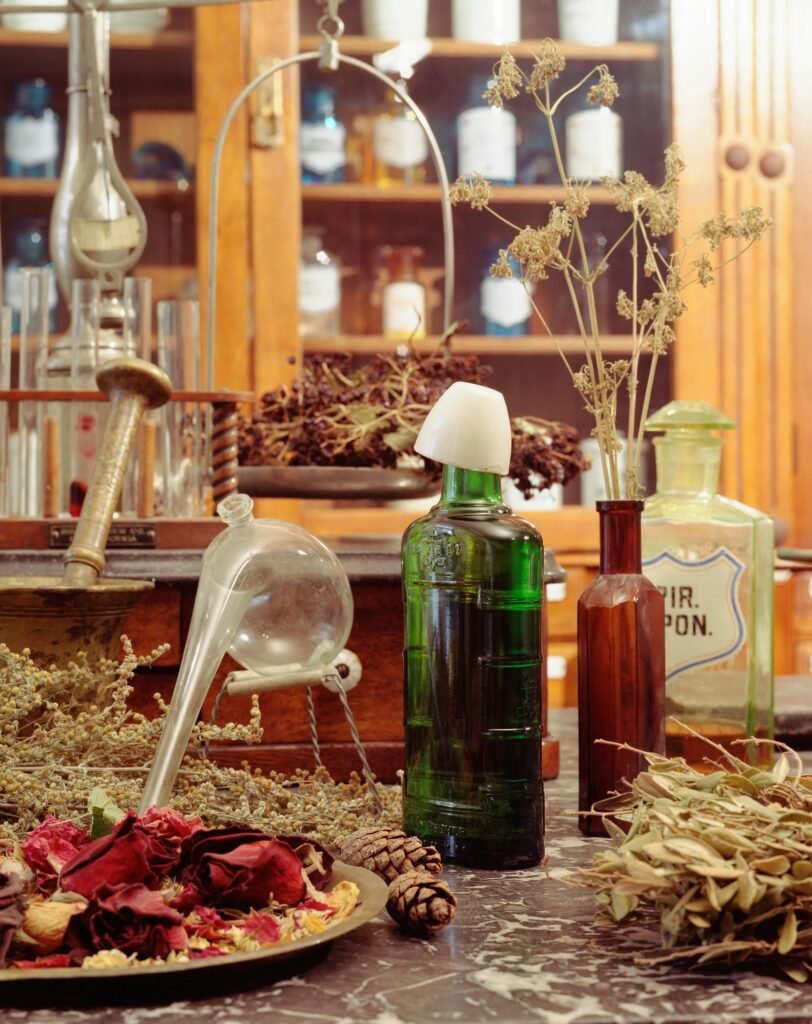
Measurements: Tools and Techniques

The tailoring process begins with the most important step: precise measurements. A perfect fit is essential for any tailoring project. There are a few basic tools that are indispensable for ensuring accurate measurements. The first necessary instrument is the tape measure, which must be flexible to allow the measurement of the body’s contours. It should be used correctly, without drawing on the skin, in order to obtain exact dimensions. It is recommended to use a quality tape measure, usually marked in centimeters, as this simplifies the conversion process, especially in tailoring in Romania.

Along with the tape measure, a notepad proves to be extremely useful. Recording measurements on paper not only helps organize information but also facilitates the correction of any errors. It is useful to note both the current dimensions and any desired modifications.

Additionally, you should have a pencil or a marker at hand to make adjustments along the way.

In addition to these basic tools, it is important to follow several measuring techniques. It is recommended to perform the measurements with a second person, if possible, to avoid any distortions. Also, wearing light or non-bulky clothing will not affect the measurements. Pay special attention to the areas of the waist, bust, and hips, as these dimensions are essential for a correct fit. Avoid common mistakes such as measuring from an awkward position or pulling the tape measure too tightly.

Project Planning for Tailoring

Planning is an essential step before starting any tailoring project. Good organization not only facilitates the unfolding of the creative process but also contributes significantly to saving time and material resources. At this stage, it is important to choose the desired pattern. Whether it is a dress, a blouse, or a pair of pants, the pattern must not only be aesthetic but also match the tailoring skills of the person involved.

After selecting the pattern, the next step is to establish a deadline. This will help manage the time spent on the project more efficiently by providing a clear framework for the progress of the tailoring activities. It is recommended that the deadline be realistic, taking into account the level of experience and the complexity of the chosen pattern.

Another important aspect in planning the tailoring process is the required budget. It is essential to estimate the costs of materials, including fabrics, accessories, and necessary tools. In addition, considering price fluctuations, it is wise to include a safety margin in the project budget.

Organizing the working materials is another crucial element of planning. Ensuring that all necessary materials are at hand and in good condition before actually beginning the tailoring work will help avoid unforeseen delays. Efficient planning makes the entire tailoring process more enjoyable and stress-free.

Choosing the Right Materials

Choosing the right materials is an essential step in the tailoring process, having a significant impact on the appearance and functionality of the finished product. There is a variety of materials available, each with unique characteristics that influence the style, comfort, and durability of the garments. Among the most commonly used materials are cotton, silk, and wool, each with distinct specifications.

Cotton is a versatile and popular material, known for its breathability and ease of care. It is ideal for casual clothing, with a soft texture that provides comfort throughout the day. Additionally, cotton is available in a wide range of colors and patterns, making it suitable for creating tailored clothing in diverse designs.

Silk, on the other hand, is a luxurious material, with a shiny appearance and a fine texture. It is perfect for special occasions and offers exceptional fluidity, but it requires special care to maintain its beauty. Due to its delicacy, silk is ideal for elegant dresses and blouses. Although it is more expensive, investing in silk can add extra value to the pieces created.

Wool is responsible for providing warmth and comfort during the cold season. There are various types of wool, including merino wool, known for its elasticity and frequently used in knitwear. The choice of the appropriate material depends on the intended purpose and desired style, as well as the weather conditions in which the garment will be worn. It is recommended to purchase high-quality materials to ensure the durability and refined appearance of the outfit.

Cutting the Material: Techniques and Precautions

Cutting the fabric is one of the essential stages in the tailoring process, significantly influencing the final result of the project. It is crucial to make a careful selection of cutting tools, with the tailoring scissors being one of the most important tools. They must be well-sharpened to ensure precise and clean cuts. Worn-out scissors can lead to frayed edges and an unprofessional finish.

Before beginning the cutting process, it is necessary to mark the material according to the chosen pattern. The use of a tailor’s pencil or a line of chalk is recommended, as it allows for the drawing of clear and visible lines. Additionally, using a ruler or a cutting board is essential to obtain straight cuts, especially in the case of materials with textures or prints that might distract from the cutting line. It is important to mark all the necessary elements according to the pattern specifications, including seams, darts, or edges.

Furthermore, another significant aspect is planning the cutting in such a way as to minimize fabric waste. Efficient use of fabric remnants can be achieved by considering how each cut piece will be used. For instance, smaller pieces can be used for details or accessories, and placing the pattern in a way that maximizes the use of the material is essential. By applying these techniques and precautions, superior quality results can be obtained while saving the material used in the tailoring process.

Sewing the Pieces Together

Sewing the pieces together represents an essential stage in the tailoring process, having a significant impact on the structure and final appearance of the product. This stage involves the use of a sewing machine, which can range from basic to advanced models, each having specific functions tailored to the needs of the project. When working with a sewing machine, it is important to familiarize oneself with the different types of stitches available, each having distinct applications.

Among the most common types of stitches are the straight stitch, used for most seams, and the zigzag stitch, which is often applied to prevent the fabric from fraying. The choice of stitch type depends on both the type of fabric and the final purpose of the project. For example, for elastic fabrics, a zigzag stitch may offer greater flexibility. It is also essential to select the appropriate thread that corresponds to the fabric, as an inadequate thread can lead to weak stitches or damage the textile.

During sewing, various common problems may arise, such as thread tangling or breaking. In these cases, it is crucial not to panic and instead focus on identifying the cause of the problem. Checking the thread tension and ensuring that the needle is correctly chosen for the fabric used are essential steps to avoid these issues. Maintaining an organized and clean workspace also contributes to a more productive sewing experience, allowing concentration on the details that matter.

Final Finishing: Details That Make the Difference

The final finishing touches play an essential role in the tailoring process, possessing the power to transform a good product into an exceptional one. These final details are vital to ensure a professional quality look and high durability of the garments created. The overall appearance of the clothes can be enhanced through various finishing techniques, each with its specific impact on the final result.

One of the most common finishing techniques is edge binding. This can be done by several methods, including zigzag stitching, overlocking, or using a specific sewing machine. Finishing the edges not only prevents the fabric from unraveling, but also contributes to a clean and well-structured appearance of the product. Moreover, neatly finished edges improve the comfort of wearing, minimizing the risk of irritation.

Another method that adds value is the addition of decorative details, such as lace or buttons. These elements not only enhance the product aesthetically but can also add personality and style. The appropriate selection of lace or buttons requires careful attention to ensure that they complement the original design.

Furthermore, the final ironing of the garments is an indispensable step. It not only removes any persistent wrinkles but also provides a more defined shape. A well-ironed product will always appear more attractive, and the client will perceive a higher level of quality. By addressing these details, the tailoring process becomes a true work of art that meets the refined standards expected by consumers.

Inspection and Adjustment of the Finished Product

Inspecting and adjusting the finished product represents an essential stage in the tailoring process, having a direct impact on the final quality of the garments. This involves a systematic set of operations aimed at ensuring that the delivered product meets quality standards and customer satisfaction. The first step in this stage is examining the dimensions, comparing the final measurements of the product with those specified in the tailoring plans. This inspection helps identify any discrepancies that might require adjustments.

Additionally, aesthetics plays a crucial role in evaluating the finished product. The tailor must analyze visual details such as stitches, the alignment of prints, and any imperfections in the fabric. These aspects contribute to the overall appearance of the garment and can significantly influence the client’s impression. Furthermore, the functionality of the item is equally important. It is necessary to check that all functional elements, such as zippers or buttons, work correctly and do not compromise user comfort.

Adjustment of the measurements can be carried out through various techniques, including shortening or lengthening certain parts of the product, depending on specific needs. It is essential that these modifications are made with precision to maintain the balanced proportions of the design. This operation not only improves the aesthetic appearance but also ensures the necessary comfort for everyday use. In choosing the adjustment methods, various tools can be employed, such as the sewing machine or traditional pins, each having specific applications. All these inspections and adjustments contribute to obtaining a finished product of quality, worthy of client appreciation and satisfaction.

Conclusion and Final Advice

The tailoring process involves a series of essential steps that, once mastered, allow not only the creation of customized garments but also the development of a passion for the art of tailoring. From choosing materials and creating the pattern, to the actual sewing and final finishing, each stage contributes to the final result. In this guide, these steps have been explored in detail, underlining the importance of each phase in the tailoring process.

Furthermore, it is important to remember that the ability to sew is not limited solely to the functional acquisition of necessary tools, but also to the constant improvement of the techniques used. Those who are just starting on this path should experiment with different types of fabrics and patterns to build confidence and naturally improve their skills. The desire to explore various styles, such as casual or formal tailoring, can lead to a better understanding of the practice and a broader range of competencies.

On the other hand, for those more advanced, it is advisable to continue education by attending workshops, online courses, or even discussion groups about tailoring, where experiences and ideas can be shared with others passionate about this field. Experimenting with complex techniques or creative projects can broaden their horizons and offer the opportunity to express their originality.

In the end, the art of tailoring is a continuous process of learning and adaptation, and every project represents an opportunity for personal improvement. Through perseverance and innovation, anyone can become a talented tailor, capable of contributing to the tradition of this fascinating craft.

Why is it important to understand the entire tailoring process, from measurements to finishing?
Having an overall vision of tailoring allows every enthusiast to plan and organize efficiently. When you know how each stage – measurements, choosing materials, cutting, and sewing – comes together, it is easier to avoid mistakes and obtain a harmonious garment. Each step influences the final quality, and if one is omitted or done superficially, the finished product may suffer. In addition, a complete understanding of the process provides flexibility, allowing the tailor to make quick adjustments when unforeseen issues arise.

How are measurements performed so that a well-fitted garment results?
The first step is proper preparation: wear light clothing so that measurements are not distorted by bulky layers. Then, use a flexible tape measure and place it without tightening excessively, following the exact contours of the body. Record the dimensions for key areas: bust, waist, hips, shoulders, sleeve length, and the desired length of the product (skirt, dress, pants, etc.). If possible, ask for help from another person for increased accuracy. This way, the final piece will have a cut that perfectly fits your silhouette.

Why is thorough project planning necessary in tailoring?
Planning provides a clear framework – you know from the start which pattern you will sew, what materials you will need, and how long it will take to finish it. A well-structured plan keeps you on track, especially when factors such as budget and deadlines come into play. Moreover, when you have a clear picture of the upcoming steps, you can more easily manage any obstacles: if something does not match the measurements, you know exactly where adjustments are needed.

How do we choose the right material for a particular project?
Selecting the fabric begins by evaluating the intended use of the garment or accessory. If a casual, comfortable, and easy-to-care-for product is desired, cotton remains a classic choice. Silk lends itself to more elegant pieces for special occasions, thanks to its fine texture, though it requires special care. Wool is ideal for the cold season, having thermal insulating properties. With synthetic fabrics, resistance to wrinkles and lower costs may be advantages, though one should also consider the level of comfort they offer. Combinations of natural and synthetic fibers can also be an excellent solution in certain projects.

What are the essential steps in correctly cutting the material?
First, lay the fabric on a flat, smooth, and well-lit surface. Secure the pattern or cutting lines with weights or clips to prevent shifting, then check that all the markings on the fabric match those from the pattern (seams, hems, darts). Use a pair of sharp tailoring scissors and cut with smooth movements, accurately following the markings. If the fabric has a print, ensure that the patterns align correctly on the various pieces for a uniform look. Finally, save the fabric remnants for any small repairs or additions.

How is sewing performed, particularly to avoid common mistakes?
Choose the type of stitch according to the fabric and the role of the piece (a straight stitch for seams, zigzag for finishing edges, or decorative stitches for added aesthetics). Adjusting the thread tension and using the proper needle for the thickness and structure of the fabric are essential. Start with a test stitch on a small sample from the same material to ensure everything functions properly. If you notice minor issues such as tangled threads or incorrect tension, investigate the sewing machine settings and make the necessary adjustments before working on the main pieces.

In what way do the final finishes contribute to a professional appearance of the work?
Final finishes, such as overlocked edges, neat hems, invisible zippers, or correctly sewn buttons, can make the difference between a garment that looks “homemade” and one of professional quality. Finishing the edges prevents fraying and gives a smooth appearance. Decorative stitches complete the design, while proper final ironing highlights the lines of the product, adding an extra touch of refinement. Even the thread ends must be hidden or finished to maintain a clean and coherent look.

How is a finished product inspected and adjusted to achieve an optimal fit?
After sewing, it is advisable to try on the garment. Observe how it sits on the body: are some areas too loose or too tight, are there any unwanted wrinkles? If such issues arise, consider solutions such as repositioning side seams, reducing the shoulder width, lengthening the hems, or adding extra darts. Attention to aesthetic proportions and the balance of the cut can dramatically improve the ergonomics and appearance of the piece. Finish with careful ironing and, if there are no restrictions, even a gentle wash to check the fabric’s and stitches’ stability.

Why is it so useful to have tailoring skills in an increasingly consumption- and sustainability-focused world?
Tailoring enables the reuse or transformation of old clothes, extending their life and reducing waste. By repairing or adjusting items otherwise destined for disposal, you contribute to a sustainable lifestyle and save money. Moreover, you can create unique, personalized pieces that match exactly your style and measurements. In a society where fast fashion generates a lot of waste and pollution, sewing offers a more responsible and, at the same time, more creative alternative.

How can one evolve in the art of tailoring and where can additional resources be found?
Progress requires constant practice and the exploration of gradually more complex projects. Try new types of fabrics and experiment with different techniques, such as embroidery or the application of decorative details. There are numerous resources: specialized books, blogs, forums, video tutorials on platforms such as YouTube, and online courses on dedicated platforms (Udemy, Craftsy, Skillshare). Furthermore, joining groups or communities passionate about tailoring—whether local or online—helps exchange ideas and receive constructive feedback. Thus, each project becomes an opportunity to develop your skills and explore new dimensions of the tailoring craft.

Sewing Techniques for Beginners and Advanced Sewers: Basic Stitches, Applications, and Advanced Techniques

Introduction to Sewing

In the modern world, sewing skills have become increasingly relevant not only as a pleasant hobby but also as an essential competence in various fields. Sewing offers not only the possibility of creating custom garments and accessories but also the opportunity to repair clothing items, thus contributing to durability and sustainability. Whether you are a beginner or an advanced sewer, learning sewing techniques can open up new creative and practical horizons.

The equipment necessary for sewing is varied and may include sewing machines, needles, threads, fabrics, scissors, and many other tools. Choosing the right equipment is crucial, as an appropriate tool can facilitate the sewing process and lead to better-finished results. In addition, for beginners, it is recommended to start with a simple sewing machine that allows for practicing basic techniques without being discouraged by the complexities of advanced models.

The proper selection of material influences not only the aesthetic appearance of the final product but also its functionality. For example, for garments intended for winter, it is recommended to use thicker fabrics that offer thermal insulation. In conclusion, a careful selection of materials can significantly improve both the sewing process and the overall satisfaction with the completed project.

The proper selection of material influences not only the aesthetic appearance of the final product but also its functionality. For example, for garments intended for winter, it is recommended to use thicker fabrics that provide thermal insulation. In conclusion, a careful selection of materials can significantly improve both the sewing process and overall satisfaction with the completed project.

Basic Stitches

In the world of sewing, mastering basic stitches is essential for anyone who wishes to develop their skills, whether they are beginners or advanced sewers. The two fundamental stitches we will explore are the straight stitch and the zigzag stitch. Both have various applications and are frequently used in the creation of garments and accessories.

The straight stitch is perhaps the most common of all. It is used to join two or more layers of fabric, providing a simple and clean line. When executing this stitch, it is recommended to adjust the tension of the thread to achieve a uniform stitch without puckering. The thread color should match the fabric to maintain a pleasing aesthetic. A useful technique is to use a presser foot that keeps the fabric straight, thus contributing to precise execution.

On the other hand, the zigzag stitch serves to provide elasticity, making it ideal for fabrics that tend to fray or stretch, such as knits. This stitch prevents the fabric edges from unraveling, ensuring that they do not come apart. A frequently used technique is to adjust the width and length of the zigzag according to the type of material used. It is important to choose the appropriate stitch setting in order to obtain the best results for your projects.

In conclusion, basic stitches form the foundation of any sewing project. Mastering these techniques not only improves technical skills but also contributes to personal creativity. Through constant practice, any beginner can acquire the competence needed to create outstanding work with simple stitches such as those mentioned above.

Hems and Decorative Stitches

Hems are an essential component in sewing techniques, serving the purpose of finishing fabric edges to prevent them from fraying. There are several methods to create a hem, each with its specific characteristics and applicability depending on the type of fabric used and the desired look. The most common types of hems include the simple hem, the rolled hem, and the double hem, each offering a distinct aesthetic result. The simple hem, made by folding the fabric edge and sewing it, is ideal for easy-to-handle fabrics such as cotton or linen. On the other hand, the rolled hem adds a touch of elegance and is often used in crafting seasonal garments or interior décor.

Along with hems, decorative stitches play a vital role in enhancing the aesthetics of a project. Ornamental stitches can completely transform a piece of clothing or a decorative item, adding a unique personal touch. There are various decorative stitching techniques, including zigzag stitches, shell stitches, or geometric patterns. These introductory decorative stitches add texture and visual interest, and they can be used both on the edges and as central design elements.

In addition, it is important to mention that using different thread colors can further accentuate the desired effect of decorative stitches. For example, contrasting threads can create a dramatic effect, while threads in tones similar to the fabric can provide a more subtle look. Therefore, learning hemming techniques and decorative stitches allows any creator to personalize their work and add an artistic touch to their projects.

Special Finishes

When it comes to sewing, special finishes play an essential role in achieving a neat and professional look. These techniques add not only functionality but also aesthetics, transforming simple products into garments or accessories that stand out. One of the most common finishes is the application of zippers. To insert them correctly, you must select the type of zipper that corresponds to the project. Invisible zippers are ideal for dresses or skirts, while standard zippers perfectly match casual pieces. Once the zipper is chosen, ensure that it is positioned evenly along the fabric’s seam, securing it with pins before sewing.

Another important element of special finishes is the application of buttons. These are not only functional but also decorative. Choosing the right buttons can completely transform the appearance of a shirt or jacket. Before attaching the buttons, it is recommended to mark the exact positions on the fabric. Once the spots are determined, use a matching thread to sew on the buttons so that they do not stand out awkwardly.

Additionally, various accessories can be integrated into sewing projects to add an extra touch of style. Draperies, decorative bands, or lace appliqués can offer a personalized look. These techniques require careful planning; make sure that the accessories used are compatible with the fabric type and the overall style of the project. Therefore, approaching these special finishes with precision and creativity will contribute to achieving impeccable sewing results.

Advanced Techniques: Pleats and Darts

Advanced sewing extends beyond simple basic stitches, including techniques such as pleats and darts, which add depth and sophistication to handmade projects. Pleats, for example, are a way of adding volume and texture to fabric, transforming even the simplest creations into visually impressive works. There are several types of pleats, such as simple pleats, box pleats, or knife pleats, each with its unique applications in tailoring. Depending on the desired result, a designer can choose the appropriate type of pleat to create a specific effect on a dress or skirt, thus enhancing the overall aesthetic of the design.

Darts, on the other hand, are essential techniques that help shape a garment. They are created through strategic folding of the fabric that allows the garment to conform to the body, ensuring an optimal fit. There are several types of darts, such as bust darts or waist darts, each serving a distinct role in contouring the body’s shape. Correct application of darts is crucial for both comfort and aesthetics, and it is a vital step in advanced sewing projects such as creating custom dresses or blouses with intricate details.

By integrating these advanced techniques into sewing projects, those who develop their skills can transform ordinary items into unique pieces with a distinctive design. These methods not only enhance the overall appearance but also contribute to the development of essential technical skills for both beginner and advanced tailors.

Complex Adjustments

Performing complex adjustments is a crucial step in achieving a perfect fit for garments. Often, clothing purchased from stores does not match the individual dimensions or preferences, and adjustments become necessary to ensure comfort and an attractive appearance. The first step in this process is to identify the areas that require changes, such as the waist, shoulders, or sleeve length.

A common example of an adjustment is reducing the waist of a dress or pants. This can be done by unpicking the side seams and repositioning that section of the fabric to offer a more elegant look. Additionally, adjustments may be needed for the shoulders, either by removing a portion of the fabric or by adding decorative patches that can provide a modern look.

Another important technique is adjusting the length of a garment. When clothes are too long, it is essential to shorten them, a process that involves taking apart the hem and reducing the length of the fabric layer. It is important to leave a small excess to prevent future damage, especially for delicate fabrics. Proper preparation and following a detailed plan are essential for an efficient and aesthetic adjustment.

For personalized measurements, it is recommended to experiment with various styles and techniques. This may include using elastic bands to provide flexibility or applying embroidery to accentuate the shapes. These adjustments not only improve the fit but also add a personal touch, transforming ordinary clothing into unique items that reflect individual style.

Selecting the Right Materials

Selecting the appropriate materials for sewing plays an essential role in the success of any project, whether it involves basic stitches or advanced techniques. The types of fabrics available vary significantly, and each one has unique characteristics that can influence the final outcome of your work. For example, cotton is a popular choice for beginners due to its ease of manipulation and sewing. It is a versatile material that works well for both clothing and decorative items. On the other hand, silk requires extra care during handling, being a delicate fabric that may slip during sewing.

Synthetic textiles, such as polyester, are resistant to wrinkling and offer durability, making them suitable for use in shirts or sportswear. These materials are more affordable and come in a wide range of colors and patterns, thus facilitating the right choice based on personal preferences. It is also important to consider the weight and thickness of the fabrics, as these can change the way the material behaves under the needle and thread.

The correct choice of material influences not only the aesthetic appearance of the final product but also its functionality. For instance, for garments intended for winter, it is recommended to use thicker fabrics that provide thermal insulation. In conclusion, a careful selection of materials can significantly improve both the sewing process and overall satisfaction with the completed project.

Maintaining the Sewing Machine

Proper maintenance of the sewing machine is essential to ensure optimal performance and extend the lifespan of the equipment. A well-maintained sewing machine functions more efficiently and produces more precise stitches. First, it is important to regularly clean the machine. This process involves removing lint and fabric remnants that can accumulate inside the machine and around the needle. This not only prevents jams but also helps maintain superior performance.

In addition to cleaning, it is recommended to check and adjust thread tension. The two threads, upper and lower, must have appropriate tension to avoid sewing issues such as looping or unraveling. Also, lubricating the machine is crucial; many modern models come with an auto-lubrication system, but it is wise to consult the instruction manual to see if this operation is necessary.

If you encounter frequent issues, such as irregular stitches or unusual noises, it is critical to stop using the machine. Many mechanical faults can be remedied by simply adjusting the needle or replacing the bobbin. If problems persist, consulting a specialist or an authorized technician is a sensible option. Following these maintenance tips will ensure not only optimal sewing machine functionality but also a pleasant experience using it.

Resources and Sewing Communities

Sewing, an activity full of creativity and technical skills, benefits from a wide range of resources available for all experience levels. Beginners and advanced sewers can access specialized books, websites, and online courses to enhance their sewing techniques. Various publications, both printed and digital, offer step-by-step guides, project suggestions, and useful information about materials and tools. Sewing books are an excellent starting point for those who wish to solidify their knowledge about basic stitches, advanced techniques, or creative sewing applications.

In the digital age, numerous websites provide video tutorials, informative articles, and discussion forums for sewing enthusiasts. These online resources allow users to learn interactively and explore a variety of techniques, whether it is hand sewing, using a sewing machine, or decorative techniques. Furthermore, online course platforms such as Udemy or Craftsy offer detailed video courses, presented by professionals in the field, which can help deepen your skills.

Another important aspect of learning sewing is becoming part of specialized communities. These groups, both online and local, provide an excellent opportunity for enthusiasts to connect, exchange ideas, and learn from one another. Sewing forums on social networks, Facebook groups, or local sewing meetups foster creativity and collaboration, creating an encouraging environment for skill development. Thus, available resources and communities contribute significantly to improving sewing skills, encouraging every individual to express their creativity and develop personal techniques.

Why is it important to learn both basic and advanced sewing techniques?
Sewing begins with mastering the basic techniques—such as the straight stitch or zigzag stitch—which provide a solid foundation for any type of project. However, as skills evolve, advanced techniques (such as luxury finishes, draping, or appliqué embroidery) allow for the development of a much broader creative vision. By learning both levels, sewing enthusiasts can tailor projects to meet the demands of each design, tackle various fabric types, and achieve pieces with a much more professional finish.

How does the choice of equipment influence the quality and efficiency of sewing projects?
Appropriate equipment—a well-chosen sewing machine, sharp scissors, and quality needles—can greatly ease the work process and ensure superior results. For instance, a sewing machine with basic functions but easy handling helps beginners practice basic techniques without additional difficulty, while advanced users may prefer a machine with multiple decorative stitch options and adjustable tension settings to explore new styles. Quality tools contribute to precision and reduce the risk of costly errors or material damage.

What are the main basic stitches that every beginner should know?
At the elementary level, two stitches are essential:

  • The straight stitch, used to join two fabric layers in a clean, uniform way. It is recommended for most projects, from minor repairs to simple garment construction.
  • The zigzag stitch, useful for joining or finishing edges on fabrics that tend to fray or for slightly elastic materials. It prevents the edges from unraveling and gives the finished project a neat appearance.

What role do hems and decorative stitches play in achieving both an aesthetic and functional product?
Hems and decorative stitches perform two key functions: aesthetics and protection. A simple or rolled hem, for example, ensures an elegant finish and prevents the edges of the fabric from unraveling. Similarly, decorative stitches such as shell or geometric patterns can transform a plain piece into something truly special. These details, when paired with the right thread color and stitch width, give each project a personal touch, highlighting the personality of the sewer.

How can special finishes, such as zippers and buttons, improve a sewing project?
Zippers and buttons are both practical and decorative solutions for closing garments or accessories. Proper insertion of invisible or applied zippers can be the difference between a neat finish and a messy one. Likewise, choosing the right buttons—especially contrasting ones—can serve as a standout design element. Attention to detail such as proper positioning, alignment, and secure stitching with the appropriate thread enhances both the quality and durability of the project, as well as the overall appearance of the finished product.

Why are pleats and darts considered advanced techniques, and how are they applied in garment construction?
Pleats and darts bring a heightened level of refinement, as they add volume, structure, and shape to garments. Pleats, for example, can create an effect of volume redistribution, adding dimension to skirts or dresses. Darts, on the other hand, are essential techniques that shape the garment to the body, ensuring an optimal fit. Successful execution requires precise measurements and careful planning, which involves advanced knowledge of fabric behavior and how it conforms to the body.

How can complex adjustments be made to achieve a personalized fit for clothing?
Complex adjustments involve accurately identifying problematic areas (such as sleeve length, overly wide shoulders, or a too-tight waist) and applying necessary corrections either on the pattern or directly on the fabric. For example, to reduce the waist of a garment, you can remove excess fabric from the side seams, while shoulder adjustments may involve trimming the fabric or adding decorative patches. Additionally, incorporating extra darts, inserting elastic bands, or using asymmetrical pattern modifications can result in a garment that fits perfectly. Testing on a similar fabric before cutting the final material prevents costly errors.

How do you choose the ideal fabric for different types of projects and sewing techniques?
Each project requires a specific type of fabric to meet both aesthetic and functional criteria. For example, cotton or linen is ideal for loose, summer garments due to its breathability, while for cold weather, wool or quilted fabrics provide warmth and a more structured look. Synthetic materials, such as polyester, are ideal for sportswear due to their wrinkle resistance and quick-drying properties. Therefore, knowing the characteristics of each fabric—elasticity, thickness, and density—is a decisive factor in fabric selection.

What maintenance steps for the sewing machine guarantee extended life and maximum performance?
Regular cleaning and oiling of the moving parts of the sewing machine help prevent jams and wear. After every project, remove accumulated lint, especially in the bobbin area and underneath the presser foot. Check thread tension and replace the needle whenever stitches begin to appear irregular or when the needle shows signs of wear. If serious mechanical issues arise, consult a qualified technician to prevent further damage. This routine ensures that the sewing machine operates flawlessly, maintaining the quality and precision of your projects.

Where can sewing enthusiasts find resources and join a sewing community?
Excellent learning resources include websites and e-learning platforms such as Craftsy, Udemy, or Skillshare, where structured courses and tutorials are available. Dedicated discussion forums and groups on social media (e.g., Facebook, Instagram) allow users to ask questions and share projects, receiving feedback from fellow enthusiasts. Additionally, popular sewing blogs and magazines provide updated information on trends, techniques, and creative inspiration. By leveraging these resources and communities, any sewing lover can develop their skills and find the support needed to undertake increasingly sophisticated projects.

Sewing Patterns and Their Interpretation: A Complete Guide for Sewing Enthusiasts

What Are Sewing Patterns?

Sewing patterns are templates used by sewing enthusiasts to create various fabric items, such as clothing, accessories, or interior décor. These templates can be either commercial—supplied by specialized manufacturers—or handmade, created by individual sewers who wish to express their creativity. Each sewing pattern serves as a guide, indicating how the fabric pieces should be cut and assembled, thereby ensuring a coherent and aesthetic realization of the desired project.

The history of sewing patterns spans several centuries, with their evolution adapting to cultural and technological changes. In ancient times, sewing was an essential skill, and patterns were passed down from generation to generation, often through oral methods or practical demonstrations. With the advent of printing technology, documented patterns began to appear, which allowed for a wider dissemination of sewing knowledge.

Today, sewing patterns are available in numerous formats, including printed, digital, or in the form of video tutorials, facilitating access to these resources for all sewing enthusiasts. Commercial patterns offer a wide range of options and are standardized, while handmade patterns allow for personalization and adaptation according to individual preferences. Thus, each type of sewing pattern serves different purposes and meets the varied needs of tailors around the world.

How to Read a Sewing Pattern?

Understanding a sewing pattern might seem complicated at first, but with attention and a little experience, the task becomes much simpler. The first step is to become familiar with the symbols and technical terms that appear on the pattern. Usually, each pattern includes a legend that explains the meaning of symbols, such as arrows, dotted lines, or circles, which are used to indicate stitching lines and cutting zones.

The cutting diagram is a crucial component of any pattern. This graphic will indicate how to cut the fabric according to the various pieces of your project. It is essential to follow all indications regarding the fabric’s grainlines to ensure that the pieces will fit perfectly. For example, certain elements may require seam allowances, which are indicated by cutting lines. In addition to the cutting diagrams, it is important to pay attention to the assembly instructions, which explain how to join the different pieces of the project.

Sewing instructions are also essential. They should be clear and detailed, providing information about the types of stitches required, the order in which to work, and any special sewing techniques. Some patterns include suggestions regarding the type of thread or needle you should use, an aspect that can significantly influence the final appearance of the project. By carefully reading all available information, even those with little experience can successfully bring the desired project to life while following the pattern specifications.

Proper Use of a Sewing Pattern

Choosing the appropriate sewing pattern is crucial to achieving the desired results. First of all, it is important to select the appropriate materials. Each pattern includes specifications regarding the recommended fabric types, and using materials that do not match can lead to deformation of the final design. For example, a pattern designed for stretchable fabric requires a material that can support the stretch, whereas a pattern intended for cotton should be made from a similar fabric. Knowing these details will help you choose with more confidence and avoid costly mistakes.

The next step involves gathering the necessary tools for the project. Among these are the sewing machine, scissors, needles, and rulers—each playing a role in facilitating the sewing process. Make sure that your sewing machine is functioning properly and that you have all the accessories at hand before you begin. It is also wise to have auxiliary materials, such as stabilizers and interfacing, which can improve the quality of the stitches.

Once you have chosen the materials and tools, it is essential to follow the proper steps to use the sewing pattern effectively. Begin by printing the pattern and cutting it out, following the specific instructions regarding the notches and other details. It is recommended to perform a test on a similar fabric to check for necessary adjustments. The passion for sewing develops through practice, so do not hesitate to experiment with various techniques and tricks, whether you are a beginner or an experienced sewer.

These practices not only improve your skills but also increase your confidence in using the chosen pattern correctly.

Adjusting the Pattern for Custom Sizes and Shapes

Adjusting a sewing pattern is an essential process that allows you to obtain clothing that fits your body perfectly. The first step in this process is to take accurate measurements. It is recommended to use a tailor’s measuring tape to obtain precise measurements of the bust, waist, hips, and the desired length. Also, do not forget to measure the circumference of the arms and ankles, depending on the style you wish to create. These measurements will help you adapt the original pattern according to your specific needs.

Once you have obtained the necessary measurements, the next step is to adjust the cutting. If the pattern is too wide in certain areas, you can remove fabric with lateral adjustments, and if it is too tight, you will need to add width. Some useful techniques include raising or lowering the bust line to modify the shape, widening the hip area, or adding width to the shoulders. Additionally, it is important to consider the curves of your body, as these details will transform a basic pattern into a customized piece.

To make effective adjustments, it is recommended to use a provisional fabric or to create a muslin sample to test before cutting the final material. Once you have made the desired modifications, you can confidently sew your garment. Remember that practice and patience are key elements in this process, enabling you to achieve a perfect fit.

Creating Your Own Sewing Patterns

The process of creating your own sewing patterns is a valued way to personalize your wardrobe and add a unique accent to textile creations. The first step in this process involves sketching your ideas. It is recommended to start by drawing sketches on paper or using digital design programs to visualize the desired concept. This brainstorming process may include examining external influences, such as contemporary fashion or pop culture. Capturing your inspiration in a graphic format helps clarify your vision and facilitates transforming it into a concrete pattern.

After the initial idea formulation, the next step is to develop a detailed design. This involves assessing proportions, selecting materials, and specifying construction details. Using pattern paper, special drafting sheets, or even dedicated computer-aided design software will contribute to creating a precise and executable pattern. It is also important to take into account standard sizes, necessary adjustments, and the target market’s comfort.

The tools needed for developing your own pattern include a set of rulers, pattern squares, drawing pencils, and sample fabrics for testing the design. These tools allow both amateur and professional designers to experiment and learn through trial and error. The benefits of creating your own sewing patterns include not only the ability to customize the design, but also the opportunity to develop unique skills in the field and to express yourself through a personalized aesthetic. Thus, sewing enthusiasts can make their original contribution to the world of fashion, reinforcing a sense of belonging and creative identity.

Differences Between Sewing Patterns for Beginners and Advanced Sewers

Sewing patterns are essential for all sewing enthusiasts, but their complexity varies significantly depending on the user’s experience level. For beginners, patterns are designed to be simpler and more accessible. They focus on basic techniques, such as straight stitching, simple pleating, and basic appliqués. Typically, patterns for beginners include detailed and clear instructions, which make them easy to follow for those with no prior experience. These types of sewing patterns are ideal for learning the fundamental elements and for building confidence in sewing skills.

On the other hand, sewing patterns intended for advanced sewers are characterized by complexity and more sophisticated techniques. These may include decorative stitching, custom fitting, draping, or advanced quilting techniques. In general, patterns for advanced sewers are less explicit and require a solid understanding of sewing terminology and more complex construction processes, such as creating intricate darts or combining multiple fabric types. Thus, those who choose these patterns must have a good command of their abilities.

In conclusion, the choice of sewing pattern depends on the user’s experience level. Beginners should focus on simpler patterns to develop basic skills, while advanced sewers can explore more complex patterns that allow them to express their creativity and refine their skills. This clear distinction between the two types of patterns contributes to a pleasant and efficient sewing experience for all enthusiasts of this craft.

Common Mistakes in Interpreting and Using Sewing Patterns

Correct interpretation of sewing patterns is essential for obtaining satisfactory results in sewing projects. However, beginners often face certain challenges and common mistakes that affect their sewing experience. One common issue is confusion regarding the symbols that appear in sewing patterns. For example, some sewers fail to distinguish between symbols for stitching, cutting, or marking, which can lead to significant errors in project execution. It is recommended to consult the pattern’s legend and become familiar with these symbols before beginning.

Another important aspect concerns the choice of fabric. Many beginners underestimate the impact that choosing the wrong fabric type can have on the final result. Using a fabric that is incompatible with the chosen pattern may cause issues both during sewing and in terms of size adjustment. It is essential for every sewing enthusiast to pay attention to the details regarding the type of fabric recommended in the pattern’s instructions.

In addition, another frequent mistake is the omission of pre-washing the fabric. Cutting fabric without washing or ironing it first can lead to shrinkage or undesirable alterations in the final result. Ensuring proper preparation of the fabric is crucial for avoiding subsequent complications.

In conclusion, knowing these common mistakes in interpreting and using sewing patterns can help beginners navigate the sewing process more easily. By being aware of the essential details and applying practical solutions, many of the obstacles encountered along the way can be avoided.

Innovations and Recent Trends in Sewing Patterns

The sewing industry has evolved significantly in recent years, and recent innovations and trends in sewing pattern design have brought appreciable transformation to this art. One marked trend is the integration of cutting-edge technologies, such as CAD (Computer-Aided Design), which allows designers to create complex patterns with a precision that was not possible before. This type of software not only accelerates the design process but also facilitates quick updates and personalization of sewing patterns.

Additionally, sewing patterns have begun to reflect contemporary fashion styles, adopting not only traditional elements but also modern influences inspired by international runway trends. Styles such as minimalism, sustainability, and adaptive design are now predominantly found in innovative patterns. Designers strive to meet not only aesthetic requirements but also functional ones, with the result being the creation of versatile pieces suitable for a varied audience.

Another important trend is the use of eco-friendly materials and sustainable production techniques, which reflects a growing awareness of environmental impact. This focus on sustainability is also found in sewing patterns, which incorporate elements of nature and ethics into their design. Therefore, sewing enthusiasts are encouraged to embrace this innovative spirit, experimenting not only with styles but also with sewing techniques that support responsible and modern fashion.

Resources and Support Communities for Sewing

In the pursuit of excellence in the art of sewing, enthusiasts can benefit from a variety of available resources designed to guide and inspire them. A valuable source is the specialty books that cover different sewing techniques, from the simplest to the most advanced. Authors such as Tessa Evelegh or Colette Patterns are renowned for their works, which provide not only the methodology but also practical projects to stimulate creativity.

  • PLEASE NOTE THE INSTRUCTIONS ARE WRITTEN IN ENGLISH

Online courses represent another excellent option for developing sewing skills. Platforms such as Craftsy, Udemy, or Skillshare offer courses covering a range of topics: from everyday clothing to couture, teaching students to use correct techniques and suitable materials. These sessions are convenient, available at the user’s discretion, allowing one to improve their competences in their free time.

Another crucial aspect of learning and perfecting sewing is being part of a community. Social media groups, such as those on Facebook or Instagram, have become an open space for collaboration, advice, and constructive feedback. For example, groups dedicated to DIY fashion or designer sewing can offer significant support by allowing participants to engage in discussions, share projects, and solve common problems.

Also, websites such as Ravelry or PatternReview are platforms that facilitate connections among enthusiasts, encouraging them to share their knowledge, ideas, and experiences. These resources help build a supportive community that values collaboration and creativity, which is essential for developing sewing skills.

Frequently Asked Questions

What exactly are sewing patterns and why have they become so popular?
Sewing patterns serve as templates used to guide the cutting and assembly of fabric pieces, whether for the creation of a dress, accessories, or decorative pieces. As the fashion and DIY project industries have grown, their popularity has expanded, particularly because they significantly simplify the sewing process. They provide sewers with a clear and structured plan, reducing the risk of costly mistakes such as incorrect cuts or unsuitable stitches.

How do you read a sewing pattern correctly and efficiently?
Understanding the symbols and instructions is the first step in correctly reading a pattern. It is recommended to consult the pattern legend, which explains the meaning of various marks (arrows, dotted lines, circles). Then, follow the cutting diagram closely and pay attention to indications regarding fabric width, measurements, and thread direction. The sewing instructions detail the sequence of operations and the necessary types of stitches. By following this structure, even a beginner can easily bring the desired project to life.

What does the correct use of a sewing pattern involve and what are the key steps?
The first step is to choose the right material in accordance with the pattern’s specifications (for example, a pattern designed for stretch fabric requires an appropriate material). Then, print or transfer the pattern onto paper or directly onto the fabric, ensuring that the dimensions match your desired project. The next step involves cutting the pieces according to the markings and, in some cases, adding seam allowances. Finally, assemble the pieces step by step, following the instructions and diagrams, using temporary stitching techniques and pins.

Why is adjusting the pattern so important and how is it done correctly?
Adjusting the pattern ensures that the final piece fits your body perfectly. It begins with detailed measurements using a tailor’s tape for the bust, waist, and hips, as well as other relevant areas. Then, necessary modifications are made on the pattern: reducing or increasing lines, adjusting the bust, modifying the waist, or altering the sleeves. It is recommended to create a test sample (“muslin”) on a trial fabric to verify if the adjustments are accurate. Once tested and approved, the final version of the pattern can be used with confidence.

How can one create their own sewing pattern starting from an initial idea?
The first step is to outline your project sketch on paper, highlighting the desired lines and final shape. Then, develop a detailed pattern, taking into account proportions and areas that require adjustments (bust, waist, hips). It is essential to use tools such as pattern rulers, soft pencils, and special drafting paper for pattern creation. After creating the pattern, it is advisable to test it on a sample fabric. This step allows for fine modifications before cutting the material intended for the final product, ensuring precise execution.

What are the main differences between sewing patterns for beginners and those for advanced sewers?
Patterns designed for beginners use detailed instructions and explicit symbols, involving only basic techniques such as straight stitching or simple hems. They are ideal for building confidence and practicing fundamental skills. In contrast, advanced sewing patterns may involve draping, decorative stitches, asymmetrical cuts, or complex adjustments. These patterns are not always step-by-step and require a solid understanding of sewing terminology and more complex techniques, such as creating advanced darts or combining multiple fabric types.

What common mistakes can occur in interpreting and using a sewing pattern?
Common mistakes include misunderstanding the symbols on the pattern (for stitching, cutting, or joining) and choosing the wrong material, which can alter the shape or structure of the project. Additionally, the lack of proper fabric preparation (washing, ironing) can cause unwanted shrinkage or color changes. Furthermore, many beginners fail to include seam allowances or confuse the cutting line with the stitching line. These errors can be avoided by carefully studying the instructions and conducting preliminary tests.

What innovations and trends are notable in modern sewing patterns?
In recent years, designers and pattern producers have increasingly integrated digital technology. CAD (Computer-Aided Design) software allows for the creation of precise and easily adjustable patterns, including the digital export of formats for home printing. Additionally, the emphasis on sustainability has generated patterns that make full use of recycled materials and pattern designs meant to minimize fabric waste. Adaptability and minimalism have emerged as essential trends, and patterns often include instructions for multiple design variations, offering a wide range of options in a single template.

Where can we find useful resources and support communities in the field of sewing patterns?
Online platforms, such as PatternReview, Sew Over It, and Colette Patterns, provide downloadable patterns and tutorials. Additionally, social media groups (on Facebook, Instagram) dedicated to sewing allow members to discuss issues, ask for advice, and showcase their projects. Specialty books or video courses on learning platforms (Craftsy, Skillshare) offer comprehensive information and step-by-step illustrated techniques. These resources, along with popular sewing forums and blogs, help broaden knowledge and establish connections with other enthusiasts.

How can sewing enthusiasts progress in their interpretation of patterns and achieve professional results?
Firstly, it is recommended to start with simple patterns and gradually move on to more complex projects, gradually assimilating new techniques. Another essential step is to invest time in understanding the depth of the instructions and finishing techniques, such as hidden seams or neatly executed hems. Feedback from experienced sewers or online communities can provide valuable advice. Finally, testing each pattern on trial fabrics and adjusting them according to your measurements will reinforce your skills—this is key to achieving professional-level results.