10 Tripe Soup Recipes from Different Regions of Romania

Tripe soup is a beloved traditional Romanian dish, prepared in various versions depending on the region of the country. Although the base recipe is similar, the ingredients and methods of preparation vary from one area to another, adding unique local flavors and influences.
Here are 10 regional variations of Romanian tripe soup:

1. Transylvanian-Style Tripe Soup

Ingredients:

  • 1.5 kg beef tripe (fresh or pre-cooked)
  • 1 beef bone with marrow
  • 2 large onions
  • 2 carrots
  • 1 small celery root
  • 2–3 garlic cloves
  • 500 g heavy sour cream (for cooking)
  • 5–6 egg yolks
  • Vinegar (to taste)
  • Salt and pepper
  • Sunflower oil
  • Hot chili pepper (optional, for serving)

Preparation Method:

Boiling the bone and the tripe:

Boil the beef bone and tripe in a large pot of water with a pinch of salt. Add the onions, carrots, and celery, and allow everything to simmer gently over low heat for approximately 2–3 hours, until the tripe becomes tender. If you are using pre-cooked tripe, the boiling time will be shorter.

Cooking the vegetables:

In a pan, lightly sauté the grated carrot in a bit of sunflower oil until it turns golden and soft.

This step is essential to give the tripe soup its characteristic golden-yellow color.

Preparing the egg and sour cream mixture:

Separately, in a bowl, beat the egg yolks and mix them with the sour cream.

This combination will be used to enrich and thicken the soup.

Finishing the soup:

After the tripe and bone have finished cooking, remove the bone and vegetables. Then slice the tripe into thin strips. Strain the broth and add back the sliced tripe along with the sautéed carrot.

Let the tripe soup simmer gently for another 10–15 minutes.

Thickening the soup:

Tempering the mixture of sour cream and egg yolks is essential to prevent curdling. Take a few ladles of hot broth and gradually pour them into the egg and cream mixture, stirring constantly.

Once the mixture is well warmed, slowly pour it into the pot of soup, stirring continuously to integrate it evenly.

Seasoning:

Add the crushed garlic, vinegar (to taste), and adjust with salt and pepper.


Serving:

Transylvanian-style tripe soup is served hot, accompanied by hot chili pepper, and optionally with a splash of vinegar in the bowl.

Enjoy your meal!


This version stands out because it is made with beef bones and thinly sliced tripe, slowly boiled to develop a rich and hearty consistency. Sour cream and garlic are essential elements, and the soup is often served with hot chili pepper for added heat and flavor.rat.

2. Bucharest-Style Tripe Soup

In the capital, tripe soup is made with a clear beef bone broth and rich sour cream. Emphasis is placed on enriching the soup with egg yolks and sour cream to achieve a silky texture. Additionally, sautéed grated carrot is added to give the soup its golden-yellow color.

Ingredients:

  • 1.5 kg beef tripe (pre-cooked or fresh)
  • 1 beef bone with marrow
  • 2 large carrots
  • 2 large onions
  • 1 small celery root
  • 500 ml heavy sour cream (for cooking)
  • 5 egg yolks
  • 3–4 garlic cloves
  • 100 ml vinegar (or to taste)
  • Salt and pepper to taste
  • Hot chili pepper (for serving)

Preparation Method:

Boiling the bone and tripe:

Place the beef bone in a large pot with water and boil it to obtain a concentrated broth. After 1 hour, add the tripe and the roughly chopped vegetables (carrots, onions, and celery). Let everything simmer over low heat for another 2–3 hours, until the tripe is well-cooked and tender.

Cutting the tripe:

After boiling, remove the tripe and vegetables from the pot. Slice the tripe into thin strips, similar to noodles. Strain the broth to eliminate any impurities and return it to the stove.

Sautéing the carrot:

Grate one of the carrots and gently sauté it in oil, then add it to the soup for a beautiful color.

Preparing the egg and sour cream mixture:

Beat the egg yolks and mix them with the sour cream. To avoid curdling, gradually take a few ladles of hot soup and pour them over the egg and cream mixture, stirring constantly.

Enriching the tripe soup:

Pour the tempered mixture back into the pot, stirring well. Turn off the heat and add the crushed garlic, vinegar (to taste), salt, and pepper.


Serving:

Serve the tripe soup hot, accompanied by pickled hot chili pepper and, optionally, with an extra splash of vinegar in the bowl.

3. Dobrogean-Style Tripe Soup

The tripe soup from Dobrogea often includes fermented cabbage brine (moare de varză) for sourness instead of vinegar, which gives it a distinctive flavor. Sour cream is used more sparingly, and fresh hot chili pepper is served on the side.


Ingredients:

  • 1.5 kg beef tripe (fresh or pre-cooked)
  • 1 beef bone with marrow
  • 2 large onions
  • 2 carrots
  • 1 small celery root
  • 4 garlic cloves
  • 500 ml heavy sour cream
  • 3 egg yolks
  • 300 ml fermented cabbage brine (or vinegar, to taste)
  • Salt and pepper
  • Hot chili pepper (for serving)
  • Sunflower oil
  • Lovage leaves (for garnish)

Preparation Method:

Preparing the tripe and the bone:

Boil the beef bone together with the tripe in a large pot of water. Add the whole onions, carrots, and celery, and let everything simmer over low heat for 2–3 hours, until the tripe becomes tender.

Slicing the tripe:

Remove the tripe and vegetables from the pot. Slice the tripe into thin strips, and strain the broth to eliminate any impurities.

Adding sautéed carrot:

In a pan, sauté the grated carrot in a bit of sunflower oil until golden. Add it to the strained broth to give the soup a pleasant color.

Thickening with sour cream and egg:

In a bowl, beat the egg yolks and mix them with the sour cream. To prevent curdling, gradually add a few ladles of hot soup into this mixture, stirring constantly. Pour the mixture back into the soup pot, stirring thoroughly.

Souring with cabbage brine:

Pour the fermented cabbage brine into the soup, adjusting the quantity depending on how sour you prefer it. If you prefer, you can use vinegar instead of brine.

Seasoning and serving:

Add the crushed garlic, salt and pepper to taste, and let the tripe soup simmer for a few more minutes.

Serve the soup hot, garnished with lovage leaves, and accompanied by pickled hot chili pepper.


This is a traditional recipe from Dobrogea, which offers a unique regional twist by using fermented cabbage brine and serving the dish with minimal cream and fresh chili. gust aparte datorită moarei de varză, oferindu-i un echilibru între arome și o textură cremoasă.

4. Moldavian-Style Tripe Soup

In Moldova, tripe soup is highly aromatic, using lovage and dill to add freshness and an intense taste. It is more sour than other variations due to the use of borscht (fermented wheat bran juice).


Ingredients:

  • 1.5 kg beef tripe (pre-cooked or fresh)
  • 1 beef bone (with marrow)
  • 2 large carrots
  • 1 large onion
  • 1 small celery root
  • 3 garlic cloves
  • 500 ml heavy sour cream
  • 3 egg yolks
  • 300 ml borscht (or to taste, for souring)
  • 2 tablespoons oil
  • Salt and pepper to taste
  • Chopped fresh lovage leaves (for garnish)
  • Hot chili pepper (for serving)

Preparation Method:

Boiling the bone and tripe:

Boil the beef bone in a large pot of water for 1 hour to create a rich broth. Add the sliced tripe and let it simmer over low heat for another 2–3 hours, until the tripe becomes tender. Remove the bone and slice the tripe into thin strips.

Sautéing the vegetables:

In a pan, sauté the chopped onion and carrots in oil until golden. Add them to the soup and cook for another 15 minutes.

Thickening the soup:

In a bowl, beat the egg yolks with the sour cream. To prevent curdling, gradually add a few ladles of hot soup to the mixture while stirring constantly. Then pour the mixture into the pot, stirring well.

Souring with borscht:

Warm the borscht separately and pour it into the soup, adjusting the amount to your preferred level of sourness. Boil for another 5–10 minutes.

Seasoning and serving:

Add the crushed garlic, salt, and pepper to taste, and allow the tripe soup to simmer for a few more minutes.

Serve the soup hot, garnished with chopped fresh lovage leaves and with pickled hot chili pepper on the side.

This is a Moldavian version of tripe soup, where homemade borscht adds a unique taste typical of the region, and fresh lovage provides a boost of aroma and freshness.


5. Banat-Style Tripe Soup

In Banat, tripe soup is prepared with Serbian influences, often enhanced with hot paprika or sweet paprika to intensify the flavor. Sour cream is essential, and the soup is served with hot chili peppers.


Ingredients:

  • 1.5 kg beef tripe (fresh or pre-cooked)
  • 1 beef bone (preferably with marrow)
  • 2 large onions
  • 2 carrots
  • 1 red bell pepper
  • 1 tablespoon paprika (sweet or hot, depending on preference)
  • 3 garlic cloves
  • 500 ml heavy sour cream
  • 3 egg yolks
  • 100 ml vinegar (or to taste)
  • Salt and pepper to taste
  • 2 tablespoons oil
  • Fresh parsley leaves (for garnish)
  • Hot chili pepper (for serving)

Preparation Method:

Boiling the bone and tripe:

Boil the beef bone in a large pot of water for about 1 hour to obtain a concentrated broth. Add the sliced tripe and continue boiling for another 2–3 hours, until tender.

Sautéing the vegetables:

In a pan, sauté the chopped onion, carrots, and bell pepper in a bit of oil until golden. Add the paprika and mix well. Transfer the sautéed vegetables into the soup.

Thickening with sour cream and egg:

In a bowl, beat the egg yolks with the sour cream. Gradually add a few ladles of hot soup to temper the mixture, then pour it slowly into the pot while stirring constantly.

Adding garlic and souring the soup:

Crush the garlic and add it to the soup. Then pour in the vinegar, adjusting the quantity to taste. Let the soup simmer gently for a few more minutes.

Seasoning and serving:

Adjust with salt and pepper and let the soup rest for a few minutes. Serve hot, garnished with fresh parsley and hot chili pepper on the side.

This Banat-style tripe soup has a more intense flavor thanks to the paprika, offering a slightly spicy and very flavorful take on the classic dish.


6. Oltenian-Style Tripe Soup

In Oltenia, a generous amount of garlic and vinegar is used in tripe soup. It is slightly spicy, very aromatic, and features an abundant use of sour cream.


Ingredients:

  • 1.5 kg beef tripe (fresh or pre-cooked)
  • 1 beef bone (preferably with marrow)
  • 2 large onions
  • 2 carrots
  • 1 small celery root
  • 4 garlic cloves (or more, to taste)
  • 500 ml heavy sour cream
  • 3 egg yolks
  • 100 ml vinegar (or to taste)
  • 2 tablespoons oil
  • Salt and pepper to taste
  • Hot chili pepper (for serving)
  • Parsley or lovage leaves (for garnish)

Preparation Method:

Boiling the bone and tripe:

Boil the beef bone in a large pot of water with a pinch of salt for about 1 hour to make a concentrated broth. Add the sliced tripe and continue boiling for another 2–3 hours, until tender.

Sautéing the onion and carrot:

In a pan, sauté the onion and grated carrot in oil until golden. Add them to the strained broth to intensify the flavor and give the soup color.

Thickening with sour cream and egg:

In a bowl, beat the egg yolks with the sour cream. Gradually temper the mixture with a few ladles of hot soup, then pour it slowly into the pot while stirring constantly to prevent curdling.

Adding garlic and souring the soup:

Crush the garlic and add it to the soup for a strong aroma. Then add the vinegar (to taste) to sour the soup. Let everything simmer gently for a few minutes.

Seasoning and serving:

Adjust the seasoning with salt and pepper, then allow the soup to rest for a few minutes. Serve hot, with hot chili pepper and, optionally, garnish with parsley or lovage leaves.

This Oltenian-style tripe soup stands out for its bold, aromatic flavors, heavy garlic profile, and liberal use of vinegar and sour cream.le intense de usturoi și oțet, oferind un gust picant și revigorant, ideală pentru o masă tradițională consistentă.

7. Maramureș-Style Tripe Soup

In Maramureș, tripe soup is prepared with sautéed carrots and local sour cream. Lemon juice is also used for sourness, and sometimes a bit of leek is added for a mildly sweet taste.


Ingredients:

  • 1.5 kg beef tripe (pre-cooked or fresh)
  • 1 beef bone (with marrow)
  • 2 large carrots
  • 1 large onion
  • 1 small celery root
  • 3 egg yolks
  • 500 ml heavy sour cream
  • 100 ml vinegar (or to taste)
  • 3 garlic cloves
  • 2 tablespoons oil
  • Salt and pepper to taste
  • Fresh lovage leaves (for garnish)
  • Lemon juice (optional, for extra acidity)
  • Pickled hot chili pepper (for serving)

Preparation Method:

Boiling the bone and tripe:

Place the beef bone in a large pot with water and simmer for 1 hour to obtain a rich broth. Add the sliced tripe and let it cook for another 2–3 hours, until soft and tender.

Sautéing the vegetables:

In a pan, sauté the grated carrots and chopped onion in oil until golden. Add the sautéed vegetables to the soup and let them boil for another 15 minutes to release their flavors.

Thickening the soup with sour cream and eggs:

In a separate bowl, beat the egg yolks with the sour cream. Gradually add a few ladles of hot soup to the mixture to temper it, then slowly pour it into the pot while stirring constantly to prevent the eggs from curdling.

Adding garlic and souring the soup:

Crush the garlic and add it to the soup. Then pour in the vinegar and lemon juice (if you prefer a tangier flavor), adjusting both to your taste. Let the soup simmer for a few more minutes.

Seasoning and serving:

Adjust the soup with salt and pepper and let it rest a few minutes before serving. Serve hot, garnished with fresh lovage leaves and pickled chili pepper on the side.


Maramureș-style tripe soup is appreciated for its balance of creamy sour cream, lightly sweet vegetables, and the punch of garlic, offering a flavorful and comforting regional specialty.


8. Transylvanian-Style Tripe Soup

In Transylvania, tripe soup has a very thick consistency due to the generous addition of sour cream and egg yolks. It is served with homemade bread and hot chili pepper, and in some areas, wine vinegar is used for sourness.


Ingredients:

  • 1.5 kg beef tripe (fresh or pre-cooked)
  • 1 beef bone (with marrow, for flavor)
  • 2 large carrots
  • 2 large onions
  • 1 small celery root
  • 3 egg yolks
  • 500 ml heavy sour cream
  • 100 ml vinegar (or to taste)
  • 3 garlic cloves
  • 2 tablespoons oil
  • Salt and pepper to taste
  • Fresh lovage or parsley leaves (for garnish)
  • Hot chili pepper (for serving)

Preparation Method:

Boiling the bone and tripe:

Place the beef bone in a large pot of water and simmer over low heat for about an hour to create a concentrated broth. Then add the sliced tripe and continue cooking for another 2–3 hours, until the tripe is soft.

Sautéing the vegetables:

In a pan, sauté the grated carrots and chopped onions in oil until golden. Add them to the tripe soup and let them boil for 15 more minutes.

Thickening with sour cream and eggs:

In a separate bowl, beat the egg yolks with the sour cream. Temper the mixture gradually by adding a few ladles of hot soup, stirring constantly. Then slowly pour it into the pot, stirring to avoid curdling.

Adding garlic and souring the soup:

Crush the garlic and add it to the soup along with the vinegar, to give it that specific tangy taste. Let it simmer over low heat for a few more minutes.

Serving:

Season the soup with salt and pepper to taste and garnish with fresh lovage or parsley leaves. Serve hot, with pickled hot chili pepper on the side.


Transylvanian tripe soup is known for its extremely creamy texture, thanks to the use of rich sour cream and egg yolks, resulting in a thick and velvety dish.


9. Bucovina-Style Tripe Soup

This version of tripe soup is especially flavorful, with lots of vegetables and root herbs. In Bucovina, pork lard is sometimes used for a deeper flavor and richer consistency.


Ingredients:

  • 1.5 kg beef tripe (fresh or pre-cooked)
  • 1 beef bone (with marrow)
  • 2 carrots
  • 1 small celery root
  • 1 parsley root
  • 2 large onions
  • 3 garlic cloves
  • 500 ml heavy sour cream
  • 3 egg yolks
  • 100 ml vinegar (or to taste)
  • 2 tablespoons pork lard (optional, for extra flavor)
  • Salt and pepper to taste
  • Fresh lovage or parsley leaves (for garnish)
  • Hot chili pepper (for serving)

Preparation Method:

Boiling the bone and tripe:

Place the beef bone in a large pot of water and simmer gently for 1 hour. Then add the sliced tripe and cook for another 2–3 hours, until tender.

Preparing the vegetables:

In a pan, sauté the onions, carrots, celery, and parsley root in lard or oil until golden. Add the sautéed vegetables to the tripe soup and simmer together for another 15–20 minutes.

Thickening the soup:

In a separate bowl, beat the egg yolks with the sour cream. Slowly add a few ladles of hot soup to temper the mixture, stirring constantly. Pour it back into the pot while stirring gently.

Souring and flavoring:

Crush the garlic and add it to the soup. Then pour in the vinegar, adjusting the amount to achieve the desired level of acidity. Simmer the soup for a few more minutes on low heat.

Serving:

Season the soup with salt and pepper to taste. Serve hot, garnished with fresh lovage or parsley leaves and accompanied by pickled hot chili pepper.


Bucovina-style tripe soup stands out through its use of root vegetables and occasionally pork lard, providing a rich texture and intense traditional flavor. It is an ideal dish for those who appreciate a hearty, aromatic soup.

Enjoy!

10. Muntenian Tripe Soup

Muntenian Tripe Soup is a simpler yet highly flavorful version of Romania’s beloved ciorbă de burtă. It often utilizes apple vinegar for sourness, and the broth is thickened with sour cream and eggs. The tripe is thoroughly boiled and served with fresh garlic.3seaseurope.comreddit.com+1en.wikipedia.org+1theromaniancookbook.com+1reddit.com+1

Ingredients:

Preparation Method:

Boiling the Bone and Tripe:

Place the beef bone in a large pot of water and simmer over low heat for approximately 1 hour to obtain a rich broth. Add the tripe cut into strips and continue boiling for another 2–3 hours, until the tripe becomes tender.

Sautéing the Vegetables:

In a pan, sauté the onions, carrots, and celery in oil until golden. Add them to the tripe broth and let them boil together for 15–20 minutes.

Thickening the Soup with Sour Cream and Eggs:

Beat the egg yolks together with the sour cream in a bowl. To prevent the eggs from curdling, gradually add a few ladles of hot soup to the mixture, stirring continuously. Then pour this mixture into the pot, stirring well.timeaskitchen.com

Adding Garlic and Adjusting Acidity:

Crush the garlic and add it to the soup. Pour in the vinegar, adjusting to taste, to achieve a perfect balance between sour and creamy. Let the soup simmer over low heat for a few more minutes.

Serving:

Season the soup with salt and pepper and serve it hot, garnished with fresh lovage or parsley leaves. Pickled hot chili peppers are often served alongside for added flavor.

Characteristics of Muntenian Tripe Soup:

Muntenian Tripe Soup is simpler compared to other regional variations but maintains a balanced and rich taste due to the use of sour cream and eggs, with a slightly sour note from the vinegar.

These 10 variations of tripe soup demonstrate Romania’s culinary diversity, with each region adding its own character to this traditional dish. Regardless of the chosen recipe, tripe soup remains one of the most beloved Romanian soups.centraltransylvania.com+2jocooks.com+2en.wikipedia.org+2theromaniancookbook.com

What distinguishes Transylvanian tripe soup from other regional variants?

Transylvanian Tripe Soup stands out through the use of beef bones with marrow, which provide a rich and consistent flavor. The tripe is boiled extensively until very tender, and the full-fat sour cream and egg yolks create a creamy texture. A distinctive element is that the carrot is sautéed before being added, giving the soup its characteristic golden-yellow color. It is often served with pickled hot chili peppers and vinegar for a perfect balance of flavors.timeaskitchen.com+1centraltransylvania.com+1bylena.com+3en.wikipedia.org+3theromaniancookbook.com+3

How is tripe soup prepared in the Bucharest style?

In Bucharest, tripe soup emphasizes a clear and aromatic broth obtained from beef bones. Sour cream and egg yolks are carefully integrated for a silky texture. Another characteristic aspect is the addition of grated and sautéed carrot, which enhances the soup’s aroma and color. Crushed garlic and vinegar are used to add extra flavor, and the soup is served hot, with hot chili peppers on the side.

What makes Dobrogean tripe soup unique?

Dobrogean Tripe Soup is distinguished by the use of sauerkraut juice instead of vinegar for sourness, giving it a slightly salty and tangy taste. Sour cream is used less, focusing on the freshness of the ingredients. Fresh hot chili pepper is essential when serving, and lovage leaves are used for garnish and aroma.

What special ingredients are used in Moldavian tripe soup?

In Moldova, homemade borscht is used to sour the soup, giving it a unique flavor specific to the region. Lovage and dill are added for extra freshness. Additionally, this variant includes more root vegetables, such as celery and parsnip, for a more complex aroma.

How is tripe soup prepared in Banat, and what makes it special?

Banat Tripe Soup is influenced by Serbian cuisine, including sweet or hot paprika for a spicy and colorful note. Sour cream is essential for a creamy texture, and the soup is served with fresh hot chili pepper. Sometimes, a dash of paprika is added to intensify the taste.

What are the particularities of Oltenian tripe soup?

Oltenians focus on strong flavors, using a generous amount of crushed garlic and vinegar to create an intense taste. The soup is slightly spicy and very aromatic, and full-fat sour cream is used abundantly for a rich consistency. It is served with fresh parsley and pickled hot chili pepper.jocooks.com

What makes Maramureș tripe soup different from other variants?

Maramureș Tripe Soup is characterized by the use of leeks, which add a slightly sweet taste. Lemon juice is sometimes used to sour the soup, and local sour cream gives it a rich consistency. Fresh lovage leaves complete the intense aroma of the dish.

How is Transylvanian tripe soup prepared?

In Transylvania, tripe soup is denser and creamier due to the generous amount of sour cream and egg yolks. It is often further thickened with flour or starch. Wine vinegar is used for sourness, and the dish is served with homemade bread and hot chili pepper.timeaskitchen.com+2jocooks.com+2theromaniancookbook.com+2

What is specific to Bucovinian tripe soup?

Bucovinian Tripe Soup is more consistent due to the use of root vegetables such as parsnip and celery. Pork lard is sometimes used for sautéing the vegetables, adding extra flavor. It is soured with vinegar and served with fresh lovage.

How does Muntenian tripe soup differ?

In Muntenia, tripe soup is simpler but very flavorful. Apple vinegar is used for sourness, and the tripe is well-boiled and served with fresh garlic. Full-fat sour cream and eggs are carefully integrated for a creamy texture. The dish is often garnished with fresh parsley and served with hot chili pepper.

Favicon

Walnut (Juglans regia): Characteristics, Benefits and Everyday Uses

Introduction to the World of the Walnut (Juglans regia)

The walnut, known scientifically as Juglans regia, is a tree species belonging to the family Juglandaceae. Its origins lie in the mountainous regions of Central Asia, where it has been cultivated and prized for its fruit since ancient times. The importance of the walnut in human history is indisputable, playing a significant role in nutrition, culture, and mythology. It is estimated that walnuts have been used for over 6,000 years, serving as an essential ingredient in various diets due to their rich nutritional profile and healthy fatty acids.

Cultivation of the walnut quickly spread thanks to its high nutrient value and ornamental qualities, making it a common presence in gardens and parks around the world. The walnut has long symbolized prosperity and health, holding deep significance in various cultures. In Romanian mythology, for example, the walnut is associated with intuition and premonition, while in Roman traditions, it was considered a symbol of fertility.

The walnut is not only a tree with profound cultural significance; it also has an important ecological impact. Its leaves act as a natural barrier against soil erosion, and its roots contribute to maintaining soil stability for other plants. Thus, Juglans regia not only enriches the landscape but also benefits the ecosystem, demonstrating its value in multiple dimensions of human life and nature. Accordingly, studying and appreciating this tree is essential to understanding its role in the global ecological and cultural context.

Botanical Description of the Walnut

The walnut, scientifically known as Juglans regia, is a large deciduous tree that can reach heights of up to 25 meters. It is characterized by a robust trunk with significant girth, covered by grayish-brown bark that develops longitudinal cracks as the tree ages. Its leaves are pinnate, consisting of five to nine leaflets arranged along a long petiole, giving the foliage an elegant, symmetrical appearance.

The flowers of the walnut tree are monoecious, meaning that both male and female flowers appear on the same tree. The male flowers are grouped in catkin‑like inflorescences, while the female flowers are less conspicuous and emerge at the tips of the branches. During the pollination period, the male flowers release fine, wind‑borne pollen that fertilizes the female flowers, resulting in the characteristic drupe‑type fruit of the walnut.

The fruit of the walnut is a drupe with a green outer husk that dries and splits open as the fruit reaches maturity. The edible nuts are enclosed within a hard shell, which protects the white, nutrient‑rich kernels inside. The ideal habitat for walnut cultivation includes well‑drained soils rich in organic matter and abundant sunlight, preferably in temperate climates. Adequate moisture is also essential for optimal growth, as walnuts are less tolerant of drought.

Nutritional Benefits of Walnuts

Walnuts from the Juglans regia tree are a remarkable source of essential nutrients that support overall health. Their nutritional composition is exceptionally beneficial, featuring a significant amount of Omega-3 fatty acids, high‑quality proteins, and vitamins. These fatty acids are known to reduce inflammation and improve cardiovascular health, delivering positive effects on heart function.

Walnuts contain a high proportion of healthy fats, particularly polyunsaturated fatty acids such as alpha‑linolenic acid (ALA), which helps lower levels of bad cholesterol in the blood. This not only enhances heart health but also supports cognitive function, playing a key role in the development and maintenance of brain health. Additionally, walnuts provide high‑quality proteins that aid in tissue repair and are crucial for immune system functions.

Moreover, walnuts are rich in antioxidants, especially vitamin E, which protects cells from oxidative stress. They also supply minerals such as magnesium, phosphorus and zinc, each playing vital roles in various biological processes. Regular consumption of walnuts can strengthen the immune system, contributing to the prevention of illnesses and infections. This multifunctional plant offers valuable nutrients as well as a pleasant taste, making it a versatile ingredient in everyday diets.

Traditional Uses of the Walnut

The walnut (Juglans regia) is revered not only for the delicious flavor of its nuts but also for its many traditional medicinal and spiritual uses. Since ancient times, every part of this tree has been employed for various purposes, demonstrating its versatility. Walnut leaves, for example, have been used in infusions and decoctions to treat ailments such as rheumatism, fever, and digestive disorders. This practice is based on the anti‑inflammatory and astringent properties of the leaves, offering a natural remedy valued by rural communities.

The walnut husk is also a valuable ingredient in folk medicine. It has been used to prepare tinctures and extracts aimed at detoxifying the body and promoting intestinal health. By concentrating the active compounds from the husk, these preparations have maintained a persistent popularity among those seeking natural remedies. Additionally, the husk was sometimes used in purification rituals, highlighting the tree’s spiritual aspect.

Walnut wood, renowned for its durability and aesthetic finish, has traditionally been used in construction and furniture making. This use of walnut wood not only reflects appreciation for its beauty but also the belief in its protective properties.

Walnut wood is thought to bring calm and balance to the spaces it inhabits, holding special significance in cultures that consider it sacred.

Thus, the walnut continues to play an important role in everyday life, integrated into both tradition and therapeutic practices, with a significant impact on the health and spirituality of the communities where it is cultivated.

Cultivating the Walnut: Tips and Techniques

Growing the walnut (Juglans regia) requires careful planning and specific knowledge to achieve optimal yields. The first step is selecting the right cultivar, as numerous walnut varieties exist, each with unique characteristics suited to particular climates and soils. Some cultivars are more resistant to pests or extreme weather. Consulting with agronomists or foresters can be invaluable during this selection process.

Planting techniques are essential for ensuring healthy growth. It is recommended to plant walnut trees in spring, after the risk of frost has passed. Holes should be dug to a depth of 60–80 cm, ensuring the roots are spread naturally and then covered with fertile soil. Seedlings must be well‑watered after planting, and the surrounding soil should be kept moist without waterlogging.

Maintenance involves regularly monitoring tree health. Fertilization is needed in the first year using a balanced organic fertilizer. Pruning helps shape the canopy and prevent disease. Pest and disease management is crucial; eco‑friendly treatments and prevention techniques—such as crop rotation and orchard hygiene—are recommended. Preventive interventions can significantly reduce the risk of infestations.

Walnut in the Urban Landscape

Walnut (Juglans regia) is a valuable component of the urban landscape, offering both environmental and aesthetic benefits. Incorporated into city gardens and parks, this tree not only enhances the visual appeal of public spaces but also improves residents’ quality of life. With a deep root system and broad canopy, the walnut helps reduce carbon emissions by absorbing atmospheric carbon dioxide and releasing oxygen needed by living organisms.

Another key advantage is the shade provided by the walnut. This makes recreational areas more comfortable on hot days and contributes to mitigating the “urban heat island” effect. Additionally, the tree’s nuts can become a food source for various bird and mammal species, fostering local biodiversity.

Aesthetically, the walnut’s distinctive bark and ornate leaves make it popular in landscape design. Mature trees become focal points in gardens or parks, creating pleasant, relaxing environments for visitors. Its fruit also plays a role in environmental education, as they can be used in community and cultural activities that promote closer ties between people and nature.

In conclusion, integrating the walnut into urban environments delivers multiple ecological and aesthetic benefits, contributing to the development of sustainable public spaces.

Delicious Recipes with Walnuts

Walnuts, also known as Juglans regia, not only add a distinct flavor to dishes but also offer numerous health benefits. They can be easily integrated into a variety of recipes, from quick snacks to sophisticated desserts. Here are some delicious suggestions that feature walnuts as the main ingredient.

A first, easy‑to‑prepare recipe is the walnut and feta salad. This salad can be made with fresh lettuce leaves, cherry tomatoes, avocado slices, and, of course, lightly toasted walnuts. Add a vinaigrette of olive oil, balsamic vinegar, and seasonings for a perfect taste. The walnuts not only enrich the salad’s texture but also provide essential fatty acids.

For those who prefer desserts, a walnut cheesecake is a splendid option. Combine a layer of crushed biscuits with butter and chopped walnuts, then add the cheese filling with sugar and eggs. Bake until creamy and lightly golden. The walnuts bring a pleasant contrast to the cheesecake’s smooth texture, making this dessert an excellent choice for any occasion.

Last but not least, walnuts can be used in main courses, such as a roast turkey stuffed with walnuts and aromatic herbs. Grind walnuts and mix them with minced meat, onion, and spices to create a savory stuffing that enriches the dish. These recipes are just a few ways to add walnuts to your daily diet, benefiting from their flavor and nutritional properties.

Here are several delicious recipes that use walnuts:

Arugula, Walnut and Cheese Salad

Ingredients:

  • 50 g walnuts
  • 100 g arugula
  • 50 g feta or telemea cheese
  • 1 tbsp olive oil
  • Juice of 1 lemon
  • Salt and pepper to taste

Preparation:

  1. Place the arugula in a large bowl.
  2. Add the lightly toasted walnuts and crumbled cheese.
  3. Drizzle with olive oil and lemon juice.
  4. Season with salt and pepper, then toss gently.

Whole Wheat Walnut Bread

Ingredients:

  • 500 g whole wheat flour
  • 100 g chopped walnuts
  • 10 g dry yeast
  • 300 ml warm water
  • 1 tsp salt
  • 1 tbsp olive oil

Preparation:

  1. Mix the flour, yeast, salt, and chopped walnuts in a large bowl.
  2. Pour in the warm water and olive oil, then knead until the dough is smooth.
  3. Cover and let it rise for 1–2 hours.
  4. Transfer the dough to an oiled pan and bake at 180 °C for 35–40 minutes.

Pasta with Walnuts and Parmesan

Ingredients:

  • 300 g pasta (spaghetti or penne)
  • 50 g chopped walnuts
  • 50 g grated Parmesan
  • 2 tbsp olive oil
  • 2 cloves garlic
  • Salt and pepper to taste

Preparation:

  1. Cook the pasta according to package instructions.
  2. In a pan, sauté the minced garlic in olive oil.
  3. Add the chopped walnuts and toast for a few minutes until golden.
  4. Toss the cooked pasta with the walnuts and sprinkle with Parmesan.
  5. Season with salt and pepper and serve immediately.

Walnut and Honey Cake

Ingredients:

  • 200 g ground walnuts
  • 150 g flour
  • 100 g sugar
  • 100 ml honey
  • 3 eggs
  • 100 g melted butter
  • 1 tsp baking powder

Preparation:

  1. In a bowl, beat the eggs with the sugar until fluffy.
  2. Add the honey and melted butter, then fold in the flour mixed with baking powder and ground walnuts.
  3. Pour the batter into a greased pan and bake at 180 °C for 25–30 minutes.
  4. Let the cake cool, then cut into pieces and serve.

Banana and Walnut Smoothie

IIngredients:

  • 1 banana
  • 2 tbsp ground walnuts
  • 200 ml milk (or plant-based milk)
  • 1 tsp honey
  • ½ tsp cinnamon
Preparation:

Place all ingredients in a blender and blend until smooth.

Pour the smoothie into a glass and serve immediately.

These recipes are versatile and can be adapted to your tastes. Walnuts add both texture and nutritional value to all preparations.

Impact of the Walnut on the Local Economy

The walnut (Juglans regia) plays a significant role in the local economy, influencing both farmers’ incomes and trade on regional markets. Walnut production has steadily increased over the past decades, generating heightened interest in walnut cultivation. The walnut proves to be a profitable crop, offering strong economic returns compared to other tree species. This growing interest is supported by constant and expanding demand for walnuts in both domestic and international markets.

Commercializing walnuts brings considerable revenue to farmers, thereby contributing to the economic stability of rural communities. For example, a well‑managed walnut orchard can generate consistent profits, fostering local economic development through job creation and encouraging a local walnut‑processing industry. This process benefits not only farmers but the entire regional economic system, including traders, processors, and distributors.

Beyond economic aspects, the walnut also makes important contributions to sustainable agriculture. By integrating walnuts into farming systems, efficient solutions can be found for combating soil erosion and enhancing biodiversity. Walnuts are often planted in mixed orchards, improving soil fertility and reducing the need for pesticides. This ecological approach not only supports the local economy but also promotes more responsible and long‑term sustainable farming.

Conclusions and Future Perspectives

Our article has explored the multiple aspects of the walnut (Juglans regia), from its botanical characteristics and nutritional benefits to its varied everyday uses. The walnut proves to be not only an important source of nutrients but also a pillar of ecological sustainability. These trees can adapt to diverse environmental conditions, giving them a significant role in combating climate change. Through carbon sequestration and biodiversity maintenance, walnuts help stabilize soil and improve air quality.

The walnut (Juglans regia) is an exceptionally valuable tree from both an economic and ecological standpoint, with numerous applications in food, medicine, the timber industry, and cosmetics. Its fruit—walnuts—are highly nutritious, and walnut wood is prized for its strength and beauty. Additionally, walnut leaves, roots, and husk have been traditionally used in herbal medicine for their therapeutic properties.

Key Conclusions:

  • Nutritional value & health benefits: Walnuts are rich in Omega-3 fatty acids, proteins, fiber, and antioxidants, benefiting cardiovascular and cognitive health.
  • Regular consumption of walnuts can help lower cholesterol, improve brain function, and manage weight.
  • Walnut oil is a valuable ingredient in the food and cosmetic industries due to its moisturizing and antioxidative properties.
  • Walnut wood—a precious resource: Walnut timber is highly valued in the furniture and decor industry for its durability and distinctive aesthetic. It is used for luxury furniture, flooring, and decorative objects, contributing to the economic development of walnut‑growing regions.
  • Sustainability & ecology: Cultivating walnuts helps protect the environment through carbon sequestration and soil erosion prevention. Walnuts are perennial plants that deliver high long‑term yields, making them an ecologically sound solution in sustainable agriculture.

Future Perspectives:

  • Growing global demand: As demand for healthy foods and natural sources of protein and Omega‑3s increases, walnuts will continue to play a central role in healthy diets.
  • The rise of vegan and vegetarian diets will further stimulate demand for walnuts as an essential nutrient source.
  • Advances in cultivation technologies: New sustainable agriculture practices and technologies will optimize walnut production, minimize environmental impact, and maximize yield.
  • Research investments to improve tree resistance to diseases and pests will support global production growth.
  • Expanding walnut uses in other industries: Beyond food and timber, walnuts will become increasingly relevant in cosmetics, pharmaceuticals, and biotechnology. Walnut oils may be used in skincare products and anti‑inflammatory treatments, while extracts from leaves and husks could find pharmaceutical applications due to their antioxidant and anti‑inflammatory properties.
  • Contribution to the local economy: Walnut production and processing can bring significant economic benefits to rural areas. Exports of walnuts and derivative products will continue to grow, supporting local and regional economic development.
  • Walnut planting and replanting programs can generate income and create jobs in disadvantaged regions.

General Conclusion:

The walnut is a tree of major importance, with a significant impact on health, the economy, and the environment. Future outlooks indicate increasing demand for walnut products and diversification of their applications across industries. With continued investments in sustainability and research, walnut cultivation will keep providing long‑term benefits for human health and environmental protection.

What is the walnut and what are its main characteristics?
The Walnut (Juglans regia) is a large tree of the Juglandaceae family that can reach up to 25 meters in height. It is known for its robust trunk, gray‑brown bark, and elegant pinnate leaves composed of 5–9 leaflets. The monoecious flowers include separate male and female inflorescences, and the fruits are drupe fruits with a green outer husk that opens at maturity, releasing the edible nuts protected by a hard shell.

What are the nutritional benefits of walnuts?
Walnuts are an excellent source of Omega‑3 fatty acids, protein, and antioxidants. They contribute to cardiovascular health by lowering bad cholesterol and improving cognitive functions. Rich in vitamins E and B6, as well as minerals such as magnesium, phosphorus, and zinc, walnuts strengthen the immune system and support the health of bones and skin.

How is the walnut used in traditional medicine?
In traditional medicine, walnut leaves are used in infusions to treat digestive issues and skin problems due to their astringent and anti‑inflammatory properties. The walnut husk is used to detoxify the body, and root tinctures are valued for supporting liver health. Walnut oil is applied to improve blood circulation and in anti‑inflammatory treatments.

What are the uses of walnut wood?
Walnut wood is highly prized for its durability and aesthetic qualities. It is used in the manufacture of luxury furniture, flooring, and decorative objects. Its fine texture and varied colors make it ideal for crafting unique pieces. The wood is also employed in sculpture and in the automotive industry for interior details.

How does the walnut contribute to ecological sustainability?
The walnut plays an important role in environmental protection, contributing to carbon sequestration and preventing soil erosion with its deep roots. Its leaves, rich in natural compounds, act as a pest repellent, reducing the need for pesticides. Mature trees help maintain biodiversity and provide shade, mitigating the urban heat island effect.

How can the walnut be cultivated to achieve maximum yields?
Cultivation techniques for walnut require selecting a suitable variety, planting in well‑drained soil, and ensuring full sun exposure. Seedlings should be planted in spring, and consistent watering is essential in the first years. Regular pruning helps shape the canopy and prevent diseases. Annual fertilization with organic amendments and pest monitoring are crucial for a healthy harvest.

What are the culinary uses of walnuts?
Walnuts are a versatile ingredient used in salads, baked goods, bread, and sauces. For example, they can be included in an arugula salad with feta and lemon dressing, or in desserts like honey‑walnut cake. Toasted walnuts add texture and intense flavor to pasta dishes, and walnut oil is used as a dressing for salads or in gourmet preparations.

How can walnuts be integrated into a personal care routine?
Walnut oil is used in cosmetic products for skin hydration and hair strengthening. Ground walnuts in scrubs gently exfoliate the skin, while walnut‑oil masks nourish the scalp and reduce dandruff. Finely ground walnut husk is used in natural exfoliants to remove dead skin cells.

What economic impact does walnut cultivation have?
The walnut significantly supports the local economy by generating income from the sale of nuts, timber, and derivative products. Walnut exports are an important revenue source for farmers, and the walnut‑processing industry creates jobs. By integrating walnuts into sustainable agriculture systems, rural communities gain long‑term economic stability.

What curiosities exist about the walnut and its uses in traditions?
In Romanian mythology, the walnut symbolizes intuition and fertility. In other cultures, walnut leaves were used in purification rituals. The green husk has been utilized as a natural textile dye. Walnut wood was used in crafting furniture in castles and palaces for its durability, becoming a symbol of elegance and refinement.

Dandelion (Taraxacum officinale): Benefits, Uses and Curiosities

Introduction to the World of Dandelion

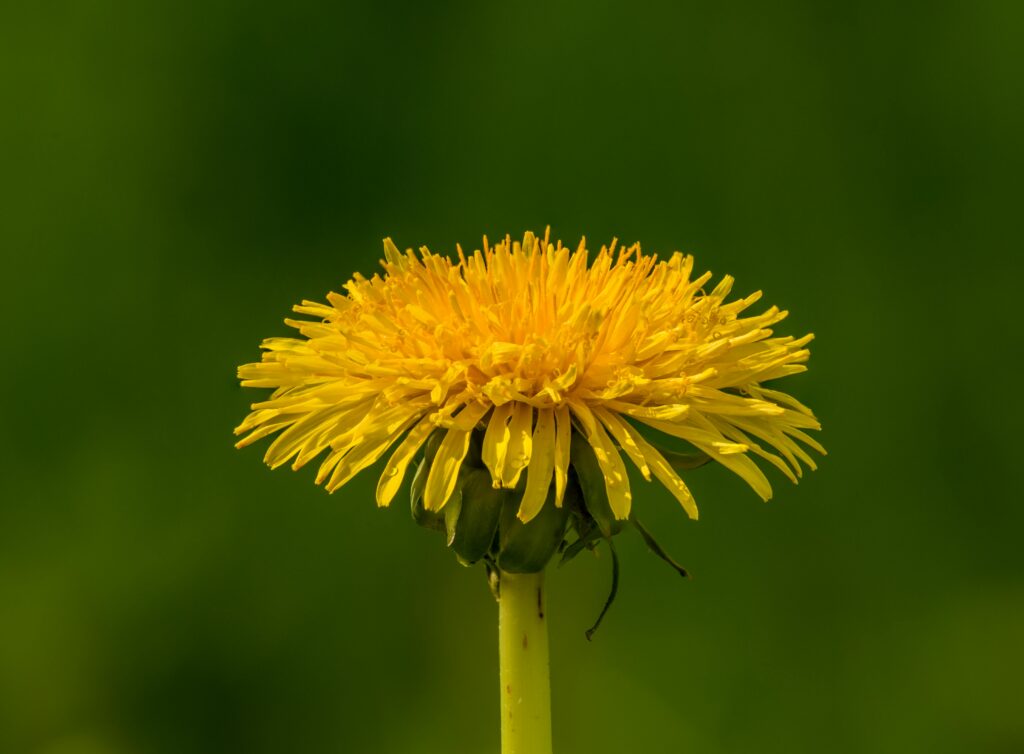
Dandelion, known scientifically as Taraxacum officinale, is a perennial herbaceous plant belonging to the Asteraceae family. Native to Eurasia, it has successfully adapted to other corners of the world, becoming a common presence globally. Dandelion is distinguished by its lanceolate, deep green leaves and its bright yellow flowers, which bloom in spring and summer. Mature plants can reach about 30 cm in height, and the flowers—arranged in lamp‑like inflorescences—are attractive to pollinators.

The natural habitat of dandelion is varied, including meadows, roadsides, gardens, and even urban spaces. This versatility contributes to its popularity both as an ornamental garden plant and as a therapeutic tool. In different cultures, dandelion has been recognized for both its medicinal and culinary uses. For example, in traditional medicine, the leaves and roots were employed to treat a variety of conditions, including digestive and liver disorders.

Dandelion is also known by various common names such as “blowball” or simply “dandelion,” each acknowledging its beauty and ease of flourishing under diverse environmental conditions. Throughout history, this plant has been mentioned in ancient texts, and its use has evolved, becoming a symbol of springtime and renewal. In many culinary traditions, dandelion leaves are used in salads or infusions due to their nutritional properties, underscoring the plant’s importance in global food culture.

Nutritional Composition of Dandelion

Dandelion, scientifically Taraxacum officinale, is a remarkable wild plant thanks to its rich nutritional profile. Not only is it packed with antioxidants, but it also provides a variety of essential vitamins and minerals for human health. Dandelion leaves contain significant amounts of vitamins A, C, and K, as well as the B‑vitamin complex. These nutrients play a crucial role in strengthening the immune system, promoting skin and vision health, and maintaining bone integrity.

Beyond vitamins, dandelion is rich in important minerals such as calcium, potassium, magnesium, and iron. Calcium helps fortify bones and teeth, while potassium assists in regulating blood pressure. Iron is essential for hemoglobin formation, improving the body’s oxygen‑transport capacity. Thus, regular consumption of dandelion can benefit overall health by supporting various physiological functions.

Dandelion is also a high‑fiber source, promoting a healthy digestive system. Dietary fiber helps regulate blood sugar levels and contributes to maintaining a healthy body weight by creating a sensation of fullness. This combination of nutrients makes dandelion a valuable ingredient in a healthy diet, with the potential to help prevent chronic conditions like heart disease and type 2 diabetes. In conclusion, dandelion is not just a wild plant but an invaluable nutritional resource that can improve diet quality.

Medicinal Benefits of Dandelion

Dandelion, known scientifically as Taraxacum officinale, is well‑known not only for its distinctive appearance but also for its remarkable medicinal benefits. This plant has been used over time in traditional medicine for its curative properties, which have been supported by numerous scientific studies. One of dandelion’s most important effects is its diuretic activity. Dandelion extracts can stimulate fluid elimination from the body, which is beneficial in combating water retention and kidney problems.

Besides its diuretic effects, dandelion also has significant digestive properties. Consuming dandelion leaves or roots can support digestion and help relieve gastrointestinal discomfort. They contain soluble fibers, which contribute to intestinal health and the regularization of bowel movements. Dandelion can also accelerate fat metabolism and help maintain weight by stimulating bile secretion.

Dandelion’s anti‑inflammatory properties make it a suitable choice for alleviating various conditions, including arthritis and other inflammatory diseases. Recent studies have shown that bioactive compounds in dandelion can reduce inflammation at the cellular level. Therefore, including dandelion in your daily diet can help not only improve general health but also treat chronic conditions. These benefits, along with a long tradition of use, make dandelion a valuable plant in the field of phototherapy.

Delicious Dandelion Salad Recipes

Below are some healthy, vitamin‑rich recipes for dandelion salads mixed with other plants:

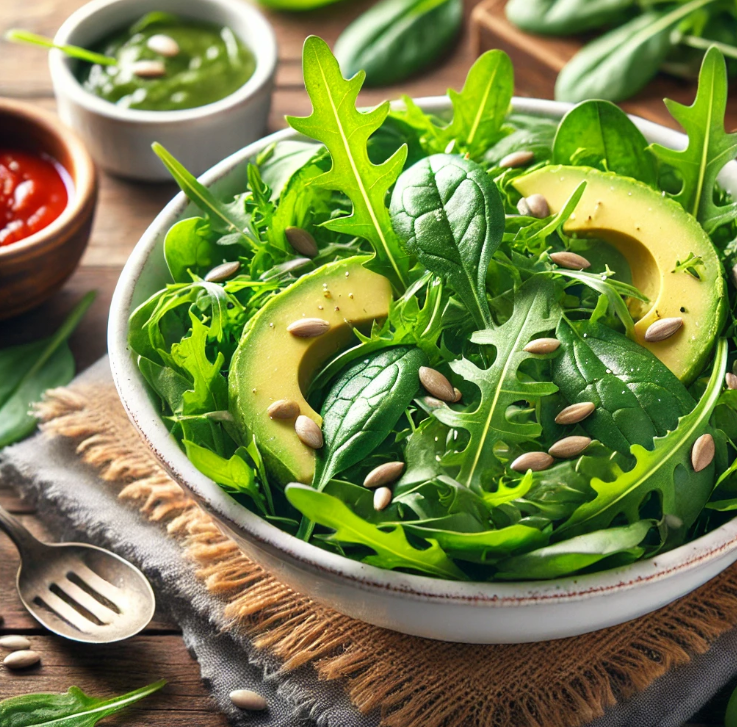
Dandelion, Spinach and Arugula Salad

Ingredients:

  • 1 cup fresh dandelion leaves
  • 1 cup fresh spinach
  • 1 cup arugula
  • 1 avocado, sliced
  • 50 g sunflower seeds
  • 2 tbsp olive oil
  • 1 tbsp balsamic vinegar
  • Juice of half a lemon
  • Salt and pepper to taste

Preparation:

  1. Wash the dandelion leaves, spinach, and arugula and place them in a large bowl.
  2. Add the avocado and sunflower seeds.
  3. In a small bowl, whisk together the olive oil, balsamic vinegar, and lemon juice.
  4. Drizzle the dressing over the salad and season with salt and pepper.

Dandelion, Nettle and Radish Salad

Ingredients:

  • 1 cup dandelion leaves
  • 1 cup young nettle leaves
  • 1 bunch radishes, thinly sliced
  • 2 tbsp toasted sesame seeds
  • 2 tbsp olive oil
  • 1 tbsp apple cider vinegar
  • Salt and pepper to taste

Preparation:

  1. Wash the dandelion and nettle leaves (blanch nettles for 1 minute to remove sting).
  2. Place the leaves and radishes in a large bowl.
  3. Sprinkle toasted sesame seeds on top.
  4. Mix olive oil with apple cider vinegar, season, and drizzle over the salad.

Dandelion, Tomato and Cucumber Salad

Ingredients:

  • 1 cup dandelion leaves
  • 2 large tomatoes, cubed
  • 1 cucumber, thinly sliced
  • 50 g feta cheese, crumbled
  • 2 tbsp olive oil
  • 1 tbsp lemon juice
  • Salt and pepper to taste

Preparation:

  1. Wash dandelion leaves and place them in a bowl.
  2. Add tomatoes, cucumbers, and feta.
  3. Drizzle with olive oil and lemon juice, season, and toss gently.

Dandelion, Wild Garlic and Walnut Salad

Ingredients:

  • 1 cup dandelion leaves
  • 1 cup wild garlic leaves
  • 50 g roughly chopped walnuts
  • 1 tbsp olive oil
  • 1 tbsp balsamic vinegar
  • Salt and pepper to taste

Preparation:

  1. Wash dandelion and wild garlic leaves, place in a large bowl.
  2. Sprinkle walnuts on top.
  3. Whisk olive oil with balsamic vinegar, season, and drizzle over salad.

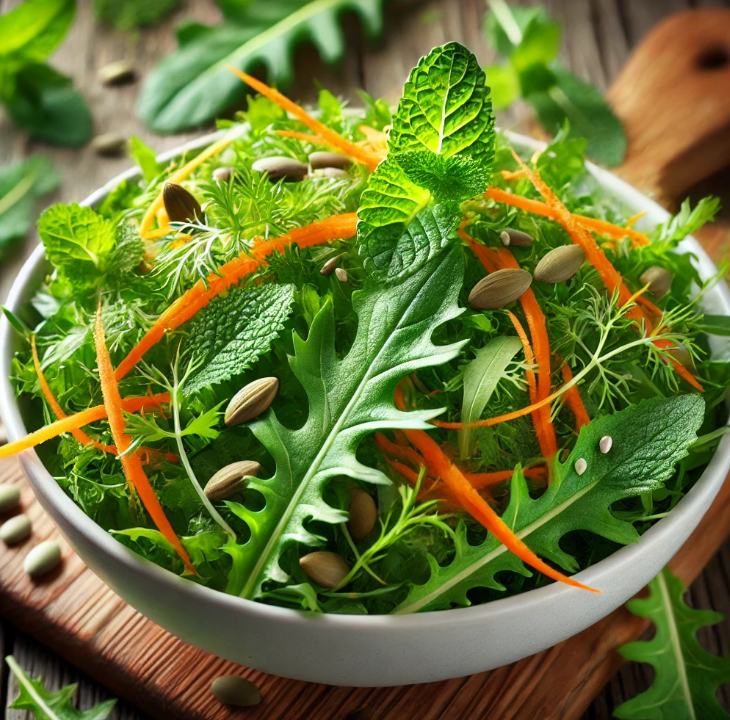
Dandelion, Mint and Coriander Salad

Ingredients:

  • 1 cup dandelion leaves
  • ½ cup fresh mint leaves
  • ½ cup fresh coriander leaves
  • 1 carrot, julienned
  • 1 tbsp pumpkin seeds
  • 2 tbsp olive oil
  • 1 tbsp apple cider vinegar
  • Salt and pepper to taste
Preparation:

Wash dandelion, mint, and coriander leaves.

Place all ingredients in a bowl, add carrot and pumpkin seeds.

Mix olive oil with vinegar, season, and toss salad.

These salads are fresh, nutritious, and an excellent way to integrate dandelion and other nutrient‑rich plants into your diet.tamine, fiind o modalitate excelentă de a integra păpădia și alte plante nutritive în alimentația ta.

Ways to Use Dandelion

Dandelion (Taraxacum officinale) is a versatile plant with multiple dietary uses due to its rich content of vitamins and minerals. Leaves, flowers, and roots can be easily integrated into various preparations, providing not only nutritional benefits but also a distinctive flavor.

  • Leaves can be eaten raw in salads or soups. Their slightly bitter taste can be balanced by combining them with sweeter ingredients like fruits. A simple recipe is a dandelion salad with cherry tomatoes, feta cheese, and nuts, dressed with balsamic vinegar or olive oil.
  • Flowers are edible and can be used to prepare teas, tinctures, or even fritters. Dandelion flower tea is valued for its detoxifying and antioxidant properties. To make it, infuse fresh flowers in hot water for ten minutes; it can be enjoyed hot or cold.
  • Roots, typically harvested in autumn or spring, serve as a coffee substitute when roasted, providing a similar aroma. They can also be ground and added to culinary dishes like soups or purees to enrich texture and flavor.

Thus, using dandelion in the diet is not only beneficial but also a creative way to add variety to daily meals.

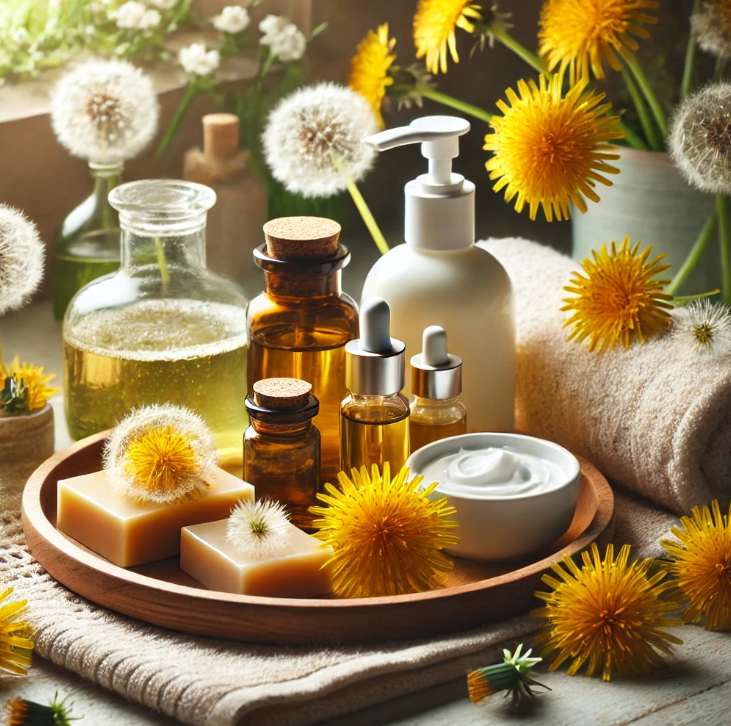
Dandelion in Cosmetics and Personal Care

Dandelion, scientifically Taraxacum officinale, is a versatile plant offering numerous benefits for personal care and cosmetics. Due to its antioxidant, anti‑inflammatory, and moisturizing properties, dandelion extracts are becoming increasingly popular in cosmetic formulations. This plant is rich in vitamins A, C, and E, which are essential for skin health.

One of dandelion’s main benefits for skin is its ability to combat acne. Thanks to its antibacterial properties, dandelion sap can help cleanse pores and reduce inflammation associated with breakouts. Dandelion is also recognized for its detoxifying effects, aiding in toxin elimination, resulting in clearer, more radiant skin.

For hair, dandelion can strengthen hair strands and combat dandruff. A decoction of dandelion leaves applied to the scalp can stimulate blood circulation, promoting healthy hair growth. Dandelion oil is prized for its hydrating properties and is an excellent choice for natural shampoos and conditioners.

At home, you can easily create personal care products with dandelion. For example, a facial mask made from finely chopped dandelion leaves mixed with honey and yogurt offers intense hydration and a rejuvenating effect. Additionally, a toner made from diluted dandelion sap can be used to tone and refresh the complexion. By integrating dandelion into your personal care routine, you can achieve noticeable improvements in skin and hair health.

Dandelion-Based Cosmetic and Ointment Recipes

Soothing Dandelion Salve for Dry and Irritated Skin

Ingredients:

  • 1 cup fresh dandelion flowers1 cup olive or coconut oil30 g beeswax10 drops lavender essential oil (optional)
Preparation:
  1. Place dandelion flowers in a jar and cover with oil.Macerate for 2 weeks in a warm place, shaking daily.Strain oil and gently heat with beeswax until melted.Pour into small jars and add lavender oil.Let cool and solidify.
Benefits:
Dandelion has anti‑inflammatory and soothing properties, ideal for dry or irritated skin. Lavender oil adds relaxation and minor inflammation relief.

Dandelion Lip Balm

Ingredients:

  • 2 tbsp dandelion‑infused oil (see above)1 tbsp cocoa butter1 tbsp beeswax1 tsp honey (optional)
Preparation:
  1. Melt beeswax and cocoa butter in a double boiler.Add dandelion oil and honey, stirring well.Pour into lip balm containers and let solidify.
Benefits:
Hydrates and soothes chapped lips. Dandelion aids regeneration of delicate lip skin.

Dandelion Facial Lotion

Ingredients:

  • ½ cup dandelion‑infused oil¼ cup rose water2 tbsp beeswax5 drops chamomile essential oil (optional)
Preparation:
  1. Melt beeswax with dandelion oil in a double boiler.Warm rose water separately.Gradually whisk rose water into melted oil and wax until emulsified.Add chamomile oil and pour into lotion bottles.
Benefits:
Deeply hydrates and soothes skin. Rose water and dandelion have anti‑inflammatory and revitalizing effects.

Dandelion and Brown Sugar Body Scrub

Ingredients:

  • ½ cup dried dandelion flowers1 cup brown sugar¼ cup almond or coconut oil1 tsp vanilla extract (optional)
Preparation:
  1. Crush dried flowers and mix with brown sugar.Add oil and vanilla extract to form a paste.Use in the shower to exfoliate skin.
Benefits:
Dandelion promotes cell regeneration, brown sugar removes dead cells, leaving skin soft. Almond oil deeply moisturizes.

Purifying Dandelion Face Mask

Ingredients:

  • 2 tbsp fresh dandelion leaves, chopped1 tsp honey1 tbsp plain yogurt
Preparation:
  1. Chop leaves finely and mix with honey and yogurt.Apply mask for 15–20 minutes.Rinse with warm water and follow with moisturizer.
Benefits:
Cleanses and detoxifies skin, reduces inflammation and blemishes. Dandelion has anti‑acne and purifying effects.

Conclusion:
Dandelion‑based cosmetics and salves are excellent for hydration, regeneration, and skin soothing. Known for anti‑inflammatory and antioxidant properties, dandelion is ideal for sensitive, dry skin, helping treat minor irritations and inflammation.

Dandelion in Alternative Therapy

Dandelion, scientifically Taraxacum officinale, is a plant with multiple uses in alternative therapy. It is valued in both aromatherapy and phytotherapy for properties that enhance overall well‑being. One common application is as teas or tinctures made from its leaves and flowers, which support liver function and digestion.

In aromatherapy, dandelion essential oil is frequently used in blends to stimulate the immune system and detoxify the body. It can be diffused or used in massage to promote relaxation and reduce stress. Its benefits extend to skin care, recognized for anti‑inflammatory and healing properties; thus, dandelion extracts are included in natural creams and serums for facial care.

Dandelion is also used in detox therapies for its diuretic effect, aiding in toxin elimination. Integrated into detox diets, it provides vitamins and minerals—such as vitamin C, potassium, and iron—that maintain health. Therefore, dandelion is popular among those seeking natural solutions to improve health and prevent chronic disease.

Dandelion Tincture Recipes

Simple Dandelion Tincture
Ingredients:

  • 100 g fresh or dried dandelion roots
  • 500 ml 40–50% food‑grade alcohol (vodka or grain alcohol)

Preparation:

  1. Clean and chop roots finely.
  2. Place in a glass jar and cover with alcohol.
  3. Seal and macerate in a cool, dark place for 2–4 weeks, shaking daily.
  4. Strain through cheesecloth and store in dark glass bottles.

Usage:
10–20 drops in water, 2–3 times daily, for liver detox and digestive support.

Dandelion and Honey Tincture
Ingredients:

  • 100 g fresh dandelion leaves
  • 300 ml 40% alcohol
  • 100 ml organic honey

Preparation:

  1. Wash and chop leaves, place in a jar with alcohol.
  2. Macerate for 3 weeks, shaking daily.
  3. Strain and stir in honey until fully dissolved.
  4. Store in dark glass bottles.

Usage:
15–20 drops in water or tea, twice daily, for immune support and detox.

Dandelion and Apple Cider Vinegar Tincture
Ingredients:

  • 100 g fresh dandelion roots and leaves
  • 500 ml organic apple cider vinegar
Preparation:
  1. Wash and chop plant material, place in a jar.
  2. Cover with vinegar, seal, and macerate in a cool, dark place for 2–3 weeks.
  3. Strain and store in dark glass bottles.
Usage:
10–15 drops in water, 2–3 times daily, to support digestion and stomach acidity balance.

General Administration:
Dandelion tinctures can be used for liver and kidney detoxification, digestion improvement, bile secretion stimulation, inflammation reduction, immune support, and external treatments for skin conditions or minor wounds. These easy‑to‑prepare at‑home tinctures offer multiple health benefits due to dandelion’s detoxifying and anti‑inflammatory properties.

Curiosities about Dandelion

Dandelion, scientifically Taraxacum officinale, is a plant with a rich history and diverse symbolism worldwide. This yellow flower, often associated with spring, has been valued not only for its nutritional and medicinal benefits but also for the meanings it has acquired across cultures. For example, in many European traditions, dandelion is considered a symbol of hope and rebirth, due to the way its flowers bloom and then disperse seeds, thus restarting the life cycle.

In popular culture, dandelion is often linked to wishes fulfilled. It is said that when someone blows on its fluffy seeds, they can make a wish, believing each airborne seed represents a chance to achieve their dreams. This association with wishes and hope has made the flower popular among children, frequently used in games and traditions.

Historically, dandelion was also regarded as a remarkable plant in traditional medicine. Across cultures, it was used to treat a variety of ailments, from digestive issues to skin conditions. Regardless of region, dandelion evolved as a valuable healing plant, often consumed as infusions or salads. Thus, through its uses, dandelion is not just a simple spring flower but a symbol of nature’s adaptability and human traditions. This fascinating flower continues to inspire and amaze, remaining a subject of study for botanists and nature lovers alike.

Cultivation and Care of Dandelion

Dandelion, scientifically Taraxacum officinale, is a perennial plant that easily adapts to diverse environmental conditions. When cultivating dandelion, it is essential to choose a sunny spot, as the plant prefers direct light. The soil should be well‑drained, fertile, and have a neutral to slightly alkaline pH. To achieve a good dandelion harvest, enrich the soil with compost or other organic fertilizers.

Regarding watering, dandelion requires a moderate regime. Keep the soil moist but not waterlogged. Water consistently, especially during the growing season, to prevent water stress. However, the plant tolerates short drought periods; insufficient watering can affect leaf and root quality.

Fertilization is another key aspect of dandelion care. Use natural fertilizers such as compost or organic amendments twice a year—in spring and autumn. These not only support healthy plant development but also improve soil quality.

Harvest techniques are also important. Leaves and roots can be harvested throughout the warm season, preferably on dry mornings when moisture content is lower. Monitoring for pests like beetles or aphids is crucial. Thinning dandelion plants can improve their resilience and reduce infestation risk.

Conclusions and Recommendations

Dandelion, scientifically Taraxacum officinale, is a remarkable medicinal plant offering numerous health benefits. Thanks to active compounds in its leaves, flowers, and roots, dandelion is valued in traditional and modern medicine alike. Its uses include stimulating digestion, detoxifying the body, and supporting liver health. Dandelion also has antioxidant and anti‑inflammatory properties that contribute to overall well‑being.

Integrating dandelion into the daily diet can provide its nutritional and medicinal benefits. One simple method is adding fresh leaves to salads or smoothies. Flowers can be infused in teas, and roots can be roasted and consumed in various culinary dishes. Nutritional supplements containing dandelion extracts are also available for those seeking its benefits without major dietary changes.

We encourage readers to explore more about dandelion and try various ways to incorporate it into their routines. As a versatile plant, it can make a valuable contribution to general health. However, consult a health professional before starting a dandelion‑based regimen, especially for individuals with preexisting conditions or on medication. In conclusion, through its multiple uses, dandelion is a precious natural resource worthy of our attention.

Frequently Asked Questions

What is dandelion and why is it considered a valuable plant?
Dandelion (Taraxacum officinale) is a perennial herbaceous plant of the Asteraceae family, known for its bright yellow flowers and lanceolate green leaves. It is valuable due to its versatility in medicine, diet and cosmetics. Its leaves, flowers and roots contain vitamins, minerals and antioxidants beneficial for human health, being used for body detoxification, improved digestion and inflammation treatment.

What are the main nutritional benefits of dandelion?
Dandelion is rich in vitamins A, C, K and B‑complex, which support immunity, bone health and skin. It is also an excellent source of minerals such as calcium, iron, potassium and magnesium. These nutrients help maintain cardiovascular health, improve digestion and prevent anemia. In addition, its high fiber content supports intestinal health.

How does dandelion help detoxify the body?
Dandelion stimulates liver and kidney function thanks to its diuretic properties. It helps eliminate toxins and excess fluids from the body. Dandelion root, in particular, is used to increase bile production, facilitating fat digestion and liver cleansing.

What role does dandelion play in improving digestion?
Dandelion contains soluble fibers and bitter compounds that stimulate the secretion of digestive juices and bile, facilitating food digestion and reducing bloating. It also helps regulate bowel transit and prevent constipation, benefiting the intestinal microbiome.

How can dandelion be consumed in the diet?
Dandelion can be consumed in various forms: fresh leaves added to salads or smoothies, flowers used in teas and syrups, and roots roasted and used as a coffee substitute. A popular recipe is dandelion salad with spinach, arugula, avocado and seeds, offering a significant nutrient boost.

What are the main medicinal uses of dandelion?
In traditional medicine, dandelion is used to treat digestive problems, detoxify the liver and combat inflammation. Its diuretic properties are useful for people with water retention or kidney conditions. Dandelion is also used to support immunity and reduce the risk of chronic diseases due to its antioxidant content.

What benefits does dandelion bring to the cosmetic field?
Dandelion is used in cosmetic products for its antioxidant, anti‑inflammatory and moisturizing properties. Extracts from leaves or flowers are included in creams and masks to soothe irritations and hydrate the skin. A dandelion decoction can be used to rinse hair, reducing dandruff and stimulating growth.

How can dandelion be used in alternative therapy?
In alternative therapy, dandelion is employed as teas, tinctures and essential oils for detoxification, stress reduction and improved digestive function. Dandelion root tinctures are prized for liver support, while the essential oil is used in massage for relaxation and to stimulate blood circulation.

What contraindications and side effects can dandelion have?
Dandelion is generally safe but can cause allergic reactions in people sensitive to plants of the Asteraceae family. Excessive consumption may lead to gastric discomfort or diarrhea. Additionally, dandelion can interact with diuretic or anticoagulant medications. It is recommended to consult a physician before use, especially for those with preexisting conditions.

What interesting curiosities exist about dandelion?
Dandelion is considered a symbol of rebirth and hope in many cultures. In popular tradition, blowing its fluffy seeds into the air is associated with wish fulfillment. Although often seen as a weed, dandelion is one of the most resilient plants, capable of growing in almost any soil. It has also been used as a natural source of latex for rubber production.

Chamomile (Matricaria chamomilla): Benefits, Uses and Properties

Introduction to the World of Chamomile

Chamomile, known scientifically as Matricaria chamomilla, is a venerable medicinal plant celebrated throughout history for its therapeutic properties. Native to regions of Europe and Asia, chamomile has been employed since ancient times in traditional medicine and holds a significant place in numerous cultures. It is often recognized by its white and yellow flowers, which emit a characteristic, pleasant fragrance.

The historical use of chamomile in medicine is extensive. In ancient Egypt, the plant was prized for its calming effects and was used in religious rituals as well as therapeutic applications. In ancient Greece, Hippocrates mentioned chamomile as a remedy for various ailments, emphasizing its anti-inflammatory properties. Over time, chamomile gained popularity in folk medicine across Europe and North America.

Today, chamomile remains a key ingredient in many modern health-care products, commonly found in chamomile tea, tinctures, and essential oil preparations. Its benefits are manifold, including calming effects, anti-inflammatory effects, antioxidant action, and digestive support. Chamomile is often recommended for treating insomnia, gastrointestinal issues, and stress relief, proving to be a valuable ally in both traditional and contemporary medicine and underscoring its importance for enhancing quality of life.

Therapeutic Properties of Chamomile

Chamomile (Matricaria chamomilla) is renowned for its long-recognized therapeutic applications, offering beneficial effects across a variety of conditions. Among the most significant properties of chamomile are its anti-inflammatory effects and analgesic properties, as well as its anxiolytic (anxiety-reducing) and digestive-supporting actions. A wealth of scientific studies has validated chamomile’s efficacy in alleviating numerous symptoms and health conditions.

The anti-inflammatory effects of chamomile derive from active compounds such as flavonoids and terpenoids. These substances help reduce inflammation, making chamomile useful in managing conditions like arthritis and other inflammatory processes. A study published in the Journal of Ethnopharmacology found that chamomile extracts can significantly diminish inflammation in the body.

In addition to its anti-inflammatory action, chamomile is known for its analgesic properties, meaning it can help reduce pain, whether chronic or acute. Research has demonstrated chamomile’s effectiveness in managing menstrual cramps and migraines, offering a natural alternative to conventional medications.

Chamomile also exhibits anxiolytic effects, aiding in the relief of anxiety and stress. Consumption of chamomile tea or application of chamomile essential oils has been linked to enhanced relaxation and improved sleep quality. These benefits have been documented in specialty journals, highlighting chamomile’s role in complementary therapies. Its digestive-supporting qualities are equally noteworthy: chamomile can alleviate gastric discomfort and colic, thus facilitating smoother digestion. In conclusion, chamomile stands out as a versatile resource in both traditional and modern medicine thanks to its diverse therapeutic benefits.

Simple and Delicious Chamomile Tea Recipes

Simple Chamomile Tea

Ingredients:

  • 1 teaspoon of dried chamomile flowers (or 1 tea bag)
  • 250 ml boiling water
  • Honey or lemon (optional)

Preparation:

  1. Boil the water and pour it over the chamomile flowers in a cup.
  2. Cover the cup and let the tea steep for 5–7 minutes.
  3. Strain out the flowers (if using loose tea) and add honey or lemon to taste.

Chamomile and Mint Tea

Ingredients:

  • 1 teaspoon dried chamomile flowers
  • 1 teaspoon dried mint leaves
  • 250 ml boiling water
  • Honey (optional)

Preparation:

  1. Place chamomile and mint in a cup.
  2. Pour boiling water over the herbs and cover.
  3. Steep for 7–10 minutes, then strain.
  4. Add honey if desired and enjoy a refreshing, calming tea.

Chamomile and Ginger Tea

Ingredients:

  • 1 teaspoon dried chamomile flowers
  • A small slice of fresh ginger root
  • 250 ml boiling water
  • Honey and lemon (optional)

Preparation:

  1. Combine chamomile and ginger in a cup.
  2. Pour boiling water over them and cover.
  3. Steep for 5–7 minutes.
  4. Strain the tea and add honey and lemon as preferred.

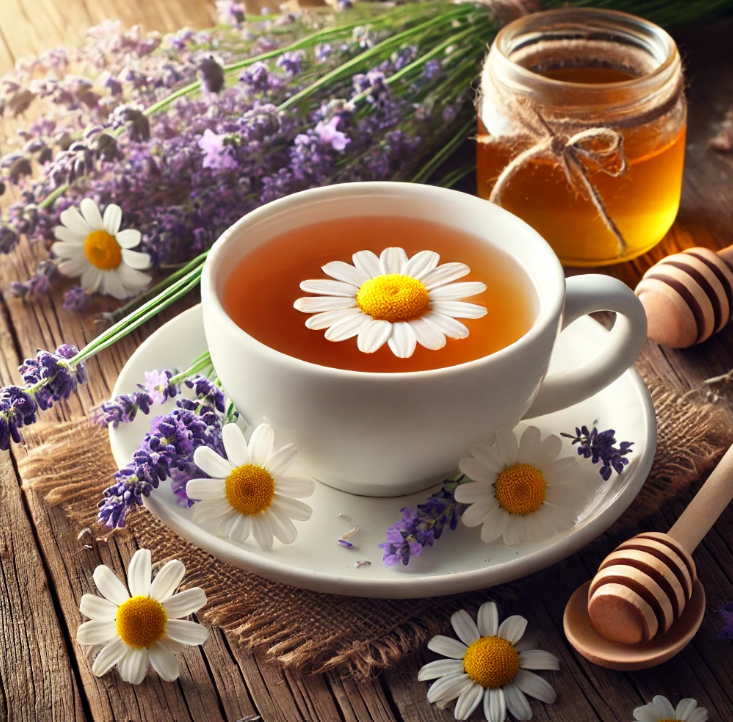
Chamomile and Lavender Tea

Ingredients:

  • 1 teaspoon chamomile flowers
  • ½ teaspoon dried lavender flowers
  • 250 ml boiling water
  • Honey (optional)

Preparation:

  1. Place chamomile and lavender in a cup.
  2. Pour boiling water over the mixture and cover.
  3. Steep for 5–7 minutes, then strain.
  4. Add honey if desired for a floral, soothing tea.

Chamomile and lavender tea can be consumed 1–2 times daily, especially in the evening to promote relaxation and sleep. It is simple to prepare and offers a pleasantly sweet, floral taste—perfect for periods of stress or fatigue.

Chamomile, Lemon, and Cinnamon Tea

Ingredients:

  • 1 teaspoon dried chamomile flowers
  • 1 slice of lemon
  • 1 small cinnamon stick (or ½ teaspoon ground cinnamon)
  • 250 ml boiling water
  • Honey (optional)
Preparation:

Place chamomile and cinnamon in a cup.

Pour boiling water over and add the lemon slice.

Steep for 7–10 minutes.

Strain the tea and add honey to taste for a warm, comforting blend.

These recipes are easily adaptable—feel free to adjust the ingredients to suit your preferences. Chamomile is celebrated for its calming effects and anti-inflammatory benefits, making it ideal for a moment of tranquility and relaxation..

Chamomile’s Uses in Cosmetic Products

Chamomile (Matricaria chamomilla) has long been valued not only for its medicinal benefits but also for its applications in the cosmetics industry. Chamomile extract is a popular ingredient in skin-care formulations due to its soothing and anti-inflammatory qualities, making it ideal for products designed for sensitive skin. Active compounds such as chamazulene and bisabolol help reduce irritation and redness.

In skin care, chamomile is often incorporated into creams, lotions, and facial masks aimed at nourishing and regenerating the epidermis. For example, a simple soothing mask recipe might combine a chamomile decoction with yogurt, providing intense hydration and a cooling effect. This treatment is frequently recommended for individuals prone to allergies or irritations.

Additionally, chamomile is a valuable component in hair-care products. Shampoos and conditioners containing chamomile are formulated to promote a healthy scalp by reducing dandruff and irritation. A chamomile-based rinse can also enhance the brightness of blonde hair and strengthen hair strands. Given these benefits, chamomile has become a staple in many beauty routines for those seeking natural solutions to improve their skin and hair’s appearance.

Chamomile in Household Cleaning and Care

Chamomile (Matricaria chamomilla) is not only a medicinal herb but also an effective ally in eco-friendly household cleaning. Thanks to its antiseptic and anti-inflammatory qualities, chamomile can help eliminate bacteria and unpleasant odors while contributing to a healthier, cleaner environment.

One simple way to use chamomile for cleaning is by preparing a chamomile infusion. To do this, steep two tablespoons of dried chamomile flowers in a cup of boiling water for 15–20 minutes. After cooling, strain the solution and use it to wipe down kitchen or bathroom surfaces, leaving behind a pleasant aroma and a mild disinfectant effect.

Chamomile can also be used to make homemade deodorizing sprays. A natural spray can be created by diluting chamomile infusion with water and adding a few drops of citrus essential oil for a fresh note. This deodorizer can be applied to fabrics or misted into the air to neutralize odors, leaving a sense of freshness. These methods are not only effective but also environmentally friendly, as they avoid harmful chemicals.

Chamomile’s role in household cleaning highlights nature’s positive impact on our living spaces, offering healthy alternatives to commercial products and promoting a more natural, eco-conscious lifestyle.

Methods of Preparing Chamomile

Chamomile (Matricaria chamomilla) is celebrated for its calming effects and anti-inflammatory properties, and there are several ways to prepare it to harness its benefits. The most common methods include tea infusion, tinctures, essential oil, and herbal infusions—each providing an efficient route to capitalize on this herb’s virtues.

Tea preparation: Use 2–3 tablespoons of dried chamomile flowers per cup of water. Bring the water to a boil, add the flowers, and steep for 5–10 minutes. This tea is ideal for relaxation and improving sleep quality.

Tincture: Macerate dried flowers in 40–50% alcohol for 2–3 weeks, using about 100 ml of alcohol for every 10 g of flowers. After maceration, strain and store the tincture in a dark bottle. Tincture is taken in 10–15 drops diluted in water, 2–3 times daily, to support digestion and ease anxiety.

Essential oil: Produced by steam distillation of the flowers in specialized equipment. Though complex, the resulting oil is highly concentrated and effective in aromatherapy. Dilute with a carrier oil for massage or use in diffusers for a calming atmosphere.

Herbal infusions: Similar to tea but use both flowers and leaves, following the same proportions. Infusions can be consumed as a warm beverage or used in relaxing baths.

Each preparation method can be tailored to personal preferences and specific needs, making chamomile a versatile addition to any wellness routine.

Contraindications and Side Effects

Despite chamomile’s popularity as a natural remedy, attention must be paid to its contraindications and potential side effects. The primary concern is allergic reactions in individuals sensitive to Asteraceae family plants (e.g., ragweed, chrysanthemums, daisies). Symptoms may include rashes, itching, swelling, or respiratory difficulties.

Chamomile may also interact with certain medications. People taking anticoagulants such as warfarin should exercise caution, as chamomile can potentiate bleeding risk. Other interactions may occur with sedatives and anti-inflammatory drugs, so consulting a physician before integrating chamomile into one’s therapeutic regimen is crucial.

Excessive consumption of chamomile—in the form of teas, extracts, or supplements—can lead to drowsiness, nausea, or gastric discomfort. Those with sensitive digestive systems or gastric ulcers may experience gastrointestinal upset. To avoid adverse effects, adhere to recommended dosages and duration of use, and seek medical advice when necessary.

Chamomile in Aromatherapy

Chamomile, known scientifically as Matricaria chamomilla, is a valuable ingredient in aromatherapy thanks to its soothing and therapeutic qualities. The essential oil extracted from its flowers is renowned for promoting both physical and mental well-being. Compounds like bisabolol contribute to nervous relaxation and stress reduction, making chamomile an effective ally against anxiety.

In aromatherapy, chamomile is often used via diffusion. Just a few drops of essential oil in a diffuser can fill a room with a gentle, calming scent, enhancing the atmosphere and promoting restful sleep. Inhaling chamomile vapors provides quick relief during intense stress.

Chamomile can also be incorporated into massage therapy. When diluted in a carrier oil, its essential oil can be applied to the skin to relieve muscle tension and induce tranquility. This approach marries the benefits of aromatherapy with tactile therapy, alleviating headaches and bodily discomfort while fostering overall well‑being.

In summary, chamomile’s role in aromatherapy proves to be an effective tool for improving mental and physical health, easing acute tension and instilling a profound sense of peace.

Recent Research and Studies on Chamomile

Over the past decade, chamomile (Matricaria chamomilla) has been the focus of numerous scientific investigations. Recent studies have explored its range of therapeutic effects, from anti-inflammatory properties to its role in stress and anxiety management. A study in the Journal of Ethnopharmacology demonstrated the sedative effects of chamomile, showing that drinking chamomile tea before bedtime enhances sleep quality.

De asemenea, recent research has revealed the anti-inflammatory effects of chamomile, highlighting its ability to reduce systemic inflammation. A study published in Phytotherapy Research evaluated the impact of chamomile extract on inflammatory markers and found that its use led to significant decreases in inflammation. These findings pave the way for using chamomile in treating chronic inflammatory conditions such as arthritis.

Another area of investigation has been the association of chamomile with digestive health. Research conducted at the University of Freiburg Medical School demonstrated that a chamomile infusion can reduce gastrointestinal symptoms, exerting a positive effect on digestion. These results suggest that chamomile may be considered as a complementary treatment for digestive disorders.

These recent studies underscore the importance of chamomile in contemporary medicine, emphasizing both its efficacy and safety in therapeutic use. As the approval and acceptance of plant‑based therapies continue to grow, chamomile remains at the forefront as a natural remedy with significant potential.

Conclusion: The Importance of Chamomile in Daily Life

Chamomile (Matricaria chamomilla) is a plant with a long history of use in traditional medicine, and its importance in everyday life is remarkable. This herb is not only a source of health benefits but also a symbol of simplicity in natural approaches. Its extensive benefits include calming effects, antimicrobial properties, and support for digestion, making it a popular choice for home remedies.

The uses of chamomile are diverse. Chamomile tea is a well‑known remedy, effective in reducing stress and improving sleep quality. Additionally, the essential oil obtained from its flowers can be used in aromatherapy, contributing to a relaxing and pleasant environment. Through topical application, chamomile can help alleviate skin irritations, further solidifying its status as a versatile medicinal plant.

Moreover, the plant is easily accessible and can be grown in gardens, offering not only health benefits but also aesthetic value. This means anyone can enjoy its advantages without requiring advanced knowledge of herbal medicine. Natural resources like chamomile highlight the importance of reconnecting with nature, providing simple and effective solutions to everyday problems.

In conclusion, integrating chamomile into one’s daily routine can significantly contribute to our health and well‑being. This plant not only represents a natural alternative to conventional medicines but also reminds us of the essence of a healthy lifestyle founded on readily available natural resources.

What is chamomile and why is it so popular?
Chamomile (Matricaria chamomilla) is a medicinal plant renowned for its calming and anti‑inflammatory properties. With delicate white and yellow flowers, chamomile has been used for thousands of years in traditional European and Asian medicine. Its popularity stems from its ability to treat a wide range of conditions—from digestive issues to insomnia—and its versatility in teas, tinctures, essential oils, and cosmetic products.

What are the main health benefits of chamomile?
Chamomile is known for its relaxing effects, making it ideal for stress reduction and sleep improvement. It also possesses anti‑inflammatory properties, beneficial in treating skin and joint conditions, and antimicrobial action, useful in combating infections. Furthermore, chamomile soothes digestive problems such as indigestion or bloating and relieves menstrual symptoms.

How does chamomile help reduce stress and improve sleep?
Chamomile contains apigenin, an active compound that binds to receptors in the brain, producing a mild sedative effect. Regular consumption of chamomile tea before bedtime promotes relaxation and deeper sleep. Studies show that individuals who drink chamomile tea report significant improvements in sleep quality and reduced anxiety levels.

What digestive properties does chamomile have?
Chamomile calms the gastrointestinal tract by reducing stomach mucosal inflammation, relaxing digestive muscles, and stimulating the production of digestive enzymes. It is effective in treating colic, indigestion, and irritable bowel syndrome, and can help alleviate bloating and stomach cramps.

How can chamomile be used for skin health?
Chamomile’s anti‑inflammatory and antimicrobial qualities make it ideal for treating skin issues such as irritations, eczema, and acne. Applying a chamomile extract or decoction to the affected area reduces redness and inflammation. It is also a common ingredient in soothing creams and ointments for minor wound healing.

How is chamomile tincture prepared and used?
Chamomile tincture is made by macerating dried flowers in alcohol for 2–3 weeks. After straining, the tincture is stored in a dark bottle and used to relieve anxiety, support digestion, and calm inflammation. The typical dose is 10–15 drops diluted in water, taken 2–3 times daily.

What are the contraindications and side effects of chamomile?
Although generally safe, chamomile can provoke allergic reactions in individuals sensitive to Asteraceae family plants. It may also interact with anticoagulants, sedatives, and anti‑inflammatory drugs. Excessive consumption can lead to drowsiness, nausea, or gastric discomfort. It is recommended to consult a physician before use, especially if you are on medication.

How is chamomile utilized in cosmetic products?
Chamomile extract is frequently found in creams, lotions, and shampoos due to its soothing and moisturizing properties. It is effective for sensitive skin, reducing irritation and redness. In hair care, chamomile imparts natural shine to blonde hair and is used in facial masks for skin hydration and regeneration.

What are the advantages of using chamomile in aromatherapy?
In aromatherapy, a few drops of chamomile essential oil in a diffuser reduce stress and induce relaxation. It is also used in massage to soothe tense muscles and uplift mood. Its subtle aroma helps create a tranquil, comforting environment.

How has chamomile’s efficacy been scientifically demonstrated?
Recent studies published in journals such as Phytotherapy Research have confirmed chamomile’s health benefits, demonstrating that chamomile extracts reduce inflammation and alleviate anxiety symptoms. Other research has shown that chamomile infusions improve digestion and sleep, underscoring its potential as a natural remedy for common ailments.

Everything You Need to Know About Wild Garlic (Allium ursinum): Benefits, Uses, and Recipes

Wild garlic can be grown in the garden or in pots, preferring a rich, moist soil and a shaded spot. Seeds or bulbs are planted in autumn, and the plants will bloom in spring. Regular watering and applying mulch to maintain moisture is important. Growing it at home ensures access to fresh leaves without affecting wild populations.

8. What are the risks of excessive harvesting of wild garlic from nature?

Excessive harvesting can lead to the depletion of wild populations and affect forest ecosystems. Wild garlic plays an important role in biodiversity, feeding pollinating insects and other animals. It is essential to respect local regulations, harvest moderately, and avoid destroying roots to allow regeneration.

Wild garlic, scientifically known as Allium ursinum, is a perennial herbaceous plant belonging to the Liliaceae family. It is easily recognized by its lance-shaped green leaves, which emit a characteristic garlic-like aroma, distinguishing it from other landscape plants. Wild garlic can grow up to 30-50 centimeters in height and produce white flowers arranged in umbrellas that bloom from March to May. This flowering period coincides with favorable spring weather conditions, making wild garlic a sought-after ingredient for culinary and medicinal uses.

The natural habitat of wild garlic consists primarily of moist deciduous forests, where it thrives in humus-rich, well-drained soils with adequate moisture. This plant is commonly found in mountainous and hilly regions, with a broad geographical distribution across Europe, including Romania. Despite its popularity, wild garlic is a vulnerable species, and excessive harvesting can lead to a decline in its natural populations. Therefore, it is important to follow conservation regulations when foraging in the wild.

Wild garlic’s ecological preferences make it an important plant in forest ecosystems, contributing to biodiversity. It is also a valuable source of nutrients and antioxidants for human well-being. Due to its nutritional benefits and therapeutic effects, wild garlic is a popular choice in healthy diets, especially during the spring season.

In conclusion, Allium ursinum is a multifunctional plant with a positive impact on health and the environment. This introduction to wild garlic highlights its importance in local flora and its valuable potential in modern gastronomy.

Nutritional Benefits of Wild Garlic

Wild garlic, also known as Allium ursinum, is a wild plant with a wide range of nutritional benefits. Its nutritional profile is rich in vitamins, minerals, and antioxidants, which are essential for overall health. It’s year excellent source of vitamin C, which plays a crucial role in strengthening the immune system, assisting iron absorption, and promoting skin health. Additionally, wild garlic contains vitamins A and B, which is important for vision, cellular health, and metabolism.

In terms of minerals, wild garlic is a good source of calcium, iron, magnesium, and potassiumCalcium is essential for good health, while ironically is vital force hemoglobin production and preventing anemiaMagnesium supports metabolic processes and stress reduction, and potassium helps maintain healthy blood pressure. Regular consumption of wild garlic can significantly contribute to the intake of these essential minerals.

Beyond vitamins and minerals, wild garlic is known for its high antioxidant content, incl flavonoids and sulfur compounds. These antioxidants protect the body’s cells from oxidative stress and free radical damage, helping to reduce the risk of chronic diseases. Studies also suggest that wild garlic has anti-inflammatory effects, which may be beneficial in managing conditions such as arthritis and heart disease.

Therapeutic Properties of Wild Garlic

Wild garlic, known scientifically as Allium ursinum, is a perennial herbaceous plant with a series of therapeutic properties recognized over time. Among its most important characteristics are its anti-inflammatory and antimicrobial effects, as well as its ability to strengthen the immune system. This plant plays a significant role in traditional medicine, being used in various preparations for the treatment and prevention of several conditions.

One of the most notable aspects of wild garlic is that it contains organosulfur compounds, such as allicin, which are responsible for many of its health benefits. Studies have shown that these substances have anti-inflammatory effects, improving the condition of patients with chronic inflammatory diseases such as arthritis. Additionally, wild garlic is recognized for its antimicrobial properties, having the ability to fight against bacteria and fungi. This makes wild garlic an effective remedy in preventing infections and strengthening the intestinal flora.

In addition, recent research indicates that using wild garlic can support the immune system, helping the body defend itself better against diseases. A study published in the Journal of Medicinal Food showed that wild garlic extracts can stimulate the activity of immune cells, thus contributing to a more effective defense of the organism. In conclusion, wild garlic proves to be a plant with multiple beneficial effects, having the potential to be integrated into daily diets for supporting general health.

Here are some recipes for tincture of sedum and information about its benefits:

Recipe 1: Classic tincture of leurde

Ingredients:

  • Here are some recipes for wild garlic tincture and information about its benefits:
  • 500 ml of 40-50% alcohol (vodka or food alcohol)

Method of preparation:

  1. Wash the bay leaves well and let them dry on a clean towel.
  2. Finely chop the leaves and put them in a glass jar.
  3. Pour the alcohol over the bay leaves so that they are completely covered.
  4. Close the jar tightly and let it macerate for 14 days in a cool, dark place. Shake the jar daily.
  5. After 14 days, strain the liquid through cheesecloth or a coffee filter and store the tincture in dark glass bottles.

Recipe 2: Concentrated tincture of leurde

Ingredients:

  • 200 g fresh leurde leaves
  • 500 ml food alcohol (70%)

Method of preparation:

  1. Finely chop the bay leaves and put them in a glass jar.
  2. Pour the alcohol over the leaves until they are completely covered.
  3. Leave the mixture to macerate for 3-4 weeks, stirring daily.
  4. After this period, strain the tincture and store it in dark bottles, away from light and heat.

Uses of tincture of leurde:

  1. For heart health: Leurda helps reduce blood pressure and cholesterol. The tincture can be administered 10-15 drops diluted in water 2-3 times a day to support cardiovascular health.
  2. Detoxification: Leurda is known for its detoxifying properties, helping to remove heavy metals from the body and purify the blood. It is recommended to take the tincture before meals for several weeks.
  3. Digestion support: Yarrow tincture can stimulate digestion and combat bloating or flatulence. Take 10-20 drops after main meals.
  4. Immunity: Due to its anti-bacterial and anti-viral properties, wort tincture can strengthen the immune system. You can take 10-15 drops daily during cold and flu periods.
  5. Respiratory problems: Leurda helps to decongest the airways and can be used to relieve cough or bronchitis. Administer the tincture with honey or in a glass of warm tea.
  6. Liver detoxification: Due to its ability to support detoxification, the tincture can be used for liver and kidney health.

Mode of administration:

The tincture is usually administered as drops, diluted in water or tea. The usual dose is 10-20 drops, 2-3 times a day, depending on the condition. To benefit from the detoxifying and general health supporting effects, a 3-4 week treatment is recommended.

These tinctures are easy to make at home and offer numerous health benefits.

Ways to use leura in the kitchen

Leurda, also known by the scientific name Allium ursinum, is an aromatic plant with a wide range of culinary uses. This plant is often appreciated for its characteristic garlic-like taste and considerable nutritional value. A simple way to use leurda is in salads. It can be added fresh, finely chopped, to give a distinct taste to dishes. Combined with fresh vegetables such as tomatoes, cucumbers and green leaves, leurda offers not only an extra flavor, but also an increased nutritional value.

Leurda is also an ideal ingredient for soups. It can be lightly sauteed in olive oil with onions and potatoes, then added to the vegetable soup. This not only improves the taste, but also enriches the texture, bringing a touch of freshness. In addition, leurda can be used as a base for a creamy soup puree, which can be served as a healthy and comforting meal.

Leurde pesto is another popular option, offering a healthy and tasty alternative to the traditional basil-based pesto. To prepare leurde pesto, it is enough to mix the fresh leaves with walnuts, olive oil and grated parmesan, thus obtaining a delicious sauce that can be used to season pasta, salads or various grilled dishes.

In conclusion, leurda is a versatile ingredient that can be easily integrated into the daily diet, bringing both flavor and health benefits.

Here are some delicious recipes that use leurde in the kitchen:

1. Leurde salad with radishes and cheese

Ingredients:

  • 1 link of leurde
  • 1 bundle of radishes
  • 100 g feta or telemea cheese
  • 2 tablespoons olive oil
  • The juice of half a lemon
  • Salt and pepper to taste

Method of preparation:

  1. Wash leurda and radishes well.
  2. Cut leurda into strips and radishes into thin slices.
  3. Mix the vegetables in a bowl, add the diced cheese.
  4. Drizzle with olive oil and lemon juice.
  5. Season with salt and pepper to taste and serve immediately.

2. Leurde pesto

Ingredients:

  • 2 links of leurde
  • 50 g nuts or pine seeds
  • 50 g grated parmesan
  • 100 ml olive oil
  • The juice of half a lemon
  • Salt and pepper to taste

Method of preparation:

  1. Wash the leurda and put it in the blender together with the nuts, parmesan and lemon juice.
  2. Gradually add the olive oil, mixing until you get a smooth paste.
  3. Season with salt and pepper to taste.
  4. Use the pesto on pasta, toast or as a sauce for vegetables.

3. Leurde cream soup

Ingredients:

  • 2 links of leurde
  • 1 onion
  • 2 potatoes
  • 500 ml vegetable soup
  • 100 ml of liquid cream
  • 1 tablespoon olive oil
  • Salt and pepper to taste

Method of preparation:

  1. Peel the onion and potatoes, then dice them.
  2. In a pot, sauté the onion in olive oil until golden.
  3. Add the potatoes and vegetable stock, cook until the potatoes are soft.
  4. Wash and cut the leurda, then add it to the pot and boil for another 2-3 minutes.
  5. Puree the soup with a vertical blender until it becomes creamy.
  6. Add the liquid cream, season with salt and pepper and serve hot.

4. Omelette with leurde and cheese

Ingredients:

  • 4 eggs
  • 1 link of leurde
  • 50 g telemea or feta cheese
  • 1 tablespoon olive oil
  • Salt and pepper to taste

Method of preparation:

  1. Beat the eggs in a bowl and add salt and pepper.
  2. Finely chop the leurda and the cheese into cubes.
  3. Heat the oil in a pan, add the leurda and fry it gently.
  4. Pour the beaten eggs and sprinkle the cheese on top.
  5. Cook the omelet over medium heat until well done, then fold and serve warm.

5. Pasta with leurde and mushrooms

Ingredients:

  • 300 g pasta (spaghetti, tagliatelle)
  • 2 links of leurde
  • 200 g champignon mushrooms
  • 100 ml cooking cream
  • 1 tablespoon olive oil
  • Salt and pepper to taste
  • Grated parmesan for serving

Method of preparation:

  1. Cook the pasta according to package directions.
  2. Slice the mushrooms and saute them in a pan with olive oil.
  3. Wash and cut the leurda, then add it over the mushrooms.
  4. Pour in the cream and let it simmer over low heat until the sauce thickens a little.
  5. Mix the cooked pasta with the leurde and mushroom sauce.
  6. Serve with grated Parmesan on top.

Delicious recipes with leurde

Leurda, also known as wild garlic, is a versatile ingredient that can be used in various aromatic dishes. Here are some easy-to-prepare recipes highlighting the benefits and flavor of this herb.

Leurde cream soup it is a comforting and nourishing dish. Start by sautéing a large, finely chopped onion in a little olive oil until translucent. Add about 300 grams of diced potatoes and 500 ml of water, then bring to the boil. After the potatoes are cooked, add a good handful of freshly washed leurde and let it boil for 5 minutes. Use an upright blender to cream the mixture and season with salt and pepper to taste.

The last proposed recipe is wild garlic salad. Mix fresh wild garlic leaves with cherry tomatoes, diced cucumber, and feta cheese. Season with olive oil, balsamic vinegar, salt, and pepper. This salad is a refreshing option, ideal for enjoying the benefits of wild garlic in a simple and tasty way.

The last proposed recipe is leurde salad. Mix fresh bay leaf with cherry tomatoes, diced cucumber and feta cheese. Season with olive oil, balsamic vinegar, salt and pepper. This salad is a refreshing option, ideal for enjoying the benefits of leurde in a simple and tasty way.

These recipes not only highlight the flavor of leurde, but also contribute to a balanced diet. Experiment with these dishes and add leurda in different combinations to discover new tastes.

Harvesting leurda in the wild

Picking allium ursinum (Allium ursinum) from the wild can be a pleasant and beneficial activity, but it requires special care and knowledge to avoid confusion with other plants. This species of wild garlic is recognized for its long green leaves and white flowers, characteristics that distinguish it from other potentially toxic plants. One of the most important aspects in collecting leurda is its clear recognition. Yarrow leaves have a distinctive garlic flavor, which is a conclusive clue. They also grow in dense clusters in moist, cool forests, usually in April and May.

When picking, it is essential to avoid confusing leurda with plants such as wild tulip or wild peony, which may look similar but are toxic. An effective method of identification is to tear off a leaf; leurda will give off a strong smell of garlic, while the other plants will not exhibit this characteristic. It is also recommended to pick the plants from clean areas, away from pollution or pesticides.

In terms of legal considerations, it is important to check your local regulations regarding wild harvesting. Many protected areas have strict bans on harvesting plants, including leurda, to preserve natural ecosystems. Make sure you have the necessary permits and follow the established rules to protect biodiversity and avoid penalties. Thus, picking leurda will be not only a pleasant activity, but also an ecologically responsible one.

Growing leurda at home

Growing leurda (Allium ursinum) at home is an excellent option for herb lovers, offering not only culinary but also health benefits. To ensure optimal development, it is essential to pay special attention to soil, lighting and watering conditions. This plant prefers moist, well-drained, nutrient-rich soil. An ideal composition would include garden soil mixed with compost or organic fertilizer, which will help stimulate growth.

Leurda requires a shady or partially shaded place to develop properly. Direct exposure to the sun can negatively affect the health of the plant, and this can be seen by dry or yellowing leaves. For this reason, places under trees or in shadier corners of the garden are ideal for growing leurda. If it is decided to grow in pots, it is recommended to choose a pot deep enough to allow the development of the root system.

Watering is another important aspect in leurda care. This plant prefers a moist environment, but not excessively wet, which could lead to root rot. It is recommended to water the plant regularly, maintaining a balance between moisture and drainage. Also, applying an organic mulch can help retain soil moisture and prevent uncontrolled plant growth. By observing these conditions, growing leurda at home will be a pleasant and fruitful experience.

The ecological impact of leurda harvesting

Allium ursinum (Allium ursinum) picking has gained popularity in recent decades, both for its nutritional properties and its distinctive flavors. However, excessive harvesting of this plant from the wild can have a significant negative impact on local populations. Some studies suggest that, in certain regions, uncontrolled harvesting activity can lead to the decline of leurda populations, thus affecting the ecosystems in which it thrives.

Leurda grows in moist forests with rich soils and plays an important role in maintaining biodiversity. It is a food source for various wildlife, including insects and mammals. Over-harvesting can disrupt this ecological balance, affecting not only the plants but also the organisms that depend on them for food. Also, the removal of mature gorse plants can prevent the natural regeneration of populations, which deepens the problem of its disappearance in certain areas.

The importance of protecting natural resources and adopting sustainable practices thus become essential priorities. It is crucial that both harvesters and traders follow local regulations regarding the harvesting of leurda. For example, using harvesting methods that allow the plant to regenerate, such as picking only the leaves without uprooting the plant, can help maintain a healthy population of sedge in the wild.

In conclusion, to secure the future of this valuable plant and preserve the ecological balance, it is essential to be aware of the negative effects of overharvesting and to engage in sustainable harvesting practices. This will not only protect the leurda, but also contribute to the preservation of biodiversity in natural environments.

Conclusion: the value of leurda in our culture and diet

Leurda, scientifically known as Allium ursinum, plays a significant role in Romanian culinary traditions and contributes to our overall health. This aromatic herb, recognized for its distinctive flavor and beneficial properties, has been used for generations in various culinary preparations. Eating leurde not only enriches the meals with a special flavor, but also brings many essential vitamins and nutrients for the body.

In Romania, leurda is often associated with spring, due to its harvest period that coincides with the return to life of nature. This wild vegetable is present in many traditional recipes, such as pies, salads or soups, offering not only a unique taste, but also a lot of nutritional benefits. By consuming leurde, it can help strengthen the immune system, detoxify the body and improve cardiovascular health.

The importance of leurda is not only limited to food, but also to the cultural aspect. This plant symbolizes the connection between man and nature, recalling traditional gathering practices and respect for local flora. Thus, it is essential to encourage the exploration and knowledge of leurda, either by gathering it in the wild or by including it in our daily diet. By searching for leurda, we connect with nature and ancestral traditions, promoting a healthy and sustainable lifestyle.

Therefore, leurda, with all its benefits and cultural values, deserves to occupy a leading place in our diet and to be celebrated as a valuable ingredient in Romanian cuisine.

1. What is leurda and how do we recognize it in nature?
Leurda (Allium ursinum), also known as wild garlic, is a perennial herbaceous plant characterized by long green leaves and an intense garlic smell. It grows in moist, shady forests, usually in spring, between March and May. The flowers are white, arranged in the shadows, and the distinctive aroma helps to identify the plant, differentiating it from other species, some of them toxic, such as water lily.

2. What are the main nutritional benefits of leura?
Leurda is an excellent source of vitamins such as vitamin C, which strengthens the immune system, and vitamins A and B, essential for eye health and metabolism. It is rich in minerals such as iron, calcium and magnesium, beneficial for bone health and preventing anemia. It contains antioxidants and sulphurous compounds, such as allicin, which fight free radicals and help detoxify the body.

3. What therapeutic properties does leurda have?
Leurda is recognized for its anti-inflammatory, antimicrobial and detoxifying effects. Allicin, an active compound, helps reduce inflammation and fight bacterial and fungal infections. Leurda supports cardiovascular health by reducing blood pressure and cholesterol. It also helps detoxify the liver and kidneys, removing heavy metals from the body.

4. How can leurda support heart health?
Leurda contributes to cardiovascular health by dilating blood vessels and reducing blood pressure. Its potassium content regulates the heart rate, and sulfur compounds reduce bad cholesterol (LDL), preventing the accumulation of atherosclerotic plaques. Regular consumption can lower the risk of heart disease and stroke.

5. How to prepare leurde tincture and what is it useful for?
For the tincture, fresh leaves of leurde are chopped and infused in food alcohol for 14 days, then strained. Administer 10-15 drops diluted in water, 2-3 times a day. The tincture is effective for detoxification, lowering blood pressure and strengthening immunity. It is also useful for supporting digestion and relieving respiratory problems.

6. How can leurda be used in the kitchen?
Leurda is a versatile ingredient, suitable for salads, soups, pesto and omelettes. Fresh leaves provide a distinctive garlic flavor, and their nutritional value makes them ideal for healthy recipes. A simple pesto with leurde, walnuts, olive oil and parmesan cheese can be used for pasta or canapes.

7. How to grow leurda at home?
Leurda can be grown in the garden or in pots, preferring rich, moist soil and a shady spot. The seeds or bulbs are planted in the fall and the plants will flower in the spring. Regular watering and applying a mulch to maintain moisture is important. Home cultivation provides access to fresh leaves without affecting wild populations.

8. What are the risks of overharvesting from nature?
Overharvesting can lead to the decline of wild populations and damage to forest ecosystems. Leurda plays an important role in biodiversity by feeding pollinating insects and other animals. It is essential to follow local regulations, harvest moderately and avoid root destruction to allow regeneration.

9. How to avoid confusion between wild garlic and other toxic plants?

Wild garlic can be confused with plants such as Lily of the Valley, which is toxic. For correct identification, tear a leaf and check for the strong garlic smell. Wild garlic leaves are thinner and shiny, and the plant has small white flowers arranged in umbels. Only pick from areas where you are certain of the identification.

Recipe 1: Classic Wild Garlic Tincture

Ingredients:

Calendula Officinalis: Benefits, Uses, and Traditions

Introduction to the World of Calendula

medicinal plants have been used throughout history for their therapeutic properties, forming an essential part of traditional folk medicine across various cultures. These plants have been valued not only for their medicinal benefits but also for their ability to support natural remedies. One such plant is Calendula officinalis, often called marigold. This species is cherished not only for its beauty but also for its versatile applications in alternative medicine.

Native to Mediterranean regions, calendula has been cultivated and traditionally used for centuries. It thrives in warm habitats with well-drained soils and is commonly grown in gardens as both an ornamental plant and a valuable resource for health. Its popularity has led to its spread worldwide, as communities have long appreciated its beneficial effects on the body.

Over time, the use of Calendula officinalis has evolved, and it is now recognized not only for its floral beauty but also for its anti-inflammatoryantimicrobial, and wound-healing properties. These characteristics have made calendula a popular choice in cosmetic productsskincare, and as an ingredient in tinctures and ointments. This highlights the importance of researching and preserving medicinal traditions, given the positive impact these plants can have on human health.

Botanical Description of Calendula

Calendula officinalis, also known as pot marigold or garden marigold, is a biennial or perennial herbaceous plant belonging to the Asteraceae family. Native to southeastern Europe, it has been widely cultivated for its healing and ornamental flowers. Its physical appearance is striking, with a height ranging from 30 to 60 centimeters. The stems are erect, thick, and covered in fine hairs, providing excellent stability, especially in variable weather conditions.

The flowers of Calendula officinalis are perhaps its most attractive feature. They form capitulum-type inflorescences with a diameter of 5 to 10 centimeters. Their vibrant colors, ranging from bright yellow to orange, not only add visual appeal but also attract pollinators. The outer petals are oblong, while the inner ones are shorter, forming a distinctive structure. The flowering period is extensive, lasting from spring to autumn, provided favorable conditions.

The leaves are lanceolate with smooth or slightly serrated edges. They are arranged alternately on the stem, with a soft texture and deep green color. The basal leaves are larger and help retain moisture during droughts, while the upper leaves are narrower and smaller. The distinctive botanical characteristics of Calendula officinalis make it easy to identify, whether in gardens or the wild. This plant has been revered since ancient times for its medicinal properties, remaining a staple in both folk and modern herbal medicine.

Therapeutic Benefits of Calendula

Calendula officinalis, commonly known as marigold, is a herbaceous plant celebrated for its medicinal properties. It has been used for centuries in traditional medicine to treat various conditions, particularly skin lesionsinflammation, and pain. Active ingredients in calendula flowers, such as flavonoids and triterpenoids, contribute to its anti-inflammatoryantimicrobial, and regenerative effects.

The medicinal uses of calendula are diverse. For example, calendula extracts are often applied topically to aid in healing cuts, burns, rashes, and dermatitis. Its soothing effect on the skin is well-documented, with properties that promote epithelial cell regeneration and reduce inflammation, making it ideal for treating these conditions. A study published in Phytotherapy Research confirmed calendula’s effectiveness in reducing wound-healing time.

Additionally, calendula is used to manage internal conditions. Infusions of calendula flowers can help alleviate digestive symptoms such as colic or irritation. This plant is also recommended for reducing inflammation in arthritis. Moreover, due to its calming properties, calendula can be used as tinctures or essential oils in aromatherapy to reduce stress and anxiety.

Thus, calendula proves to be a valuable resource in natural medicine, supported by scientific research confirming its remarkable therapeutic benefits. With informed and appropriate use, marigold can improve skin health and support the immune system, offering effective relief for a wide range of health issues.

Uses in Natural Cosmetics

Calendula officinalis, also known as marigold, is a renowned and cherished ingredient in natural cosmetics due to its anti-inflammatoryantiseptic, and regenerative properties. This plant has been used for centuries in skincare products, playing a key role in formulating creams, ointments, and oils designed to enhance skin health and radiance.

One of the most common uses of calendula extract is in moisturizing creams. These are formulated to soothe skin irritations and provide hydration, thanks to its rich content of flavonoids and carotenoids. The active compounds in calendula help maintain skin elasticity, preventing dehydration and premature aging.

Calendula ointment is another popular product in natural cosmetics. It is often used to treat minor skin injuries like burns, cuts, or irritation from hair removal. Its anti-inflammatory properties help reduce redness and swelling while accelerating healing.

Calendula-infused essential oils are also widely used in aromatherapy and massage formulations due to their calming effects. These oils can alleviate stress and anxiety while improving skin appearance. Thus, Calendula officinalis proves to be a versatile and valuable ingredient with multiple applications in skincare, significantly contributing to skin beauty and health.

Natural Calendula Cream Recipes

Here are a few recipes for natural creams with Calendula officinalis (marigold), ideal for soothing and hydrating the skin:

  1. Simple Calendula Cream for Sensitive Skin

Ingredients:

  • 50 g dried calendula flowers
  • 100 ml olive oil or sweet almond oil
  • 30 g beeswax
  • 10 drops lavender essential oil (optional)

Preparation:

  1. Oil Infusion: Place calendula flowers in a jar and cover with olive oil. Infuse using a double boiler for 1–2 hours or in sunlight for 2–3 weeks.
  2. Strain the Oil: After infusion, strain the oil and discard the flowers.
  3. Prepare the Cream: Melt beeswax in a double boiler. Once melted, slowly add the calendula oil and mix well.
  4. Add Essential Oil: Optionally, add lavender essential oil.
  5. Storage: Pour the mixture into a clean container and let it cool completely before use.

Use: This cream is excellent for dry, irritated, or sensitive skin and can be applied daily for hydration and soothing.

  1. Calendula Cream for Dry and Cracked Skin

Ingredients:

  • 100 ml calendula oil (from the infusion above)
  • 50 g shea butter
  • 20 g beeswax
  • 1 teaspoon coconut oil
  • 10 drops chamomile essential oil (optional)

Preparation:

  1. Melt Ingredients: In a double boiler, melt beeswax, shea butter, and coconut oil.
  2. Add Calendula Oil: Once melted, add calendula oil and mix well.
  3. Add Essential Oil: Optionally, add chamomile essential oil.
  4. Pour into Containers: Pour the mixture into clean containers and let it cool.

Use: This cream is ideal for very dry or cracked skin, offering nourishing and regenerative properties.

  1. Calendula Cream for Eczema and Irritations

Ingredients:

  • 50 ml calendula oil
  • 30 g beeswax
  • 10 ml jojoba oil
  • 10 drops tea tree essential oil (optional)

Preparation:

  1. Melt Beeswax: Melt beeswax in a double boiler.
  2. Mix Oils: Add calendula oil and jojoba oil to the melted wax, mixing well.
  3. Add Essential Oil: Optionally, add tea tree essential oil.
  4. Pour into Containers: Pour the mixture into containers and let it solidify.

Use: This cream is ideal for treating eczema, irritations, and other skin conditions due to calendula’s anti-inflammatory and antimicrobial properties.

  1. Calendula and Aloe Vera Cream for Burns and Minor Wounds

Ingredients:

  • 50 ml calendula oil
  • 30 ml aloe vera gel
  • 20 g beeswax
  • 10 drops lavender essential oil

Preparation:

  1. Melt Beeswax: Melt beeswax in a double boiler.
  2. Mix Ingredients: Add calendula oil and aloe vera gel, mixing well.
  3. Add Essential Oil: Add lavender essential oil.
  4. Pour into Containers: Pour the mixture into a container and let it solidify.

Use: Perfect for soothing burns, irritations, or minor wounds, promoting healing and regeneration.

  1. Calendula and Vitamin E Cream for Skin Regeneration

Ingredients:

  • 50 ml calendula oil
  • 20 g beeswax
  • 1 vitamin E capsule
  • 10 drops rose essential oil (optional)

Preparation:

  1. Melt Beeswax: Melt beeswax in a double boiler.
  2. Add Calendula Oil: Mix calendula oil into the melted wax.
  3. Add Vitamin E: Open the capsule and add its contents to the mixture.
  4. Pour into Containers: Pour into containers and let it cool.

Use: This cream aids in skin regeneration and reduces signs of aging due to vitamin E and calendula’s soothing properties.

These natural creams are easy to prepare and can address various skin conditions, offering a gentle and effective remedy.

Traditions and Cultural Uses

Marigold, scientifically known as Calendula officinalis, has a rich history across cultures, used not only for its medicinal properties but also in rituals and folk traditions. This plant has been revered for centuries due to its deep symbolism, often associated with the sun and light, thanks to its bright and vibrant flowers.

In folk medicine, calendula was used in many cultures for its antiseptic and anti-inflammatory effects. For example, in medieval Europe, it was applied to wounds and burns, and its leaves were used topically to promote healing. In folk traditions, calendula symbolized protection and was used in purification rituals to ward off negative energy.

In various cultures, calendula flowers were incorporated into wedding ceremonies, representing love, light, and hope. In Romanian culture, calendula is linked to spring celebrations and included in traditions meant to bring abundance and health. The flowers were also used in clothing due to their vivid colors, symbolizing prosperity.

In conclusion, the abundant cultural uses of marigold highlight its importance not only in health but also in human symbolism. These traditions reflect humanity’s deep appreciation for this plant, blending physical care with spirituality and culture. Thus, Calendula officinalis remains integral to the cultural and medicinal heritage of many societies.

Cultivation and Care of Calendula Officinalis

Cultivating and caring for Calendula officinalis, also known as marigold, is relatively simple and can be done successfully in gardens or pots. This plant prefers well-drained, nutrient-rich soil with a slightly acidic or neutral pH. Mixing soil with compost or organic matter improves fertility and structure. Ensure the soil retains moisture but avoids waterlogging to prevent root rot.

Sun exposure is crucial for healthy growth. Marigolds thrive in full sun, requiring at least 6–8 hours of sunlight daily. This promotes abundant flowering and robust growth. In extreme heat, temporary shading during peak hours can protect the plants.

Watering is vital, especially during droughts. Water regularly to keep the soil moist but not soggy. Water at the base to avoid fungal diseases. Seasonal care is also important: increase watering frequency in summer and reduce it in autumn. Deadheading spent flowers encourages continuous blooming. These simple tips ensure successful marigold cultivation at home.

Natural Ingredient Recipes with Calendula

Calendula officinalis, also known as medicinal marigold, is widely used in traditional medicine preparations. This versatile plant can be incorporated into various natural recipes. A classic example is a calming tea made by steeping 2–3 teaspoons of dried calendula flowers in 250 ml of boiling water. This tea can be added to baths for a relaxing skin treatment.

Calendula is also used in therapeutic baths. Adding a handful of dried flowers to bathwater leverages its anti-inflammatory effects, soothing skin and reducing discomfort.

Topical applications with calendula are highly valued. Calendula oil can be made by infusing dried flowers in olive or coconut oil for two weeks. This oil treats skin irritations, minor burns, and other skin conditions. Applying it to affected areas significantly improves skin health.

In summary, calendula’s therapeutic uses are diverse, and natural recipes offer simple, effective ways to harness its benefits. Whether through teas, baths, or oils, calendula proves to be a valuable ally in enhancing health and well-being.

Calendula Tea Recipes

Here are a few calendula tea recipes and their uses:

  1. Simple Calendula Tea

Ingredients:

  • 1 teaspoon dried calendula flowers
  • 250 ml hot water

Preparation:

  • Steep flowers in hot water for 10–15 minutes. Strain and drink warm.

Uses:

  • Digestion: Soothes digestive inflammation, ideal for gastritis or ulcers.
  • Immunity: Boosts the immune system and reduces inflammation.
  1. Calendula and Chamomile Tea

Ingredients:

  • 1 tsp dried calendula flowers
  • 1 tsp dried chamomile flowers
  • 250 ml hot water

Preparation:

  • Steep both herbs for 10–12 minutes. Strain and drink.

Uses:

  • Nervous System: Reduces stress and induces sleep.
  • Skin Health: Beneficial when consumed or applied topically.
  1. Calendula and Peppermint Tea

Ingredients:

  • 1 tsp dried calendula flowers
  • 1 tsp dried peppermint leaves
  • 250 ml hot water

Preparation:

  • Steep for 10 minutes. Strain and drink.

Uses:

  • Digestion and Respiration: Alleviates digestive issues and improves breathing.
  1. Calendula and Ginger Tea

Ingredients:

  • 1 tsp dried calendula flowers
  • 1 slice fresh ginger
  • 250 ml hot water

Preparation:

  • Steep for 10 minutes. Strain and drink.

Uses:

  • Immunity and Inflammation: Ginger adds anti-inflammatory effects, while calendula soothes.
  1. Calendula and Sage Tea

Ingredients:

  • 1 tsp dried calendula flowers
  • 1 tsp dried sage leaves
  • 250 ml hot water

Preparation:

  • Steep for 10 minutes. Strain and drink.

Uses:

  • Sore Throat: Calms throat irritation and reduces inflammation from colds.

These teas are easy to prepare and can be integrated into daily routines to support skin health, digestion, and immunity.

Precautions and Side Effects

The use of Calendula Officinalis, commonly known as marigold, has gained increasing popularity due to its potential health and beauty benefits. However, it is essential to consider certain precautions and possible side effects before using this plant for medicinal or cosmetic purposes. While generally considered safe for most people, adverse reactions may occur.

One important aspect to note is that some individuals may develop allergies to Calendula. Symptoms can include skin rashesitching, or breathing difficulties. This is more likely in people with heightened sensitivity to plants in the Asteraceae family, which includes daisies, chicory, and arnica. Therefore, it is recommended to perform an allergy test by applying a small amount of a calendula-based product to the skin before wider use.

Additionally, pregnant or breastfeeding women should consult a doctor before using Calendula, as there is insufficient research to confirm its safety during these periods. Similarly, individuals taking medications, particularly anticoagulants, should exercise caution, as Calendula may have its own blood-thinning effects, which could interact with these medications.

Another consideration is the topical application of calendula-based products. It is crucial to avoid using them on open wounds or infections, as this may worsen the condition. Therefore, those interested in using this plant should be aware of these precautions to ensure a safe and beneficial experience.

Conclusion and Future Perspectives

In conclusion, Calendula Officinalis (marigold) proves to be an exceptionally valuable medicinal plant, offering a multitude of benefits associated with its uses in natural medicine. This plant has been used for centuries due to its anti-inflammatorywound-healing, and antiseptic properties, playing a vital role in various therapeutic traditions. The use of calendula bridges folk medicine with modern research, demonstrating a synergy between ancestral knowledge and innovations in phytochemistry.

The importance of Calendula in natural medicine is not limited to topical remedies for skin conditions. Recent studies suggest expanding its use into systemic treatments and even the cosmetics industry. Furthermore, research focused on identifying the bioactive compounds in calendula flowers continues to offer promising insights into its therapeutic potential. Notably, its ability to contribute to health and well-being stands out, with applications in herbal medicine and nutrition.

For the future, it is essential to continue exploring the medicinal applications of Calendula. Combining scientific research with traditional knowledge will lead to a better understanding of this plant’s benefits. Additionally, investments in sustainable cultivation of marigold and studies on its effects on human health could open new opportunities for natural medicines. Thus, Calendula Officinalis remains a plant of great interest, deserving ongoing attention from researchers and healthcare practitioners. Not only does it enrich our natural heritage, but it also provides a promising framework for developing innovative remedies in the future.

Frequently Asked Questions (FAQs)

  1. What is Calendula Officinalis, and where does it grow naturally?
    Calendula Officinalis, scientifically known as marigold, is an annual or biennial herbaceous plant from the Asteraceae family. Native to Mediterranean regions, it is commonly found in sunny gardens and fields, preferring well-drained soils and warm climates. The plant is recognized for its bright orange or yellow flowers, which not only beautify landscapes but also offer remarkable medicinal benefits.
  2. What are the main therapeutic benefits of Calendula?
    Calendula is renowned for its anti-inflammatoryantimicrobial, and wound-healing properties. It is used to treat woundsminor burnsdermatitis, and skin irritations. Infusions made from its flowers help soothe digestive issues, such as gastritis and ulcers. Additionally, the plant supports the immune system and reduces internal inflammation, making it a versatile remedy in natural medicine.
  3. How do you prepare Calendula tea, and what conditions does it help?
    To prepare Calendula tea, add one teaspoon of dried flowers to a cup of boiling water and steep for 10–15 minutes. This tea helps alleviate digestive problems, reduces inflammation, and supports detoxification. When consumed regularly, it strengthens the immune system and promotes overall health.
  4. How can Calendula be used in skincare?
    Calendula is a key ingredient in cosmetic products due to its anti-inflammatory and hydrating effects. It is used in creams and ointments to soothe irritations, treat eczema, and regenerate dry skinCalendula oil, made by infusing the flowers in vegetable oils, is excellent for massage or direct application on wounds and burns.
  5. What properties do essential oils extracted from Calendula have?
    Calendula essential oils contain active compounds like flavonoids and carotenoids, which provide anti-inflammatoryantioxidant, and antimicrobial benefits. These oils are used in aromatherapy to reduce stress and anxiety, as well as in skincare treatments to accelerate wound healing and calm irritations.
  6. What are the traditional uses of Calendula?
    In folk medicine, calendula was used to treat wounds and skin infections. In medieval Europe, it was considered a protective plant, used in purification rituals. In Romanian tradition, the flowers were brewed into teas to relieve abdominal pain and made into ointments for cuts and burns.
  7. How is Calendula harvested and stored for medicinal use?
    Calendula is harvested during flowering, preferably in the morning when essential oil content is highest. The flowers are dried in a cool, well-ventilated area, away from direct sunlight. After drying, they should be stored in airtight containers in a dark, dry place to preserve their therapeutic properties.
  8. What precautions should be taken when using Calendula?
    Although generally safe, calendula may cause allergic reactions in individuals sensitive to Asteraceae plants. It is contraindicated during pregnancy, as it may stimulate uterine contractions. Those taking anticoagulant medications should avoid it due to potential blood-thinning interactions.
  9. How do you prepare a Calendula ointment for external use?
    To make a Calendula ointment, infuse 50 g of dried flowers in 100 ml of olive or almond oil for 2–3 weeks. After straining, gently heat the oil with 20 g of beeswax, then pour into clean containers and let cool. This ointment is ideal for soothing irritations and skin regeneration.
  10. What are the modern research perspectives on Calendula?
    Recent studies confirm calendula’s antioxidant and antimicrobial properties, highlighting its potential in treating skin conditions and managing chronic inflammation. Research explores its use in developing natural medicines and innovative cosmetic products, underscoring its value in modern medicine.

Cretisoara (Alchemilla vulgaris) – nature’s wonder plant

Introduction to the world of cretisoara

Cretisoara, known scientifically as Alchemilla vulgaris, is a perennial herb belonging to the Rosaceae family. This plant boasts a rich and fascinating history, having been used for centuries in traditional medicine and across diverse cultures worldwide. Its origins in the European montane and temperate regions grant it special significance, with a profound impact on folk medicine and modern research into its therapeutic uses.

One of the oldest applications of cretisoara appears in traditional texts, where the plant was prized for its astringent and anti‑inflammatory properties, employed to treat digestive disorders, wounds, and even painful menstruation. Various cultures have attributed unique meanings to the plant; in some European traditions, it was called the “women’s plant” due to its use in addressing female health issues, esteemed as an effective natural remedy.

Beyond its traditional uses, cretisoara has captured the attention of modern medical researchers thanks to its active compounds. These constituents exhibit antioxidant and anti‑inflammatory effects, and over time the plant has been investigated for its potential in treating a variety of ailments, underscoring both its historical and contemporary importance in natural medicine.

This introduction to cretisoara highlights not only its diverse applications but also the growing appreciation for this plant over time. The renewed interest in natural remedies today further emphasizes cretisoara’s valuable role in ongoing research and therapeutic applications.

Botanical description of cretisoara

Cretisoara, known scientifically as Alchemilla vulgaris, is a perennial herb in the Rosaceae family. It is distinguished by its unique botanical features, which facilitate its identification in various habitats. The leaves are palmately lobed with finely toothed margins, a deep green color, and a soft, velvety texture—especially noticeable to the touch. A distinctive trait is the way dewdrops collect on the leaf surface, thanks to its microstructure.

The flowers are small, pale yellow to green, and arranged in clusters at the tops of stems that can reach 30–60 cm in height. Blooming typically occurs in the summer. The plant then produces small, capsule‑like fruits that contain fine seeds easily dispersed by wind.

Cretisoara thrives in a variety of habitats—moist woodlands, meadows, and montane zones—preferring nutrient‑rich, well‑drained soils. It is widespread across Europe and parts of Asia. This ecological versatility and adaptability to varied conditions contribute to its popularity in both traditional medicine and botanical gardens.

Therapeutic Properties of Lady’s Mantle

Lady’s Mantle (Alchemilla vulgaris) is valued for its anti-inflammatory, astringent, and detoxifying properties. Used for centuries in traditional medicine, modern studies are beginning to confirm its health benefits.

One of Lady’s Mantle’s most notable effects is inflammation reduction. Scientific research has shown that extracts of Alchemilla vulgaris can inhibit pro-inflammatory enzymes, helping to alleviate symptoms of conditions such as arthritis. Its active compounds also soothe skin irritations, making it a valuable remedy for dermatitis.

Its astringent action is well known in cosmetic formulations, where it is used to tighten pores and reduce sebum secretion—ideal for oily or acne-prone skin. Both internal and external use can support a healthier, more balanced complexion.

The astringent properties of Lady’s Mantle are also well known. It is frequently used in cosmetic products to tighten pores and reduce sebum secretion, making it a favorite ingredient in products for oily or acne-prone skin. Its use, both internally and externally, can contribute to healthier, more balanced skin.

In addition, Lady’s Mantle is recognized for its detoxifying effects, helping cleanse the body of toxins. Drinking teas made from the plant’s leaves can stimulate liver and kidney function, thereby promoting overall health of our excretory system. This wonder plant of nature is a valuable resource in promoting well-being and health, supported by growing scientific evidence.

Simple Lady’s Mantle Tea

Ingredients:

  • 1 teaspoon dried Lady’s Mantle leaves
  • 250 ml hot water

Preparation:

  1. Place the Lady’s Mantle leaves in a cup.
  2. Pour the hot water over them and cover the cup.
  3. Let steep for 10 minutes.
  4. Strain the tea and drink warm.

Use:
For regulating the menstrual cycle and alleviating premenstrual syndrome (PMS), Lady’s Mantle is prized for its beneficial effects on reproductive health.


  1. Lady’s Mantle & Chamomile Tea

Ingredients:

  • 1 teaspoon dried Lady’s Mantle leaves
  • 1 teaspoon dried chamomile
  • 250 ml hot water

Preparation:

  1. Combine Lady’s Mantle and chamomile in a cup.
  2. Pour hot water over the herbs and cover.
  3. Steep for 10 minutes.
  4. Strain and enjoy hot.

Use:
This gentle herbal infusion promotes stress relief and calms the nervous system, facilitating relaxation and supporting healthy sleep.


  1. Lady’s Mantle & Mint Tea

Ingredients:

  • 1 teaspoon dried Lady’s Mantle
  • 1 teaspoon dried mint leaves
  • 250 ml hot water

Preparation:

  1. Place Lady’s Mantle and mint in a cup.
  2. Add hot water, cover, and steep for 10 minutes.
  3. Strain and drink warm.

Use:
Ideal for digestive health, this tea stimulates digestion and soothes common digestive complaints such as bloating and stomach discomfort.


  1. Lady’s Mantle & Sage Tea

Ingredients:

  • 1 teaspoon dried Lady’s Mantle
  • 1 teaspoon dried sage leaves
  • 250 ml hot water

Preparation:

  1. Add Lady’s Mantle and sage to a cup.
  2. Pour hot water over them, cover, and steep for 10 minutes.
  3. Strain and consume warm.

Use:
For alleviating menopausal symptoms—notably hot flashes—sage combined with Lady’s Mantle supports hormonal balance in perimenopausal and menopausal women.


  1. Lady’s Mantle & Ginger Tea

Ingredients:

  • 1 teaspoon dried Lady’s Mantle
  • 1 thin slice fresh ginger
  • 250 ml hot water

Preparation:

  1. Place Lady’s Mantle and ginger in a cup.
  2. Pour hot water over and let steep for 10 minutes.
  3. Strain and drink warm.

Use:
Combining the anti-inflammatory properties of ginger with Lady’s Mantle’s soothing effects yields a tonic that helps reduce inflammation and bolsters immune support.

Culinary Uses of Lady’s Mantle

Lady’s Mantle (Alchemilla vulgaris) is far more than an ornamental plant; its tender green leaves are edible and can enrich dishes both in flavor and nutrition. Rich in antioxidants, vitamins and minerals, they make a valuable addition to a balanced diet.

Apple & Walnut Salad: Add sliced apple and chopped walnuts to Lady’s Mantle leaves. Drizzle with orange juice and a touch of honey for a salad high in healthy fats and vitamins.

Simple Salad: Toss fresh Lady’s Mantle leaves with tomatoes, cucumbers and carrots. Dress with olive oil and balsamic vinegar for a crisp, nutrient-packed side.

Feta & Lady’s Mantle Salad: Combine leaves with feta cheese, walnuts and a drizzle of olive oil and lemon juice. A garnish of oregano enhances its calcium and antioxidant benefits.

Avocado & Seed Salad: Mix leaves with avocado cubes, pumpkin and flax seeds. Finish with olive oil and lemon for a salad rich in omega‑3 fatty acids.

Quinoa & Cherry Tomato Salad: Blend cooked quinoa with Lady’s Mantle, halved cherry tomatoes and red onion. Dress with olive oil and balsamic for a protein‑rich, antioxidant‑rich meal.

Recent Research & Insights

Modern studies on Alchemilla vulgaris highlight its anti-inflammatory, antioxidant and antimicrobial capacities. Clinical trials demonstrate that extracts can significantly ease gastrointestinal discomfort—reducing abdominal pain and bloating—thanks to active compounds like flavonoids and gallic acid. These findings pave the way for developing standardized supplements in complementary medicine.

Simple Lady’s Mantle and Fresh Vegetable Salad

Ingredients:

  • 1 handful of fresh Lady’s Mantle leaves
  • 1 tomato
  • 1 cucumber
  • 1 spring onion
  • 1 teaspoon olive oil
  • Juice of ½ lemon
  • Salt and pepper, to taste

Preparation:

  1. Wash thoroughly the Lady’s Mantle leaves and vegetables.
  2. Slice the tomato, cucumber and spring onion into thin rounds.
  3. Combine all ingredients in a bowl and mix well.
  4. Drizzle with olive oil and lemon juice, then season with salt and pepper to taste.

Benefits:
This simple salad is ideal for harnessing the digestive health benefits of Lady’s Mantle and for immune system support.


  1. Lady’s Mantle Salad with Avocado and Seeds

Ingredients:

  • 1 handful of Lady’s Mantle leaves
  • 1 avocado
  • 1 handful of pumpkin seeds
  • 1 teaspoon flax seeds
  • 1 tablespoon olive oil
  • Juice of ½ lemon
  • Salt and pepper, to taste

Preparation:

  1. Wash the Lady’s Mantle leaves and place them in a bowl.
  2. Dice the avocado into cubes and add to the leaves.
  3. Sprinkle pumpkin seeds and flax seeds over the salad.
  4. Drizzle with olive oil and lemon juice, then season with salt and pepper.

Benefits:
This salad is rich in omega‑3 fatty acids and is perfect for supporting heart health and nourishing the skin.


  1. Lady’s Mantle Salad with Feta Cheese and Olives

Ingredients:

  • 1 handful of Lady’s Mantle leaves
  • 50 g feta cheese
  • 1 handful of black olives
  • 1 tomato
  • 1 teaspoon olive oil
  • Juice of ½ lemon
  • Dried oregano, to taste

Preparation:

  1. Wash the Lady’s Mantle leaves and place them in a bowl.
  2. Cut the feta and tomato into small cubes.
  3. Add olives and cubed ingredients to the leaves.
  4. Drizzle with olive oil and lemon juice, then sprinkle with oregano.

Benefits:
This salad offers a combination of antioxidants and calcium, making it excellent for bone health and supporting a balanced diet.


  1. Lady’s Mantle Salad with Quinoa and Cherry Tomatoes

Ingredients:

  • 1 handful of Lady’s Mantle leaves
  • 1 cup cooked quinoa
  • 8–10 cherry tomatoes, halved
  • 1 small red onion, thinly sliced
  • 1 teaspoon olive oil
  • 1 teaspoon balsamic vinegar
  • Salt and pepper, to taste

Preparation:

  1. Wash the Lady’s Mantle leaves and place them in a bowl with cooked quinoa.
  2. Add cherry tomatoes and sliced red onion.
  3. Drizzle with olive oil and balsamic vinegar, then season with salt and pepper.

Benefits:
A protein‑rich and antioxidant‑packed salad, ideal for a healthy, satisfying lunch.


  1. Lady’s Mantle Salad with Walnuts and Apple

Ingredients:

  • 1 handful of Lady’s Mantle leaves
  • 1 apple, thinly sliced
  • 1 handful of chopped walnuts
  • 50 g goat cheese (optional)
  • 1 teaspoon olive oil
  • Juice of ½ orange
  • Honey (optional)

Preparation:

  1. Wash the Lady’s Mantle leaves and place them in a bowl.
  2. Add apple slices and chopped walnuts.
  3. If using, crumble goat cheese over the salad.
  4. Drizzle with olive oil and orange juice, then add honey to taste.

Benefits:
This salad provides a balanced combination of vitamins, minerals and healthy fats, making it a delicious and nourishing option.

Recent Research and Perspectives on Lady’s Mantle

Over the past decades, Alchemilla vulgaris, commonly known as Lady’s Mantle, has been the subject of diverse studies examining both its therapeutic efficacy and the bioactive compounds responsible for its properties. Recent research highlights multiple health benefits associated with its use, including anti‑inflammatory, antioxidant and antimicrobial effects. These findings suggest the plant may play a significant role in preventing and treating conditions such as digestive disorders and infections.

A key clinical trial demonstrated that Lady’s Mantle extracts effectively alleviate gastrointestinal discomfort, with participants reporting a marked reduction in abdominal pain and bloating. Biochemical analyses identified active constituents—such as flavonoids and gallic acid—that contribute to the plant’s beneficial effects. This insight opens avenues for the development of Lady’s Mantle–based dietary supplements in complementary medicine.

Simple Lady’s Mantle Tincture

Ingredients:

  • 100 g of dried Lady’s Mantle leaves
  • 500 ml of 40–60% food‑grade alcohol (vodka or other pure spirit)

Preparation:

  1. Place the dried Lady’s Mantle leaves in a clean jar and pour the alcohol over them, ensuring they are completely covered.
  2. Seal the jar tightly and let it macerate in a cool, dark place for 2–3 weeks.
  3. Shake the jar daily to aid in the extraction of the plant’s active principles.
  4. After 2–3 weeks, strain the liquid through a cheesecloth and store the tincture in a dark‑colored bottle.

Uses:

  • Menstrual cycle regulation: The Lady’s Mantle tincture is renowned for its hormonal balance properties and its ability to regulate the menstrual cycle. Administer 10–20 drops diluted in water, 2–3 times daily.
  • Skin health: When applied topically, the tincture aids in healing minor wounds and reducing skin inflammation thanks to its astringent and anti‑inflammatory properties.

  1. Lady’s Mantle & Sage Tincture

Ingredients:

  • 50 g of dried Lady’s Mantle leaves
  • 50 g of dried sage leaves
  • 500 ml of 40–60% food‑grade alcohol

Preparation:

  1. Combine the Lady’s Mantle and sage leaves in a clean glass jar.
  2. Pour the alcohol over the herbs, ensuring they are fully submerged.
  3. Seal the jar and let it macerate for 2–3 weeks in a dark place, shaking daily.
  4. After the maceration period, strain the tincture and bottle it in a dark‑colored container.

Uses:

  • Menopause and hot flashes: This tincture helps reduce menopausal symptoms such as hot flashes and night sweats. Administer 10–20 drops diluted in water, twice daily.
  • Digestive support: The Lady’s Mantle & sage tincture may also soothe digestive issues, offering calming and anti‑inflammatory effects on the stomach. Take 10–15 drops diluted in water before meals.

Mode of Administration:
For internal use, the tincture can be taken diluted in water, 2–3 times per day. For external use, it may be applied directly to the skin or minor wounds after dilution.

These tinctures harness the virtues of Lady’s Mantle for women’s health and sensitive skin, proving valuable for both hormonal balance and soothing inflammation.

In addition, recent research suggests that Alchemilla vulgaris holds promise in dermatological treatments due to its wound‑healing properties. Preliminary studies have highlighted the positive effects of the topical application of Lady’s Mantle on minor wounds and burns, underscoring its versatility as a natural remedy.

Looking ahead, it is essential to continue exploring the therapeutic potential of Lady’s Mantle. Further investigations may clarify the mechanisms through which it exerts its beneficial effects, opening pathways for the development of innovative therapies based on the plant’s bioactive components. This direction of study represents a promising avenue for the future use of Lady’s Mantle in modern medicine.

Cultivation and Harvesting of Lady’s Mantle

Lady’s Mantle, known scientifically as Alchemilla vulgaris, is a perennial plant that can be successfully grown in gardens or indoor spaces, provided specific conditions are met. This plant prefers well‑drained soil rich in organic matter, with a slightly acidic pH. Ensuring a favorable environment is essential to achieve optimal results in Lady’s Mantle cultivation.

Climate plays an important role in the development of this plant. Lady’s Mantle thrives in areas with moderate sun exposure, benefiting from partial shade, which helps maintain soil moisture. The plant is not overly demanding regarding temperature—it can withstand climatic fluctuations but performs best in temperate conditions. It may be planted in spring or autumn, depending on the regional climate.

Harvesting of Lady’s Mantle should take place when the plant reaches approximately 15–20 cm in height, typically during its flowering period, when the content of active compounds is at its maximum. The leaves and flowers are most commonly used for therapeutic properties and should be harvested by hand with care to avoid damaging the plant. It is advisable to use a sharp knife or garden shears to ensure a clean cut.

After harvesting, the plant material must be dried in a cool, shaded, well‑ventilated area to prevent deterioration. It is important that the leaves and flowers are not exposed to direct sunlight, as this can compromise the quality and potency of their active compounds. Once fully dried, they may be stored in airtight containers in a dry, dark place to preserve their therapeutic qualities.

Precautions and Contraindications

Lady’s Mantle (Alchemilla vulgaris) is renowned for its healing virtues, yet its medicinal use is not without risk. Individuals wishing to employ Lady’s Mantle therapeutically must be aware of potential side effects and contraindications. Notably, the plant may interact with certain medications, potentially leading to adverse reactions—for example, it can affect blood clotting, posing a risk for those on anticoagulant therapy.

Pregnant or breastfeeding women should avoid using Lady’s Mantle, as there is insufficient conclusive evidence regarding its safety in these circumstances. Consumption in large doses may cause gastrointestinal discomfort, including nausea, vomiting, or diarrhea. Consequently, adherence to recommended dosages and supervision by a qualified health professional are strongly advised.

Individuals with preexisting conditions should consult a physician before initiating treatment with Lady’s Mantle. For example, those with liver or kidney diseases may exhibit different tolerances to the plant’s active constituents. In summary, careful consideration of these precautions and contraindications is essential to avoid potential negative health outcomes.

Commercial Products with Lady’s Mantle

Lady’s Mantle, also known by its scientific name Alchemilla vulgaris, is valued for its multiple health benefits. On the market, a wide array of products harness this natural remedy, each promising different effects. Among the most common forms are dietary supplements, teas, and ointments.

Dietary supplements are available in capsule or tablet form, often used to support the immune system and digestive health. These products typically contain standardized extracts of Lady’s Mantle, ensuring consistent dosing of active ingredients. It is crucial to verify the source and quality of these supplements, as they can vary significantly among manufacturers. Opt for products tested by independent laboratories to guarantee efficacy and safety.

Herbal teas provide a comforting infusion, extracting beneficial compounds from the plant while preserving its nutritional properties. These teas can help alleviate menstrual or digestive issues and represent a natural alternative to commercial beverages.

Topical ointments are formulated for application to the skin, aimed at reducing inflammation and promoting healing. Lady’s Mantle creams often include essential oils and other natural ingredients to enhance the plant’s effects. When selecting such products, carefully review ingredient lists to avoid unwanted chemical additives.

Conclusions and Recommendations for Using Lady’s Mantle

Lady’s mantle, known scientifically as Alchemilla vulgaris, proves to be a plant with multiple health benefits, playing an important role in traditional medicine. This “bride of nature” has been used for centuries due to its curative properties, and its applications are not limited to herbal treatments but also extend to various culinary preparations. Thanks to its high content of tanninsvitamins, and mineralslady’s mantle contributes to supporting the immune systemalleviating digestive issues, and promoting skin health.

This natural soap with lady’s mantle is gentle and nourishing, offering a healthy alternative for daily skin care.

Those wishing to integrate lady’s mantle into their daily routine are encouraged to explore diverse methods of use. Teas made from lady’s mantle leaves are an excellent choice for healthy hydration and enhancing detoxifying effects. Additionally, tinctures and infusions can be successfully used as natural remedies for conditions like diarrhea or inflammation. Furthermore, lady’s mantle can be included in facial masks to soothe irritated skin and improve its overall appearance.

Regarding dosage, it is essential to follow usage guidelines and potentially consult a phytotherapy specialist or doctor before starting any treatment with the plant. Moderate and mindful use of this herb may prevent potential adverse reactionsLady’s mantle should not be missing from the arsenal of those seeking a healthy life filled with beneficial natural ingredients. Therefore, exploring the potential of this miracle plant can bring notable improvements to health and well-being.

Here is a simple recipe for making lady’s mantle soap (Alchemilla vulgaris), known for its calming and astringent properties:

Lady’s Mantle Soap Recipe

Ingredients:

  • 200 g base soap (glycerin soap, unscented natural soap, or Castile soap)
  • 2 tablespoons dried lady’s mantle leaves (you can also use powdered lady’s mantle)
  • 10 ml sweet almond oil (or another preferred essential oil)
  • 10 drops lavender essential oil (optional, for fragrance and calming effects)
  • 100 ml distilled water (for the lady’s mantle infusion)
  • Soap molds

Preparation Method:

  1. Lady’s Mantle Infusion:
    • Boil the distilled water and add the dried lady’s mantle leaves.
    • Let them steep for 10–15 minutes, then strain the liquid.
    • Allow the infusion to cool.
  2. Melting the Base Soap:
    • Cut the base soap into small pieces and melt it using a double boiler (or in a microwave at 30-second intervals).
    • Stir until the soap is completely melted.
  3. Adding Ingredients:
    • Add the lady’s mantle infusionsweet almond oil, and lavender essential oil to the melted soap.
    • Mix well to homogenize all ingredients.
    • For an exfoliating texture, you can add a portion of the crushed dried leaves directly into the mixture.
  4. Pouring into Molds:
    • Pour the soap mixture into the soap molds and let it cool at room temperature for 24–48 hours.
    • Once the soap has fully hardened, remove it from the molds.
  5. Drying (Optional):
    • For a longer-lasting soap, let it dry in a cool, well-ventilated area for 1–2 weeks.

Uses:

Calming inflammation: The anti-inflammatory properties of lady’s mantle can help soothe skin affected by irritations or redness.

For sensitive skin: The lady’s mantle soap is gentle and astringent, ideal for sensitiveirritated, or acne-prone skin.

1. What is lady’s mantle, and where does it grow naturally?
Lady’s mantle (Alchemilla vulgaris) is a perennial herb from the Rosaceae family, recognized for its palmate leaves with finely serrated edges and small yellow-green flowers. It thrives in moist environments, growing in mountain forests, meadows, and well-drained soils across Europe and Asia. Due to its adaptability, it can also be found in gardens, cultivated for its therapeutic and aesthetic benefits.

2. What are the therapeutic benefits of lady’s mantle?
Lady’s mantle is prized for its anti-inflammatoryastringent, and detoxifying properties. It is used to regulate the menstrual cycleease menstrual pain, and reduce internal and external inflammation. It also helps tighten poresreduce sebum, and treat skin conditions. Its detoxifying effects make it ideal for cleansing the body and supporting liver and kidney functions.

3. How to prepare a simple lady’s mantle tea, and what benefits does it offer?
To make lady’s mantle tea, add one teaspoon of dried leaves to a cup of hot water and steep for 10 minutes. Strain and drink warm. This tea helps regulate the menstrual cyclecalm premenstrual syndrome (PMS), and reduce digestive discomfort. It also supports detoxification and immune health.

4. What other herbs pair well with lady’s mantle in teas for added benefits?
Lady’s mantle combines well with chamomile for relaxation and stress reduction, peppermint for digestive relief, and sage for hormonal balance during menopause. Pairing it with ginger helps combat inflammation and boost immunity. These combinations enhance both the benefits and flavor of the tea.

5. What is a lady’s mantle tincture, and how is it used?
lady’s mantle tincture is made by steeping dried leaves in food-grade alcohol for 2–3 weeks. This concentrated extract is used to regulate menstruationreduce inflammation, and promote skin health. Take 10–20 drops diluted in water, 2–3 times daily. Externally, it can be applied to wounds or skin irritations.

6. How does lady’s mantle contribute to skin health?
With its astringent and anti-inflammatory propertieslady’s mantle is used in cosmetic products to minimize pores and balance sebum production. As tonersfacial masks, or ointments, it calms irritated skin, reduces inflammation, and improves skin texture. It also aids in treating acne and dermatitis.

7. What are the culinary benefits of lady’s mantle?
Fresh lady’s mantle leaves are edible and can be added to salads, soups, or smoothies for a nutrient-rich boost. Rich in vitamins and antioxidants, they complement healthy diets. The leaves add a subtle flavor and pleasant texture—e.g., a lady’s mantle salad with avocado and seeds offers healthy fats and essential minerals.

8. How is lady’s mantle harvested and stored for later use?
Harvest lady’s mantle during its flowering period (spring/summer) when leaves and blooms are richest in active compounds. Dry it in a cool, shaded, well-ventilated area to preserve its therapeutic properties. Store dried leaves in airtight containers in a cool, dry place.

9. What are the contraindications of lady’s mantle?
Lady’s mantle is not recommended for pregnant or breastfeeding women due to its effects on uterine contractions. Those on anticoagulant treatments should avoid it, as it may affect blood clotting. Overuse may cause nausea or gastrointestinal discomfort. Consult a specialist before use, especially with preexisting conditions.

10. What does modern research say about lady’s mantle?
Recent studies highlight its potential in treating inflammatory and hormonal conditions. Active compounds like tannins and flavonoids demonstrate antioxidant and antimicrobial effects, paving the way for its use in complementary medicine. Clinical trials suggest lady’s mantle extracts could be integrated into dietary supplements and cosmetic products for enhanced health and beauty benefits.

Mouse Tail (Achillea millefolium): Benefits, Uses, and Curiosities

Introduction to the World of Mouse Tail

Mouse tail, scientifically known as Achillea millefolium, is a perennial herbaceous plant belonging to the Asteraceae family. This species is recognized not only for its attractive appearance—with delicate white and yellow inflorescences—but also for its therapeutic properties. In folk terminology, mouse tail is also called “yarba lu’ Achillea” or “yarba scumpelor.” According to tradition, its name derives from the Greek hero Achilles, who is said to have used this plant to treat his soldiers’ wounds.

This plant holds considerable importance in traditional medicine across various cultures, being used to address a wide range of ailments. Among traditional healers, mouse tail is prized for its anti-inflammatory, astringent, and antiseptic properties, and finds application in wound care, menstrual pain relief, and gastrointestinal disorders. It is often consumed as infusions or in tinctural preparations that help stimulate the immune system and promote overall health.

Native to temperate regions of Europe and North America, mouse tail grows naturally in fields, meadows, and roadside verges. Its preferred habitat includes well‑drained soils and full sun exposure, though the plant adapts readily to diverse environmental conditions. This versatility allows Achillea millefolium to be cultivated in gardens and on agricultural land, further enhancing its appeal among enthusiasts of medicinal plants. Understanding this species is essential for harnessing its therapeutic potential and integrating it into alternative treatments.

Health Benefits of Mouse Tail

Mouse tail (Achillea millefolium) is a perennial herb renowned for its diverse medicinal properties. Among the most notable are its anti-inflammatory, antiseptic, and astringent effects. Recent studies have demonstrated that extracts of mouse tail can significantly reduce inflammation in the body, positively impacting chronic conditions such as arthritis and autoimmune diseases.

esearch published in specialized journals indicates that the bioactive compounds in mouse tail—such as flavonoids and essential oils—are responsible for its health benefits. For example, clinical trials show that administration of this plant can lower inflammatory markers and improve recovery after trauma or surgery. Its anti-inflammatory properties make mouse tail a valuable treatment in naturopathy.

Beyond its anti-inflammatory action, mouse tail exhibits significant antiseptic properties. Extracts can be applied to wounds, burns, or skin irritations to accelerate healing and prevent infection. Additionally, the plant acts as a natural astringent, constricting tissues and reducing excessive secretions. These characteristics have made mouse tail popular in natural cosmetics and in remedies for various dermatological conditions.

In conclusion, the health benefits of mouse tail are well documented, and using this plant can offer numerous advantages in natural therapies. It remains a valuable option for anyone seeking effective, plant‑based solutions to health concerns.

Therapeutic Uses of Mouse Tail

Mouse tail (Achillea millefolium) offers multiple therapeutic applications, recognized for centuries for its healing properties. This medicinal plant is used in alternative medicine in various forms—infusions, tinctures, and ointments—each targeting specific health needs.

Infusions

One of the most popular preparations is the infusion made from dried flowers. To prepare, add one teaspoon of dried flowers to a cup of boiling water, steep for 10–15 minutes, then strain. This beverage may be consumed to support digestive health, reduce inflammation, or as an aid during colds. It also helps relieve menstrual pain and stimulates blood circulation.

Tinctures

Tinctures are made by macerating the plant in alcohol or a glycerin solution, which extracts its active ingredients. A tincture provides a concentrated remedy for managing stress or anxiety, offering a calming effect on the nervous system. The recommended dose is 20–30 drops diluted in a glass of water, three times daily.

Recipe for Mouse Tail Tincture

IIngredients:

  • 100 g of dried mouse tail flowers
  • 500 ml of 40–60% alcohol (vodka or other edible alcohol)

Preparation Method:

  1. Place the dried mouse tail flowers in a clean, dry glass jar.
  2. Pour the alcohol over the flowers, making sure the alcohol completely covers them.
  3. Seal the jar tightly and shake it well.
  4. Leave the jar in a dark, cool place for 2–4 weeks, shaking it daily.
  5. After this period, strain the liquid through cheesecloth or a fine sieve and store the tincture in a dark-colored bottle, kept in a cool, light‑protected location.

Uses of Mouse Tail Tincture:

  • For digestive problems: The mouse tail tincture helps soothe digestive issues such as bloating, indigestion, and colic. Take 10–15 drops diluted in a glass of water, 2–3 times a day before meals.
  • To reduce inflammation: Mouse tail has anti-inflammatory properties and can help alleviate internal inflammation, such as that caused by arthritis. Take 10–15 drops of tincture diluted in water, twice a day.
  • For menstrual health: The tincture can be used to regulate the menstrual cycle and relieve menstrual pain. Take 10–15 drops diluted in water, 2–3 times a day, especially during the premenstrual period.
  • For wounds and skin irritations: Applied externally, the tincture’s antiseptic properties make it useful for cleaning minor wounds, cuts, or skin irritations. Dilute a few drops in water and apply to the affected area with a clean cloth.
  • For fever and colds: Mouse tail tincture can help reduce fever by stimulating perspiration and easing cold symptoms. Take 10–20 drops diluted in warm water, 2–3 times a day.

Administration:

  • Internal use: 10–20 drops diluted in water, 2–3 times a day.
  • External use: Diluted tincture can be applied to the skin to treat wounds or irritations.

Attention: Before using the tincture for extended periods, consult a doctor or herbalist, especially if you have preexisting medical conditions or take medications.

For external use, mouse tail–based ointments are effective in dermatological treatments. These can be prepared by combining olive oil with dried mouse tail flowers and heating the mixture in a bain‑marie for about 2 hours. Applying the ointment to affected areas helps soothe skin irritations and accelerate healing.

Note: Although mouse tail offers numerous benefits, it may be contraindicated during pregnancy or for individuals allergic to plants in the Asteraceae family. Always consult a specialist before use to avoid adverse reactions.


Herbal Tea Recipes with Mouse Tail (Achillea millefolium)

  1. Simple Mouse Tail Tea
    • Ingredients:
      • 1 tsp dried mouse tail flowers
      • 250 ml boiling water
    • Preparation:
      1. Place the flowers in a cup.
      2. Pour boiling water over them.
      3. Cover and steep for 10 minutes.
      4. Strain and drink warm, 1–2 times a day.
    • Use:
      • For digestion: Helps relieve bloating and indigestion.
      • To reduce fever: Stimulates perspiration to lower fever.
  2. Mouse Tail & Chamomile Tea
    • Ingredients:
      • 1 tsp dried mouse tail
      • 1 tsp chamomile
      • 250 ml boiling water
    • Preparation:
      1. Mix the herbs in a cup.
      2. Pour boiling water and steep for 10 minutes.
      3. Strain and enjoy warm.
    • Use:
      Calming the digestive system and reducing stress with a soothing blend.
  3. Mouse Tail & Mint Tea
    • Ingredients:
      • 1 tsp dried mouse tail
      • 1 tsp mint
      • 250 ml boiling water
    • Preparation:
      1. Place herbs in a cup.
      2. Pour boiling water and cover.
      3. Steep for 10–12 minutes, then strain.
    • Use:
      Relieves stomach cramps, while mint adds a refreshing, invigorating aroma.
  4. Mouse Tail & St. John’s Wort Tea
    • Ingredients:
      • 1 tsp dried mouse tail
      • 1 tsp St. John’s wort
      • 250 ml boiling water
    • Preparation:
      1. Combine both herbs in a cup and pour boiling water.
      2. Steep for 10 minutes, strain, and drink warm.
    • Use:
      Reduces inflammation and supports mental well‑being, easing stress and anxiety.
  5. Mouse Tail & Ginger Tea
    • Ingredients:
      • 1 tsp dried mouse tail
      • 1 thin slice of fresh ginger
      • 250 ml boiling water
    • Preparation:
      1. Place mouse tail and ginger in a cup.
      2. Pour boiling water and steep for 10 minutes.
      3. Strain and serve.
    • Use:
      Stimulates digestion and boosts immunity, combining ginger’s tonic and anti‑inflammatory effects with mouse tail’s digestive support.

These herbal teas are ideal for various digestive and inflammatory conditions, promoting overall well‑being.

Mouse Tail in Cosmetics and Personal Care

Mouse tail (Achillea millefolium) is valued not only for its therapeutic uses but also for its skin‑beneficial effects in the cosmetics industry. Extracts of this plant are increasingly included in skincare products due to their remarkable hydrating, soothing, and regenerative properties.

Among the notable benefits are its ability to intensely hydrate the skin—its active compounds help maintain the epidermal water balance, making it ideal for dry or dehydrated skin. Cosmetics incorporating mouse tail extract can restore the skin’s moisture barrier, giving a healthy, luminous appearance.

Mouse tail also possesses anti‑inflammatory properties, making it a frequent ingredient in products designed to calm irritated or sensitive skin. Its extract helps reduce redness and inflammation, making it valuable in post‑sun creams and lotions. Furthermore, thanks to its rich antioxidant content, mouse tail protects the skin from free radicals, thereby helping prevent premature aging.

Cellular regeneration is another key benefit—mouse tail stimulates skin healing, useful for scars, acne, and other imperfections. Products containing its extract prove effective for achieving smooth, healthy‑looking skin.

Cosmetic Recipes with Mouse Tail

  1. Facial Tonic with Mouse Tail
    • Ingredients:
      • 2 Tbsp dried mouse tail flowers
      • 250 ml boiling water
      • 1 tsp apple cider vinegar
    • Preparation:
      1. Boil the flowers in water for 10 minutes, then strain.
      2. Cool the infusion, add vinegar.
      3. Pour into a spray bottle or apply with cotton pads morning and evening.
    • Benefits: Cleanses and calms the skin, ideal for acne or irritation.
  2. Revitalizing Mask with Mouse Tail & Clay
    • Ingredients:
      • 1 tsp dried mouse tail flowers
      • 2 Tbsp green clay
      • 1 tsp honey
      • Warm water as needed
    • Preparation:
      1. Infuse the flowers for 10 minutes and strain.
      2. Mix the infusion with clay and honey into a smooth paste.
      3. Apply to the face (avoid eyes) for 15–20 minutes. Rinse with lukewarm water.
    • Benefits: Deeply cleanses, tones, and revitalizes tired skin.
  3. Body Oil with Mouse Tail
    • Ingredients:
      • 100 g dried mouse tail flowers
      • 250 ml sweet almond or olive oil
    • Preparation:
      1. Place flowers in a jar and cover with oil.
      2. Macerate for 2–3 weeks, shaking daily.
      3. Strain and store in a dark bottle.
    • Benefits: Soothing and anti‑inflammatory, perfect for dry or irritated skin.
  4. Lotion for Sensitive Skin
    • Ingredients:
      • 2 Tbsp dried mouse tail flowers
      • 100 ml distilled water
      • 1 tsp vegetable glycerin
    • Preparation:
      1. Infuse the flowers, let cool, then mix with glycerin.
      2. Apply with a cotton pad to soothe and hydrate sensitive skin.
    • Benefits: Ideal for irritated or reddened skin, providing a calming effect.
  5. Lip Balm with Mouse Tail
    • Ingredients:
      • 1 tsp mouse tail oil (see body oil recipe)
      • 1 tsp beeswax
      • 1 tsp shea butter
    • Preparation:
      1. Melt beeswax and shea butter in a bain‑marie.
      2. Stir in mouse tail oil, pour into a small container, let solidify.
    • Benefits: Naturally nourishes and protects dry lips with intensive hydration.

These recipes harness the beneficial properties of mouse tail for improving skin health and appearance, perfect for a natural care routine.

Nutritional Aspects of Mouse Tail

Mouse tail (Achillea millefolium) is not only a traditional herbal remedy but also a nutrient‑rich plant. Chemical analyses show it contains numerous vitamins, minerals, and antioxidants essential for overall health. B‑group vitamins (B1, B2, B3, B5) are present in significant amounts, playing key roles in cellular metabolism and nervous system health.

In addition to vitamins, mouse tail provides important minerals—calcium, magnesium, potassium, and iron—each serving specific functions in the body. Calcium is crucial for bone health, while potassium helps regulate blood pressure. The presence of antioxidants such as flavonoids and phenolic acids is fundamental for combating oxidative stress, protecting cells from free radical damage.

A variety of studies have demonstrated the beneficial effects of these nutrients. For instance, a recent study highlighted that the antioxidants in mouse tail can reduce inflammation and support the immune system. Research also suggests this plant may improve digestive health and help manage stress by balancing hormone levels. These nutritional aspects make mouse tail an excellent choice for those seeking to support health with natural, nutritious ingredients.

Recent Research and Future Perspectives

Mouse tail (Achillea millefolium) has been the focus of extensive research over recent decades, recognized for its therapeutic potential. Recent studies have explored not only its medicinal properties but also its impact on human health and the environment. Researchers have particularly examined bioactive compounds—flavonoids, salicylic acid, and essential oils—responsible for its anti‑inflammatory, antioxidant, and antimicrobial effects.

For example, a 2022 publication highlighted the efficacy of mouse tail in treating digestive disorders and menstrual irregularities. These findings suggest that traditional uses may be validated by scientific evidence, facilitating its integration into modern medical practice. Additionally, its role in phytotherapy has been revived, and practitioners are increasingly recognizing mouse tail as an adjunctive therapy for various conditions.

More recently, studies have dispelled certain myths about adverse effects, confirming that when used appropriately, mouse tail is not only harmless but can offer significant benefits. Its cosmetic applications have also been investigated, considering its skin‑care properties, reflecting a clear trend toward reintroducing natural ingredients into daily health and beauty routines. These discoveries open new horizons for future research, exploring interactions between mouse tail and other plants, and presenting opportunities for novel formulations, pharmaceuticals, and functional beverages.

Mouse Tail Harvesting and Storage

Mouse tail (Achillea millefolium) is a perennial plant valued for its therapeutic properties. Harvesting it requires special attention to timing and technique to maximize the plant’s beneficial potential. The ideal period for harvest is summer, especially between June and August, when the flowers are in full bloom. At this stage, the plant contains the highest concentrations of active compounds, including essential oils and flavonoids.

Harvesting is done by cutting the flower tops with a sharp knife or garden shears. It is important to avoid uprooting the entire plant, allowing it to regenerate in subsequent years. It is recommended to collect the flowers on dry mornings, preferably before the dew evaporates, which helps preserve the quality of the harvested plant material.

After harvesting, mouse tail must be properly dried to conserve its properties. Drying can be done in the shade, in well‑ventilated areas, to avoid degradation from direct sunlight. This process can take several days, until the flowers become crisp. An alternative is using a plant‑drying device, which can reduce drying time and offer better control over the process.

Once dried, mouse tail should be stored in opaque, airtight containers in cool, dry places to prevent deterioration. It is advisable to label the containers with the harvest and drying dates to monitor the product’s age. This ensures the preservation of the plant’s medicinal qualities for the most effective future use.

Legends and Folk Traditions of Mouse Tail

Mouse tail (Achillea millefolium) has been integrated into numerous cultures throughout history, carrying deep significance in legends and folk traditions. According to Greek mythology, the plant was named after the hero Achilles, who discovered its beneficial effects in treating his soldiers’ wounds. This traditional use of mouse tail as a hemostatic remedy has remained popular over the centuries, with the plant often employed to staunch bleeding.

In Scandinavia, mouse tail was considered a sacred plant, associated with ancient purification and protection rituals. It was believed to have the power to ward off evil spirits if worn on the belt or used in processions. Similarly, in Romanian folk traditions, mouse tail plays an essential role in various spring customs, used in fertility and health rituals. Many communities held ceremonies gathering bouquets of the plant to invoke prosperity and blessings for the upcoming harvest.

Furthermore, this plant is mentioned in folk medicine across different parts of the world, used not only for healing purposes but also in divination rituals. For example, in Celtic culture, it was believed to offer visions and answers in moments of uncertainty. This association of mouse tail with spirituality and protection underscores its importance in cultural history, demonstrating how nature was venerated and woven into daily practices worldwide.

Frequently Asked Questions about Mouse Tail

Mouse tail (Achillea millefolium) is a medicinal plant used for centuries in various cultures, offering multiple health benefits. However, its use can raise questions and concerns:

Drug Interactions: Mouse tail may interact with various medications, including anticoagulants and anti‑inflammatories. To prevent complications, discuss with your doctor before combining mouse tail with other therapies, ensuring a safe and effective treatment.

Safety: Generally, mouse tail is considered safe for most people when used properly. Nevertheless, consulting a specialist is recommended before starting treatment, especially for individuals with chronic conditions or those who are pregnant.

Contraindications: Not recommended for those allergic to Asteraceae family plants, as it may cause severe adverse reactions. People taking anticoagulant medications should exercise caution, as mouse tail can potentiate their effects, increasing bleeding risk.

Side Effects: Some may experience allergic reactions such as rashes or itching. In rare cases, excessive use can lead to nausea or gastrointestinal discomfort. Users should monitor for abnormal reactions and discontinue use if negative effects occur.

What is mouse tail and where does it grow naturally?
Mouse tail (Achillea millefolium) is a perennial herb in the Asteraceae family, known for its delicate white or yellow flowers and therapeutic properties. It grows naturally in fields, meadows, and roadside margins, preferring well‑drained soils and sun exposure. Native to temperate regions of Europe and North America, mouse tail adapts easily to various environmental conditions.

What are the main health benefits of mouse tail?
Mouse tail offers anti‑inflammatory, antiseptic, and astringent properties. It is used to reduce inflammation, treat wounds, and soothe gastrointestinal disorders. Additionally, it relieves menstrual pain and supports the immune system. Bioactive compounds such as flavonoids and essential oils contribute to these benefits, promoting overall health and alleviating chronic condition symptoms.

How is mouse tail tea prepared and used?
To prepare a simple mouse tail tea, add one teaspoon of dried flowers to a cup of boiling water. Steep for 10 minutes, strain, and drink warm 1–2 times a day. This tea aids digestion, reduces inflammation, and alleviates menstrual cramps. It also helps lower fever by stimulating perspiration.

What is mouse tail tincture and how can it be used?
Mouse tail tincture is obtained by macerating dried flowers in 40–60% edible alcohol. It is a concentrated preparation used internally for digestive issues, inflammation reduction, and menstrual regulation. Take 10–20 drops diluted in water 2–3 times a day. Externally, the tincture cleans wounds and soothes skin irritations.

How is mouse tail used in cosmetics?
Mouse tail is prized in the cosmetic industry for its soothing, anti‑inflammatory, and regenerative effects. Extracts are included in products for sensitive, irritated, or dry skin. They help hydrate, reduce redness, and prevent premature aging. Mouse tail–infused cosmetics are ideal for facial care and post‑sun skin recovery.

What are popular plant combinations with mouse tail?
Mouse tail pairs well with plants like chamomile, mint, or St. John’s wort, depending on the therapeutic goal:

  • Chamomile: Calms digestion and reduces stress
  • Mint: Relieves stomach cramps with a refreshing aroma
  • St. John’s wort: Combats inflammation and supports mental health

What precautions should be taken when using mouse tail?
While generally safe, mouse tail can cause allergic reactions in individuals sensitive to Asteraceae plants. It is contraindicated during pregnancy due to potential uterine stimulation. Those on anticoagulant medications should avoid mouse tail, as it may enhance bleeding risk.

How can mouse tail be used for skin health?
For skin care, mouse tail can be applied as ointments, oils, or compresses. Ointments calm irritation and accelerate wound healing, while oil macerated from the dried flowers hydrates and soothes dry or irritated skin.

What role does mouse tail play in traditional medicine?
Historically, mouse tail was used to treat wounds, reduce fevers, and ease menstrual pain. According to legend, it was named after Achilles, who used it to heal his soldiers’ wounds. This tradition underscores its longstanding reputation as a hemostatic remedy.

How is mouse tail harvested and stored for future use?
Mouse tail is harvested in summer when the flowers are in full bloom. Cut the flower tops and dry them in shaded, well‑ventilated areas to preserve active compounds. Once dry, store in opaque, airtight containers and label with the harvest date to maintain potency.

The Health and Beauty Benefits of Horsetail (Equisetum arvense)

Introduction to the World of Horsetail

Horsetail, scientifically known as Equisetum arvense, is a fascinating perennial plant that belongs to the Equisetaceae family. This herbaceous plant is distinguished by its unusual appearance, having cylindrical, hollow stems and branch-like leaves that develop into a tip-like formation, reaching an average height of approximately 15–30 cm. Horsetail is recognized worldwide for its ability to grow in diverse environmental conditions, preferring moist soils and shady areas such as the edges of ditches, forest clearings, and meadows. This natural habitat plays an essential role in its life form and proliferation.

The flowering period of horsetail often coincides with spring, when young stems can be observed emerging from the soil. The plants are monoecious, meaning each plant has both male and female flowers, although they are located on different stems. The flowers are inconspicuous and usually green, and the fruit is an oval cone that contains spores—the plant’s possible method of reproduction. This plant has a rich history in folk medicine, having been used for centuries for its curative properties. Horsetail has been recognized for its rich content of silica, which can help fortify bones and nails, as well as for its anti-inflammatory potential.

In many cultures it has been appreciated as a natural remedy for various ailments, underlining its importance in medicinal traditions.

In conclusion, horsetail is a plant with unique botanical characteristics, with a specific habitat and significant traditional uses. Understanding these aspects provides a solid basis for comprehending its benefits for health and beauty.

The Chemical Composition of Horsetail

Horsetail, scientifically known as Equisetum arvense, is rich in bioactive compounds and essential nutrients that contribute significantly to its benefits for both health and beauty. Among these compounds, silica occupies a special place. This natural mineral found in the stems of horsetail plays a crucial role in the health of connective tissues and in maintaining skin elasticity. In addition, silica is important for the mineralization process of bones, thus supporting the integrity of the skeletal system.

Another significant group of compounds present in horsetail is flavonoids, notable for their antioxidant properties. These compounds help reduce oxidative stress within the body, protecting cells against the damage caused by free radicals. The antioxidants in horsetail help maintain cardiovascular health and can also improve blood circulation, contributing to a healthier and more radiant complexion.

Besides silica and flavonoids, horsetail is also a good source of vitamins, such as vitamin C, which is essential for skin health and the immune system. Vitamin C aids in stimulating collagen production, a key ingredient in maintaining the firmness and elasticity of the skin. Moreover, horsetail contains vital minerals including potassium and calcium, which are important for the proper functioning of the body.

In conclusion, the chemical composition of horsetail transforms it into a valuable remedy for both health and beauty. With its diverse nutrient profile, this plant offers a wide range of benefits that are well worth exploring in current applications.

The Health Benefits of Horsetail

Horsetail (Equisetum arvense) is a medicinal plant known for its therapeutic properties, often used in traditional medicine. It contains a variety of bioactive compounds that help support overall health. One of the most notable benefits of horsetail is its ability to improve the health of the urinary system. Due to its diuretic properties, horsetail can help eliminate toxins and excess water from the body, making it effective in treating urinary tract infections and other conditions related to the urinary system.

In addition, horsetail has important applications in dentistry. It can contribute to oral health through its anti-inflammatory and healing actions and is often recommended to alleviate gum inflammation and other conditions of the oral cavity. Some studies suggest that using horsetail teas or infusions may help reduce bacterial plaque and promote overall dental health.

Another area of interest for horsetail is the health of bones and joints. It contains silica, an essential mineral for maintaining the integrity of bone tissue and cartilage. Regular consumption of horsetail can support the healing process in cases of sprains or fractures and may alleviate the pain associated with osteoarticular conditions such as arthritis. Recent research has confirmed its beneficial effects on bone mineral density, emphasizing its role in preventing osteoporosis.

These varied benefits of horsetail, based on scientific studies and evidence, make this plant a valuable ally in maintaining overall health. However, it is important for those interested to consult a specialist to determine the appropriate mode of use and ensure safety in their therapies.

Below are several horsetail tea recipes (using Equisetum arvense) along with their therapeutic applications:

  1. Simple Horsetail Tea
    Ingredients:
    • 1 teaspoon of dried horsetail leaves
    • 250 ml of boiling water
      Method of Preparation:
    • Boil the water and add the dried horsetail leaves.
    • Cover and let steep for 10–15 minutes.
    • Strain and drink the warm tea.
      Use:
    • For kidney and urinary tract health: Horsetail tea is diuretic, helping to eliminate toxins and prevent urinary tract infections.
    • For strengthening nails and hair: Regular consumption may contribute to the health of nails and hair due to its high silica content.
  2. Horsetail Tea for Detoxification
    Ingredients:
    • 1 teaspoon of dried horsetail leaves
    • 1 teaspoon of nettle
    • 250 ml of boiling water
      Method of Preparation:
    • Mix horsetail and nettle in boiling water.
    • Cover and let steep for 10 minutes.
    • Strain and drink 1–2 cups per day.
      Use:
    • Detoxification: This tea is beneficial for cleansing the body and supporting liver and kidney functions. It is also diuretic, helping to eliminate excess water and toxins.
  3. Horsetail Tea for Urinary Infections
    Ingredients:
    • 2 teaspoons of dried horsetail
    • 250 ml of boiling water
    • 1 teaspoon of dried cranberries (optional)
      Method of Preparation:
    • Infuse horsetail and cranberries in boiling water for 10–15 minutes.
    • Strain and drink the tea 2–3 times per day.
      Use:
    • Urinary infections: Horsetail’s antimicrobial and anti-inflammatory properties help combat urinary infections and reduce inflammation.
  4. Horsetail Tea for Bone Health
    Ingredients:
    • 1 teaspoon of dried horsetail
    • 1 teaspoon of dandelion leaves
    • 250 ml of boiling water
      Method of Preparation:
    • Mix horsetail and dandelion leaves in boiling water.
    • Let steep for 10–12 minutes.
    • Strain and drink one cup per day.
      Use:
    • Bone strengthening: Thanks to its silica content, horsetail contributes to the remineralization of bones and the health of joints, which is useful in the prevention of osteoporosis.
  5. Horsetail Tea for Respiratory Conditions
    Ingredients:
    • 1 teaspoon of dried horsetail
    • 1 teaspoon of thyme
    • 250 ml of boiling water
      Method of Preparation:
    • Place horsetail and thyme in boiling water and let steep for 10 minutes.
    • Strain and drink 1–2 cups per day.
      Use:
    • Respiratory conditions: This tea helps calm coughs, alleviate cold symptoms, and clear the airways due to its anti-inflammatory and expectorant properties.
  6. Horsetail Tea for Inflamed Skin
    Ingredients:
    • 1 teaspoon of dried horsetail
    • 250 ml of boiling water
      Method of Preparation:
    • Prepare the tea by infusing horsetail in boiling water for 10–15 minutes.
    • Strain and allow it to cool slightly.
    • Apply it externally with a compress to areas of inflamed or irritated skin.
      Use:
    • For skin: Horsetail’s anti-inflammatory and antiseptic properties make it useful in treating minor wounds, irritated skin, or skin conditions.

These teas are ideal for various ailments due to the medicinal properties of horsetail, proving it to be an extremely versatile plant in phytotherapy.

Recipe for Horsetail Tincture

Ingredients:

  • 100 g of dried horsetail leaves
  • 500 ml of 40–60% alcohol (vodka or another edible alcohol)
    Method of Preparation:
  • Place the dried horsetail leaves in a clean, dry glass jar.
  • Pour the alcohol over the leaves, ensuring the plant is completely covered.
  • Seal the jar tightly and shake well.
  • Leave the jar in a dark, cool place for 2–4 weeks, shaking daily to aid in the extraction of active substances.
  • After the maceration period, strain the liquid through a cheesecloth or fine sieve, discarding the remaining plant material.
  • Store the obtained tincture in a dark bottle in a cool, light-protected place.
    Uses of Horsetail Tincture:
  • For bone and joint health: Horsetail is rich in silica, an essential mineral for the health of bones and cartilage. The tincture may help strengthen bones and prevent osteoporosis. Take 10–20 drops diluted in a little water 2–3 times per day.
  • For strengthening nails and hair: The tincture is useful for fortifying brittle nails and stimulating hair growth. Take 15–20 drops per day, diluted in water or tea.
  • For kidney and urinary tract health: Due to its diuretic properties, the tincture can support kidney health and help prevent urinary tract infections. Take 10–15 drops twice per day, diluted in water.
  • For wounds and skin irritations: The tincture can be applied externally to minor wounds, cuts, or skin irritations, thanks to its antiseptic and anti-inflammatory properties. Dilute 10–15 drops of tincture in a little water and apply with a cotton pad.
    Method of Administration:
  • For internal use, the tincture is usually administered in small doses (10–20 drops) diluted in water, 2–3 times per day.
  • For external use, it can be used in compresses or applied locally.
    Warning: Consult a doctor or herbalist before using the tincture long-term or in large quantities, especially if you have renal or other health issues.

Horsetail in Cosmetics

Horsetail, scientifically known as Equisetum arvense, is an ingredient often used in cosmetic products due to its nourishing and strengthening properties. This plant has a long history of traditional use and is appreciated not only for its health benefits but also for its positive effects on both skin and hair. Due to its high silica content, horsetail contributes to the fortification of tissues and improves skin elasticity.

The application of horsetail extract in skin care products can help reduce the signs of aging, such as wrinkles and fine lines. In addition, thanks to its anti-inflammatory properties, it can be beneficial in treating skin problems such as acne. Regular use of horsetail masks can contribute to healthier skin, offering a radiant and even appearance.

Regarding hair care, horsetail is recognized for its ability to promote hair growth and prevent hair loss. Hair masks that include horsetail extract can strengthen hair strands, making them more resilient and shinier. A simple recipe for a hair mask might include a horsetail infusion mixed with olive oil and honey, applied to damp hair for 30 minutes before rinsing.

In conclusion, horsetail proves to be a valuable ingredient in cosmetics, as its natural origin and multiple benefits for skin and hair not only enhance external appearance but also support overall health.

Below are several recipes with horsetail (Equisetum arvense) used in natural cosmetics, known for its properties of strengthening hair, stimulating skin regeneration, and improving nail health:

  1. Hair Strengthening Mask with Horsetail
    Ingredients:
    • 2 tablespoons of dried horsetail leaves
    • 1 cup of water
    • 1 teaspoon of coconut oil or olive oil
      Method of Preparation:
    • Boil the horsetail leaves in water for 10 minutes, then strain and let the infusion cool.
    • Mix the infusion with the coconut or olive oil.
    • Apply the mask to your hair and scalp, massaging gently.
    • Let it sit for 30 minutes, then rinse thoroughly with warm water.
      Benefits: Horsetail strengthens hair and stimulates growth, while the oil hydrates and nourishes the scalp.
  2. Tonic Lotion for the Face with Horsetail
    Ingredients:
    • 1 teaspoon of dried horsetail leaves
    • 250 ml of boiling water
    • 1 teaspoon of apple cider vinegar
      Method of Preparation:
    • Boil the horsetail leaves in water for 5–10 minutes, then strain and let the liquid cool.
    • Add the apple cider vinegar to the infusion.
    • Apply the tonic to your face using a cotton pad in the morning and evening after cleansing your skin.
      Benefits: This tonic lotion helps cleanse and tone the skin, offering astringent and anti-inflammatory properties.
  3. Soaking Treatment for Hands and Fragile Nails with Horsetail
    Ingredients:
    • 2 tablespoons of horsetail leaves
    • 500 ml of boiling water
      Method of Preparation:
    • Boil the horsetail leaves in water for 10 minutes.
    • Allow the infusion to cool until it becomes lukewarm.
    • Soak your hands and nails in this solution for 15–20 minutes, 2–3 times per week.
      Benefits: Horsetail is rich in silica, which helps strengthen nails and improve the appearance of the skin on the hands.
  4. Revitalizing Facial Mask with Horsetail and Clay
    Ingredients:
    • 1 tablespoon of dried horsetail leaves
    • 1 tablespoon of clay (preferably green clay)
    • 1 teaspoon of honey
    • 2–3 tablespoons of boiling water
      Method of Preparation:
    • Infuse the horsetail leaves in boiling water for 10 minutes, then strain.
    • Mix the obtained infusion with the clay and honey until a paste forms.
    • Apply the mask to your face, avoiding the eye area, and let it sit for 15–20 minutes.
    • Rinse thoroughly with lukewarm water.
      Benefits: This mask helps deeply cleanse pores, tone the skin, and provides a revitalizing effect thanks to the anti-inflammatory properties of horsetail.
  5. Treatment for Cracked Skin with Horsetail and Sweet Almond Oil
    Ingredients:
    • 2 tablespoons of horsetail
    • 1 cup of water
    • 1 tablespoon of sweet almond oil
      Method of Preparation:
    • Boil the horsetail leaves in water for 10 minutes, then strain and let the infusion cool.
    • Mix the infusion with the almond oil.
    • Apply to areas affected by cracks or severe dryness and massage gently.
      Benefits: Horsetail helps regenerate the skin while the almond oil hydrates and softens dry areas.

These recipes use horsetail to harness its beneficial properties in natural cosmetics, offering solutions for hair, skin, and nails.

Methods of Administration of Horsetail

Horsetail (Equisetum arvense) is well known for its therapeutic properties, being used in both health and beauty. There are several methods of consuming this plant, each with its own benefits and preparation techniques. The most common methods include teas, tinctures, and powders.

Horsetail tea is one of the simplest and most popular forms of consumption. To prepare an effective tea, it is recommended to add approximately 2–3 tablespoons of dried plant material to 1 liter of boiling water. Let the infusion steep for 10–15 minutes, then strain and consume. It is advised to drink 2–3 cups of tea per day to benefit from the diuretic and anti-inflammatory effects of horsetail.

Horsetail tincture is a concentrated form of extract that can be used especially for rapid effect. It is recommended to dilute 30 drops of tincture in water, administered 2–3 times per day. This allows the body to quickly absorb the active principles of the plant and is useful in various conditions such as water retention or renal disorders.

Horsetail powder is another method of administration, which can be incorporated into smoothies, yogurts, or soups. A dosage of approximately 1–2 tablespoons per day is recommended to maximize the benefits of the plant. It is important to note that before starting any treatment with horsetail, consulting a specialist is essential to determine the correct doses and avoid potential interactions with other medications.

Possible Side Effects and Contraindications

Although horsetail (Equisetum arvense) is often used for its therapeutic benefits, it is essential to recognize its potential adverse effects. Consuming horsetail, especially in large doses or over a long period, may lead to various adverse reactions. Among these are gastrointestinal irritations, which may manifest as nausea, vomiting, or diarrhea. These symptoms are more common in individuals with sensitive stomachs or pre-existing digestive conditions.

Another important point is that horsetail contains significant amounts of salicylic acid, which can cause allergic reactions in some individuals. Symptoms of allergic reactions include skin rashes, itching, or swelling of the face and neck. Individuals known to be sensitive to plants in the Equisetaceae family should avoid consuming this plant. Additionally, horsetail is not recommended for pregnant or breastfeeding women due to insufficient studies confirming its safety in these contexts.

Interactions with other medications represent another important consideration. Horsetail may influence the effectiveness of diuretic medications by intensifying their effect, leading to dehydration or electrolyte imbalances. Patients taking anticoagulant medications should be particularly cautious, as horsetail has its own potential anticoagulant effect. Therefore, individuals using prescribed medications are advised to consult a specialist before starting a horsetail-based supplement to prevent potential adverse interactions.

Horsetail in Traditional Medicine

Horsetail, scientifically known as Equisetum arvense, is a plant with a vast and interesting history in traditional medicine across various cultures. Used for centuries, this plant has been valued for its therapeutic properties and has played a significant role in traditional treatments in Asia, particularly in Chinese and Indian medicine.

In traditional Chinese medicine, horsetail is considered an effective remedy for various conditions, including urinary problems and body detoxification. This plant is often incorporated into teas and tinctures, promoting blood circulation and supporting kidney function. There are numerous anecdotes about its use, such as elderly people in rural areas using it as a general tonic due to its rich mineral content.

Similarly, in traditional Indian medicine, horsetail is often included in Ayurvedic remedies and is recognized for its beneficial effects on hair and skin health. It is believed that its silica content supports the fortification of cellular structures, offering a natural solution for enhancing overall appearance. Thus, the plant has become a common ingredient in cosmetic preparations and hair treatments.

In conclusion, horsetail has been an essential component of traditional medicine across various cultures. Over time, its uses have evolved, but the benefits it provides have remained constant, supporting health and beauty through natural and traditional methods.

Finding and Harvesting Horsetail

Horsetail, scientifically known as Equisetum arvense, is a perennial plant that grows in various environments, though it prefers moist areas such as pond edges, damp meadows, and shady forests. Correct identification of this plant is essential to avoid confusion with similar species that may be harmful. Horsetail is distinguished by its dark-green, hollow stems with a smooth texture and characteristic nodes. In the spring, sterile stems emerge that are aesthetically similar but differ in use and composition.

The optimal time for harvesting horsetail is in the spring when the plant is still young and contains the highest nutrient levels. It is recommended to harvest only the green stems, leaving those that are unhealthy or aged. As part of sustainable practice, it is best not to completely remove the plant from a certain area, but rather to leave enough stems to ensure its natural regeneration. This practice is essential for maintaining the balance of the local ecosystem and contributing to biodiversity.

Before harvesting, it is important to check local regulations regarding the collection of wild plants, as some areas may impose restrictions. Ensure that the harvesting area is not contaminated by pollutants or chemical substances. Once harvested, horsetail can be dried and stored for later use in teas or cosmetic preparations, thereby capitalizing on its beneficial properties for both health and beauty.

Conclusion: The Importance of Horsetail in Modern Life

Horsetail (Equisetum arvense) has proven to be a valuable plant for both physical health and for enhancing the beauty of skin and hair. This natural ingredient, often overlooked in favor of other modern remedies, offers a wide range of benefits due to its diuretic, anti-inflammatory, and antioxidant properties. These qualities make horsetail a trusted ally in maintaining urinary system health, especially in an era when global lifestyles often predispose individuals to infections or renal problems.

From a cosmetic perspective, the use of horsetail in skin and hair care products is gaining popularity. Extracts from this plant can help strengthen hair, promoting healthy and vibrant locks. Additionally, due to its supplementary effects in treating various dermatological conditions, horsetail proves to be a precious ingredient in cosmetic formulations, contributing to a more radiant and even skin tone.

In a context where the consumption of chemical and synthetic substances is continuously expanding, incorporating natural products into the daily routine becomes increasingly important. Therefore, horsetail represents a viable solution for those seeking a healthy and balanced lifestyle. On a personal level, each individual should consider ways to include this plant in their diet or in the products they use. The recommendations in this article can serve as a basis for the effective and informed use of horsetail.

  1. What is horsetail and in what environments does it naturally grow?
    Horsetail (Equisetum arvense) is a perennial plant from the Equisetaceae family, recognized for its cylindrical, hollow stems and branch-like leaves. It prefers moist soils and shady areas, such as the edges of ditches, damp meadows, and forest clearings. Typically, it grows up to 15–30 cm, but under favorable conditions it can exceed these dimensions. Its natural resilience allows it to adapt to even less fertile areas, although it thrives best in environments with moderate moisture and diffuse light.
  2. What are the main chemical substances in horsetail and how do they confer therapeutic properties?
    Horsetail is distinguished by its rich content of silica, flavonoids, vitamins (especially vitamin C), and minerals (potassium, calcium). Silica is crucial for the health of bones and connective tissues as well as for maintaining skin elasticity. Flavonoids provide antioxidant protection and support cardiovascular health, while vitamins and minerals sustain the body’s vital functions. This combination makes horsetail a versatile and valuable remedy.
  3. How does horsetail support the health of the urinary system?
    Horsetail has diuretic and anti-inflammatory properties that help eliminate toxins and excess water from the body. Because of this action, it helps maintain optimal kidney function and can be beneficial in cases of urinary infections by promoting the cleansing of the urinary tract of bacteria. Its antimicrobial effects may further enhance its therapeutic benefit, though individuals with renal or other health issues should consult a specialist before use.
  4. Why is horsetail considered important for maintaining bone density and healthy joints?
    The primary reason is its silica content, an essential mineral involved in the formation and repair of connective tissues. Horsetail contains a significant amount of silica, which supports bone density and helps maintain cartilage structure. Additionally, through its anti-inflammatory properties, it may help reduce joint pain and stiffness, which is beneficial in conditions such as arthritis or osteoporosis. Whether administered as tea, tincture, or supplement, horsetail should be used cautiously under specialist guidance.
  5. How does horsetail contribute to the health of the oral cavity?
    Thanks to its anti-inflammatory and healing properties, horsetail can be beneficial in preventing and alleviating gum inflammation. When used as an infusion, it can serve as a mouth rinse to help reduce bacterial plaque and support overall dental health. However, individuals with sensitive gums or existing dental conditions should consult a doctor before frequent use.
  6. What horsetail tea recipes can be prepared and for which ailments are they recommended?
    Among the best-known is the simple horsetail tea (1 teaspoon of dried plant in 250 ml of boiling water), useful for kidney health and for strengthening nails and hair. Another example is the horsetail and nettle combination, which is beneficial for detoxification and supporting liver function. In cases of urinary infections, adding dried cranberries can enhance the antimicrobial effect, while for bone strengthening, dandelion leaves may be used alongside horsetail. These infusions can be consumed 1–2 times per day according to specialist recommendations.
  7. How is horsetail tincture prepared and what advantages does it offer compared to other forms of administration?
    Tincture is prepared by macerating dried horsetail leaves (approximately 100 g) in 40–60% alcohol for 2–4 weeks. The resultant liquid is then strained and stored in dark glass bottles. Its main advantages are rapid absorption and a high concentration of active substances. It can be used internally for conditions such as water retention or mineral deficiency (10–20 drops 2–3 times per day) and externally to aid the healing of minor wounds or to strengthen brittle nails.
  8. How is horsetail utilized in cosmetic products and what are its major benefits for skin and hair?
    In cosmetics, horsetail is valued for its high silica content, which helps maintain skin elasticity and hair strength. When incorporated into toning lotions, masks, or creams, it supports skin regeneration and reduces the signs of aging. For hair, horsetail infusions or extracts can stimulate growth, prevent hair loss, and provide a healthier, shinier appearance. Additionally, it can be used in hand soaks to benefit fragile or cracked nails.
  9. What adverse effects or contraindications might horsetail have, and in which situations should it be avoided?
    Generally, when used correctly, horsetail is safe; however, gastrointestinal irritation (nausea, diarrhea) may occur in sensitive individuals, and allergic reactions due to its salicylic acid content are possible. Individuals taking diuretic or anticoagulant medications, or those allergic to salicylates, should exercise caution. Pregnant or breastfeeding women and patients with chronic conditions should consult a doctor before using horsetail in any form, as there is insufficient data regarding its safety in these cases.
  10. What is the relevance of horsetail in traditional medicine and how can it be sustainably harvested?
    Horsetail has a long history of use in traditional medicine across various cultures, valued for its diuretic, detoxifying, and fortifying properties. In traditional Chinese medicine, it is used to support kidney function and purify the body, while in Ayurveda it is known for its beneficial effects on hair and skin. For sustainable harvesting, it is recommended to collect only the green stems, mainly in spring when the plant is young and richest in active substances. Harvesting should be partial, leaving enough plants intact to maintain the local ecosystem’s balance. Additionally, avoid areas with pollutants and adhere to local regulations regarding wild plant collection.

About the Plant Ciuboțica-Cucului (Primula officinalis): A Treasure of Nature

Introduction to the World of Ciuboțica-Cucului

Ciuboțica-Cucului, scientifically known as Primula officinalis, is a perennial herbaceous plant appreciated not only for its beauty but also for the therapeutic properties it offers. This species is part of the Primulaceae family and is recognized throughout Europe, often found in damp meadows, along roadsides, and in deciduous forests. The natural habitat of Ciuboțica-Cucului places it in areas with humus-rich soils and high moisture content, which contributes to its healthy development.

Very widely spread is Primula eliator, also known as ciuboțica-cucului, but also by the names aglici, agrisel, or tata-vacii; it grows in almost all fields, on the edge of forests, and under thickets, and it bears on its tall stem a floral umbrella of light yellow, with a faint fragrance. Its curative power is equal to that of Primula officinalis, and it can be used in exactly the same way.

Another subspecies, Primula auricula, known by the names urechea-ursului, ciuboțica-cucului, ciuboțica-ursului, urechea-soarecelui, or urechiuse, is an alpine plant that is under strict legal protection and may therefore not be collected.

The distinctive flowers, which often appear in shades of yellow, have a tubular shape and are arranged in umbellate inflorescences that attract attention and pollinators. The flowering period is usually in the spring months, when these small flowers delight the eyes with their vibrant colors. The unique appearance of Ciuboțica-Cucului makes it easy to recognize, also featuring a delicate fragrance that adds to its charm.

The cultural importance of this plant is not to be underestimated, as it is often associated with popular traditions, alternative medicine, and symbols of rebirth. Ciuboțica-Cucului has been used over time to treat various ailments, which has led to the recognition of its value in popular medicine. Popular culture has integrated this flower into numerous legends and stories, reinforcing the connection between humans and nature. This plant symbolizes not only the beauty of nature, but also its usefulness in the everyday life of rural communities.

Botanical Characteristics

Ciuboțica-Cucului (Primula officinalis) is a perennial herbaceous plant, appreciated for both its beauty and therapeutic benefits. It generally develops in moist, shady soils, such as broadleaf forests, meadows, and mountainous areas. Its height usually varies between 15 and 30 centimeters, but it can reach up to 40 centimeters under favorable environmental conditions. The stem is more or less straight, having a robust structure, and the leaves are arranged at the base of the plant, forming a basal leaf rosette.

The leaves of Ciuboțica-Cucului are ovate with serrated edges and have an intense green color. They can reach lengths between 5 and 15 centimeters. This characteristic allows them to efficiently capture sunlight, which is essential for photosynthesis, especially in shaded environments. The flowers are well known for their attractive appearance, being arranged in clusters with rounded petals, usually yellow or white, with a delicate look. These flowers open in the March–April period, bringing a touch of color to the spring landscapes.

The morphological variability of the species can be influenced by environmental conditions, such as soil moisture, substrate type, or sun exposure. Thus, some individuals may present larger or smaller dimensions, flowers in different shades, or leaves of various shapes. This adaptability makes Ciuboțica-Cucului a particularly resilient species that contributes to the biodiversity of forest and mountain ecosystems. Observing the phenomena of morphological variability can provide important clues about the health of the surrounding environment.

Habitat and Distribution

The plant Ciuboțica-Cucului (Primula officinalis) is a perennial species that prefers a moist and shady habitat, often found in mountain meadows, deciduous forests, and along watercourses. Its soils are generally fertile, rich in humus, and well-drained, having a slightly acidic or neutral pH. It also prefers areas with constant moisture, where it can benefit from sufficient water to develop optimally. This plant is often observed in association with other herbaceous species, benefiting from the shade provided by trees and protection against the intense sunrays.

The geographical distribution of Ciuboțica-Cucului extends mainly in the temperate regions of Europe, being found from southeast England to the alpine regions of Central and Eastern Europe. In Romania, the plant can be found in various habitats, especially in the mountainous regions such as the Southern and Eastern Carpathians. Although it prefers higher altitudes, the plant can be found at several elevation levels, provided that these conditions of moisture and fertile soil are met.

Climate change poses a challenge to the natural habitat of Ciuboțica-Cucului. Increasing temperatures and changes in the hydric regime can affect water availability, potentially reducing populations of Primula officinalis. Also, changes brought about by human intervention in natural habitats, such as deforestation or urbanization, can negatively influence the geographical distribution of this plant. Thus, the conservation of its natural habitat becomes essential for protecting this valuable species, whose flowers are not only an aesthetic treasure but also an important element of biodiversity. This emphasizes the need to monitor and manage these habitats to ensure the future of Ciuboțica-Cucului in our ecosystems.

Therapeutic Properties

Ciuboțica-Cucului (Primula officinalis) is a plant recognized for its multiple therapeutic properties, with uses in both traditional and modern medicine. It contains a wide range of active compounds, including flavonoids, saponins, vitamins (such as vitamin C), and minerals that contribute to its beneficial effects on health. These bioactive substances offer a series of anti-inflammatory, diuretic, and expectorant properties.

In popular medicine, Ciuboțica-Cucului is often used to treat various respiratory conditions. Teas or tinctures prepared from fresh flowers have proven effective in alleviating coughs and colds due to its expectorant properties. The plant is also recommended for treating digestive problems, having beneficial effects on digestion and the elimination of toxins from the body.

In addition, recent studies have highlighted the relaxing effects of Ciuboțica-Cucului, contributing to the reduction of stress and anxiety. It can be used in formulations for phytotherapeutic remedies aimed at tension and emotional instability. Another important aspect of this plant is its ability to support skin health, being used in cosmetic preparations for its hydrating and soothing properties.

Due to these characteristics, Ciuboțica-Cucului finds its place not only in natural pharmacies but also in the compositions of traditional and modern remedies. Thus, the plant continues to be appreciated as a treasure of nature, playing a significant role in phytotherapy and alternative medicine.

Here are a few recipes for thyme-like tea made from Ciuboțica-Cucului (Primula officinalis – Primula veris), recognized for its calming properties and health benefits:

Simple Ciuboțica-Cucului TeaIngredients:
  • 1 teaspoon of dried Ciuboțica-Cucului flowers
  • 250 ml of boiling water
Method of Preparation:

Place the dried flowers in a cup.

Pour the boiling water over them.

Cover and let steep for 10 minutes.

Strain and consume warm. It can be sweetened with honey if desired.

Ciuboțica-Cucului and Linden TeaIngredients:
  • 1 teaspoon of Ciuboțica-Cucului flowers
  • 1 teaspoon of linden flowers
  • 250 ml of boiling water
  • Honey (optional)
Method of Preparation:

Mix the Ciuboțica-Cucului and linden flowers in a cup.

Add the boiling water and cover.

Let steep for 10–15 minutes.

Strain and serve warm, sweetened with honey if desired.

Ciuboțica-Cucului and Mint TeaIngredients:
  • 1 teaspoon of Ciuboțica-Cucului flowers
  • 1 teaspoon of mint leaves
  • 250 ml of boiling water
Method of Preparation:

Place the Ciuboțica-Cucului flowers and mint leaves in a cup.

Pour boiling water over them and cover.

Let steep for 10–12 minutes.

Strain and drink the warm tea for a relaxing and refreshing effect.

Ciuboțica-Cucului and Lavender TeaIngredients:
  • 1 teaspoon of Ciuboțica-Cucului flowers
  • ½ teaspoon of lavender flowers
  • 250 ml of boiling water
  • Honey (optional)
Method of Preparation:

Combine the flowers in a cup and add the boiling water.

Cover and let steep for 10 minutes.

Strain and sweeten with honey if preferred.

Ciuboțica-Cucului, Chamomile, and Fennel TeaIngredients:
  • 1 teaspoon of Ciuboțica-Cucului flowers
  • 1 teaspoon of chamomile flowers
  • ½ teaspoon of fennel seeds
  • 250 ml of boiling water
Method of Preparation:

Add all the plants in a cup and pour the boiling water.

Cover and let steep for 10–12 minutes.

Strain and consume warm, for a tea that is calming and digestive.

These tea recipes are ideal for relaxation and improving health, as they possess anti-inflammatory and calming properties.

Here is a special tea recipe with Ciuboțica-Cucului for combating insomnia:
Ciuboțica-Cucului, Valerian, and Chamomile Tea Against Insomnia

Ingredients:

  • 1 teaspoon of dried Ciuboțica-Cucului flowers
  • 1 teaspoon of dried valerian root
  • 1 teaspoon of chamomile flowers
  • 250 ml of boiling water
  • Honey (optional)

Method of Preparation:

  • Place the Ciuboțica-Cucului flowers, valerian root, and chamomile flowers in a cup.
  • Pour the boiling water over them and cover.
  • Let steep for 10–15 minutes.
  • Strain the tea and, if desired, add honey to sweeten.
  • Consume the tea about 30 minutes before bedtime to benefit from its calming and sleep-inducing effects.

Benefits:

  • Ciuboțica-Cucului has calming and relaxing properties.
  • Valerian is known for its sedative effects and helps reduce anxiety and improve sleep quality.
  • Chamomile has relaxing properties and is frequently used to induce a peaceful sleep.

This combination is ideal for helping you fall asleep more easily and achieve a deep sleep.

Recommended Duration:

  • Short-Term: This tea can be drunk nightly for 2–3 weeks depending on your needs. It is ideal to be consumed 30–60 minutes before bedtime to benefit from its relaxing effects.
  • Break: After a 2–3 week period of daily consumption, it is advisable to take a break of at least 1–2 weeks to prevent the body from becoming accustomed to the effects of the herbs and to avoid any potential side effects.

Important Observations:

  • Valerian may have a stronger sedative effect, so it is important to monitor how you react to this tea and adjust its frequency according to your body’s response.
  • Medical Consultation: If insomnia persists or if you have other health issues, it is advisable to consult a doctor before continuing regular consumption of this tea on a long-term basis.

In general, the tea is safe for most people if consumed in moderate amounts and according to the recommendations mentioned above.

Care and Cultivation of Ciuboțica-Cucului

Ciuboțica-Cucului, scientifically known as Primula officinalis, is a perennial plant that can add beauty and a distinctive character to your garden. To succeed in cultivating this flower, it is essential to know its specific soil, light, and water requirements.

First of all, Ciuboțica-Cucului prefers a moist, well-drained soil rich in nutrients. It is recommended to mix the soil with compost or organic fertilizers to improve fertility. This type of soil will support the healthy development of both roots and leaves. Regarding pH, the plant develops best in slightly acidic to neutral soils.

Concerning sun exposure, Ciuboțica-Cucului prefers a location with partial shade, although it can also tolerate direct sun, especially in the mornings. It is important to avoid prolonged sun exposure during midday, as this may cause the plants to dry out. An area with shade and filtered light is ideal for maintaining soil moisture.

Watering is another crucial component in the care of Ciuboțica-Cucului. This plant requires consistent watering, but care should be taken not to let water stagnate, as the roots may rot. It is advisable to check the soil moisture before adding water, in order to maintain an optimal balance. General care also involves removing wilted flowers and dried leaves, which can affect the plant’s health.

In conclusion, cultivating Ciuboțica-Cucului requires special attention to its environmental needs. With proper care, this plant can bloom magnificently, bringing a touch of color and vitality to your garden.

Ecological Importance

Ciuboțica-Cucului (Primula officinalis) plays a significant ecological role in the ecosystems where it develops. This perennial herbaceous plant contributes to the local biodiversity by providing habitat and food for a variety of insect species, especially pollinators. Because of its attractive flowers, Ciuboțica-Cucului attracts bees, butterflies, and other insects that are essential for the pollination process of many plants in the area. Pollination contributes to the reproduction of plants, ensuring their continuity and diversity, which is crucial for the proper functioning of ecosystems.

The interactions between Ciuboțica-Cucului and other plants in its habitat are also notable. This plant can influence the species composition in the area where it grows, supporting the development of companion species through its shading effect and nutrient contribution to the soil. Additionally, by forming a ground cover, it helps prevent erosion, maintaining soil stability and fertility. In this way, Ciuboțica-Cucului contributes not only to its own perpetuation but also to that of other forms of life in the environment.

Together with other plants, Ciuboțica-Cucului forms plant communities that can support a diversified range of animals. Therefore, this plant is not only an aesthetic element but also a key component of the ecological structure, contributing to the balance of nature. Changes in the populations of Ciuboțica-Cucului can have a significant impact on biodiversity and ecosystem health, making its protection in natural environments essential.

Popular Culture and Symbolism of Ciuboțica-Cucului

Ciuboțica-Cucului, scientifically known as Primula officinalis, holds deep significance in Romanian and European popular culture, being associated with various traditions, myths, and symbols. In Romanian folklore, this flower is often linked to the arrival of spring, symbolizing renewal and new beginnings. It is frequently mentioned in popular verses, where it is evoked as a symbol of ephemeral beauty and the joy of living. It is also believed to bring luck and protection to those who wear it or use it in various rituals.

In European traditions, Ciuboțica-Cucului is associated with different spring festivities, such as the celebration of Vârșitor, during which the flowers are gathered and used in various ceremonies to celebrate nature’s rebirth. Thus, the flower becomes a symbol of fertility and health, often included in bouquets and ceremonial crowns. In some cultures, it is believed that bringing Ciuboțica-Cucului into the house will bring well-being and happiness.

In addition to its folkloric significance, Ciuboțica-Cucului also occupies an important place in European literature and art. Poets and writers have used the flower as a symbol of love and ephemeral beauty in their works, evoking images of freshness and longing. For example, painters from various eras have depicted Ciuboțica-Cucului in their works, using it as a decorative element and a symbol of the passage of time.

In conclusion, the symbolism of Ciuboțica-Cucului combines aspects of nature and human creativity, having a significant impact on popular culture and various traditions, and continuing to inspire generations.

Risks and Threats

The plant Ciuboțica-Cucului (Primula officinalis) faces multiple risks that threaten its existence in the natural environment. One of the most significant dangers is the loss of habitat caused by intensive agricultural activities, urbanization, and deforestation. Many of the wet areas conducive to the development of this species are being transformed into agricultural lands or construction sites, thus limiting the natural distribution of the plant. These actions lead to population fragmentation, which affects the ability of Ciuboțica-Cucului to reproduce.

Pollution is another major risk factor for Primula officinalis. Chemical substances used in agriculture, such as pesticides and fertilizers, can contaminate soil and groundwater, affecting the habitat’s quality. These substances not only affect the plant directly but can also influence the organisms that interact with it, such as pollinating insects. Additionally, air pollution from industrial emissions can contribute to the deterioration of the environmental conditions necessary for the healthy growth of Ciuboțica-Cucului.

Another critical aspect is climate change, which can alter essential climatic conditions such as humidity and temperature. These changes may lead to the extinction of local populations, especially in regions with more vulnerable climates. Adaptation to new conditions may prove difficult for this species, given the rapid pace of climate change. Conservation measures are essential, including the creation of protected areas, the promotion of sustainable agricultural practices, and the education of local communities about the importance of protecting Ciuboțica-Cucului. This species not only brings ecological benefits but also has significant cultural and medicinal value, which is why protecting it becomes a collective responsibility.

Conclusions and Future Perspectives

Ciuboțica-Cucului (Primula officinalis) represents not only a valuable resource in terms of biodiversity but also a symbol of environmental conservation. From the detailed analysis of the botanical and therapeutic characteristics of this plant, one can observe that it not only enriches local ecosystems but also contributes to various cultural traditions and natural remedies. The importance of ongoing research on Ciuboțica-Cucului cannot be underestimated, given its potential in pharmacological and ecological studies.

Thus, it is essential to invest resources in research projects that explore not only the therapeutic effects of this plant but also how it interacts with other environmental compounds. Future directions could include analyses of the impact of climate change on the habitat of Ciuboțica-Cucului and cultivation studies that contribute to its conservation in the wild. In addition, educating the public about the importance of this plant and its protection are crucial measures to prevent the disappearance of the species.

Moreover, collaboration between researchers, environmental organizations, and local communities could lead to the implementation of effective strategies for the conservation of Ciuboțica-Cucului. Habitat rehabilitation programs and initiatives for the protection of rare plant species are also critical. Therefore, safeguarding this emblematic plant for European ecology should be a priority, ensuring not only the survival of the species but also a more sustainable future for generations to come.

Why is Ciuboțica-Cucului (Primula officinalis) considered a “treasure of nature”?
Ciuboțica-Cucului earns its reputation as a “treasure of nature” due to its rare combination of visual beauty and therapeutic properties. On one hand, its delicate yellow flowers bring a special charm to the areas where it grows, signaling the arrival of spring. On the other hand, from a phytotherapeutic perspective, the plant offers various benefits, including calming and anti-inflammatory effects. This duality – aesthetic and medicinal – underlines the importance of Ciuboțica-Cucului in traditional cultures and natural medicine.

What are the main botanical characteristics that distinguish Ciuboțica-Cucului from other Primula species?
Primula officinalis (or Primula veris) has fibrous roots, ovate leaves arranged in a rosette at the base of the stem, and yellow flowers, often with a small orange ring inside. The stem can reach 10–30 cm, being shorter and more robust compared to other Primula species. The flowers are usually grouped in an umbrella-like formation, consisting of 5–10 flowers, each with a slightly sweet fragrance. These characteristics help in recognizing the plant in moist and semi-shaded habitats where it prefers to grow.

How is Ciuboțica-Cucului distinguished from other hybrids or subspecies (such as Primula eliator or Primula auricula)?
There are several species and subspecies that are popularly known as ciuboțica-cucului, but Primula officinalis (or veris) is distinguished by the shape and structure of its flowers, the size of its leaves, and its delicate, sweeter aroma. For example, Primula eliator has its flowers arranged on a taller stem and a lighter shade of yellow, while Primula auricula, which is legally protected, features fleshy, glossy leaves and a specific alpine habitat. Although these also have therapeutic qualities, their curative power is similar, but Primula officinalis stands out due to its wider use in popular medicine.

In what natural habitats does Ciuboțica-Cucului thrive best and how does it spread?
The plant prefers areas with humus-rich soils and sufficient moisture, such as damp meadows, forest edges, and semi-shaded areas. It develops especially in low to medium altitudes but can also be found in mountainous zones. Ciuboțica-Cucului spreads by seeds as well as by forming a rosette, sometimes creating small colonies. Air currents, animals, and water contribute to the dispersal of its seeds, thereby promoting its expansion in various regions with a temperate climate.

What medicinal properties does Ciuboțica-Cucului have and in which conditions is it helpful?
Ciuboțica-Cucului is distinguished by its anti-inflammatory, expectorant, sedative, and calming properties. It is frequently used in the treatment of colds, bronchitis, and other respiratory conditions due to its ability to loosen bronchial secretions and soothe coughs. In addition, thanks to its content of flavonoids and saponins, the plant can help reduce inflammation and relieve joint or muscle pain. Furthermore, infusions from Ciuboțica-Cucului flowers are appreciated for their relaxing effect, alleviating stress and promoting restful sleep.

What methods can be used to consume or apply Ciuboțica-Cucului for therapeutic purposes?
The most common methods include infusions (teas) made from dried flowers, which can be consumed for respiratory issues and for a calming effect. The plant can also be used in the form of tinctures, syrups, or powder, available in natural health stores or prepared at home. Some creams and ointments contain extracts of Ciuboțica-Cucului, leveraging its calming properties for skin conditions or therapeutic massages. However, the dosages and frequency of use should be established according to specialized recommendations, especially if other conditions exist or medications are being administered.

Are there tea recipes using Ciuboțica-Cucului for specific health issues?
Yes, for example, a simple tea made from 1–2 teaspoons of dried flowers in 250 ml of boiling water, steeped for 10–15 minutes, can be used for colds and coughs, offering expectorant and calming effects. For insomnia or stress, Ciuboțica-Cucului can be combined with valerian and chamomile to promote relaxation and improve sleep quality. In the case of children, it is advisable to reduce the dose and consult a doctor or herbalist beforehand. Excessive consumption should be avoided to prevent any adverse reactions.

Are there any contraindications or side effects associated with the use of this plant?
Although Ciuboțica-Cucului is generally considered safe, individuals with allergies to plants in the Primulaceae family may develop skin or respiratory reactions. Excessive consumption may also cause digestive irritations. Pregnant or breastfeeding women and individuals with severe conditions should discuss with a specialist before incorporating the plant into their regimen. A preliminary sensitivity test is also recommended when using it externally in the form of creams or ointments.

What role does Ciuboțica-Cucului play in biodiversity and local ecosystems?
The Ciuboțica-Cucului flower contributes to the biodiversity of moist and semi-moist habitats, serving as food and shelter for pollinating insects such as bees and butterflies. In addition, it improves soil structure through its root system, preventing erosion and maintaining moisture in the vegetation layer. It also has ornamental value, beautifying green areas in the spring. Protecting wild plants like Ciuboțica-Cucului supports ecosystem conservation and the maintenance of natural balance.

How can we protect and sustainably utilize Ciuboțica-Cucului?
Protecting natural habitats, reducing pollution, and avoiding excessive wild collection are essential first steps. Cultivating the plant in personal gardens or on small agricultural plots can be an alternative to benefit from its properties without putting pressure on wild populations. Additionally, educating the public about the benefits and importance of conserving Ciuboțica-Cucului contributes to the species’ perpetuation. Support from local communities, protection initiatives, and collaboration with botanical experts are ways through which Ciuboțica-Cucului can maintain its status as a “treasure of nature” for future generations.