An Elegant Dinner with Chicken Roulade and Avocado Salad
Delicacy and Refinement on the Plate
This recipe for Chicken Roulade with Avocado Salad brings elegance and refinement to a special dinner, transforming a simple meal into a memorable experience. The chicken roulade is prepared with great attention to detail, filled with a fine combination of aromatic herbs, creamy cheese, and vegetables, then rolled and baked to achieve a golden crust and a tender interior. The delicate appearance and layered structure of the roulade add a touch of sophistication to every serving, making it ideal for an elegant dinner.
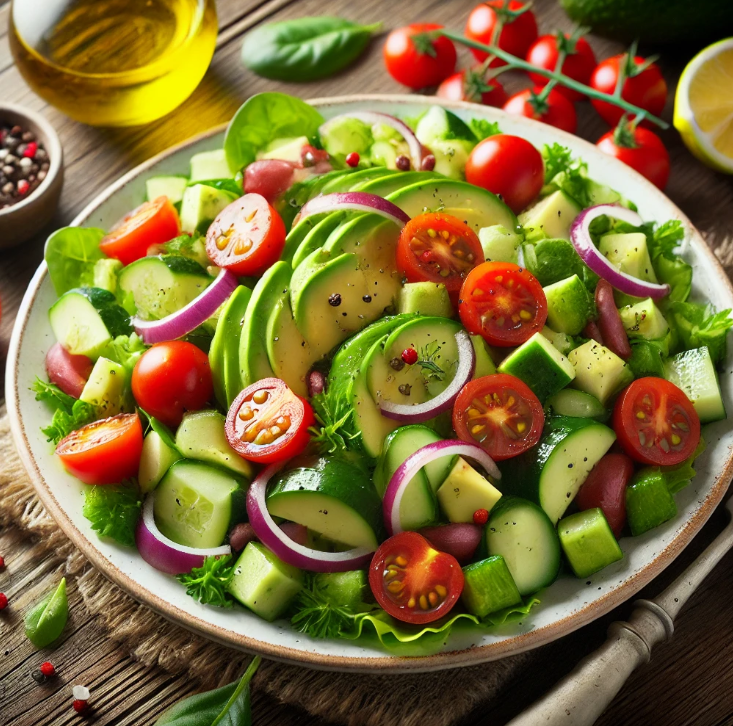
Alongside the chicken roulade, the avocado salad adds vibrant freshness, being a perfect mix of creamy avocado, juicy cherry tomatoes, crisp cucumber slices, and fresh greens. Lightly seasoned with a dressing made of extra virgin olive oil and lemon juice, the salad balances the delicate flavors of the roulade and offers a subtle note of freshness.
This elegant dinner is not only a delight for the taste buds but also a true visual spectacle, presenting harmony between color, texture, and flavor. Served in a refined setting with careful presentation, Chicken Roulade and Avocado Salad will impress any guest, bringing to the plate a combination of elegance and health, perfect for special moments.
Recipe for Chicken Roulade and Avocado Salad
Ingredients:
For the Chicken Roulade:
2 boneless, skinless chicken breasts
100 g creamy cheese (cream cheese or ricotta)
50 g fresh spinach, finely chopped
1 small red pepper, diced
1 garlic clove, finely chopped
1 tablespoon olive oil
Salt and pepper, to taste
1 teaspoon dried or fresh thyme
1 teaspoon finely chopped parsley
For the Avocado Salad:
2 avocados, diced
10–12 cherry tomatoes, halved
1 large cucumber, thinly sliced
1 small red onion, finely sliced
Fresh lettuce leaves (romaine or butterhead)
1 tablespoon extra virgin olive oil
Juice of 1/2 lemon
Salt and pepper, to taste
Instructions:
Preparing the Chicken Roulade:
Preheating the Oven: Set the oven to 180°C.
Preparing the Chicken Breast: Slice each chicken breast horizontally to obtain a thin piece, then lightly pound it with a meat mallet to flatten it evenly.
Preparing the Filling: In a bowl, mix the creamy cheese with spinach, red pepper, garlic, thyme, and parsley. Season with salt and pepper to taste.
Assembling the Roulade: Place a spoonful of the cheese mixture on each chicken breast and roll tightly. Secure the edges with toothpicks to prevent them from opening during baking.
Baking the Roulade: Place the roulades on a baking tray lined with parchment paper and brush them lightly with olive oil. Bake in the oven for 25–30 minutes, or until fully cooked and golden.
Resting and Serving: After baking, let the roulades rest for a few minutes before slicing for a more aesthetic presentation.
Preparing the Avocado Salad:
Preparing the Vegetables: In a large bowl, combine the diced avocado, cherry tomatoes, cucumber, and sliced red onion.
Seasoning: Add the lettuce leaves and season with olive oil, lemon juice, salt, and pepper. Toss gently to avoid mashing the avocado.
Serving: Arrange the chicken roulade on a plate alongside the fresh avocado salad. This combination brings a perfect balance of textures and flavors, ideal for an elegant and healthy dinner. Savor every bite of this refined recipe!
Why is chicken roulade an ideal choice for an elegant dinner? Chicken roulade is a sophisticated yet simple option to prepare, impressing with its layered appearance and complex taste. Its customizable filling with cheese, vegetables, and herbs offers a balance of textures and flavors, making it a dish well-suited for special occasions.
How do you choose the best chicken breast for this recipe? Choose fresh chicken breast, firm to the touch and light pink in color, without spots. It should be boneless and skinless to make flattening and rolling easier. Opt for organic meat or trusted sources for a more natural flavor.
How do you obtain the perfect filling for chicken roulade? The perfect filling combines creamy cheese (such as ricotta or cream cheese) with fresh ingredients like spinach, red pepper, and aromatic herbs. Add garlic for a subtle note of intensity and season with salt and pepper to balance the flavors.
What tricks can be used to roll the chicken breast correctly? After evenly flattening the chicken breast, spread the filling across the surface but leave free edges to prevent leakage. Roll the meat tightly and secure the edges with toothpicks or kitchen twine to maintain its shape during baking.
How do you achieve the perfect golden crust on chicken roulade? Brush the roulades with olive oil before baking and set the oven to a constant temperature of 180°C. For extra color, brush with melted butter near the end of cooking. This technique ensures a crispy, golden crust.
How do you keep the avocado fresh in the salad? To prevent avocado from oxidizing, add lemon juice immediately after slicing. This not only preserves its vibrant green color but also enhances the freshness of the salad. Toss gently to avoid mashing the fruit.
What other ingredients can be added to the avocado salad? You can include toasted walnuts for extra crunch, pomegranate seeds for a sweet-tart note, or feta cheese for a saltier taste. These ingredients diversify the texture and flavor, perfectly complementing the chicken roulade.
What wine pairs well with this elegant dinner? A dry white wine, such as Chardonnay or Sauvignon Blanc, is the ideal choice to accompany the chicken roulade and avocado salad. If you prefer red wine, Pinot Noir, with its delicate notes, harmonizes well with the creamy cheese and seasonings.
How can you transform this recipe to suit different dietary preferences? For a lighter version, replace the creamy cheese with a filling of fresh vegetables, such as mushrooms and zucchini. For a heartier variation, you can add crispy bacon or chopped nuts to the filling.
How do you create an aesthetic presentation for this dish? Slice the chicken roulade into even pieces and arrange them on the plate in a fan shape. Place the avocado salad alongside, garnished with a few parsley leaves or lemon slices. Use a white platter to highlight the vibrant colors of the dishes.
Festive Dinner: Turkey Roast with Healthy Side Dish
Flavor and Elegance for the Holiday Table
Turkey roast is the perfect choice for a festive dinner that is both healthy and refined, offering a juicy and low-fat alternative to other meats. Carefully prepared, the turkey roast preserves its natural flavor, with a golden and crispy crust on the outside and a tender, juicy texture on the inside. Marinated with aromatic herbs and spices, the turkey roast delivers extra flavor without unnecessary fats or calories.
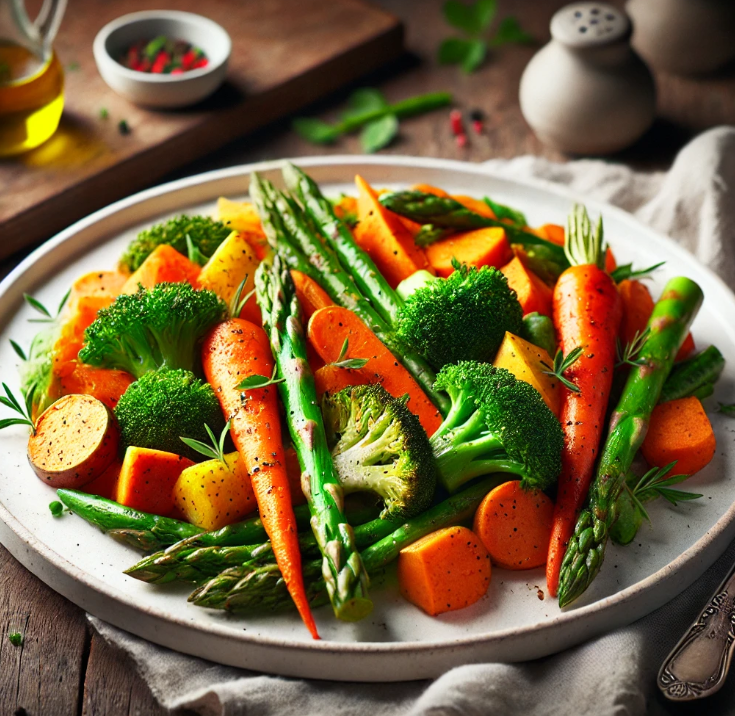
Alongside this delicious roast, the healthy side dish completes the plate in a balanced and vibrant way. Fresh vegetables such as asparagus, carrots, sweet potatoes, and broccoli are oven-roasted or steamed, retaining their nutrients and authentic taste. This colorful mix of vitamin-rich vegetables is delicately seasoned with extra virgin olive oil and a splash of lemon juice, bringing the perfect balance between taste and health.
Turkey roast with a healthy side dish is more than just a meal; it is a complete experience that delights the whole family, transforming any table into a celebration of taste and health. This recipe is ideal for holidays, birthdays, or any special occasion when you want to impress with a flavorful and balanced dinner. Choose this delicious combination for a festive healthy meal that will delight the taste buds and bring well-being to the entire family!
Ingredients:
For the Turkey Roast:
1 large turkey breast or 2 turkey thighs
2–3 tablespoons extra virgin olive oil
3 garlic cloves, crushed
1 teaspoon salt
1/2 teaspoon black pepper
1 teaspoon dried thyme
1 teaspoon dried rosemary
1/2 teaspoon paprika (sweet or hot, depending on taste)
1 tablespoon fresh lemon juice
1/2 cup chicken broth or water (to keep the meat juicy while roasting)
For the Healthy Side Dish:
2 carrots, cut into sticks
1 sweet potato, diced
1 head of broccoli, cut into florets
8–10 asparagus stalks
1 tablespoon olive oil
Salt and pepper, to taste
Balsamic vinegar or lemon juice, for extra flavor (optional)
Instructions:
Preparing the Turkey Roast:
Marinating the Turkey: In a bowl, combine olive oil, crushed garlic, salt, pepper, thyme, rosemary, paprika, and lemon juice. Rub the turkey piece thoroughly with this mixture, gently massaging it so the flavors are absorbed. Let it marinate for at least 30 minutes (or ideally 1–2 hours) in the refrigerator.
Preheating the Oven: Preheat the oven to 180°C. Place the turkey in a roasting pan and add chicken broth or water to the pan to keep the meat juicy.
Roasting the Turkey: Roast for 45–60 minutes, depending on the size of the meat, until it develops a golden crust and the inside is tender and fully cooked. Halfway through the roasting time, you can flip the turkey and baste it again with the liquid from the pan to intensify the flavor and tenderness.
Resting the Roast: After removing the turkey from the oven, let it rest for 5–10 minutes before slicing. This step helps retain the meat’s juiciness.
Preparing the Healthy Side Dish:
Preparing the Vegetables: Arrange the carrots, sweet potato, broccoli, and asparagus in a single layer on a baking tray. Drizzle with olive oil and season with salt and pepper, mixing gently to coat evenly.
Roasting the Vegetables: Roast the vegetables at 180°C for 20–25 minutes, until tender and slightly browned. You can add a splash of balsamic vinegar or lemon juice before serving for extra freshness and flavor.
Serving: Place the turkey roast on a platter alongside the healthy vegetable garnish. This festive dinner will bring joy to the table through its exceptional taste and nutritional benefits. Perfect for holidays or special meals, the turkey roast with healthy side dish will delight your family and friends!
Why is turkey roast a healthy choice for a festive dinner? Turkey roast is low in fat and calories but rich in high-quality protein. It contains vitamins B6 and B12, essential for metabolism, and minerals such as selenium, which help strengthen the immune system. Through roasting, turkey retains its nutrients, making it a healthier alternative to pork or beef.
How do you choose the best cut of turkey for this recipe? Opt for turkey breast if you prefer leaner meat, or turkey thighs if you want a juicier texture. It is important that the meat is fresh and shows no signs of dehydration or unpleasant odors. High-quality meat will ensure a delicious roast.
How do you marinate turkey to achieve an intense flavor? Marinating is essential to add flavor and keep the meat tender. A mix of olive oil, garlic, thyme, rosemary, and lemon juice penetrates deep into the meat fibers, delivering a rich taste. Allowing it to marinate for at least 1–2 hours (or overnight) significantly improves the result.
Why is it important to add liquid to the pan during roasting? Adding chicken broth or water to the roasting pan helps maintain the juiciness of the turkey roast. The steam created during cooking prevents the meat from drying out, and the liquid can later be used as a base for a delicious sauce.
How do you prepare the vegetable garnish to preserve nutrients? Roasting or steaming are the best methods to keep the vitamins and minerals in vegetables. Avoid overboiling, which can cause nutrient loss. Add olive oil and seasonings to enhance the flavor without compromising nutritional benefits.
What other vegetables can be added to this garnish? You can add cauliflower, zucchini, or red onion for extra variety. These vegetables bring different textures and colors, and their taste pairs perfectly with turkey roast. For a sweeter note, try adding slices of roasted pumpkin.
How do you achieve the perfect golden crust on turkey roast? The key is preheating the oven and brushing the meat with olive oil or butter before roasting. The seasoning mix helps form a flavorful crust, while repeated basting with pan juices enhances the crispy texture.
How can you customize this recipe for different dietary preferences? For a gluten-free option, make sure the chicken broth used is gluten-free. You can replace sweet potato with regular potato or quinoa as an alternative garnish. For a vegan variation of the side dish, use only vegetables and substitute the turkey with roasted tofu or tempeh.
What wine pairs well with turkey roast? A dry white wine, such as Sauvignon Blanc or Chardonnay, delicately complements the flavor of turkey. If you prefer red wine, choose a Pinot Noir, which has a light texture and fruity taste, perfect for balancing the flavors on the plate.
How do you turn this dinner into a complete festive experience? Decorate the table with seasonal elements such as dried leaves, scented candles, and warm-colored napkins to add a festive touch. Serve light desserts like a berry mousse or an apple pie to finish the meal with a subtle and elegant sweetness.
Delights at Dinner: Roast Chicken and Crunchy Salad
Roast Chicken and Crunchy Salad: A Simple and Healthy Recipe for a Light Dinner
This recipe for roast chicken with crunchy salad is perfect for a quick, healthy, and flavorful dinner! The roast chicken is cooked so that it remains juicy and tender, with a golden, aromatic crust obtained from a delicious blend of spices. Alongside this savory chicken, the crunchy salad adds freshness and texture, perfectly balancing the flavors.
In the salad recipe, you’ll find fresh vegetables such as lettuce, cucumber, cherry tomatoes, and carrot, all seasoned with a light and aromatic dressing. Together, the chicken and salad form a healthy and nutritious combination, ideal for those who want a balanced yet quick-to-prepare meal.
This recipe for roast chicken and crunchy salad is also easy to customize: you can add sesame seeds, croutons, or even a little feta cheese for extra flavor. Try it out and enjoy a delicious dinner that will quickly become a family favorite!
Recipe for Roast Chicken and Crunchy Salad
Ingredients:
For the Roast Chicken:
2 chicken breasts (or chicken thighs, if preferred)
2 tablespoons olive oil
1 teaspoon salt
1/2 teaspoon black pepper
1 teaspoon garlic powder
1 teaspoon paprika (sweet or hot, depending on preference)
1/2 teaspoon dried thyme
1/2 teaspoon dried rosemary
For the Crunchy Salad:
1 head of lettuce (romaine or butterhead)
1 large cucumber, thinly sliced
10–12 cherry tomatoes, halved
1 carrot, grated or thinly sliced into strips
1/2 red bell pepper, cut into strips
2–3 radishes, thinly sliced (optional)
Croutons (optional)
Dressing for the Salad:
3 tablespoons olive oil
1 tablespoon balsamic vinegar (or lemon juice)
1 teaspoon honey
1/2 teaspoon Dijon mustard
Salt and pepper, to taste
Instructions:
Preparing the Roast Chicken:
Preheat the oven to 200°C.
In a small bowl, mix salt, pepper, garlic powder, paprika, thyme, and rosemary.
Rub the chicken pieces with olive oil, then sprinkle the spice mixture over them, making sure they are evenly coated.
Place the chicken on a baking tray lined with parchment paper and roast in the oven for about 25–30 minutes, or until golden and tender. Turn the chicken halfway through cooking to brown evenly.
Remove the chicken from the oven and let it rest for a few minutes before slicing.
Preparing the Crunchy Salad:
Wash and dry the lettuce leaves well, then tear them into bite-sized pieces.
In a large bowl, add the lettuce, sliced cucumber, halved cherry tomatoes, grated carrot, red bell pepper, and radishes if using.
In a small bowl, combine olive oil, balsamic vinegar (or lemon juice), honey, and mustard. Season with salt and pepper to taste and whisk until smooth.
Pour the dressing over the salad just before serving and toss gently. Add croutons if you want extra crunch.
Serving: Serve the roast chicken alongside the crunchy salad, enjoying a healthy and flavorful meal. This combination of aromas and textures will bring a burst of freshness in every bite!
Why is roast chicken a healthy choice for dinner? Roast chicken is an excellent source of protein, containing little fat when prepared without skin or with minimal oil. Baking in the oven preserves nutrients while avoiding the excess oil used in frying. Combined with salad, it provides a balanced and nutritious meal.
How do you achieve roast chicken with a crispy crust and juicy interior? To get a golden crust, the chicken should be well dried before seasoning. Olive oil helps the spices adhere evenly, and roasting at a high temperature allows exterior caramelization while keeping the inside tender and juicy.
What seasonings work best for roast chicken? A classic mix includes salt, pepper, garlic powder, sweet or hot paprika, thyme, and rosemary. These balance the flavors and add depth to the taste without overwhelming the delicate nature of chicken.
What are the benefits of adding a crunchy salad to the dinner menu? A crunchy salad adds freshness, fiber, and a variety of vitamins, supporting easy digestion. The crisp texture and balanced dressing complement the richness of roast chicken, creating a harmonious combination of flavors and textures.
How can you adapt the salad to suit everyone’s preferences? The salad can be customized by adding feta cheese, sesame seeds, avocado, or croutons. For a more filling option, you can include boiled eggs or thinly sliced chicken breast. Ingredients can be adjusted according to dietary preferences.
Why is it important to prepare the dressing separately from the salad? Dressing added too early can soften the lettuce leaves, causing them to lose their crunch. Preparing and adding it right before serving preserves the freshness of the ingredients and the intensity of the flavors.
What other vegetables can be added to the crunchy salad? Besides cucumber, cherry tomatoes, and carrot, you can add celery, green onion, thinly sliced asparagus, or even steamed green beans for extra color and flavor variety.
How can you make this recipe more filling without compromising health? Adding a small portion of quinoa, couscous, or boiled chickpeas to the salad increases the protein and fiber content without adding unhealthy fats. This makes it ideal for a complete and nourishing dinner.
What drinks pair well with this light dinner? Fresh lemonade, a glass of dry white wine, or water infused with mint and citrus pair perfectly. They complement the flavors of the dishes and add a refreshing touch to the meal.
How can you transform this recipe into a suitable lunch dish? The roast chicken and salad can be turned into a wrap or a heartier salad. Cut the chicken into small pieces and wrap it together with the salad in a whole wheat tortilla, or add a portion of brown rice for a more satisfying meal.
How to Prepare a Romantic Dinner with Steak and Salad
Imagine a quiet autumn evening, when the leaves turn coppery shades and the air becomes slightly crisp, perfect for creating a romantic atmosphere with someone special. A dinner with Tender Steak and a fresh salad is the ideal choice for a special moment, and autumn adds a unique charm. I invite you to prepare a simple yet elegant meal, where every detail will transform the evening into an unforgettable experience.
The Perfect Autumn Atmosphere for a Romantic Dinner
To bring autumn to the table, the décor plays an essential role. Choose to set the table outdoors, if the weather allows, in a cozy corner of the garden or on the terrace, surrounded by leaves dancing in the gentle breeze. If indoors, opt for a warm and rustic décor – a simple tablecloth, a few scented candles, and an arrangement with dried leaves and miniature pumpkins. The soft candlelight and the rich autumn colors will add an intimate and romantic touch to the evening.
The Menu: Tender Steak and Fresh Autumn Salad
The steak is the star of the evening and can be prepared according to your preference – either medium or well-done. Choose a quality cut of meat, season it simply with salt, pepper, and a bit of rosemary, then cook it on the grill or in a pan with garlic-infused butter. Allow it to rest for a few minutes, then serve it with a butter and fresh herb sauce for extra flavor.
The autumn salad will complement the steak, bringing a balance of freshness and texture. A combination of arugula, spinach, apple slices, roasted walnuts, and feta or gorgonzola cheese will add both color and a slightly sweet and crunchy note, specific to the season. A simple balsamic vinegar and honey dressing will bring the salad to life, pairing perfectly with the bold flavor of the steak.
The Right Wine and Final Touches
An autumn dinner would not be complete without a good wine. Choose a red wine, such as Cabernet Sauvignon or Merlot, which will pair beautifully with the tenderness of the steak and add a warm note to the entire experience. For dessert, a small platter with seasonal fruits – pears, grapes, or figs – will complete the meal with a subtle sweetness.
Such a romantic dinner, prepared with care, is not only a delicious meal but also an opportunity to create precious memories together in a magical autumn setting. Every detail, from the rich flavors to the nature-inspired décor, contributes to an unforgettable evening where the two of you can celebrate your bond in an intimate and charming atmosphere.
A romantic autumn dinner calls for a simple yet refined recipe, and the combination of tender steak and fresh salad brings balanced flavors and rich texture to the table.
Ingredients for Tender Steak
2 pieces of steak (preferably filet mignon or ribeye, about 200–250 g each)
Sea salt and freshly ground black pepper, to taste
1–2 tablespoons olive oil
1 tablespoon butter
2 garlic cloves, lightly crushed
2–3 sprigs of fresh rosemary or thyme
Instructions:
Remove the steak from the refrigerator at least 30 minutes before cooking, to bring it to room temperature.
Season the meat generously with salt and pepper on both sides.
Heat a heavy skillet or grill pan over medium-high heat and add the olive oil.
Place the steak in the pan and cook for 3–4 minutes on each side for medium-rare (or adjust cooking time to preference).
Add the butter, garlic, and rosemary or thyme sprigs to the pan. Slightly tilt the pan and, using a spoon, baste the steak with the melted butter for extra flavor.
Once the steak has reached the desired doneness, remove it from the pan and let it rest for 5 minutes before serving.
Ingredients for Fresh Autumn Salad
100 g arugula and spinach (or other preferred greens)
1 red apple, thinly sliced
50 g lightly roasted walnuts (or pecans)
50 g crumbled feta or gorgonzola cheese
1 tablespoon raisins or dried cranberries (optional)
Ingredients for the Dressing:
2 tablespoons extra virgin olive oil
1 tablespoon balsamic vinegar
1 teaspoon honey
Salt and pepper, to taste
Instructions:
In a large bowl, add the arugula, spinach, apple slices, roasted walnuts, and crumbled cheese.
In a small bowl, whisk together the olive oil, balsamic vinegar, honey, salt, and pepper until the dressing is smooth.
Pour the dressing over the salad and gently toss to combine.
Sprinkle raisins or dried cranberries on top for a sweet-tart note.
Serving:
Place the tender steak on a plate next to the autumn salad and serve immediately. If desired, you can add a side of roasted vegetables or a slice of rustic bread. Complete this autumn dinner with a glass of red wine (such as Merlot or Cabernet Sauvignon), which will deepen the flavors on the plate.
This simple yet sophisticated romantic dinner is perfect for an intimate autumn evening for two.
Why is steak a suitable choice for a romantic dinner?
Steak symbolizes refinement and is a versatile dish that can be adapted to each person’s culinary preferences. Its tender texture and intense flavor, along with the simple yet sophisticated cooking method, create a special atmosphere, perfect for an intimate dinner for two.
How does the table décor influence the atmosphere of a romantic autumn dinner?
The table décor plays an essential role in setting the mood. Elements such as scented candles, copper-colored leaves, miniature pumpkins, and a simple yet elegant tablecloth add a cozy and intimate touch, reflecting the charm of the autumn season.
What is the secret to a tender and flavorful steak?
The secret lies in choosing a quality cut of meat, such as filet mignon or ribeye, and following the correct cooking technique. Simple seasoning with salt, pepper, and rosemary allows the meat to preserve its natural flavors, while basting with garlic-infused butter during searing adds depth to the taste.
Why is it important to let the steak rest before serving?
Allowing the steak to rest enables the juices to redistribute evenly throughout the meat, keeping it juicy and tender. If cut immediately after cooking, the juices will escape, leaving the meat drier and less flavorful.
How does the autumn salad balance the strong flavor of steak?
The autumn salad brings a pleasant contrast of freshness and texture, complementing the richness of the steak. The sweetness of apples and raisins, combined with the crunchiness of walnuts and the acidity of the balsamic vinegar dressing, creates a harmonious balance of flavors.
Which red wine pairs best with steak and why?
A Cabernet Sauvignon or a Merlot are excellent choices because they balance the intensity of the meat’s flavors. The fine tannins in these wines complement the texture of the steak, while their fruity notes add a delightful dimension to the entire meal.
How does a simple dessert, such as a platter of seasonal fruits, enhance the evening?
A light dessert, such as a platter with pears, grapes, or figs, provides a subtle sweetness that ends the meal in an elegant way. Moreover, it doesn’t overwhelm the menu but instead maintains the freshness and lightness specific to a romantic dinner.
How can this dinner be adapted for vegetarian preferences?
Replace the steak with a sophisticated vegetable-based dish, such as a marinated and roasted cauliflower steak. The salad can remain the same, and for added protein, you can include crispy chickpeas or grilled tofu.
What simple tricks can you use to improve the table presentation?
Details make the difference. Add fabric napkins, use elegant plates, and decorate the table with seasonal elements such as dried leaves or scented candles. A handwritten menu can bring extra charm and personalization.
How does this dinner transform the relationship into something deeper?
Preparing a special meal shows care and attentiveness toward your partner. It is an opportunity to spend time together, to create beautiful memories, and to strengthen the emotional bond through simple yet meaningful moments.
A Spring Evening with Family and a Special Grilled Salmon Menu
Dear friends and family,
Today I warmly invite you to a special dinner, designed for us to enjoy a spring evening in a cozy and relaxed setting. I have prepared a menu that I hope will delight everyone, from the youngest to the oldest. It is a fresh and delicious menu, built around a grilled salmon dish – simple, yet full of flavors that will make us feel like we are in the heart of nature. I promise that we will enjoy a healthy feast, where every bite brings a touch of joy.
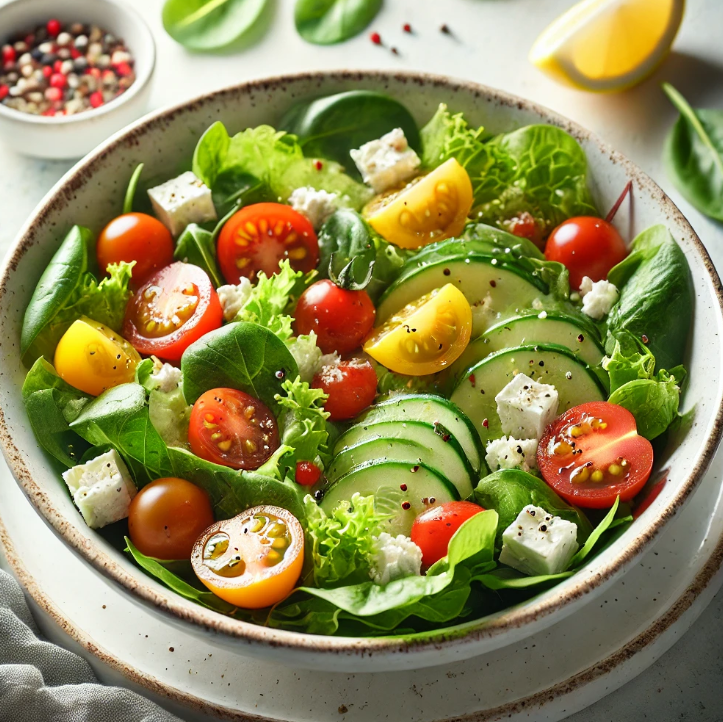
We will begin with a fresh garden salad, filled with tender greens, crunchy vegetables, and a light lemon dressing, perfect for opening our appetites. I want this appetizer to bring a hint of spring to the table, and its flavors to prepare us for the main course.
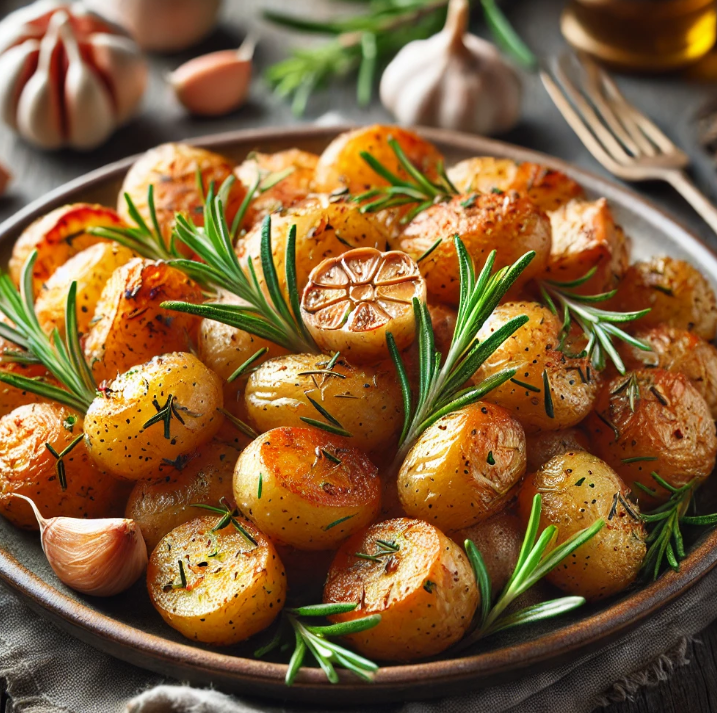
Next, we will savor the grilled salmon – the star of the evening. I chose to prepare it simply, with a little lemon zest, salt, and pepper, and on top, we will drizzle a fine butter and garlic sauce for an extra touch of flavor. Alongside the salmon, I have prepared oven-roasted new potatoes, crispy on the outside and soft on the inside, seasoned with rosemary and garlic. I know this combination will be to everyone’s taste and will bring that comfort we all long for in a family dinner.
For a touch of color and vitamins, we will also add steamed asparagus – simple, yet delicious, seasoned only with a drizzle of olive oil and salt. I hope these fresh vegetables will harmoniously complement the salmon and potatoes, offering us a light and balanced dinner.
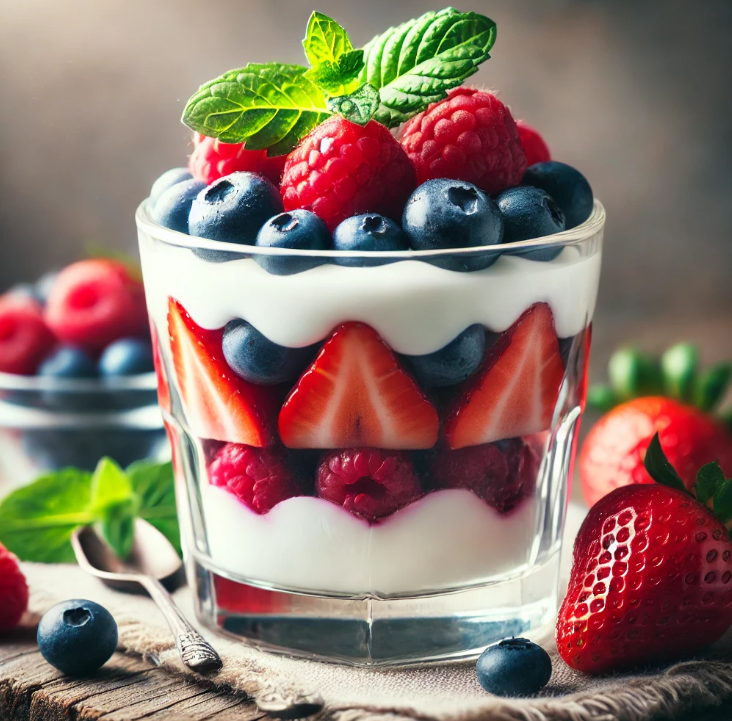
Finally, we will enjoy a refreshing dessert – a berry parfait with Greek yogurt and honey. It is the perfect dessert for a spring evening, bringing the natural sweetness of berries and the freshness of creamy yogurt.
And to make everything perfect, we will open a bottle of chilled white wine, perhaps a Sauvignon Blanc, to indulge our senses and delicately accompany the dishes on the table. I look forward to spending time together, sharing stories, and enjoying a beautiful evening, surrounded by the flavors of spring and the joy of being together.
May it be an evening full of laughter, good food, and beautiful memories!
With love and anticipation, I await you!
Fresh Garden Salad
Ingredients:
100 g mixed greens (arugula, spinach, lettuce)
10–12 cherry tomatoes, halved
1 cucumber, sliced
1 red bell pepper, diced
50 g crumbled feta cheese or 1 sliced avocado
2 tablespoons olive oil
Juice of half a lemon
1 teaspoon honey
Salt and pepper, to taste
Instructions:
In a large bowl, add the greens, cherry tomatoes, cucumber, and bell pepper.
In a small bowl, mix the olive oil, lemon juice, honey, salt, and pepper.
Pour the vinaigrette over the salad and toss well.
Sprinkle with feta cheese or add avocado slices on top..
2. Grilled Salmon with Butter, Garlic, and Lemon Sauce
Ingredients for Salmon:
4 salmon fillets
1 teaspoon salt
1/2 teaspoon black pepper
Zest of 1 lemon
1–2 tablespoons fresh herbs (dill or parsley)
Ingredients for the Butter Sauce:
50 g butter
2 garlic cloves, finely chopped
Juice of 1 lemon
1 tablespoon fresh parsley, chopped
Instructions:
Season the salmon fillets with salt, pepper, lemon zest, and fresh herbs.
Preheat the grill or grill pan over medium heat.
Place the salmon on the grill and cook for 4–5 minutes on each side, until golden and cooked through.
While the salmon is cooking, melt the butter in a small pan over medium heat. Add the garlic and cook for 1 minute, then add the lemon juice and chopped parsley.
Pour the butter sauce over the grilled salmon fillets when ready to serve.
3. Oven-Roasted New Potatoes with Rosemary and Garlic
Ingredients:
500 g new potatoes, washed and halved
2 tablespoons olive oil
2 sprigs fresh rosemary
3 garlic cloves, roughly chopped
Salt and pepper, to taste
Instructions:
Preheat the oven to 200°C (390°F).
In a large bowl, toss the potatoes with olive oil, rosemary, garlic, salt, and pepper.
Spread the potatoes on a baking tray lined with parchment paper and roast for 25–30 minutes, or until golden and crispy.
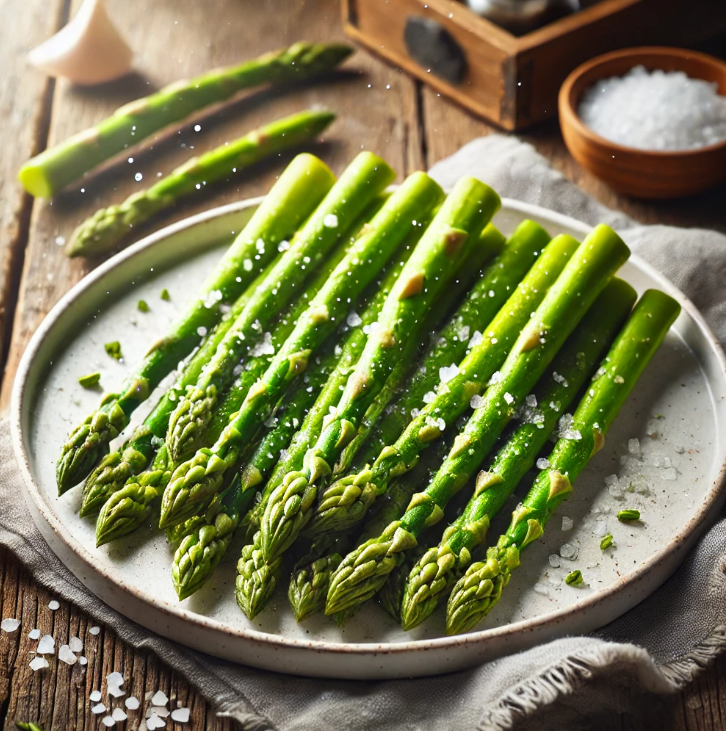
4. Steamed Asparagus
Ingredients:
300 g asparagus
1 tablespoon olive oil
Sea salt, to taste
Instructions:
Trim the woody ends of the asparagus.
Steam the asparagus for 3–4 minutes until slightly tender.
Season with olive oil and sea salt.
5. Berry Parfait
Ingredients:
200 g Greek yogurt
100 g mixed berries (strawberries, blueberries, raspberries)
1 tablespoon honey
Fresh mint leaves for garnish
Instructions:
In glasses, add a layer of Greek yogurt, followed by a layer of mixed berries and a drizzle of honey.
Repeat the layers and garnish with fresh mint leaves.
Serving Tips: Serve the grilled salmon hot, with the side dishes alongside, while the fresh garden salad and the berry parfait complete this family dinner perfectly!
Why is salmon a suitable choice for a spring dinner?
Salmon is a light and healthy protein, ideal for spring evenings when we want dishes that are nourishing but not heavy. Its delicate flavors combine perfectly with fresh seasonal ingredients such as lemon and aromatic herbs, while its tender and juicy texture makes it suitable for all tastes.
What makes the fresh garden salad essential in a spring menu?
The fresh garden salad brings extra freshness and crunch to the meal, being rich in vitamins and minerals. Greens, cucumber, and cherry tomatoes provide a light texture, while the lemon dressing adds a refreshing note, pairing perfectly with grilled salmon and the side dishes.
How do lemon zest and butter sauce influence the flavor of grilled salmon?
Lemon zest adds a vibrant, citrus taste that balances the natural richness of the salmon. The butter sauce with garlic and parsley enhances the salmon’s flavor, giving it a smooth and creamy texture, transforming the dish into a complete culinary experience.
What are the advantages of oven-roasted new potatoes compared to other side dishes?
Oven-roasted new potatoes have a crispy exterior and a soft interior, thanks to the roasting method. Rosemary and garlic add intense aromas, and this side dish offers an excellent contrast to salmon and asparagus, being appreciated by both children and adults.
Why is steamed asparagus a healthy and delicious choice?
Steamed asparagus is rich in fiber and vitamins, making it an easily digestible vegetable. The simple preparation, with only olive oil and salt, preserves the natural flavor of asparagus and makes it the perfect complement to a balanced and healthy menu.
How does the berry parfait complete the rest of the menu?
The berry parfait with Greek yogurt brings a refreshing and sweet touch, ideal after a menu based on savory dishes. Berries provide antioxidants, while creamy yogurt balances the dessert, making it light and revitalizing.
What type of white wine is recommended to accompany the menu and why?
A Sauvignon Blanc or Pinot Grigio is the ideal choice due to its balanced acidity, which complements the delicate flavors of salmon and the freshness of the salad. Chilled white wine enhances the taste of the dishes and completes the overall culinary experience.
How does the table presentation contribute to the atmosphere of the evening?
The presentation of the table, with beautifully arranged plates and nature-inspired décor, amplifies the charm of a spring dinner. Candles, colorful napkins, and a vase of fresh flowers add a warm and festive touch, encouraging conversations and the joy of being together.
What are the benefits of organizing a family dinner with a balanced menu?
Such a dinner promotes healthy eating habits and creates moments of emotional connection. Balanced dishes like salmon, vegetables, and a light dessert provide complete nutrition, while the relaxed atmosphere strengthens family bonds.
How can such a menu inspire a healthy culinary routine?
This menu demonstrates that healthy meals can be tasty and easy to prepare. Choosing fresh ingredients and using simple cooking techniques, such as grilling and steaming, can be integrated into daily routines, promoting a balanced and varied diet.
Roasted Chicken with Salad and Potato Garnish
Evening Delights: roasted chicken with Salad and Potato Garnish – A Dinner Full of Flavor
Evening has gently fallen over the kitchen, and the air is filled with the fragrance of roasted chicken and spices that delight the senses. It is a dish that brings to the table the warmth of home and that comforting feeling of coziness, intertwined with the aroma of golden, crispy potatoes and the freshness of a vibrant salad, all arranged as if inviting you to a moment of culinary joy.
This simple yet flavorful recipe starts with a tender piece of chicken, marinated with a touch of olive oil, garlic, and a mix of spices – thyme, rosemary, and black pepper, which add a subtle and complex flavor. The chicken is cooked slowly, at medium temperature, so the skin becomes perfectly crispy while the meat stays juicy. As it roasts in the oven, it fills the kitchen with an aroma that awakens a sense of anticipation and a wholesome hunger.
Next to the chicken roast, the potatoes complete the picture perfectly. Cut into cubes and seasoned with salt, rosemary, and a dash of pepper, they are prepared to turn golden and slightly crispy at the edges, yet soft inside – just as the perfect garnish should be. Cooking the potatoes in the same pan with the chicken enriches them with the delicious flavor of meat and spices, and the final result is one you can savor with your eyes closed, enjoying every bite.
To bring a refreshing contrast, alongside the chicken and potatoes sits a simple yet colorful and vibrant salad. Juicy tomatoes, slices of crisp cucumber, and bell pepper, all dressed with a light lemon and olive oil dressing, with a pinch of salt and pepper. The salad adds a note of freshness that balances perfectly the richness of the roast chicken and potatoes.
As each component is placed on the plate, the meal takes on a festive air, even on an ordinary evening. This dinner, Evening Delights: Roasted Chicken with Salad and Potato Garnish, is more than just a recipe – it is a story about the joy of cooking for loved ones and the charm of food that brings people together, weaving beautiful memories and unforgettable tastes.
So tonight, light a few candles, set the plates on the table, and enjoy a dinner that will warm your soul.
Ingredients
For the Roasted Chicken:
4 chicken thighs (or 1 whole chicken cut into pieces)
3 tablespoons olive oil
3–4 garlic cloves, crushed
1 teaspoon dried thyme
1 teaspoon dried rosemary
Salt and pepper, to taste
For the Potato Garnish:
5 large potatoes, cut into cubes
2 tablespoons olive oil
Salt, pepper, and rosemary, to taste
For the Fresh Salad:
1 head of lettuce (romaine or iceberg), torn into pieces
1 cucumber, thinly sliced
1 large tomato or a handful of cherry tomatoes, sliced
1 bell pepper, sliced
2 tablespoons olive oil
1 tablespoon balsamic vinegar or lemon juice
Salt and pepper, to taste
Instructions
Preparing the Roasted Chicken:
Preheat the oven to 200°C (390°F).
In a bowl, combine the olive oil, crushed garlic, thyme, rosemary, salt, and pepper.
Rub the chicken pieces with the spice mixture, ensuring they are well coated.
Place the chicken pieces in a baking tray and roast in the oven for 40–50 minutes, until the skin becomes golden and crispy and the meat is fully cooked.
Preparing the Oven-Roasted Potatoes:
Place the potato cubes in a bowl and mix them with olive oil, salt, pepper, and rosemary.
Spread the potatoes on a baking tray and roast them in the oven, alongside the chicken, for 30–40 minutes, until golden and crispy on the edges but soft inside.
Preparing the Fresh Salad:
In a large bowl, add the lettuce, cucumber, tomato, and bell pepper.
In a small bowl, mix the olive oil, balsamic vinegar or lemon juice, salt, and pepper, and pour the dressing over the salad just before serving.
Serving:
Place the pieces of roasted chicken and golden potatoes on a plate, alongside the fresh salad. Optionally, you can add lemon slices for a touch of freshness.
Products not fetched from DB and/or API. Please check debug logs.
What makes this roasted chicken recipe so special for dinner?
Oven-roasted chicken is a classic yet versatile recipe that offers the perfect combination of a crispy exterior and juicy interior. The flavors brought by thyme, rosemary, and garlic transform a simple dish into a sophisticated culinary experience, ideal for a relaxed family dinner.
How do you achieve crispy skin on oven-roasted chicken?
The secret lies in marinating the chicken with a mixture of olive oil and spices, which helps the skin roast evenly. Baking at a high temperature and periodically turning the chicken pieces ensures a crispy crust without drying out the inside.
What are the best types of potatoes for the oven-baked garnish?
Red potatoes or golden potatoes are ideal for this recipe, as they hold their shape while becoming crispy on the outside but soft on the inside. Choosing fresh potatoes and rinsing them well to remove excess starch also contributes to the perfect texture.
How are golden potatoes prepared for a crispy texture and intense flavors?
For a crispy crust, the potatoes should be cut evenly, drizzled with olive oil, and seasoned with salt, pepper, and rosemary. Baking them at a high temperature and turning them halfway through the cooking process helps achieve even roasting.
Why is a fresh salad important alongside roasted chicken and potatoes?
The fresh salad adds a touch of lightness and balances the richness of the chicken and potatoes. The crunchy textures of the vegetables and the light dressing complete the heavier dishes, bringing a refreshing contrast that enhances the overall dining experience.
How do you prepare the ideal dressing for the salad in this recipe?
The ideal dressing combines extra virgin olive oil, fresh lemon juice or balsamic vinegar, salt, and pepper. It can be customized with aromatic herbs such as oregano or dill for extra flavor.
What are the essential steps for cooking all meal components at the same time?
Timing is key. Preheat the oven and start with the chicken, which requires the longest cooking time. Halfway through the chicken’s roasting, add the potatoes so that everything is ready at the same time. Prepare the salad while the oven dishes are cooking and assemble the meal just before serving.
What other side dishes can replace golden potatoes in this recipe?
If you’d like an alternative, you can opt for herb-infused basmati rice, mashed sweet potatoes, grilled vegetables, or even creamy polenta. These variations add diversity and can be adapted to your family’s dietary preferences.
How can this recipe be adapted for a healthier version?
For a lighter option, use skinless chicken breast, bake the potatoes without oil or replace them with sweet potatoes. The salad can be enriched with leafy greens such as spinach or kale and dressed with a light yogurt-based dressing.
What wines or drinks pair well with this dinner?
A dry white wine, such as Sauvignon Blanc, complements the roasted chicken and fresh salad beautifully. For those who prefer non-alcoholic options, fresh lemonade or iced tea with lemon and mint are excellent choices.
Beef Roast and Golden Oven-Baked Potatoes
A Festive Dinner with Beef Roast and Assorted Side Dishes – Elegance and Flavor for special occasions
For a truly special evening, this festive dinner with beef roast and assorted side dishes promises to impress with its refined aromas and elegant presentation. The beef roast, cooked to perfection, is tender and juicy, offering a culinary experience that will remain memorable. The combination of this succulent roast with golden, crispy, and flavorful potatoes, fresh steamed vegetables, and a delicious red wine sauce transforms the dish into a true celebration of taste.
This recipe is ideal for festive meals, family gatherings, or romantic dinners, bringing a perfect balance between textures and flavors. Each side dish is carefully chosen to complement the beef and to provide a subtle contrast between the savoriness of the meat and the freshness of the vegetables. Served in a festive setting, this dinner will become the highlight of the evening and will leave guests impressed by the refinement of every bite.
No matter the occasion, this recipe is a tribute to culinary art and can turn a simple meal into an unforgettable experience.
Ingredients
For the beef roast:
Salt and pepper, to taste
1.5 kg of beef tenderloin or ribeye
4 garlic cloves, sliced
2 tablespoons olive oil
1 tablespoon fresh or dried rosemary
1 tablespoon fresh or dried thyme
For the assorted side dishes:
1 tablespoon flour
Golden oven-baked potatoes:
5 large potatoes, cut into cubes
2 tablespoons olive oil
Salt, pepper, and rosemary, to taste
Steamed vegetables:
1 broccoli head, broken into florets
2 carrots, sliced
Salt and a little butter
Sauce for the roast:
1/2 cup red wine (optional)
1/2 cup beef stock
1 tablespoon butter
Instructions
Preparing the beef roast:
Preheat the oven to 180°C.
With a small knife, make small incisions in the meat and insert garlic slices into each cut.
Mix the olive oil with rosemary, thyme, salt, and pepper, then massage the meat on all sides with this mixture.
Place the beef roast in a tray and put it in the oven. Roast for 40–50 minutes for a medium roast (adjust the time depending on your preferred doneness).
Remove the roast and let it rest covered with aluminum foil for 10–15 minutes.
Preparing the oven-baked potatoes:
Place the cut potatoes in a tray, add the oil, salt, pepper, and rosemary. Mix well.
Bake the golden potatoes in the oven for 30–40 minutes, until they become golden and crispy.
Preparing the steamed vegetables:
Steam the broccoli and carrots, or boil them in salted water for 5–7 minutes, until tender.
Add a small cube of butter over the vegetables before serving, for extra flavor.
Preparing the sauce:
In a pan, melt the butter and add the flour, mixing well.
Add the red wine and beef stock, stirring constantly until the sauce thickens. Let it simmer on low heat for 2–3 minutes, then strain the sauce if you want a smooth texture.
Serving:
Slice the beef roast and serve it on a platter alongside the golden potatoes, steamed vegetables, and sauce. Decorate with a little fresh rosemary for a festive touch.
This festive dinner is perfect for special occasions and offers a combination of flavors that will delight your guests! Enjoy!
Why is beef roast an excellent choice for a festive dinner? Beef roast is appreciated for its juicy texture and complex flavor, which perfectly suit a festive meal. When prepared correctly, the beef becomes the centerpiece of the table, offering refinement and versatility in the combinations of side dishes and sauces.
How do you choose the best cut of beef for roasting? The best options are beef tenderloin, ribeye, or sirloin, thanks to their tenderness and ability to retain natural juices during cooking. It is essential to choose aged beef, which guarantees a juicy and tender result.
What is the secret to a juicy and tender beef roast? Light marination with spices and olive oil, using the proper oven temperature, and letting the roast rest before serving are essential steps. Resting allows the meat juices to redistribute evenly, ensuring a juicy result.
How do you prepare golden oven-baked potatoes to be crispy on the outside and soft on the inside? For the perfect result, cut the potatoes into even pieces, wash them to remove excess starch, and dry them well before mixing with oil, salt, and seasonings. Bake them at 200°C, stirring halfway through the cooking time, to achieve a crispy exterior texture.
What role do side dishes play in complementing beef roast? Side dishes balance the meal, adding complementary textures and flavors. The golden potatoes provide consistency, while the steamed vegetables bring freshness and lightness, turning the dinner into a complete and harmonious experience.
How do you prepare the red wine sauce for the roast? The sauce is made by mixing melted butter with flour to form a roux, to which red wine and beef stock are added. Slow simmering allows the flavors to blend, and optional straining provides a smooth texture. This red wine sauce complements the roast with a refined and intense note.
Which vegetables are best to serve with beef roast? Broccoli and carrots are excellent choices thanks to their firm texture and vibrant colors, creating an attractive visual contrast on the plate. Other options include asparagus, zucchini, or green beans.
Which drinks pair best with beef roast and assorted side dishes? Red wines such as Cabernet Sauvignon or Malbec are ideal because their tannins balance the fat of the meat. For a non-alcoholic option, cranberry or pomegranate juices provide pleasant acidity that complements the meal.
How can you ensure an elegant presentation of the dishes at the table? Slice the roast into even pieces and arrange them on a platter, surrounded by golden potatoes and steamed vegetables. Decorate with sprigs of fresh rosemary and drizzle with sauce. Use white plates and a table set with fabric napkins for a festive effect.
How can this recipe be adapted to different culinary preferences? For a lighter version, replace the golden potatoes with a quinoa salad or wild rice. If guests prefer leaner meat, opt for pork tenderloin or turkey breast, following the same cooking technique. The sauce can also be adjusted with white wine for a more delicate note.
A Special Dinner with Pork Roast, Fresh Salad, and Savory Side Dish
For a perfect dinner, pork roast is always a choice that delights the taste buds, offering a rich combination of flavors and textures. A tender piece of pork meat, cooked to perfection, can be the centerpiece of the evening, carefully seasoned and roasted to achieve a crispy exterior and a juicy interior. Alongside the roast, a fresh salad adds a refreshing touch, with green leaves, seasonal vegetables, and a light dressing, thus completing the culinary balance of the meal.
For the side dish, you can opt for a portion of baked potatoes or creamy mashed potatoes, seasoned with aromatic herbs, or grilled vegetables, which add a rustic and hearty note to the preparation. This combination of flavorful pork roast, the freshness of the salad, and the delicious side dish creates an unforgettable culinary experience, perfect for a relaxing evening full of flavor.
Pork Roast with Fresh Salad and Savory Side Dish
Ingredients
For the pork roast:
1 kg pork loin or pork tenderloin, whole
4–5 garlic cloves, crushed
1 tablespoon olive oil
1 teaspoon fresh or dried rosemary
1 teaspoon fresh or dried thyme
Salt and pepper, to taste
1/2 teaspoon sweet paprika (optional, for color)
For the fresh salad:
1 lettuce (romaine or iceberg type), torn into pieces
1 cucumber, thinly sliced
1 large tomato or a few cherry tomatoes, cut
1 bell pepper, thinly sliced
2 tablespoons olive oil
1 tablespoon balsamic vinegar or lemon juice
Salt and pepper, to taste
For the side dish:
4–5 medium potatoes, cubed (for baked potatoes or mashed potatoes)
1 tablespoon olive oil
Salt, pepper, and aromatic herbs (rosemary, thyme, or parsley), to taste
Instructions
Preparing the pork roast:
Preheat the oven to 180°C.
In a small bowl, mix the crushed garlic, olive oil, rosemary, thyme, salt, pepper, and paprika.
Rub the pork roast with this seasoning mixture, making sure it is well coated.
Place the roast in a baking dish and cover it with aluminum foil.
Roast for 45–60 minutes (depending on the thickness of the meat), until the meat is juicy and well cooked inside. Remove the foil in the last 10 minutes for a golden crust.
Preparing the side dish:
For baked potatoes, place the potato cubes in a bowl and mix them with oil, salt, pepper, and herbs. Place them in a separate tray and bake at the same time as the pork until golden (about 30–40 minutes).
Alternatively, for mashed potatoes, boil the potatoes in salted water, drain them, and mash together with a little butter and milk until you achieve a creamy consistency.
Preparing the fresh salad:
In a large bowl, mix the lettuce, cucumber, tomatoes, and bell pepper.
In a small bowl, combine olive oil, balsamic vinegar (or lemon juice), salt, and pepper, then pour the dressing over the salad just before serving.
Serving:
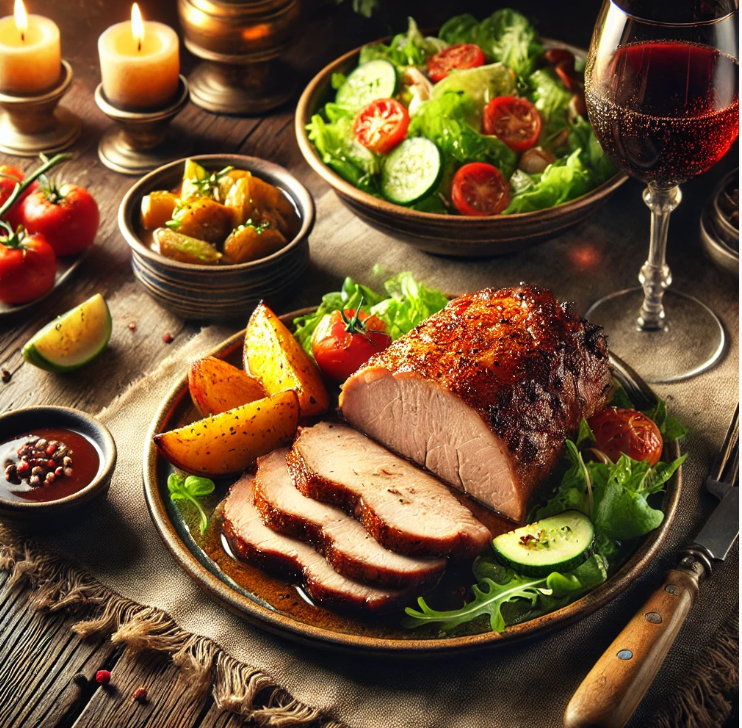
Place the pork roast on a platter and slice it.
Serve alongside baked potatoes or creamy mashed potatoes and the fresh salad. Garnishing with fresh herbs (parsley or rosemary) adds a final touch of freshness.
Enjoy!
The pork roast, cooked to perfection, blends harmoniously with the crispy texture of the potatoes and the freshness of the salad, creating a balanced and flavorful culinary experience. Alongside a glass of red wine, every bite becomes a true delight, the wine complementing the juicy and seasoned notes of the meat with rich and velvety tones. This refined combination adds an extra touch of elegance to the table, offering an unforgettable dinner in a warm and relaxed atmosphere.
Why is pork roast an ideal choice for a special dinner? Pork roast is versatile, with a tender texture and a rich flavor that can be enhanced through different spices and cooking methods. When prepared correctly, the meat develops a crispy crust on the outside while remaining juicy inside, making it a perfect centerpiece both for everyday meals and for special occasions.
What is the secret to a tender and flavorful pork roast? The tenderness and flavor of pork roast depend on a few key elements: marinating with spices and olive oil, cooking at a moderate temperature to preserve juiciness, and sealing it with aluminum foil during roasting. It is also important to remove the foil in the last 10 minutes to achieve a crispy crust.
What type of pork is best suited for roasting? The best choices are pork loin, pork tenderloin, or pork leg. Pork tenderloin is delicate and cooks quickly, while the loin or leg provide more texture and can hold richer flavors thanks to the fine layer of fat that melts during cooking.
How does fresh salad contribute to the balance of the meal? A fresh salad adds a refreshing and cooling note, balancing the richness of pork roast. Crunchy vegetables such as cucumbers and tomatoes complement the texture and intensity of the meat, while the light dressing offers a pleasant contrast between sweet, sour, and salty notes.
What dressing is best for the salad that accompanies pork roast? A simple dressing of extra virgin olive oil, balsamic vinegar or lemon juice, salt, and pepper is ideal. It does not overpower the flavors of the salad but enhances them, naturally complementing the taste of the pork and the side dish.
How can you diversify the side dish for this dinner? Besides baked or mashed potatoes, other options include grilled vegetables (zucchini, carrots, asparagus), rice with aromatic herbs, or couscous with vegetables. These side dishes bring textural and culinary variety while keeping the balance of the meal.
What role do spices play in preparing pork roast? Spices such as rosemary, thyme, garlic, and sweet paprika intensify the natural flavor of pork. Olive oil helps distribute the seasonings evenly, and massaging the meat with this mixture before roasting ensures a deep and penetrating aroma.
Which drinks pair best with this menu? A dry or semi-dry red wine, such as Cabernet Sauvignon or Merlot, perfectly complements the rich taste of pork roast. For those who prefer non-alcoholic alternatives, a mint lemonade or an unsweetened iced tea with lemon offers a refreshing contrast.
How can you turn this menu into a complete culinary experience? Add an appetizer, such as bruschetta with tomatoes and basil, and a light dessert, such as a fruit tart or a chocolate mousse. In this way, the dinner gains a balanced structure, offering a complete journey through tastes and textures.
How can you prepare this dinner for an elegant presentation? Serve the pork roast sliced evenly on a platter, decorated with fresh herbs. Place the side dish in separate bowls and the salad in a transparent bowl to highlight the vibrant colors. Use white plates to enhance the presentation of the dishes, while a simple table arrangement with candles or flowers will add an extra touch of refinement.
Appetizers from Latin America: An Introduction to the Authentic Flavors of the Continent
Latin America is recognized worldwide for its vibrant, spicy, and flavorful cuisine, and the appetizers specific to this region are a perfect example of its culinary diversity. Every corner of the continent has distinct dishes that reflect a unique blend of indigenous traditions, Spanish, Portuguese, African, and in some places even Asian influences. From Mexico to Argentina and Brazil, Latin American appetizers offer a wide range of textures, flavors, and ingredients that delight even the most sophisticated palates.
Fresh Ingredients and Exotic Spices
Appetizers from Latin America are defined by the use of fresh ingredients and intense spices. Avocado, lime, corn, black beans, chili peppers, cilantro, and a variety of aromatic herbs form the base of many dishes, creating a harmony of flavors and textures that captivate instantly. In addition, authentic sauces and seasonings such as chimichurri, salsa picante, and mole provide a unique experience and are used in different combinations, from dipping sauces to marinades.
The Most Popular Latin American Appetizers
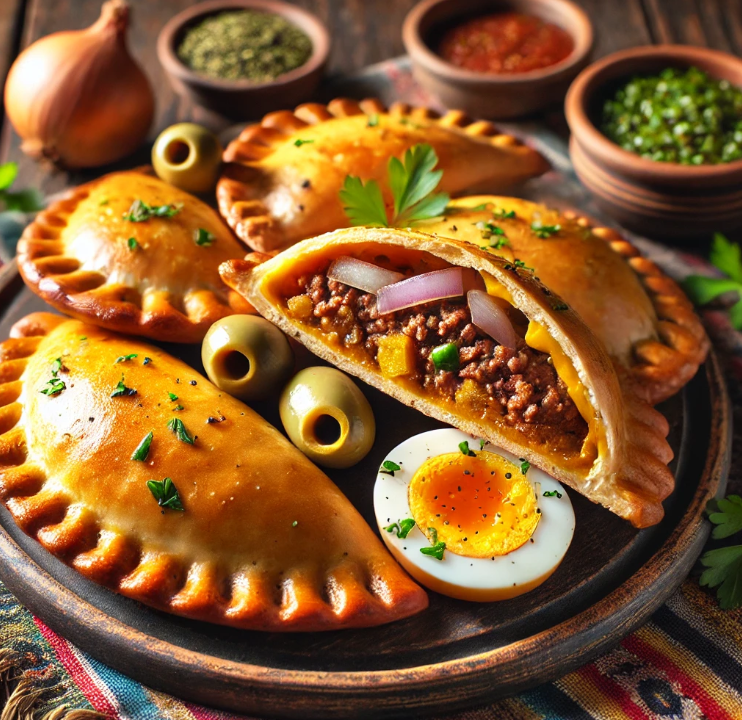
Among the most famous appetizers are Peruvian ceviche, a dish made with raw fish marinated in lime juice and seasoned with onion and chili peppers, and empanadas, savory pastries filled with meat, cheese, or vegetables, very popular in Argentina and Chile. In Mexico, guacamole served with tortilla chips or tostadas is a frequent choice to start a meal, while arepas from Venezuela and Colombia are corn cakes filled with various ingredients, from cheese to meat or avocado.
A Culinary Journey through Traditional Dishes
Latin American appetizers are more than simple starters – they reflect an important part of local traditions and customs. Each appetizer tells the story of a people who have adapted and reinvented recipes through cultural influences and local resources. For example, tamales from Mexico, made from corn dough filled with meat or vegetables and steamed, are served during holidays and special events. Similarly, coxinhas from Brazil, croquettes stuffed with chicken, are enjoyed both as everyday snacks and at festive occasions.
Conclusion
In conclusion, appetizers from Latin America are an ideal introduction to the complex and captivating cuisine of this region. These starters not only excite the taste buds but also offer a cultural and historical journey into the traditions and diversity of a vibrant continent.
Here are a few ideas for Latin American appetizers, each specific to a country and full of exotic flavors:
1. Empanadas (Argentina and Chile)
Ingredients for the dough:
500 g flour
100 g butter
1 teaspoon salt
1 egg
150 ml warm water
Ingredients for the filling:
500 g ground beef
1 large onion, finely chopped
1 teaspoon sweet paprika
1 teaspoon cumin
1 teaspoon salt and pepper, to taste
2 boiled eggs, diced
100 g green olives, sliced
Instructions:
Preparing the dough: Mix the flour with salt, then add the butter and knead until you obtain a crumbly texture. Add the egg and water gradually until a smooth dough forms. Let the dough rest for 30 minutes.
Preparing the filling: In a pan, sauté the onion in a little oil until golden. Add the ground beef and cook until fully done. Stir in paprika, cumin, salt, and pepper. Once the mixture has cooled slightly, incorporate the boiled eggs and olives.
Forming the empanadas: Roll out the dough and cut circles of about 10 cm in diameter. Place a spoonful of filling in the center of each circle, fold over, and seal the edges with a fork.
Cooking: Preheat the oven to 200°C and bake the empanadas on a tray lined with parchment paper for 20–25 minutes, until golden brown.
Chilean Empanadas
Ingredients for the dough:
500 g flour
120 g lard or butter
1 teaspoon salt
1 cup warm water
Ingredients for the filling:
Black olives, to taste
500 g ground beef
2 large onions, finely chopped
1 teaspoon smoked paprika
1 teaspoon oregano
1 teaspoon ground cumin
1 tablespoon brown sugar
1 boiled egg, diced
100 g raisins (optional)
Instructions:
Preparing the dough: Mix the flour with salt and lard, then gradually add the warm water until the dough becomes smooth. Let it rest for 20–30 minutes.
Preparing the filling: Sauté the onion in a little oil, then add the meat and seasonings (paprika, oregano, cumin). Add the brown sugar, stirring until everything is well combined. Once the mixture has cooled, incorporate the boiled egg, raisins, and olives.
Forming the empanadas: Cut circles of 10–12 cm from the dough. Place a spoonful of filling on each dough disc, then fold and seal the edges.
Cooking: Preheat the oven to 200°C and bake the empanadas for 25–30 minutes, until golden brown.
Tips
For crispier Chilean empanadas, brush them with a beaten egg before placing them in the oven.
For softer empanadas, cover them with a towel right after removing them from the oven.
Enjoy!
2. Guacamole with Nachos (Mexico)
Ingredients:
3 ripe avocados
1 small tomato, diced
½ red onion, finely chopped
1 green chili or jalapeño, finely chopped (optional)
Juice of 1 lime
2–3 sprigs of fresh cilantro, chopped (or parsley, if preferred)
Salt and pepper, to taste
Instructions:
Preparing the avocado: Cut the avocados in half, remove the pits, and scoop out the flesh with a spoon. Place the flesh in a bowl and mash it lightly with a fork, leaving a few chunks for authentic texture.
Mixing the ingredients: Add the diced tomato, chopped onion, chili pepper (if desired), lime juice, and cilantro. Mix gently until all ingredients are well combined.
Seasoning: Add salt and pepper to taste. You can adjust the amount of lime and cilantro to achieve your preferred flavor.
Serving: Serve the guacamole in a bowl alongside crispy nachos.
Homemade Nachos (optional)
Ingredients:
Corn tortillas
Sunflower oil (for frying)
Salt
Instructions:
Preparing the nachos: Cut the tortillas into small triangles.
Frying: Heat the oil in a pan over medium heat and fry the tortilla triangles until golden and crispy. Remove onto paper towels and sprinkle with salt.
3. Ceviche (Peru)
Ingredients:
500 g fresh white fish fillet (such as sea bream, tilapia, sea bass), cut into small cubes
1 red onion, thinly sliced julienne
1 red or green chili pepper, finely chopped (or jalapeño, if preferred)
1 small bunch of fresh cilantro, finely chopped
Juice of 8–10 limes
Salt, to taste
Black pepper, to taste
Sweet corn (optional, for serving)
Boiled sweet potato slices (optional, for serving)
Green lettuce leaves (for decoration)
Instructions:
Preparing the fish: Make sure the fish is extremely fresh. Place the fish cubes in a bowl and add salt, pepper, and half of the lime juice, mixing gently. Let it sit for a few minutes to begin the “cooking” process in the citric acid.
Mixing the ingredients: Add the red onion, chili pepper, and cilantro to the bowl with the fish. Pour in the rest of the lime juice, ensuring the entire mixture is well coated.
Marinating: Allow the ceviche to marinate for 10–15 minutes (or until the fish becomes opaque) to achieve a tender and juicy texture.
Serving: Serve the Peruvian ceviche on fresh lettuce leaves, decorated with sweet corn and slices of boiled sweet potato, for a delightful contrast of textures and flavors.
Tips:
For extra flavor, add a splash of fish sauce or a few slices of avocado.
Do not marinate the fish for too long, as the acidity of the lime can make the fish too firm.
Peruvian ceviche is a true explosion of fresh flavors and is usually served as an appetizer. Enjoy!
2 cups pre-cooked white corn flour (such as P.A.N.)
2 cups warm water
1 teaspoon salt
1 tablespoon vegetable oil (optional, for extra softness)
Instructions:
Preparing the dough: In a large bowl, mix the corn flour with the salt. Gradually add the warm water and mix well with your hands, kneading until you obtain a soft, smooth dough. If desired, add a tablespoon of vegetable oil for extra tenderness.
Forming the arepas: Take portions of dough and shape them into balls about the size of a golf ball. Flatten them gently with your palms until you get discs about 1–1.5 cm thick and 10 cm in diameter.
Cooking: Heat a non-stick pan over medium heat and add a little oil. Fry the arepas for 5–7 minutes on each side, until they form a golden crust. You can finish cooking them in the oven at 180°C for another 10 minutes to ensure they are cooked through inside.
Filling and serving: Cut the arepas in the middle, like a bun, and fill them with ingredients of your choice.
Traditional Filling Variations
Reina Pepiada (Venezuela): A mix of shredded boiled chicken breast, avocado, mayonnaise, and cilantro.
Queso y Jamón (Colombia): Melted cheese and ham.
Carne Mechada (Venezuela): Shredded beef, seasoned and cooked “mechada” style with onion, bell pepper, and tomatoes.
Huevo y Queso (Colombia): Fried egg and fresh cheese.
Arepas are perfect to be filled with anything you like and are a staple of both Venezuelan and Colombian cuisine, offering endless combinations of flavors and textures.
5. Tostones (Puerto Rico and the Dominican Republic)
Ingredients:
2–3 green (unripe) plantains
Vegetable oil for frying (sunflower oil or corn oil)
Salt, to taste
Sauces for serving: garlic sauce, salsa, or guacamole (optional)
Instructions:
Preparing the plantains: Peel the plantains by cutting off the ends and making lengthwise slits in the skin to remove it more easily. Cut the plantains into pieces about 2.5 cm thick.
First frying: Heat the oil in a pan over medium heat. Fry the plantain pieces for 2–3 minutes on each side, until lightly golden but not yet crispy. Remove them onto paper towels to absorb excess oil.
Smashing: Using a spatula or a flat surface, flatten each fried piece into thin discs (this is the key to their crispy texture!).
Second frying: Reheat the oil over medium-high heat and fry the flattened pieces for 1–2 minutes on each side, until golden and crispy.
Seasoning and serving: Sprinkle salt over the tostones immediately after removing them from the pan. Serve hot with sauces such as garlic sauce, salsa, or guacamole.
Tips:
For authentic flavor, you can quickly dip the flattened pieces in a garlic water solution before the second frying.
Serve immediately to keep them crispy, as tostones tend to soften as they cool.
Enjoy! These tostones are perfect as an appetizer or as a side dish for meat-based meals or other traditional Latin American dishes.
6. Choripán (Argentina)
Ingredients:
4 chorizo sausages (preferably Argentinian or similarly seasoned pork sausages)
4 crusty rolls or small baguettes
Lettuce leaves or tomato slices (optional, for serving)
Ingredients for the Chimichurri sauce:
1 cup parsley leaves, finely chopped
2–3 garlic cloves, finely minced
1/4 cup red wine vinegar
1/2 cup olive oil
1 teaspoon dried oregano
1/2 teaspoon red pepper flakes (or to taste)
Salt and pepper, to taste
Instructions:
Preparing the Chimichurri sauce: In a bowl, combine parsley, garlic, vinegar, oregano, red pepper flakes, salt, and pepper. Gradually add the olive oil, mixing until the ingredients are well incorporated. Set the sauce aside to allow the flavors to infuse.
Cooking the sausages: Heat a grill or grill pan over medium heat. Cook the chorizo sausages until well browned and fully cooked, about 10–12 minutes, turning them on all sides. You can slice them lengthwise for quicker cooking and easier placement in the bread.
Assembling the choripán: Cut each roll in half and, if desired, toast them slightly on the grill for extra crunch. Place a sausage in each roll, top generously with chimichurri sauce, and optionally add lettuce leaves or tomato slices.
Serving: Serve the choripán immediately, hot, with extra chimichurri on the side for more flavor.
Tips:
Choripán is perfect for barbecues and special occasions, being one of the most beloved Argentinian street foods.
For authentic flavor, use Argentinian chorizo or fresh pork sausages, slightly spicy and well seasoned.
Chimichurri sauce can be made a few hours in advance, as its flavor intensifies over time.
500 g beef heart (or beef tenderloin if preferred), cut into cubes of about 3 cm
3 tablespoons ají panca paste (Peruvian chili pepper, can be substituted with sweet paprika mixed with chili flakes)
2 garlic cloves, finely chopped
2 tablespoons red vinegar
1 teaspoon ground cumin
1 teaspoon dried oregano
Salt and pepper, to taste
Cooking oil (about 2 tablespoons)
For serving:
Skewers
Boiled potatoes and corn slices (optional, traditional garnish)
Spicy sauce or ají verde (optional, for extra flavor)
InstrucInstructions:
Preparing the marinade: In a large bowl, combine the ají panca paste, chopped garlic, vinegar, cumin, oregano, salt, and pepper. Mix well until you get a consistent marinade.
Marinating the meat: Add the meat cubes to the marinade and mix well, ensuring each piece is well coated. Cover the bowl and refrigerate the meat for at least 2 hours (overnight is ideal) to fully absorb the flavors.
Assembling the skewers: Remove the meat from the refrigerator and thread 4–5 cubes onto each skewer.
Cooking: Heat a grill or grill pan over medium-high heat. Brush the grill lightly with oil, then place the meat skewers on it. Cook for 3–4 minutes on each side, until well browned but still juicy inside.
Serving: Serve the anticuchos on a plate alongside boiled potatoes and corn slices, if desired. Add spicy sauce or ají verde for an extra kick of flavor.
Tips:
These anticuchos are a true delicacy and bring the authentic taste of Peru straight to your home.
For authenticity, use ají panca paste, typical of Peruvian cuisine, which gives anticuchos their distinct flavor.
For extra tenderness, add a few tablespoons of beer to the marinade.
8. Queso Fundido (Mexico)
Ingredients:
400 g cheese that melts well (such as queso Oaxaca, Monterey Jack, or mozzarella)
100 g Mexican chorizo, crumbled
1 jalapeño or green chili pepper, thinly sliced (optional, for extra heat)
1 small onion, finely chopped
1 tablespoon oil (optional, if the chorizo isn’t fatty enough)
Warm tortillas (for serving)
Instructions:
Preparing the chorizo: In a small pan, heat the oil (if needed) and fry the crumbled chorizo over medium heat until browned and crispy, about 5 minutes. Add the onion and jalapeño, cooking for another 2–3 minutes until softened and fragrant.
Preparing the cheese: Preheat the oven to 180°C. Place the cheese in an ovenproof dish (or cast-iron skillet), spreading it evenly. Sprinkle the chorizo, onion, and pepper mixture over the top of the cheese.
Baking: Place the dish in the oven and bake for 10–15 minutes, or until the cheese is fully melted and bubbling. For a golden crust, you can switch to the grill/broil function for the last 2–3 minutes.
Serving: Serve the queso fundido hot, directly from the dish, with warm tortillas. Everyone can scoop some and spread it onto their tortilla.
Tips:
For extra flavor, you can add sautéed mushroom slices or thin tomato slices before baking.
Serve immediately, as melted cheese tends to firm up as it cools.
Queso Fundido is perfect for sharing and enjoying with friends or family, making it one of the most beloved Mexican appetizers.
9. Coxinhas (Brazil)
Ingredients for the dough:
2 cups of chicken broth (or water)
2 cups of flour
1 tablespoon of butter
1 teaspoon of salt
Ingredients for the filling:
2 cups of cooked and shredded chicken breast
1 small onion, finely chopped
1 clove of garlic, finely chopped
1 tablespoon of oil
Salt and pepper, to taste
2 tablespoons of cream cheese (optional, for extra creaminess)
For coating and frying:
Oil for frying
1 egg, beaten
Breadcrumbs
Instrucțiuni:Instructions:
Preparing the filling: In a pan, heat one tablespoon of oil and sauté the onion and garlic until golden. Add the shredded chicken breast, salt, and pepper. Cook for 2–3 minutes, stirring well to combine the flavors. If desired, you can add the cream cheese to create a creamier filling. Let the mixture cool down.
Preparing the dough: In a saucepan, place the chicken broth, butter, and salt over medium heat. When the broth begins to boil, gradually add the flour, stirring continuously with a wooden spoon until you obtain a compact and smooth dough that separates from the sides of the pan. Transfer the dough to a surface and allow it to cool slightly.
Forming the coxinhas: Take a piece of dough and shape it into a ball. Flatten it slightly with your fingers and place a teaspoon of the chicken filling in the center. Close the dough over the filling, shaping it into the form of a little chicken drumstick, with the bottom rounded and the top slightly pointed.
Coating: Dip each coxinha in the beaten egg, then roll it in breadcrumbs, making sure they are completely covered.
Frying: Heat the oil in a deep pan over medium-high heat and fry the coxinhas until golden and crispy, about 3–4 minutes. Remove them onto paper towels to drain the excess oil.
Tips:
These coxinhas are perfect for a party snack or for bringing a little taste of Brazilian street food into your home. Enjoy!
For an authentic taste, serve the coxinhas hot, accompanied by vinegar or spicy Brazilian sauces.
For even frying, do not overcrowd the pan with too many coxinhas, allowing the oil to circulate freely.
10. Tamal (Mexico and Central America)
Ingredients for the dough:
4 cups of masa harina corn flour (for tamales)
2 cups of warm chicken broth or water
1 cup of pork lard (or vegetable oil, for a lighter version)
1 teaspoon of baking powder
1 teaspoon of salt
Dried corn husks (for wrapping), soaked in warm water for 30 minutes
Ingrediente pentru umplutură (de exemplu, carIngredients for the filling (for example, chicken or pork):
500 g of chicken or pork, cooked and shredded
1 cup of red or green sauce (can be red or green chili sauce)
Salt and pepper, to taste
Instructions:
Preparing the filling: In a pan, mix the shredded meat with the red or green sauce and heat it over medium heat until it is well coated with sauce and the flavors are blended. Season with salt and pepper to taste. Allow the filling to cool.
Preparing the dough: In a large bowl, beat the lard (or oil) with a mixer until fluffy. In another bowl, mix the masa harina, salt, and baking powder. Gradually add the dry mixture and the chicken broth to the lard bowl, mixing well until you obtain a soft, smooth dough that is easy to spread on the corn husk.
Forming the tamales: Drain the soaked corn husks. Place a husk on your work surface, with the wider end facing you. Spread a generous spoonful of dough in the center of the husk, then place a spoonful of the meat filling on top of the dough. Fold the corn husk to completely cover the filling and dough, fold in the edges, and tie the ends with a strip of corn husk if needed.
Cooking the tamales: Arrange the tamales upright in a steamer, with the opening facing upward. Steam for about 1.5–2 hours, until the dough becomes firm and easily separates from the corn husk. Check the water level in the pot periodically to ensure it does not evaporate completely.
Serving: Serve the tamales directly in the corn husk, alongside salsa, sour cream, or avocado slices.
Tips:
For variety, you can use different fillings, such as cheese with jalapeños, mushrooms, beef, or even sweet fillings with raisins and sugar.
For an authentic flavor, add a teaspoon of cumin or coriander to the dough.
Tamales are ideal for special occasions and are a traditional festive dish in many regions. Enjoy!
These appetizers bring the authentic flavors of Latin America to the table and can turn any meal into a vibrant culinary experience.
What makes Latin American cuisine so special in the context of appetizers? Latin American cuisine stands out for its blend of cultural influences – Indigenous, Spanish, Portuguese, African, and Asian – and its use of fresh ingredients and bold spices. Appetizers offer a captivating introduction to this diversity, from Mexican guacamole to Peruvian ceviche, each reflecting the traditions and history of its region of origin.
How is Peruvian ceviche prepared and why is it so popular? Ceviche is made from fresh fish marinated in lime juice, seasoned with red onion, cilantro, and chili peppers. The marination process “cooks” the fish without heat, preserving the freshness of the ingredients. Its popularity comes from its unique tangy and spicy flavor, as well as its tender texture, making it an excellent choice for a refreshing appetizer.
What are empanadas and how do they differ across Latin American regions? Empanadas are pastry turnovers filled with meat, cheese, or vegetables, baked or fried. In Argentina, they are prepared with beef, boiled eggs, and olives, while in Chile they include raisins and a fluffier dough. Each region adapts the recipe based on local ingredients, making empanadas a versatile and beloved dish.
What are the key ingredients of Mexican guacamole? Authentic guacamole contains ripe avocado, red onion, tomatoes, cilantro, lime, and optionally, jalapeño peppers. Its simplicity allows the natural flavor of fresh ingredients to shine. It is often served with tortilla chips or on tostadas, making it a classic appetizer in Mexican cuisine.
What are arepas and how are they integrated into Venezuelan and Colombian cuisine? Arepas are cornmeal patties, baked or fried, and filled with a variety of ingredients such as cheese, beef, chicken, or avocado. In Venezuela, one of the most popular versions is Reina Pepiada, filled with chicken and avocado. In Colombia, simpler fillings like fresh cheese are preferred.
How are tostones prepared and what makes them a unique appetizer? Tostones are slices of green plantains, fried twice to achieve crispiness. The first frying softens the slices, and after flattening, they become golden and crunchy in the second frying. They are served with sauces such as salsa or guacamole, and are a popular snack in Puerto Rico and the Dominican Republic.
What is choripán and how does it reflect Argentine traditions? Choripán is a simple yet flavorful sandwich made of grilled chorizo sausage served in a crusty bread roll, topped with chimichurri sauce. It is an essential dish at Argentine barbecues (asado), reflecting the locals’ passion for outdoor cooking.
How are anticuchos prepared and what makes them a traditional Peruvian dish? Anticuchos are skewers of beef heart or other types of meat, marinated in ají panca paste, vinegar, and spices, then grilled. Often served with boiled potatoes or corn, these skewers are a classic example of Peruvian street food, combining simplicity with bold flavors.
What is queso fundido and how is it served in Mexico? Queso fundido is a dish of melted cheese, often combined with chorizo, chili peppers, and onions. It is baked until creamy and served hot with warm tortillas. This dish is perfect for sharing with friends and is extremely versatile and delicious.
What are tamales and how are they used in festive Latin American cuisine? Tamales are parcels of corn dough filled with meat, cheese, or vegetables, wrapped in corn husks, and steamed. They are traditionally served during holidays and special events, making them an important culinary tradition in Mexico and Central America. The variety of fillings and seasonings reflects the rich cultural heritage of the region.
20 Bruschetta Recipes
Bruschetta are simple and delicious appetizers, originating from Italy, that have gained popularity all over the world. They are prepared quickly and offer a balanced combination of fresh ingredients and intense flavors. From the classic mix of tomatoes and basil to modern variations with seafood, cheeses, or vegetables, bruschetta are the perfect choice to open a festive meal or a casual dinner with friends.
The base of a bruschetta is always a slice of toasted bread, usually baguette or ciabatta, rubbed with garlic and drizzled with olive oil. From here, the possibilities are endless, adapting the toppings according to personal preferences and seasonal ingredients.
In the following, you will discover 20 bruschetta recipes that will spark your imagination and delight your taste buds. Whether you choose traditional variations or unique combinations of flavors, each recipe promises to be an explosion of tastes and textures.
1. Classic Bruschetta with Tomatoes and Basil
Ingredients:
1 baguette or ciabatta (sliced)
4 large, ripe tomatoes (diced)
2–3 garlic cloves
1/4 cup extra virgin olive oil
Fresh basil leaves (chopped)
Salt and pepper to taste
Balsamic vinegar (optional)
Instructions:
Prepare the bread:
Preheat the oven to 180°C (350°F).
Place the baguette slices on a baking tray and drizzle them with a little olive oil.
Bake for 8–10 minutes or until golden and crispy. Alternatively, you can grill the bread slices on a grill pan.
Prepare the tomato mixture:
In a large bowl, mix the diced tomatoes with the freshly chopped basil.
Add salt and pepper to taste, and a tablespoon of olive oil to intensify the flavors. For a stronger taste, you can also add a few drops of balsamic vinegar.
Rub the garlic on the bread:
Once the bread is toasted, rub the surface of each slice with a garlic clove to give it a subtle garlic flavor.
Assemble the bruschetta:
On each slice of toasted bread, place a generous spoonful of the tomato and basil mixture.
Drizzle with a little extra olive oil, if desired, and serve immediately.
Suggestion: You can add a balsamic vinegar reduction on top for extra flavor.
This recipe is quick, simple, and very aromatic, perfect to start any meal! Enjoy!
Would you like me to continue translating all 20 bruschetta recipes into this detailed SEO-friendly format, with each recipe fully structured in English?
2. Bruschetta with Mozzarella and Cherry Tomatoes
Ingredients:
1 baguette or ciabatta (sliced)
200g fresh mozzarella (preferably mini mozzarella balls or sliced)
200g cherry tomatoes (halved)
Fresh basil leaves
2–3 garlic cloves
1/4 cup extra virgin olive oil
Salt and pepper to taste
Balsamic vinegar (optional, for garnish)
Instructions:
Prepare the bread:
Preheat the oven to 180°C (350°F).
Place the baguette slices on a baking tray and drizzle them with a little olive oil.
Bake for 8–10 minutes, or until golden and crispy.
Rub the garlic on the bread:
Once the bread is toasted, rub the surface of each slice with a garlic clove to give it a subtle garlic flavor.
Assemble the bruschetta:
Place a slice or a ball of fresh mozzarella on each toasted bread slice.
Add halved cherry tomatoes on top, distributing them evenly.
Add the basil:
Sprinkle fresh basil leaves over the mozzarella and cherry tomatoes.
Drizzle with olive oil and balsamic vinegar:
Drizzle the bruschetta with a little extra virgin olive oil for enhanced flavor. If desired, add a few drops of balsamic vinegar to intensify the taste.
Season with salt and pepper to taste.
Serve:
Serve the bruschetta immediately to enjoy the combination of fresh flavors and contrasting textures.
This recipe is a classic combination of Italian flavors, perfect for a quick snack or an elegant appetizer! Enjoy!
3. Bruschetta with Avocado and Tomatoes
Here is a simple and delicious recipe for bruschetta with avocado and tomatoes:
Ingredients:
1 baguette or rustic bread, sliced
1 ripe avocado
1–2 large tomatoes or a handful of cherry tomatoes
1 garlic clove
Lemon juice (to taste)
Salt and pepper (to taste)
Fresh basil leaves (optional)
Extra virgin olive oil (for drizzling)
Instructions:
Prepare the bread:
Preheat the oven to 180°C (350°F).
Place the bread slices on a baking tray, lightly drizzling them with olive oil.
Bake for 5–7 minutes, until golden and crispy.
Prepare the avocado:
Cut the avocado in half, remove the pit, and scoop out the flesh with a spoon.
Place the flesh in a bowl and mash it with a fork.
Add lemon juice, salt, and pepper to taste, then mix well.
Prepare the tomatoes:
Dice the tomatoes into small cubes.
If using cherry tomatoes, cut them into quarters.
Season lightly with salt and pepper.
Rub the bread with garlic:
Once the bread slices are baked and slightly cooled, gently rub them with a halved garlic clove for extra flavor.
Assemble:
Spread a spoonful of avocado purée on each slice of toasted bread.
Add the diced tomatoes on top.
Drizzle with a little extra virgin olive oil and, if desired, garnish with a few fresh basil leaves.
Serve:
The avocado bruschetta is ready to serve! Enjoy immediately to keep the bread’s crispy texture.
4. Bruschetta with Smoked Salmon and Cream Cheese
Ingredients:
1 baguette or rustic bread, sliced
200 g cream cheese (you can use goat cheese, plain cream cheese, or flavored cream cheese)
150 g smoked salmon, cut into strips
Lemon juice, to taste
Fresh dill, chopped
Freshly ground black pepper
Olive oil (optional, for drizzling)
Instructions:
Prepare the bread:
Preheat the oven to 180°C (350°F).
Place the bread slices on a baking tray and drizzle lightly with olive oil if you want a crunchier texture.
Bake for 5–7 minutes, until the bread becomes golden and crispy.
Prepare the cream cheese:
If desired, mix the cream cheese with a little lemon juice and ground pepper for a fresh and slightly tangy taste.
Assemble:
After the bread slices are baked and slightly cooled, spread a generous layer of cream cheese on each slice.
Add the smoked salmon:
Place a strip of smoked salmon on top of the cream cheese on each bruschetta.
Decorate:
Sprinkle with freshly chopped dill and add a touch of ground pepper for extra flavor.
You can drizzle a few drops of lemon juice on top for a more intense taste.
Serve:
The smoked salmon bruschetta with cream cheese is ready to serve! They are ideal as appetizers or a quick snack.
Enjoy!
5. Bruschetta with Ricotta and Honey
Ingredients:
1 baguette or rustic bread, sliced
200 g ricotta (or another creamy cheese, depending on preference)
2–3 tablespoons of honey
Chopped walnuts or almonds, for garnish (optional)
Fresh thyme or rosemary leaves (optional)
Olive oil (optional, for drizzling)
Instructions:
Prepare the bread:
Preheat the oven to 180°C (350°F).
Place the bread slices on a baking tray and drizzle lightly with olive oil for a richer flavor.
Bake for 5–7 minutes, until the bread becomes golden and crispy.
Prepare the ricotta:
In a small bowl, stir the ricotta to make it creamier and easier to spread.
You may add a pinch of salt to intensify its flavor, if desired.
Assemble:
Spread a generous layer of ricotta on each slice of toasted bread.
Add the honey:
Drizzle each bruschetta with honey to taste.
Decorate:
Sprinkle with chopped walnuts or almonds for extra texture and flavor.
Add a few fresh thyme or rosemary leaves for garnish and aroma, if desired.
Serve:
The ricotta and honey bruschetta is ready to serve! Delicious both warm and cold, they are perfect for a quick appetizer.
Chili flakes or chopped parsley (optional, for garnish)
Instructions:
Prepare the bread:
Preheat the oven to 180°C (350°F).
Place the bread slices on a baking tray and drizzle lightly with olive oil.
Bake for 5–7 minutes, until golden and crispy.
Sauté the spinach:
In a large skillet, heat the olive oil over medium heat.
Add the chopped garlic and sauté for 1 minute, until golden and aromatic.
Add the spinach and cook until wilted and the liquid has completely evaporated.
Season with salt and pepper to taste.
Prepare the eggs:
Poach the eggs in hot water or fry them, depending on your preference.
The yolk should remain soft for a creamier effect.
Assemble:
Place a spoonful of sautéed spinach on each slice of toasted bread.
Top with one egg on each bruschetta.
Decorate:
Drizzle each bruschetta with extra virgin olive oil.
Add chili flakes or chopped parsley for extra flavor and color.
Serve:
The spinach and egg bruschetta is ready to serve! Perfect for a healthy and filling breakfast.
Enjoy!
17. Bruschetta with Sardines and Lemon
Ingredients:
1 baguette or rustic bread, sliced
1 can of sardines in oil, drained
1 lemon (for juice and thin slices)
Extra virgin olive oil (for drizzling)
Salt and pepper, to taste
Fresh parsley, chopped (for garnish)
Instructions:
Prepare the bread:
Preheat the oven to 180°C (350°F).
Place the bread slices on a baking tray and drizzle lightly with olive oil.
Bake for 5–7 minutes, until golden and crispy.
Prepare the sardines:
Remove the sardines from the can and drain well from the oil.
If they are large, cut them into smaller pieces.
Add a few drops of lemon juice over the sardines for a fresh taste.
Assemble:
Place pieces of sardines on each slice of toasted bread.
Add the lemon slices:
Top each bruschetta with a thin slice of lemon for extra aroma and freshness.
Decorate:
Drizzle with a little extra virgin olive oil.
Sprinkle with salt and pepper to taste.
Garnish with freshly chopped parsley.
Serve:
The sardine and lemon bruschetta is ready to enjoy! These are delicious as a quick snack or appetizer, easy to prepare and full of Mediterranean flavors.
Enjoy!
18. Bruschetta with Cream Cheese and Radishes
Ingredients:
1 baguette or rustic bread, sliced
150 g cream cheese (plain or with herbs, depending on preference)
5–6 radishes, thinly sliced
Salt and pepper, to taste
A few sprigs of fresh parsley or dill, chopped
Extra virgin olive oil (optional, for drizzling)
Instructions:
Prepare the bread:
Preheat the oven to 180°C (350°F).
Place the bread slices on a baking tray and drizzle lightly with olive oil, if desired.
Bake for 5–7 minutes, until golden and crispy.
Prepare the cream cheese:
If using plain cream cheese, you can add some chopped parsley or dill to enhance the flavor.
Mix the cheese with salt and pepper to taste.
Assemble:
Spread a generous layer of cream cheese on each slice of toasted bread.
Add the radishes:
Place the radish slices evenly on top of the cream cheese.
Decorate:
Sprinkle with freshly chopped parsley or dill.
Drizzle with a little extra virgin olive oil for added flavor, if desired.
Serve:
The cream cheese and radish bruschetta is ready to serve! Fresh, light, and perfect as an appetizer.
Enjoy!
19. Bruschetta with Artichokes and Cherry Tomatoes
Ingredients:
1 baguette or rustic bread, sliced
1 can of marinated artichoke hearts, drained and chopped
10–12 cherry tomatoes, halved or quartered
2–3 garlic cloves, finely chopped
Extra virgin olive oil (for sautéing and drizzling)
Salt and pepper, to taste
Fresh basil leaves, for garnish
Instructions:
Prepare the bread:
Preheat the oven to 180°C (350°F).
Place the bread slices on a baking tray and drizzle lightly with olive oil.
Bake for 5–7 minutes, until golden and crispy.
Sauté the garlic and artichokes:
In a skillet, heat a little olive oil over medium heat.
Add the chopped garlic and sauté for 1 minute, until golden and aromatic.
Add the chopped artichokes and cook for another 2–3 minutes, stirring occasionally.
Season with salt and pepper to taste.
Prepare the cherry tomatoes:
In a small bowl, toss the cherry tomatoes with a little olive oil, salt, and pepper.
Assemble:
Spread the garlic and artichoke mixture on each slice of toasted bread.
Add pieces of cherry tomato on top.
Decorate:
Sprinkle with fresh basil leaves for added freshness.
Drizzle each bruschetta with a touch of extra virgin olive oil, if desired.
Serve:
The artichoke and cherry tomato bruschetta is ready to serve! A light, healthy, and flavorful appetizer.
Enjoy!
20. Bruschetta with Crispy Bacon and Avocado
Ingredients:
1 baguette or rustic bread, sliced
1 ripe avocado
100 g bacon, cut into strips
Lemon juice, to taste
Salt and pepper, to taste
Extra virgin olive oil (for drizzling)
Chili flakes (optional, for garnish)
Fresh parsley or coriander, chopped (for garnish)
Instructions:
Prepare the bread:
Preheat the oven to 180°C (350°F).
Place the bread slices on a baking tray and drizzle lightly with olive oil.
Bake for 5–7 minutes, until golden and crispy.
Cook the bacon:
In a skillet, fry the bacon over medium heat until crispy.
Once browned, place it on a paper towel to remove excess fat.
Prepare the avocado:
Cut the avocado in half, remove the pit, and scoop out the flesh.
Place it in a bowl and mash with a fork until creamy.
Add lemon juice, salt, and pepper to taste.
Assemble:
Spread the avocado on each slice of toasted bread.
Place pieces of crispy bacon on top of the avocado.
Decorate:
Sprinkle with chili flakes for extra heat (optional).
Garnish with freshly chopped parsley or coriander.
Serve:
The crispy bacon and avocado bruschetta is ready to serve! Excellent as a quick snack or appetizer.
What is the classic bruschetta recipe and why is it so popular?
The classic bruschetta recipe includes ripe tomatoes, fresh basil, garlic, extra virgin olive oil, and toasted bread. Its simplicity and the combination of fresh flavors make it one of the most appreciated recipes. The crispy bread rubbed with garlic perfectly complements the sweet-and-tangy taste of tomatoes and the freshness of basil. It is an excellent choice for any meal due to its short preparation time and nutritional value.
How are bruschetta with mozzarella and cherry tomatoes prepared?
Bruschetta with mozzarella and cherry tomatoes combine the creamy texture of mozzarella with the freshness of cherry tomatoes. Toasted bread slices are rubbed with garlic and olive oil, then topped with mozzarella slices and halved cherry tomatoes. An optional drizzle of balsamic vinegar and fresh basil leaves add extra flavor. These bruschetta are ideal for light dinners or parties.
What are the benefits of using avocado in bruschetta?
Avocado brings a creamy texture and a healthy source of fats to bruschetta. It is rich in vitamins, minerals, and antioxidants, making it a nutritious option for those looking for a healthier alternative. Avocado bruschetta with tomatoes and lemon juice are perfect for an energizing breakfast or a quick snack.
How is smoked salmon integrated into bruschetta recipes?
Smoked salmon is used to add a refined touch to bruschetta. Toasted bread slices are spread with a generous layer of cream cheese, followed by thin strips of smoked salmon. A squeeze of lemon juice and freshly chopped dill provide a fresh and balanced taste. This recipe is an excellent option for sophisticated appetizers.
How are bruschetta with ricotta and honey prepared?
Ricotta and honey bruschetta combine the delicate texture of ricotta with the natural sweetness of honey. Toasted bread slices are spread with ricotta, then drizzled with honey and decorated with chopped nuts for extra texture. These bruschetta are perfect as a light dessert or an afternoon snack.
What is the secret to a perfect bruschetta with pesto and sun-dried tomatoes?
Bruschetta with pesto and sun-dried tomatoes get their intense flavor from combining fresh basil pesto with the concentrated sweetness of sun-dried tomatoes. Pesto is spread on toasted bread slices, and the tomato pieces are placed on top. Optionally, grated Parmesan can be added for extra flavor.
How can bruschetta be turned into a sweet-and-savory dish?
By combining ingredients such as blue cheese and pears, you can achieve a unique sweet-and-savory flavor. Toasted bread slices are topped with blue cheese, thin pear slices, and drizzled with honey. Chopped walnuts add an extra layer of texture and complexity. This recipe is ideal for those who enjoy contrasts of flavors.
How are bruschetta with hummus and roasted peppers prepared?
Hummus and roasted pepper bruschetta are a healthy and flavorful choice. Toasted bread slices are spread with a generous layer of hummus, then topped with strips of roasted peppers. Seasoned with salt, pepper, and fresh parsley, these bruschetta make a perfect light snack.
What are the secrets to bruschetta with sautéed mushrooms and garlic?
Sautéed mushrooms with garlic bring a rich and aromatic taste to bruschetta. The mushrooms are cooked in olive oil with garlic until tender and lightly caramelized. This mixture is placed on toasted bread slices and decorated with fresh parsley. Mushroom bruschetta are excellent as a warm appetizer.
How are bruschetta with tuna and capers prepared for a Mediterranean flavor?
Tuna and caper bruschetta bring the flavors of the Mediterranean into a simple dish. Canned tuna is mixed with chopped capers, lemon juice, and olive oil. This mixture is placed on toasted bread slices and garnished with parsley. The salty taste of capers perfectly complements the delicacy of tuna, resulting in a sophisticated appetizer.
📬 Stay Creative
Get free tools, fresh articles, and creative inspiration delivered to your inbox.
🍪 We use cookies to improve your experience. By continuing to use this site, you agree to our use of cookies.