Potato Soup with Smoked Meat – Authentic Transylvanian Flavor in Every Spoonful

Potato Soup with Smoked Meat is more than just a simple dish in the heart of Transylvania; it is an invitation to a feast of simplicity and deep flavors, cooked with basic ingredients and plenty of love. In every Transylvanian village, traditional cuisine is dominated by the taste of smoked meat, the aroma of potatoes boiled in rich broths, and the freshness of greens picked straight from the garden.

This potato soup with smoked meat begins with smoked ribs or a smoked ham hock, which simmer slowly in a large pot, releasing their unmistakable taste into every drop of broth. Fresh vegetables such as onion, carrot, and bell pepper are then added, weaving together into a harmonious combination, while the potatoes – the stars of the dish – absorb all the flavor and become soft and delicious.

At the end, to give that specific Transylvanian touch, a generous spoonful of sour cream and vinegar is added, balancing the flavors and giving the soup a creamy texture with a pleasant tangy taste. Fresh parsley or lovage sprinkled on top adds brightness, and the soup is served hot, with homemade bread and, if preferred, alongside a hot chili pepper.

This Transylvanian soup is a warm embrace for chilly days, a recipe that brings loved ones together and keeps alive the tradition of soulful meals – simple and full of flavor. From the first to the last spoonful, potato soup with smoked meat reminds us of authentic taste and carries us along the roads of Transylvania, where every meal is a true celebration.

Potato Soup with Smoked Meat – Transylvanian Recipe

This soup is specific to Transylvania, where smoked meats are frequently used in traditional dishes, giving them a deep aroma and a rich taste.

Ingredients:

  • 500 g potatoes
  • 200 g smoked ribs or smoked ham hock
  • 1 onion
  • 1 carrot
  • 1 bell pepper
  • 2 tablespoons tomato paste
  • 200 ml sour cream
  • 1 tablespoon vinegar (optional, for sourness)
  • Salt, pepper, thyme to taste
  • Parsley or lovage, for serving

Preparation Method:

  1. In a large pot, boil the smoked ribs in a sufficient amount of water until they become tender.
  2. Add the chopped onion, carrot, and bell pepper, letting them boil for 10–15 minutes.
  3. Put in the diced potatoes and continue boiling until they soften.
  4. Add the tomato paste, salt, pepper, and thyme.
  5. At the end, pour in the sour cream and vinegar, mixing well. Sprinkle chopped parsley or lovage on top and serve the potato soup with smoked meat hot.

What makes potato soup with smoked meat specific to Transylvanian cuisine?
This soup is an emblematic dish of Transylvania due to the use of smoked meat, such as ribs or ham hock, which provide an intense taste and an unmistakable aroma. The addition of sour cream and vinegar, both characteristic of Transylvanian cooking, balances the flavors and creates the creamy texture that defines this soup.

Why is smoked meat important in this recipe?
Smoked meat adds a deep aroma and an authentic savor, forming the very base of the soup. Through boiling, it releases its fat and juices into the broth, giving the dish a richness of flavors that combine salty, smoky, and umami notes.

How do sour cream and vinegar influence the final taste of the soup?
Sour cream gives the soup a creamy texture and a rich taste, softening the intensity of the smoked meat. Vinegar, on the other hand, adds a subtle tangy note that balances the fattiness and enhances the flavors, offering a refreshing and pleasant taste.

What is the role of potatoes in this recipe?
Potatoes are the main ingredient, absorbing the rich flavors of the broth. They provide consistency and turn the soup into a hearty dish, ideal for family meals.

What other vegetables can be added to enrich the recipe?
Along with onion, carrots, and bell pepper, celery root or parsnip can be added for extra flavor. Zucchini or green beans may also be included to bring a different texture and a touch of freshness.

How can this recipe be adapted for different dietary preferences?
For a vegetarian version, smoked meat can be replaced with smoked tofu or mushrooms to maintain the characteristic flavor. Sour cream can also be substituted with a plant-based alternative, such as coconut or almond cream.

How does slow cooking influence the final taste of the soup?
Slow cooking allows the smoked meat to gradually release its aromas into the broth, while the potatoes and vegetables cook evenly. This method ensures a perfect integration of all ingredients, resulting in a soup with a deep and rich taste.

Why is it important to boil the meat before adding the vegetables?
Boiling the meat separately helps remove excess salt and tenderizes the fibers, making it soft. This step also creates a flavorful broth base, which enhances the taste of the vegetables and potatoes.

What types of bread or side dishes pair best with this soup?
Homemade bread, polenta, or croutons are ideal pairings for this soup. Bread absorbs the rich broth, polenta offers a contrasting texture, and croutons add a crunchy note.

How does this soup preserve the Transylvanian culinary tradition?
This Transylvanian soup reflects tradition through the use of simple but high-quality ingredients and through the focus on the intense taste of smoked meat. The slow cooking method and the balance of flavors (sour cream, vinegar, fresh herbs) preserve the authenticity of the dish, making it a recipe passed down from generation to generation.

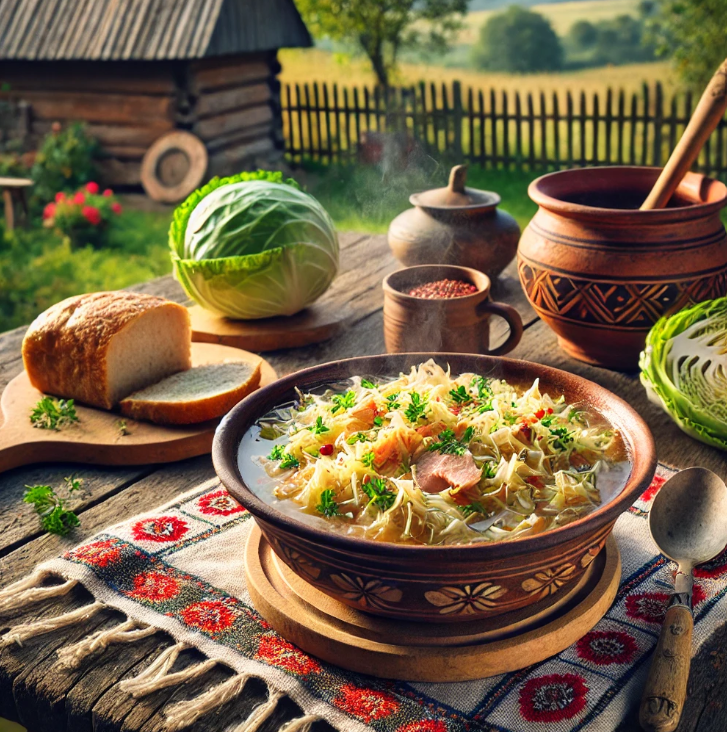
Sweet Cabbage Soup in a Cauldron – Authentic Taste from the Heart of Transylvania

In Transylvania, where traditions are faithfully preserved, simple dishes rich in taste and flavor hold a place of honor. One of these authentic delights is sweet cabbage soup cooked in a cauldron, a dish that reminds us of the meals of old, with the unmistakable flavor of food slowly prepared over a wood fire.

This recipe has deep roots in Transylvanian cuisine, where smoked meat and fresh cabbage come together in a dance of aromas, joined by garden vegetables, bay leaves, and dried thyme. Everything simmers slowly in the cauldron, in the middle of nature or in the grandparents’ yard, while the rising steam seems to invite us to the table, to enjoy together a warm and nourishing soup.

Sweet cabbage soup in a cauldron is not just a recipe, but a true tradition – a culinary heritage that embraces each simple ingredient with respect and patience. The vegetables are finely chopped, the smoked pork is left to sizzle, and the sweet cabbage is added in thin strips, blending perfectly with the aroma of burning wood and the fragrance of paprika.

Cooked slowly, over low heat, this soup gains a special texture and an intense flavor. In the end, a few fresh lovage leaves sprinkled on top complete the dish, giving it that fresh and rustic note of nature and tranquility.

This is a soup that fills your soul with joy, a memory of simple, flavorful countryside meals, where every spoonful is an homage to tradition and family. Enjoy this Transylvanian sweet cabbage soup, a dish that preserves the authentic taste of Transylvania and of times long past!

Sweet Cabbage Soup in a Cauldron, Transylvanian Style

Ingredients:

  • 1 large sweet cabbage (about 1.5 kg)
  • 500 g smoked pork (ribs, smoked ham hock, or bacon, for an authentic Transylvanian taste)
  • 2 large onions
  • 2 carrots
  • 1 red bell pepper
  • 2 tomatoes or 200 ml tomato juice
  • 1 parsley root or celery root (optional, for extra flavor)
  • 1 tablespoon tomato paste
  • 2 bay leaves
  • Salt and pepper, to taste
  • 1 tablespoon sweet paprika (or smoked paprika for extra flavor)
  • Dried thyme, to taste
  • Fresh lovage or parsley, for serving
  • 2–3 liters of water or meat broth

How to prepare it:

Preparing the ingredients:

Slice the cabbage into thin strips and massage it lightly with salt to soften it.

Chop the onion, carrots, bell pepper, and the parsley root or celery into small cubes.

Preparing the meat:

Place the cauldron over the fire and add the smoked meat cut into pieces, letting it fry slightly until it begins to release its fat. This step will give the cabbage soup a special flavor.

Sautéing the vegetables:

Add the chopped onion into the cauldron and sauté it in the fat released from the meat until golden.

Add the carrots, bell pepper, and parsley/celery root and continue to sauté for another 5–10 minutes, stirring occasionally.

Add the paprika and tomato paste, mixing well to coat all the vegetables and meat with the intense flavors of the spices.

Adding the cabbage and water:

Place the cabbage into the cauldron and mix it with the rest of the ingredients.

Pour in warm water or meat broth, adding enough to cover all the ingredients, and put in the bay leaves.

Let everything simmer slowly, covered, for about 1–1.5 hours, until the cabbage and meat are tender and full of flavor.

Finishing the soup:

Towards the end of the cooking time, add the chopped tomatoes or tomato juice, salt and pepper to taste, and dried thyme for extra flavor.

Let the soup boil for another 10–15 minutes uncovered, to allow all the aromas to blend.

Serving:

Sprinkle fresh lovage or parsley on top and serve the sweet cabbage soup hot, straight from the cauldron, alongside a slice of homemade bread or, if preferred, with a hot chili pepper.

This sweet cabbage soup cooked in a cauldron, with its unmistakable Transylvanian taste, is ideal for family meals and moments spent outdoors, where the warmth of the fire and the strong aromas turn food into a true celebration. Enjoy!

Why is sweet cabbage soup an emblematic dish for Transylvania?
Sweet cabbage soup reflects the simplicity and authenticity of Transylvanian cuisine. Ingredients such as cabbage, smoked meat, and traditional spices like thyme and paprika are frequently used in this region, bringing a rich and comforting taste. Cooking it in a cauldron amplifies the authenticity of the dish, evoking the atmosphere of family meals from the past.

What is the role of smoked meat in this recipe?
Smoked meat, such as ribs or ham hock, adds a deep taste and a specific aroma to the soup. The fat released from the smoked meat enriches the texture and provides a savory base for the vegetables and cabbage. It is an essential ingredient that differentiates this soup from other recipes.

How does cooking in a cauldron influence the final taste of the soup?
Cooking in a cauldron allows the heat to be distributed evenly, helping the ingredients cook slowly and release their flavors. The wood fire imparts a lightly smoked taste, specific to traditional dishes, while the slow simmering ensures a perfect integration of all ingredients.

Why is the cabbage massaged with salt before being added to the soup?
Massaging the cabbage with salt helps soften it, reducing the cooking time and enhancing its natural sweetness. This technique also allows the cabbage to better absorb the soup’s flavors during simmering.

What role do spices like thyme, paprika, and bay leaves play?
Thyme offers a robust and fresh taste, pairing perfectly with the sweetness of the cabbage. Paprika adds a subtle smoky note and a beautiful color, while bay leaves contribute depth of flavor. Together, these spices create a perfect balance of aromas in the soup.

What is the difference between using fresh tomatoes and tomato juice?
Fresh tomatoes provide a natural taste and a slightly chunky texture, while tomato juice adds a smoother, more acidic note. The choice depends on personal preference, but both versions enrich the soup, giving it freshness and a balanced acidity.

Why is it important to simmer the soup slowly, over low heat?
Slow simmering allows the ingredients to cook evenly and gradually release their flavors. The cabbage becomes tender, the smoked meat releases its juices, and the spices have time to blend harmoniously into the dish. This technique ensures a soup with a deep taste and perfect texture.

How can the recipe be personalized to suit different preferences?
The recipe can be adapted by replacing smoked meat with fresh meat (such as pork or beef) for a lighter version. You can also add more vegetables, such as potatoes or zucchini, for a heartier dish. Spices can be adjusted according to flavor preferences.

What side dishes pair best with this soup?
Sweet cabbage soup is often served with homemade bread, polenta, or a hot chili pepper. The bread helps absorb the rich broth, polenta adds a rustic texture, and the chili pepper provides a spicy contrast that enhances the dish’s savor.

How does this soup preserve the Transylvanian culinary tradition?
This soup preserves tradition through the use of simple, natural ingredients and the cauldron cooking technique, which is specific to the region. The way the sweetness of the cabbage, the aroma of smoked meat, and the spices blend together perfectly reflects the tastes and culinary habits of Transylvania, making it a recipe passed down from generation to generation.

Veal Stew on Grandma’s Stove with Dumplings – A Romanian Taste Story, Cooked Slowly, Just Like in the Old Days

In the heart of Romania, where the green hills meet the fresh countryside air, the kitchen holds a special charm, and grandmother’s stove is the place where the most beautiful culinary stories are written. Just as autumn leaves lay themselves upon the earth, so too do the aromas of fried onion and veal meat drift into the morning air when the preparation of a traditional stew begins, one that is rarely found anymore.

With hands marked by work but full of care, grandmother begins to cut the veal meat, each piece seemingly carrying a story of its own. Beside it, the onions, carrots, and peppers are carefully placed, as if they too knew that they were about to take part in a dance of flavors. The lard melts slowly in the heavy cast-iron pot, and the onion sizzles gently, beginning its journey toward the golden base that will give life to the veal stew.

There is no place for haste on the stove. Each ingredient finds its purpose and its time, like in a story of patience and skill. The pieces of veal brown lightly, absorbing the aroma of onion and lard, and slowly, slowly, the vegetables are added to the pot—carrots that bring sweetness, the red pepper full of color, and garlic that promises a fine note of fragrance.

All are covered with juicy tomatoes, crushed by hand, because that is how grandmother likes it—natural and simple, without anything superfluous.

With hands marked by work but full of care, grandmother begins once more to cut the veal meat, each piece seemingly carrying a story of its own. Beside it, the onions, carrots, and peppers are carefully placed, as if they too knew that they were about to take part in a dance of flavors.

There is no room for haste on the stove. Each ingredient finds its purpose and its time, like in a story of patience and skill. The pieces of veal brown lightly, borrowing the aroma of onion and lard, and slowly, slowly, the vegetables are added—carrots that bring sweetness, the bright red pepper full of color, and garlic that promises a fine note of fragrance. Everything is then covered with juicy tomatoes, crushed by hand, because that is how grandmother likes it—natural and simple, without anything superfluous.

Meanwhile, the dumplings made of egg and semolina wait patiently for their turn, a promise of fluffiness and delicacy in the middle of this symphony of flavors. In a corner of the stove, the water boils, while grandmother shapes each dumpling with care, letting it slip into the water, where it transforms into a soft pearl. Once ready, the dumplings join the veal stew, for the final minutes of cooking, allowing their tender texture to blend with the entire dish.

On top, a few leaves of fresh parsley bring a vivid green, like a mark of freshness. When the plate is finally placed on the table, each spoonful of veal stew with dumplings is a journey back in time—to a world where food had soul, and meals were a reason for everyone in the household to gather.

This is not just a stew, but a ritual of Romanian flavor, a taste full of tradition and love, just as only grandmother knows how to prepare it. Resting on the heated stove and wrapped in the warmth of the hearth, the veal stew with dumplings becomes a story you live with every bite—a story that urges you to return to your roots, to simplicity, and to the pure essence of Romanian taste.

Veal Stew on Grandmother’s Stove with Dumplings

Ingredients for the stew:

  • 700–800 g veal meat (leg or meat with bone)
  • 2 large onions
  • 2 large carrots
  • 1 red bell pepper
  • 2–3 well-ripened tomatoes (or 200 ml tomato juice)
  • 4–5 garlic cloves
  • 1 tablespoon sweet paprika
  • 1–2 bay leaves
  • Salt and pepper, to taste
  • 2 tablespoons lard (or sunflower oil)
  • Approximately 1 liter of water or meat broth
  • 1 bunch fresh parsley, finely chopped

Ingredients for the dumplings:

  • 2 eggs
  • 100 g semolina
  • A pinch of salt

Method of preparation:

Preparing the stove:

Begin by preparing the fire on the stove, using wood to obtain a steady flame, without a strong blaze—ideal for slow cooking.

Preparing the ingredients:

  • Cut the veal meat into medium-sized cubes.
  • Finely chop the onion and bell pepper, and slice the carrots into rounds.
  • Peel the garlic and chop it finely.
  • If you are using fresh tomatoes, peel them and cut them into small cubes.

Cooking the stew on the stove:

  • In a heavy pot (preferably cast iron), add the lard or oil and let it heat gently on the stove.
  • Add the onion and sauté it on low heat, stirring constantly until golden and soft.
  • Add the veal meat and brown it lightly on all sides, stirring occasionally so it doesn’t stick.
  • Add the carrots and bell pepper, letting them soften slightly.
  • Add the garlic, sweet paprika, and stir well.
  • Add the tomatoes or tomato juice, bay leaf, salt, and pepper, and mix.
  • Pour in water or meat broth (enough to cover the meat and vegetables) and cover the pot. Let the veal stew simmer slowly for 1.5–2 hours, until the meat becomes tender.

Preparing the dumplings:

  • While the stew is simmering, prepare the mixture for the dumplings. Beat the eggs in a bowl with a pinch of salt.
  • Gradually add the semolina, mixing well, until you obtain a slightly thick consistency. Let it rest for 5–10 minutes so the semolina can expand.

Cooking the dumplings on the stove:

  • In a separate pot, add water and a pinch of salt, and place it on the stove. When the water begins to boil, take spoonfuls of the semolina mixture and form small dumplings, dropping them into the boiling water.
  • Boil the dumplings for 10–15 minutes, until fluffy. Remove them with a slotted spoon and add them directly to the veal stew.

Finalizing the stew with dumplings:

  • Once the dumplings are in the stew, leave the dish on the stove for a few more minutes so the flavors can blend together.
  • Taste and adjust the seasoning (salt and pepper) according to preference.

Serving:

Sprinkle fresh chopped parsley on top and serve the veal stew with dumplings straight from the stove, accompanied by polenta or homemade bread.

This slow stove-cooking method gives the stew an authentic taste, specific to dishes cooked “like grandmother used to make.” Enjoy your meal!

What makes veal stew on the stove so special?
The veal stew cooked on the stove draws its charm from the traditional method of preparation, which allows the ingredients to cook slowly, releasing complex aromas and preserving the tender texture of the meat. Slow cooking on the stove over gentle heat adds a rustic, unmistakable flavor that modern methods simply cannot replicate. It is a return to the roots, to food cooked with patience and love.

Why is it important to use veal for this recipe?
Veal meat is ideal for stew because of its tender texture and delicate taste. When cooked slowly, it absorbs the flavors of the vegetables and spices, becoming incredibly juicy. Combined with the traditional stove-cooking technique, veal brings refinement to a rustic recipe.

What is the role of lard in the traditional recipe?
Lard is a traditional ingredient used to give the stew an authentic taste and a rich consistency. It ensures even sautéing of the onions and meat, enhancing the flavors. Although it can be replaced with sunflower oil, lard imparts a specific taste characteristic of traditional Romanian cuisine.

How does the cast-iron pot (tuci) influence the final result?
The cast-iron pot distributes heat evenly and maintains a constant temperature, which is essential for slow cooking. It contributes to the caramelization of ingredients and to the preservation of flavors, creating a stew with a creamy texture and intense taste. The cast-iron pot is also an integral part of Romanian culinary tradition.

Why are dumplings essential for this recipe?
Egg and semolina dumplings complement the stew perfectly, bringing a soft texture that contrasts pleasantly with the tender meat and thick sauce. They absorb the flavors of the stew, becoming a unifying element of the dish. In addition, dumplings add a touch of delicacy to a robust preparation.

What role do spices and herbs play in the recipe?
Spices such as sweet paprika, bay leaves, salt, and pepper provide a rich base of flavor, while aromatic herbs like fresh parsley add freshness and balance. In this recipe, each spice is used moderately to highlight the natural taste of the meat and vegetables.

How do you achieve the perfect consistency for dumplings?
The consistency of dumplings depends on the balance between egg and semolina. It is important to let the mixture rest for a few minutes before shaping the dumplings, so the semolina absorbs the moisture. Boiling them in steadily simmering water, not too turbulent, ensures a fluffy and uniform texture.

Why is patience important in preparing this recipe?
Making veal stew on the stove is a slow process that allows the ingredients to blend perfectly. Each stage—the sautéing of the onions, the browning of the meat, the gentle simmering—contributes to the development of the final taste. Patience is essential to obtain a traditional dish with deep flavors and ideal textures.

What other side dishes could accompany the stew besides dumplings?
Besides dumplings, veal stew can be served with steaming polenta, homemade bread, or even boiled potatoes. These sides soak up the delicious sauce of the stew and add a rustic element to the dish.

How does this recipe transform an ordinary meal into a memorable experience?
Veal stew on grandmother’s stove with dumplings brings to the table not only a delicious dish but also a story. Each cooking stage, each aroma, and each texture evoke memories, traditions, and a connection with the past. It is more than just a meal—it is a moment of reconnection with the roots and with the simple joy of a well-prepared dish.

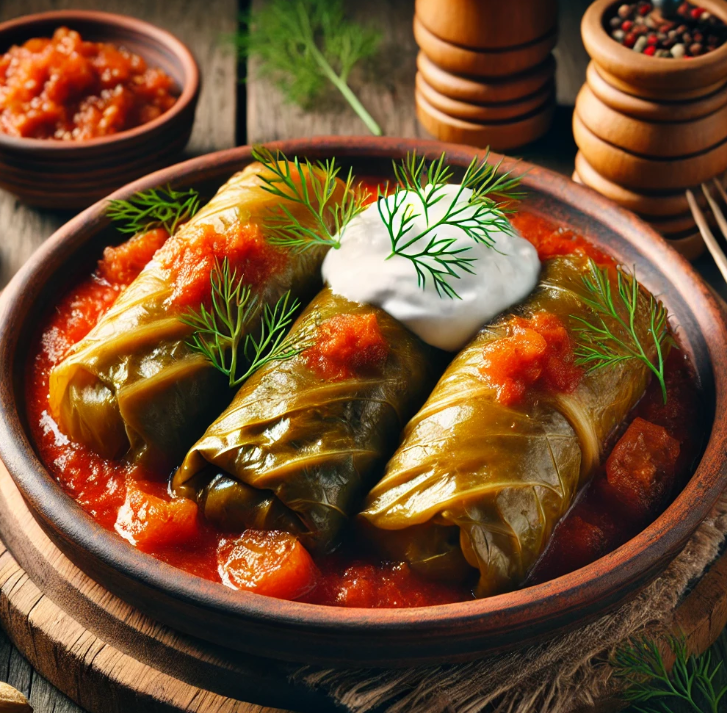
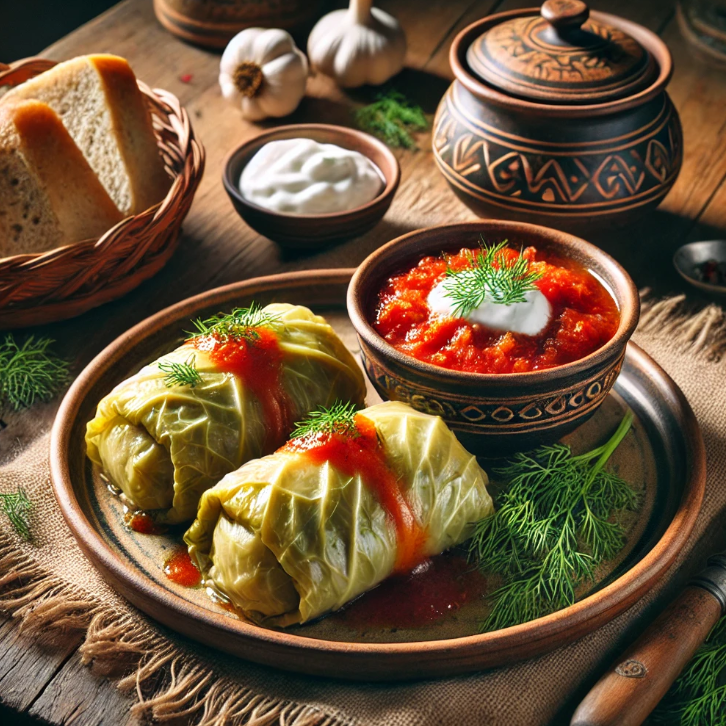
Journey Through Traditional Flavors: The 8 Types of Sarmale that Embody the Taste of Romania

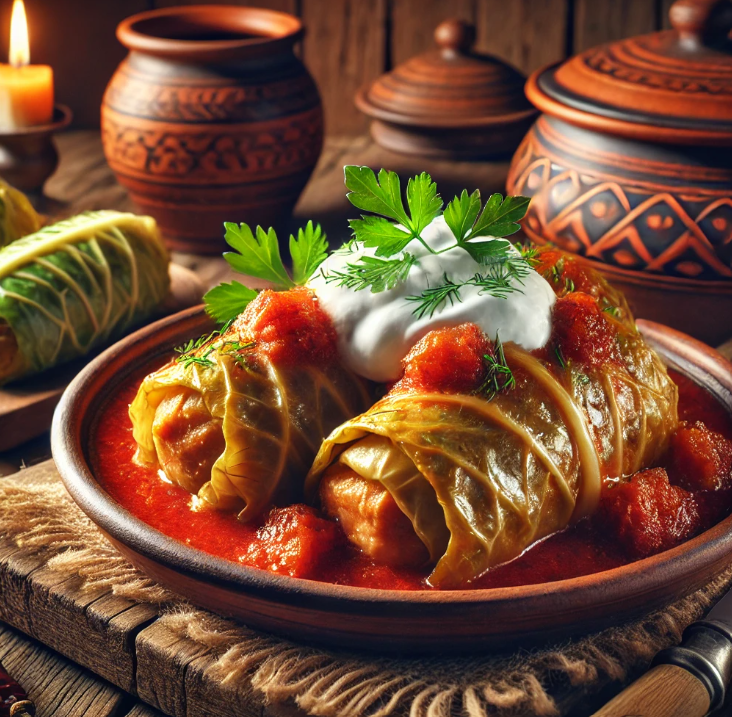
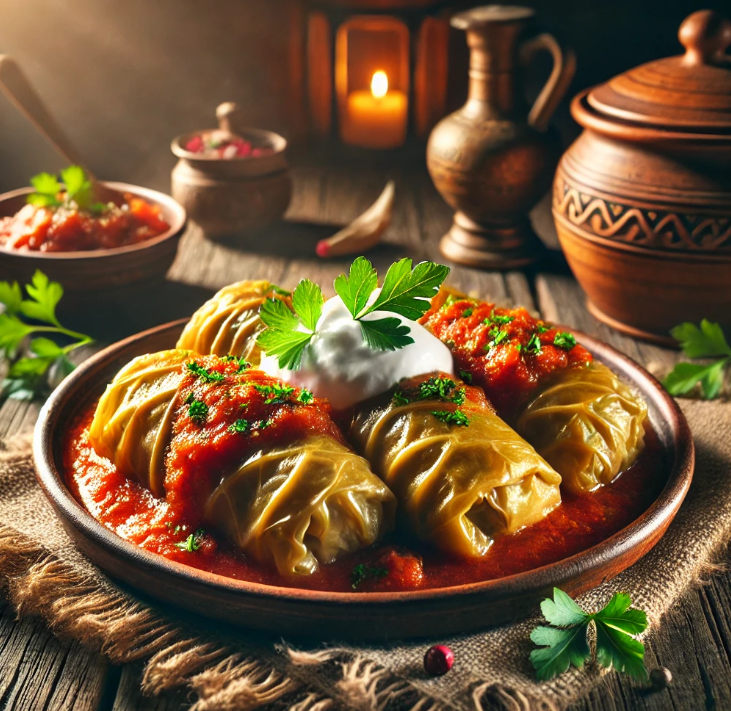
Sarmale, the traditional Romanian dish, are well-known and loved throughout the country, yet each region of Romania has left its own mark on the recipe. Every version carries a distinct flavor, adapted to local ingredients and culinary customs specific to that area. In this article, we will explore eight types of sarmale from different regions of Romania, from those in Transylvania to the variations found in the southern part of the country.

1. Moldavian Sarmale

Moldavian sarmale are famous for their simplicity and the use of traditional ingredients. They are made mainly with pork meat, rice, and onion, seasoned with thyme and dill. In Moldova, emphasis is placed on the intense flavor of the meat and the subtle combination of spices. Moldavian sarmale are usually served with sour cream and sometimes with hot peppers to intensify the taste.

Here is a traditional recipe for Moldavian sarmale, known for their authentic taste and rich aromas.

Ingredients:

  • 500 g minced pork
  • 200 g minced beef
  • 200 g rice
  • 1–2 large onions, finely chopped
  • 1 carrot (optional), finely grated
  • 1 bell pepper (optional), finely chopped
  • 1 egg
  • Salt and pepper, to taste
  • 1 teaspoon dried thyme
  • 1 bunch dill and 1 bunch parsley, finely chopped
  • Pickled cabbage leaves or fresh cabbage leaves
  • 200 ml tomato paste or broth
  • 200 ml sour cream, for serving
  • Bay leaves and peppercorns

Instructions:

Preparing the cabbage leaves:

  • If you are using pickled cabbage, carefully separate the leaves and cut away the thick veins.
  • If using fresh cabbage, blanch the leaves in boiling water to soften them.

Preparing the filling:

  • In a pan, sauté the chopped onion and, optionally, the carrot and bell pepper, until softened.
  • In a large bowl, mix the minced pork and beef. Add the rice, sautéed onion, egg, thyme, dill, parsley, salt, and pepper to taste. Mix well until the filling is uniform.

Forming the sarmale:

  • Take a spoonful of filling and place it on a cabbage leaf, rolling carefully and tucking in the ends to prevent unraveling during cooking.

Cooking the sarmale:

  • Place a layer of chopped cabbage (from the leftover leaves) at the bottom of a large pot. Arrange the sarmale in layers, interspersing with bay leaves and peppercorns.
  • Pour the tomato broth over the rolls, then add water or bone stock to cover them.
  • Simmer on low heat for 2–3 hours, until the sarmale are tender and well-cooked.

Serving:
Serve the sarmale hot, with sour cream on the side and, optionally, hot peppers.
Enjoy!

2. Transylvanian Sarmale

In Transylvania, sarmale have a distinctive note thanks to the use of smoked meat. Smoked ribs or ham are added to the filling, giving a rich flavor and a unique aroma. The mixture usually combines pork and beef meat, and the rolls are seasoned with sweet paprika and thyme. Transylvanians prefer to cook the sarmale slowly, so that the flavors blend together, and sour cream is always present at the table.

Here is a traditional recipe for Transylvanian sarmale, specific to the region of Ardeal, which stands out through the addition of smoked meat and aromatic seasonings.

Ingredients for Transylvanian Sarmale:

  • 500 g minced pork
  • 200 g smoked meat (kaizer, smoked ribs, or ham), finely chopped
  • 200 g beef (optional, for a richer flavor)
  • 200 g rice
  • 2 large onions, finely chopped
  • 1 carrot, finely grated
  • 2 tablespoons oil or lard for sautéing
  • 1 egg
  • Salt and pepper, to taste
  • 1 teaspoon sweet paprika
  • 1 teaspoon dried thyme
  • 1 bunch dill and 1 bunch parsley, finely chopped
  • Pickled cabbage leaves or fresh cabbage leaves
  • 200 ml tomato paste or broth
  • 200 ml sour cream, for serving
  • Bay leaves and peppercorns

Instructions:

Preparing the cabbage leaves:

  • If using pickled cabbage, rinse the leaves in cold water and cut away the thick veins.
  • If using fresh cabbage, blanch the leaves in boiling water to soften them.

Preparing the filling:

  • Sauté the onion and grated carrot in oil or lard until soft and golden.
  • In a large bowl, mix the minced pork, smoked meat, beef (if using), rice, sautéed onion, carrot, egg, paprika, thyme, dill, parsley, salt, and pepper to taste. Combine until the filling is uniform.

Forming the sarmale:

  • Place a spoonful of filling on each cabbage leaf and roll, making sure to tuck in the ends to prevent opening during cooking.

Arranging and cooking the sarmale:

  • At the bottom of a large pot, place a layer of chopped cabbage or leftover cabbage leaves. Arrange the sarmale in layers, alternating with bay leaves and peppercorns.
  • Pour the tomato broth over the rolls and add water or bone stock until they are fully covered.
  • Simmer the Transylvanian sarmale on low heat, covered, for 2–3 hours. Add more water or stock if too much liquid evaporates during cooking.

Serving:
Serve the Transylvanian sarmale generously topped with sour cream and, for an authentic taste, with hot peppers on the side.

Suggestions:
These Transylvanian sarmale are especially flavorful due to the smoked meat and can also be baked in the oven for an even more intense aroma.

Enjoy!

3. Wallachian Sarmale (Sarmalele Muntenești)

Wallachian sarmale are delicate and aromatic, made with a mixture of pork meat and a little smoked meat. Unlike in other regions, here parsley and thyme are also added, giving the dish a balanced taste. Sometimes, in Wallachia, fresh cabbage is used instead of pickled cabbage, offering a lighter variation of this traditional preparation. These sarmale are cooked either slowly over low heat or baked in the oven, for a more intense flavor.

Here is a traditional recipe for Wallachian sarmale, recognized for their balanced taste and the generous use of spices and herbs.

Ingredients:

  • 500 g minced pork
  • 150 g minced beef
  • 150 g smoked ribs (or another type of smoked meat, for a subtle flavor)
  • 200 g rice
  • 2 large onions, finely chopped
  • 1 carrot, finely grated (optional)
  • 2 tablespoons oil for sautéing
  • 1 egg
  • Salt and pepper, to taste
  • 1 teaspoon dried thyme
  • 1 teaspoon sweet paprika
  • 1 bunch dill and 1 bunch parsley, finely chopped
  • Pickled cabbage leaves or fresh cabbage leaves
  • 200 ml tomato paste or broth
  • 1–2 bay leaves
  • Peppercorns and fresh thyme, for flavor

Instructions:

Preparing the cabbage leaves:

  • If using pickled cabbage, rinse the leaves to remove excess salt and cut away the thick veins.
  • If using fresh cabbage, blanch the leaves in boiling water to soften them.

Preparing the filling:

  • Sauté the onion in oil until translucent, then add the carrot (if using) and cook lightly until softened.
  • In a large bowl, mix the minced pork, minced beef, smoked ribs (cut into small cubes), rice, sautéed onion, egg, dried thyme, paprika, dill, and parsley. Add salt and pepper to taste. Mix the filling thoroughly until well combined.

Forming the sarmale:

  • Place a spoonful of filling on each cabbage leaf and roll carefully, making sure to seal the ends to prevent them from opening during cooking.

Arranging and cooking the sarmale:

  • Place a layer of chopped cabbage at the bottom of a large pot. Arrange the Wallachian sarmale in layers, alternating with bay leaves, sprigs of thyme, and peppercorns.
  • Pour the tomato paste over the rolls and add water or bone stock until the sarmale are fully covered.
  • Simmer on low heat, covered, for 2–3 hours, adding more water if needed.

Serving:
Serve the Wallachian sarmale hot, with sour cream and homemade bread on the side. Hot peppers are also a popular option to accompany these flavorful sarmale.

Suggestion:
Wallachian sarmale are especially aromatic and balanced in taste thanks to the combination of smoked meat and specific spices. They can also be cooked in the oven for a more intense flavor.

Enjoy!

4. Dobrogean Sarmale (Sarmalele Dobrogene)

In Dobrogea, the sarmale are smaller in size and served in larger quantities. The specificity of this region lies in the use of a higher proportion of rice compared to meat, and sometimes raisins are added for a slightly sweet note. Lamb meat is often used, and Dobrogean sarmale have a subtly exotic aroma thanks to Turkish culinary influences.

Here is a traditional recipe for Dobrogean sarmale, a unique version that combines Turkish influences with the distinctive taste of local ingredients.

Instructions:

  • 500 g lamb (or a mix of lamb and beef)
  • 200 g rice
  • 2 large onions, finely chopped
  • 1 carrot, finely grated (optional)
  • 2 tablespoons oil for sautéing
  • 1 tablespoon raisins (optional, for a slightly sweet flavor)
  • Salt and pepper, to taste
  • 1 teaspoon dried thyme
  • 1/2 teaspoon cinnamon (optional, for a subtle oriental aroma)
  • 1 bunch dill and 1 bunch parsley, finely chopped
  • Pickled cabbage leaves or vine leaves
  • 200 ml tomato paste or broth
  • Bay leaves and peppercorns, for flavor

Instructions:

Preparing the leaves:

  • If using pickled cabbage, separate the leaves and rinse them in cold water to remove excess salt. If you prefer vine leaves, blanch them in boiling water for a few minutes to soften them.

Preparing the filling:

  • Heat the oil in a pan and sauté the onion until translucent. Add the grated carrot and cook for another 2–3 minutes.
  • In a large bowl, mix the lamb meat, rice, sautéed onion, raisins (if using), thyme, cinnamon, dill, parsley, salt, and pepper to taste. Combine the mixture well until uniform.

Forming the sarmale:

  • Place a spoonful of filling on each cabbage or vine leaf and roll carefully, sealing the ends to prevent them from opening during cooking.

Arranging and cooking the sarmale:

  • Place a layer of chopped cabbage (or vine leaves) at the bottom of a large pot. Arrange the Dobrogean sarmale in layers, interspersing with bay leaves and peppercorns.
  • Pour the tomato paste over the rolls and add water or bone broth until the sarmale are fully covered.
  • Simmer on low heat, covered, for 2–3 hours, adding more water if too much evaporates.

Serving:
Serve the Dobrogean sarmale hot, with sour cream on the side and, optionally, hot peppers. Their distinct, slightly sweet flavor can be further enjoyed with homemade bread.

Dobrogean sarmale are a delicious combination of flavors and textures, reflecting the multicultural influences specific to the Dobrogea region. Enjoy!

5. Oltenian Sarmale (Sarmalele Oltenești)

The people of Oltenia are well-known for their love of spicy dishes, and Oltenian sarmale are no exception. These are made with pork meat and a bit of smoked meat, while the filling is enriched with a generous amount of hot peppers and garlic. Oltenian sarmale are smaller in size and carry an intense flavor, traditionally served with plenty of sour cream and, of course, with hot peppers on the side.

Here is a traditional recipe for Oltenian sarmale, famous for their strong flavors and the slightly spicy character specific to the cuisine of Oltenia.

Ingredients:

  • 500 g minced pork
  • 200 g smoked ribs (for an intense flavor)
  • 200 g rice
  • 2 large onions, finely chopped
  • 2–3 garlic cloves, finely chopped
  • 1 hot pepper (optional, for extra spiciness)
  • 2 tablespoons oil for sautéing
  • 1 egg (to bind the mixture)
  • Salt and pepper, to taste
  • 1 teaspoon hot paprika (optional)
  • 1 teaspoon dried thyme
  • 1 bunch dill and 1 bunch parsley, finely chopped
  • Pickled cabbage leaves or fresh cabbage leaves
  • 200 ml tomato paste or broth
  • Bay leaves and peppercorns, for flavor

Instructions:

Preparing the cabbage leaves:

  • If using pickled cabbage, rinse the leaves to remove excess salt and cut away the thick veins.
  • If using fresh cabbage, blanch the leaves in boiling water for a few minutes until softened.

Preparing the filling:

  • Heat the oil in a pan and sauté the onion until golden. Add the garlic and, optionally, the finely chopped hot pepper, and continue to cook for another 1–2 minutes.
  • In a large bowl, mix the minced pork, finely chopped smoked ribs, rice, sautéed onion and garlic, egg, paprika, thyme, dill, and parsley. Add salt and pepper to taste. Combine the mixture well until uniform.

Forming the sarmale:

  • Place a spoonful of filling on each cabbage leaf and roll carefully, sealing the ends to prevent them from opening during cooking.

Arranging and cooking the sarmale:

  • Place a layer of chopped cabbage at the bottom of a large pot. Arrange the Oltenian sarmale in layers, alternating with bay leaves and peppercorns.
  • Pour the tomato paste or broth over the rolls, then add water or bone stock until the sarmale are covered.
  • Simmer on low heat, covered, for 2–3 hours, adding more water if necessary.

Serving:
The Oltenian sarmale are served with sour cream and, for extra authenticity, with hot peppers on the side. Their intense flavor, given by the smoked meat, garlic, and hot pepper, makes them an irresistible dish.

Oltenian sarmale stand out through their bold combination of seasonings, offering a rustic yet spicy culinary experience specific to the region of Oltenia.

6. Banat Sarmale (Sarmalele Bănățene)

The Banat region places a special emphasis on refinement, and the sarmale from this area are prepared with a combination of pork and beef meat, together with rice and sautéed onion. The Banat specialty lies in the addition of mushrooms in the filling, which give the sarmale a unique texture and a distinctive flavor. In addition, people from Banat prefer to add dill and sweet paprika for extra richness.

Here is a traditional recipe for Banat sarmale, renowned for their refinement and the addition of mushrooms, which provide a distinct aroma and a special texture.

Ingredients:

  • 500 g minced pork
  • 200 g minced beef
  • 150 g mushrooms (preferably champignon), finely chopped
  • 200 g rice
  • 2 large onions, finely chopped
  • 1 carrot, finely grated (optional)
  • 2 tablespoons oil for sautéing
  • 1 egg (to bind the mixture)
  • Salt and pepper, to taste
  • 1 teaspoon dried thyme
  • 1 teaspoon sweet paprika
  • 1 bunch dill and 1 bunch parsley, finely chopped
  • Pickled cabbage leaves or fresh cabbage leaves
  • 200 ml tomato paste or broth
  • Bay leaves and peppercorns, for flavor

Instructions:

Preparing the cabbage leaves:

  • If using pickled cabbage, rinse the leaves to reduce excess salt and cut away the thick veins.
  • If using fresh cabbage, blanch the leaves in boiling water for a few minutes to soften them.

Preparing the filling:

  • In a pan, heat the oil and sauté the onion until translucent. Add the grated carrot (if using) and the finely chopped mushrooms, cooking them together until softened and the water released by the mushrooms has evaporated.
  • In a large bowl, mix the minced pork and beef, rice, sautéed vegetables, egg, thyme, paprika, dill, and parsley. Add salt and pepper to taste, then combine well until the filling is uniform.

Forming the sarmale:

  • Place a spoonful of filling on each cabbage leaf and roll carefully, sealing the ends to prevent them from opening during cooking.

Arranging and cooking the sarmale:

  • Place a layer of chopped cabbage at the bottom of a large pot. Arrange the Banat sarmale in layers, alternating with bay leaves and peppercorns.
  • Pour the tomato broth over the rolls and add water or bone stock until they are covered.
  • Simmer on low heat, covered, for 2–3 hours, adding more water if necessary.

Serving:
The Banat sarmale are served hot, alongside sour cream and fresh bread. The aroma of the mushrooms, combined with the mixture of meat and spices, gives them a rich and distinctive flavor.

Banat sarmale are recognized for their delicate savor and the refined note brought by the addition of mushrooms. They are ideal for festive meals and for anyone who appreciates the culinary tradition of Banat. Enjoy!

7. Maramureș Sarmale (Sarmalele Maramureșene)

In Maramureș, sarmale are considered a festive dish, and smoked meat is an essential ingredient. They are prepared with a mix of pork and beef meat, while the rice is blended with dill and thyme for an authentic flavor. Maramureș sarmale are often cooked in a clay pot, which gives them a special savor. In some cases, they are prepared on a bed of chopped cabbage and vegetables to intensify the aromas.

Here is a traditional recipe for Maramureș sarmale, a savory and authentic dish from Maramureș, where smoked meat and slow cooking in clay pots are key to achieving a perfect taste.

Ingredients:

  • 500 g minced pork
  • 200 g minced beef
  • 200 g smoked ribs (or another type of smoked meat)
  • 200 g rice
  • 2 large onions, finely chopped
  • 1 carrot, finely grated
  • 2 tablespoons lard or oil for sautéing
  • 1 egg (to bind the mixture)
  • Salt and pepper, to taste
  • 1 teaspoon dried thyme
  • 1 bunch dill and 1 bunch parsley, finely chopped
  • Pickled cabbage leaves or fresh cabbage leaves
  • 200 ml tomato paste or broth
  • Bay leaves and peppercorns, for flavor

Instructions:

Preparing the cabbage leaves:

  • If using pickled cabbage, rinse the leaves to remove excess salt and cut away the thick veins.
  • If using fresh cabbage, blanch the leaves in boiling water for a few minutes until softened.

Preparing the filling:

  • In a pan, heat the lard or oil and sauté the onion until golden. Add the grated carrot and cook lightly until softened.
  • In a large bowl, mix the minced pork, minced beef, finely chopped smoked ribs, rice, sautéed onion and carrot, egg, thyme, dill, and parsley. Add salt and pepper to taste. Mix thoroughly until the filling is well combined.

Forming the sarmale:

  • Place a spoonful of filling on each cabbage leaf and roll carefully, sealing the ends to prevent them from opening during cooking.

Arranging and cooking the sarmale:

  • In a clay pot (or a large pot), place a layer of chopped cabbage. Arrange the Maramureș sarmale in layers, alternating with bay leaves and peppercorns.
  • Pour the tomato paste over the rolls and add water or bone broth until the sarmale are fully covered.
  • Cook the sarmale slowly over low heat for 2–3 hours. Traditionally, they are prepared in a clay pot, either over a wood fire or in the oven, for an authentic flavor. Add more water if necessary during cooking.

Serving:
The Maramureș sarmale are served generously with sour cream and, optionally, hot peppers. The intense flavor of smoked meat and the aromas developed through long cooking make these sarmale an unforgettable traditional delicacy.

Maramureș sarmale are perfect for holidays and special occasions, thanks to their careful preparation and rich ingredients. They capture the spirit of Maramureș through tradition and unique flavors. Enjoy!

8. Bucovina Sarmale (Sarmalele Bucovinene)

Bucovina has a special tradition when it comes to preparing sarmale, and these are famous for their refined taste and well-defined flavors. In this region, a mixture of pork and beef meat is used, and sometimes wild mushrooms are added to the filling. The spices used include dill, thyme, and garlic, while the Bucovina sarmale are usually served with rich sour cream. These sarmale are baked in the oven, and their flavors are enhanced by the addition of a generous amount of tomato broth.

Here is a traditional recipe for Bucovina sarmale, appreciated for their delicate yet rich taste, thanks to the combination of meat, mushrooms, and specific spices. Bucovina sarmale are oven-baked and are known for their intense flavors and fine texture.

Ingredients:

  • 500 g minced pork
  • 200 g minced beef (optional)
  • 150 g mushrooms (preferably champignon or porcini), finely chopped
  • 200 g rice
  • 2 large onions, finely chopped
  • 1 carrot, finely grated (optional)
  • 2 tablespoons lard or oil for sautéing
  • 1 egg (to bind the mixture)
  • Salt and pepper, to taste
  • 1 teaspoon dried thyme
  • 1 teaspoon sweet paprika (optional)
  • 1 bunch dill and 1 bunch parsley, finely chopped
  • Pickled cabbage leaves or fresh cabbage leaves
  • 200 ml tomato paste or broth
  • Bay leaves and peppercorns, for flavor

Instructions:

Preparing the cabbage leaves:

  • If using pickled cabbage, rinse the leaves to reduce the salt and cut away the thick veins.
  • If using fresh cabbage, blanch the leaves in boiling water for a few minutes, until they become soft and flexible.

Preparing the filling:

  • In a pan, heat the lard or oil and sauté the onion until golden. Add the grated carrot and finely chopped mushrooms, cooking until softened and the water released by the mushrooms has evaporated.
  • In a large bowl, mix the minced pork and beef, rice, sautéed vegetables, egg, thyme, dill, and parsley. Add salt and pepper to taste, and combine the mixture well until uniform.

Forming the sarmale:

  • Place a spoonful of filling on each cabbage leaf and roll carefully, sealing the ends to prevent them from opening during cooking.

Arranging and cooking the sarmale:

  • At the bottom of a large pot, place a layer of chopped cabbage or leftover leaves. Arrange the Bucovina sarmale in layers, alternating with bay leaves and peppercorns.
  • Pour the tomato paste or broth over the rolls, then add water or bone stock until the sarmale are fully covered.
  • Cover the pot and cook the Bucovina sarmale in the oven at low temperature (around 150–160°C) for 2–3 hours, allowing the flavors to develop. Check periodically and add more water if necessary.

Serving:
The Bucovina sarmale are served hot, with plenty of sour cream and, optionally, hot peppers. Cooked slowly, the flavors of the ingredients blend together, while the mushrooms add a special note.

Bucovina sarmale represent the elegance and refinement of the Bucovina region, making them a perfect delicacy for festive meals or family gatherings. They stand out with their fine texture and rich aromas, becoming an unforgettable dish. Enjoy!

Each type of sarmale represents a small culinary story of the region from which it originates, reflecting local traditions and ingredients. Regardless of the area, sarmale remain one of the most cherished dishes in Romanian cuisine, united by the same basic ingredients, yet personalized through unique cooking styles.

Why are sarmale a symbol of Romanian cuisine?
Sarmale are one of the most beloved traditional Romanian dishes because of their versatility and regional diversity. Each region of Romania adds its own distinctive touch to the recipe, incorporating local ingredients and specific techniques. They are more than just food; they are a symbol of hospitality, often served during holidays and special events, bringing families and communities together around the table.

What is specific to Moldavian sarmale?
Moldavian sarmale stand out through their simplicity and authentic taste. They are made with pork, rice, and onion, flavored with thyme and dill. In Moldova, the sarmale are usually larger in size and are often served with sour cream and hot peppers to enhance the flavor. Their preparation emphasizes the balance between the taste of the meat and the delicacy of the pickled cabbage leaves.

What makes Transylvanian sarmale unique?
In Transylvania, sarmale are distinctive because of the use of smoked meat, such as ribs or ham. This gives them a rich aroma and intense flavor, complemented by spices like sweet paprika and thyme. Transylvanians prefer to cook the sarmale slowly, either over low heat or in the oven, to allow the flavors to blend. Serving them with sour cream is a mandatory tradition in this region.

How does Turkish tradition influence Dobrogean sarmale?
Dobrogea, with its Turkish influences, brings an exotic note to sarmale. These rolls are smaller in size, and the filling often includes raisins or lamb meat, along with a larger proportion of rice compared to other regions. Sometimes vine leaves are preferred instead of cabbage leaves. The slightly sweet flavor, combined with subtle spices, makes Dobrogean sarmale a truly unique dish.

Why are Oltenian sarmale considered the spiciest?
People from Oltenia love bold dishes, and their sarmale reflect this passion. They are prepared with hot peppers and garlic, offering an intense and slightly spicy taste. Pork meat is commonly used, sometimes combined with smoked ribs, and the rolls are smaller compared to those in other regions. Sour cream and hot peppers are always present at the Oltenian table.

How do mushrooms enhance the flavor of Banat sarmale?
Banat takes pride in its sophisticated sarmale, where mushrooms are a key ingredient in the filling. They add a pleasant texture and a subtle aroma that blend perfectly with pork and beef. Cooked slowly and flavored with thyme and paprika, Banat sarmale are perfect for festive meals thanks to their refinement.

What is the secret of Maramureș sarmale?
The hallmark of Maramureș sarmale lies in the use of smoked meat and slow cooking, often in a clay pot. These sarmale have an authentic flavor and are seasoned with thyme, dill, and bay leaves. Cooked on a bed of chopped cabbage, they develop an intense savor, while the smoked meat adds a special depth to the dish.

What makes Bucovina sarmale unique?
Bucovina emphasizes elegance and well-defined flavors. Bucovina sarmale may include wild mushrooms, such as porcini, which add a distinctive texture. They are oven-baked, with tomato broth used generously to intensify the flavors. Their taste is delicate, while rich sour cream is an indispensable accompaniment.

What are the main differences between sarmale cooked with pickled cabbage and those with vine leaves?
Sarmale made with pickled cabbage have a more sour and intense taste due to the fermentation of the leaves, and they are preferred in most regions of Romania. Vine leaf sarmale, specific to Dobrogea and influenced by Turkish tradition, have a more subtle aroma and a finer texture. Both versions are delicious, and the choice depends on personal preference and regional traditions.

How can the preparation of sarmale become a family experience?
Making sarmale involves several steps – from preparing the leaves and filling to rolling and cooking them – which makes it ideal for involving the whole family. Each person can take a role, from cleaning and preparing vegetables to shaping the rolls. This not only speeds up the process but also creates cherished memories, especially during the holidays.

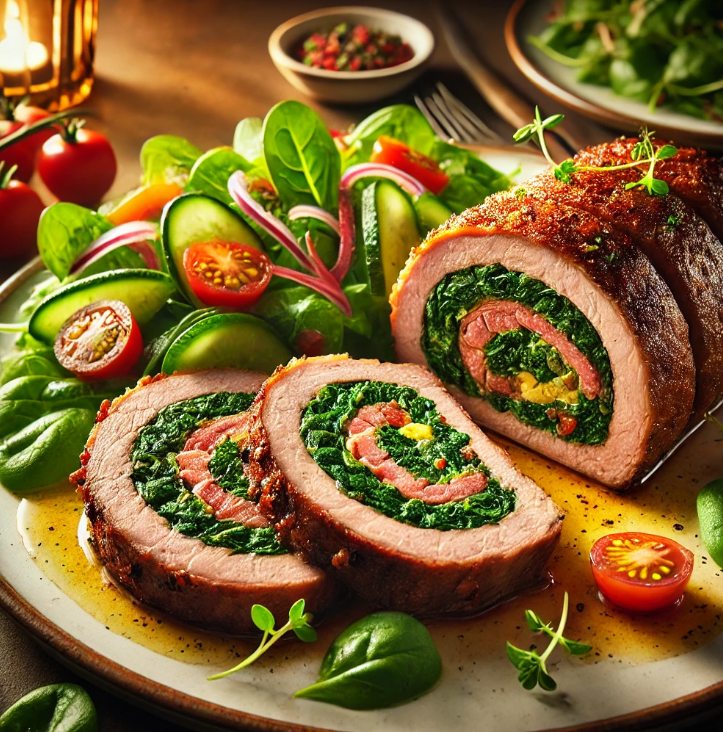
Special Dinner Menu: Beef Roulade and Fresh Salad

An Elegant and Healthy Choice

When we want a special dinner that brings both flavor and an impressive presentation to the table, beef roulade with fresh salad is the perfect choice. This sophisticated recipe combines the tenderness of beef with rich aromas and a creamy texture, complemented by a vibrant, crunchy salad. Whether you are planning a special family evening or wish to impress your friends, this menu will make any meal truly memorable.


Ingredients for Beef Roulade: The Secret to Perfect Flavor

The carefully chosen ingredients for this recipe are essential to obtain a juicy roulade full of flavors. Here’s what you will need:

  • 1 kg beef tenderloin – This cut of meat is ideal for roulades, being tender and easy to shape.
  • 100 g thinly sliced bacon – Brings a lightly smoked, creamy note.
  • 100 g grated cheese – Adds a creamy texture and a savory taste.
  • Red bell pepper and fresh spinach – Complete the filling with a touch of freshness.
  • Natural seasonings – Salt, pepper, garlic, and aromatic herbs such as oregano, rosemary, or thyme.

Preparation Method for Beef Roulade

Prepare the meat: Start by flattening the beef tenderloin. This step makes the roulade easier to roll and helps the flavors penetrate the meat more effectively.

Fill the roulade: Arrange the spinach, bacon slices, grated cheese, and red bell pepper evenly across the surface of the meat.

Roll and secure: Roll the meat tightly and secure the ends with toothpicks or tie with kitchen string.

Cook the roulade: Browning the roulade in a pan with a little olive oil is essential to achieve a golden crust. Afterward, bake it in the oven at 180°C for about 40–50 minutes.

This process ensures tender meat with a flavorful filling that melts in your mouth.


Fresh Salad for the Perfect Contrast

Alongside the beef roulade, a fresh salad adds brightness and balance to the meal. A simple yet impressive combination includes:

  • Green salad, cherry tomatoes, cucumber, red onion, and yellow bell pepper – adding a mix of colors and textures.
  • Fresh herbs such as parsley and dill for a refreshing taste.
  • Lemon and olive oil dressing – a simple dressing that naturally enhances the flavor of the vegetables.

Benefits of this Menu

This menu offers more than just a remarkable taste; it is a healthy and balanced combination, ideal for those who want to eat well without giving up on flavor. The beef roulade is an excellent source of protein, while the fresh salad brings fibers and vitamins, perfectly completing the nutritional values.


How to Serve Beef Roulade with Fresh Salad

For an impressive presentation, slice the roulade into rounds and arrange them on a platter alongside a bowl of fresh salad. This way, the vibrant colors of the vegetables and the roulade’s filling will catch the eye and whet the appetite. This menu not only looks beautiful but also impresses with its complex taste and the balance between tender meat and fresh vegetables.


In conclusion, beef roulade with fresh salad is an ideal dish for a refined dinner, combining elegance, nutrition, and authentic flavor — perfect for special dinners, offering a combination of refined flavors and an exceptional appearance. Prepare this recipe for a memorable culinary experience that will bring joy with every bite.

Ingredients for Beef Roulade

To prepare a juicy and flavorful beef roulade, you will need:

  • 1 teaspoon aromatic herbs (oregano, rosemary, or thyme)
  • 1 kg beef tenderloin (or another tender cut of beef suitable for roulades)
  • 100 g thinly sliced bacon
  • 100 g grated cheese (or matured cheese)
  • 1 red bell pepper, cut into strips
  • Fresh spinach (or baby spinach) for the filling
  • 2–3 garlic cloves, finely chopped
  • Salt and pepper, to taste
  • 2 tablespoons olive oil

Preparation Method for Beef Roulade

Preparing the meat: Flatten the piece of beef with a meat mallet until you obtain an even sheet, about 1 cm thick. Season with salt and pepper on both sides.

Filling the roulade: On the surface of the meat, arrange a layer of baby spinach, followed by bacon strips, grated cheese, and bell pepper strips. Sprinkle with garlic and aromatic herbs.

Rolling: Roll the meat tightly, securing the ends with toothpicks or tying with kitchen string to maintain its shape during cooking.

Baking: Heat the olive oil in a large pan and brown the roulade on all sides until it forms a golden crust. Then transfer the roulade to a baking tray and cook in a preheated oven at 180°C for 40–50 minutes, depending on the roulade’s thickness and your cooking preferences.


Ingredients for Fresh Salad

A simple and refreshing salad is the ideal garnish for this beef roulade. You will need:

  • 1 head of lettuce (romaine or iceberg), roughly chopped
  • 100 g cherry tomatoes, halved
  • 1 cucumber, thinly sliced
  • 1 red onion, sliced into rings
  • 1 yellow or orange bell pepper, cut into strips
  • Fresh dill and parsley, chopped
  • Juice of 1 lemon
  • 2 tablespoons extra virgin olive oil
  • Salt and pepper, to taste

Preparation Method for Salad

  • In a large bowl, combine all the vegetables and herbs.
  • Prepare a simple dressing with lemon juice, olive oil, salt, and pepper, and pour it over the salad just before serving.

Serving Tip

Place the beef roulade on a platter and slice it into thick rounds to reveal the colorful, aromatic filling. Serve alongside the fresh salad in a separate bowl. This dish will impress not only with its taste but also with its spectacular appearance and perfect balance of ingredients.

This dinner will bring to the table a true feast, where the fine flavors of the beef roulade blend perfectly with the freshness of the salad vegetables.


Recommended Drinks

To accompany the beef roulade with fresh salad, choose drinks that enhance the richness of the meat and the freshness of the salad. Here are some excellent options:

Recommended Drinks for Beef Roulade with Fresh Salad

1. Dry Red Wine

  • Recommended varieties: Cabernet Sauvignon, Merlot, Syrah, or a Bordeaux.
  • Why it works: These wines have a full body and intense aromas of berries, spices, and woody notes. The tenderness and rich taste of the beef roulade pair perfectly with a dry red wine, while the tannins in the wine complement the meat ideally, amplifying its savor.

2. Rosé Wine

  • Recommended varieties: Pinot Noir Rosé, Grenache Rosé, or Syrah Rosé.
  • Why it works: If you prefer a lighter option, a rosé wine is an excellent choice, especially thanks to the refreshing fresh salad. A well-chilled rosé has balanced acidity, which brings freshness to the dish and complements the more intense flavors of the meat.

3. Dark or Brown Beer

  • Recommended types: Stout, Porter, or Dunkel.
  • Why it works: For a more unconventional pairing, dark beer offers a complex aroma with notes of caramel, chocolate, and coffee, which go very well with the taste of the beef roulade. The creamier texture of this type of beer harmonizes beautifully with the tenderness of the meat, delivering a complete culinary experience.

4. Non-Alcoholic Citrus and Ginger Cocktail

  • Recommended ingredients: Lemon juice, orange juice, sparkling water, freshly grated ginger, and a few mint leaves.
  • Why it works: If you prefer a non-alcoholic option, this refreshing cocktail adds a tangy note and a slight spiciness from the ginger, which balances the tenderness of the roulade and the freshness of the salad. It is a light and aromatic drink, perfect for cleansing the palate between bites.

These drink options are perfect to accompany this special dinner, and the choice can be made based on personal preference or the occasion. Each one brings a unique touch, harmoniously complementing the flavors and textures of the beef roulade with fresh salad.

Questions & Answers About Beef Roulade and Fresh Salad

Why is beef roulade a special choice for an elegant dinner?
Beef roulade is a sophisticated dish that impresses with its layered appearance and rich flavors. The varied filling, which includes spinach, bacon, and cheese, provides a refined combination of textures and tastes. In addition, the tenderness of the beef adds an extra touch of elegance, turning an ordinary dinner into a memorable culinary experience.

How do we choose the best meat for beef roulade?
Opt for beef tenderloin or other tender cuts such as sirloin or ribeye. The meat should be of superior quality, with a uniform red color and white fat. This ensures a juicy result that is easy to roll without the risk of tearing during preparation.

How should the roulade be prepared to be juicy and flavorful?
It is essential to flatten the meat evenly before adding the filling. Marinating with olive oil, salt, pepper, and aromatic herbs such as rosemary or oregano for 30 minutes will intensify the taste. Browning the roulade in a pan before baking helps create a golden crust that seals the juices inside.

What are the best ingredients for the filling of beef roulade?
Classic ingredients include fresh spinach, thinly sliced bacon, grated cheese or matured cheese, and red bell pepper. These add flavor, creaminess, and an attractive contrast of colors. For extra aroma, you can also add chopped garlic and herbs such as thyme or parsley.

What cooking technique guarantees a tender and evenly cooked roulade?
After filling and rolling, the meat should be tied tightly with kitchen string to maintain its shape. Cooking begins with browning in a pan, followed by baking in the oven at 180°C for 40–50 minutes. This combined process ensures a tender texture and uniform doneness.

How do you prepare a fresh salad to complement beef roulade?
The salad should include crisp and vibrant vegetables such as lettuce, cherry tomatoes, cucumber, red onion, and yellow bell pepper. Add fresh parsley and dill for a refreshing taste, while a simple dressing of olive oil, lemon juice, and salt ties the flavors together delicately.

What are the nutritional benefits of beef roulade and fresh salad?
Beef is an excellent source of high-quality protein, B vitamins, and minerals such as iron and zinc, which support muscle health and immunity. The fresh salad adds fiber, vitamins, and antioxidants, contributing to a balanced and healthy meal.

How should beef roulade be presented for maximum visual impact?
Slice the roulade into even rounds to expose the colorful layers of the filling. Arrange them on a platter alongside the fresh salad, and for garnish, add fresh herbs or a few lemon slices. The final presentation should be simple yet elegant, highlighting the natural colors of the dishes.

What drinks pair best with this menu?
A dry red wine, such as Cabernet Sauvignon or Merlot, pairs perfectly with beef roulade thanks to its tannins, which complement the meat. For a lighter option, a dry rosé wine or even a non-alcoholic citrus and mint cocktail adds freshness to the meal.

How can this dinner be transformed into a gourmet experience at home?
Choose a minimalist and elegant décor with quality cutlery, crystal glasses, and a simple tablecloth. Enhance the atmosphere with scented candles and ambient music. Serving in a refined manner, combined with pleasant conversation, will turn the meal into an unforgettable moment.

An Elegant Dinner with Roast Lamb and Mixed Salad

Flavor and Nutrition on a Refined Plate

Roast lamb is an ideal choice for an elegant and refined dinner, offering the perfect combination of flavors and nutritional benefits. Tender and juicy, lamb is a delicacy that can turn a simple meal into a memorable culinary experience, especially when paired with a mixed salad full of freshness and vitamins.


The Healthy Benefits of Lamb

Lamb is not only delicious but also rich in essential nutrients, with high nutritional value. It is an excellent source of high-quality protein, necessary for supporting muscle mass and tissue regeneration. It also contains B-complex vitamins such as B12 and B6, essential for the nervous system and maintaining a healthy metabolism. Another benefit of lamb is its content of minerals such as zinc, iron, and phosphorus, important for immune system and bone health.

Consumed in moderate portions, lamb meat can contribute to a balanced diet, and its rich, juicy flavors make it ideal for elegant and savory recipes.


Recipe for Roast Lamb

Roast lamb, baked with aromatic herbs and spices, has a tender texture and a golden crust that highlights its distinct flavor. Marinating with fresh herbs such as rosemary, thyme, and garlic adds a sophisticated note to the dish, while a drizzle of extra virgin olive oil enhances the natural taste, perfectly complementing the roast.

For added elegance and savor, roast lamb can be served with a mixed vegetable salad, creating a delightful contrast between the rich taste of the meat and the freshness of the salad.


Mixed Salad for Extra Color and Texture

A mixed salad is the perfect side dish for roast lamb – light, healthy, and packed with nutrients. The salad can include a mix of fresh greens such as arugula, spinach, and lettuce, combined with cherry tomatoes, thin cucumber slices, radishes, and carrots. Adding some avocado brings a creamy texture and an excellent source of healthy fats.

A simple dressing made from extra virgin olive oil, lemon juice, salt, and pepper completes the salad, offering a subtle flavor that doesn’t overpower the taste of the lamb.


An Elegant, Healthy, and Memorable Dinner

Served in an elegant setting, with candles and a bottle of red wine, roast lamb with mixed salad is the perfect choice for a refined dinner. With every bite, you’ll enjoy a healthy, balanced dish that provides important nutritional benefits alongside exquisite flavor.

A dinner with roast lamb and mixed salad is not just a special meal but also an inspired choice for those who want to combine the pleasure of taste with a healthy lifestyle.


Perfect Drink Pairings for Roast Lamb Dinner

For an elegant dinner with roast lamb, the ideal choice of drink will complement the rich flavors of the meat and the freshness of the mixed salad. Here are some recommended options:

Recommended Drink Pairings for Roast Lamb with Mixed Salad

1. Dry Red Wine

  • Recommendation: A dry red wine with structure and moderate tannins balances the intense flavor of roast lamb.
  • Examples: Cabernet Sauvignon, Merlot, or Shiraz, which bring aromas of red fruits and subtle spicy notes, pair excellently with lamb roasted with aromatic herbs. A Bordeaux or a Rioja are also excellent choices.

2. Dry Rosé Wine

  • Recommendation: If you prefer a lighter option, a dry rosé can be an inspired choice, offering freshness that complements roast lamb, especially when served alongside a fresh salad.
  • Examples: Choose a rosé from Provence (France) or a Spanish rosé, which bring berry aromas and floral notes, being light yet elegant.

3. Full-Bodied White Wine

  • Recommendation: Although lamb is traditionally paired with red wines, a full-bodied white wine, such as oak-aged Chardonnay, can add a sophisticated touch to the dinner.
  • Examples: A Chardonnay from Burgundy or a Pinot Gris, both offering a creamy texture and aromas of ripe fruits, wood, and vanilla.

4. Craft Ale Beer

  • Recommendation: For those who prefer beer, a craft Ale with complex aromas is an excellent option. A Pale Ale or a beer with caramel notes pairs wonderfully with lamb and aromatic herbs.
  • Examples: Choose a local craft beer or a Belgian Ale, which offers a light bitterness and fruity notes.

These drinks will add a refined touch to the dinner and perfectly complement the flavor of the roast lamb and the freshness of the salad, creating a remarkable culinary experience.afinată cinei și vor completa perfect aroma fripturii de miel și prospețimea salatei, creând o experiență culinară deosebită.

Recipe for Roast Lamb with Mixed Salad

Ingredients:

For Roast Lamb:

  • 1 kg lamb rack or lamb leg
  • 2 tablespoons extra virgin olive oil
  • 3–4 garlic cloves, finely chopped
  • 1 teaspoon salt
  • 1/2 teaspoon freshly ground black pepper
  • 1 tablespoon fresh rosemary or chopped thyme
  • 1 teaspoon grated lemon zest (optional, for a refreshing note))

For Mixed Salad:

  • 100 g mixed salad greens (arugula, baby spinach, lettuce)
  • 10–12 cherry tomatoes, halved
  • 1 cucumber, thinly sliced
  • 1 carrot, cut into thin strips or grated
  • 1 avocado, diced
  • 2–3 radishes, thinly sliced (optional)

For the Salad Dressing:

  • 3 tablespoons extra virgin olive oil
  • 1 tablespoon lemon juice or balsamic vinegar
  • 1 teaspoon honey (optional, for a subtle touch of sweetness)
  • Salt and pepper, to taste

Instructions

Preparing the Roast Lamb:

  • Marinating the Lamb: In a small bowl, mix olive oil, chopped garlic, salt, pepper, rosemary, and, if desired, lemon zest. Rub the lamb thoroughly with this mixture and let it marinate for at least 30 minutes. For a more intense flavor, you can marinate the lamb for several hours or overnight in the refrigerator.
  • Cooking the Lamb: Preheat the oven to 200°C. Place the lamb in a roasting pan and bake for 20–30 minutes, depending on the thickness of the meat, until it develops a golden crust and remains tender inside. For a juicier roast, remove it from the oven when the internal temperature reaches 60°C.
  • Resting the Lamb: Remove the lamb roast from the oven and let it rest for 5–10 minutes before slicing. This step is essential to allow the juices to redistribute evenly, keeping the meat tender and juicy.

Preparing the Mixed Salad:

  • Preparing the Salad Ingredients: In a large bowl, add the salad greens, cherry tomatoes, cucumber, carrot, avocado, and radishes. Toss gently to avoid crushing the ingredients.
  • Preparing the Dressing: In a small bowl, mix olive oil, lemon juice or balsamic vinegar, honey (if using), salt, and pepper. Pour the dressing over the salad just before serving and toss lightly.

Serving

Plating the Dish: Arrange slices of roast lamb on plates alongside a generous portion of mixed salad. Garnish with a few fresh herbs and serve with a lemon wedge for extra freshness.

This Roast Lamb with Mixed Salad is perfect for an elegant dinner, combining the rich flavor of lamb with the lightness and vibrancy of fresh vegetables, offering a balance between the hearty taste of lamb and the freshness of the vegetables. Serve this dish with a dry red wine for a complete culinary experience.

Questions & Answers About Roast Lamb with Mixed Salad

Why is roast lamb considered an elegant dish?
Roast lamb has a distinct and sophisticated flavor, thanks to its tender texture and rich taste. It is often associated with special occasions, and marinating it with aromatic herbs such as rosemary or thyme adds an extra layer of refinement, making it a perfect choice for elegant dinners.

How to choose the best lamb?
Select fresh lamb with a light pink color and a thin layer of white fat. The rack and leg are the most popular cuts for roasting, as they are tender and well-suited for oven cooking. Whenever possible, opt for lamb sourced from local farms or organic producers.

What are the best herbs and spices for marinating lamb?
Rosemary, thyme, garlic, and lemon zest are ideal for enhancing lamb’s flavor. Extra virgin olive oil helps tenderize the meat, while a touch of freshly ground black pepper adds a subtle spiciness. Marinating for several hours or overnight intensifies the flavors.

What is the optimal temperature for roasting lamb?
For juicy results, lamb should be cooked until its internal temperature reaches 60°C (medium-rare). If you prefer it well-done, the temperature should be around 70°C. Using a kitchen thermometer ensures precision.

How should roast lamb rest before serving?
After removing it from the oven, let the roast rest for 5–10 minutes, loosely covered with foil. This allows the juices to redistribute evenly, ensuring a tender and succulent roast.

What vegetables are ideal for a mixed salad to serve with lamb?
Arugula, spinach, lettuce, cherry tomatoes, cucumbers, and avocado are perfect for a mixed salad. You can also add radishes or carrots for extra crunch and vibrant color. These ingredients balance the richness of the roast.

How to prepare the perfect dressing for a mixed salad?
Combine extra virgin olive oil, lemon juice or balsamic vinegar, salt, pepper, and optionally a teaspoon of honey for a subtle sweetness. The dressing should be simple and light to highlight the freshness of the salad ingredients without overpowering them.

What drink pairs best with a roast lamb dinner?
A dry red wine, such as Cabernet Sauvignon or Merlot, is the classic choice, offering tannins that balance the richness of lamb. For a lighter alternative, a dry rosé from Provence or an oak-aged Chardonnay are also excellent options.

How to plate roast lamb for an elegant presentation?
Place slices of roast lamb in the center of the plate, surrounded by the mixed salad. Garnish with fresh herbs such as rosemary or parsley, and add a lemon wedge on the side for extra freshness. White plates work best to highlight the natural colors of the dish.

How to create the perfect atmosphere for an elegant lamb dinner?
Choose a simple tablecloth, quality cutlery, and discreet floral arrangements. Scented candles and relaxing background music complete the décor, transforming the meal into a refined and intimate experience—ideal for a memorable evening.

How to Cook a Gourmet Dinner with Salmon and Salad

Elegance and Flavor at Home

A gourmet dinner doesn’t need to be complicated to impress, and the combination of tender salmon and fresh salad is the perfect example of simplicity and refinement. Preparing this dinner at home is a chance to explore new flavors and textures, transforming a simple salmon and salad recipe into a memorable culinary experience.


Tender and Flavorful Salmon

Salmon is an exceptional choice for a gourmet dinner thanks to its juicy texture and subtle taste. Preparing it can be simple, but the final result is always full of flavor. Choose a fresh salmon fillet, preferably with skin, to achieve a golden, crispy crust that contrasts beautifully with the delicate texture of the fish.

  • Marinating the Salmon: For extra flavor, marinate the salmon for 15–20 minutes in a mix of olive oil, lemon juice, salt, pepper, and fresh herbs such as rosemary or thyme. Lemon adds a subtle freshness, while the herbs intensify the natural aromas of the fish.
  • Cooking the Salmon: For ideal cooking, place the salmon skin-side down in a nonstick pan over medium heat until the skin becomes crisp and golden. Then flip it and cook for just a few minutes on the other side—be careful not to overcook it. Salmon should remain juicy and slightly pink inside.

Fresh Salad with Contrasting Textures and Flavors

To complement this gourmet salmon dinner, a fresh and vibrant salad is the perfect side dish, bringing a colorful contrast and delightful textures. Use fresh, nutrient-rich ingredients for maximum flavor and lightness.

  • Fresh and Vibrant Ingredients: Choose a mix of salad greens, arugula, or baby spinach for a light, nourishing base. Add halved cherry tomatoes, thin cucumber slices, diced avocado for a creamy texture, and a few radish slices for color and crunch.
  • Delicate Dressing: To maintain elegance, a simple dressing of extra virgin olive oil, balsamic vinegar or lemon juice, salt, and pepper provides a balanced taste without overpowering the ingredients. Mix the dressing just before serving to keep the salad fresh and crisp.

The Perfect Ambience for a Gourmet Dinner

A gourmet dinner is about more than just the food—it’s a complete experience. Choose a simple yet refined setting with elegant cutlery, candles, and a bottle of dry white wine, such as Sauvignon Blanc or Chardonnay, which pairs perfectly with salmon.

This Salmon and Salad recipe transforms an ordinary dinner into a true gourmet experience, adding refinement to your plate. From the crispy, juicy salmon to the freshness of the salad and the delicacy of the dressing, this flavor combination will turn any evening into a memorable one.

Recipe for Gourmet Salmon and Salad Dinner

Ingredients:

For the Salmon:

  • 2 salmon fillets (with skin)
  • 2 tablespoons olive oil
  • Juice of 1/2 lemon
  • Salt and pepper, to taste
  • Fresh herbs (rosemary or thyme, as preferred)

For the Salad:

  • 100 g salad greens (mixed greens, arugula, or baby spinach)
  • 10–12 cherry tomatoes, halved
  • 1 avocado, diced
  • 1 cucumber, thinly sliced
  • 2–3 radishes, finely sliced

For the Dressing:

  • 2 tablespoons extra virgin olive oil
  • 1 tablespoon balsamic vinegar or lemon juice
  • Salt and pepper, to taste
  • 1/2 teaspoon honey (optional, for a subtle hint of sweetness)

Instructions

Preparing the Salmon:

  • Marinating the Salmon: In a small bowl, combine olive oil, lemon juice, salt, pepper, and your chosen herbs (rosemary or thyme). Coat the salmon fillets with this mixture and let them marinate for 15–20 minutes to absorb the flavors.
  • Cooking the Salmon: Heat a nonstick pan over medium heat and place the salmon fillets skin-side down. Cook for 4–5 minutes, until the skin becomes crispy and golden. Flip the fillets and cook for another 2–3 minutes on the other side, being careful not to overcook—the salmon should remain juicy inside.

Preparing the Salad:

  • Prepping the Salad Ingredients: In a large bowl, add salad greens, cherry tomatoes, avocado, cucumber, and radishes. Toss gently to avoid crushing the delicate ingredients.
  • Making the Dressing: In a small bowl, mix extra virgin olive oil, balsamic vinegar or lemon juice, salt, pepper, and honey if you’d like a subtle sweetness. Pour the dressing over the salad just before serving and toss lightly.

Serving

Plating the Dish: Place the salmon fillet on a plate alongside a generous portion of fresh salad. Garnish with lemon slices and a few fresh herbs for extra elegance.

This Gourmet Salmon and Salad Dinner is easy to prepare yet offers a refined culinary experience, perfect for a special evening. Serve with a glass of dry white wine to complete this elegant and healthy gourmet meal.


Sauvignon Blanc & Chardonnay: The Perfect Pairings for Salmon

Both Sauvignon Blanc and Chardonnay are highly appreciated white wines, each with unique characteristics that make them ideal partners for salmon. Coming from renowned regions, they showcase distinct styles that beautifully complement the taste and texture of salmon, each with a rich winemaking tradition and flavors that pair excellently with salmon dishes.

Sauvignon Blanc
Known for its freshness and vibrant aromas, Sauvignon Blanc often carries notes of citrus, green herbs, and sometimes tropical fruits. This wine brings a refreshing acidity that balances salmon wonderfully, especially when the fish is prepared with lemon or herbal flavors.

Originally from France, Sauvignon Blanc is strongly associated with the Loire Valley, where the specific terroir gives it elegant minerality and subtle floral notes. Outside France, New Zealand Sauvignon Blanc, particularly from Marlborough, has gained fame for its intense aromatic profile, with citrus and exotic fruit tones, offering a more vibrant and distinct experience compared to its European counterpart.

Chardonnay
Another popular white wine, Chardonnay, is valued for its versatility and complex flavor. Its aromas can range from green apple and lemon to richer notes of butter and vanilla, particularly in oak-aged Chardonnays. With balanced acidity and a creamy texture, Chardonnay pairs perfectly with salmon, especially when served with a cheese or cream-based sauce.

Also originating from France, the Burgundy region is renowned for its elegant white Chardonnays, often with delicate citrus and mineral notes and minimal oak influence. On the other hand, California Chardonnay—notably from Napa Valley and Sonoma—tends to showcase tropical fruit flavors and more pronounced complexity, often influenced by oak barrel aging.

Both Sauvignon Blanc and Chardonnay are versatile and refined choices, elevating the dining experience and perfectly complementing the flavors of gourmet salmon dishes, each with a rich viticultural tradition and flavors that pair wonderfully with salmon.

Why is salmon considered a gourmet choice?

Salmon has a juicy texture and a subtle flavor that make it perfect for elegant dishes. Its crispy skin and tender flesh create a refined contrast of textures, while its ability to absorb marinades makes salmon a versatile and sophisticated ingredient.

How do you choose the best salmon for a gourmet dinner?

Choose fresh salmon fillets, preferably wild-caught, as they have a more intense flavor and are healthier than farmed varieties. The skin should look shiny, and the smell should be almost nonexistent. If fresh salmon is not available, opt for high-quality frozen salmon, properly defrosted.
What are the most important aspects of marinating salmon?

The marinade should be simple, enhancing the natural flavor of salmon. A classic combination of olive oil, lemon juice, fresh herbs, salt, and pepper is ideal. Marinating for 15–20 minutes is enough to intensify the flavors without compromising the fish’s texture.

How do you cook salmon to achieve the perfect result?

Cook salmon in a nonstick pan over medium heat, starting with the skin side down. The skin becomes crispy in 4–5 minutes, then flip the salmon and cook for another 2–3 minutes on the other side. The interior should remain pink and juicy, avoiding overcooking which can make it dry.

Which vegetables pair best with salmon in a gourmet salad?

Cherry tomatoes, avocado, cucumbers, and radishes bring freshness and texture. These vegetables are nutrient-rich and add a pleasing color contrast, making the salad both attractive and healthy.

How do you prepare a simple yet sophisticated dressing for the salad?

Combine extra virgin olive oil, lemon juice or balsamic vinegar, salt, pepper, and a teaspoon of honey. This dressing provides the perfect balance of acidity, sweetness, and aroma, enhancing the freshness of the salad without overpowering its flavors.

How should the plate be arranged for a gourmet presentation?

Place the salmon in the center of the plate, with the crispy skin facing up. Arrange a mound of vibrant salad on the side, and decorate with lemon slices and fresh herbs. For a restaurant-style touch, use a culinary tweezer for precise details.

Which wine pairs best with this dish?

A Sauvignon Blanc offers acidity and freshness that complement salmon and salad beautifully. For a richer taste, a lightly oaked Chardonnay with notes of butter and citrus is an excellent choice. Both wines should be served at 8–10°C.

How can you turn this recipe into a complete menu?

Start with a light appetizer, such as bruschetta with avocado cream and smoked salmon. Complete the meal with an elegant dessert, like white chocolate mousse or a parfait with berries and Greek yogurt.

How can you create the perfect atmosphere for a gourmet salmon dinner at home?

Choose a simple yet elegant tablecloth, white plates, and quality cutlery. Scented candles and ambient music, such as jazz or classical, will complete the setting, transforming the dinner into a sophisticated experience.

Elegant Dinner: Chicken Fillet with Vegetables and Cheese Sauce

A Memorable Evening Among Friends

An elegant dinner with close friends is always a wonderful idea to create memories and share special moments in an intimate setting. The recipe for Chicken Fillet with Vegetables and Cheese Sauce brings refinement and warmth to the table, offering delicate flavors and a presentation that delights the senses.

Tender Chicken Fillet with Subtle Flavors

For this recipe, the chicken fillets are carefully prepared to be tender and juicy. The chicken is lightly marinated in olive oil, salt, pepper, and a splash of lemon juice, which adds a fine touch of freshness. Then, the fillets are cooked in a pan or on the grill until they develop a golden crust while remaining juicy inside. These fillets are perfect for an elegant dinner, as they combine simplicity with authentic taste without overloading the plate.

Fresh Vegetables for Extra Color and Texture

Alongside the chicken fillet, fresh vegetables bring a contrast of textures and a burst of colors. Zucchini, carrots, asparagus, and red pepper are the ideal choice for this side dish – each vegetable offers a distinct yet complementary flavor. Lightly roasted in the oven or sautéed in a pan, the vegetables are seasoned with olive oil and aromatic herbs such as thyme or rosemary, preserving their freshness and natural sweetness.

Cheese Sauce – Refinement and Creaminess

The cherry on top of this recipe is the creamy cheese sauce, which ties all the flavors into a perfect ensemble. Made from quality cheeses such as parmesan or cheddar, the sauce is rich, velvety, and balanced, delivering a taste that adds a luxurious touch to the entire dish. With a dash of cream and butter for extra creaminess, the cheese sauce is served warm, delicately poured over the chicken and vegetables to complete the culinary experience.

Ambience – The Secret to an Unforgettable Evening

For a truly memorable evening, the atmosphere is just as important as the food. Elegant candles, quality cutlery, and a subtly decorated table will transform this dinner into a moment of relaxation and indulgence. A bottle of crisp, lightly fruity white wine can perfectly accompany the chicken fillet and cheese sauce, adding an extra note of refinement.

This Elegant Dinner with Chicken Fillet, Vegetables, and Cheese Sauce is ideal for a relaxing evening among close friends, where culinary refinement and the warmth of a home-cooked meal merge authentically. From the delicate taste of the chicken to the creaminess of the cheese sauce, this recipe is created to delight and bring loved ones together around the table.

Recipe for Chicken Fillet with Vegetables and Cheese Sauce

Ingredients:

For the Chicken Fillet:

  • 4 chicken breast fillets
  • 2 tablespoons olive oil
  • Salt and pepper, to taste
  • 1 teaspoon lemon juice
  • 1 teaspoon fresh or dried thyme (optional)

For the Vegetables:

  • 1 zucchini, sliced into rounds
  • 2 carrots, cut into sticks
  • 1 red pepper, cut into strips
  • 8–10 asparagus stalks
  • 1 tablespoon olive oil
  • Salt and pepper, to taste
  • 1 teaspoon dried rosemary or thyme (optional)

Cheese Sauce:

  • 100 g grated cheddar or parmesan cheese
  • 200 ml cooking cream
  • 1 tablespoon butter
  • 1 garlic clove, finely chopped
  • Salt and pepper, to taste
  • A dash of nutmeg (optional, for flavor)

Instructions:

Preparing the Chicken Fillets:

  • Marinating the Chicken: Rub the chicken fillets with olive oil, salt, pepper, and lemon juice. Let them marinate for 10–15 minutes to tenderize.
  • Cooking the Fillets: Heat a pan over medium-high heat and cook the chicken fillets for 4–5 minutes on each side, until golden and fully cooked through. Remove them from the pan and let them rest.

Preparing the Vegetables:

  • Seasoning the Vegetables: In a bowl, mix the vegetables (zucchini, carrots, peppers, asparagus) with olive oil, salt, pepper, and aromatic herbs.
  • Roasting the Vegetables: Preheat the oven to 200°C. Arrange the vegetables on a baking tray lined with parchment paper and roast for 15–20 minutes, or until tender and slightly caramelized.

Preparing the Cheese Sauce:

  • Melting the Butter: In a small saucepan, melt the butter over low heat and add the garlic. Cook until golden, being careful not to burn it.
  • Adding the Cheese and Cream: Add the cream and grated cheese, stirring continuously until the cheese melts and the sauce becomes creamy. Season with salt, pepper, and, if desired, a dash of nutmeg for a subtle aroma.
  • Simmering the Sauce: Let the sauce simmer on low heat for 2–3 minutes until it reaches the desired consistency. If it becomes too thick, add a little milk or cream to thin it.

Serving:

  • Assembling the Plate: Place the chicken fillets alongside the roasted vegetables on the plate and pour the cheese sauce over the chicken. Garnish with a few fresh herbs, such as parsley or thyme, for an elegant look.

This recipe for Chicken Fillet with Vegetables and Cheese Sauce is ideal for a refined dinner, offering a perfect combination of flavors and textures for a memorable meal with loved ones.

For this Chicken Fillet with Vegetables and Cheese Sauce recipe, a refreshing white wine will perfectly complement the delicate flavors of the chicken and the creaminess of the cheese sauce. Here are some wine recommendations that pair beautifully with this dish:

1. Chardonnay

Characteristics: An unoaked Chardonnay, with citrus notes, green apple, and refreshing acidity, will beautifully balance the cheese sauce.
Recommendation: Choose a Chardonnay from cooler regions such as Burgundy in France, or an unoaked Chardonnay from California, for a pleasant freshness.


2. Sauvignon Blanc

Characteristics: This white wine, with citrus and herbal notes, adds extra freshness and pairs well with the roasted vegetables and cheese sauce.
Recommendation: Opt for a Sauvignon Blanc from France’s Loire Valley or from Marlborough, New Zealand, where wines are fresher and lighter.


3. Pinot Grigio / Pinot Gris

Characteristics: Pinot Grigio offers delicate fruit aromas and moderate acidity, being a versatile wine that pairs perfectly with the tender chicken and creamy sauce.
Recommendation: Go for an Italian Pinot Grigio for a lighter experience, or an Alsace Pinot Gris for a slightly more fruity and complex variation.


4. Fetească Regală or Dry Riesling

Characteristics: Romanian wines made from Fetească Regală have a pleasant freshness, with floral and fruity aromas, complementing both the chicken and the vegetables. A dry Riesling, with notes of apple and lemon, adds fine acidity that balances the cheese texture.
Recommendation: Choose a Fetească Regală or a dry Riesling from cooler vineyards such as Transylvania or the Rhine Valley.


These white wines are excellent for an elegant dinner, bringing freshness and balance to the dish. Serve the wine slightly chilled, between 8–10°C, to highlight the aromas and create a truly special dining experience for you and your guests.

Why is this recipe suitable for an elegant dinner?
The recipe combines simple yet high-quality ingredients with a refined cooking technique. The tender chicken fillets, roasted vegetables, and creamy cheese sauce offer a perfect harmony of flavors and textures. The sophisticated presentation and careful decoration contribute to creating an elegant atmosphere.

How is the tenderness of the chicken fillets ensured?
The chicken fillets should be marinated for at least 10–15 minutes in olive oil, lemon juice, and seasonings. Cooking over medium-high heat in a hot pan keeps the inside juicy, while resting for a few minutes after cooking helps redistribute the juices evenly.

What are the most suitable vegetables for this recipe?
Vegetables such as zucchini, carrots, red peppers, and asparagus are ideal due to their texture and color. They add freshness and balance, complementing the taste of the chicken and cheese sauce. Other options include broccoli, mushrooms, or green beans.

How is a creamy and rich cheese sauce obtained?
The sauce is prepared by melting butter over low heat, adding garlic and cooking cream, followed by grated cheese. Constant stirring ensures a smooth texture, while nutmeg provides a subtle aroma. If the sauce becomes too thick, add a little milk to adjust the consistency.

How can this recipe be personalized?
You can replace cheddar with gorgonzola for a more intense flavor or add fresh spinach to the sauce for extra color and nutrition. For a more exotic taste, you can include spices such as smoked paprika or turmeric in the chicken marinade.

What wines pair well with this elegant dinner?
White wines such as Chardonnay, Sauvignon Blanc, or Pinot Grigio perfectly complement the delicate flavors of the chicken and the creaminess of the cheese sauce. They provide a pleasant balance between freshness and acidity, enhancing the dish.

How can the recipe be adapted for a healthier diet?
Use low-fat cheeses and replace the cooking cream with Greek yogurt. The vegetables can be steamed instead of roasted, and the sauce can be prepared without butter, using only skimmed milk and light cheese.

How can an attractive presentation of the dish be created?
Place the chicken fillets over a bed of vegetables, then pour the cheese sauce in an artistic manner, avoiding covering the meat completely. Garnish with fresh herbs such as parsley or thyme and add a few brightly colored vegetable pieces around the edge of the plate.

How can this dish be turned into a complete menu?
Start with a light appetizer, such as an arugula salad with walnuts and parmesan. Complete the meal with a fine dessert, like a chocolate mousse or a fruit parfait, and ensure you have suitable drinks, such as a chilled white wine or mint lemonade.

How is an elegant atmosphere maintained for such a dinner?
Choose a simple yet elegant tablecloth, add quality cutlery and glassware, and decorate the table with candles and fresh flowers. Ambient music, such as jazz or classical, will complete the setting and transform the dinner into a memorable experience.

A Healthy Dinner with White Fish and Roasted Vegetables

Authentic Taste and Superior Nutrition

For a dinner that blends refined flavor with an excellent nutritional profile, the recipe for White Fish and Roasted Vegetables is the ideal choice. This simple and elegant dish brings valuable benefits to the body, being easy to prepare and perfectly balanced. With an approach that preserves the natural flavors of the ingredients, this recipe promotes a healthy lifestyle, offering a meal full of freshness and taste.

White fish, known for its rich content of high-quality protein and omega-3 fatty acids, is cooked in a way that maintains its tenderness and subtle flavor. From cod fillets to sea bass or dorado, you can choose any type of fresh white fish, marinating it with aromatic herbs, lemon, and extra virgin olive oil. Through baking, the fish becomes juicy while retaining all its essential nutrients, delivering a light yet delicious taste.

Roasted vegetables bring an explosion of colors and textures to the plate, perfectly complementing the delicate taste of the fish. Peppers, carrots, zucchini, cherry tomatoes, and asparagus – all are evenly sliced, seasoned with herbs and natural spices, and baked until tender and slightly caramelized. Olive oil and a touch of rosemary or thyme add a subtle layer of aroma that enhances the natural sweetness of the vegetables.

This healthy dinner is ideal for the whole family, suitable for any day of the week when you want a nutritious yet light meal. With a combination of high-quality proteins, healthy fats, and fiber- and vitamin-rich vegetables, white fish and roasted vegetables create a complete, balanced, and flavorful dish. A dinner that, through its simplicity and elegance, will surely become a favorite choice for relaxing moments at home.

Recipe for White Fish and Roasted Vegetables

Ingredients:

For the White Fish:

  • 4 fillets of white fish (cod, sea bass, dorado, or another type of white fish of your choice)
  • 2 tablespoons extra virgin olive oil
  • 1 lemon (juice and grated zest)
  • 2 garlic cloves, finely chopped
  • Salt and pepper, to taste
  • Fresh herbs (thyme, rosemary, or parsley) for extra flavor

For the Roasted Vegetables:

  • 1 red pepper, cut into strips
  • 1 zucchini, sliced into rounds
  • 1 carrot, cut into sticks
  • 10–12 cherry tomatoes, halved
  • 8–10 asparagus stalks
  • 1 tablespoon olive oil
  • Salt and pepper, to taste
  • 1 teaspoon dried rosemary or thyme (or fresh herbs)

Instructions:

Preparing the Fish:

  • Marinating the Fish: In a small bowl, mix olive oil, lemon juice and zest, chopped garlic, salt, and pepper. Rub the fish fillets with this mixture and let them marinate for 15–20 minutes to absorb the flavors.

Preparing the Vegetables:

  • Prepping the Vegetables: In a large bowl, mix the chopped vegetables (pepper, zucchini, carrot, cherry tomatoes, and asparagus) with olive oil, salt, pepper, and rosemary or thyme. Make sure the vegetables are evenly coated with the seasonings and oil.

Baking:

  • Preheating the Oven: Set the oven to 200°C.
  • Roasting the Vegetables: Place the vegetables in a single layer on a baking tray lined with parchment paper. Roast them for 15 minutes, until they start to soften and develop slight caramelization.
  • Adding the Fish: After 15 minutes, remove the tray from the oven and place the fish fillets on top of the vegetables. Continue baking for another 10–12 minutes, or until the fish is cooked through and tender. The cooking time may vary depending on the thickness of the fillets.

Serving:

  • Serving the Dish: Arrange the fish and vegetables on plates and sprinkle with fresh herbs for extra flavor. Serve with a slice of lemon on the side for a more intense taste.

This recipe for White Fish with Roasted Vegetables is a healthy, light, and flavorful choice, perfect for a quick and nutritious dinner.

Why is this recipe considered healthy?
The recipe for white fish with roasted vegetables is healthy due to its nutrient-rich ingredients and cooking method. White fish is an excellent source of lean protein and omega-3 fatty acids, essential for heart and brain health. Vegetables provide fiber, vitamins, and minerals, while roasting preserves most of the nutrients without adding unhealthy fats.

What types of white fish can be used in this recipe?
Cod, sea bass, dorado, zander, or halibut fillets are excellent choices. These types of fish have a delicate flavor that pairs well with the marinade and vegetables. Always choose fresh fish for the best results.

How do you choose fresh white fish?
Fresh white fish has clear eyes, shiny skin, and no strong odor. The fillets should be firm to the touch and have a white or slightly pink color, without gray or yellowish spots.

What role does the marinade play in this recipe?
The marinade enhances the flavor of the fish, intensifying its natural taste. Lemon juice and zest provide freshness, while garlic and herbs contribute to a complex aroma. Marinating also helps keep the fish tender during roasting.

How do you keep the vegetables crispy in the oven?
Even slicing of the vegetables is essential to ensure they cook evenly. Do not overcrowd the baking tray—leave space between them so they roast and become slightly crispy rather than steaming. Bake them at a high temperature, around 200°C, and check them frequently.

What other vegetables can be added to the recipe?
You can include sweet potatoes, red onion, eggplant, or mushrooms to add more flavors and colors. Each vegetable brings a distinct taste, and variety makes the plate more attractive and nutritious.

How do you adjust this recipe for special diets?
For a lactose-free diet, avoid butter in the marinade. If you are following a low-sodium diet, replace salt with aromatic herbs or salt-free seasonings. For a paleo variation, ensure all ingredients are unprocessed.

What drinks pair well with this dish?
Dry white wine, such as Sauvignon Blanc or Pinot Grigio, pairs excellently with the delicate taste of white fish and the freshness of the vegetables. For a non-alcoholic alternative, try mint lemonade or water infused with lemon and cucumber.

What are the health benefits of this dish?
White fish provides essential proteins for cell regeneration and omega-3 fatty acids for heart health. Vegetables supply fiber for digestion, vitamins, and antioxidants that support the immune system. Together, they create a nutritious and satisfying dish.

How can you make this recipe more special for festive occasions?
Presentation matters! Place the fish on a bed of caramelized vegetables and garnish with fresh herbs such as parsley or dill. Serve alongside a side of wild rice or a fresh salad, and the plate will have an elegant look, perfect for special occasions.

Weekend Dinner: Roast and Flavored Mashed Potatoes

Roast and Flavored Mashed Potatoes – Joy and Comfort at the Family Table

The weekend dinner is the perfect moment to gather the family around the table and enjoy a delicious meal prepared with love. This recipe for Roast and Flavored Mashed Potatoes brings comfort and joy to every family member, offering an ideal combination of flavors and textures that evoke the feeling of “home.”

The roast is cooked to perfection, browned and full of flavor thanks to a carefully chosen mix of seasonings that keep the meat tender and juicy. Slowly roasted with care, this dish is the main attraction of the meal, impressing with its irresistible aroma.

Alongside the roast, the flavored mashed potatoes come to perfectly complete this weekend dinner. Made with velvety potatoes, butter, and a touch of garlic or aromatic herbs, the mash becomes a dream side dish that beautifully balances the rich taste of the roast. Its fine creaminess and subtle aroma add extra comfort to every bite.

This special dinner is perfect for moments spent with loved ones in a warm and familiar setting. The roast and flavored mashed potatoes create a festive atmosphere every weekend, bringing the family together and leaving savory memories at the kitchen table.

Recipe for Roast and Flavored Mashed Potatoes

Ingredients:

For the Roast:

  • 600 g beef or pork (tenderloin or chop)
  • 2 tablespoons olive oil
  • 2 garlic cloves, crushed
  • 1 tablespoon fresh rosemary or thyme, chopped
  • Salt and pepper, to taste
  • 1 tablespoon butter (optional, for extra tenderness and flavor)

For the Flavored Mashed Potatoes:

  • 1 kg potatoes
  • 50 g butter
  • 100 ml milk (or more, depending on desired consistency)
  • 1 garlic clove, finely chopped (optional)
  • Salt and pepper, to taste
  • 1 tablespoon finely chopped parsley or dill (for extra flavor)

Instructions:

Preparing the Roast:

  • Preparing the Meat: Let the roast come to room temperature for 30 minutes before cooking to ensure even cooking.
  • Seasoning: Rub the piece of meat with salt, pepper, garlic, and rosemary or thyme, gently massaging to infuse the flavors.
  • Cooking the Roast: Heat a large pan over medium-high heat and add the olive oil. Place the meat in the pan and cook for 3–5 minutes on each side (for a medium roast), or until it reaches the desired doneness. At the end, add the butter and baste the roast with the melted butter from the pan for extra flavor.
  • Resting: Remove the roast from the pan and let it rest for 5–10 minutes to retain its juiciness.

Preparing the Flavored Mashed Potatoes:

  • Boiling the Potatoes: Peel and cut the potatoes into even pieces, then boil them in salted water until tender (about 20 minutes).
  • Making the Mash: Drain the boiled potatoes and mash them until creamy. Add the butter, warm milk, and chopped garlic (if desired), then mix well until the mash becomes smooth. Add salt and pepper to taste.
  • Adding Flavor: Stir in chopped parsley or dill for a fresh note.

Serving:

Place the sliced roast on the plate alongside a generous portion of flavored mashed potatoes. This combination of tender roast and creamy mash is perfect for a comforting weekend dinner, which you can complete with a fresh salad or grilled vegetables. Enjoy this delicious dish and cherish the moments spent with your loved ones!

Why is this recipe perfect for a weekend dinner?
A weekend dinner is about relaxation and quality time spent with family. The recipe for roast and flavored mashed potatoes brings comfort and joy through its combination of intense flavors and comforting textures. It is easy to prepare, yet special enough to turn an ordinary evening into a memorable moment.

How do you choose the best meat for the roast?
Choose fresh meat, preferably from a trusted source. For beef roast, opt for tenderloin, ribeye, or filet, which are tender and juicy. For pork, chops or neck are ideal. It is important that the piece of meat has a fine layer of fat, which contributes to tenderness and flavor.

What techniques help achieve the perfect roast?
Let the meat come to room temperature before cooking for even roasting. Use a well-heated pan and flip the roast only once to seal in the natural juices. Adding butter and aromatic herbs in the final minutes gives an extra touch of flavor.

How do you keep the roast juicy after cooking?
Rest the roast for 5–10 minutes before slicing. This step allows the juices to redistribute evenly within the meat, maintaining tenderness and taste.

What are the steps for perfect mashed potatoes?
Boil the potatoes in evenly cut pieces to ensure they cook at the same rate. Gradually add warm milk and butter to achieve a creamy consistency. Garlic or aromatic herbs such as parsley can be added at the end for extra flavor.

What other ingredients can be added to customize the mash?
You can add sour cream for a richer taste, grated parmesan for a slightly salty note, or olive oil for a lighter version. Shaved truffles or a drizzle of truffle oil can transform the mash into a gourmet dish.

What side dishes can accompany this dinner for extra balance?
Alongside the mash, you can serve grilled vegetables, steamed asparagus, or a fresh salad with arugula and cherry tomatoes. These options add freshness and vitamins, completing the meal in a healthy and delicious way.

How can you adjust the recipe for different dietary preferences?
For a healthier option, replace the butter in the mash with olive oil. For those who prefer poultry, a chicken roast can replace beef or pork. Sweet potato mash can also be an interesting alternative.

What drinks pair well with this dinner?
A dry red wine, such as Cabernet Sauvignon or Merlot, is ideal for roast. If you prefer non-alcoholic drinks, mint lemonade or chilled fruit tea can add a refreshing touch to the meal.

How can you turn this recipe into a festive experience?
Presentation is key: arrange the roast slices beautifully on a platter, decorate with rosemary sprigs and lemon slices. Serve the mashed potatoes in individual bowls, garnished with fresh parsley. Add an elegant tablecloth and candles to create a warm and festive atmosphere.