Fasole Bătută – The Authentic Taste of Romanian Cuisine, Served on Hearth-Baked Bread with Assorted Pickles

Fasole bătută (mashed beans) is one of those traditional Romanian dishes that take us back to the simple yet flavorful meals of our grandparents. Creamy, smooth, and easy to prepare, fasole bătută is perfect for fasting days or for those moments when we want a nourishing and authentic snack. With the rich aromas of garlic and sautéed onion, this recipe brings to the plate the simplicity and richness of Romanian flavors.

A special way to enjoy fasole bătută during fasting days is by spreading it generously over a slice of hearth-baked bread, golden and slightly crispy. The rustic bread perfectly complements the creamy texture of the beans, offering a consistent and flavorful base. Alongside assorted pickles – cucumbers, green tomatoes, peppers, or sauerkraut – fasole bătută gains a refreshing and balanced contrast, the pickles adding a tangy note and freshness that balance the richness of the dish.

This simple yet delicious combination truly represents the spirit of the Romanian winter meal: a plate full of comfort, tradition, and authenticity. Fasole bătută can be served as is or spread on bread, accompanied by crunchy pickles, making it a perfect choice for moments when we want a hearty and character-filled snack.

Ingredients

  • 500 g dried white beans (bean kernels)
  • 1 large onion
  • 4–5 garlic cloves
  • 1 carrot (optional, for flavor)
  • 1 bay leaf
  • 1 teaspoon salt (to taste)

For the topping (sautéed onion):

  • 2 large onions
  • 4 tablespoons oil
  • 1 tablespoon tomato paste (or 1 tablespoon tomato purée)
  • 1 teaspoon sweet paprika

Instructions

Step 1: Preparing the Beans

Rinse the dried beans and soak them in cold water the night before cooking (at least 8–12 hours). This way, the beans will hydrate and cook more easily the next day.

After soaking, drain the water in which the beans sat and place them in a pot with fresh water. Let them boil for 10–15 minutes, then drain the water and replace it with new hot water. This process helps eliminate substances that may cause bloating.

Step 2: Boiling the Beans

After changing the water 2–3 times, add the bay leaf, the carrot (optional), and salt to the pot. Boil the beans on low heat until the kernels are very soft and easy to mash. The boiling time may vary between 1 and 2 hours, depending on the type of beans.

Once the beans are well cooked, drain the water but keep a little liquid from the pot (about one cup) to add to the beans when blending.

Step 3: Preparing the Fasole Bătută

Place the cooked beans in a large bowl. Add the crushed garlic and part of the reserved liquid, then blend everything with a hand blender or mash with a fork until you get a fine and creamy consistency. Add liquid only as needed to obtain a smooth paste.

Taste and adjust with salt as desired. Finally, transfer the fasole bătută into a serving bowl.

Step 4: Preparing the Sautéed Onion Topping

Peel the two onions and chop them finely. In a pan, heat the oil and add the onion. Sauté over low heat, stirring occasionally, until it becomes golden and soft.

Add the tomato paste and sweet paprika, mixing well, and let them cook together for 2–3 minutes. This topping will give the beans a rich flavor and an appealing color.

Step 5: Assembling the Dish

Pour the sautéed onion evenly over the fasole bătută. It can be served warm or cold, alongside fresh bread, assorted pickles, and optionally, hot peppers.

Serving Suggestion

Fasole bătută can be served as an appetizer or as a main course, being a nourishing and traditional dish, perfect for fasting meals or for moments when we want a simple and authentic snack. Enjoy!

Why Is Fasole Bătută Considered an Emblematic Dish of Romanian Cuisine?

Fasole bătută is a simple yet flavor-rich dish, reflecting the traditions of Romanian cooking. The accessible ingredients, the slow cooking method, and the combination with hearth-baked bread and pickles make this dish an expression of humble but authentic cuisine, preserved from generation to generation.

What Is the Secret to Achieving Smooth and Creamy Fasole Bătută?

The secret lies in properly boiling the beans until the kernels are very soft, and then using a hand blender or a sieve to obtain a fine paste. Gradual addition of the reserved cooking liquid helps regulate the consistency, while crushed garlic provides the distinct taste specific to this traditional recipe.

How Does Sautéed Onion Contribute to the Final Flavor of the Dish?

The sautéed onion adds a caramelized sweetness and a rich texture, perfectly complementing the creaminess of the mashed beans. The sweet paprika and tomato paste added to the onion enhance both the flavor and the appearance of the dish, creating a beautiful contrast of textures and colors.

What Type of Beans Are Best Suited for This Recipe?

Large white beans are ideal for fasole bătută, thanks to their creamy texture and neutral taste, which allow the garlic and seasonings to shine. Pinto beans can also be used, but the result will have a slightly different color.

What Are the Benefits of Using Hearth-Baked Bread for Serving?

Hearth-baked bread, with its crispy crust and soft interior, provides an excellent contrast to the creamy consistency of fasole bătută. Its slightly smoky or whole wheat aroma enhances the authentic taste of the dish, evoking traditional Romanian meals.

How Do Assorted Pickles Pair with Fasole Bătută?

Pickles bring a contrast of flavors and textures: their acidity balances the richness of the beans and sautéed onion, while their crunchiness adds a pleasant bite. Cucumbers, green tomatoes, or sauerkraut are the most popular choices to accompany this dish.

How Can the Recipe Be Adapted for a Dietary Regimen?

The recipe can be adapted by reducing the amount of oil used for the sautéed onion or replacing it with olive oil. Salt can also be reduced, and pickles may be replaced with raw vegetables for a lower sodium intake.

Why Is Soaking the Beans Before Cooking Important?

Soaking the beans overnight reduces cooking time and helps eliminate substances that can cause digestive discomfort. This step also ensures an even texture and more efficient cooking of the kernels.

How Can the Traditional Recipe Be Diversified?

Fasole bătută can be diversified by adding spices such as thyme or dill for extra aroma. In the sautéed onion topping, finely chopped kapia peppers or small pieces of mushrooms can also be included for a different taste.

What Other Dishes Can Accompany Fasole Bătută for a Complete Meal?

Fasole bătută can be served with mămăligă, fried sausages, or fried eggs for a hearty meal. For a fasting menu, it can be paired with fresh vegetable salads or a mushroom stew.


Moldavian Tochitură – The Traditional and Hearty Taste of Romanian Cuisine

Tochitura moldovenească is a true culinary masterpiece, blending the intense flavors of pork meat, smoked sausages, and garlic, all slowly cooked to melt into pure savor. This dish, specific to the Moldavia region, is usually served alongside mămăligă, salty cheese, and a fried egg, offering the perfect contrast between the juicy meat and the fine texture of the polenta.

This authentic recipe revives the rich meals of traditional households, where tochitură was prepared with care and passion to celebrate moments spent with loved ones. The addition of red wine during cooking enhances the flavor of the meat, while freshly chopped parsley brings a touch of freshness, harmoniously completing this feast of Romanian tastes.

Every spoonful of Moldavian tochitură is an invitation to an authentic culinary experience, a chance to savor the traditional and rich flavors of Moldavia. This dish is not just food, but also a journey into the heart of Romanian traditions, where meals are cooked with soul and shared with joy.

Ingredients

  • 500 g pork (leg or neck)
  • 200 g smoked sausages (preferably homemade)
  • 100 g smoked bacon or kaiser
  • 2 tablespoons oil or lard (pork lard for authenticity)
  • 4 garlic cloves
  • 150 ml dry red wine
  • 1 bay leaf
  • Salt and pepper, to taste
  • 1 teaspoon sweet paprika
  • 1 bunch fresh parsley (for garnish)

For Serving

  • Mămăligă (Romanian polenta)
  • Brânză de burduf or telemea (salty Romanian cheese)
  • 4 fried eggs

Instructions

Preparing the Meat: Cut the pork into medium-sized cubes. Slice the smoked sausages and bacon into thin slices or small cubes.

Cooking the Tochitură: Heat a deep pot or a wide pan and add the oil or lard. Place the bacon inside and fry until it becomes slightly crispy. Add the pork and smoked sausages, allowing them to brown well on all sides.

Seasoning: Once the meat and sausages are nicely browned, add the crushed garlic, bay leaf, and sweet paprika. Stir well so the flavors blend together.

Adding the Wine: Pour the red wine over the meat and let it simmer on low heat until the liquid reduces and the meat becomes tender (about 30–40 minutes). If needed, you can add a little water during cooking, but not too much, in order to keep the dish juicy and flavorful.

Finishing: At the end, season with salt and pepper to taste, and sprinkle freshly chopped parsley.

Serving: Serve the Moldavian tochitură hot, alongside warm mămăligă, brânză de burduf or telemea (salty Romanian cheese), and a fried egg on top. The combination of juicy meat, creamy polenta, salty cheese, and fried egg is absolutely delicious and represents a truly authentic Moldavian feast.

This recipe for tochitură moldovenească brings to the plate the rich and traditional flavors of Moldavia, being a dish full of savor, perfect for family meals or for an authentic Romanian dinner. Enjoy!

What Makes Moldavian Tochitură an Authentic Traditional Dish?

Tochitura moldovenească reflects the simplicity and richness of traditional Moldavian cuisine, being prepared with local ingredients such as pork, smoked sausages, and bacon. This dish combines traditional cooking techniques – slow frying and simmering in wine – with the accompaniment of mămăligă and salty cheese, emblematic elements of the region.

Why Is Red Wine Important in the Recipe?

Red wine is essential for giving the tochitură a deep taste and complex aroma. It tenderizes the meat, and during cooking, the alcohol evaporates, leaving behind a subtle sweetness and pleasant acidity that balance the flavor of the dish.

How Do Smoked Sausages and Bacon Influence the Flavor?

Smoked sausages and bacon add an intense, salty aroma to the preparation, characteristic of Moldavian cuisine. The smokiness gives the Moldavian tochitură a rustic flavor, specific to the mountain and hillside areas of Moldavia, where preserving meat through smoking is an ancient tradition.

What Role Does Mămăligă Play in This Recipe?

Mămăligă is the perfect base for tochitură, balancing the rich flavors of the meat and smoked ingredients. Its fine and slightly sweet texture offers an ideal contrast with the salty and intense flavors of the main dish, harmoniously completing every bite.

How Can the Recipe Be Adapted for Lighter Diets?

For a lighter version, lean pork (tenderloin) or chicken breast can be used, while smoked sausages may be replaced with less fatty alternatives. Lard can be substituted with olive oil, and the mămăligă can be prepared with less salt.

How Can the Flavor of Moldavian Tochitură Be Intensified?

For a stronger flavor, you can add a little dried thyme or fresh rosemary sprigs during cooking. Also, adding crushed garlic at the end can intensify the spicy and aromatic notes of the dish.

What Are the Secrets to a Successful Tochitură?

A successful tochitură depends on properly browning the meat so it becomes crispy on the outside and juicy on the inside. Slow simmering on low heat, with the gradual addition of wine, allows the meat to absorb the flavors, while fresh parsley added at the end offers a refreshing touch.

Why Are Fried Eggs Added to the Serving?

Fried eggs are a traditional addition to tochitura moldovenească, providing a creamy texture and rich taste. Combined with mămăligă and cheese, they create the perfect balance of proteins, carbohydrates, and fats, turning the dish into a complete feast.

How Can Tochitură Be Presented for Special Events?

For an elegant presentation, the tochitură moldovenească can be served on a large platter, with the polenta molded into individual portions, fried eggs placed on top, and crumbled cheese around the edges. Sprinkle fresh parsley and serve with red wine for a refined effect.

What Are the Regional Variations of Moldavian Tochitură?

In some areas of Moldavia, tochitură includes pork offal (liver, kidneys), and the wine is replaced with vinegar or tomato juice for a tangier taste. Other variations may include mushrooms or fried potatoes, adapting the recipe to the available ingredients.

Chicken Soup with Homemade Noodles – Romanian Tradition in a Warm Bowl

There is no dish simpler and at the same time richer in flavor and comfort than a chicken soup with homemade noodles. Its taste always takes us back to Sunday family meals, when grandmother’s kitchen was filled with warm aromas and promises of peace. This authentic Romanian recipe teaches us that the simplicity of ingredients and the time devoted to preparation are the key to an unforgettable taste.

The soup begins with fresh chicken and healthy vegetables, slowly simmered, transforming the water into an elixir full of natural flavors. To achieve an even more perfect taste, nothing compares to homemade noodles – rolled out thin, carefully cut, and left to dry slightly before being added to the soup. The noodles absorb the delicate flavor of the broth, and each spoonful becomes a perfect balance between texture and taste.

This soup is not just food, but also a carefully preserved tradition that brings the whole family together around the table. Every bowl of chicken soup with homemade noodles is an invitation to warm memories and to the discovery of an authentic Romanian taste, cooked with soul.

Ingredients

For the soup:

  • 1 whole chicken or 4–5 pieces (wings, back, breast with bone)
  • 2 large carrots
  • 1 parsley root
  • 1 small celery root
  • 1 onion
  • 1 bell pepper (optional)
  • Salt, to taste
  • Whole peppercorns
  • 1 bunch fresh parsley

For the homemade noodles:

  • 2 eggs
  • Approximately 150 g flour (or as much as needed to obtain a firm dough)

Instructions

Step 1: Preparing the Chicken Soup

Wash the chicken and cut it into large pieces. Place the meat in a large pot and cover it with about 3–4 liters of cold water.

Set the pot over medium heat and add salt. Let it simmer gently and remove the foam that forms on the surface to obtain a clear broth.

Once the soup no longer produces foam, add the whole vegetables: carrots, parsley root, celery, onion, and bell pepper (if using). Also, add a few whole peppercorns.

Reduce the heat to low and let the chicken soup simmer slowly for about 1–1.5 hours, until the meat is tender and the vegetables are fully cooked.

Step 2: Preparing the Homemade Noodles

In a bowl, beat the eggs and gradually add the flour, mixing well until you obtain a firm dough that does not stick to your hands.

Roll out the dough on a floured surface, forming a thin sheet. Let it dry for 10–15 minutes, then cut it into thin strips of noodles.

Allow the homemade noodles to dry slightly before adding them to the soup.

Step 3: Finishing the Soup

Remove the meat and vegetables from the pot. You may leave a few pieces of carrot and chicken in the soup for decoration, while the rest can be used for other dishes.

Strain the broth to make it clear, then return it to the heat.

When it begins to simmer gently, add the noodles and let them cook for a few minutes, until tender.

Taste and adjust with salt, if needed.

Step 4: Serving

Serve the hot chicken soup with homemade noodles, sprinkled with freshly chopped parsley for extra freshness and aroma. You can also add pieces of meat and carrot for a beautiful and traditional presentation.

Enjoy!

Why Is Chicken Soup with Homemade Noodles Considered a Traditional Romanian Dish?

Chicken soup with noodles is emblematic of Romanian cuisine because of its simplicity and comforting taste. It is a dish prepared with local ingredients and cooked in a traditional way, often served at Sunday meals or during family gatherings. The homemade noodles, carefully prepared, give it a unique flavor and special texture, characteristic of rustic, countryside cooking.

What Are the Advantages of Using a Whole Chicken for Soup?

Using a whole chicken provides the soup with a rich and complex flavor, as the skin, bones, and meat all contribute to a more aromatic and nutritious broth. Additionally, cooking the whole chicken ensures a clear soup, full of collagen, which is beneficial for health.

How Is a Clear Soup Obtained?

A clear broth is obtained by slow simmering over low heat and by regularly removing the foam that forms on the surface. Straining the soup at the end through a fine sieve or cheesecloth removes any impurities or residue, ensuring the clarity of the liquid.

What Is the Secret to Perfect Homemade Noodles?

Perfect homemade noodles depend on the consistency of the dough – it should be firm but easy to roll out. A thin, evenly rolled sheet and a short drying time before cutting are essential. Using a sharp knife or a pasta cutter guarantees uniform strips.

What Vegetables Are Essential for This Recipe?

Carrots, celery root, parsley root, and onion are indispensable for achieving an authentic soup flavor. Bell pepper can be added for extra sweetness, while parsnip root is another option for a subtle sweet and aromatic note.

How Can Homemade Noodles Be Adapted for Other Types of Soups?

Homemade noodles are extremely versatile and can be used in beef soups, vegetable soups, or even cream soups. For richer soups, noodles can be cut wider, while for lighter broths, they can be sliced into very thin, hair-like strands.

Why Should Fresh Parsley Be Added Before Serving?

Fresh parsley adds a note of freshness and a pleasant contrast to the rich taste of the soup. Moreover, it is an excellent source of vitamins and minerals, enhancing the nutritional value of the dish.

How Can the Recipe Be Adapted for a Festive Meal?

For a special occasion, chicken soup can be served with boiled quail eggs or with delicate pieces of chicken breast, lightly fried before being added. The noodles can also be naturally colored by adding spinach or beet juice to the dough.

How Can Leftover Homemade Noodles Be Stored for Future Use?

Homemade noodles can be completely dried on a clean towel at room temperature, then stored in an airtight container. This way, they can be used for several weeks after preparation, while keeping their texture and flavor.

Why Is This Soup Considered a Remedy for Colds?

Chicken soup is renowned for its beneficial properties in treating colds due to its rich content of nutrients and collagen. The vegetables provide essential vitamins and minerals, while the slow cooking extracts amino acids from the chicken that may help reduce inflammation and strengthen the immune system.

Mămăligă with Cheese and Sour Cream – The Authentic Taste of Romanian Cuisine

A true symbol of Romanian culinary tradition, mămăligă with cheese and sour cream brings simplicity and authenticity to the table, in an irresistible combination of textures and flavors. This classic dish, ever-present on the tables of our ancestors, transforms humble ingredients into a true celebration of taste.

The steaming pot of freshly cooked mămăligă, later layered generously with brânză de burduf or salty telemea cheese and rich sour cream, recreates the moments of comfort and hospitality from our grandparents’ homes. Butter, sometimes added to the polenta, gives it a special creaminess, perfectly complementing the strong taste of sheep’s cheese and the subtle sweetness of the sour cream.

This simple yet hearty food is a true refuge of flavor and tradition, suitable both for everyday meals and for moments when we wish to reconnect with our roots. Mămăligă with cheese and sour cream is best served alongside fried sausages or sunny-side-up eggs, bringing a festive note to every plate. A genuine Romanian dish, perfect for gathering the family together and sharing a meal full of authentic tastes.

Ingredients

  • 500 g cornmeal (preferably cornmeal for polenta)
  • 1.5 liters water
  • Salt (1 teaspoon or to taste)
  • 200 g brânză de burduf or telemea (sheep’s cheese preferred for an authentic taste)
  • 200 g full-fat sour cream (minimum 20% fat)
  • 50 g butter (optional, for extra creaminess)

Instructions

Preparing the Mămăligă: Bring the water to a boil in a cauldron (ceaun) or deep pot, add the salt, and let it come to a rolling boil. When the water starts boiling, gradually add the cornmeal in a steady stream, stirring continuously with a whisk or a wooden spoon to prevent lumps from forming.

Cooking the Mămăligă: Lower the heat and continue stirring constantly until the mămăligă starts to come away from the sides of the pot (about 15–20 minutes). If you prefer a creamier polenta, you can add the butter at this stage, stirring until it melts and incorporates.

Preparing the Layers of Cheese and Sour Cream: Once the mămăligă is ready, pour a portion into a serving dish or directly onto a plate. Generously sprinkle brânză de burduf or crumbled telemea cheese on top. Continue with a layer of thick sour cream, then add another layer of mămăligă.

Assembling the Dish: Repeat the layers of mămăligă, cheese, and sour cream until all ingredients are used, making sure the final layer is sour cream and cheese for an authentic presentation.

Serving: Traditionally, mămăligă with cheese and sour cream is served hot, in a clay pot or directly on a wooden board, for a truly authentic experience. It can be accompanied by fried eggs or sausages, making it a hearty and satisfying meal.

Enjoy!

Why Is Mămăligă with Cheese and Sour Cream Such an Iconic Dish in Romanian Cuisine?

Mămăligă with cheese and sour cream is considered a symbol of Romanian simplicity and hospitality. It reflects how basic, accessible, and local ingredients can be transformed into a savory and nourishing dish. Its popularity comes from the fact that it is both an everyday meal and a festive choice, deeply connected to rural traditions.

What Is the Secret to Achieving the Perfect Mămăligă?

The secret of a perfect mămăligă lies in choosing the right cornmeal (preferably coarse cornmeal, made specifically for polenta), the correct ratio of water to cornmeal, and constant stirring during boiling to prevent lumps. Adding butter toward the end can give it a creamier texture and a richer flavor.

What Type of Cheese Is Ideal for This Dish?

Brânză de burduf and salty telemea cheese are the best options for mămăligă with cheese and sour cream, as they provide the perfect contrast between the creamy texture of the sour cream and the firm consistency of the polenta. Sheep’s cheese adds authenticity and an intense flavor, specific to traditional Romanian cuisine.

How Can This Recipe Be Adapted for a Vegetarian Diet?

The recipe is already vegetarian in its basic form. However, for a more diversified version, sautéed mushrooms or grilled vegetables can be added between the layers. Sour cream can also be replaced with a plant-based alternative for those following a vegan diet.

How Can Mămăligă Be Presented to Impress Guests?

For a special presentation, mămăligă can be layered in a clay pot, topped with sour cream and freshly chopped parsley. It can also be served on a wooden board, accompanied by fried eggs, sausages, and pickles, creating a rustic and visually appealing plate.

What Are the Traditional Combinations Served with Mămăligă, Cheese, and Sour Cream?

The most popular accompaniments are fried eggs, sausages, pork cracklings, or smoked bacon. In some regions, a layer of cracklings is added directly into the dish, while pickles complete the flavor perfectly.

What Role Does Sour Cream Play in This Recipe?

Sour cream contributes to the creamy texture of the dish and balances the salty taste of the cheese. It is an essential ingredient that gives mămăligă with cheese a rich consistency and enhances the savor of every bite.

How Can This Recipe Be Transformed into a More Modern Dish?

For a modern interpretation, artisanal cheeses such as gorgonzola or goat cheese can be used, and a wild mushroom sauce can be added. Additionally, the plating can be done in individual ramekins for an elegant and contemporary look.

Is This Recipe Specific to a Certain Region in Romania?

Although mămăligă with cheese and sour cream is widespread throughout Romania, in the mountain regions such as Bucovina or Transylvania, it is often prepared with brânză de burduf or sheep’s cheese, giving it a stronger flavor. In the southern regions of the country, telemea cheese is more commonly used.

How Can Leftover Mămăligă Be Preserved?

Leftover mămăligă can be transformed into “bulz” – polenta stuffed with cheese and baked in the oven. It can also be sliced and fried in butter or oil, resulting in a crispy and delicious snack.

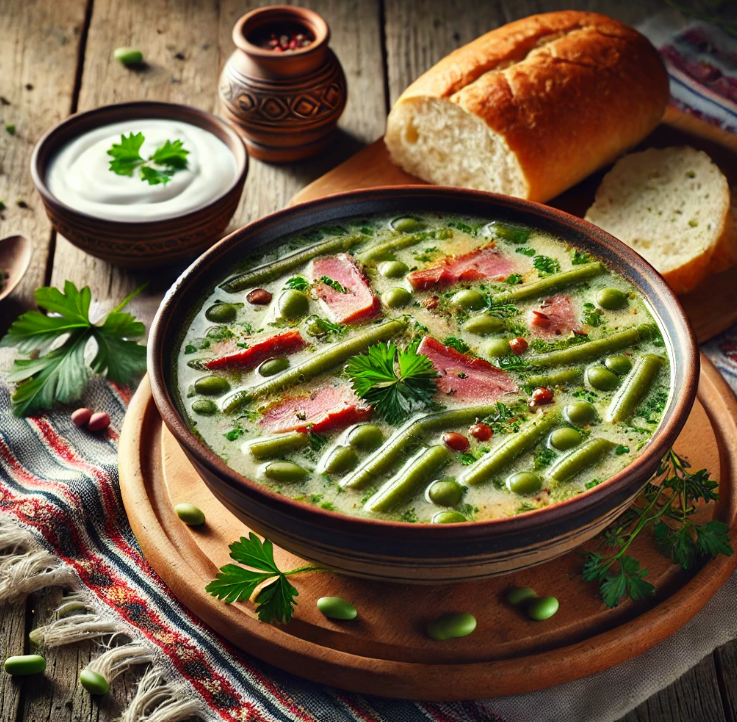
Green Bean Soup with Sour Cream and Smoked Meat – The Authentic Taste of Romanian Cuisine

In the world of Romanian soups, green bean soup with sour cream and smoked meat holds a place of honor. With its perfect combination of flavors – the smooth texture of sour cream, the rich taste of smoked meat, and the freshness of the beans – this soup reminds us of traditional family meals, where every spoonful carried a piece of childhood memories and homely flavors.

The recipe is simple, yet absolutely delicious. Sautéed vegetables, tender green beans, and chunks of smoked meat blend together in perfect harmony, while the sour cream added toward the end brings a unique creaminess. It is completed with a slightly tangy note from vinegar or lemon juice and enriched with fresh herbs such as lovage and parsley, which give the soup its special charm.

This dish is more than just a soup – it is a true invitation to comfort, to family meals, and to rediscovering traditional Romanian flavors. Whether you enjoy it on chilly autumn evenings or at relaxing weekend lunches, green bean soup with sour cream and smoked meat will always bring joy to the table and warmth to your loved ones’ hearts.

Ingredients

  • 500 g green beans (yellow or green)
  • 300 g smoked meat (ribs, ham hock, or smoked sausages)
  • 1 large onion
  • 1 carrot
  • 1 red bell pepper
  • 1 parsley root
  • 1 tomato or 2 tablespoons tomato paste
  • 200 ml sour cream
  • 2–3 tablespoons vinegar (or lemon juice, to taste)
  • 1 bunch fresh lovage
  • 1 bunch fresh parsley
  • Salt and pepper, to taste
  • 2 tablespoons oil

Instructions

Preparing the Smoked Meat: If you are using smoked meat (ham hock or ribs), wash it well and place it in a large pot with about 2 liters of water. Let it simmer over low heat for 30–40 minutes, until it softens. Remove the smoked meat from the pot and cut it into small pieces. Keep the water in which it boiled, as this will serve as the base for the soup.

Preparing the Vegetables: Peel and dice the onion, carrot, bell pepper, and parsley root into small cubes. Heat the oil in a pot and sauté the chopped vegetables for 5–6 minutes, until they soften.

Adding the Smoked Meat and Beans: Place the cut smoked meat back into the pot and add the green beans (cleaned and cut into smaller pieces). Pour in the broth in which the smoked meat was boiled and add more water if necessary, to ensure enough liquid. Let it cook over medium heat until the beans are done (about 20–30 minutes).

Tomatoes and Vinegar: Add the chopped tomato or tomato paste and let it simmer for a few minutes. Finally, add the vinegar or lemon juice, to taste, to give the green bean soup a slightly tangy note.

Sour Cream: In a separate bowl, mix the sour cream with a few tablespoons of hot soup, then pour the mixture back into the pot. Stir well and let the soup come to a gentle boil, but avoid boiling it too long to prevent the sour cream from separating.

Seasoning: Adjust with salt and pepper to taste.

Herbs: Finally, finely chop the lovage and parsley and sprinkle them into the soup. Turn off the heat and cover the pot with a lid, letting the flavors blend together.

Serving

Serve the bean soup with sour cream and smoked meat hot, accompanied by chili peppers and homemade bread. Enjoy!

Products not fetched from DB and/or API. Please check debug logs.

Why Is Green Bean Soup with Sour Cream and Smoked Meat So Appreciated in Romanian Cuisine?

This soup is valued for its unique combination of flavors: the rich taste of smoked meat, the delicate texture of beans, and the creaminess of sour cream. It is a nourishing dish, perfect for cool days, and reflects the traditions of Romanian cuisine, where simple ingredients are transformed into complex and flavorful meals.

What Types of Beans Are Best for This Recipe?

Tender yellow or green beans are most suitable, as they have a delicate texture and absorb the flavors of the soup well. Both fresh and frozen beans can be used, but fresh beans provide a more intense taste and a better texture.

How Does Smoked Meat Influence the Flavor of the Soup?

Smoked meat adds remarkable depth to the bean soup, with slightly smoky and salty notes. Slow simmering releases its flavors into the broth, creating a rich and savory base. Whether it is ham hock, ribs, or smoked sausages, smoked meat is essential for achieving the authentic traditional taste.

What Role Does Sour Cream Play in the Recipe?

Sour cream brings a creamy texture and balances the strong flavors of the smoked meat and beans. It also gives the soup a velvety appearance and a subtle sweet-and-sour note, typical of Romanian soups.

How Can Sour Cream Separation in the Soup Be Prevented?

To prevent separation, sour cream should be mixed with a few tablespoons of hot soup in a separate bowl before being added to the pot. This “tempering” technique balances the temperature and ensures a smooth, even integration.

What Spices and Herbs Are Essential for This Soup?

Thyme, salt, and pepper are the basic spices that enhance the flavors, while fresh lovage and parsley are essential for freshness and authenticity. Tarragon may also be added optionally for a subtle, slightly spicy taste.

What Alternatives Exist for Adding Sourness, If Vinegar Is Not Preferred?

If vinegar is not preferred, lemon juice, fermented wheat bran juice (borș), or even whey can be used. All of these options add a slightly tangy note, perfectly complementing the soup’s flavor.

How Can the Recipe Be Adapted for Those Who Don’t Eat Meat?

For a vegetarian version, smoked meat can be replaced with a mix of aromatic vegetables, such as celery or roasted peppers, while smoked paprika can be added to give a smoky flavor. Sour cream can remain in the recipe to preserve creaminess.

What Side Dishes or Accompaniments Work Well with This Soup?

Green bean soup with sour cream and smoked meat is usually served with homemade bread or mămăligă. For those who enjoy contrast in flavors, hot chili peppers are an excellent accompaniment, perfectly complementing the dish’s richness.

What Significance Does This Soup Hold in Traditional Romanian Cuisine?

Green bean soup with sour cream and smoked meat is a symbol of hospitality and family meals. It is a dish associated with comfort and tradition, frequently prepared in Romanian households to nourish and bring family members together around the table. Its authentic taste is a reminder of the simplicity and richness of traditional Romanian cooking.

Cabbage with Smoked Pork Knuckle Cooked in a Cauldron – An Unforgettable Transylvanian Recipe

In the heart of Transylvania, dishes made with cabbage and smoked pork knuckle are emblematic of traditional meals, being considered a true feast of flavors. Cabbage with smoked pork knuckle cooked in a cauldron is a recipe that reminds us of rustic countryside meals, carefully prepared in the courtyards of village homes. Slowly cooked over low heat, this dish combines tender, juicy cabbage with flavorful pieces of smoked knuckle, resulting in an authentic and profound taste.

Transylvanian cuisine is renowned for its intense flavors and hearty dishes, and this recipe is no exception. Cooking it in a tuci (cast-iron cauldron) adds a special rustic note, while the smokiness blends perfectly with local herbs and spices such as thyme, dill, and parsley. With every serving, cabbage with knuckle offers a journey into the authentic cuisine of Transylvania, where the simplicity of ingredients and patience in preparation are essential.

This recipe for cabbage with smoked pork knuckle is perfect for family meals, offering not only a delicious dish but also a story of tradition, passion, and authentic flavors.

Ingredients

  • 1 large cabbage (approx. 1.5 kg)
  • 1 smoked pork knuckle (approx. 1 kg)
  • 2 large onions, chopped
  • 1 carrot, grated
  • 1 red bell pepper, diced
  • 2–3 tablespoons oil or lard (optional, for a richer taste)
  • 1 teaspoon sweet paprika
  • 1 teaspoon dried thyme
  • 2 bay leaves
  • Salt and pepper, to taste
  • 200 ml tomato juice or 1–2 tablespoons tomato paste
  • 1 bunch fresh dill, chopped
  • 1 bunch fresh parsley, chopped

Preparation Method

Preparing the Cabbage: Finely chop the cabbage and rub it with salt to soften it slightly. Leave it aside for a few minutes, then squeeze out the excess liquid.

Preparing the Smoked Knuckle: Cut the pork knuckle into large pieces if it is not already portioned. If you wish, you can scald it for a few minutes to remove some of the salt and fat, but this step is optional.

Starting the Cooking:
Heat the oil or lard in the tuci (cast-iron cauldron) and sauté the onion until golden.
Add the grated carrot and bell pepper, stirring until they soften slightly.

Adding the Cabbage and Knuckle:
Add the chopped cabbage over the vegetables and mix well. Let it cook for a few minutes until slightly softened.
Sprinkle in the paprika, thyme, bay leaves, salt, and pepper. Mix thoroughly so the flavors are evenly distributed.
Place the pieces of smoked pork knuckle on top of the cabbage and add the tomato juice or tomato paste diluted with a little water.

Cooking in the Cauldron:
Cover the cauldron with a lid and let the cabbage and knuckle cook slowly over low heat, stirring occasionally. Cook for about 1.5–2 hours, until the cabbage is well cooked and the meat easily falls off the bone.
If necessary, add a little water during cooking to prevent burning, but make sure the dish doesn’t end up with too much liquid at the end.

Serving:
Once ready, sprinkle chopped dill and parsley on top.
Serve the cabbage with smoked pork knuckle hot, alongside mămăligă and, optionally, a hot chili pepper.

Tips

  • In Transylvania, this recipe is often prepared in large quantities and left to cook slowly to concentrate the flavors.
  • For extra savor, you can also add a few crushed garlic cloves during cooking.

This cabbage with smoked pork knuckle cooked in a tuci is a traditional dish that brings the authentic Transylvanian taste to the table, full of flavor and perfect for chilly days!

What Makes Cabbage with Smoked Pork Knuckle an Emblematic Transylvanian Dish?

Cabbage with smoked pork knuckle is a symbol of Transylvanian cuisine thanks to its combination of simple yet aromatic ingredients that reflect the rustic traditions of the region. Slowly cooked over low heat in a tuci (cast-iron cauldron), this dish is appreciated for the deep flavor of the smoked knuckle, which blends perfectly with juicy cabbage and local seasonings such as thyme and dill.

Why Is the Cauldron (Tuci) Used in Preparing This Dish?

The traditional tuci, a cast-iron pot, allows for slow and even cooking, enhancing the aromas of the ingredients. It retains constant heat, giving the dish a tender texture and an authentic taste, typical of traditional Transylvanian meals.

How Should the Cabbage Be Prepared for the Best Texture?

The cabbage should be finely chopped and rubbed with salt to soften it and remove excess water. This process reduces the volume of the cabbage and makes it easier to cook, while allowing it to better absorb the flavors from the smoked knuckle and spices.

How Does the Smoked Pork Knuckle Influence the Flavor?

The smoked knuckle provides an intense, smoky flavor that permeates the entire dish. As it simmers together with the cabbage and spices, the knuckle releases its juices and savor, making this a hearty and flavorful delicacy.

What Role Do Spices and Herbs Play in This Recipe?

Spices such as thyme, bay leaves, and sweet paprika add depth and balance to the flavors. Fresh dill and parsley sprinkled at the end bring a refreshing contrast, enhancing the richness of the dish.

What Can Be Done if the Smoked Knuckle Is Too Salty?

If the knuckle is too salty, it can be scalded for a few minutes before being added to the cauldron. It is also recommended to taste the dish before adding extra salt, to avoid an overly salty result.

How Can the Recipe Be Personalized for Extra Flavor?

To intensify the flavors, a few crushed garlic cloves can be added during cooking, or a teaspoon of caraway seeds, typical in some Transylvanian recipes. A splash of dry white wine added during simmering can also enrich the final taste.

What Is the Best Way to Serve Cabbage with Smoked Knuckle?

This dish is best served hot, alongside warm mămăligă or homemade bread. For extra authenticity, it can be paired with a hot chili pepper or a side of pickled vegetables, which perfectly complement its rich taste.

Why Is Slow Cooking Over Low Heat Important?

Slow cooking allows the flavors to fully develop and the ingredients to blend harmoniously. The cabbage becomes tender and juicy, while the meat falls easily off the bone, resulting in a soft, savory texture.

What Cultural Significance Does This Recipe Hold in Transylvanian Cuisine?

Cabbage with smoked pork knuckle represents the tradition and hospitality of the Transylvanian people. It is a dish associated with family meals and holidays, symbolizing rustic cuisine that values local ingredients and traditional cooking methods. This recipe evokes the simplicity and warmth of rural life, preserving the culinary heritage of the region.

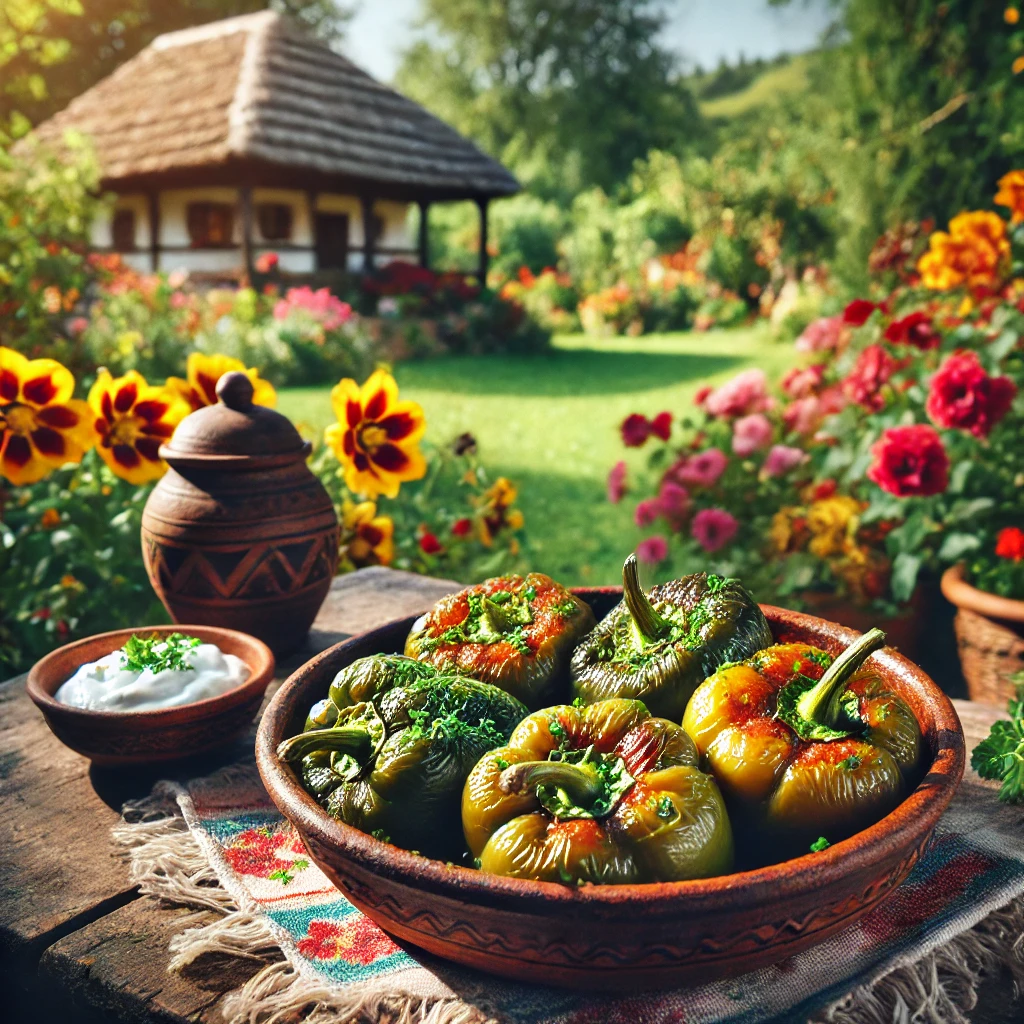
Traditional Stuffed Peppers from Oltenia – A Recipe with Authentic Romanian Flavor

In the heart of Oltenia, stuffed peppers hold a special place on traditional tables, being a beloved dish passed down through generations. With an unmistakable aroma and a combination of ingredients that reflect the richness of the land, this recipe of peppers stuffed with pork and rice is more than just a simple dish – it is an authentic experience, a journey through time and tradition.

The preparation of Oltenian stuffed peppers is distinguished by the use of local ingredients, such as fresh parsley and dill, generously added for extra freshness and flavor. Tomato juice, the aromatic base of this dish, perfectly complements the rich taste of the meat and rice, coating the peppers in a velvety and delicious sauce.

These stuffed peppers are part of the very soul of Oltenian cuisine, carefully and passionately prepared by housewives throughout the region. Served with sour cream and sprinkled with freshly chopped parsley, they deliver an explosion of flavors and a culinary comfort that only traditional Romanian cooking can offer.

Discover this Oltenian stuffed pepper recipe yourself and let yourself be captivated by the unique taste of authentic Romanian dishes!

Ingredients

  • 8–10 medium bell peppers
  • 500 g minced pork (or a mix of pork and beef)
  • 100 g rice
  • 1 large onion, finely chopped
  • 1 small carrot, finely grated
  • 1 bunch fresh parsley, chopped
  • 1 bunch fresh dill, chopped
  • Salt and pepper, to taste
  • 1 egg (to bind the mixture)
  • 500 ml tomato juice
  • 200 ml water
  • 2–3 bay leaves
  • Oil, for sautéing

Preparation Method

Preparing the Peppers: Wash the peppers, cut off the tops, and remove the seeds.

Preparing the Filling:

  • Sauté the onion in a little oil until golden, then add the grated carrot and cook for another 2–3 minutes.
  • In a large bowl, mix the minced meat with rice, the sautéed onion and carrot, parsley, dill, egg, salt, and pepper.

Stuffing the Peppers: Fill the peppers with the meat and rice mixture, placing the tops of the peppers back on.

Cooking the Peppers:

  • Place the peppers in a pot, add the tomato juice, water, and bay leaves.
  • Cover the pot and simmer over low heat for 40–50 minutes, until the peppers and rice are fully cooked.

Serving: Serve the stuffed peppers hot, with sour cream and freshly chopped parsley.

Useful Tips

  • Add a pinch of dried thyme to the filling for a distinctive Oltenian flavor.
  • If the tomato juice is too acidic, balance the taste with a teaspoon of sugar.

This recipe for traditional stuffed peppers from Oltenia will bring the authentic taste of the region right to your table!

What Makes Stuffed Peppers an Emblematic Dish of Oltenia?

Stuffed peppers from Oltenia stand out through the use of fresh, local ingredients such as dill and parsley, which bring an intense and authentic flavor. Carefully and passionately prepared, they reflect the simplicity and richness of traditional Romanian cuisine. The tomato juice used for the sauce adds an extra layer of savor, specific to the region.

Why Is the Combination of Pork and Rice Used?

Pork gives the dish a tender texture and a rich taste, while rice balances the filling, absorbing the flavors of the tomato sauce and spices. This traditional combination ensures a perfectly balanced and delicious stuffing.

What Role Do Parsley and Dill Play in the Recipe?

Parsley and dill are essential in the Oltenian recipe, adding freshness and a distinct aroma to the dish. These herbs provide a delicate contrast to the rich taste of the meat and complement the tomato sauce with a fresh, vegetal note.

How Should the Peppers Be Prepared Before Stuffing?

The peppers must be thoroughly washed, with their tops cut off and seeds removed. This process creates the necessary space for the filling and ensures even cooking. It is important that the peppers remain whole, without cracks, to keep the filling intact during simmering.

What Tricks Can Be Used for a Perfect Filling?

The filling should be well mixed, and the rice added raw, as it will cook and absorb the tomato juice during simmering. Adding an egg to the mixture helps bind the ingredients together, preventing the filling from falling apart.

How Does Tomato Juice Influence the Final Flavor?

Tomato juice is the base of the sauce in which the peppers are cooked, adding a slightly tangy note and a velvety texture to the dish. If the juice is too acidic, a teaspoon of sugar can be added to balance the taste, resulting in a smoother and more rounded flavor.

How Can the Recipe Be Personalized for Extra Flavor?

A pinch of thyme or a few crushed garlic cloves can be added to the tomato sauce. For a spicier touch, slices of hot chili pepper or chili flakes can be included while cooking.

Why Is It Important to Cook the Peppers Over Low Heat?

Slow simmering ensures even cooking of the peppers and allows the flavors to blend harmoniously. Low heat prevents the sauce from burning and keeps the peppers tender yet intact until serving.

How Should Stuffed Peppers Be Served to Honor Oltenian Tradition?

Stuffed peppers are served hot, with fresh sour cream and sprinkled with chopped parsley. In Oltenia, they are often accompanied by homemade bread or mămăligă, and those who prefer stronger flavors can add pickled cabbage salad or a hot chili pepper.

Why Has This Recipe Been Loved for Generations?

The simplicity of the ingredients, combined with the patience and care with which they are prepared, makes stuffed peppers a soul-warming dish. Every bite recalls family meals, culinary traditions, and authentic tastes, preserved from generation to generation.

Chicken with Peas in Oltenian Style – Tradition from Vâlcea on a Plate Full of Flavor

In the heart of Oltenia, where the land is fertile and meals are prepared with care, chicken with peas is a dish that brings to the table the authentic taste of the region. This traditional recipe, specific to the Vâlcea area, reminds us of the simple and healthy meals cooked with patience and love. In Oltenia, freshly picked peas from the garden meet free-range chicken in a dance of flavors completed by the sweetness of carrots, the freshness of bell peppers, and the fragrance of fresh dill.

It is said that the grandmothers of these lands used to prepare chicken with peas in large pots, putting their soul into every step of cooking. The chicken pieces were carefully browned, while onion, garlic, and ripe tomatoes gave the sauce a rich consistency and unmistakable taste. At the end, fresh dill added a distinct Oltenian note, embracing every ingredient with its intense aroma.

This recipe is an invitation to a traditional meal, where every spoonful takes you through the villages of Oltenia, across rolling hills and bountiful gardens. Oltenian-style chicken with peas is not just food, but part of Vâlcea’s culinary heritage, a recipe that warms the soul and brings to the plate the authenticity and richness of Oltenia.

Chicken with Peas – Traditional Recipe from Oltenia

Ingredients:

  • 1 free-range chicken (or 4–5 chicken thighs)
  • 500 g fresh or frozen peas
  • 1 large onion
  • 1 large carrot
  • 1 red bell pepper
  • 3–4 ripe tomatoes (or 200 ml tomato juice)
  • 2–3 garlic cloves
  • 1 bunch fresh dill
  • Salt and pepper, to taste
  • 1–2 tablespoons sunflower oil
  • 1 teaspoon sweet paprika (optional, for a more intense taste)

Preparation Method:

    • Preparing the chicken:
      Cut the chicken into medium-sized pieces (if you are using free-range chicken, leave the pieces smaller so they cook thoroughly).
      In a deep pan or pot, heat the oil and place the chicken pieces to brown until they develop a golden color. Remove them and set aside.
    • Sautéing the vegetables:
      In the same pan, add the finely chopped onion and sauté until it turns golden.
      Add the sliced carrot and the diced bell pepper, letting them soften slightly.
      Put in the minced garlic and the sweet paprika, stirring to release their aromas.
    • Adding the chicken and tomatoes:
      Return the chicken pieces to the pan together with the sautéed vegetables.
      Add the peeled and finely chopped tomatoes (or tomato juice) and mix well. Let it simmer on low heat until the chicken is almost cooked through.
    • Adding the peas:
      When the chicken is tender, add the peas and pour in a little water, just enough to cover the ingredients.
      Season with salt and pepper to taste, then let the dish simmer slowly on low heat until the peas and chicken are well cooked and the sauce has slightly reduced.
    • Finishing and serving:
      At the end, add freshly chopped dill for an extra touch of authentic flavor. Dill is specific to Oltenian cuisine and perfectly complements this dish.
      Serve the hot chicken with peas, alongside a slice of homemade bread or polenta, for an authentic traditional Oltenian meal.

    Why is chicken with peas a representative dish of Oltenia?
    Chicken with peas reflects the simplicity and authenticity of Oltenian cuisine. The dish highlights local ingredients, such as fresh peas and free-range chicken, alongside seasonings like dill, which is specific to the region. It is a meal cooked with patience, bringing the authentic taste of the Oltenian village to the plate.

    What makes peas a key ingredient in this dish?
    Peas are sweet, tender, and rich in nutrients, offering a contrasting texture to the juicy chicken. They absorb the flavors of the sauce and vegetables, becoming an essential element that defines the balanced taste of the dish.

    How does free-range chicken influence the final taste of the dish?
    Free-range chicken has a firmer texture and a distinct natural flavor that enriches the recipe. Unlike commercial chicken, free-range chicken requires slow cooking, which allows the flavors to blend, resulting in a dish full of savor.

    Why is dill used in this recipe?
    Dill is an ingredient specific to Oltenian cuisine, bringing a unique freshness to the dish. Its strong aroma complements the sweetness of the peas and balances the richness of the sauce, being a key element of the recipe.

    How can the seasonings be adjusted to personalize the recipe?
    For a more intense taste, sweet or hot paprika can be added. Fresh garlic can be replaced with roasted garlic for a milder flavor, while those who prefer a more aromatic dish can add a pinch of thyme or a bay leaf.

    How should the chicken be cooked to achieve the perfect texture?
    The chicken must first be browned to seal in its juices, and then simmered slowly in the tomato and vegetable sauce. This process ensures tender and juicy meat that blends perfectly with the other ingredients.

    What role do the tomatoes play in this recipe?
    Tomatoes add a slightly sour note and contribute to forming a rich sauce that ties all the ingredients together. They can be used fresh, for a more natural flavor, or as tomato juice for quicker preparation.

    How can the recipe be adapted to include other local ingredients?
    Instead of peas, green beans or diced zucchini can be added. The chicken can also be replaced with turkey or even pork pieces, while still preserving the traditional flavors through the use of dill and tomato sauce.

    How can chicken with peas be served for an authentic meal?
    The dish is served hot, alongside polenta or homemade bread. For a complete experience, a simple cabbage salad or a pickled cucumber can be added, bringing a contrast of textures and flavors.

    Why is this dish a suitable choice for family meals?
    Chicken with peas is a hearty, healthy dish that is easy to prepare in large quantities, making it ideal for family gatherings. Its rich and traditional taste brings together different generations, offering an occasion to celebrate Oltenian traditions.

    Bean Soup with Smoked Meat – The Taste of Legends from Muntenia

    Muntenia, a land of history and ancient stories, preserves in its cuisine the authentic taste of traditions, and bean soup with smoked meat is one of those dishes tied to legends and memories. It is said that this simple and nourishing dish was loved by voivodes and captains, as well as by common folk, being a meal that offered strength, courage, and soul’s contentment. Prepared as it once was in Muntenia, bean soup with smoked meat brings to the table both rich, savory aromas and a part of the history of this corner of Romania.

    In the old days, beans were carefully harvested from village gardens, while smoked ribs or ham hock were preserved by villagers in cool, dry pantries, to be used in those special dishes that had their place in every household in Muntenia. During autumn and winter days, when the cold air swept through the hills of Muntenia, the large clay or iron pot was placed over the fire, and the whole house filled with the smoky aroma of the meat, mingling with the fragrance of beans simmering slowly, gently, until they were ready to nourish the entire family.

    The soup came to life with fresh vegetables – onion, carrot, bell pepper – added to bring sweetness and balance. And in the middle of this dance of flavors, garlic, thyme, and bay leaves added a touch of magic, delivering a complex taste, just as only the cooks of Muntenia knew how to achieve. Vinegar or borsch was added at the end, to bring that tangy note specific to the traditional soups of the region, while fresh lovage completed the symphony of aromas.

    Each spoonful of bean soup with smoked meat is a journey back in time – a reunion with the flavors that nourished Muntenia through generations. At large meals, served with a hot chili pepper and a red onion, this soup is not just food, but a legend in itself. It is the taste of the land, of traditions, and of evenings spent around the fire, a symbol of Muntenian hospitality and of the love for simple yet soulful dishes.

    This is bean soup with smoked meat, a story of Muntenia, brought into the present for those who still know how to cherish the authentic taste of days gone by.

    Bean Soup with Smoked Meat – Muntenian Recipe

    Ingredients:

    • 500 g dried beans (white or speckled)
    • 300–400 g smoked ribs or smoked ham hock
    • 1 large onion
    • 2 carrots
    • 1 bell pepper (red or green)
    • 1 parsnip or celery root (optional)
    • 3–4 cloves of garlic
    • 2–3 bay leaves
    • 2 tablespoons tomato paste
    • 1 tablespoon sweet paprika
    • Salt and pepper, to taste
    • Thyme and lovage, for flavor
    • Vinegar or borsch (optional), for souring

    Preparation Method:

    Preparing the beans:

    Soak the beans in cold water the night before. This step helps reduce the cooking time and improves the texture of the beans.

    The next day, drain the water and boil the beans in fresh water for 10–15 minutes. After the first boil, drain the water again to remove substances that may cause bloating and refill the pot with warm water.

    Preparing the smoked meat:

    In a large pot, boil the smoked ribs or smoked ham hock in fresh water for about 30 minutes, until it begins to turn tender. If you are using a ham hock, you can leave it whole and cut it later into pieces.

    Adding the vegetables:

    Chop the onion, carrots, bell pepper, and the parsnip or celery root into small cubes.

    In the pot with the boiled smoked meat, add the vegetables, the separately boiled beans, and the bay leaves. Let everything simmer over low heat until all the ingredients become soft and the flavors blend together.

    Seasoning the soup:

    Sauté the finely chopped garlic and add it along with the sweet paprika and tomato paste, stirring well to combine them into the soup.

    Add salt, pepper, and thyme to taste, adjusting the intensity of the flavors. If you want a slightly tangy taste, add a little vinegar or borsch at the end.

    Final touches:

    After all the ingredients are fully cooked and the flavor is well balanced, remove the ham hock from the pot if you left it whole, cut it into smaller pieces, and then return it to the soup.

    Sprinkle freshly chopped lovage for an extra touch of freshness and the specific aroma.

    Serving:

    Bean soup with smoked meat is served hot, alongside red onion or hot chili peppers. This is a particularly delicious traditional meal, especially on cool days, when the intense aromas of smoked meat and herbs make every spoonful memorable.

    This authentic Muntenian recipe brings to the table a nourishing and flavorful dish that reflects the culinary traditions of the region. Bean soup with smoked meat is an excellent choice for a family meal, where its rich taste and aromas fill the kitchen with warmth and memories of times long past.

    Why is bean soup with smoked meat such an emblematic dish for Muntenia?
    Bean soup with smoked meat perfectly reflects the spirit of Muntenian cuisine, which emphasizes nourishing dishes, rich in flavor and slowly cooked. The use of dried beans, a readily available legume, together with traditionally preserved smoked meats, makes this soup a simple yet flavorful recipe, specific to Muntenia.

    What is the role of beans in this recipe?
    Beans are the main ingredient that give the soup its consistency and substance. Through slow cooking, the beans become soft, absorb the flavors of the smoked meat and spices, and create a hearty, comforting dish, perfect for cold days.

    How does smoked meat influence the final taste of the soup?
    Smoked meat adds a deep and complex aroma, transforming a simple soup into a memorable dish. The fat and spices from the ribs or ham hock blend with the other ingredients, offering a unique taste and the distinctive savor of traditional cuisine.

    Why is it recommended to change the water when boiling beans?
    Changing the water after the first boil helps reduce compounds that may cause digestive discomfort. This is a traditional technique that makes the bean soup easier to digest without compromising the taste.

    How can the seasonings be adapted to personalize the taste of the soup?
    Depending on preference, more thyme can be added for a rustic flavor or garlic for a sharper note. Likewise, borsch or vinegar can be adjusted for a tangier taste, while fresh lovage brings a distinctive freshness.

    What is the importance of vinegar or borsch in this recipe?
    Vinegar or borsch gives the soup a tangy note, characteristic of many traditional Muntenian recipes. They balance the fattiness of the smoked meat and add another dimension to the flavor, making the soup more savory and refreshing.

    How can smoked meats be chosen to achieve an authentic taste?
    The best choices are smoked ribs or ham hock, preferably traditionally prepared with wood smoke. These add an intense aroma and a rich texture to the soup. For a lighter version, smoked bacon can be used as an alternative.

    What other vegetables can be added for a more complex flavor?
    In addition to onion, carrot, and bell pepper, parsnip or celery root can be added for subtle sweetness and depth of flavor. In some regional variations, fresh tomatoes are also used for an extra touch of freshness.

    How can the soup be served to preserve its Muntenian authenticity?
    The soup is served hot, with a spoonful of sour cream, parsley or lovage sprinkled on top, alongside crunchy red onion or a hot chili pepper. Homemade bread is essential to complete this traditional meal.

    What makes this soup suitable for family meals?
    Bean soup with smoked meat is hearty, nourishing, and ideal for being cooked in large quantities, which makes it perfect for family gatherings. Its intense taste brings together different generations, keeping alive the tradition of Muntenian hospitality.

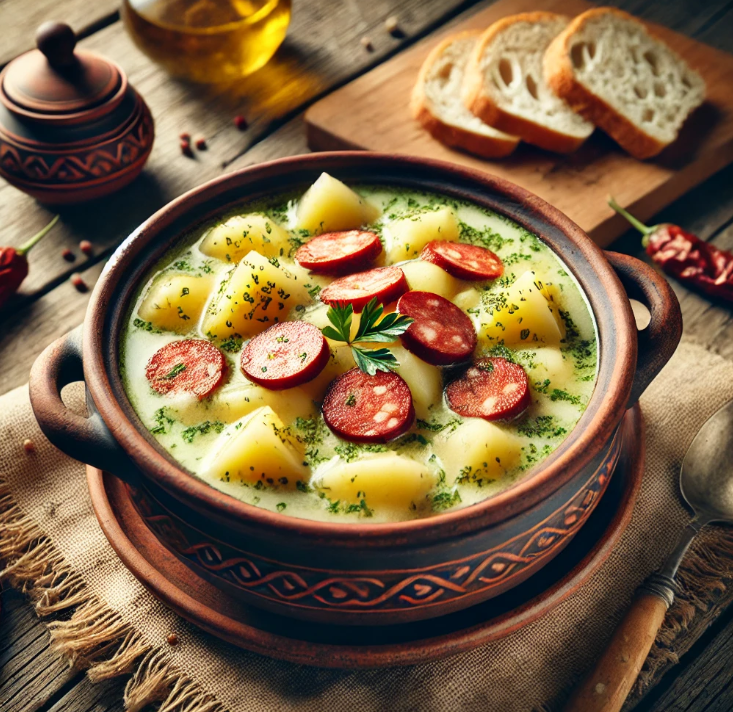
    Potato Soup with Smoked Sausages and Tarragon – Bihor Recipe

    The Taste of Bihor, Just as It Was Once Made

    In the heart of Bihor, where traditions are faithfully preserved and meals are a joyful family gathering, potato soup with smoked sausages and tarragon is a dish that has always had its place on villagers’ tables. This simple yet flavorful recipe reminds us of bygone times, when ingredients were carefully gathered from the garden and sausages were slowly smoked over gentle wood fire.

    In the old days, this soup was prepared in large clay pots or heavy cauldrons placed on the hot stove plate, while the aroma of smoked sausages and tarragon filled the entire home. Each ingredient had its well-defined role: finely chopped potatoes simmered slowly, releasing their starch and enriching the soup, while the onion and smoked sausages were lightly sautéed, releasing their rich flavors.

    The secret of this soup is tarragon – the aromatic herb that gives a unique taste and a special fragrance. Grandmothers would add it carefully, knowing that it would transform a simple soup into a true delicacy. Fresh cream was stirred in at the end, giving it a velvety consistency and a rich taste, while sometimes a splash of vinegar was added to the soup to offer that tangy note so beloved in the old-time kitchen.

    When the soup was ready, every spoonful was a journey back in time – a reminder of peaceful family meals, of stories told around the table, and of the authentic homemade taste. Potato soup with smoked sausages and tarragon remains a classic Bihor recipe, one that warms the soul and reminds us of the beauty of traditional Romanian cuisine.

    Potato Soup with Smoked Sausages and Tarragon – Bihor Recipe

    This soup is popular in the Bihor region, where tarragon and smoked sausages are often used to create intense flavors and an authentic taste.

    Ingredients:

    • 500 g potatoes
    • 200 g smoked sausages
    • 1 onion
    • 1 carrot
    • 1 tablespoon dried or fresh tarragon
    • 200 ml sour cream
    • 1 tablespoon flour (for thickening, optional)
    • Salt and pepper, to taste
    • Vinegar or lemon juice, for sourness
    • Fresh parsley, for garnish

    Preparation Method:

    1. Start by sautéing the finely chopped onion and carrot until softened.
    2. Add the sliced smoked sausages and let them sauté lightly.
    3. Add the diced potatoes and pour in enough water to cover the ingredients, allowing them to boil.
    4. In a bowl, mix the sour cream with flour and tarragon, then dilute with a little hot broth from the soup.
    5. Pour the sour cream mixture into the pot and adjust the taste with salt, pepper, and a little vinegar or lemon juice.
    6. Serve the potato soup with smoked sausages and tarragon hot, sprinkled with fresh parsley.
    Products not fetched from DB and/or API. Please check debug logs.

    What makes potato soup with smoked sausages and tarragon a recipe specific to Bihor?
    The soup is representative of Bihor cuisine because of its traditional ingredients, such as smoked sausages, a local delicacy, and tarragon, an aromatic herb frequently used in the region. The combination of sour cream, tarragon, and vinegar adds that specific touch of creaminess and subtle sourness, characteristic of Bihor cooking.

    How does tarragon influence the final taste of the soup?
    Tarragon has an intense fragrance, with slightly anise-like notes, which perfectly complements the smoky flavor of the sausages and the sweetness of the potatoes. It is the key ingredient that transforms this soup into a unique culinary experience.

    What is the role of smoked sausages in the recipe?
    Smoked sausages provide the soup with a deep, rich aroma, specific to traditional cuisine. Through sautéing and simmering, they release fat and spices, which blend into the broth, intensifying the flavor of the dish.

    Why is it important to sauté the vegetables before boiling?
    Sautéing the onion and carrot helps develop their aromas, creating a rich flavor base for the soup. This step enhances the natural sweetness of the vegetables and contributes to the complexity of the final taste.

    How can the recipe be adapted for other dietary preferences?
    For a vegetarian version, smoked sausages can be replaced with smoked tofu or mushrooms, while the sour cream can be substituted with a plant-based alternative, such as soy or cashew cream. Tarragon remains essential for preserving the character of the recipe.

    How can the soup be thickened correctly without forming lumps?
    Mixing the flour with the sour cream before adding it to the soup is essential. It must be gradually diluted with hot broth from the pot before being poured in, to prevent lumps and ensure a smooth consistency.

    What other vegetables can be added to vary the taste?
    Celery root, parsnip, or zucchini can be added to enrich the soup’s flavor. Green peas or green beans can also bring extra freshness and texture.

    Why is vinegar or lemon juice added to the soup?
    Vinegar or lemon juice balances the richness of the sausages and sour cream, offering a subtle tangy flavor that perfectly complements the other ingredients. It is a traditional trick that refreshes the dish.

    How can this soup be served to create an authentic Bihor experience?
    The soup is served hot, with fresh parsley or tarragon sprinkled on top, alongside homemade bread or croutons. A hot chili pepper and a glass of pălincă are often added to complete the traditional atmosphere.

    How does this recipe preserve the authenticity of Bihor cuisine?
    The recipe reflects Bihorean tradition through the use of local ingredients, slow cooking, and the integration of tarragon, sour cream, and smoked sausages. This combination creates a harmony of flavors that recalls the traditional meals of Bihor villages, where every dish is a celebration of authentic taste.