Rădăuțean Soup – The Traditional Recipe That Delights the Senses

Rich, flavorful, and creamy, Ciorbă Rădăuțeană is one of the most beloved Romanian soups, prepared with tender chicken, fresh root vegetables, sour cream, and egg yolks. Enhanced with a splash of vinegar for acidity and a hint of garlic for a perfected taste, this soup is ideal for family meals where tradition and flavor meet in one bowl.

This recipe is perfect for the cold days of autumn and winter, when you need a warm, nourishing dish that brings comfort and well-being. Simple to prepare and deeply aromatic, Ciorbă Rădăuțeană will surely become a favorite on your menu. Serve it with fresh herbs and a hot chili pepper on the side, and enjoy an authentic taste that transports you straight to the heart of Bucovina!

Ingredients

  • 1 kg chicken breast or chicken thighs with bone
  • 2 large carrots
  • 1 parsley root
  • 1 small celery root
  • 1 parsnip root
  • 1 large onion
  • 2–3 garlic cloves
  • 200 g full-fat sour cream (minimum 20% fat)
  • 2 egg yolks
  • 2–3 tablespoons vinegar (or to taste)
  • Salt and pepper, to taste
  • Fresh herbs (parsley or lovage), for garnish

Instructions

  • Preparing the meat and vegetables:
    Place the chicken in a large pot with about 3 liters of cold water. Add a teaspoon of salt and let it simmer over low heat, skimming off the foam that forms on the surface.
  • Add the carrots, parsnip, celery root, parsley root, and whole onion. Let everything cook until the meat and vegetables are tender (about 1 hour).
  • Preparing the meat and straining the broth:
    Remove the meat and vegetables from the broth. Shred the meat into strips or cut it into small cubes, and either mash the vegetables or discard them, depending on your preference.
  • Strain the broth to remove any impurities, then return the clear soup to the pot.
  • Flavoring the soup:
    Crush the garlic and add it to the soup. Let it infuse for a few minutes, then remove it to avoid an overpowering taste.
  • Add the shredded meat back into the pot and bring the Rădăuțean soup to a gentle boil.
  • Thickening the soup:
    In a separate bowl, whisk the sour cream with the egg yolks. Take a ladle of hot soup and slowly pour it over the sour cream and egg mixture, stirring continuously to temper it and prevent curdling.
  • Gradually pour this mixture into the pot, stirring constantly.
  • Finishing the soup:
    Adjust the taste with salt, pepper, and vinegar to your preference.
    Let the soup simmer for another 2–3 minutes.
  • Serving:
    Sprinkle freshly chopped parsley or lovage on top for extra freshness.
    Serve the Ciorbă Rădăuțeană hot, with chili peppers and homemade bread on the side.

Enjoy!

What is Ciorbă Rădăuțeană and why is it so appreciated?

Ciorba Rădăuțeană is a reinterpretation of the classic tripe soup, but made with chicken instead of beef tripe. It is appreciated for its delicate taste, creamy texture, and the perfect balance between sour cream, egg yolks, and the subtle flavors of vegetables and garlic. It is considered a lighter and more versatile option compared to the traditional tripe soup.

What is the origin of Ciorba Rădăuțeană?

The soup originates from Rădăuți, Suceava County, and was created as an alternative to tripe soup. Local cooks wanted to develop a similar dish, but one that was more accessible and better accepted by a wider range of people.

What type of meat is suitable for this recipe?

Usually, chicken breast or chicken thighs with bone are used, as the bones enrich the flavor of the broth, while the meat stays juicy and tender.

How is the creamy texture of the soup achieved?

The creamy consistency is obtained by mixing sour cream with egg yolks. It is important to temper the sour cream by slowly adding hot broth to it, stirring continuously, to avoid curdling and to achieve a smooth, homogeneous texture.

How is the acidity of the soup adjusted?

The acidity comes from vinegar or lemon juice, which should be added gradually to taste. It is best to start with small amounts and adjust step by step to avoid making the Ciorbă Rădăuțeană overly sour.

What vegetables are necessary for flavoring the soup?

The soup typically includes carrots, parsnip root, celery root, and parsley root, which provide a slightly sweet and complex taste. Onion builds a strong flavor base, while garlic adds a mild spiciness and distinctive aroma.

How can Ciorbă Rădăuțeană be adapted for special diets?

For a lighter version, you can use low-fat sour cream or Greek yogurt. Turkey meat can replace chicken, and plant-based milk or cream can be used as an alternative for those with lactose intolerance.

What are the best serving methods?

This soup is traditionally served hot, sprinkled with fresh parsley or lovage. It pairs perfectly with chili peppers and freshly baked homemade bread or flatbread. For an authentic touch, an extra spoonful of sour cream can be added just before serving.

What common mistakes should be avoided when preparing this soup?

  • Do not boil sour cream directly: Always temper it gradually with hot broth to prevent curdling.
  • Do not skip straining the broth: This ensures a clear and visually appealing soup.
  • Do not leave the garlic in for too long: If overcooked, it can overpower the delicate balance of flavors.

How can Ciorbă Rădăuțeană be stored and reheated?

It can be stored in the refrigerator for up to 2 days in an airtight container. Reheat gently over low heat, stirring constantly to maintain the creamy texture. If the soup becomes too thick, add a little water or broth to adjust the consistency.

Mushroom Ciulama – The Authentic Taste of Romanian Cuisine

Mushroom ciulama is one of those traditional Romanian recipes that impresses with both simplicity and flavor. Creamy and aromatic, this dish is prepared with tender mushrooms sautéed with onion, then combined with a fine white sauce made from milk and flour, which gives it a velvety consistency. This preparation brings to the table the authentic taste of homemade Romanian food, enriched with simple yet unforgettable flavors.

The ciulama is perfect when served with steaming hot polenta or fresh bread, which balance and complement the silky texture of the sauce. With a touch of freshness from chopped parsley, this traditional dish manages to be both nourishing and comforting, making it ideal for family meals. Mushroom ciulama remains an essential recipe for lovers of Romanian cuisine who want to bring to their plate a dish that is simple, yet full of authentic flavor.

Here is the complete recipe for mushroom ciulama, a creamy and delicious Romanian preparation, perfect for a comforting meal.

Ingredients

  • 500 g mushrooms (champignon, porcini, or forest mushrooms, depending on preference)
  • 1 large onion
  • 3-4 tablespoons oil or butter (depending on taste)
  • 2-3 tablespoons flour
  • 500 ml milk or vegetable stock (for a more intense flavor)
  • 150 ml sour cream (optional, for extra creaminess)
  • Salt and pepper, to taste
  • 1 bunch fresh parsley, chopped

Instructions

Step 1: Preparing the Mushrooms
Clean and cut the mushrooms into slices or cubes, according to preference.
In a large pan, heat the oil or butter and add the finely chopped onion. Sauté the onion over low heat until it becomes golden and soft.

Step 2: Cooking the Mushrooms
Add the mushrooms to the pan over the onion and cook them until the liquid they release evaporates and the mushrooms begin to brown slightly. Season with salt and pepper to taste.

Step 3: Preparing the Sauce
Sprinkle the flour over the mushrooms and mix well to incorporate it evenly. Let it cook for 1–2 minutes, until the flour is lightly toasted.
Gradually pour in the milk or vegetable stock, stirring continuously to prevent lumps. Simmer the sauce over low heat until it thickens and reaches a creamy texture.
For extra creaminess, add the sour cream towards the end and stir well to incorporate it into the sauce.

Step 4: Finishing
Taste and adjust with salt and pepper, if necessary.
Finally, sprinkle freshly chopped parsley on top for a touch of freshness and aroma.

Serving Suggestions

Mushroom ciulama is best served hot, alongside polenta or fresh bread. This dish is particularly delicious and perfect for family meals, offering an irresistible combination of authentic Romanian flavors and a comforting creamy texture. Enjoy!

Why is mushroom ciulama so appreciated in Romanian cuisine?

Mushroom ciulama is beloved because of its combination of simplicity and flavor. The taste of tender mushrooms, complemented by a creamy sauce, makes this dish perfect for comforting meals. It is easy to prepare and suitable for different occasions, whether as a fasting dish (without sour cream) or for regular days.

What types of mushrooms can be used for this recipe?

The most common choice is champignon mushrooms, but porcini or forest mushrooms, such as chanterelles, add extra aroma and authenticity. If you use wild mushrooms, make sure they are edible and thoroughly cleaned.

How can lumps in the sauce be avoided?

To prevent lumps, sprinkle the flour evenly over the mushrooms and mix it well before adding the liquid. Add the milk or vegetable broth gradually, stirring continuously with a whisk or wooden spoon to achieve a smooth texture.

What can be used instead of milk for a fasting version?

In the fasting version, milk can be replaced with vegetable stock or a creamy plant-based milk, such as almond or oat milk. These alternatives provide a delicate taste while preserving the creamy texture of the ciulama.

How can the flavor of the ciulama be intensified?

You can add a few crushed garlic cloves while sautéing the onion or include a splash of dry white wine while cooking the mushrooms. Also, using porcini or other wild mushrooms will enhance the richness of the flavor.

What are the best side dishes for mushroom ciulama?

Hot polenta is the traditional side dish, but ciulama can also be served with fresh bread, rice, or pasta. Polenta absorbs the creamy sauce perfectly, providing a complete culinary experience.

How can mushroom ciulama be stored and reheated?

It can be stored in the refrigerator in an airtight container for 2–3 days. Reheat it on low heat on the stove, adding a little milk or water to maintain its creamy texture.

What regional variations exist for mushroom ciulama?

In some regions, sour cream is considered essential, giving the sauce a unique creaminess, while in others, only flour and water are used for a simpler version. In mountain areas, ciulama is often prepared with wild mushrooms and butter for a richer taste.

How can the recipe be adapted for a vegetarian or vegan diet?

For a vegan version, use plant-based milk instead of regular milk and olive oil instead of butter. Avoid sour cream or replace it with a plant-based sour cream, while still keeping the dish delicious and creamy.

How can mushroom ciulama be transformed into a more complex dish?

Add chicken breast cut into small pieces or crispy bacon to create a more substantial dish. Additionally, ciulama can be used as a sauce for pasta or boiled potatoes, transforming it into a more sophisticated main course.

Chicken Livers in Onion Sauce – A Simple and Flavorful Recipe for Any Meal

Chicken livers in onion sauce are one of those classic recipes that bring the simple and authentic taste of homemade cooking straight to the plate. With a tender texture and a slightly sweet sauce made from caramelized onions, this dish is perfect for those moments when you want a quick meal that is still full of flavor. Slowly sautéed onions, cooked until golden and lightly caramelized, give the sauce a natural sweetness that pairs beautifully with the taste of the tender chicken livers.

This recipe is very versatile and can be served alongside polenta, mashed potatoes, or rice, making it an ideal option both for a hearty lunch and for a cozy family dinner. Easy to prepare and made with accessible ingredients, chicken livers in onion sauce are an excellent choice for those who appreciate the simple and authentic flavors of traditional cuisine.

Ingredients

  • 500 g chicken livers
  • 2–3 large onions
  • 2–3 tablespoons oil or butter
  • 3–4 garlic cloves
  • 1 teaspoon sweet paprika (optional)
  • Salt and pepper, to taste
  • 200 ml chicken broth or water
  • 1 bunch fresh parsley, chopped

Instructions

Step 1: Preparing the Chicken Livers

Wash the chicken livers thoroughly and let them drain in a strainer. If the livers have larger pieces, you can cut them so they cook more evenly.

In a deep pan, heat the oil or butter and add the finely chopped onions. Sauté the onions on low heat until they become golden and soft, about 10–15 minutes. It is important to cook the onions slowly so they turn sweet and properly caramelized.

Step 2: Cooking the Chicken Livers

Add the chopped garlic and paprika (if desired) to the pan, stirring for a few seconds until the garlic releases its aroma.

Place the chicken livers in the pan and cook them on medium heat, stirring gently, until they change color and are browned on all sides, about 5–7 minutes.

Step 3: Preparing the Onion Sauce

Pour in the chicken broth or water, just enough to cover the livers. Let the dish simmer on low heat for another 10–15 minutes, until the livers are tender and the sauce has reduced, forming a creamy texture.

Taste the sauce and add salt and pepper as preferred.

Step 4: Finishing and Serving

At the end, sprinkle fresh chopped parsley on top and serve the dish hot.


Serving Suggestions

Chicken livers in onion sauce are usually served with polenta, mashed potatoes, or rice, to complete this delicious meal. The sweet onion sauce and the tender texture of the livers make this recipe an excellent choice for both lunch and dinner.

To balance the creamy mashed potatoes and the rich taste of the livers in onion sauce, a fresh and light salad is ideal. Here are some great options:

  • Cucumber and tomato salad with green onion: A simple and refreshing salad made with cucumbers, tomatoes, green onions, and chopped parsley. Drizzle with olive oil and lemon juice for an acidic touch that complements the mashed potatoes.
  • Green salad with lemon and dill: Fresh spinach leaves, dill, and a light vinaigrette made with lemon juice and olive oil are excellent for adding freshness to the plate.
  • White cabbage and carrot salad: A crunchy salad of cabbage and carrot, seasoned with salt, pepper, and vinegar or lemon juice, adds both crispiness and acidity, balancing the creamy texture of the mash.
  • Roasted pepper salad: Roasted peppers bring a subtle sweetness that pairs wonderfully with the taste of chicken livers and mashed potatoes. Add garlic, chopped parsley, and a light dressing of oil and balsamic vinegar for extra flavor.
  • Assorted pickled vegetables: If you prefer a stronger flavor and a combination of tastes, assorted pickles (pickled cucumbers, green tomatoes, sauerkraut) are perfect for accompanying chicken livers with mash, offering contrast and richness.

These salads are simple, light, and add freshness, contrasting beautifully with the main dish for a balanced and flavorful meal.


Beverage Pairings

To complement the taste of chicken livers in onion sauce, you can choose a drink that balances the sweet and slightly intense flavors of the dish. Here are some suitable options:

  • Dry or semi-dry white wine: A dry white wine, such as Sauvignon Blanc or Pinot Grigio, will bring freshness and balance the sweetness of the caramelized onions. If you prefer something fruitier, choose a semi-dry wine.
  • Light red wine: If you enjoy red wine, go for a light one, such as Pinot Noir or Merlot. These wines have a fine texture and fruity aromas that pair well with poultry dishes.
  • Țuică or pălincă: In Romanian tradition, chicken livers can be accompanied by a small glass of țuică or pălincă, which offers a strong note that goes well with the taste of the dish.
  • Blonde beer: A light and refreshing blonde beer can be an excellent choice to go with this dish, especially when served in a relaxed lunch setting.
  • Sparkling water with lemon: For a non-alcoholic option, sparkling water with a slice of lemon adds a refreshing touch and balances the richness of the dish, making it a simple and effective choice.

These beverages perfectly complement the flavor of chicken livers in onion sauce, adding an extra layer of enjoyment to your meal.

Why is this Chicken Livers in Onion Sauce recipe so popular?

Chicken livers in onion sauce are appreciated for their simplicity and quick preparation. The sweet taste of caramelized onions, combined with the tender texture of the livers, transforms this dish into a classic of home cooking, perfect for quick lunches or family dinners.


What are the main tips for getting tender and delicious chicken livers?

Wash the chicken livers thoroughly and let them drain before cooking. Cook them over medium heat and avoid over-frying, as they can become tough. Adding liquid, such as chicken broth, helps maintain their tenderness.


How can you achieve a perfectly caramelized onion sauce?

The secret to a perfect onion sauce is cooking the onions slowly over low heat, stirring constantly, until they turn golden and soft. Using a small amount of brown sugar or a splash of balsamic vinegar can enhance the natural sweetness of the onions.


What other ingredients can be added to diversify the recipe?

For extra flavor, you can add sliced mushrooms, bell peppers, or chopped tomatoes. A splash of white wine or cooking cream can also bring another layer of taste to the sauce.


How can Chicken Livers in Onion Sauce be adapted for special diets?

For a healthier version, use olive oil instead of butter and serve the dish with steamed vegetables or a fresh green salad instead of traditional sides like mashed potatoes or polenta.


What are the best side dishes for this recipe?

Chicken livers in onion sauce go perfectly with polenta, mashed potatoes, rice, or pasta. They can also be served with fresh bread or a crunchy salad to add freshness to the meal.


How can the sauce be adjusted for a creamier texture?

Adding a spoonful of sour cream or a bit of butter at the end of cooking can improve the texture of the sauce, giving it a creamier consistency and a richer flavor.


What drinks pair best with this dish?

A dry white wine such as Sauvignon Blanc, or a refreshing blonde beer, are excellent options. If you prefer a non-alcoholic drink, sparkling water with lemon complements the flavors well.


How can this dish be stored and reheated?

Chicken livers in onion sauce can be stored in the refrigerator in an airtight container for 2–3 days. Reheat gently on the stovetop over low heat or in the microwave, adding a little liquid to keep the sauce creamy.


What regional variations exist for this recipe?

In some regions of Romania, smoked paprika or chopped parsley is added for extra flavor. In Transylvanian cuisine, the livers are often served with sour cream, while in Oltenia, they are accompanied by hot peppers for a more intense taste.

Chicken with Sour Cream – The Creaminess of Romanian Tradition

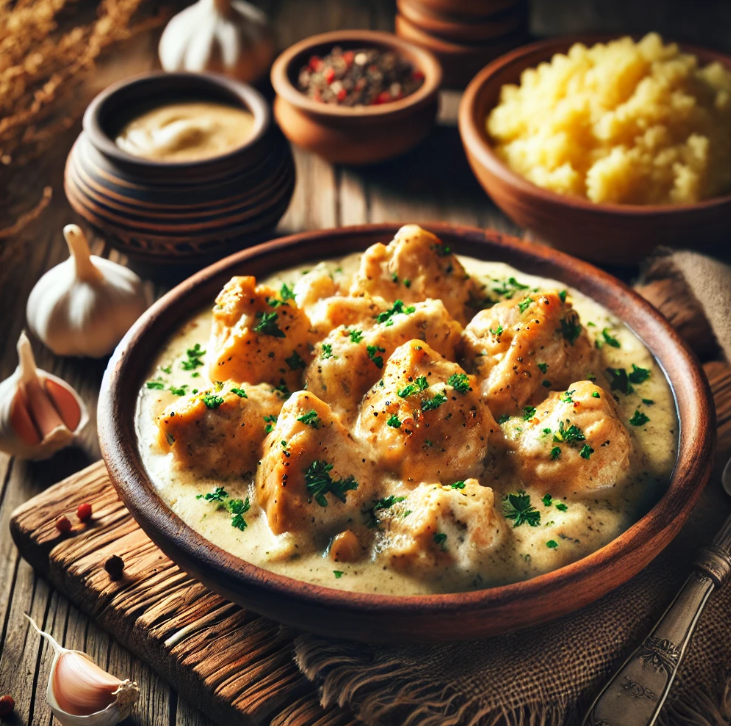
Chicken with sour cream is a classic Romanian dish, simple yet exceptionally flavorful. The browned pieces of chicken are cooked in a creamy sour cream sauce with garlic, flavored with onion and a touch of fresh parsley. Served hot alongside polenta or fresh bread, this dish offers a perfect combination of textures and traditional flavors, making it ideal for family meals.

Ingredients

  • 1 whole chicken (or 4–5 chicken thighs, preferably with bone and skin)
  • 2–3 tablespoons oil or lard
  • 1 large onion
  • 3–4 garlic cloves
  • 300 ml cooking sour cream (preferably with at least 20% fat)
  • 1–2 tablespoons flour (for thickening the sauce)
  • 200 ml chicken broth or water
  • Salt and pepper, to taste
  • 1 bunch fresh parsley, chopped

Instructions

Step 1: Preparing the Meat

Cut the chicken into pieces or use whole thighs. Heat the oil or lard in a large pan and brown the pieces of chicken on all sides until golden. Remove the meat onto a plate and set aside.

Step 2: Preparing the Sauce

In the same pan, add the finely chopped onion and sauté until golden and soft. Add the chopped garlic and let it cook for a few seconds, just enough to release its aroma.

Sprinkle the flour over the onion and garlic, stirring continuously to avoid lumps. Let the flour brown slightly to give consistency to the sauce.

Step 3: Adding the Sour Cream and Chicken

Pour the chicken broth or water over the flour and onion mixture, stirring to combine the sauce. Add the sour cream and mix well.

Place the chicken pieces back into the pan, into the sour cream sauce, and let them simmer over low heat, covered, for about 30–40 minutes or until the meat is tender and fully cooked.

Step 4: Seasoning and Finishing

Taste and add salt and pepper as desired. Allow the sauce to reduce further, if necessary, until it reaches the desired consistency.

Finally, sprinkle fresh chopped parsley on top for extra flavor and color.


Serving Suggestions

Chicken with sour cream is served hot, alongside polenta or fresh bread, which perfectly complement the creamy sauce. It is a rich and comforting dish, perfect for family meals or cold days. The delicate taste of sour cream, combined with tender chicken meat, makes this preparation a true delicacy of traditional Romanian cuisine.

Enjoy!

What makes chicken with sour cream such a popular dish in Romanian cuisine?

Chicken with sour cream stands out for its simplicity in preparation and its rich taste. The creamy sour cream sauce combined with the delicate aroma of garlic and onion creates a comforting dish that evokes the memory of traditional family meals.

What is the secret to a creamy sauce without lumps?

The secret lies in constantly mixing the flour with the sautéed onion before adding the liquids. Also, gradually adding the chicken broth and stirring continuously prevents the formation of lumps, resulting in a smooth and fine sauce.

How can the recipe be adapted for a healthier version?

You can use sour cream with a lower fat percentage or Greek yogurt instead of traditional sour cream. Instead of frying the chicken, it can be boiled or baked before being added to the sauce.

Why is it important to use chicken with bone and skin?

Meat with bone and skin adds more flavor to the sauce and keeps the chicken pieces juicy during cooking. The aroma given by the bone and skin intensifies the taste of the dish.

How can the flavor of the dish be improved?

Adding spices such as thyme, smoked paprika, or nutmeg can bring extra complexity. Also, using concentrated chicken stock instead of water will intensify the flavors.

What are the best side dishes for chicken with sour cream?

Polenta is the classic and traditional choice, but chicken in sour cream sauce also pairs well with plain rice, pasta, or even steamed vegetables. Homemade bread is also perfect for savoring the creamy sauce.

Can this recipe be made without flour?

Yes, the sauce can be thickened by reducing the sour cream over low heat or by using mashed potatoes or vegetables to achieve a similar texture.

What type of sour cream is best for this recipe?

Cooking sour cream with at least 20% fat content is recommended to achieve the desired consistency and to avoid separation during boiling. Fermented sour cream adds a slightly tangy note.

How can the recipe be transformed into a dish with modern influences?

The chicken can be replaced with turkey breast, and the sauce can be enriched with mushrooms, Parmesan, or spinach. Fresh herbs such as basil or coriander can also be added for a contemporary twist.

How can chicken with sour cream be stored and reheated?

The dish can be stored in the refrigerator in an airtight container for 2–3 days. Reheat it over low heat or in the microwave, adding a little milk or broth to bring the sauce back to the desired consistency.

Meatball Soup – The Tangy Taste of Romanian Tradition

Meatball soup (Ciorbă de perișoare) is one of the most beloved Romanian dishes, a soul-warming recipe that brings back memories of traditional family meals. With tender meatballs made from pork, enriched with rice and flavored with fresh herbs, this soup stands out for its slightly tangy and balanced taste, thanks to the borscht or lemon juice added at the end. It is a rich and comforting dish, perfect for hearty lunches that bring together the simple yet full flavors of Romanian cuisine.

Every step of the recipe contributes to its unique charm – from the sautéed vegetables that create the aromatic base of the soup, to the small and tender meatballs that perfectly absorb the intense and tangy taste of the broth. Served hot, with fresh lovage and a sprinkle of parsley on top, Romanian meatball soup offers an explosion of flavors and a refreshing note that perfectly complements the rich texture of the dish.

Alongside hot chili peppers and homemade bread, ciorbă de perișoare becomes a complete experience, a true symbol of authentic Romanian cuisine. Whether enjoyed on a chilly winter’s day or at a festive meal, this soup remains a recipe that brings both comfort and joy to the table.

Ingredients

For the soup:

  • 1 carrot
  • 1 parsley root
  • 1/2 small celery root
  • 1 bell pepper
  • 1 large onion
  • 2–3 tablespoons oil
  • 2 liters water or meat broth (preferably beef or chicken)
  • 300 ml borscht (or the juice of 1–2 lemons)
  • Salt and pepper, to taste
  • 1 bunch fresh lovage (for garnish)
  • 1 bunch fresh parsley

For the meatballs:

  • 500 g ground pork or a pork-and-beef mix
  • 1 small onion, finely chopped
  • 50 g rice
  • 1 egg
  • Salt and pepper, to taste
  • 1 bunch dill or parsley, finely chopped

Instructions for Romanian Meatball Soup (Ciorbă de perișoare)

Step 1: Preparing the Vegetables

  • Peel and finely chop the carrot, parsley root, celery root, bell pepper, and onion.
  • In a large pot, heat the oil and add the chopped vegetables. Sauté them for a few minutes, until they become slightly golden and soft, to release a rich aroma.

Step 2: Cooking the Soup Base

  • Add the water or meat broth over the vegetables and let it simmer on medium heat until the vegetables are almost cooked (about 15–20 minutes).

Step 3: Preparing the Meatballs

  • In a bowl, mix the ground meat with the chopped onion, the washed and drained rice, the egg, salt, pepper, and finely chopped herbs.
  • Knead the mixture well and shape it into small balls, about the size of a walnut.

Step 4: Adding the Meatballs to the Soup

  • When the vegetables in the soup are almost cooked, carefully add the meatballs, one by one, to prevent them from sticking together.
  • Let the meatball soup simmer on low heat for about 20–30 minutes, until the meatballs are fully cooked and the rice inside them is soft.

Step 5: Adding the Borscht (Sour Element)

  • In a small saucepan, bring the borscht to a boil, then pour it into the pot of soup.
  • If you prefer a milder sour taste, add the borscht gradually and taste as you go until you reach the desired intensity.
  • Let the sour soup simmer for a few more minutes after adding the borscht. Taste and adjust with salt and pepper.

Step 6: Garnishing and Serving

  • Finally, sprinkle freshly chopped lovage and parsley over the soup for extra flavor and freshness.

Serving Suggestions

Ciorbă de perișoare is best served hot, alongside fresh bread and hot chili peppers. This dish is ideal for family lunches, where the tangy broth and the tender, flavorful meatballs turn it into a comforting and traditional Romanian recipe, full of authentic taste.

Enjoy your meal!

Questions & Answers about Chicken Paprikash with Potatoes

What makes chicken paprikash with potatoes so special in Transylvanian cuisine?

Chicken paprikash with potatoes is special because of the combination of authentic flavors: sweet paprika, creamy sour cream, and fresh parsley, all coming together to create a hearty and comforting dish. It is a symbol of Transylvanian hospitality, often served at family gatherings.

How do you achieve a creamy and consistent sauce for paprikash?

For a creamy sauce, the sour cream must be mixed with flour until smooth, then tempered with hot sauce from the pot before being added back. This process prevents lumps from forming and ensures a silky, consistent texture.

Why is paprika so important in paprikash?

Paprika adds color, flavor, and a slightly sweet note to the dish. In Transylvanian cooking, paprika is an essential ingredient that gives paprikash its authentic and traditional taste.

What type of chicken is recommended for this recipe?

Chicken with bone and skin is best, as it adds a rich flavor to the sauce. Alternatively, free-range chicken can be used, which requires a longer cooking time but delivers a more intense taste.

How can the spices be customized for a more intense flavor?

Paprikash can be customized by adding smoked paprika, crushed garlic, or even chili peppers for a spicy kick. Thyme or bay leaves can also be included to enhance the flavor profile with a subtle freshness.

How should the potatoes be prepared to absorb the flavors of the paprikash?

The potatoes should be cut into large cubes and added to the pot when the chicken is nearly tender. This allows them to absorb the flavors of the sauce and become soft without falling apart.

What is the role of sour cream in chicken paprikash with potatoes?

Sour cream gives the sauce a creamy texture and balances the flavors with a slightly tangy note. It is essential for creating an authentic and delicious paprikash.

What garnishes or side dishes go well with paprikash?

Chicken paprikash with potatoes is traditionally served with fresh bread or polenta. Pickles or a fresh cabbage salad are also excellent choices to complete the meal.

How can paprikash be transformed into a vegetarian dish?

The chicken can be replaced with mushrooms or tofu, and sour cream can be substituted with plant-based sour cream. The potatoes and sautéed vegetables will still preserve the authenticity of the flavor.

Why is chicken paprikash with potatoes considered a comforting dish?

Its rich flavor, creamy texture, and simple combination of ingredients make it an ideal dish to provide comfort and energy on chilly days. Paprikash evokes warm family meals and moments spent together around the table.

Chicken Paprikash with Potatoes – The Authentic Taste of Transylvanian Cuisine

This traditional dish, which combines the succulence of tender chicken with soft potatoes and the subtle aroma of onion and bell pepper, is ideal for a warm and comforting family meal.

Cooked slowly, over low heat, so that all the flavors blend perfectly, paprikash becomes an irresistible and unforgettable dish. The sour cream added at the end gives the sauce a special creaminess, turning each bite into a rich yet balanced experience. For an authentic taste, paprikash is served hot, sprinkled with fresh parsley, alongside a piece of homemade bread or polenta – perfect for gathering up the savory sauce from the plate.

Chicken paprikash with potatoes is not just a recipe, but a story about the abundant meals of Transylvania, about the joy of sharing simple yet flavorful dishes with loved ones.

Ingredients

  • 1 chicken (or 4–5 chicken thighs, preferably with bone and skin)
  • 2–3 tablespoons oil or lard
  • 2 large onions
  • 1 red bell pepper
  • 1 tablespoon sweet paprika (preferably smoked paprika for a more intense flavor)
  • 4–5 large potatoes
  • 200 ml sour cream (cooking cream or fermented sour cream)
  • 1–2 tablespoons flour (for thickening the sauce)
  • Salt and pepper, to taste
  • 1 bunch fresh parsley (for garnish)

Instructions

Step 1: Preparing the Chicken and Onions

Heat the oil or lard in a large pot and brown the chicken pieces on all sides until golden. Remove the chicken and set it aside on a plate.

In the same pot, add the finely chopped onion and sauté until soft and slightly golden. Add the diced bell pepper and let it soften together with the onion.

Step 2: Seasoning with Paprika

Once the onion and bell pepper have softened, add the sweet paprika and mix well, making sure not to burn it, as it can turn bitter. The paprika will give the dish its characteristic color and specific aroma.

Step 3: Adding the Chicken and Potatoes

Return the chicken pieces to the pot and pour in enough water to cover the chicken and create the base of the sauce. Let it simmer over low heat until the chicken is almost tender.

Add the cubed potatoes and allow them to cook together with the chicken until they soften and absorb the flavors of the sauce.

Step 4: Thickening the Sauce with Sour Cream

In a separate bowl, mix the sour cream with flour until smooth, without lumps. Take a few spoonfuls of hot sauce from the pot and add them into the sour cream mixture, stirring constantly to temper the composition.

Pour the sour cream and flour mixture into the pot, stirring gently until the sauce thickens and acquires a creamy texture. Let it come to a gentle boil, then adjust with salt and pepper to taste.

Step 5: Garnishing and Serving

Finally, sprinkle freshly chopped parsley on top for extra color and flavor.


Serving Suggestions

Chicken paprikash with potatoes is best served hot, alongside fresh bread or polenta, perfect for soaking up the rich and flavorful sauce. It is a hearty and comforting dish, ideal for cold days or family meals, bringing to the table the authentic taste of Transylvanian cuisine.

Enjoy your meal!

What makes chicken paprikash with potatoes so special in Transylvanian cuisine?

Chicken paprikash with potatoes is special because of its combination of authentic flavors: sweet paprika, creamy sour cream, and fresh parsley, all contributing to a hearty and comforting dish. It is a symbol of Transylvanian hospitality, often served at family gatherings.

How do you get a creamy and consistent sauce for paprikash?

For a creamy sauce, the sour cream must be mixed with flour until smooth, then tempered with hot sauce from the pot before being added in. This process prevents lumps and ensures a fine, velvety texture.

Why is paprika so important in paprikash?

Paprika adds color, flavor, and a slightly sweet note to the dish. In Transylvanian cooking, paprika is an essential ingredient for giving paprikash its authentic and traditional taste.

What type of chicken is recommended for this recipe?

Chicken with bone and skin is most suitable, as it adds a richer flavor to the sauce. Alternatively, free-range chicken can be used, though it requires a longer cooking time, offering a more intense taste.

How can the seasonings be personalized for a stronger flavor?

Paprikash can be personalized by adding smoked paprika, crushed garlic, or even hot peppers for a spicier taste. Thyme or bay leaves can also be included to add a subtle layer of freshness.

How should the potatoes be prepared to absorb the flavors of paprikash?

Potatoes should be cut into large cubes and added to the pot when the chicken is nearly tender. This allows them to absorb the flavors of the sauce while becoming soft without falling apart.

What is the role of sour cream in chicken paprikash with potatoes?

Sour cream gives the sauce a creamy texture and balances the flavors by adding a slightly tangy note. It is essential for achieving an authentic and delicious paprikash.

What side dishes or accompaniments go well with this dish?

Chicken paprikash with potatoes is traditionally served with fresh bread or polenta. Pickles or a fresh cabbage salad are also excellent choices to complete the meal.

How can paprikash be transformed into a vegetarian dish?

The chicken can be replaced with mushrooms or tofu, while the sour cream can be substituted with a plant-based version. The potatoes and sautéed vegetables will still preserve the authenticity of the flavor.

Why is chicken paprikash with potatoes considered a comforting dish?

The rich taste, creamy texture, and combination of simple ingredients make it an ideal dish for providing comfort and energy on chilly days. Paprikash evokes warm meals and moments shared with family.

Rustic Potatoes with Onions and Paprika – The Authentic Taste of Romanian Cuisine

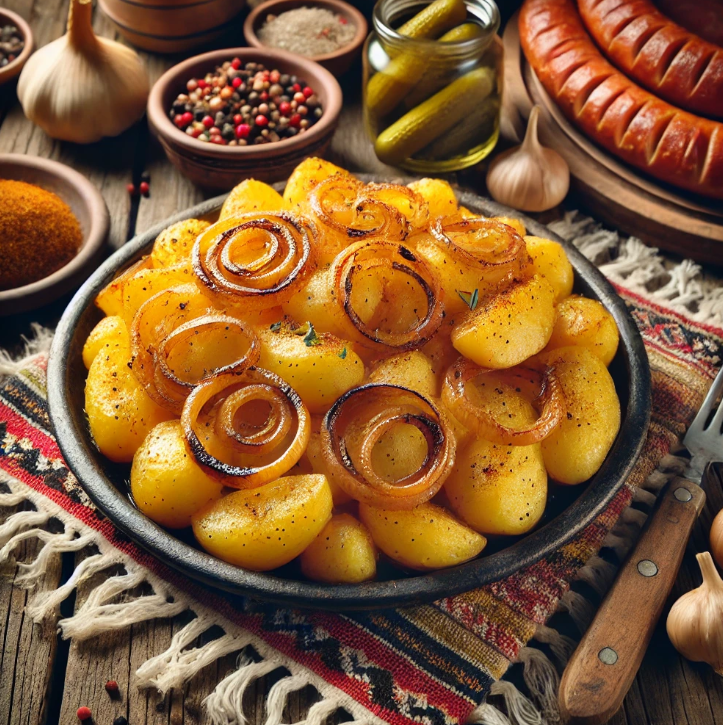
Rustic potatoes with onions and paprika are one of those traditional Romanian recipes that preserve the essence of simplicity and the authentic taste of the past. It is a rustic dish that brings to the table a combination of simple textures and flavors, yet incredibly delicious. In the old days, this recipe was prepared with basic ingredients, available in any household, transforming potatoes into the star of a meal full of flavor.

The potatoes, boiled and then browned together with onions caramelized in oil or lard, acquire a rich taste and a golden color thanks to the addition of paprika at the end. The sweet aroma of the onions and the slightly smoky flavor of the paprika give this dish a special note, making it suitable both as a main course and as a side dish. Sprinkled at the end with a little fresh parsley, these rustic potatoes gain a freshness that perfectly complements the warm, comforting flavors of the dish.

Served with pickles, hot peppers, fried sausages, or even sunny-side-up eggs, Romanian rustic potatoes with onions and paprika are an invitation to a simple yet nourishing meal, just like our grandparents used to cook. This recipe keeps alive the tradition of Romanian cuisine, bringing the flavors of the past into our homes.

Ingredients

  • 1 kg potatoes (preferably red potatoes, which are better suited for frying)
  • 2 large onions
  • 2–3 tablespoons oil or lard (for an authentic Romanian taste)
  • 1 tablespoon sweet paprika
  • Salt and pepper, to taste
  • 1 bunch fresh parsley (optional, for garnish)

Instructions

Step 1: Boiling the Potatoes

Peel the potatoes and cut them into large cubes. Place them in a pot with salted water and boil until soft, but still able to hold their shape without breaking apart (about 15–20 minutes, depending on the type of potatoes).

Drain the boiled potatoes well and let them cool slightly.


Step 2: Preparing the Onions

Peel the onions and slice them into thin rings or strips. In a large pan, heat the oil or lard, add the onions, and sauté over low heat until soft and golden, without burning them. It is important to stir constantly to obtain caramelized onions with a rich aroma.


Step 3: Adding the Potatoes

Add the boiled potatoes into the pan over the sautéed onions. Stir gently to avoid breaking the potatoes, allowing them to soak up the flavors of the onions and the oil or lard.

Sprinkle the paprika over the potatoes and stir again, making sure the spice coats them evenly. The paprika will give the dish both a beautiful color and its characteristic sweet, slightly smoky flavor.


Step 4: Seasoning

Adjust with salt and pepper to taste. Leave the potatoes on the heat for a few more minutes, so the flavors blend together and the potatoes develop a slightly crispy crust.


Step 5: Garnishing and Serving

Finally, sprinkle fresh parsley on top for added freshness and aroma. This step is optional but gives the dish a nice touch of color.


Serving Suggestions

Rustic potatoes with onions and paprika are usually served as a side dish or even as a main course, paired with assorted pickles, a hot pepper, or a simple salad. They are ideal next to fried sausages, smoked bacon, or even fried eggs, creating a traditional, hearty meal full of authentic flavors.

These Romanian rustic potatoes are more than just a simple dish – they are a reminder of the rustic meals of the past, of simple but flavorful food prepared with care and tradition.

Products not fetched from DB and/or API. Please check debug logs.

Rustic Potatoes with Onions and Paprika – Traditional Romanian FAQ

What do rustic potatoes represent in Romanian gastronomy?

Rustic potatoes are a symbolic dish of Romanian cuisine, reflecting the simplicity and ingenuity of housewives who transformed basic ingredients such as potatoes, onions, and paprika into a savory meal. They are an essential element of rustic dining and are strongly associated with the culinary traditions of Romanian villages.


What is the secret to obtaining flavorful and aromatic rustic potatoes?

The secret lies in using red potatoes, which keep their firm texture after boiling, and in the slow caramelization of onions to achieve a natural sweetness. Adding the paprika at the right time ensures an even distribution of both color and flavor.


Why is lard recommended in this recipe?

Lard, a hallmark of traditional Romanian cooking, adds a deep flavor and an authentic aroma to rustic potatoes with onions and paprika. It also helps create a crispy exterior while keeping the inside of the potatoes soft and tender.


How can this recipe be adapted for a healthier version?

For a healthier alternative, lard can be replaced with olive oil, and the amount of fat used can be reduced. The potatoes can also be baked in the oven along with the sautéed onions to cut down on excess grease.


What type of potatoes are best for this recipe?

Red potatoes are most recommended, as they have a firmer consistency and don’t crumble easily during cooking. They absorb the flavors of the onions and paprika without becoming mushy.


How do you achieve perfectly caramelized onions for rustic potatoes?

The onions should be sautéed over low heat in a moderate amount of oil or lard, stirring constantly to prevent burning. The caramelization process can take 10–15 minutes, and adding a pinch of salt helps release the onions’ natural juices.


How can rustic potatoes be customized to suit different culinary preferences?

The recipe can be enhanced with crispy bacon, chopped garlic, or aromatic herbs such as thyme or rosemary. For a more intense taste, smoked paprika can be used instead of sweet paprika.


How are rustic potatoes served in a traditional Romanian meal?

Rustic potatoes with onions and paprika are typically served alongside assorted pickles, a hot chili pepper, or a fresh salad. For a complete meal, they can be paired with fried sausages, smoked bacon, or fried eggs.


What role does paprika play in this recipe?

Paprika adds both a vibrant color and a distinctive flavor, sweet or slightly smoky depending on the type used. It is an essential spice that gives authenticity and depth to the taste of rustic potatoes.


Why are rustic potatoes with onions and paprika so appreciated?

This dish is loved for its simple yet rich taste, being easy to prepare and accessible to everyone. Romanian rustic potatoes evoke childhood memories and family meals, making it a comforting food that brings traditional flavors to the table.


Would you like me to also prepare a search-optimized introduction paragraph for your rustic potatoes article, to tie all these FAQ details into one cohesive, blog-ready piece?

Cabbage Pies – The Ancestral Taste of Romanian Cuisine

Cabbage pies are a true testimony to Romanian culinary tradition, a simple yet flavorful dish that takes us back in time to the meals of people living in the countryside. In times long past, when ingredients were carefully chosen from the household pantry, the tender dough and sautéed cabbage were skillfully transformed into delicious pies, served warm at the center of the family table.

This authentic recipe, passed down from generation to generation, was usually prepared on festive days or during moments when the family gathered around the table after a long day of work. The sautéed cabbage, seasoned simply with salt, pepper, and sometimes a touch of paprika, brought a slightly sweet and rustic aroma, perfect to complement the soft and golden dough. The pies were fried on a hot plate or baked in a clay oven, creating a lightly crispy crust on the outside and a juicy filling inside.

These traditional cabbage pies are served best alongside a glass of buttermilk or homemade yogurt, just as our ancestors used to enjoy, offering a refreshing contrast and a note of freshness. Alongside them, a piece of salty cheese could also be placed, enhancing the simple and hearty taste of the pies, transforming this dish into an authentic Romanian meal, savored by everyone at the table.

Cabbage pies are not just food, but a symbol of tradition, a connection with the flavors of the past, filled with warmth, simplicity, and joy.

Ingredient

For the dough:

  • 500 g flour
  • 250 ml warm water
  • 1 teaspoon salt
  • 1 teaspoon sugar
  • 7 g dry yeast (or 25 g fresh yeast)
  • 50 ml oil

For the cabbage filling:

  • 1 small cabbage (approximately 700 g)
  • 2–3 tablespoons oil
  • Salt and pepper, to taste
  • 1 teaspoon sweet paprika (optional)
  • 1 bunch fresh dill (optional)

Instructions

Step 1: Preparing the Dough

In a small bowl, dissolve the yeast in a little warm water and add the sugar. Let the mixture sit for 5–10 minutes until it becomes foamy.

In a large bowl, place the flour and salt, then add the activated yeast, the remaining warm water, and the oil. Knead the dough until it becomes elastic and no longer sticks to your hands.

Cover the dough with a clean towel and let it rise in a warm place for 1 hour or until it doubles in volume.

Step 2: Preparing the Cabbage Filling

Finely chop the cabbage and sprinkle a little salt over it. Let it sit for a few minutes, then squeeze out the excess water.

Heat the oil in a pan and add the cabbage. Sauté the cabbage over low heat, stirring frequently, until it becomes soft and reduces well.

Add the pepper and, if desired, paprika and chopped dill. Mix well and let the filling cool.

Step 3: Forming the Pies

Divide the dough into small balls (about the size of a golf ball) and roll them into thin sheets, approximately 0.5 cm thick.

Place a spoonful of cabbage filling in the center of each sheet, fold the edges over the filling, and seal well, forming a round or rectangular pie.

Gently flatten each pie with your palm.

Step 4: Cooking the Pies

Heat a large non-stick pan and grease it with a little oil.

Fry the cabbage pies over medium heat, about 3–4 minutes on each side, until they turn golden and crispy. Alternatively, you can bake the pies in the oven at 180°C, on a tray lightly greased with oil, for 20–25 minutes until golden brown.

Serving Suggestions

Cabbage pies are best served warm, alongside yogurt or a fresh salad. They are perfect as a snack but also as a main dish, thanks to their hearty and flavorful filling. These traditional pies are ideal for bringing the authentic taste of Romanian cuisine to the table. Enjoy!

What do cabbage pies represent in Romanian culinary tradition?

Cabbage pies are a symbol of simplicity and authenticity in Romanian cuisine, traditionally prepared in Romanian villages, especially during fasting periods or holidays. They reflect the ingenuity of housewives who transformed basic ingredients such as flour and cabbage into delicious and hearty dishes, lovingly served to the whole family.

Why is sautéed cabbage an ideal filling for pies?

Sautéed cabbage is easy to prepare, has a juicy texture and a subtly sweet taste that pairs perfectly with the tender dough of the pies. Seasoned with salt, pepper, and sometimes paprika or dill, cabbage becomes a flavorful and well-balanced filling, ideal for completing the pies.

How do you obtain a soft and elastic dough for pies?

The dough for pies is made by combining flour with activated yeast, warm water, salt, and oil. Vigorous kneading until the dough becomes elastic, followed by allowing it to rise in a warm place, is essential to achieve an airy and soft texture, ideal for rolling out and filling.

What is the secret to a flavorful cabbage filling?

The secret lies in slowly sautéing the cabbage over low heat until it becomes soft and juicy, and adding the right amount of seasonings. Sweet paprika brings a hint of color and flavor, while freshly chopped dill adds extra freshness and aroma.

What cooking methods can be used for cabbage pies?

The pies can either be fried in a pan greased with a little oil, to obtain a crispy crust, or baked in the oven for a healthier version. Baking ensures an evenly golden texture while keeping the filling juicy.

How can cabbage pies be customized?

Traditional cabbage pies can be customized by adding extra ingredients such as chopped mushrooms, grated cheese, or diced ham. For a stronger aroma, you can also include a little sautéed garlic or ground caraway in the filling.

What are the advantages of preparing cabbage pies at home?

Making pies at home gives you control over the ingredients and flavors, ensuring they are fresh and of high quality. In addition, the cooking process itself is a pleasant and satisfying activity, and the final result is an authentic and healthy dish tailored to your preferences.

How are cabbage pies served for a traditional meal?

The pies are served warm, accompanied by a glass of buttermilk, yogurt, or sour cream to complete their rich taste. They may also be enjoyed with a fresh salad or assorted pickles, which add a refreshing contrast and balance the savor of the pies.

How versatile are cabbage pies in daily meals?

Cabbage pies are extremely versatile, suitable to be eaten as a snack, breakfast, lunch, or dinner. They are perfect both for quick meals and for special occasions, being a hearty yet easy-to-digest dish.

Why are cabbage pies such a beloved dish in Romania?

Cabbage pies are loved because of their simplicity, authentic taste, and the connection they create with tradition and childhood. They bring to the plate the comfort and warmth of a homemade meal, symbolizing hospitality and the joy of sharing food with loved ones.

Chicken Soup a la Greek – Creamy Delicacy with a Lemon Aroma

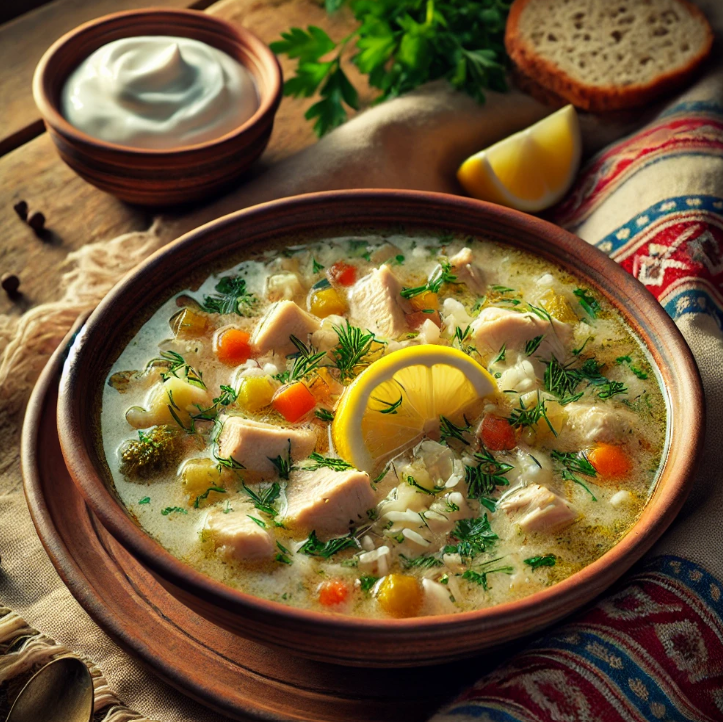
Chicken soup a la Greek is a reinterpretation of the classic chicken soup, enriched with sour cream, egg yolks, and a splash of lemon juice, which give it a distinctive flavor and a fresh taste. It is a dish inspired by Greek cuisine, but adapted to Romanian tastes, becoming one of the most beloved soups in gastronomy.

The fine and creamy texture of the soup blends perfectly with the refreshing aroma of lemon, offering a balanced and comforting experience. Pieces of tender chicken meat and lightly boiled vegetables add consistency to the dish, while the rice completes this feast in a subtle and delicate way. In the end, the soup is flavored with dill and fresh parsley, which bring freshness and color.

Chicken soup a la Greek is ideal for family meals or festive lunches, being easy to appreciate for its mild yet sophisticated taste. Whether you serve it plain or alongside hot peppers, this soup is a recipe that combines tradition with refinement, a dish that brings to the table the joy and warmth of homemade cooking.

Ingredients

  • 1 whole chicken or 4–5 pieces (thighs, breast)
  • 2 carrots
  • 1 large onion
  • 1 parsley root
  • 1/2 small celery root
  • 1 bell pepper
  • 100 g rice
  • 2 egg yolks
  • 200 ml sour cream (preferably with 20% fat)
  • Juice of 1–2 lemons (to taste)
  • 1 bunch fresh dill
  • 1 bunch fresh parsley
  • Salt and pepper, to taste

Step 1: Boiling the Meat

Wash and portion the chicken, then place it in a large pot with cold water and a little salt. Bring to a boil and remove the foam that forms on the surface to obtain a clear chicken soup.

Step 2: Adding the Vegetables

Once the meat is half-cooked, add the carrots, onion, parsley root, celery, and bell pepper, all cut into small cubes. Continue simmering over low heat until the meat and vegetables are well cooked.

Step 3: Preparing the Rice

In a separate saucepan, boil the rice in water with a little salt until soft, then drain it and set it aside.

Step 4: Finishing the Soup

Remove the pieces of meat and vegetables from the soup. Cut the meat into smaller pieces, and if desired, you may leave some vegetables in the soup for added consistency.

Add the cooked rice back into the pot with the broth.

Step 5: Thickening with Sour Cream and Egg

In a bowl, mix the sour cream with the egg yolks and lemon juice. Take a ladle of hot soup and gradually add it to the sour cream mixture, stirring continuously to temper the cream and prevent curdling.

Pour the sour cream and egg mixture into the pot of soup, stirring gently.

Step 6: Seasoning and Serving

Taste the chicken soup a la Greek and add salt, pepper, and lemon juice as preferred.

Finally, sprinkle chopped dill and parsley on top.

Serving Suggestions

Chicken soup a la Greek is best served hot, alongside spicy peppers and fresh bread. The creaminess of the sour cream and the refreshing lemon aroma make this soup an irresistible dish, perfect for family lunches or festive meals. Enjoy!

Why is chicken soup a la Greek so loved in Romanian cuisine?

Chicken soup a la Greek is appreciated for its perfect balance between the creamy texture of sour cream, the freshness of lemon, and the consistency provided by rice and chicken meat. Inspired by Greek cuisine, this soup has been adapted to Romanian tastes, becoming a comforting and sophisticated dish, ideal for family meals.

How is the creamy texture specific to this soup obtained?

The creamy texture is achieved by adding a mixture of sour cream, egg yolks, and lemon juice, tempered with a few ladles of hot soup. This method prevents the cream from curdling and ensures a smooth consistency, harmoniously integrating the ingredients into the soup.

What is the role of lemon in the recipe?

Lemon brings a fresh and slightly tangy note that contrasts pleasantly with the creaminess of the sour cream. Its refreshing taste balances the flavors and transforms this soup into a light dish, suitable for any season.

What type of chicken is recommended for this soup?

The best results are obtained using free-range chicken or bone-in pieces (thighs, breast, or wings), which provide a richer taste and a more flavorful broth. The bones and natural fat contribute to creating a strong aromatic base for the soup.

How can curdling of the cream be prevented in the soup?

To avoid curdling, the sour cream and egg mixture must be tempered. This involves gradually adding a ladle of hot soup into the cream mixture while stirring continuously, before pouring it back into the pot. This process balances the temperatures and ensures an even integration.

Is rice mandatory in this recipe?

Rice is a traditional ingredient in chicken soup a la Greek, adding consistency and a subtle texture. However, if you prefer a lighter version, rice can be omitted or replaced with quinoa or small pasta, such as stars or thin noodles.

How can this soup be customized for a different taste?

To personalize the recipe, you can add mushrooms or finely grated carrot pieces for extra flavor. You may also use lime instead of lemon for an exotic touch or sprinkle parmesan on top before serving, for a modern twist.

What vegetables are essential in chicken soup a la Greek?

Carrots, onion, celery, and parsley root are the basic vegetables in this soup, providing subtle sweetness and balanced aroma. Bell pepper, though optional, adds an extra layer of flavor and color.

How is chicken soup a la Greek traditionally served?

The soup is served hot, sprinkled with fresh dill and parsley, alongside hot peppers and homemade bread. For an elegant presentation, you can add a few thin lemon slices or grated peel for extra color and fragrance.

Why is chicken soup a la Greek suitable for festive meals?

Thanks to its elegant appearance, creamy texture, and refined taste, chicken soup a la Greek is perfect for special occasions. It is a dish that all guests can easily appreciate, offering a balance between tradition and culinary refinement.

Chicken Ostropel – The Authentic Flavors of Romanian Cuisine

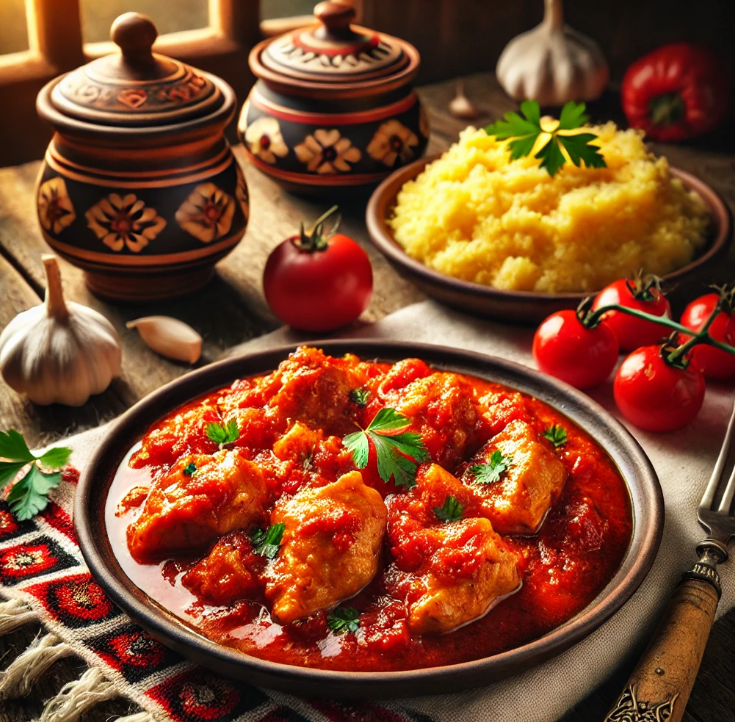
Chicken ostropel is one of those traditional Romanian dishes that warms the soul and delights the taste buds. With an irresistible combination of tomato sauce, garlic, and tender pieces of chicken, this recipe brings to the table the simple yet rich flavors of home cooking. Prepared slowly and patiently, the ostropel releases unmistakable tastes and aromas that take you back to childhood, to the meals in your grandparents’ household.

The secret of a successful chicken ostropel lies in the simplicity of the ingredients and the method of preparation. The browned chicken is left to soak in the rich tomato and garlic sauce, while thyme and bay leaf bring depth and authenticity. Finally, fresh parsley completes the dish, adding a touch of freshness.

Traditionally served alongside steaming mămăligă (Romanian polenta), chicken ostropel is a dish that perfectly combines textures and flavors, turning every bite into an unforgettable experience. This authentic recipe is more than just a meal – it is a link to our roots, an invitation to savor the flavors of the past, and to celebrate the joy of family dining.

Ingredients

  • 1 chicken (or 4–6 chicken thighs, with skin and bone)
  • 2–3 tablespoons oil (or lard for an authentic flavor)
  • 1 large onion
  • 4–5 garlic cloves
  • 400 ml tomato purée or 2–3 fresh chopped tomatoes
  • 200 ml water or chicken broth
  • 1 bay leaf
  • 1 teaspoon dried thyme
  • Salt and pepper, to taste
  • 1 bunch of fresh parsley (for garnish)

Instructions

Step 1: Preparing the Meat

If you are using a whole chicken, cut it into pieces (legs, wings, breast, etc.). You can also choose to use only chicken thighs, depending on preference.

In a deep pan, heat the oil or lard and brown the chicken pieces until they form a golden crust. Remove the meat onto a plate and set aside.

Step 2: Preparing the Sauce

In the same pan, add the finely chopped onion and sauté until it becomes golden and soft.

Add the crushed or thinly sliced garlic and sauté it gently, without burning it, to release its aroma.

Add the tomato purée or fresh tomatoes into the pan, together with the bay leaf and dried thyme. Pour in water or chicken broth to thin out the sauce. Stir and let it simmer on low heat for 10 minutes.

Step 3: Cooking the Ostropel

Return the chicken pieces to the pan, into the rich tomato and garlic sauce. Cover the pan and let everything simmer over low heat for 30–40 minutes, until the meat is tender and fully cooked, and the sauce has thickened.

Taste and adjust with salt and pepper, if needed.

Step 4: Serving

Sprinkle chopped parsley on top and serve the hot chicken ostropel with warm mămăligă (Romanian polenta) or rice. The strong garlic flavor and rich tomato sauce make this dish a comforting and delicious choice.

Serving Suggestions

Chicken ostropel is perfect when paired with mămăligă, which absorbs the aromatic sauce beautifully. This traditional Romanian recipe is ideal for family meals, bringing to the plate an authentic Romanian taste, simple yet full of flavor. Enjoy!

What Makes Chicken Ostropel an Authentic Romanian Dish?

Chicken ostropel reflects the simplicity and traditions of Romanian cuisine, using basic ingredients such as chicken, garlic, and tomatoes. The dish is cooked slowly, which allows the flavors to blend harmoniously. Its rich taste and the balance between the slightly sour tomato sauce and the strong garlic aroma make it a true symbol of the traditional Romanian meal.

What Is the Role of Garlic in Chicken Ostropel?

Garlic is essential in this recipe, bringing a distinct note of aroma and an intense flavor, specific to ostropel. When added at the right moment, garlic enriches the tomato sauce and perfectly complements the tenderness of the chicken meat.

How Can You Get the Perfect Tomato Sauce for Ostropel?

The ideal tomato sauce comes from well-ripened fresh tomatoes, pureed, or from high-quality canned tomatoes. For a more intense taste, add dried thyme and a bay leaf, allowing the sauce to simmer slowly so it can develop rich flavors.

Why Is Chicken with Skin and Bone Recommended in the Recipe?

Chicken with skin and bone adds more flavor to the dish, while the meat stays tender during cooking. The fat from the skin contributes to a richer sauce, and the bone enhances the overall aroma of the preparation.

How Can the Recipe Be Adapted for a Lighter Version?

For a lighter variation, you can use skinless and boneless chicken breast and replace lard with olive oil. The tomato sauce can also be thinned with vegetable broth instead of chicken broth, for a more delicate flavor.

What Is the Secret to Achieving Tender and Well-Cooked Meat?

Cooking on low heat, in the tomato and garlic sauce, is essential for the chicken to become tender and to absorb the flavors. It is important to cover the pot to keep the steam inside and to prevent the meat from drying out.

What Role Do Spices Like Thyme and Bay Leaf Play?

Thyme adds a subtle earthy note and depth of flavor, while the bay leaf brings a delicate fragrance, balancing the strong aromas of garlic and tomatoes. These spices are characteristic of traditional Romanian cooking and complete the recipe beautifully.

How Is Chicken Ostropel Best Served?

Chicken ostropel is traditionally served with steaming mămăligă (Romanian polenta), which absorbs the rich sauce. It can also be accompanied by rice or fresh bread, while freshly chopped parsley on top adds a final touch of freshness.

What Other Variations of Ostropel Exist in Romanian Cuisine?

Besides the classic chicken version, ostropel can also be prepared with pork or turkey. In some regions, bell peppers or white wine are added for a more complex flavor.

How Can the Recipe Be Personalized for a Different Taste?

You can personalize chicken ostropel by adding a teaspoon of sugar to the sauce to balance the acidity of the tomatoes. Red wine can be included for a more sophisticated aroma, or olives for a Mediterranean touch. Spices such as sweet paprika can also bring extra color and flavor to the dish.