Pork Stew in Onion, Pepper, Carrot, and Garlic Sauce

Ingredients:

  • 800 g pork meat (shoulder or neck)
  • 2 large onions, chopped
  • 2 red bell peppers, cut into strips
  • 2 carrots, sliced into rounds
  • 4 garlic cloves, chopped
  • 3 tablespoons olive oil
  • 2 tablespoons tomato paste
  • 200 ml dry white wine (optional)
  • 1 cup meat stock (or water)
  • 1 teaspoon dried thyme
  • 1 bay leaf
  • Salt and pepper, to taste
  • 1 teaspoon sugar (to balance tomato acidity)
  • Fresh parsley for garnish (optional)

Instructions:

  1. Prepare the meat:
    Cut the pork into 3–4 cm cubes. Season with salt, pepper, and thyme.
  2. Brown the meat:
    In a large pan or deep pot, heat the olive oil. Add the pork and brown on all sides until golden. Remove meat and set aside.
  3. Cook the vegetables:
    In the same pot, add the onions and sauté until translucent, about 5–7 minutes.
    Add the bell peppers and carrots and cook for another 5 minutes, stirring occasionally.
    Add the garlic and cook 1–2 minutes until aromatic.
  4. Add tomato paste and liquids:
    Stir in the tomato paste, combining well with the vegetables.
    If using wine, pour it in now and simmer for 2–3 minutes to evaporate the alcohol.
    Add the meat stock (or water), bay leaf, and sugar. Bring to a boil.
  5. Simmer the stew:
    Return the pork to the pot and stir well. Cover and simmer on low heat for 1–1.5 hours, until the meat is tender and the sauce has thickened.
    Check occasionally and add more liquid if needed.
  6. Finish and serve:
    Taste and adjust seasoning with salt and pepper. Serve the pork stew with your favourite side: mashed potatoes, polenta, or rice. Garnish with fresh parsley if desired.

This hearty pork stew in a rich vegetable sauce is perfect for a family meal. Enjoy!

Bestseller #1
  • 10-Piece Cookware Set: The pots and pans set includes 2 * frying pan (24cm, 28cm), 2 * saucepan with lid (16cm/1.5L,18cm…
  • Eco-friendly Granite Material: Nonstick granite material, with 100% free of PFOS, PFOA, lead and cadmium. The 5-ply thic…
  • Great Nonstick Performance: Excellent non stick performance keeps food sliding smoothly along the surface for easy clean…
  • Heat Up Quickly and Evenly: The induction pans set adopts large magnetized base and provides a larger heating area, whic…
  • Service & Guarantee: CAROTE has over 25 years experiences in non-stick cookware, in case you receive defect or damaged c…
Bestseller #2
  • 8-PIECE SET: Our marble cookware set includes 24cm casserole pot with lid, 16cm and 18cm saucepan with lid, 20cm and 24c…
  • QUALITY MATERIAL: The Nuovva induction pot and pan set features a premium quality marble coating, a safer and stronger a…
  • NON-STICK: The marble 8pcs kitchen set features a non stick quality allowing much easier maintenance, less force and che…
  • HEALTHY: Our kitchen cookware set is a safer alternative to traditional non stick coatings made from toxic chemicals and…
  • KITCHEN ESSENTIAL: Prepare an assortment of dishes with our marble cookware pots and pans set with lids; stir fry, stew,…
Bestseller #3
  • 🔥Induction Kitchen Cookware Set 12 Piece – Include 20cm fry pan/ 28cm fry pan / 24cm Deep Fry Pan with lid / 1.5Q saucep…
  • 🔥Eco-friendly Granite Coating – Nonstick black granite material with 100% free of PFOS, PFOA, lead and cadmium, which en…
  • 🔥Heat Up Quickly and Evenly – The induction saucepans set adopts large stainless steel magnetized base and provides a la…
  • 🔥Granite Cookware Set with Bakelite Handle – Bakelite is used because it has heat-resistant properties and is an electri…
  • 🔥Great Quality & Service – Quality first, Service Utmost. All cookware sets purchased have a 365 Days warranty as standa…
Bestseller #4
  • ✔️ STAINLESS STEEL – Stainless steel 12 Piece Cookware set. Made from high quality stainless steel. This set is ideal fo…
  • ✔️ INCLUDES – 1 x Sauce pan size: 16cm,1 Sauce pan size: 16cm , Casserole dish sizes: 1x16cm, 1x18cm, 1x20cm , 1x24cm, 6…
  • ✔️ HIGH QUALITY – Tempered glass, rolled safety edges and 1.5mm capsulated aluminium bottom are among just a few of the …
  • ✔️ ABOUT THIS ITEM – This 12-piece cookware set is perfect for any kitchen. Made of stainless steel with a mirror polish…
  • ✔️ FEATURES – It is suitable for gas, electric and solid hotplates and requires no additional parts or assembly. The mul…
Bestseller #5
  • 3 PIECE SET: includes a 16 cm, 18 cm and 20 cm saucepan to cater to a range of cooking tasks
  • THERMOCORE TECHNOLOGY: eliminate hot spots and create even heat distribution across your pans for faster, more efficient…
  • POLISHED STAINLESS STEEL: features high quality construction to ensure your pans have long-lasting durability
  • STAY COOL HANDLES: the phenolic design keeps the pan’s handles cool to touch so you can safely cook and serve your food
  • 10 YEAR GUARANTEE: receive your standard 1 year guarantee, then an additional 9 years when you register the product onli…
Bestseller #6
  • 5 PIECE SET – includes 16/18/20 cm saucepans and 14 cm milk pan/24 cm fry pan to cater to a wide range of cooking tasks
  • THERMOCORE TECHNOLOGY – eliminate hot spots and create even heat distribution across your pans for faster, more efficien…
  • POLISHED STAINLESS STEEL – features high quality construction to ensure your pans have long-lasting durability
  • STAY COOL HANDLES – the phenolic design keeps the pan’s handles cool to touch so you can safely cook and serve your food
  • 10 YEAR GUARANTEE – receive your standard 1 year guarantee, then an additional 9 years when you register the product onl…
Bestseller #7
  • 5 PIECE PAN SET: The essential pan set for all of your kitchen needs – heat up your food using the 18cm, 20cm and 22cm s…
  • SUPERIOR NON-STICK COATING: The multi-layer Cerastone coating is 5x stronger than other non-stick coatings, and is PFAS,…
  • QUALITY CONSTRUCTION: Each pan is crafted with a high quality, long-lasting forged aluminium body that enables quick and…
  • STAY COOL HANDLE: Each pan features a soft touch, non-slip handle for comfortable control over your cooking
  • SUITABLE FOR ALL HOB TYPES: A bonded steel base provides even heat distribution to ensure your food is cooked thoroughly…
  • DISHWASHER SAFE: The non-stick ceramic coating prevents food from sticking to the surface, and this pan set is dishwashe…
  • 5 YEAR GUARANTEE: Trusted Tower quality with a standard 1 year guarantee and 4 year extension, subject to product regist…
  • A BRAND YOU CAN TRUST: Tower is an iconic British brand boasting over 100 years of quality in manufacturing and design e…
Bestseller #8
  • ULTIMATE SAUCEPAN SET: Our Marble induction safe saucepan set includes 20cm, 18cm and 16cm saucepans with a handy pour s…
  • FINEST QUALITY: The non-stick induction ready saucepan set by Nuovva is constructed from premium quality materials desig…
  • NON-STICK PERFORMANCE: Our 3 pcs kitchen saute pan set allows you to experience superior cooking with the non-stick coat…
  • ERGONOMIC DESIGN: The induction frying pan cooking set by Nuovva features a useful spout to pour sauces and liquids effi…
  • AESTHETIC FINISH: Our high quality 3 pcs non-stick saucepan set showcases a beautiful sleek Marble finish, enhancing the…
Bestseller #9
  • ✔️ SET INCLUDES – 0.95l Saucepan With Lid, 1.25l Saucepan Wih Lid, 1.4l Saucepan, 2.5l Casserole With Lid
  • ✔️ QUALITY CONSTRUCTION – Each pan is crafted with a high quality, long-lasting forged aluminium body that enables quick…
  • ✔️ SUITABLE FOR ALL HOB TYPES – A bonded steel base provides even heat distribution to ensure your food is cooked thorou…
  • ✔️ DISHWASHER SAFE – The non-stick ceramic coating prevents food from sticking to the surface, and this pan set is dishw…
  • ✔️ LONG-LASTING COATING – Each pan upgrades premium 3-layer nonstick coating; 3 times more durable than traditional cook…
Bestseller #10
  • 【Enjoy Healthy & Easy Cooking】Feature top quality harder granite coating with 10x Ultra non-stick performance, Non-toxic…
  • 【Super Non-stick & Effortless Cleaning】Our non stick pots and pan set has a ultra smooth and highly non-stick surface th…
  • 【Versatile Cookware Set】GiPP 10pcs cookware set non stick meets all of your everyday cooking needs and cooking ideas. Yo…
  • 【Perfect for All Stoves】Cast aluminum construction pots and pans set heat up quickly and evenly. Highly magnetically con…
  • 【Reliable Service & Guarantee】The aesthetic looking and durable construction make GiPP granite cookware set stand out, G…
£109.99
Is prime
  1. What is the secret to tender pork in a stew?
    Choosing a cut like shoulder or neck—with enough fat—keeps meat juicy. Browning seals in juices and intensifies flavour. Slow-simmer covered for at least 1–1.5 hours on low ensures succulent fibres.
  2. Why add white wine to the recipe?
    Dry white wine contributes a subtle acidity and aroma that balances the natural sweetness of vegetables and meat. It also helps tenderise the meat; the alcohol evaporates, leaving only the flavour. Substitute with unsweetened apple juice or stock if avoiding alcohol.
  3. How to intensify stew flavour?
    • Use meat stock instead of water for richer taste.
    • Add fresh herbs like rosemary or thyme at the end.
    • Cook the tomato paste a few minutes before adding liquids to reduce raw acidity and enhance sweetness.
  4. How to prevent the stew from becoming too thin or too thick?
    If too thin, simmer uncovered for the last 15–20 minutes to reduce liquid. If too thick, gradually stir in warm stock or water until desired consistency is reached.
  5. What sides best accompany this pork stew?
    • Mashed potatoes: Creaminess balances the rich sauce.
    • Polenta: A traditional pairing that complements texture.
    • White rice: Absorbs the stew’s flavours simply.
      Fresh bread is also perfect for mopping up every drop of the sauce.
  6. Why add brown sugar to the stew?
    Brown sugar balances the tomatoes’ acidity and adds a subtle caramel note, enriching the overall flavour. Substitute with honey for a natural alternative.
  7. How to adapt this recipe for a gluten-free diet?
    The stew is almost gluten-free, but check processed ingredients—like tomato paste or stock—for hidden gluten. Use certified gluten-free versions.
  8. Are red bell peppers essential?
    Red peppers add sweetness and extra flavour, but you can omit or replace them with other vegetables like celery or zucchini. The stew remains delicious without them.
  9. What is the role of the bay leaf in the stew?
    The bay leaf imparts a subtle woody aroma that complements the meat and vegetables. Remove it before serving to avoid bitterness.
  10. How can this stew be made healthier?
  • Use lean cuts (e.g., pork loin or chicken breast).
  • Reduce oil to one tablespoon.
  • Replace brown sugar with a natural sweetener or omit.
  • Add extra vegetables like zucchini or mushrooms to boost nutrition and lower calorie density.

Pad Thai (Thai rice noodles)

Ingredients:

  • 200 g rice noodles
  • 200 g shrimp or chicken (optional)
  • 2 eggs
  • 2 garlic cloves, chopped
  • 1 carrot, julienned
  • 1 spring onion, chopped
  • 1/2 cup bean sprouts
  • 3 tablespoons fish sauce
  • 2 tablespoons soy sauce
  • 1 tablespoon brown sugar
  • 1 teaspoon rice vinegar
  • 1/4 teaspoon chili powder (optional)
  • 1 tablespoon sesame oil
  • 1 lime, for squeezing
  • 2 tablespoons roasted peanuts, for garnish

Instructions:

  1. Cook the noodles according to package instructions, then set aside.
  2. In a large wok or frying pan, heat the sesame oil and sauté the garlic and chili (if using) for about 30 seconds until fragrant.
  3. Add the shrimp or chicken and stir-fry until fully cooked.
  4. Push the protein to one side, pour in the beaten eggs, and scramble until just set.
  5. Add the cooked noodles, carrot, fish sauce, soy sauce, brown sugar, and rice vinegar. Toss well and cook over low heat for another 2–3 minutes.
  6. Serve topped with bean sprouts, spring onion, roasted peanuts, and a generous squeeze of lime.
Bestseller #1
  • Whip up delicious meals for all the family using this durable and long-lasting 28 cm non-stick stir-fry pan from Russell…
  • Made from hardwearing pressed aluminium, the high-quality blue marble two-layer non-stick interior means you can cook wi…
  • Measuring a convenient 44 x 28 x 13 cm, this pan is wonderfully lightweight and fantastically easy to manoeuvre around t…
  • Featuring a heat resistant exterior and a comfortable Bakelite handle, this Russell Hobbs stir-fry pan is made with your…
  • With a sleek and charming dark blue marble design, this handy pan has an induction suitable base and is ideal for most h…
Bestseller #2
  • 28CM WOK – This Blackmoor Classic 28cm wok is the most versatile of kitchen appliances, as it allows you to fry, sauté, …
  • NON-STICK COATING – The wok features a non-stick coating that will ensure an efficient release of healthy and nutritious…
  • COOL-TOUCH HANDLE – The 28cm non-stick wok features an ergonomic soft grip and cool touch handle that ensures both your …
  • SUITABLE FOR ALL HOB TYPES – This classic wok is suitable to be used on all hob types such as gas, electric, induction, …
  • BLACKMOOR – Blackmoor is the market leading provider of the very best kitchen essentials to inspire the everyday home co…
Bestseller #3
  • 10-YEAR GUARANTEE: Ensuring long lasting performance and reliability, discover a premium quality set with robust design …
  • HEAT INDICATOR: THERMO-SIGNAL technology indicates the ideal starting cooking temperature to guarantee perfect texture, …
  • DURABLE NON-STICK COATING : Tefal’s high-quality Power Resist coating delivers outstanding non-stick performance
  • TESTED SAFE NON-STICK COATING : Safe non stick, no PFOA, no Lead, no Cadmium. (Stricter controls than those required by …
  • ERGONOMIC & STAY COOL HANDLES: Heat-resistant and anti-slip handles for a comfort and safe grip
  • SUITABLE FOR ALL HOBS INCLUDING INDUCTION
Bestseller #4
  • Perfect for making delicious stir-frys for the whole family, the Vivo by Villeroy & Boch Wok is a great addition to any …
  • Suitable for all stove types including induction, the durable wok measures a convenient 30 cm which will fit comfortably…
  • With a tempered glass lid, the wok features a brilliant non-stick coating so you can cook using little or no oil for hea…
  • Fry all your favourite dishes without worry with the specially designed stay-cool welded long helper handle ensuring saf…
  • Ideal for everyday use, this wok boasts an elegant high gloss polished body which will fit beautifully with any kitchen …
Bestseller #5
  • ✅【PRE-SEASONED】Jobin carbon steel wok unlike unseasoned other woks, our woks are pre-seasoned at the factory using a uni…
  • ✅【NON STICK & NO CHEMICAL COATING】Compared to coated frying pan, the surface of this carbon steel wok has been pre-treat…
  • ✅【EVEN HEATING】The large non stick frying pan responds quickly to heat regulation, and its special design locks the juic…
  • ✅【COMFORTABLE HANDLE AND FLAT BOTTOM DESIGN】Ergonomic wood handle design ensures a comfortable grip and prevents burns f…
  • ✅【MULTIPLE COOKING STYLES】The wok with lid weighs 2kg, measures 33cm wide and 9.9cm deep, with a 2mm thick interior, can…
  • ✅【SAFE AND EFFECTIVE CUSTOMER SERVICE】We always strive to provide safe and high quality products to our customers, and w…
Bestseller #6
  • HIGH QUALITY MATERIAL: our non-stick wok pan is made of high-quality aluminium material, which is durable and able to wi…
  • NON-STICK COATING: the wok frying pan features a marble coating for easy cooking and cleaning by ensuring that food does…
  • WOODEN HANDLE: the wok stir fry pan by NUOVVA has a wooden handle for a comfortable and protected grip by staying cool w…
  • COOK ASIAN DISHES AT HOME: our stir fry wok pan is perfect for Asian cooking, with its high sides and non-stick surface …
  • STYLISH DESIGN: the wok pan with wooden handleby Nuovva looks great in any kitchen with the modern marble design, making…
Bestseller #7
  • 28CM WOK PAN: The Scoville Expert Neverstick+ 28cm wok pan is a must-have for any home kitchen! Whether you’re whipping …
  • SUPER STRONG NON-STICK: This non-stick wok pan features Scoville’s award-winning Neverstick+ technology, which is 6x str…
  • EASY-TO-CLEAN: Designed with everyday convenience in mind, this pan is dishwasher safe for hassle-free cleaning. However…
  • UNIVERSAL HOB COMPATIBILITY: Equipped with a stainless steel base for optimal heat conduction, this pan is compatible wi…
  • LIFETIME GUARANTEE: SCOVILLE offers a lifetime guarantee with this product, covering any manufacturing defects or materi…
Bestseller #8
  • ✔️ NON STICK COATING – Non-stick Carbon steel with a smooth wooden handle. Stay cool handle is reinforced for stronger s…
  • ✔️ ITEM BACKGROUND – Introducing a brand new 30cm wok with a non-stick surface coating, perfect for all your cooking nee…
  • ✔️ DURABLE – The wok pan has excellent wear resistance and non-stick performance, and is coated with a high temperature …
  • ✔️ WIDE RANGE OF COOKING – There are various cooking methods, such as roasting, frying, frying, boiling, steaming, etc.,…
Bestseller #9
  • 28CM WOK: Compatible with 14.75cm induction ring. Includes oven-safe glass lid with steam vent. Perfect for stir-frying,…
  • ZERO STICK, CHIP OR FLAKE: Whereas other pans can rapidly lose their non-stick performance, Ninja ZEROSTICK is up to 20x…
  • DURABLE & LONG-LASTING: Every pan is metal utensil safe, dishwasher safe, scratch resistant and oven safe up to 260°C. B…
  • STOPS FOOD FROM STICKING, DAY AFTER DAY: Cook using little to no oil. Sear like you can in stainless steel, without stic…
  • INCLUDES: Ninja ZEROSTICK Premium 28cm Wok with Glass Lid. Dishwasher Safe. Weight 1.9kg. Colour: Grey
  • 10-YEAR REPLACEMENT GUARANTEE Including the ZEROSTICK coating. Upon registration with Ninja (When used as directed in th…
Bestseller #10
  • Made from forged aluminium and featuring a marble-effect coating, the Russell Hobbs Metallic Marble 28cm Wok provides a …
  • Equipped with 2 soft-touch handles for a comfortable and secure grip, and a glass lid with steam vent for perfect cookin…
  • Suitable for all hob types, including induction, and features a non-stick coating for fast cleaning and easy release of …
  • With a 28cm diameter, the pan is large enough for multiple servings of your favourite food, or perfect for family cookin…
  • The robust construction ensures it will last in any kitchen and will deliver tasty results, great for stir fry and aroma…

What is Pad Thai and where does it originate?
Pad Thai is one of Thailand’s most beloved dishes, featuring stir-fried rice noodles in a balance of sweet, sour, and salty flavours. It was popularised in the 1930s as a national dish to promote Thai cultural identity and has since become a versatile street-food favourite.

What are the key characteristics of the Pad Thai sauce?
The sauce strikes a perfect harmony of salty, sweet, sour, and mildly spicy: fish sauce (umami), soy sauce (salt), brown sugar (sweet), and rice vinegar or lime (acid). This unique blend defines Pad Thai’s signature taste.

What proteins can be used in Pad Thai?

  • Shrimp for an authentic coastal twist
  • Chicken for an accessible, crowd-pleasing option
  • Tofu for a vegetarian or vegan version
  • Beef or pork for a heartier, though less traditional, variation

How do you properly prepare rice noodles for Pad Thai?
Soak rice noodles in hot water for 5–10 minutes or cook per package directions al dente to avoid over-softening. After draining, toss with a little oil to prevent sticking.

What role do eggs play in Pad Thai?
Eggs add creaminess and extra protein. They’re scrambled quickly in the wok, creating little curds that coat the noodles and help bind the sauce.

How can Pad Thai be adapted for special diets?

  • Gluten-free: Swap regular soy sauce for a gluten-free alternative.
  • Vegan: Use tofu instead of shrimp/chicken and replace fish sauce with soy sauce or a miso-water mix.
  • Low-carb: Substitute rice noodles with zucchini noodles or shirataki noodles.

What equipment is ideal for making Pad Thai?
A wok is preferred for its high-heat, quick-stir capacity that locks in texture and flavour. A deep frying pan will also work if well-heated before adding ingredients.

Why are roasted peanuts essential in Pad Thai?
Peanuts contribute a satisfying crunch and nutty flavour that balances the soft noodles and vibrant sauce, completing the dish’s texture profile.

How do you balance the flavours in Pad Thai?

  • If too salty: add a pinch of brown sugar or extra lime.
  • If too sweet: stir in more fish sauce or rice vinegar.
  • If too sour: mellow with additional brown sugar or soy sauce.
    Adjust gradually, tasting often, until the umami balance is just right.

What can be served alongside Pad Thai?

  • Green papaya salad (Som Tam) for a refreshing contrast
  • Tom Yum soup for extra spice and depth
  • Wedges of lime and extra chilies for personalised seasoning

Chicken with Dark Beer

Ingredients

  • 1 whole chicken (approximately 1.5 kg) or 4 chicken pieces (thighs or breasts)
  • 1 cup dark beer
  • 2 large onions, chopped
  • 4 garlic cloves, chopped
  • 2 carrots, sliced
  • 1 bell pepper (optional), sliced
  • 1 sprig fresh rosemary or 1 tsp dried rosemary
  • 1 tsp dried thyme
  • 2 tbsp olive oil
  • 1 tbsp tomato paste
  • 2 tbsp brown sugar (for a light caramel flavour)
  • Salt and pepper, to taste
  • 1 bay leaf
  • ½ cup water (if needed)

Instructions

  1. Preparing the chicken
    • If using a whole chicken, cut into pieces (thighs, breasts, wings) or leave whole per preference.
    • Season the chicken with salt, pepper, thyme and rosemary.
  2. Browning the chicken
    • In a large pan or deep pot, heat the olive oil and brown the chicken on all sides until golden. Remove the chicken and set aside.
  3. Cooking the vegetables
    • In the same pan, add the onions, garlic, carrots and bell pepper (if using). Sauté for 5–7 minutes until the onions are translucent.
  4. Adding beer and tomato paste
    • Stir in the tomato paste and cook for 1–2 minutes.
    • Pour the dark beer over the vegetables and simmer gently for a few minutes until the alcohol evaporates.
  5. Simmering the chicken
    • Return the chicken to the pan, add the bay leaf and brown sugar. If needed, add ½ cup water to partially cover the chicken.
    • Cover and simmer on low heat for 40–50 minutes until the chicken is tender and the beer sauce has thickened.
  6. Finishing and serving
    • Taste and adjust seasoning with salt and pepper, then remove the bay leaf and rosemary sprig (if used).
    • Serve the chicken with the vegetables and beer gravy, alongside mashed potatoes, rice or fresh bread.

This recipe offers a wonderful combination of flavours, with the dark beer adding depth and a rich, caramelised note, making the chicken succulent and full of savour. Enjoy!

Bestseller #1
  • Explore the culinary realm with Tefal’s exceptional cookware featuring the innovative Thermospot technology, a distincti…
  • Indulge in the art of cooking with the duo of non-stick frying pans, measuring 20cm and 28cm respectively, each crafted …
  • 20cm Frying pan and 28cm Frying pan
Bestseller #2
  • 28CM FRYING PAN: Suitable for 16.75cm induction ring. Perfect for frying crispy bacon, sizzling steaks, golden pancakes,…
  • ZERO STICK, CHIP OR FLAKE: Whereas other pans can rapidly lose their non-stick performance, Ninja ZEROSTICK is up to 20x…
  • STOPS FOOD FROM STICKING, DAY AFTER DAY: Cook using little to no oil, without compromising on cooking performance. Food …
Bestseller #3
  • 20CM FRYING PAN – This 20cm Classic frying pan is a kitchen essential, and the go-to pan for any aspiring cook who is lo…
  • NON-STICK COATING – The non stick frying pan features an innovative coating that will ensure an efficient release of foo…
  • COOL TOUCH HANDLE – The small frying pan features an ergonomic cool touch handle which makes the handling of the pan bot…

1. What makes “Chicken with Dark Beer” so special?
The “Chicken with Dark Beer” recipe marries the intense flavour of dark beer with the sweetness of vegetables and aromatic herbs. The beer adds caramel notes and a rich sauce texture, transforming a simple dish into a culinary delight—perfect for special dinners or weekend meals.

2. Which type of dark beer is recommended?
Use a dark beer with caramelised flavours or roasted malt notes, such as a stout or porter. These beers complement the brown sugar and vegetables, adding depth to the sauce. Choosing a quality beer is important as it significantly influences the final taste.

3. What are the benefits of cooking with beer?

  • Complex flavour: Malt and caramel notes enhance the sauce.
  • Tenderising effect: Beer’s alcohol helps tenderise the chicken, making it juicier.
  • Natural glazing: Compounds in the beer contribute to a lightly caramelised sauce.

4. How can the recipe be adapted for different dietary preferences?

  • Healthier variant: Replace brown sugar with honey or omit completely.
  • Alcohol-free version: Use non-alcoholic beer or chicken stock with a splash of soy sauce.
  • Vegetarian option: Substitute chicken with large mushrooms (e.g., Portobello) or tofu, using the same herbs and vegetables.

5. Which side dishes pair best with “Chicken with Dark Beer”?

  • Mashed or roasted potatoes to soak up the rich sauce.
  • Plain or herbed rice.
  • Fresh bread for mopping up the gravy.
  • Steamed vegetables such as broccoli or green beans for a fresh contrast.

6. What are the key steps for a tender, juicy chicken?

  • Brown the chicken before cooking to seal in juices and intensify flavour.
  • Slow simmer on low heat to allow gradual cooking and tenderness.
  • Adequate liquid: Ensure the beer and water partially cover the chicken to prevent drying.

7. Why sauté the vegetables before adding beer?
Sautéing vegetables intensifies their flavour by caramelising natural sugars and creates a tasty base for the sauce. It also releases their juices, which blend harmoniously with the beer during cooking.

8. How does brown sugar affect the sauce?
Brown sugar adds a sweet-caramel note that balances the bitterness of the dark beer. It helps glaze the sauce, giving it a thicker consistency and an appetising colour.

9. Which seasonings can vary the flavours further?

  • Whole peppercorns for extra intensity.
  • Smoked paprika for a deep, smoky taste.
  • Cumin for an exotic hint.
  • Chilli for a mild kick.
    Adjust these aromatic spices according to taste.

10. How to make this recipe more festive?

  • Add fresh mushrooms or olives for extra umami.
  • Serve with herbed couscous or pumpkin purée for an elegant touch.
  • Garnish with fresh rosemary sprigs or parsley for a festive presentation.

This recipe can easily be elevated for special occasions by incorporating sophisticated ingredients and careful plating.

Sage (Salvia officinalis): The Sacred Plant of Healing – Benefits, Uses and History

Sage, known colloquially as “garden sage” or “common sage,” is one of the oldest medicinal herbs, revered for its therapeutic properties and spiritual symbolism. Native to the Mediterranean region, sage was considered sacred by many cultures and used in rituals of healing, purification and protection.

Description and Composition of Sage

Sage (Salvia officinalis) is a perennial of the Lamiaceae family, growing to about 30–70 cm in height. It bears soft, grey-green leaves and violet-blue flowers in early summer. Its leaves are especially aromatic, with an intense, characteristic scent.

The chemical composition of sage is complex and includes:

  • Essential oils: chiefly thujone, camphor, cineole and borneol, with antimicrobial and anti-inflammatory effects
  • Flavonoids: antioxidant compounds that protect cells from oxidative stress
  • Tannins: with an astringent effect, useful in treating inflammation
  • Phenolic acids: such as rosmarinic and ursolic acids, with anti-inflammatory and antimicrobial activity
  • Vitamins and minerals: vitamin K, iron, calcium and magnesium, essential for overall health

Therapeutic Properties and Benefits

Sage is recognised for numerous therapeutic properties, including:

  • Anti-inflammatory: due mainly to phenolic acids and tannins
  • Antimicrobial and antiviral: sage’s essential oils are active against a broad spectrum of bacteria and viruses
  • Antioxidant: protects the body from oxidative stress and supports immunity
  • Spasmolytic and carminative: helps relieve gastrointestinal discomfort and cramps
  • Antiperspirant: used to reduce excessive sweating
  • Neuroprotective: shown to support brain health and memory

Sage Teas

Sage teas are the most common form of intake, offering calming and antiseptic effects.

Simple Sage Tea

  • Ingredients: 1–2 tsp dried sage leaves, 250 ml boiling water
  • Preparation: Infuse for 5–10 minutes, then strain
  • Uses: Supports digestion, soothes sore throats and reduces sweating; also has a calming effect on the nervous system

Sage and Chamomile Tea

  • Ingredients: 1 tsp sage, 1 tsp chamomile, 250 ml boiling water
  • Benefits: Effective for soothing sore throats, reducing inflammation and supporting immunity

Sage and Mint Tea

  • Ingredients: 1 tsp sage, 1 tsp mint, 250 ml boiling water
  • Benefits: Recommended for digestion, reducing bloating and indigestion symptoms

Sage Sitz Baths

Sitz baths are used to treat local infections and inflammation, especially in the genital tract.

  • Recipe: Steep 3 tbsp sage in 1 litre boiling water for 15 minutes, strain and add to bath water
  • Benefits: Calms irritation and reduces inflammation in the pelvic area
Bestseller #1
  • Sage tea or Salvia tea (hot or iced) is refreshing. It offers sweet flavour with a pine-like aroma, slightly bitter and …
  • INGREDIENTS: Common Sage – Salvia Officinalis
  • Ethically cultivated in Europe and handcrafted with care, our tea offers a natural way to promote well-being and inner h…
  • 100% natural.
  • PREPARATION: Pour boiling water (0.25 l) onto tea-bag and allow it to infuse for at least 5-7 minutes.
  • Hygienically packaged tea bags; COUNTRY OF ORIGIN: Slovakia
Bestseller #2
  • 🌿Sage Tea 100% natural dried herb, no additives and chemical free
  • 🌿Package of 50g – will last one person multiple times
  • 🌿SATISFACTION GUARANTEED – we love this herb, and we’re sure you will to. However, if for any reason you don’t, no worri…
Bestseller #3
  • Botanical Name: Salvia Officinalis L.
  • Immaculate quality herb supplied By YouHerbIt.
  • Supplied in a food grade bag.
  • Packed with extra care to ensure the highest quality of the product.
Bestseller #4
  • BIO SALBEI TEA contains 100% pure rubbed sage from organic cultivation, lat. Salvia officinalis. We do not use any separ…
  • HIGHEST EFFECTIVE SUBSTANCE QUALITY: The sage is from sustainable, organic cultivation and is processed in a way that is…
  • PEOPLE & THE ENVIRONMENT ARE IMPORTANT TO US. The product is vegan, lactose-free, gluten-free, soy-free and has no added…
  • 35 YEARS OF ORGANIC EXPERTISE. MADE IN GERMANY. After more than 35 years of organic experience, we know the best growing…
  • SHOP AND DO GOOD: With your order you support our initiative “1 Product = 1 Tree” in cooperation with Eden Reforestation…
Bestseller #5
  • BENEFITS: A herbal remedy that has been used for well-being, Sage is rich in Vitamin A, C, E and K. It is also high in m…
  • HOW TO PREPARE: To make Sage Leaf into a herbal tea, simply brew 1 – 2 grams of dried leaves in hot water for 5 – 15 min…
  • TRADITIONAL USE: Derived from the Latin word “salvere”, meaning “to be saved”, sage leaves have been traditionally used …
  • QUALITY: Our Sage Leaf Tea comes from sage plants grown for the specific use as tea. The leaves are separated from the r…
  • INDIGO HERBS: We are a small family owned British company that has been selling a large range of outstanding herbal and …
Bestseller #6
  • Sage tea is an ancient herbal remedy that has been used throughout history to help in a number of ailments. Rich and nut…
  • As far back as Ancient Rome and Greece, this herb was much loved for its health benefits. Further east, in traditional C…
  • At Mecsek Tea quality is our highest priority form the leaf to your cup. Drawing 40 years of experience and a passion fo…
  • This tea is 100% natural, no additives, or artificial flavourings. The ingredients used in our harmonious blends are car…
  • Mecsek Tea is located at the foot of the Mecsek Mountains, in an environment with a special Mediterranean climate, where…
  • Mecsek Tea gives the highest priority to packaging optimization and reduction. The Eco-friendly packaging means no plast…
  • With 40 years of experience Mecsek Tea is a reputable leader in the European market where products are made exclusively …
Bestseller #7
  • Sage tea is an ancient herbal remedy that has been used throughout history to treat a number of ailments. Rich and nutri…
  • It was thought to clear your mind and improve your ability to think and remember. Further east, in traditional Chinese m…
  • At Mecsek Tea quality is our highest priority form the leaf to your cup. Drawing 40 years of experience and a passion fo…
  • This tea is 100% natural, no additives, or artificial flavourings. The ingredients used in our harmonious blends are car…
  • Mecsek Tea is located at the foot of the Mecsek Mountains, in an environment with a special Mediterranean climate, where…
  • Mecsek Tea takes responsibility for a healthy environment and gives the highest priority to optimization and carbon foot…
  • With 40 years of experience Mecsek Tea is a reputable leader in the European market where products are made exclusively …
Bestseller #8
  • Smooth, stimulating and ever so slightly astringent, sage tea is a taste worth acquiring.
  • With a history stretching back to the ancient Greeks and Romans, sage’s name literally means “to save”.
  • Valley of Tea’s organic Sage Tea is hand-picked using ancient methods stretching back to the time of the first philosoph…
  • Sage tea is comparable to green tea, with a similar yet distinct flavour.
  • We recommend adding a touch of honey to our Sage Tea to soften the taste and add a whole range of additional nutrients.
Bestseller #9
  • BIO SAGE TEA contains 100% pure sage from organic farming, lat. Salvia officinalis. We use no looseners, fillers or flow…
  • HIGH QUALITY OF ACTIVE INGREDIENT: The sage is sourced from sustainable, ecological cultivation and processed in a way t…
  • PEOPLE & ENVIRONMENT ARE IMPORTANT TO US: The product is vegan, lactose-free, gluten-free, soya-free and has no added su…
  • 35 YEARS OF ORGANIC EXPERTISE. MADE IN GERMANY. After more than 35 years of experience with organic, we know the best gr…
  • FOR YOUR SATISFACTION: As a family business, we want to keep you satisfied for the long term. However, should you ever b…
Bestseller #10
  • Natural Remedy: Sage tea has been traditionally used in herbal medicine for relief from minor throat irritations, digest…
  • Rich in Antioxidants: Sage contains a variety of antioxidants, such as rosmarinic acid, luteolin, and apigenin, which ca…
  • Cognitive Support: Some studies suggest that consuming sage can enhance cognitive function and memory, making sage tea a…
  • Calming Effects: Sage has calming properties which may help alleviate symptoms of anxiety and stress. Drinking sage tea …
  • Digestive Aid: Sage tea can help soothe digestive issues such as bloating, flatulence, and stomach cramps. Its antispasm…

Sage Vinegar

Sage vinegar is used for its antimicrobial and astringent properties, applied externally to soothe skin irritations and reduce excessive sweating.

Recipe: Combine 100 g fresh sage with 500 ml apple cider vinegar and let infuse for 2 weeks. Finally, strain.

Benefits: Sage vinegar can be applied to the skin to calm irritations and used as a hair tonic to prevent dandruff and hair loss.


Sage Tincture

The tincture is a concentrated form of sage, used for digestive issues, sore throats and excessive sweating.

Sage Tincture Recipe

  • Ingredients: 100 g dried sage leaves, 500 ml 40% alcohol
  • Preparation: Place the leaves in a jar, add the alcohol, and let macerate for 2–3 weeks, shaking daily. Strain and keep in dark bottles.
  • Dosage: Take 10–15 drops 2–3 times daily, diluted in water. The tincture is effective for soothing sore throats, reducing sweating and supporting digestion.

Precautions and Contraindications

Sage must be used with caution due to the presence of thujone, an active compound that can become toxic in large quantities. Excessive consumption may cause irritation and neurotoxic symptoms. It is not recommended:

  • During pregnancy and breastfeeding, as thujone may affect fetal health.
  • For individuals with epilepsy, since its compounds can increase the risk of seizures.
  • Long-term use and high doses may lead to side effects such as nausea, dizziness and irritability.

The Legend and History of Sage

Sage was regarded as sacred by ancient civilizations such as the Egyptians, Greeks, and Romans. According to one legend, sage was blessed by the Virgin Mary, who, seeking shelter to hide her infant, took refuge under a sage bush. The plant was thus blessed, gaining the power to soothe and protect. In the Middle Ages, sage was considered a plant with magical powers and was used in purification and protection rituals.

Sage in Aromatherapy

Sage essential oil is used in aromatherapy to reduce stress, calm the mind, and stimulate memory. Its distinctive scent helps improve concentration and induce a state of calm and balance.

Studies and Research on Sage

Modern studies have confirmed the neuroprotective properties of sage, and it is being investigated in natural treatment research for neurodegenerative diseases. A study published in the Journal of Clinical Psychopharmacology found that administration of sage extract improves cognitive functions and memory, making it useful in the treatment of mild cognitive impairments.

The Importance of Sage in Everyday Life

Today, sage is widely used in herbal medicine, aromatherapy, and cosmetic products due to its calming, antiseptic, and anti-inflammatory properties. In the kitchen, sage is also prized for its culinary uses, being added to various dishes for its intense flavour and ability to support digestion.

Sage is an aromatic herb that adds a distinctive note to culinary creations, with a slightly peppery, earthy flavour highlighted by pine and lemon accents. Its leaves, used fresh or dried, are favoured in kitchens around the world, especially in meat, vegetable, and sauce recipes.

Sage’s Properties in the Kitchen

Beyond its exceptional taste, sage offers digestive benefits by stimulating bile secretion and aiding the digestion of fats, making it ideal for heavier dishes. It is also recognised for its antioxidant and anti-inflammatory effects, adding a healthy note to any recipe.

Sage is often used to provide depth and complexity to dishes, balancing them with its characteristic aroma. In Italian cuisine, sage is essential in dishes such as saltimbocca, where it is paired with veal, prosciutto, and white wine, enhancing the meat’s savouriness and adding a subtle aromatic layer. Sage is also an excellent choice in butter-based pasta dishes, imparting an intense flavour that contrasts beautifully with the creamy texture of the butter.

In meat dishes, sage is particularly welcome for its ability to counterbalance fat, making the meat easier to digest. Whether used in stuffings, roulades, roasts, or even sausages, sage pairs excellently with pork, beef, lamb, or chicken. Additionally, fried or baked sage leaves become crispy and are perfect for adding extra texture and an intense piney, earthy flavour.

Sage in Marinades and Sauces
In sauces, sage can be added to impart a fresh note, contributing to a balanced taste. Combined with ingredients like garlic, onion, and lemon, sage can transform a simple sauce into a true culinary experience. Infusing olive oil with sage is also a simple and effective way to add this deep flavour to dishes, with the oil being used later in sauces or even as a base for roasted vegetables.

In Vegan and Vegetarian Recipes
Sage is also appreciated in vegan and vegetarian dishes, adding a robust taste to plant-based meals. It is excellent in soups, stews, and even in potato, pumpkin, or legume recipes, where it enhances flavour and adds an earthy note.

Thus, sage is a versatile and extremely useful herb in the kitchen, bringing a unique aroma and nutritional benefits to dishes, whether simple or complex.


Examples of Sage Recipes

1. Sage-Infused Butter
Ingredients:

  • 100 g butter
  • 5–6 fresh sage leaves (or 1 tsp dried sage)
  • Salt and pepper

Preparation:

  • Finely chop the sage leaves and mix with softened butter, salt, and pepper.
  • Chill in the fridge for 1–2 hours before use.

Usage:
This sage butter is perfect for roasts, baked potatoes, or even toast. Its intense flavour complements the butter and adds a unique note to dishes.


2. Roast Chicken with Sage and Lemon
Ingredients:

  • 4 chicken thighs
  • 1 lemon, sliced
  • 6–8 fresh sage leaves
  • 2–3 cloves garlic
  • Olive oil, salt, and pepper

Preparation:

  • Rub the chicken with olive oil, season with salt and pepper, and place in a baking tray.
  • Scatter lemon slices, garlic, and sage leaves around the chicken.
  • Cover with foil and bake at 180 °C for 45 minutes, then remove the foil and bake for a further 15 minutes to brown.

Result:
The chicken acquires a delightful citrus note and a fresh lift from the sage, creating an easy yet aromatic dish.


3. Sage and Butter Pasta
Ingredients:

  • 250 g pasta
  • 50 g butter
  • 5–6 fresh sage leaves
  • Grated Parmesan, salt, and pepper

Preparation:

  • Cook the pasta according to the package instructions.
  • In a pan, melt the butter and add the sage leaves, letting them fry lightly to release their aroma.
  • Drain the pasta and toss it in the sage butter, seasoning and sprinkling with Parmesan.

Result:
A simple yet flavourful recipe in which sage provides an intense taste and an extra aromatic boost, transforming it into a special dish.


4. Pork Chop with Apples and Sage
Ingredients:

  • 1 pork chop
  • 2 apples, sliced
  • 5–6 sage leaves
  • 2 tbsp olive oil, salt, and pepper

Preparation:

  • Season the pork chop with salt and pepper, then fry it in olive oil with the sage leaves until golden on both sides.
  • Add the apple slices to the pan and let them soften slightly.

Result:
The chop gains a slightly sweet flavour from the apples, elevated by the aromatic sage, making it ideal for special dinners.


5. Pumpkin Soup with Sage
Ingredients:

  • 1 kg pumpkin
  • 1 onion
  • 2 potatoes
  • 4 sage leaves
  • 2 tbsp olive oil, salt, and pepper

Preparation:

  • Sauté the chopped onion in oil, then add the pumpkin and potato cubes.
  • Pour in enough water to cover the vegetables and sage leaves, and simmer until tender.
  • Blend the soup and season to taste.

Result:
A rich, warm, and comforting soup thanks to sage, perfect for the cold season.


Precautions When Cooking with Sage
Although sage is safe for most people when used in culinary amounts, it contains thujone, a compound that can be toxic in large doses. Therefore, it is advised to use sage in moderation, and pregnant women or individuals with kidney conditions should avoid excessive consumption.


Conclusion
Sage (Salvia officinalis) is one of the most versatile and appreciated medicinal herbs, with a long history and numerous uses in medicine, cosmetology, and aromatherapy. Correct use of sage can bring significant health benefits, but it is essential to adhere to proper dosages and precautions to avoid side effects.

Bestseller #1
  • Natural and pure Sage Organic Essential oil, Botanical name Salvia Officinalis. The aroma of sage organic essential oil …
  • Vegan Friendly and Cruelty Free.
  • Ethically sourced and bottled in the uk.
  • Used in diffuser therapy, skin care, cosmetics, candles, baths and hair care.
  • Produced via steam distillation.
Bestseller #2
  • 🌿 IMPROVE YOUR SPACE WITH TEMPO-MV SAGE OIL. The TEMPO-MV Sage oil provides a calming aroma for a relaxing atmosphere. A…
  • 🌿 GENTLE CARE FOR YOUR SKIN. Offers a soothing touch for dry and irritated skin. Dilute 3 drops with a carrier oil and a…
  • 🌿 PROMOTE A HEALTHIER LOOK OF HAIR AND SCALP. Helps with general hair care. Add a few drops to your shampoo and massage …
  • 🌿 PERFECT FOR GIFTS. Ideal for aromatherapy, massage, skin care, diffusers, homemade blends, bath bombs, laundry, sprays…
  • 🌿 AROMATHERAPY BENEFITS. Classic in aromatherapy, promotes relaxation and reduces emotional stress. Add a few drops to a…
  • 🌿 CLARIFYING AND INVIGORATING. Can have a stabilizing effect on nerves, strengthen memory, and promote motivation and cr…
Bestseller #3
  • 💚 SAGE ESSENTIAL OIL BENEFITS: Our 100% pure & natural Sage Essential Oil is a fresh and herbal oil with peppery qualiti…
  • ✨ HOW TO USE: Our essential oils can be used for aromatherapy and diffusers, massage, in a bath, for soap & candles, or …
  • 🎁 YOUR BOTTLE: Sage has a pleasantly fresh, herbal scent. Our natural essential oils are available in various sets & siz…
  • 🌎 VEGAN & ETHICAL: Nikura is a UK run, family-owned business. It is very important to us that our suppliers are subject …
  • 🌸 ABOUT NIKURA: Here at Nikura, we take great pride in bringing you high quality, luxurious products that promote wellbe…
Bestseller #5
  • It is an Essential Oil.
  • Botanical Name: Salvia sclarea
  • Extraction Process: Steam Distillation
  • Colour & Aroma: Clear and pale yellow to greenish yellow in color | Sage oil smell herbaceous, the scent of Sage is robu…
  • NOTE : These aromatherapy oils are only for external use.
Bestseller #6
  • Pure Sage Essential Oil (salvia officinalis) steam distilled from plants grown in Spain
  • Characteristically pungent, herbaceous and penetrating aroma.
  • Emotionally, sage oil is a friend to women during the menstrual cycle and menopause. It is a useful addition to blends f…
  • Supplied in amber glass bottle with tamper evident lid and integrated dropper. Labelled with batch code and best before …
  • MSDS, Allergens and Certificate Analysis available on request
Bestseller #7
  • ✔ Fairvital GERMAN QUALITY: Daily dose: 3 capsules daily contain 1425mg sage leaf extract (4:1), of which 28mg essential…
  • ✔ WITHOUT: gluten, lactose, fructose, preservatives, soy, yeast, pesticides, fungicides, artificial fertilisers, colouri…
  • ✔ 1 MONTH SUPPLY: Long shelf life in airtight sealed can. 90 sage capsules – more efficiency than powder and liquid! In …
  • ✔ MICROBIAL PURITY: We produce according to HACCP quality assurance and use high-quality raw materials. All raw material…
Bestseller #8
  • ✔ABOUT: Pure & Natural Undiluted Oil Organic Standard.
  • ✔PROPERTIES: The oil has a distinctively herbal smell and It is pale yellow in colour.
  • ✔EXTRACTION METHOD: Sage oil is extracted from the leaves of Salvia Officinalis by steam distillation method.
  • ✔USES: Sage essential oil is used in Aroma, Diffusers & Skincare It can be diluted with carrier oils for use.
  • ✔ STORAGE AND PACKAGING: High Quality Amber Glass Bottle with glass dropper
Bestseller #9
  • Top Reputed Brand – Pure Herbs “Essential Oils are Natural & Pure 100% RISK FREE PURCHASE.We believe our Oils will impar…
  • Free From Alcohol. Free from Harmful chemicals, No Pesticides & no Additives. Store in a cool dry place away from direct…
  • External used only. Pure Herbs provides genuine Products in their original forms. No Chemicals or Preservatives or Color…
  • (Do Not left the Dropper in Oils Bottle Because it Can be Melt.)
Bestseller #10
  • 💚 ROSEMARY OIL BENEFITS: 100% pure & natural Rosemary Essential Oil is often claimed to promote hair growth and, as such…
  • ✨ HOW TO USE: Our essential oils can be used for aromatherapy and diffusers, massage, in a bath, for skincare, for soap …
  • 🎁 YOUR BOTTLE: Our Rosemary (1,8- cineole) has a fresh minty aroma, reminiscent of eucalyptus. Our natural essential oil…
  • 🌎 VEGAN & ETHICAL: Nikura is a UK run, family-owned business. It is very important to us that our suppliers are subject …
  • 🌸 ABOUT NIKURA: Here at Nikura, we take great pride in bringing you high quality, luxurious products that promote wellbe…

What is sage and what is its historical significance?
Sage (Salvia officinalis) is a perennial herb in the Lamiaceae family, native to the Mediterranean region. It was venerated by ancient civilizations such as the Egyptians, Greeks, and Romans for its healing properties and was used in rituals of purification and protection. In the Middle Ages, sage was considered a sacred plant, believed to ward off evil spirits and safeguard health.

What are the active compounds in sage and how do they contribute to its therapeutic effects?
Sage contains:

  • Essential oils: thujone, camphor, cineole, offering antimicrobial and anti-inflammatory properties.
  • Flavonoids: antioxidant compounds that protect cells from oxidative stress.
  • Tannins: with an astringent effect, useful in treating inflammation.
  • Phenolic acids: rosmarinic acid and ursolic acid, which support immunity and reduce inflammation.
    These compounds make sage an effective remedy for digestive, respiratory, and skin conditions.
  1. How is sage tea prepared and what is it recommended for?
    Ingredients: 1–2 tsp dried sage leaves, 250 ml hot water.
    Preparation: Infuse the leaves for 5–10 minutes, then strain.
    Uses: Drinking sage tea helps soothe sore throats, support digestion, reduce excessive sweating, and boost memory. It is also useful for stress relief and menopausal symptoms.
  2. How does sage help with digestive disorders?
    Sage possesses carminative, spasmolytic, and choleretic properties, making it ideal for relieving bloating, abdominal cramps, and slow digestion. It stimulates bile secretion, aiding the digestion of fats and preventing gastrointestinal discomfort.
  3. What antimicrobial properties does sage have and how can it be used externally?
    The essential oils in sage exhibit antimicrobial and antiviral effects. Externally, sage can be used as:
  • Compresses with sage infusion: for minor wounds, irritations, or eczema.
  • Sage tea gargle: for sore throats or oral conditions such as stomatitis.
  • Sage vinegar: applied to the skin to calm irritation or reduce excessive sweating.
  1. What is sage tincture and what is it used for?
    Preparation: Macerate 100 g dried sage leaves in 500 ml 40% alcohol for 2–3 weeks.
    Dosage: 10–15 drops, 2–3 times a day, diluted in water.
    Uses: Effective for excessive sweating, digestive issues, and soothing sore throats. Externally, the tincture can be used for massage or local applications on inflamed areas.
  2. How can sage support women’s health?
    Sage is used to relieve menopausal symptoms such as hot flashes and night sweats, thanks to its effects on hormonal balance. It also has emmenagogue properties, helping to regulate the menstrual cycle.
  3. Are there any contraindications to using sage?
    Yes, sage should be used with caution:
  • Pregnancy and breastfeeding: Thujone in sage can affect fetal and infant health.
  • Epilepsy: It may increase the risk of seizures.
  • High doses or long-term use: Can cause nausea, dizziness, or irritation.
    Consulting a healthcare professional before use is essential.
  1. How is sage used in aromatherapy and what are its benefits?
    Sage essential oil is used for:
  • Stress reduction: Inhalation calms the mind and improves focus.
  • Memory stimulation: Effective in alleviating mental fatigue.
  • Sleep support: Its relaxing aroma helps combat insomnia.
  1. What is the importance of sage in cooking and what benefits does it bring?
    Sage is prized for its intense aroma, making it ideal in meat dishes, soups, pasta, and sauces. In the kitchen, sage:
  • Stimulates fat digestion, reducing abdominal discomfort.
  • Provides antioxidant properties, boosting the nutritional value of dishes.
    Popular recipes include sage-infused butter, pasta with sage, and roast chicken with sage and lemon.

When used correctly, sage becomes a valuable ingredient both for its health benefits and its unique culinary flavours.

Greater Celandine (Chelidonium majus): Therapeutic Properties, Uses and Precautions

Greater celandine, commonly known as “wart-grass” or “jailhouse weed,” is a perennial herb in the Papaveraceae family, native to Europe and Asia. It typically grows in shady areas, at forest edges or on uncultivated land, and has a long history in traditional medicine for a wide range of therapeutic applications. Its scientific name, Chelidonium majus, derives from the Greek “chelidon,” meaning swallow, reflecting the ancient belief that the plant blooms with the arrival of these birds.

Chemical Composition and Main Properties
Greater celandine is valued in phytotherapy for its complex, potent composition, notably:

  • Benzophenanthridine alkaloids: chelidonine, sanguinarine, berberine—known for analgesic, antispasmodic, antimicrobial and antiviral actions.
  • Flavonoids: antioxidants protecting cells from oxidative stress.
  • Organic acids: malic and citric acids, which support digestive function and detoxification.
  • Vitamin C: essential for immune health and skin integrity.

Together, these constituents confer anti-inflammatory, detoxifying, antimicrobial and spasmolytic effects.

Therapeutic Benefits and Uses of Greater Celandine
Greater celandine is regarded as an effective remedy for a broad spectrum of conditions thanks to its therapeutic properties. Common applications include:

  • liver detoxification and protection: Traditionally used to support hepatic function and stimulate bile flow, indicated in cases of liver weakness, jaundice or biliary disorders.
  • Digestive disorder relief: Helps alleviate gastric discomfort, such as spasms, bloating and slow digestion.
  • Antimicrobial and antiviral actions: Applied externally, it is effective in treating warts, eczema and skin infections.
  • Analgesic effect: Alkaloids in celandine act as natural painkillers, reducing pain and inflammation.

Greater Celandine Tea: Preparation and Uses
Greater celandine tea is one of the most popular preparations in phytotherapy. Given its powerful alkaloids, it must be used sparingly and only for short periods.
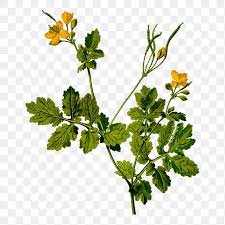
Simple Greater Celandine Tea Recipe

  • Ingredients: ½ tsp dried celandine, 250 ml hot water
  • Preparation: Infuse for 10 minutes, then strain.
  • Indications: Primarily recommended for liver detoxification and stimulating bile secretion. Consume one cup per day for a maximum of two weeks to avoid potential side effects.

Greater Celandine and Dandelion Tea

  • Ingredients: ½ tsp celandine, 1 tsp dandelion, 250 ml hot water
  • Preparation: Infuse 10–15 minutes, then strain.
  • Benefits: Supports liver health and toxin elimination, recommended for slow digestion and bolstering hepatic function.

Greater Celandine Tincture: Preparation and Benefits
The tincture is a concentrated form used for hepatic, digestive and cutaneous issues (external use only).

Greater Celandine Tincture Recipe

  • Ingredients: 50 g dried celandine, 250 ml 40–50% alcohol
  • Preparation: Macerate in a dark place for 2–3 weeks, shaking daily. Strain and store in dark glass bottles.
  • Indications: Should be administered internally only under specialist supervision due to alkaloid toxicity potential. Externally, apply to warts, skin infections or eczema.

Compresses and Ointments with Greater Celandine
Greater celandine is renowned for external application in warts and skin infections.

Greater Celandine Compress

  • Preparation: Infuse 2 tbsp dried celandine in 250 ml hot water for 15 minutes, then strain.
  • Use: Soak a compress in the infusion and apply once a day for a few minutes to warts, minor wounds or eczema.

Greater Celandine Ointment

  • Preparation: Mix concentrated celandine infusion with 50 g animal fat or coconut oil over gentle heat until homogeneous, then cool.
  • Benefits: Used for warts, eczema and skin irritations, applied 1–2 times daily.

Greater Celandine in Cosmetics
In cosmetics, greater celandine is prized for its antimicrobial and anti-inflammatory effects, included in treatments for oily and acne-prone skin. Diluted infusion in a toner or as compresses can reduce inflammation and redness, but must be used sparingly due to irritation risk.

Precautions and Contraindications
Greater celandine is a potent herb and requires caution:

  • Small doses & short periods: High alkaloid content means it should not be used long-term.
  • Pregnancy & breastfeeding: Its compounds can be harmful to mother and fetus/infant.
  • Medical supervision: Internal use only under a specialist’s guidance, especially in those with hepatic, digestive disorders or on other medications.

Conclusion
Greater celandine is a versatile plant with numerous therapeutic benefits for the liver, digestion and skin. However, correct administration under expert oversight is crucial given its powerful effects.

Compresses and Ointments with Greater Celandine

Greater celandine is renowned for its external application in the treatment of warts and skin infections. Preparations based on greater celandine, such as compresses and ointments, are effective for skin conditions due to their antimicrobial and anti-inflammatory actions.

Greater Celandine Compresses

  • Preparation: Make a concentrated infusion by steeping 2 tablespoons of dried greater celandine in 250 ml of hot water. Leave to infuse for 15 minutes, then strain.
  • Use: Soak a compress in the infusion and apply to warts, superficial wounds or eczema. It is recommended to apply once a day for a few minutes.

Greater Celandine Ointment

  • Preparation: Prepare an ointment by combining the concentrated greater celandine infusion with 50 g of lard or coconut oil. Heat gently until fully blended, then allow to cool.
  • Benefits: Used for warts, eczema and skin irritations, applied 1–2 times a day.

Greater Celandine in Cosmetics

In the cosmetic field, greater celandine is valued for its antimicrobial and anti-inflammatory effects, being included in treatments for oily and acne-prone skin. Applied as compresses or diluted in a toner, greater celandine infusion can help reduce inflammation and redness, but must be used sparingly due to the risk of irritation.


Precautions and Contraindications

Greater celandine is a potent plant and must be used with caution:

  • Small doses and short periods: Due to its strong alkaloids, greater celandine should not be used long-term.
  • Contraindicated in pregnancy and breastfeeding: Its compounds can be harmful to both mother and fetus/infant.
  • Medical supervision required: Internal administration should be under specialist guidance, especially for individuals with liver or digestive conditions, or those on other treatments.

Conclusion

Greater celandine is a versatile herb with multiple therapeutic benefits. Its use can bring significant advantages to liver health, digestion and skin conditions, yet correct administration under expert supervision is essential.ă cu efecte puternice, este important ca utilizarea rostopascăi să fie realizată sub supravegherea unui specialist în fitoterapie.

Bestseller #1
Bestseller #2
  • Hardy Perennial. Flowers: April to October. Height: 90cm. Position: Sun to shade in any soil.
  • Packet of 100 seeds supplied with detailed growing guide.
  • Handpacked in the UK in recyclable paper packaging.
  • Ancient species of wildflower dating back to Roman times, commonly seen on verges, waste ground and at the base of hedge…
Bestseller #3
  • Part of the “The Difference is JustSeed” Seed Range
  • Genuine Just Seed Branded products only supplied direct by JustSeed UK .
  • Professional Seed Company Defra Registered 7291 , Organic Registration AP23164
  • All Seeds Packed and labelled with helpful growing information
Bestseller #4
  • Genuine Plant World Seeds branded packets supplied direct from Plant World Seeds UK
  • Height: 45cm
  • Packet content (approximately): 300+
  • Large numbers of heavily doubled cup-shaped tiny yellow “poppies” are massed in branching sprays. Finely divided leaves …
Bestseller #5
  • 🪒 Reduces ingrown hairs, razor bumps and redness after shaving or waxing.
  • ☁️ Softens and relieves sensitive areas, providing hydration and comfort.
  • 🌟 Improves appearance of dark spots, blemishes, scars and stretch marks.
  • 💦 Soothes itchiness, calms irritation and restores your vulva area.
  • 🌿 100% natural and fragrance-free.

What is greater celandine (Chelidonium majus) and why is it so valued in traditional medicine?
Greater celandine, also known as “wart herb” or “jailer’s weed,” is a perennial plant in the Papaveraceae family. It is recognised for its rich content of alkaloids (chelidonine, sanguinarine), organic acids and flavonoids, and has been used for centuries in folk remedies. The plant is especially prized for its detoxifying and anti-inflammatory properties, as well as its beneficial role in liver support and digestive health. Thanks to its antimicrobial effects, greater celandine can also be used to treat warts, minor burns and other skin conditions.

Which active compounds in greater celandine contribute to its therapeutic effects?
The main active constituents include:

  • Alkaloids (chelidonine, sanguinarine, berberine): exhibiting antispasmodic, analgesic, antimicrobial and mildly sedative effects.
  • Flavonoids: powerful antioxidants and anti-inflammatory agents that protect cells from oxidative stress.
  • Organic acids (malic, citric): which support digestive function and detoxification processes.
  • Vitamins (notably vitamin C): which aid immune function and skin health.
    These compounds enable greater celandine to help relieve cramps, reduce inflammation, support liver function and soothe skin irritations.
  1. Why is greater celandine considered particularly useful for liver and digestive support?
    Greater celandine exerts choleretic and cholagogue actions—stimulating bile production and easing its flow into the intestine. This facilitates the digestion of fats and prevents biliary congestion. As a result, the plant is used to alleviate abdominal discomfort, bloating and mild liver ailments. Its detoxifying and anti-inflammatory effects further enhance liver health, promoting the elimination of toxins from the body.
  2. How is greater celandine tea prepared and used correctly?
  • Ingredients: ½ teaspoon dried greater celandine, 250 ml boiling water
  • Preparation: Infuse for 10–15 minutes, then strain
  • Dosage: 1 cup per day, for no more than 2 consecutive weeks
    Because greater celandine contains potent alkaloids, it is essential to adhere strictly to the small dose and short duration to avoid possible toxic effects.
  1. What other herbs can be combined with greater celandine for enhanced therapeutic effect, and in which situations?
    Greater celandine is often paired with:
  • Dandelion: boosts detoxifying effects and liver support
  • Artichoke: further stimulates bile secretion and digestion
  • Yarrow: adds anti-inflammatory relief to the digestive tract and eases spasms
  • Chicory: helps regulate intestinal transit and enhances elimination processes
    These combinations are typically used in teas or tinctures to support liver function, relieve biliary problems and improve digestion.
  1. How is a greater celandine tincture made, and what are its main uses?
  • Preparation: Macerate 50 g dried greater celandine in 250 ml alcohol (40–50%) for 2–3 weeks, shaking daily. After maceration, strain and store in dark bottles.
  • Dosage: 5–10 drops diluted in water, twice daily (not for long-term use)
  • Indications: The tincture is a concentrated form used internally for hepatic and digestive disorders, and externally for skin conditions (warts). Always with caution and ideally under medical supervision, as it can become toxic in large doses.
  1. Can greater celandine be used externally for warts and other skin issues?
    Yes. The milky orange latex from the fresh stem is applied directly to warts 2–3 times daily for several weeks. Alternatively, compresses with diluted tincture or a concentrated infusion may be applied to affected areas. Application should be confined to the lesion and avoid contact with healthy skin to prevent irritation.
  2. What precautions should be taken before starting treatment with greater celandine?
  • Strict dose compliance: The plant contains potentially toxic alkaloids; exceeding the recommended dose may cause adverse reactions.
  • Limited duration: Do not use long term (generally limited to 2 weeks), due to toxicity risk.
  • Avoid in pregnancy and breastfeeding: Compounds may be hazardous to mother and infant.
  • Check drug interactions: May interact with hepatic or biliary medications—consult a specialist.
  • Serious liver conditions: Medical advice is essential, as greater celandine may further stress the liver.
  1. Does greater celandine offer benefits for respiratory conditions or only for liver and digestive issues?
    While its primary renown is for liver, bile and skin conditions, greater celandine may provide some respiratory relief due to its calming and antispasmodic action. However, it is less commonly used for respiratory ailments and is more effective in hepatic, biliary, wart and other cutaneous remedies.
  2. How can greater celandine be integrated into a healthy lifestyle, and what other measures enhance its benefits?
  • Use greater celandine (tea/tincture) in moderate doses, for limited periods (1–2 weeks).
  • Combine with a balanced diet rich in vegetables, fruits and healthy proteins, supporting liver and digestive function.
  • Maintain hydration and an active lifestyle to aid detoxification processes.
  • Consult a phytotherapy specialist if you have pre-existing conditions or are on medication, to prevent interactions and adverse effects.

When used correctly and with caution as part of an overall balanced regimen, greater celandine can be a valuable ally in maintaining health.

Small-flowered Willowherb (Epilobium parviflorum): Benefits, Uses and Precautions

Small-flowered willowherb (Epilobium parviflorum) is a medicinal plant valued in traditional medicine for its therapeutic properties, particularly in the treatment of prostate disorders and urinary system conditions. Native to Europe and Asia, this plant is recognized by its delicate, usually pink or whitish flowers, and by its ability to help restore balance within the body.

Compoziția și SubstanțelComposition and Active Substances

Small-flowered willowherb contains numerous bioactive compounds, among which stand out:

  • Flavonoids – with antioxidant and anti-inflammatory effects
  • Tannins – known for their astringent action, beneficial in reducing inflammation
  • Phenolic acids – which exhibit antibacterial and antifungal properties
  • Phytosterols – which help balance cholesterol levels and are beneficial for prostate health

Willowherb Tea

Willowherb tea is one of the most common forms of administration. It is simple to prepare by infusing one teaspoon of dried plant in a cup of hot water for 10–15 minutes. It is recommended to consume it twice a day, in the morning and evening, for optimal benefits.

Benefits of willowherb tea include:

  • Antioxidant effect – Its high flavonoid content helps protect cells from oxidative stress.
  • Supports prostate health – It is known for its ability to reduce symptoms associated with benign prostatic hyperplasia (enlarged prostate) by decreasing inflammation and improving urinary flow.
  • Helps with urinary conditions – Willowherb is a natural diuretic and is beneficial in treating urinary tract infections and cystitis.

1. Simple Willowherb Tea

Ingredients: 1 teaspoon of dried willowherb, 250 ml hot water
Preparation: Infuse the willowherb for 10–15 minutes in hot water, then strain.
Usage: Consume 2–3 times per day for prostate health, prevention and relief of urinary infections.


2. Willowherb and Horsetail Tea

Ingredients: 1 teaspoon of dried willowherb, 1 teaspoon of horsetail, 250 ml hot water
Preparation: Combine the herbs and infuse in hot water for 10–15 minutes, then strain.
Benefits: The combination of willowherb with horsetail is ideal for kidney health, providing a strong diuretic effect. Recommended for kidney stones, urinary infections, and water retention.


3. Willowherb and Birch Leaf Tea

Ingredients: 1 teaspoon of willowherb, 1 teaspoon of birch leaves, 250 ml hot water
Preparation: Infuse the herbs for 10–15 minutes in hot water, then strain.
Benefits: This tea supports body detoxification and the elimination of toxins through combined diuretic action. Beneficial for urinary tract infections and liver health.


4. Willowherb, Nettle and Yarrow Tea

Ingredients: 1 teaspoon of willowherb, 1 teaspoon of dried nettle, 1 teaspoon of yarrow, 300 ml hot water
Preparation: Infuse the herbal blend in hot water for 10–15 minutes, then strain.
Benefits: Recommended for supporting prostate and urinary system health. Nettle adds vitamins and minerals, and possesses anti-inflammatory and detoxifying properties.


5. Willowherb and Sage Tea

Ingredients: 1 teaspoon of willowherb, 1 teaspoon of sage, 250 ml hot water
Preparation: Infuse the herbs in hot water for 10–15 minutes, then strain.
Benefits: This combination is useful for alleviating enlarged prostate symptoms and urinary issues. Sage adds antimicrobial properties and helps balance hormones.


6. Willowherb, Echinacea and Ginger Root Tea

Ingredients: 1 teaspoon of willowherb, 1 teaspoon of echinacea, ½ teaspoon of fresh or dried ginger root, 300 ml hot water
Preparation: Infuse the herbs and ginger in hot water for 10–15 minutes, then strain.
Benefits: An excellent tea for immune system support and urinary health. Echinacea and ginger provide anti-inflammatory effects and help combat bacterial infections.


7. Willowherb and Dandelion Tea

Ingredients: 1 teaspoon of willowherb, 1 teaspoon of dandelion root, 250 ml hot water
Preparation: Infuse the herbs for 10–15 minutes, then strain.
Benefits: This tea is indicated for liver detoxification and support of the digestive system. Dandelion stimulates bile secretion and aids in toxin elimination.


8. Willowherb, Cranberry and Chamomile Tea

Ingredients: 1 teaspoon of willowherb, 1 teaspoon of cranberry, 1 teaspoon of chamomile, 250 ml hot water
Preparation: Infuse the blend for 10–15 minutes, then strain.
Benefits: Recommended for relieving urinary tract infections and reducing inflammation. Chamomile provides a calming effect, while cranberry contributes to protecting the urinary tract against bacteria.


These teas offer a wide range of benefits, from supporting urinary and prostate health to body detoxification and immune strengthening. Ensure you adhere to the recommended dosage and avoid excessive consumption.

TWillowherb Tincture

The willowherb tincture is a concentrated extract of the plant, obtained by macerating it in alcohol. It is especially recommended for chronic prostate and bladder conditions, offering a more potent action than the tea. The typical dose is 20–30 drops twice a day, diluted in a glass of water.

Benefits of Willowherb Tincture:

  • Reduces enlarged prostate symptoms – Thanks to its anti-inflammatory properties, the tincture can be a powerful ally in relieving discomfort associated with an enlarged prostate.
  • Stimulates diuresis – Helps eliminate toxins through the urine, being beneficial for body detoxification.

Below are several recipes and uses for willowherb tincture, both alone and combined with other herbs:


1. Simple Willowherb Tincture

Ingredients:

  • 100 g dried willowherb
  • 500 ml 40–50% alcohol (vodka or diluted food-grade alcohol)

Preparation:
Place the willowherb in a glass jar, pour in the alcohol, and seal tightly. Let the mixture macerate for 2–3 weeks in a dark place, shaking daily. Finally, strain and store the tincture in dark glass bottles.

Benefits:
The simple willowherb tincture is used primarily for prostate health, offering anti-inflammatory and diuretic effects. The recommended dose is 20–30 drops twice a day.


2. Willowherb and Nettle Tincture

Ingredients:

  • 50 g dried willowherb
  • 50 g dried nettle
  • 500 ml 40–50% alcohol

Preparation:
Mix the dried plants in a glass jar, add the alcohol, and seal the jar. Let it macerate for 2–3 weeks in a cool, dark place, shaking daily. Strain and store in dark bottles.

Benefits:
The combination of willowherb and nettle supports urinary health and prostate function, as well as detoxification. It is recommended for prostatitis and water retention.


3. Willowherb and Horsetail Tincture

Ingredients:

  • 50 g willowherb
  • 50 g horsetail
  • 500 ml 40–50% alcohol

Preparation:
Place the herbs in a jar, add alcohol, seal, and let macerate for 2–3 weeks, shaking daily. Strain and store in a dark container.

Benefits:
This tincture is indicated for kidney health and reducing prostate inflammation. Horsetail adds a strong diuretic effect, helping eliminate excess water from the body.


4. Willowherb and Cranberry Tincture

Ingredients:

  • 50 g willowherb
  • 50 g cranberry (dried leaves or fruit)
  • 500 ml 40–50% alcohol

Preparation:
Add willowherb and cranberry to a jar, pour in the alcohol, and let macerate for 2–3 weeks, shaking daily. Strain and store in dark bottles.

Benefits:
The willowherb and cranberry tincture is ideal for preventing and treating urinary tract infections, with antibacterial and anti-inflammatory properties. Cranberry is known for preventing bacteria from adhering to the bladder wall.


5. Willowherb and Dandelion Tincture

Ingredients:

  • 50 g willowherb
  • 50 g dried dandelion root
  • 500 ml 40–50% alcohol

Preparation:
Combine the herbs with alcohol in a glass jar, seal tightly, and macerate for 2–3 weeks in a dark place, shaking daily. Strain and store the tincture.

Benefits:
This tincture is useful for liver detoxification and supporting digestive health. Dandelion root stimulates bile secretion and aids in toxin elimination, and is also recommended for prostate issues and water retention.


Administration:
For each tincture, the recommended dose is 20–30 drops, twice daily, diluted in a glass of water. A course of 4–6 weeks is advised, followed by a break.


Precautions and Contraindications

It is important to consult a specialist before beginning a course with tinctures, especially if you are on medication. Also, tinctures are not recommended during pregnancy, breastfeeding, or for individuals with alcohol sensitivity.

Although small-flowered willowherb is considered safe for most people when used correctly, there are a few precautions to consider:

  • Pregnancy and Breastfeeding – There is not enough information on the safety of administering willowherb during pregnancy or lactation, so it is best to avoid it.
  • Allergies – Individuals allergic to plants in the same family should avoid its use, as it may trigger allergic reactions.
  • Drug Interactions – Willowherb tea and tincture can interact with diuretic medications or other treatments for urinary problems. Consult a doctor before use if you are taking any prescription drugs.

Conclusion

Small-flowered willowherb is a plant with multiple benefits, valued for its anti-inflammatory and diuretic properties, especially useful for men in supporting prostate health. Whether you choose the tea or the tincture, it is essential to follow usage recommendations and consult a specialist, particularly if you have chronic conditions or are under medical treatment.


1. What is small-flowered willowherb (Epilobium parviflorum) and why is it recognized in herbal medicine?
Small-flowered willowherb, scientifically known as Epilobium parviflorum, is a perennial plant in the Onagraceae family, predominantly found in Europe and Asia. It is prized in traditional medicine for its diuretic, anti-inflammatory properties and its beneficial effects on prostate and urinary system health. Additionally, its rich composition of flavonoids, tannins, and phytosterols makes it a versatile natural remedy with numerous therapeutic uses.

2. What are the main active substances in small-flowered willowherb and how do they contribute to the plant’s benefits?
Willowherb contains flavonoids (with antioxidant and anti-inflammatory properties), tannins (astringent and wound-healing effects), phytosterols (beneficial for prostate health), and phenolic acids with antibacterial action. Thanks to this diverse composition, the plant supports urinary function, helps reduce inflammation, and aids in balancing hormonal levels that can influence prostate health.

3. How is willowherb tea prepared, and for which conditions is it recommended?

  • Preparation: Use 1 teaspoon of dried willowherb per 250 ml of hot water. Let the infusion steep for 10–15 minutes, then strain.
  • Administration: Drink 2–3 times a day, especially in the morning and evening.
  • Benefits: It is indicated for benign prostatic hyperplasia, supporting kidney and bladder function, treating urinary tract inflammation, and as an adjunct in cases of water retention.

4. What are the forms of using willowherb besides tea, and how are they chosen according to needs?

  • Willowherb Tincture: Recommended for those seeking a stronger effect, as it has a higher concentration of active substances. Typically administered as 20–30 drops twice a day.
  • Capsules or Supplements: Convenient for those who cannot consume tea daily but want precise dosing.
  • External Forms (Poultices, Compresses): Used less frequently but can be effective for localized inflammation.

5. Why is willowherb particularly recommended for men’s health, especially regarding prostate issues?
The phytosterols and flavonoids in willowherb have anti-inflammatory and mild hormone-modulating properties, helping to reduce symptoms associated with benign prostatic hyperplasia. The plant can improve urinary flow, alleviate discomfort, and reduce local inflammation, thereby enhancing quality of life for men facing prostate conditions.

6. Are there plant combinations that can potentiate willowherb’s effect for urinary tract support?
Yes, willowherb can be paired with other plants that have diuretic, renal-supporting, and anti-inflammatory effects:

  • Horsetail (Equisetum arvense): Provides an extra diuretic boost and supports the elimination of excess fluid.
  • Dandelion (Taraxacum officinale): Aids in liver detoxification and stimulates bile function, complementing willowherb’s effects.
  • Cranberry (Vaccinium vitis-idaea): Possesses antibacterial properties and helps prevent urinary tract infections.

7. How is willowherb tincture obtained, and what advantages does this form offer?

  • Preparation: Macerate 100 g of dried willowherb in 500 ml of 40–50% alcohol for 2–3 weeks, shaking daily. After this period, strain and store in dark-colored bottles.
  • Advantages: The tincture has a high concentration of active compounds and offers faster absorption than tea. It is dosed easily in drops, allowing users to adjust the amount according to their needs and the recommendations of a phytotherapist or physician.

8. What benefits does willowherb offer for kidney and urinary conditions, and how does it act in the body?
Willowherb has a gentle diuretic effect, stimulating urine production and aiding in the elimination of excess liquids and toxins. For renal and urinary disorders, the plant can reduce urinary tract inflammation, help fight bacteria, and relieve discomfort associated with cystitis, pyelonephritis, or other bladder and kidney inflammations.

9. Are there any contraindications or precautions when using willowherb despite its benefits?
Although willowherb is considered relatively safe, individuals with allergies to Onagraceae plants, pregnant or breastfeeding women, and those with serious chronic conditions should consult a physician before using willowherb preparations. Exceeding recommended doses is inadvisable, as excessive consumption may lead to adverse effects such as gastric irritation or electrolyte imbalances.

10. How can willowherb be integrated into a daily health routine for optimal results?
Generally, a 2–3 week course of willowherb tea (2–3 cups/day) or tincture (20–30 drops twice daily) is recommended, followed by a 1–2 week break. You can enhance its effects by combining it with synergistic herbs (horsetail, cranberry) and maintaining proper hydration. Adopting a healthy lifestyle, with a balanced diet and moderate exercise, can further improve the benefits provided by willowherb and support overall well-being.

Corn (Zea mays): Properties, Benefits and Therapeutic Uses of Corn Silk

corn (Zea mays), one of the most cultivated plants in the world, has significant nutritional value and is an important source of complex carbohydrates, dietary fiber, vitamins, and minerals. However, it is not only the corn kernels that are valuable; corn silk is a prized remedy used in traditional medicine for various conditions, especially those affecting the urinary and renal systems.

In this article, we will explore the benefits of corn and corn silk, how it can be prepared as a tea, and used as a remedy for various ailments.


1. What Is Corn and Which Nutrients Does It Contain?

Corn is an herbaceous plant in the grass family, widely cultivated for its edible kernels. It is rich in complex carbohydrates, protein, fiber and contains a variety of vitamins and minerals such as vitamin B, vitamin C, magnesium, phosphorus, and potassium. These nutrients are essential for maintaining overall health.

Main Benefits of Corn:

  • Strengthens bones and muscles: Magnesium and phosphorus support bone density and muscle function.
  • Supports digestive health: Thanks to its high fiber content, corn helps maintain regular bowel movements and prevents constipation.
  • Regulates blood sugar levels: The complex carbohydrates in corn release energy gradually, making it a good choice for those at risk of diabetes.

2. Savory and Nutritious Corn Recipes

Corn is a versatile and delicious ingredient used in countless dishes worldwide. From soups and salads to baked goods and desserts, corn adds natural sweetness and texture to every preparation. Below are a few recipes showcasing corn, whether fresh, canned, or cooked.

2.1 Corn Chowder

Ingrediente:

This creamy soup is hearty and comforting, perfect for cool days.

Ingredients:

  • 3 cups corn kernels (fresh or frozen)
  • 1 small onion, finely chopped
  • 1 large potato, diced
  • 2 cups milk (or vegetable broth for a vegan version)
  • 1 tablespoon butter (or olive oil)
  • Salt and pepper to taste
  • Fresh parsley, chopped, for garnish

Preparation:

  1. **In a pot, melt the butter and sauté the onion until translucent.
  2. Add the potato and corn, then pour in the milk (or broth).
  3. Simmer over low heat for 15–20 minutes, until the potatoes are tender.
  4. Partially blend the soup to achieve a creamy texture while leaving some whole kernels intact.
  5. Season with salt and pepper and serve garnished with fresh parsley.

2.2 Mexican Corn Salad

Inspired by Mexican cuisine, this salad makes an ideal side dish or light main course.

Ingredients:

  • 2 cups cooked or grilled corn kernels
  • 1 red bell pepper, diced
  • 1 avocado, diced
  • 1 small red onion, finely chopped
  • 1 large tomato, diced
  • 2 tablespoons fresh cilantro, chopped
  • 1 tablespoon olive oil
  • Juice of one lemon
  • Salt and pepper to taste

Preparation:

  1. In a large bowl, combine the corn, bell pepper, avocado, onion, tomato, and cilantro.
  2. Drizzle with olive oil and lemon juice, then season with salt and pepper.
  3. Toss gently and refrigerate for 10–15 minutes before serving.

2.3 Garlic Parmesan Roasted Corn

Roasted corn becomes extra flavorful with a coating of butter, garlic, and Parmesan.

Ingredients:

  • 4 ears of corn
  • 2 tablespoons melted butter
  • 2 garlic cloves, crushed
  • 3 tablespoons grated Parmesan
  • Salt and pepper to taste
  • Fresh parsley, chopped, for garnish

Preparation:

  1. Preheat oven to 200 °C.
  2. Brush the corn with the garlic-infused melted butter.
  3. Season with salt and pepper, then sprinkle with Parmesan.
  4. Roast on a baking sheet for 15–20 minutes, until the Parmesan turns golden and crisp.
  5. Serve hot, garnished with fresh parsley.

2.4 Cornbread

Cornbread is a classic American side, perfect alongside soups or stews.

Ingredients:

  • 1 cup cornmeal
  • 1 cup all-purpose flour
  • 1 tablespoon baking powder
  • ½ teaspoon salt
  • ¼ cup sugar (optional)
  • 1 cup milk
  • 2 eggs
  • ¼ cup melted butter

Preparation:

  1. Preheat oven to 200 °C and grease a baking pan.
  2. In a large bowl, whisk together cornmeal, flour, baking powder, salt, and sugar.
  3. In another bowl, beat together milk, eggs, and melted butter, then add the dry ingredients.
  4. Pour the batter into the pan and bake for 20–25 minutes, until golden and a toothpick comes out clean.

2.5 Corn Pudding Dessert

Ingredients:

  • 1 cup sweet corn kernels (fresh or canned, drained)
  • ½ cup condensed milk
  • ½ cup coconut milk
  • 1 teaspoon vanilla extract
  • 2 tablespoons sugar
  • 1 tablespoon cornstarch, dissolved in 2 tablespoons water

Preparation:

  1. Blend the corn kernels until smooth.
  2. In a saucepan, mix the corn purée with condensed milk, coconut milk, sugar, and vanilla.
  3. Heat over low flame, then stir in the dissolved cornstarch.
  4. Cook for 5–7 minutes, stirring constantly until it thickens.
  5. Pour into serving cups and let cool before serving.

These recipes are just a few ways to make corn the star of delicious and versatile meals. Whether you choose a comforting chowder, a flavorful side salad, or a surprising dessert, corn offers endless culinary possibilities!

Corn Silk: Properties and Uses

The corn silk, those thin fibers that surround the kernels inside the husks, is often overlooked but has multiple therapeutic benefits. It contains antioxidants, flavonoids, potassium, vitamins C and K, and other bioactive compounds. In herbal medicine, corn silk is prized for its diuretic, anti-inflammatory, and soothing properties.

Benefits of Corn Silk:

Soothes inflammation: The anti-inflammatory properties of corn silk make it useful for relieving pain and inflammation of the bladder.

Urinary system support: Used especially for treating urinary tract infections, cystitis, and preventing kidney stones.

Kidney health: Its diuretic effect helps eliminate toxins from the body and reduce water retention.


Corn Silk Tea: Preparation and Uses

Corn silk tea is one of the most common ways to harness the therapeutic properties of this plant. It is recommended for individuals with kidney issues, urinary infections, or fluid retention.

Ingredients:

  • 2 tablespoons dried corn silk
  • 250 ml hot water

Preparation:

  1. Boil the water and pour it over the corn silk in a cup.
  2. Let steep for 10–15 minutes, then strain.
  3. Drink the warm tea 2–3 times a day, as recommended.

Recommendations and Precautions:
Corn silk tea is recommended for reducing urinary tract inflammation, preventing kidney stone formation, and relieving water retention. However, it is not advised for pregnant women or individuals with severe kidney disease without medical approval, due to its potent diuretic effect.


Other Forms of Corn Silk Use

Corn silk can also be utilized in various forms, depending on the needs and the conditions being addressed. Here are a few examples:

Corn Silk Tincture
The corn silk tincture is a concentrated form, obtained by macerating the corn silk in alcohol for approximately two weeks. A few drops diluted in water are used to alleviate urinary tract infections and water retention.
Usage: 10–15 drops of tincture diluted in a glass of water, taken twice a day.

Corn Silk Compresses
Compresses with corn silk tea are used to reduce swelling and external inflammation, especially in cases of rheumatism or muscle pain. Simply soak a cloth in strong corn silk tea and apply it to the affected area.

Corn Silk Juice
Fresh corn silk juice is obtained by crushing the fresh fibers. It is used for a rapid and effective action on urinary infections and to support kidney function. It should be administered with caution and only under the supervision of a specialist.


5. Tea Blend for Cough and Hoarseness

Although corn silk is best known for its benefits to the urinary system, it can also be combined with other herbs to create an effective tea blend against cough and hoarseness.

Ingredients for the tea blend:

  • 1 teaspoon dried corn silk
  • 1 teaspoon linden flowers (for cough relief)
  • 1 teaspoon peppermint leaves (for decongestion)
  • 1 teaspoon chamomile flowers (for anti-inflammatory properties)

Preparation:

  1. Place all the herbs in a cup and pour 250 ml of hot water over them.
  2. Let steep for 10–15 minutes, then strain.
  3. Consume the tea 2–3 times a day to alleviate cough and hoarseness symptoms.

6. Precautions and Contraindications

Corn silk must be used with caution and in moderate amounts. Due to its strong diuretic effect, it is recommended only for necessary periods and not for long-term use. Pregnant women, individuals with hypertension, and those with chronic kidney conditions should consult a specialist before using this plant.


Conclusion

Corn silk, this often-overlooked part of the corn plant, is a treasure of traditional medicine, offering remarkable benefits for kidney health and the urinary tract. Through its use as teas, tinctures, and compresses, this plant can alleviate common ailments and contribute to maintaining a healthy, balanced body. However, it is important to use it responsibly and follow the recommendations of herbal medicine specialists.

Bestseller #1
  • 🌿Cornsilk Tea 100% natural dried herb, no additives and chemical free
  • 🌿Package of 40g – will last one person multiple times
  • 🌿Wonderful remedy for all kinds of urinary complaints
  • 🌿SATISFACTION GUARANTEED – we love this herb, and we’re sure you will to. However, if for any reason you don’t, no worri…
Bestseller #2
Bestseller #3
  • Long history of traditional use
  • Unique tea created from the silky strands of an ear of corn
  • Delicious smooth and savoury taste
  • Resealable airtight foil pouch
  • 100% pure botanical ingredients, absolutely nothing added
Bestseller #6
  • A fine powder made with the hairs of Zea mays (corn) husk
  • A long traditional history of use, particularly in South America
  • Milled powder filled with rich antioxidants
  • Resealable airtight food grade packaging and without additives
  • INDIGO HERBS: We are a small family owned British company that has been selling a large range of outstanding herbal and …
Bestseller #8
  • Zao is a combination of decorative cosmetics and high-quality skin care.
  • Biocertified by Ecocert and Cosmebio. 100% natural ingredients, where possible made from controlled organic cultivation …
  • Not tested on animals. No synthetics, harmful or toxic substances. All products are in the base formula talc-free
  • Ecological Packaging: Real Bamboo. Refills are available for lots of products.
  • Now also available as a back up fountain pens.
Bestseller #9
  • Zao is the combination of decorative cosmetics and high-quality skin care
  • Organic certified by Ecocert and Cosmebio. 100% natural ingredients, where possible from controlled organic cultivation …
  • Not tested on animals. No synthetic, harmful or toxic ingredients! All products are talc-free in the basic formula
  • Ecological packaging: real bamboo. Refills are available for many products
  • Now also as a refill
Bestseller #10
  • Genuine powder, 100% natural, mineral silk is suitable for all skin types. Apply with a brush after its moisturizing fac…
  • The collection of 9 Zao Powder Foundation allows each skin shade to find the shade that suits it for zero flaws, and a p…
  • INCI: MICA, ORYZA SATIVA POWDER (ORYZA SATIVA (RICE) POWDER)*, ZEA MAYS STARCH (ZEA MAYS (CORN) STARCH)*, SILICA, ZINC S…
  • Careful delivery

1. What Is Corn Silk and Why Is It So Valuable in Herbal Medicine?
Corn silk refers to those thin, yellow-green or brownish strands found between the kernels and husks. In traditional medicine, this part of the plant is prized for its rich content of flavonoids, potassium, vitamins, and other active substances recognized for their diuretic, anti-inflammatory, and soothing effects. Thus, corn silk has been used for generations to support kidney health and the urinary tract, as well as to aid in the detoxification of the body.

2. Which Nutrients and Active Compounds Are Found in Corn Silk and What Role Do They Play in the Body?
Among the main active compounds in corn silk are flavonoids, saponins, volatile oils, tannins, and minerals such as potassium and calcium. Flavonoids have antioxidant properties, protecting cells from oxidative stress. Potassium supports electrolyte balance and cardiovascular health, while volatile oils and tannins provide a soothing and anti-inflammatory effect on the mucous membranes of the urinary and digestive tracts.

3. How Is Corn Silk Tea Properly Prepared and When Is It Most Useful?
To prepare a simple tea, use 1–2 teaspoons of dried corn silk per 250 ml of boiling water. Let the infusion steep for 10–15 minutes, then strain. You can consume 2–3 cups per day, especially in cases of water retention, mild urinary infections, or inflammation of the urinary tract. Thanks to its diuretic properties, the tea helps eliminate excess fluids and supports body detoxification.

4. What Effects Does Corn Silk Have on Kidney and Bladder Health?
Corn silk acts as a natural diuretic, stimulating urine production and promoting the elimination of toxins. This effect makes it particularly useful in situations such as cystitis, bladder inflammation, and even in preventing the formation of kidney stones. By increasing urinary flow, corn silk helps cleanse the urinary tract and may reduce the risk of more severe infections.

5. How Can Corn Silk Contribute to Maintaining Optimal Blood Sugar Levels?
Certain substances in corn silk, such as flavonoids, may have a beneficial effect on glucose metabolism. Studies suggest they can help regulate insulin levels and improve insulin sensitivity, although they do not replace medical treatment for people with diabetes. Combined with a balanced diet and an active lifestyle, corn silk can support processes that balance blood sugar.

6. In What Other Forms Can Corn Silk Be Used Besides Tea?
Beyond infusions, corn silk can be used in the form of:

  • Tincture: macerated in alcohol (for 2–3 weeks) for a more concentrated effect.
  • Powder: obtained by grinding dried silk, integrable into various natural blends to support the urinary tract.
  • Sitz baths: added to sitz-bath water, with a soothing role in local inflammations or mild discomfort.

Each form is chosen according to the condition being addressed and phytotherapeutic recommendations.

7. Are There Any Precautions or Contraindications in the Use of Corn Silk?
Although generally considered safe, it is recommended not to use it in excess due to its strong diuretic effect, which can cause electrolyte imbalances. Pregnant or breastfeeding women should consult a physician before using corn silk. People with low blood pressure or those taking diuretic medications should also be cautious, as the diuretic effect may accumulate, increasing the risk of dehydration or hypotension.

8. Which Other Plants Can Be Combined with Corn Silk for a Synergistic Effect?
To intensify its diuretic and anti-inflammatory action, corn silk can be associated with plants such as:

  • Horsetail (Equisetum arvense): strengthens the diuretic effect and supports kidney health.
  • Dandelion (Taraxacum officinale): helps in liver detoxification and regulates intestinal transit.
  • Wild Pansy (Viola tricolor): provides additional anti-inflammatory effects and supports toxin elimination through the skin.

These combinations can be used as blended teas or in phytotherapeutic mixtures targeting the urinary system.

9. Can Corn Silk Be Integrated into Culinary Recipes or Only Administered for Therapeutic Purposes?
In general, corn silk is used therapeutically due to its texture and taste, which are less appealing for culinary use. However, some people dry it and use it as a minor addition to soups or vegetable stocks to harness its diuretic properties and subtle aromas. Currently, corn silk is most commonly found in natural products (teas, tinctures) and less frequently in traditional culinary recipes.

10. How Is Corn Silk Recommended to Be Harvested and Stored to Preserve Its Beneficial Properties?
Corn silk is harvested when the ear is almost ripe, but the husks are not yet completely dry. Gently pull the silk from the kernels and spread it in a thin layer in a shaded, well-ventilated area to dry without losing its active compounds. Once dried, store it in paper bags or glass containers, protected from light and moisture. Proper harvesting and drying ensure the preservation of active constituents and maintain the therapeutic effects of corn silk.

Coltsfoot (Tussilago farfara): Properties, Benefits and Therapeutic Uses

Coltsfoot, known scientifically as Tussilago farfara, is a perennial plant in the Asteraceae family, commonly called “great burdock” or “coltsfoot.” This plant grows in moist areas, along roadsides, meadows, and even gardens, and is valued in traditional medicine for its anti-inflammatory, expectorant, and soothing properties. Its leaves and flowers are used in various preparations to treat respiratory ailments and skin problems.


1. Properties and Benefits of Coltsfoot

Nutritional Composition: Coltsfoot leaves and flowers are rich in vitamins (especially vitamin C and vitamin A), minerals, and mucilage, which contribute to their soothing action on the respiratory tract. They also contain flavonoids, tannins, essential oils, and compounds such as inulin, which help strengthen the immune system.

Key Benefits:

  • Respiratory Conditions: Due to its expectorant and soothing effects, coltsfoot is useful in alleviating cough, hoarseness, bronchitis, and other respiratory issues. It is frequently used in cough syrups and teas.
  • Inflammation and Infections: Coltsfoot is effective in reducing inflammation and is used for skin conditions such as irritations, burns, and eczema.
  • Body Detoxification: Thanks to its diuretic effect, coltsfoot helps eliminate toxins and supports kidney function.

2. Coltsfoot Tea: Preparation and Uses

Coltsfoot tea is one of the most common ways to administer this plant, used to treat a variety of respiratory problems and to soothe throat irritation.

Ingredients:

  • 1 teaspoon dried coltsfoot leaves
  • 250 ml hot water

Preparation:

  1. Pour hot water over the dried coltsfoot leaves in a cup.
  2. Let the infusion steep for 10–15 minutes, then strain.
  3. Drink the warm tea 2–3 times a day.

BeneBenefits and Recommendations:

Coltsfoot tea is effective for calming cough and throat inflammation. It can also help in cases of bronchitis and hoarseness, providing a soothing effect on irritated mucous membranes.

Tea Blends for Cough and Hoarseness:
To create a potent anti-cough tea, coltsfoot can be combined with other medicinal plants such as:

  • Linden and marshmallow: for a calming and emollient effect on the throat.
  • Chamomile and sage: for anti-inflammatory action.

Example Blend: 1 teaspoon coltsfoot, 1 teaspoon linden flowers, and 1 teaspoon marshmallow root per 250 ml water. Infuse for 10–15 minutes and consume 2–3 times a day to relieve persistent cough.


3. Coltsfoot Compresses: Method and Effects

Compresses with coltsfoot are excellent for treating skin conditions and reducing local inflammation. Fresh coltsfoot leaves can be applied directly to the skin, providing soothing and anti-inflammatory effects.

Application Method:

  1. Crush fresh coltsfoot leaves and apply them to the affected area.
  2. Cover with a gauze compress and leave in place for 15–20 minutes.
  3. Remove the compress and rinse the area with lukewarm water.

Examples of Use:
Coltsfoot compresses are effective for burns, superficial wounds, and eczema. In folk medicine, they are used to relieve pain and skin irritations caused by inflammation.


4. Coltsfoot Inhalations

IInhalations with coltsfoot are ideal for unblocking the airways and treating nasal congestion. This is an effective way to administer medicinal plants, helping to relieve cold and flu symptoms.

Ingredients:

  • 1–2 tablespoons dried coltsfoot leaves
  • 500 ml hot water

Application Method:

  1. Boil the water and add the coltsfoot leaves.
  2. Cover your head with a towel and lean over the pot, inhaling the steam for 5–10 minutes.
  3. Repeat daily during a cold or nasal congestion.

Benefits:
Coltsfoot inhalations help reduce congestion and soothe cough. This method is especially effective for colds, flu, and sinusitis.


5. Coltsfoot Foot Baths

Foot baths are an excellent method for detoxification and relaxation, with coltsfoot providing a soothing and revitalizing effect.

Ingredients:

  • 3 tablespoons coltsfoot leaves
  • 1 liter hot water

Preparation:

  1. Boil the water and pour it over the coltsfoot leaves.
  2. Let steep for 15–20 minutes.
  3. Add the infusion to a basin of warm water and soak your feet for 20 minutes.

Benefits:
Coltsfoot foot baths help reduce fatigue, relax muscles, and detoxify the skin. This is a great revitalizing treatment after a long day.


6. Fresh Coltsfoot Juice: Preparation and Uses

Coltsfoot juice is obtained from fresh leaves and is used as a natural tonic for respiratory and immune health.

Preparation Method:

  1. Wash fresh coltsfoot leaves and chop them in a blender.
  2. Strain the juice through a fine sieve or cheesecloth.
  3. Store the juice in the refrigerator for up to 2 days.

Administration:
Consume 1–2 teaspoons of fresh juice daily to support respiratory health.

Benefits:
Coltsfoot juice aids in detoxification and strengthens the immune system. It is beneficial for lung health and supports respiratory function.


7. Coltsfoot Syrup for Cough and Hoarseness

Coltsfoot syrup is ideal for soothing cough and hoarseness, possessing both expectorant and soothing properties.

Ingredients:

  • Approximately 100 g fresh coltsfoot leaves
  • 250 g honey or sugar
  • 200 ml water

Preparation Method:

  1. Boil the coltsfoot leaves in water for 20 minutes.
  2. Strain the liquid and mix with honey or sugar until fully dissolved.
  3. Store the syrup in a sterilized jar in the refrigerator.

Administration:
Take 1–2 teaspoons of syrup 2–3 times a day to calm cough and throat irritation.


8. Spring Coltsfoot Salad: Benefits and Nutritional Values

In spring, young coltsfoot leaves can be used in salads, offering an excellent source of vitamin C, vitamin A, and potassium, making them ideal for supporting the immune system and body detoxification.

Ingredients:

  • Young coltsfoot leaves
  • Dandelion leaves
  • Olive oil
  • Lemon juice
  • Salt and pepper to taste

Preparation Method:

  1. Wash the coltsfoot and dandelion leaves.
  2. Tear them into small pieces and mix in a bowl.
  3. Drizzle with olive oil and lemon juice, then season with salt and pepper.

Benefits:
This salad is rich in antioxidants and vitamins that aid in detoxifying the body, provide an energy boost, and strengthen the immune system.


1. What Is Coltsfoot (Tussilago farfara) and Why Is It Considered Valuable in Traditional Medicine?
Coltsfoot is a perennial plant in the Asteraceae family, also called “great burdock” or “coltsfoot.” It grows in moist areas, along roadsides and meadows, with large round leaves and early yellow flowers in spring. In traditional medicine, coltsfoot is prized for its expectorant, anti-inflammatory, and soothing properties, which is why it has been used for centuries to treat respiratory and skin conditions.

2. Which Active Principles Make Coltsfoot So Useful for Treating Respiratory Problems?
Coltsfoot leaves and flowers contain compounds such as mucilage, flavonoids, tannins, and volatile oils. Mucilage provides a protective, emollient coating on mucous membranes, soothing throat irritation and cough, while flavonoids and tannins offer antioxidant and anti-inflammatory effects. Thus, coltsfoot supports respiratory health by loosening bronchial secretions and reducing inflammation.

3. How Is Coltsfoot Tea Properly Prepared and Administered to Benefit from Its Effects?
For a simple tea, use one teaspoon of dried coltsfoot leaves per 250 ml of boiling water. Let it steep for 10–15 minutes, then strain. Typically, 2–3 cups per day are recommended, depending on the severity of respiratory symptoms. The tea can also be combined with other herbs (linden, chamomile, thyme) to enhance its soothing and expectorant action, but it should not be overused, as excessive consumption may cause unwanted effects.

4. For Which External Conditions Can Coltsfoot Be Used as Compresses or Poultices?
Applied externally, through compresses or poultices, coltsfoot helps calm inflammation and minor skin lesions such as eczema, superficial wounds, minor burns, and irritations. Fresh leaves, lightly crushed or blanched, are placed on the affected area and secured with gauze. Thanks to its antiseptic and anti-inflammatory properties, the plant accelerates healing and reduces discomfort.

5. How Can Tinctures of Coltsfoot Be Made and What Are Their Uses?
Tincture is prepared by macerating dried coltsfoot leaves (and/or flowers) in alcohol (usually 40–70%) for 2–3 weeks. After filtering, the liquid is stored in dark bottles in a cool place. Coltsfoot tincture is used internally (10–15 drops diluted in water, 2–3 times a day) for coughs, bronchitis, and other respiratory disorders, and externally, as a compress, to soothe skin irritations. It is important not to exceed recommended doses.

6. Why Is Caution Advised When Using Coltsfoot, Despite Its Benefits?
Certain substances in coltsfoot, such as pyrrolizidine alkaloids, can be toxic if consumed long-term or in large quantities. Therefore, moderate use is recommended, and it should especially be avoided in young children, pregnant women, or individuals with liver disorders. Consulting a specialist before any coltsfoot-based treatment is advised to prevent possible adverse effects.

7. What Practical Results Do Coltsfoot Steam Baths (Inhalations) Offer for Colds and Nasal Congestion?
Coltsfoot steam baths facilitate the release of volatile compounds from the plant, helping to clear nasal passages and relieve cough and bronchitis symptoms. For inhalation, boil a few tablespoons of coltsfoot leaves in one liter of water, then inhale the vapors under a towel for 5–10 minutes. This method reduces inflammation, loosens secretions, eases breathing, and accelerates recovery from colds and flu.

8. How Can Coltsfoot Be Integrated into Culinary Recipes or Nutritive Remedies?
Although not as commonly used culinarily as other herbs, young coltsfoot leaves can occasionally be added to soups, broths, or even salads to provide extra vitamins and minerals. Another approach is using homemade syrups or honey macerations as complementary remedies for colds and coughs. It is essential to ensure the plant’s quality and origin, avoiding polluted areas to maintain consumption safety.

9. Can Coltsfoot Be Combined with Other Plants for a Synergistic Effect?
Yes, coltsfoot is often combined with other medicinal plants known to support the respiratory system, such as thyme, linden, marshmallow, fennel, or plantain. For instance, in cough teas, a blend of coltsfoot, linden, and marshmallow combines anti-inflammatory, emollient, and soothing properties, yielding a stronger synergistic effect than when used separately. Such combinations can be used as teas, syrups, or even inhalations.

10. What Practical Tips Are Recommended for Those Who Wish to Harvest and Use Coltsfoot at Home?

  • Choose unpolluted areas, avoiding busy roadsides or chemically treated fields.
  • Harvest mainly young leaves and flowers, before full maturity.
  • Wash the plant thoroughly and dry it in thin layers in a shaded, well-ventilated place to preserve its active compounds.
  • Store the dried plant in paper bags or glass jars, in a cool, dark location.
  • Use coltsfoot in moderation and adhere to recommended doses, as long-term or excessive use may lead to toxic effects.

Stag’s-horn Clubmoss (Lycopodium clavatum): Properties, Uses and Therapeutic Benefits

Stag’s-horn clubmoss, known scientifically as Lycopodium clavatum, is a medicinal plant in the Lycopodiaceae family, often found in mountainous and moist areas. Commonly called “wolf’s-foot,” “running clubmoss,” or “ground pine,” this perennial plant has distinctive creeping stems and small, pine-needle-like leaves.

This plant boasts a long history of use in traditional medicine, where it has been administered as teas, tinctures, and baths, thanks to its diuretic, soothing, and anti-inflammatory effects.


1. Properties and Benefits of Stag’s-horn Clubmoss

Composition: Stag’s-horn clubmoss contains active compounds such as alkaloids (including lycopodine), enzymes, organic acids, and silica, prized for their calming and diuretic properties.

Primary Benefits:

  • Urinary System: One of the best-known uses of clubmoss is for kidney and urinary tract health. The plant acts as a mild diuretic, aiding in toxin elimination and preventing kidney stone formation.
  • Digestive System and Liver: Clubmoss stimulates bile secretion, making it useful for digestion and liver detoxification. It is recommended for conditions like fatty liver and to relieve symptoms of indigestion.
  • Nervous System: Lycopodine has a calming effect on the nervous system, used to reduce anxiety and improve sleep.
  • Skin Conditions: Applied as a powder, clubmoss can treat irritations, eczema, and other skin ailments through its anti-inflammatory action.

2. Clubmoss Tea: Preparation and Uses

Clubmoss tea is one of the simplest ways to harness the plant’s properties. It is typically used for urinary issues, digestive support, and relaxation.

Ingredients:

  • 1 teaspoon dried clubmoss
  • 250 ml hot water

Preparation:

  1. Boil the water and pour it over the clubmoss in a cup.
  2. Let steep for 10 minutes, then strain.
  3. Drink the tea warm, once a day, preferably in the morning.

Benefits and Recommendations:
Clubmoss tea has diuretic effects and is recommended for those with urinary infections or water retention. It is important not to exceed the daily recommended dose, as large quantities may become toxic.

Practical Cases:
In traditional medicine, individuals suffering from kidney pain or mild urinary infections used clubmoss tea to alleviate symptoms. The plant was also employed to stimulate bile flow and aid in heavy digestion after rich meals.tă pentru a stimula secreția biliară și pentru a ajuta la digestia greoaie după mesele bogate.


3. Clubmoss Tincture: Preparation and Uses

The clubmoss tincture is a concentrated form of Lycopodium clavatum, used for stronger therapeutic effects. It can be applied internally, as drops, or externally for skin conditions.

Ingredients:

  • 100 g dried clubmoss
  • 500 ml alcohol (preferably grain alcohol or homemade spirit, at 70% ABV)

Preparation:

  1. Place the dried clubmoss in a jar and pour the alcohol over it.
  2. Seal the jar tightly and let it macerate for 2 weeks, shaking occasionally.
  3. After 2 weeks, strain the liquid and store the tincture in a dark bottle in a cool place.

Administration and Benefits:

  • Internal use: 10–15 drops of tincture diluted in a glass of water, twice daily, for digestive or urinary ailments.
  • External use: Apply the tincture to the skin to treat conditions such as eczema and irritations.

Practical Cases:
People with digestive disturbances or water retention have used clubmoss tincture to stimulate bile flow and combat urinary inflammation. Applied topically, the tincture has relieved itching and skin irritations.


4. Clubmoss Sitz Baths: Soothing Urinary and Genital Ailments

Sitz baths with clubmoss are recommended for those suffering from urinary infections, pelvic discomfort, or genital inflammation. These baths have anti-inflammatory and soothing effects, and are easy to prepare.

Ingredients:

  • 2–3 tablespoons dried clubmoss
  • 1 liter hot water

Preparation:

  1. Boil the water and add the dried clubmoss. Infuse for 20–30 minutes.
  2. Strain the infusion and pour it into a basin or small tub.
  3. Sit in the bath for 15–20 minutes, once a week or as needed.

Benefits and Recommendations:
This sitz bath helps relieve urinary and genital inflammation, and eases pelvic discomfort. It is a gentle, well-tolerated treatment without side effects.

Practical Cases:
In traditional medicine, clubmoss sitz baths have been used for women with genital inflammation and for mild urinary pain, offering rapid, natural relief and often recommended by herbalists as a complementary therapy.


Precautions and Contraindications

Clubmoss is a potent plant and must be used cautiously. It should not be consumed in large doses or long-term, as it can become toxic. Pregnant women, those with chronic illnesses, and children should avoid using this plant without specialist approval.


Conclusion

Clubmoss (Lycopodium clavatum) is a valuable medicinal plant with a wide range of therapeutic applications, from teas and tinctures to sitz baths for urinary and inflammatory conditions. Used in moderate amounts and under professional supervision, this plant offers a natural solution to numerous health issues, making it a treasure of traditional Romanian medicine.


1. What Is Clubmoss (Lycopodium clavatum) and Why Is It Important in Romanian Traditional Medicine?
Clubmoss is a medicinal fern-like plant in the Lycopodiaceae family, typically found in mountainous and wet areas, known by folk names such as “wolf’s-foot” or “ground pine.” In Romanian traditional medicine, it holds a special place due to its renal, urinary, and skin-healing properties. Its leaves and spores have been used for generations as a natural remedy, recognized for their ability to relieve inflammation and support urinary function.

2. What Are the Active Principles of Clubmoss and What Benefits Do They Offer?
Clubmoss contains primarily alkaloids (notably lycopodine), organic acids, enzymes, silica, and other substances with anti-inflammatory, diuretic, and soothing roles. Lycopodine helps calm the nervous system and benefits the liver and gallbladder. This unique composition makes clubmoss effective for kidney support, improved digestion, and reduction of water retention, making it a valuable adjunct in various treatments.

3. In What Forms Can Clubmoss Be Used and What Are the Most Common Practical Applications?
Clubmoss is mainly used as:

  • Tea: for urinary issues, liver support, or digestive relief.
  • Tincture: a concentrated extract beneficial for managing inflammation and mild infections.
  • Sitz Baths: recommended for urinary infections, pelvic discomfort, and genital inflammation.
  • External Forms (Poultices, Powder): applied to the skin for wounds, eczema, and other cutaneous problems.

These varied applications allow clubmoss to address a wide range of ailments, making it highly versatile in traditional medicine.

4. How Is Clubmoss Tea Prepared to Benefit from Its Diuretic and Soothing Properties?
For a simple tea:

  1. Use 1 teaspoon of dried clubmoss per 250 ml boiling water.
  2. Infuse for 10–15 minutes, then strain.
  3. Drink 1–2 cups per day, preferably in the morning or between meals.

This tea is known for its diuretic effects (aiding toxin and fluid elimination) and soothing properties, useful in mild colds, nervous tension, and minor urinary issues. It’s crucial to respect recommended doses, as large quantities can be toxic.

5. What Does Clubmoss Tincture Consist Of and How Is It Safely Used?
Clubmoss tincture is made by macerating the plant (leaves and spores) in 40–70% alcohol for 2–4 weeks. After filtering, it is stored in a dark container and used in small doses—typically 10–15 drops twice daily, diluted in water. The tincture is more potent than tea and has stronger effects. Consulting a specialist to determine the correct dosage and avoid adverse effects is recommended.

6. How Can Clubmoss Sitz Baths Help with Urinary Infections or Gynecological Issues?
To prepare a sitz bath, boil 2–3 tablespoons of clubmoss in about 1 liter of water for 15–20 minutes. Pour the infusion into a basin of warm water and sit for 10–15 minutes. The plant’s anti-inflammatory and antiseptic properties help soothe irritations, reduce inflammation, and accelerate healing in urinary infections or pelvic discomfort.

7. What Role Does Clubmoss Play in Liver Detoxification and Digestive Support?
Clubmoss stimulates bile secretion and fat metabolism, supporting the liver’s detox function. Its active compounds help reduce inflammation and alleviate bloating, making it useful for mild indigestion. By enhancing bile production, it promotes more efficient digestion of fatty foods and eases discomfort associated with minor liver issues.

8. In What Context and How Is Clubmoss Used to Treat Skin Conditions?
Clubmoss has antiseptic and anti-inflammatory properties, making it useful for skin issues such as eczema, rashes, superficial wounds, or inflammations. A concentrated clubmoss infusion can be used as a compress on the affected area 2–3 times daily to reduce irritation and promote healing. Finely powdered clubmoss can also be sprinkled on minor wounds to help prevent infection.

9. Are There Risks or Contraindications in Using Clubmoss, Especially in Large Doses or Long Term?
Yes, clubmoss should be used moderately. In large doses, it can become toxic, causing digestive upset (nausea, cramps) or allergic reactions. Pregnant or breastfeeding women, young children, and those with serious conditions should consult a physician or herbalist before use. Long-term use without breaks or supervision is not recommended.

10. How Can We Integrate Clubmoss into Our Health Routine to Benefit from Its Properties?
Clubmoss can be integrated by occasionally drinking its tea (1–2 times per week) to support renal function and liver detox, or by a short tincture course (a few weeks) for specific health issues. It is also useful in sitz baths to alleviate urinary or gynecological conditions. Combining clubmoss use with a healthy lifestyle—balanced diet and proper hydration—and following professional advice for extended treatments ensures safe and effective results.

Research

C

Narrowleaf Plantain (Plantago lanceolata) – The Healing Plant with Diverse Benefits

Narrowleaf plantain, known scientifically as Plantago lanceolata, is a valuable medicinal plant, appreciated for centuries for its healing properties. It has long, narrow leaves resembling a lance (hence the name “lanceolata”) and is commonly found in fields, pastures, and along roadsides. This plant grows spontaneously in many regions and has been traditionally used to treat a wide range of ailments, especially those related to the respiratory system.

The Legend of Plantain

Plantain has been known since ancient times, and its legend tells of a story of unfulfilled love. In old Romanian traditions, it is said that plantain was once a beautiful young woman, in love with a lad named Iovan, who had to go off to battle. To protect him, the young woman wished to transform into a plant that would grow along every road, so that he would always have healing at hand whenever he needed it.

Plantain grew along roads and well-trodden paths, becoming a vital medicinal plant for those who encountered it on their journey. Its leaves were used to soothe wounds and ease pain, just as the young woman would have wanted to comfort her beloved wherever he might be.

Since then, plantain has been considered a plant with protective and healing powers, used to treat cuts, wounds, and inflammations, as well as respiratory ailments. This legend underscores plantain’s symbolism as a plant of protection and healing, always within reach for those in need, on all roads and paths of life.

Properties and Benefits of Narrowleaf Plantain

Narrowleaf plantain is renowned for its expectorant, anti-inflammatory, and antibacterial properties. It is an excellent choice for treating respiratory problems and soothing inflammations. It contains active compounds such as aucubin (an iridoid glycoside), flavonoids, tannins, and vitamins, which contribute to its therapeutic effects.

The main benefits of narrowleaf plantain include:

  • Expectorant effects: It is an effective remedy for cough, bronchitis, and congestion, helping to expel mucus and soothe the respiratory tract.
  • Anti-inflammatory and antibacterial: It is excellent for calming inflammations, including skin wounds and mucosal irritations.
  • Soothes sore throats: Due to its emollient effect and anti-inflammatory properties, it is often used in syrups and teas for throat pain and laryngitis.
  • Healing and disinfectant action: Applied externally, narrowleaf plantain aids in the healing of minor wounds, insect bites, and other skin lesions.

Common Uses of Narrowleaf Plantain

1. Narrowleaf Plantain Tea

Narrowleaf plantain tea is one of the simplest ways to benefit from the therapeutic properties of this plant. It is recommended for respiratory conditions, cough, and bronchitis, and can also be used as a gargle for sore throats.

Preparation: Infuse one tablespoon of dried narrowleaf plantain leaves in 250 ml of hot water for 10–15 minutes.
Usage: Drink 2–3 times per day. The tea can also be used externally as skin compresses to soothe irritations.

Below are a few recipes for plantain tea, a medicinal beverage known for its benefits—especially for the respiratory and digestive systems.


1. Simple Plantain Tea for Cough and Sore Throat

Ingredients:

  • 1 tablespoon dried plantain leaves (Plantago lanceolata or Plantago major)
  • 250 ml hot water

Preparation:

  1. Place the plantain leaves in a cup and pour the hot water over them.
  2. Cover and let steep for 10–15 minutes.
  3. Strain and drink the warm tea.

Benefits:

  • Soothes dry cough and throat irritation.
  • Helps expel mucus from the airways and reduce inflammation.

2. Plantain and Linden Tea for Soothing the Respiratory Tract

Ingredients:

  • 1 tablespoon dried plantain leaves
  • 1 teaspoon linden flowers
  • 250 ml hot water

Preparation:

  1. Place the plantain leaves and linden flowers in hot water.
  2. Let steep for 10–15 minutes, then strain.
  3. Drink the warm tea 2–3 times a day.

Benefits:
The combination of plantain and linden is effective for soothing cough and throat irritation. Linden adds a calming effect and helps reduce inflammation, making it ideal for cold or flu.


3. Plantain and Thyme Tea for Bronchitis and Productive Cough

Ingredients:

  • 1 tablespoon plantain leaves
  • 1 teaspoon dried thyme leaves
  • 250 ml hot water

Preparation:

  1. Mix the plantain and thyme leaves in hot water and let steep for 10–15 minutes.
  2. Strain the tea and drink it warm.

Benefits:
Thyme has antibacterial and expectorant properties, which help clear the airways. This tea is ideal for productive cough and bronchitis, aiding in mucus elimination.


4. Plantain Tea with Honey and Lemon for Sore Throat and Immunity

Ingredients:

  • 1 tablespoon dried plantain leaves
  • 250 ml hot water
  • 1 teaspoon honey (optional)
  • 1 slice of lemon (optional)

Preparation:

  1. Infuse the plantain leaves in hot water for 10–15 minutes, then strain.
  2. Add honey and lemon slice for flavor and additional benefits.

Benefits:
Honey and lemon have antiseptic effects and support immune health. This tea is excellent for soothing sore throat and strengthening the immune system during the cold season.


5. Plantain and Mint Tea for Digestive Issues and Upset Stomach

Ingredients:

  • 1 tablespoon plantain leaves
  • 1 teaspoon dried mint leaves
  • 250 ml hot water

Preparation:

  1. Infuse plantain and mint in hot water for 10 minutes, then strain.
  2. Drink the warm tea, preferably after meals.

Benefits:
Plantain has a soothing effect on gastric mucosa, and mint aids digestion and reduces stomach cramps. This tea is recommended for indigestion, bloating, and abdominal discomfort.


6. Ceai dPlantain and Sage Tea for Gargling in Throat Infections

Ingredients:

  • 1 tablespoon plantain leaves
  • 1 teaspoon dried sage leaves
  • 250 ml hot water

Preparation:

  1. Infuse the plantain and sage leaves in hot water for 10–15 minutes, then strain.
  2. Allow the tea to cool slightly and use it for gargling 2–3 times a day.

Benefits:
Sage and plantain have antiseptic and anti-inflammatory properties, making them effective against throat and gum infections. This tea is ideal for sore throats and oral irritations.


These plantain tea recipes offer natural solutions for a variety of health issues, from respiratory and digestive ailments to mild infections. Plantain is a versatile herb, and these tea blends allow you to fully benefit from its healing properties.


2. Narrowleaf Plantain Tincture

Narrowleaf plantain tincture is a concentrated extract prepared by macerating plantain leaves in alcohol. It’s highly effective, especially for severe respiratory conditions.

Preparation:
Crush fresh leaves and place them in a jar with 40% alcohol, then let macerate 2–4 weeks.

Usage:
Take a few drops diluted in water 2–3 times a day, or apply locally to soothe irritations and wounds.


1. Simple Plantain Tincture for Cough and Immunity

Ingredients:

  • 100 g fresh plantain leaves (Plantago lanceolata or P. major)
  • 200 ml 40% food-grade alcohol (vodka)

Preparation:

  1. Wash and lightly dry the leaves.
  2. Place them in a glass jar and cover with alcohol.
  3. Seal and macerate in a cool, dark place 2–4 weeks, shaking daily.
  4. Strain through a fine sieve or cheesecloth and store in dark bottles.

Usage:

  • Internal: 10–15 drops diluted in water, 2–3 times a day, for cough, colds, and immune support.
  • External: Apply to wounds or skin irritations to promote healing and calm inflammation.

2. Plantain and Propolis Tincture for Respiratory and Digestive Issues

Ingredients:

  • 100 g fresh or dried plantain leaves
  • 200 ml 40% alcohol
  • 1 teaspoon propolis tincture (optional)

Preparation:

  1. Combine leaves and alcohol in a jar to cover completely.
  2. Macerate 2–4 weeks, shaking daily.
  3. After straining, add propolis tincture to boost antibacterial and anti-inflammatory effects.

Usage:

  • Internal: 10–15 drops diluted in water for bronchitis, persistent cough, and to stimulate digestion.
  • External: Apply to the skin to treat local infections and inflammation.

3. Plantain Tincture for Wound Healing and Minor Burns

Ingredients:

  • 100 g fresh plantain leaves
  • 100 ml 40% alcohol or apple cider vinegar (for a gentler external variant)

Preparation:

  1. Wash and lightly crush the leaves to release juice.
  2. Cover with alcohol or vinegar in a jar.
  3. Macerate 2–3 weeks, then strain and store in a dark container.

Usage:

  • External: Dilute 10–15 drops in a little water on compresses applied to minor burns, insect bites, and wounds to reduce inflammation and speed healing.

4. Plantain and Thyme Tincture for Immunity and Respiratory Health

Ingredients:

  • 100 g plantain leaves
  • 1 tablespoon thyme leaves
  • 200 ml food-grade alcohol (vodka)

Preparation:

  1. Combine plantain and thyme in a jar, cover with alcohol.
  2. Macerate 2–4 weeks, shaking daily.
  3. Strain and store in dark bottles.

Usage:

  • Internal: 10–20 drops in water twice a day for immune support, cold prevention, and respiratory infections.
  • External: Apply diluted to skin to calm irritations and inflammation.

5. Plantain Tincture for Digestive Ailments

Ingredients:

  • 100 g plantain leaves
  • 200 ml 40% alcohol

Preparation:

  1. Place washed leaves in a jar and cover with alcohol.
  2. Macerate 2–4 weeks, shaking daily, then strain and store in dark bottles.

Usage:

  • Internal: 10–15 drops diluted in water before meals to soothe gastric irritation, stimulate digestion, and reduce bloating.

Tips for Using Plantain Tinctures

  • Precautions: Tinctures are concentrated and used in small doses. Avoid in pregnancy, breastfeeding, or if sensitive to alcohol (apple cider vinegar can substitute for external use).
  • Storage: Keep in dark bottles, in a cool, dark place away from direct light.
  • Dilution: Always dilute tinctures in a glass of water for internal use.

Plantain tinctures offer a practical way to harness the medicinal properties of this plant in a concentrated form, delivering strong, long-lasting effects for a wide range of health issues.

3. Narrowleaf Plantain Syrup

Plantain syrup is an excellent delivery form, especially for children or those who prefer an easier, more palatable treatment.

Benefits: The syrup soothes dry cough and throat irritation, making it helpful for bronchitis and other respiratory ailments. Its expectorant properties aid in mucus elimination and reduce inflammation.

Preparation: Boil fresh plantain leaves in water, then, after cooling, add honey or sugar until a syrupy consistency is achieved.

Usage: Administer 1–2 teaspoons 2–3 times a day.


1. Simple Plantain Syrup for Cough and Sore Throat

Ingredients:

  • 100 g fresh plantain leaves (Plantago lanceolata or P. major)
  • 200 g honey or sugar
  • 500 ml water

Preparation:

  1. Wash and roughly chop the plantain leaves.
  2. Boil water and add the leaves, simmering for 15–20 minutes.
  3. Strain the liquid and, once slightly cooled, stir in the honey or sugar until fully dissolved.
  4. Pour the syrup into a sterilized bottle and refrigerate.

Usage:

  • Children: 1 teaspoon 3 times a day
  • Adults: 1 tablespoon 3 times a day

This syrup is ideal for calming dry cough, throat pain, and respiratory tract irritation.


2. Plantain and Honey Syrup for Respiratory Ailments

Ingredients:

  • 100 g fresh plantain leaves
  • 250 g honey (preferably organic)
  • 300 ml water

Preparation:

  1. Wash and finely chop the leaves, then boil in water for 15 minutes.
  2. Strain and let the liquid cool to room temperature.
  3. Stir in the honey until fully dissolved.
  4. Store the syrup in a dark glass jar in the refrigerator.

Usage:

  • Children: 1 teaspoon 2–3 times a day
  • Adults: 1 tablespoon 2–3 times a day

Honey enhances plantain’s effects, offering antibacterial and soothing benefits for the throat.


3. Plantain, Lemon & Ginger Syrup for Cold and Immunity

Ingredients:

  • 100 g fresh plantain leaves
  • 200 g brown sugar or honey
  • 1 slice lemon
  • 1 slice fresh ginger (optional, for extra aroma & anti-inflammatory boost)
  • 500 ml water

Preparation:

  1. Simmer plantain leaves in water for 15–20 minutes.
  2. Strain, then add lemon slice and ginger.
  3. Stir in brown sugar or honey.
  4. Allow the syrup to cool, then transfer to a sterilized bottle. Refrigerate.

Usage:
1 teaspoon 2–3 times a day to prevent or alleviate cold and flu symptoms.
Lemon and ginger provide added vitamin C and anti-inflammatory support to fortify the immune system.


4. Plantain and Thyme Syrup for Productive Cough

Ingredients:

  • 100 g fresh plantain leaves
  • 1 tablespoon thyme leaves
  • 250 ml honey or sugar
  • 500 ml water

Preparation:

  1. Boil plantain leaves and thyme in water for 15 minutes.
  2. Strain and let cool slightly.
  3. Stir in honey or sugar until dissolved.
  4. Pour into a sterilized jar.

Usage:

  • Children: 1 teaspoon 2–3 times a day
  • Adults: 1 tablespoon 2–3 times a day

Thyme’s expectorant effects help loosen secretions, easing mucus removal from the airways.


5. Plantain and Propolis Syrup for Throat and Respiratory Infections

Ingredients:

  • 100 g plantain leaves
  • 200 ml honey
  • 10–15 drops propolis tincture
  • 400 ml water

Preparation:

  1. Simmer plantain leaves in water for 15–20 minutes.
  2. Strain and cool.
  3. Stir in honey and propolis tincture.
  4. Transfer to a dark bottle.

Usage:

  • Children: 1 teaspoon 2–3 times a day
  • Adults: 1 tablespoon 2–3 times a day

Propolis adds antibacterial and anti-inflammatory properties, making it ideal for throat infections and respiratory protection.


Tips for Using and Storing Plantain Syrups

  • Administration: Syrups are safe for children and adults, but consult a doctor for children under 3 years. Recommended dose: 1–2 teaspoons a day for children, 1–2 tablespoons for adults.
  • Storage: Keep syrups in the refrigerator; consume within 1–2 months. If taste or smell changes, prepare a fresh batch.
  • Side Effects: Generally well tolerated; excessive intake may cause mild digestive reactions.

These syrups are an excellent way to support health with natural plantain-based remedies.atea respiratorie și imunitară în mod natural, oferind o alternativă eficientă și blândă la medicamentele din farmacie.

4. Poultices and Compresses

Fresh narrowleaf plantain leaves can be crushed and applied directly to the skin as poultices. This is an effective method for treating insect bites, wounds, cuts, and other skin lesions.

Usage: Wash fresh leaves thoroughly, crush them, and apply directly to the affected area, securing with a bandage. Leave in place for 15–30 minutes to reduce inflammation and soothe pain.

Below are several recipes for plantain poultices and compresses, used for their soothing, anti-inflammatory, and antiseptic properties. These remedies are ideal for treating wounds, inflammations, insect bites, and other skin conditions.


1. Plantain Poultice for Wounds and Cuts

Ingredients:

  • Fresh plantain leaves (Plantago lanceolata or Plantago major)
  • Warm water (optional, to soften the leaves)

Preparation:

  1. Wash the plantain leaves and lightly crush them with a mortar or by hand to release their juice.
  2. If very tough, briefly soak the leaves in warm water, then crush.
  3. Apply the leaves directly to the wound and secure with gauze or a bandage.

Usage:
Leave the poultice on for 30–60 minutes; repeat if necessary. It is effective for disinfecting and healing minor wounds, scratches, and cuts, thanks to plantain’s antiseptic action.


2. Plantain Poultice for Insect Bites and Irritations

Ingredients:

  • Fresh plantain leaves
  • A little water, if leaves are very dry

Preparation:

  1. Crush the leaves to release their healing juice. If dry, add a little water and knead into a paste.
  2. Apply directly to the bite or irritated area, securing with gauze.

Usage:
The poultice reduces swelling, itching, and inflammation from insect bites, with soothing and anti-inflammatory effects. Leave for 15–20 minutes or until discomfort subsides.


3. Plantain and Honey Poultice for Minor Burns and Inflamed Skin

Ingredients:

  • Fresh plantain leaves
  • 1 teaspoon honey (preferably organic)

Preparation:

  1. Wash and crush the leaves into a paste.
  2. Mix plantain paste with honey to enhance soothing and disinfectant effects.
  3. Apply the mixture to the affected area and cover with gauze.

Usage:
Leave the poultice on for 20–30 minutes. It soothes the skin, hydrates, and aids healing of minor burns. Honey’s antibacterial properties complement plantain’s anti-inflammatory action.


4. Plantain Compress for Inflammation and Swelling

Ingredients:

  • Fresh plantain leaves
  • Warm water

Preparation:

  1. Crush the leaves to release their juice, then mix with a little warm water.
  2. Soak a piece of gauze or clean cloth in the plantain–water mixture.
  3. Gently squeeze out excess liquid and apply to the inflamed area.

Usage:
Ideal for painful, inflamed, or swollen areas. Leave on for 20–30 minutes, and repeat several times a day if needed.


5. Cold Plantain Compress for Tired or Irritated Eyes

Ingredients:

  • Dried or fresh plantain leaves
  • Cold water

Preparation:

  1. For fresh leaves, wash and crush lightly; for dried, prepare a cold infusion (1 teaspoon dried leaves per 250 ml hot water, then cool).
  2. Soak a cotton pad or gauze in the cold infusion and apply to eyelids.

Usage:
Leave on for 10–15 minutes to reduce fatigue and redness. This compress is soothing and reduces irritation.


6. Plantain and Clay Poultice for Skin Infections and Inflammations

Ingredients:

  • 1 tablespoon crushed fresh plantain leaves
  • 1 tablespoon clay (green or white)
  • Water, enough to form a paste

Preparation:

  1. Mix crushed plantain leaves with clay, adding water to achieve a paste.
  2. Apply the paste to the affected area and cover with gauze.

Usage:
Ideal for abscesses, infections, and skin inflammations. Clay absorbs toxins, while plantain provides anti-inflammatory and disinfectant effects. Leave on for 30 minutes, then rinse gently with warm water.


These plantain poultices and compresses are natural, effective, and safe first-aid treatments, perfect for caring for inflamed skin.


5. Beauty and Skin Care with Plantain

Used for centuries for its soothing, anti-inflammatory, and hydrating properties, plantain can improve skin health, calm irritations, and strengthen and revitalize hair.


1. Plantain Toner for Sensitive or Irritated Skin

Ingredients:

  • A handful of fresh plantain leaves or 1 tablespoon dried leaves
  • 250 ml water

Preparation:

  1. Boil water and add plantain leaves. Infuse for 10–15 minutes.
  2. Strain and let the liquid cool completely.
  3. Pour the toner into a clean bottle, preferably with a spray top.

Usage:
Apply to the face with a cotton pad or spray directly onto the skin. Plantain soothes and hydrates the skin, ideal for sensitive, irritated, or acne-prone skin. Use daily after cleansing.


2. Plantain and Honey Face Mask for Hydration and Calming

Ingredients:

  • 1 tablespoon fresh plantain leaves or 1 teaspoon dried (rehydrated)
  • 1 teaspoon honey
  • 1 teaspoon plain yogurt (optional, for extra hydration)

Preparation:

  1. Crush leaves to a fine paste.
  2. Mix the plantain paste with honey and yogurt until homogeneous.
  3. Apply to the face and leave on for 15–20 minutes, then rinse with warm water.

Benefits:
This mask hydrates and calms the skin, reducing redness and irritations. Honey offers antibacterial and hydrating effects, while yogurt provides smoothing and softening benefits.


3. Plantain Lotion for Soothing Sunburn

Ingredients:

  • A handful of fresh plantain leaves
  • 250 ml water
  • 1 teaspoon aloe vera gel (optional, for extra soothing)

Preparation:

  1. Boil water and add plantain leaves, infusing for 15 minutes.
  2. Strain and let cool completely.
  3. Stir in aloe vera gel.

Usage:
Apply the lotion to sunburned areas with a cotton pad or spray onto the skin. It soothes irritation and provides a cooling sensation, excellent for sun-exposed skin.


4. Plantain Treatment for Fragile Hair and Irritated Scalp

Ingredients:

  • A handful of fresh plantain leaves
  • 500 ml water
  • 1 teaspoon jojoba oil or olive oil (optional)

Preparation:

  1. Boil plantain leaves in water for 10 minutes, then strain and cool.
  2. Mix with jojoba or olive oil for a nourishing effect.
  3. Pour over freshly washed hair and massage into the scalp.

Usage:
Leave on for 10–15 minutes, then rinse with warm water. Plantain strengthens hair shafts, soothes irritated scalp, and helps reduce dandruff.


5. Plantain Lip Balm for Dry, Chapped Lips

Ingredients:

  • 1 tablespoon crushed fresh plantain leaves
  • 1 tablespoon coconut oil or shea butter
  • 1 teaspoon beeswax

Preparation:

  1. Melt coconut oil and beeswax in a double boiler.
  2. Stir in crushed plantain leaves.
  3. Pour into a small container and allow to solidify.

Usage:
Apply balm to dry or irritated lips as needed. Plantain and coconut oil hydrate and soothe chapped lips, offering natural protection.


6. Plantain Poultice for Dark Circles and Tired Eyes

Ingredients:

  • A handful of fresh plantain leaves or 1 teaspoon dried
  • Warm water

Preparation:

  1. Crush leaves into a paste.
  2. Place paste on two cotton pads or pieces of gauze.
  3. Apply to closed eyes for 10–15 minutes.

Benefits:
This poultice reduces inflammation and dark circles, providing a revitalizing effect for tired eyes.


These plantain beauty recipes are ideal for soothing and revitalizing skin and hair naturally and gently. Easily foraged, plantain can be seamlessly integrated into your beauty routine for remarkable benefits.


Conclusion

Narrowleaf plantain (Plantago lanceolata) is an exceptionally versatile medicinal herb, with broad applications in the natural treatment of respiratory problems and skin conditions. This plant can be used as tea, tincture, syrup, or poultice, providing a reliable natural solution for a wide range of health concerns.


1. Why Is Narrowleaf Plantain (Plantago lanceolata) So Highly Valued in Romanian Traditional Medicine?

Narrowleaf plantain has been used for centuries as a natural remedy for a wide range of health issues, especially respiratory. Its leaves, rich in mucilage, flavonoids, and tannins, exert soothing, expectorant, and anti-inflammatory effects in teas, syrups, and poultices. Moreover, it grows easily locally, making it an accessible cornerstone of Romanian phytotherapy.

2. What Is the Legend Associated with Plantain and How Does It Highlight the Plant’s Healing Role?

The legend tells of a young woman who became plantain to always be “within reach” to heal her beloved soldier. This story underlines plantain’s symbolism as the “universal healer,” ever-present and ready to provide relief for wounds and other ailments.

3. Which Active Compounds Are Found in Narrowleaf Plantain and What Health Benefits Do They Offer?

Plantain contains primarily aucubin (an iridoid glycoside), flavonoids, tannins, vitamins, and minerals. Aucubin provides anti-inflammatory and expectorant effects for respiratory issues, while flavonoids and tannins act as antioxidants and natural antiseptics, aiding cough relief, inflammation reduction, minor wound healing, and sore throat soothing.

4. In What Forms Can Narrowleaf Plantain Be Used and What Are Its Main Practical Applications?

Common forms include:

  • Tea: for cough, sore throat, and bronchitis
  • Tincture: a concentrated extract for respiratory conditions, internal and external use
  • Syrup: highly useful for calming cough and boosting immunity
  • Poultices/Compresses: fresh crushed leaves applied to wounds, bites, and inflamed skin

Each form has advantages and can be tailored to individual needs.

5. What Should We Know About Harvesting Narrowleaf Plantain and Preserving It Safely?

Harvest from clean, unpolluted areas, avoiding busy roadsides. Pick healthy green leaves before flowering in spring and summer. Wash and dry in a shaded, well-ventilated space, then store in paper bags or sealed containers away from light and moisture.

6. What Are Some Plantain Tea Recipes for Various Ailments?

  • Simple Plantain Tea: 1 tablespoon dried leaves per 250 ml water, ideal for cough and immunity
  • Plantain and Linden Tea: calming and anti-inflammatory for sore throats
  • Plantain and Thyme Tea: beneficial for bronchitis and productive cough
  • Plantain and Mint Tea: for digestive issues, bloating, and upset stomach
  • Plantain with Lemon & Honey Tea: strengthens immunity and fights colds

These blends can be personalized to symptoms and preferences.

7. What Role Do Narrowleaf Plantain Tinctures Play and How Are They Prepared?

Tinctures are concentrated alcohol or vinegar extracts capturing all the plant’s active compounds. Preparation involves macerating fresh or dried leaves in 40% alcohol for 2–4 weeks, with daily shaking. The resulting tincture works quickly for persistent cough, digestive issues, or external application on wounds and inflammations. Typical dosage is 10–15 drops, 2–3 times daily, diluted in water.

8. Why Is Plantain Syrup a Preferred Form for Children?

The pleasant taste, achieved with honey or sugar, makes syrup easy for children to accept and dose. Plantain soothes cough and throat irritation, and when boiled with a sweetener, creates a syrupy consistency that masks the herb’s grassy flavor. Syrup stores well in the fridge and is ideal for at-home cough or cold relief.

9. How Do Plantain Poultices and Compresses Promote Wound Healing?

Fresh plantain leaves, crushed into a paste, contain natural antibacterial and anti-inflammatory agents that accelerate wound healing. They can be applied to superficial injuries, abscesses, or local inflammations to reduce pain, swelling, and infection risk, offering a gentle, natural treatment.

10. What Precautions and Contraindications Exist When Using Narrowleaf Plantain, Despite Its Many Benefits?

Generally safe for internal and external use, but those allergic to Plantaginaceae may experience skin or respiratory reactions. Pregnant or breastfeeding women should consult a healthcare professional before taking concentrated forms (tinctures, supplements). Potential interactions with certain medications mean it’s wise to seek advice from a phytotherapist or physician if on concurrent treatments.