Winter, the Season of Celebrations, Customs, and Traditions in Romania: From St. Andrew to the Unification Day of the Principalities
Winter brings a magical and meaningful period in Romania, with a succession of festivities and traditions that begin at the end of November and conclude in January. These celebrations encompass a variety of popular and religious customs, each with its own cultural and spiritual significance, marking a time of reconnection with family, ancient traditions, and spiritual values.
The first important celebration of winter is St. Andrew, observed on 30 November. St. Andrew is regarded as the protector of Romania and the Romanians, being the apostle who brought Christianity to our lands. Although the feast is religious in nature, it is also linked to numerous folk traditions.
Customs of St. Andrew On St. Andrew’s Eve, it is believed that evil spirits emerge, which is why homemakers smear doors and windows with garlic to ward off harm. Young people plant wheat seeds to germinate, to predict whether the coming year will be prosperous, while unmarried girls perform various divination rituals to learn when and with whom they will marry.
1 December is celebrated by Romanians as the National Day of Romania, commemorating one of the most significant moments in the country’s history: the 1918 Union. On this day, Romanians remember the Great Union at Alba Iulia, when in 1918 all the historic Romanian provinces united into a single state, Greater Romania. This unification was the fulfillment of the national ideal and the consolidation of the identity and unity of the Romanian people.
Significance of 1 December The National Day was not always celebrated on 1 December. It was previously observed on 10 May (the date of independence proclamation in 1877) and later on 23 August during the communist era. After the 1989 Revolution, 1 December was established as the National Day, marking the Great Union of 1 December 1918, formalized by the National Assembly at Alba Iulia. Through this union, Transylvania, Banat, Crișana, and Maramureș joined the Kingdom of Romania, which already included Moldavia and Wallachia, thus giving birth to Greater Romania, a dream pursued by generations.
6 December – Moș Nicolae
In Romania, Moș Nicolae is another beloved celebration, especially by children, who polish their boots on the evening of 5 December in anticipation of gifts. It is said that Moș Nicolae brings presents for good children, and for those who have misbehaved, he leaves a small rod.
Customs of Moș Nicolae This feast focuses on children and family. In some regions, the tradition of exchanging sweets and small gifts among friends and relatives is maintained. Moș Nicolae symbolizes generosity and the joy of giving.
20 December – Ignat
Ignat is the day of the pig’s slaughter, an ancient and symbolic tradition for preparing Christmas. On Ignat, rural families slaughter the pig with solemnity. Pork products such as sausages, head cheese, blood sausage, and lard will be indispensable on the holiday table.
Customs of Ignat After the slaughter, the household gathers for the “Pomana Porcului” and prepares a stew from the first cuts of meat. This meal is a moment of shared communion and joy with family and neighbors, meant to give thanks for the year’s abundance.
24 December – Christmas Eve
Christmas Eve marks the beginning of celebrating the Nativity of the Lord. On this evening, children and young people go caroling from house to house to proclaim the birth of Jesus. The carols are ancient songs that carry meanings of joy and hope, and those who host carolers offer them bread rings, apples, nuts, or sweets in return.
Customs of Christmas Eve Homemakers prepare the Christmas meal, and decorating the house and adorning the Christmas tree are family activities, with every member contributing to create a festive and warm atmosphere.
25 December – Christmas Day
Christmas Day is a celebration of joy, commemorating the Nativity of the Lord. Families gather to spend time together, and the Christmas feast is a banquet with traditional dishes such as cabbage rolls, pork roast, and cozonac. Christmas is a moment of reconnection with family and loved ones.
31 December – New Year’s Eve (Revelion)
New Year’s Eve is a celebration full of merriment and hope. Romanians welcome the New Year with abundant meals, dancing, and good cheer, and in many parts of the country there are special carols and wishes for prosperity in the year ahead.
1 January – St. Basil and Sorcova
The first day of the year is dedicated to St. Basil, and children go around with the Sorcova, a custom through which they wish their hosts health, abundance, and a prosperous year. Sorcova is a bundle of colorful artificial flowers used to “sorcova” the hosts, symbolizing the desire for renewal and vitality.
Customs of St. Basil Children go from house to house with the Sorcova, reciting ritual verses of blessing, and the hosts reward them with sweets, fruits, or money. This custom symbolizes the beginning of a new cycle of life, filled with hope and positive energy.
6 January – Epiphany (Boboteaza)
Epiphany (Boboteaza) is a Christian feast that commemorates the baptism of Jesus in the Jordan River. It is an important day in the Romanian religious calendar, and in some regions, the ceremony of throwing a cross into the water is organized, after which brave young men dive in to retrieve it. It is believed that the one who recovers the cross from the water will have good fortune throughout the year.
Customs of Epiphany Priests bless the homes, and the holy water (agheasma) is used by the faithful to purify their dwellings and ward off evil. It is also believed that on this day, unmarried girls can discover their future by performing divination rituals.
7 January – St. John
St. John is celebrated the day after Epiphany, being one of the most important feasts of the winter season. It is the day on which all those bearing the name Ioan, Ion, or Ioana are honored. It is a family celebration, and Romanians customarily visit relatives and friends who bear this name.
Customs of St. John According to tradition, it is believed that anyone who does not celebrate St. John’s Day will be sad and melancholic throughout the year. Many families organize festive meals and offer gifts to those being celebrated.
24 January – Unification Day of the Romanian Principalities
The day of 24 January marks the Unification of the Romanian Principalities, a significant historical event for Romanians. Although it is not a religious feast, this day is an occasion to celebrate national unity and identity. In major cities, public parades and cultural events are held to commemorate this important moment in Romania’s history.
Customs of Unification Day Parades, folk dances, and official ceremonies are organized, and Romanians across the country symbolically join the Hora of Union, singing and dancing. It is a moment of national pride and gratitude toward the ancestors who contributed to the formation of the modern Romanian state.
Conclusion
Winter in Romania is not just a cold season, but a time of celebration, traditions, and reconnection with cultural and spiritual values. Each winter holiday and custom tells the story of a nation rich in traditions and beliefs. From St. Andrew to the Unification Day of the Principalities, every event carries a message of hope, faith, and solidarity, passing on to future generations a part of Romania’s cultural identity and wealth.
What is the significance of the celebration of St. Andrew in Romanian traditions? St. Andrew is considered the protector of Romania and the apostle who brought Christianity to these lands. The celebration combines religious elements with folk customs, such as smearing doors with garlic to repel evil spirits and sprouting wheat to predict the next year’s prosperity. Unmarried girls practice divination rituals to learn about their future spouse.
Why is 1 December an important day for Romanians? 1 December marks Romania’s National Day, commemorating the Union of Alba Iulia in 1918, when the historic provinces united into a single state. This day symbolizes the national ideal of unity and independence, celebrated with military parades, ceremonies, and cultural events.
How is Moș Nicolae celebrated in Romania? Moș Nicolae is awaited on the evening of 5 December, when children polish their boots to receive gifts. The generosity and symbolism of this holiday are highlighted by the presents exchanged among friends and family, while misbehaving children traditionally receive a small rod.
What does Ignat represent in Romanian traditions? Ignat, on 20 December, is dedicated to the sacrifice of the pig, symbolizing preparation for Christmas. The custom is marked by the “Pomana Porcului”, a festive meal that unites family and neighbors in gratitude for the year’s abundance.
What are the specific traditions of Christmas Eve? On Christmas Eve, children and young people go caroling, heralding the Nativity of the Lord. They are rewarded with apples, nuts, or sweets. In homes, the Christmas tree is decorated and the festive meal is prepared, creating an atmosphere of joy and communion.
How is Christmas Day celebrated in Romania? Christmas Day, on 25 December, is a family celebration. The festive table includes traditional dishes such as sarmale, pork roast, and cozonac. It is a moment of thanksgiving, prayer, and reconnection with loved ones, symbolizing the Nativity of the Lord.
What role do the Plugușor and Sorcova play in New Year’s traditions? The Plugușor and Sorcova are customs practiced by children on New Year’s Eve and 1 January. Through these carols and well-wishes, they invoke abundance, health, and luck for the new year. Sorcova, made of colorful flowers, symbolizes renewal and vitality.
What are the specific traditions of Epiphany? Epiphany (6 January) commemorates Jesus’ baptism in the Jordan River. In some regions, priests throw a cross into the water and young men dive in to recover it. The holy water is used to purify homes and provide spiritual protection.
What significance does St. John’s Day hold? St. John’s Day, on 7 January, honors the protector of joy and health. It is the day to celebrate those named Ioan, Ion, or Ioana, and tradition holds that those who neglect the celebration will be melancholic all year.
Why is the Unification Day of the Romanian Principalities important? On 24 January, Romanians commemorate the Unification of the Principalities in 1859 under Alexandru Ioan Cuza. This union was a significant step toward the formation of the modern Romanian state. The day is celebrated with folk dances, cultural events, and official ceremonies.
Personal Care and Daily Routines – The Foundation for Health and Success in Professional Life
In a world where a fast pace and stress are the order of the day, personal care becomes an essential component for maintaining a balance between health, well-being, and professional performance. By caring for the body and mind daily, we can support our efficiency, energy, and sense of well-being—indispensable factors for career success and quality of life. This article brings together some of the most important self-care routines and formulas, including health tips and nutrition ideas, designed to help integrate simple yet powerful habits into everyday life.
Morning Care Routines – An Energetic and Healthy Start
The morning routine sets the tone for the entire day, influencing energy levels and attitude toward daily tasks. A well-organized morning provides time for relaxation, preparation, and personal care, avoiding unnecessary stress. Here are a few tips for a balanced and productive morning:
Hydration with Lemon Water: A glass of warm water with lemon in the morning stimulates digestion, supports hydration, and provides a dose of essential vitamins.
Light Physical Exercise: Integrating physical movement—whether stretching, yoga, or a short walk—increases energy levels and improves mood.
Skin Care: Cleansing the skin and applying a moisturizer with SPF helps maintain and protect the skin.
Healthy Breakfast: A turmeric and pineapple smoothie or oatmeal with fresh fruit delivers sustained energy and supports concentration throughout the day.
These morning practices lay a solid foundation for the entire day, contributing to optimal tone and a positive mental state.
Un alt aspect esențial al îngrijirii personale este alimentația echilibrată, bogată în nutrienți. O dietă sănătoasă, combinată Another essential aspect of personal care is a balanced diet, rich in nutrients. A healthy diet, combined with constant hydration, helps maintain energy levels and supports cognitive function. Here are some lunch and snack ideas that fit perfectly into a personal care routine:
Turmeric Rice with Vegetables: This recipe supplies healthy carbohydrates, vitamins, and antioxidants, while turmeric adds anti-inflammatory benefits.
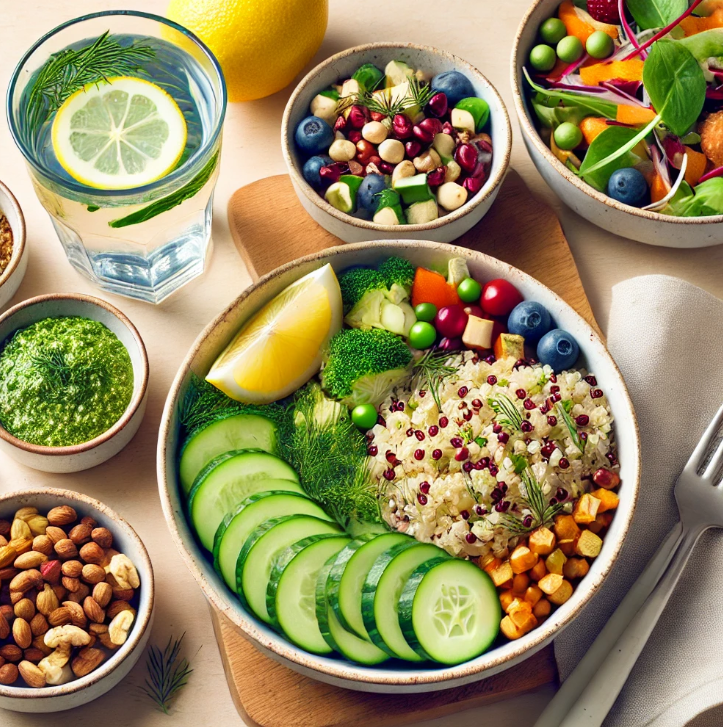
Quinoa with Vegetables and Greens: A versatile dish rich in protein and fiber, quinoa is ideal for sustaining satiety and energy throughout the day.
Cucumber Salad with Lemon and Dill: A light, refreshing side dish, perfect for adding freshness and hydration to your daily meals.
Beyond nutritional value, turmeric- and vegetable-based dishes offer valuable immune support and help maintain skin and digestive health.
Personal Care Throughout the Day
PTo avoid fatigue and maintain well-being, it’s important to integrate small moments of personal care during the day:
Movement Breaks: A short walk every hour or a few stretching exercises help prevent muscle fatigue and support blood circulation.
Hydration: Keeping a water bottle at hand ensures continuous hydration, sustaining focus and energy.
Healthy Snacks: Fresh fruit, nuts, or yogurt are excellent options for nutritious snacks, helping maintain a steady energy level.
These short breaks provide relaxation, reduce stress, and help sustain long-term concentration.
Skin Care Routine – From Daily Care to Natural Masks
Skin care is essential for maintaining a healthy, youthful appearance. Well-cared-for skin not only looks good but also provides a sense of confidence. Here are some ideas for skin care using natural products:
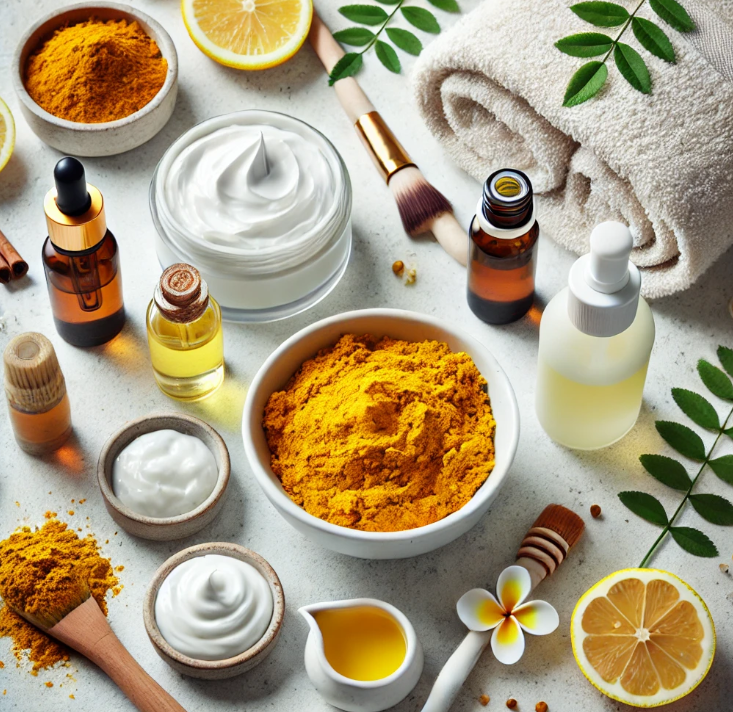
Turmeric Face Mask: Turmeric has anti-inflammatory and antioxidant properties, making it ideal for a mask that imparts radiance and evens skin tone.
Sugar and Turmeric Exfoliant: A natural scrub that removes dead cells, leaving skin smooth and soft—gentle enough for body care.
Natural Turmeric Soap: Made from natural ingredients, with anti-inflammatory and antibacterial effects, perfect for sensitive skin.
These natural products and masks contribute to improving the skin’s appearance, forming an important part of the care routine.
Evening Routine for Relaxation and Sleep Preparation
A well-structured evening routine helps relax the body and mind, contributing to quality rest. Here are some recommendations for an effective evening routine:
Makeup Removal and Skin Cleansing: Removing makeup and impurities accumulated during the day is essential. Applying a night cream or serum aids skin regeneration.
Relaxing Baths: A warm bath with Epsom salt or essential oils like lavender helps relieve muscle tension and promote relaxation.
Gratitude Journal or Meditation: Spend a few minutes noting things you’re grateful for or practicing breathing exercises. These activities reduce stress and improve sleep quality.
Unplugging from Technology: Avoid screens at least one hour before bedtime to encourage restful, deep sleep.
Conclusion: Personal Care – The Key to Health and Success
Personal care is an investment in our health and well-being. Every aspect—from morning routines and healthy eating to skin care and evening relaxation—contributes to daily balance and performance. Integrating these habits into everyday life provides not only a well-groomed appearance but also energy, vitality, and overall well-being—elements essential for career success and personal fulfillment.
Why is the morning routine important for health and professional success? A consistent morning routine influences energy levels, productivity, and attitude toward the day ahead. Practices such as hydration with lemon water, light exercise, and a healthy breakfast improve mood and concentration. A well-established morning routine reduces stress, enhancing efficiency and performance in professional life.
How does balanced nutrition help maintain energy and productivity? A balanced diet, rich in healthy carbohydrates, proteins, and fiber, ensures steady energy throughout the day. Meals like quinoa with vegetables or turmeric rice support cognitive functions and reduce fatigue. Additionally, healthy snacks like nuts and fresh fruit provide essential nutrients that sustain productivity.
What are the advantages of integrating physical exercise into the daily routine? Light exercises, such as stretching or yoga, improve blood circulation, reduce muscle tension, and boost energy levels. Practiced in the morning or during the day, they help lower stress, enhancing focus and mental clarity—essential elements for professional success.
How can a skin care routine support confidence and professional performance? Healthy, well-cared-for skin offers a fresh appearance and boosts self-confidence. Daily cleansing, sun protection, and natural masks like turmeric help maintain a radiant complexion and prevent skin issues. A polished appearance reflects professionalism and attention to detail.
Why is continuous hydration essential for overall well-being? Consistent hydration supports bodily functions, improves concentration, and helps eliminate toxins. Drinking water throughout the day prevents fatigue and cognitive decline. Adding ingredients like lemon or mint can make hydration more enjoyable and beneficial.
How can movement breaks improve productivity? Short movement breaks reduce muscle stiffness and stimulate blood flow. They help prevent mental and physical fatigue, allowing better focus on daily tasks. A simple walk or a few stretches are enough to boost energy flow.
What impact do gratitude journaling or meditation have on mental state? A gratitude journal and meditation reduce stress and improve sleep quality. Reflecting on positive aspects of the day or practicing breathing techniques calms the mind and fosters an optimistic attitude. These practices are essential for maintaining a balanced perspective on professional and personal life.
How can the evening routine contribute to quality sleep? An evening routine that includes makeup removal, relaxing baths, and screen avoidance prepares the body and mind for rest. Activities like reading or meditation reduce external stimuli, facilitating deep, restful sleep. Quality sleep is vital for body regeneration and next-day performance.
How do natural masks and exfoliants help in skin care? Natural products such as turmeric masks and sugar scrubs remove impurities and dead cells, leaving skin smooth and revitalized. These simple, effective treatments improve skin texture and appearance, contributing to an economical and sustainable personal care routine.
Why is personal care the key to success in professional life? Personal care provides the necessary balance to face daily challenges. By maintaining physical and mental health, these practices increase energy, productivity, and self-confidence. Integrating healthy habits—balanced diet, exercise, and stress management—contributes to career success and a fulfilling life.
Chicken Soup with Ginger
Chicken soup with ginger is a light and comforting recipe, with subtle ginger aromas that bring extra freshness and flavor intensity. This soup is ideal for supporting immunity and warming the body on colder days.
Ingredients:
1 chicken breast (or 2 boneless chicken thighs)
1 tablespoon of olive oil
1 medium onion, finely chopped
3 garlic cloves, finely minced
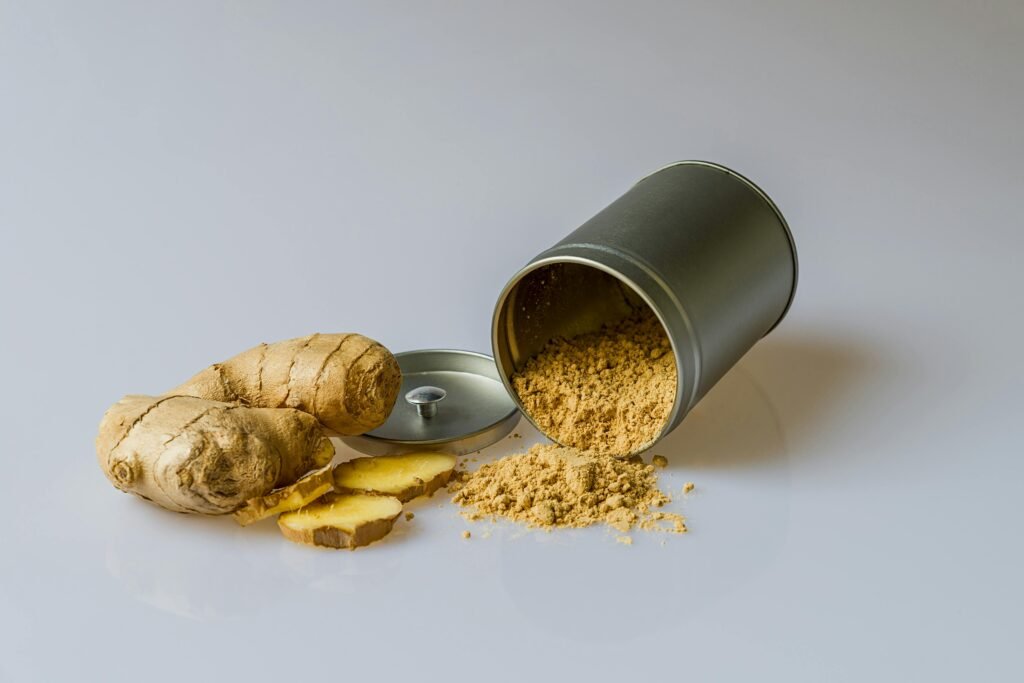
1 piece of fresh ginger (about 2 cm), peeled and grated
Cook the chicken: In a large pot, heat the olive oil over medium heat. Add the chicken breast and cook a few minutes on each side until lightly browned. Remove the chicken and set aside.
Sauté the vegetables: In the same pot, add the onion and sauté until translucent. Add the garlic and ginger and cook for 1 minute until fragrant.
Add vegetables and broth: Add the carrots, bell pepper, mushrooms, and potato (if using). Pour in the chicken broth (or water) and return the browned chicken to the pot.
Simmer the soup: Bring to a boil, then reduce heat and simmer for 20–25 minutes until the vegetables are tender and the chicken is fully cooked.
Season: Remove the chicken, slice or shred it, and return it to the soup. Stir in the soy sauce (if using), lemon juice, salt, and pepper, adjusting to taste.
Serve: Ladle the soup into bowls and garnish with fresh parsley or cilantro.
Tips:
For extra flavor: Add chopped hot pepper or a pinch of chili flakes for a spicier kick.
For a creamier texture: Stir in a little coconut milk at the end, which pairs wonderfully with ginger and adds a tropical touch.
Benefits:
Ginger has anti-inflammatory properties and helps strengthen immunity, while chicken soup is easily digestible and nourishing, making this soup an excellent choice for supporting health and bodily comfort.
1. What are the main benefits of ginger in the soup? Ginger is known for its anti-inflammatory and antioxidant properties, making it an excellent ingredient for immune support. In this soup, ginger helps stimulate circulation, soothes gastric discomfort, and provides a fresh, slightly spicy aroma—ideal for cold days or recovery periods after colds.
2. How does chicken soup contribute to health? Chicken soup is rich in protein and minerals, easily digestible and nourishing. It supports hydration, strengthens the immune system, and can help alleviate cold symptoms due to the collagen and amino acids in the meat. Combined with vegetables and ginger, it becomes a balanced and comforting meal.
3. How can the recipe be customized to be healthier?
Lower fat version: Use skinless chicken breast and omit the potato.
Higher fiber content: Add spinach, kale, or other leafy greens at the end.
Extra nutrients: Substitute quinoa for potato, providing additional protein and fiber.
4. What side dishes pair well with chicken soup with ginger?
Homemade croutons: Prepared with a touch of garlic and herbs to complement the soup’s flavors.
Whole-grain bread: Provides a pleasant contrast in texture and adds fiber.
Basmati rice or noodles: These can make the soup more filling, ideal for lunch or dinner.
5. How can the recipe be adapted for special diets?
Gluten-free: Ensure soy sauce is gluten-free and replace regular noodles with rice or quinoa alternatives.
Vegan: Substitute chicken with tofu or legumes (chickpeas, lentils) and use vegetable broth.
Low-carb: Exclude the potato and add more low-carb vegetables such as cauliflower or zucchini.
6. What role does lemon juice play in this recipe? Lemon juice adds freshness and enhances the flavors of the ingredients. Additionally, the vitamin C in lemon supports the immune system and balances the spicy, pungent taste of ginger. It is essential for a complete and harmonious soup flavor.
7. What are alternatives to soy sauce for similar flavors? If you don’t have soy sauce or prefer something else:
Tamari: A gluten-free alternative with a similar taste.
Coconut aminos: A slightly sweeter and less salty option.
Sea salt and a splash of balsamic vinegar: Provide a balanced combination of saltiness and acidity.
8. How can you add extra protein to the soup?
Add sliced hard-boiled eggs or whisked egg cooked directly in the soup, similar to Chinese egg drop soup.
Include legumes such as red lentils or white beans.
Use chicken breast instead of thighs for higher protein and lower fat content.
9. How should the soup be stored and reheated? Store the soup in an airtight container in the refrigerator for 3–4 days. For longer periods, freeze for up to 3 months. When reheating, add a little water or chicken broth to maintain consistency and heat gently to preserve flavors.
10. What beverages pair well with chicken soup with ginger?
Green tea with lemon: Complements the fresh ginger flavors.
Warm lemonade with honey: Adds a touch of sweetness and supports health on cold days.
Dry or semi-dry white wine: A sophisticated option for an evening meal.
Rosemary and Garlic Roasted Potatoes Crispy oven-roasted potatoes seasoned with rosemary and garlic provide the ideal texture and classic flavor match for turmeric and lemon chicken.
Cucumber Salad with Lemon and Dill A light cucumber salad dressed simply with lemon and dill offers a refreshing balance to the rich flavors of the roasted chicken. Ingredients:
2 large cucumbers (or 4 pickling cucumbers)
1 tablespoon fresh dill, chopped
Juice of ½ lemon (or more, to taste)
1 tablespoon extra-virgin olive oil
Salt and pepper, to taste
Optional: ½ small red onion, finely chopped
Instructions:
Slice the cucumbers thinly for uniform texture.
In a small bowl, whisk lemon juice, olive oil, salt, and pepper.
In a large bowl, combine cucumbers, dill, and onion (if using). Pour dressing over and toss gently.
Serve immediately or chill up to 15 minutes to meld flavors.
Tips:
For extra freshness: Add chopped mint leaves.
For deeper flavor: Let salad rest refrigerated for 10–15 minutes before serving.
Benefits: This salad is hydrating, rich in vitamins and antioxidants; cucumbers supply water and minerals, while lemon and dill add brightness and nutrients.
Quinoa with Vegetables and Herbs Quinoa cooked with fresh vegetables (cherry tomatoes, cucumber) and herbs (parsley, mint) delivers a light yet nutrient-dense side dish. Ingredients:
1 cup quinoa (white, red, or mixed)
2 cups water or vegetable broth
1 red bell pepper, diced
½ cucumber, diced
1 small carrot, grated or finely chopped
¼ cup cherry tomatoes, halved
¼ cup fresh parsley, chopped
¼ cup fresh mint, chopped (optional)
Juice of ½ lemon (or more, to taste)
2 tablespoons extra-virgin olive oil
Salt and pepper, to taste
Instructions:
Rinse quinoa under cold water; simmer in water or broth (1:2 ratio) for 15–20 minutes until fluffy. Let cool slightly.
Chop vegetables and herbs.
In a large bowl, combine quinoa, vegetables, and herbs.
Whisk lemon juice, olive oil, salt, and pepper; toss with quinoa mixture.
Serve immediately or chill 10–15 minutes to enhance flavors.
Tips:
For extra richness: Add avocado slices or black olives.
For crunch: Sprinkle toasted almond flakes or chopped nuts.
Benefits: Quinoa is a complete protein and fiber source; vegetables and herbs add vitamins, minerals, and antioxidants for a light yet nourishing side.
Garlic Cauliflower Mash A creamy cauliflower mash offers a lighter alternative to potato puree, with subtle garlic notes that complement turmeric and lemon in the chicken. Ingredients:
1 medium cauliflower, broken into florets
2–3 garlic cloves, peeled
2 tablespoons butter or olive oil (use vegan butter for plant-based)
¼ cup milk or plant-based milk (e.g., almond milk)
Salt and pepper, to taste
Optional: 1 tablespoon grated Parmesan for extra richness
Optional: Chopped parsley for garnish
Instructions:
Boil cauliflower and garlic in salted water for 10–12 minutes until very tender.
Drain well and let cool slightly.
In a blender or food processor, combine cauliflower, garlic, butter, milk, salt, and pepper. Blend until smooth.
Adjust consistency with extra milk if needed.
Serve topped with parsley or a sprinkle of black pepper.
Tips:
For extra creaminess: Stir in a spoonful of Greek yogurt or sour cream.
For more pronounced flavor: Add extra garlic.
Benefits: Cauliflower mash is lower in calories than potatoes and provides fiber, vitamins, and essential minerals.
Sautéed Asparagus with Lemon and Parmesan Elegant, quick, and delicious, sautéed asparagus brings bright lemon notes and savory Parmesan to round out your meal. Ingredients:
1 bunch asparagus (about 500 g), trimmed
1 tablespoon olive oil
Juice of ½ lemon
2 tablespoons finely grated Parmesan
Salt and pepper, to taste
Optional: Lemon zest for garnish
Instructions:
Rinse asparagus and trim woody ends.
Heat oil in a large skillet over medium heat; sauté asparagus for 5–7 minutes until tender-crisp.
In the last minute, add lemon juice and toss.
Remove from heat; season with salt, pepper, and sprinkle Parmesan over hot asparagus.
Serve with optional lemon zest.
Tips:
For extra aroma: Sauté with a minced garlic clove.
For a crisp exterior: Finish over high heat for the last minute.
Benefits: Asparagus is rich in vitamins A, C, and K, fiber, and antioxidants; Parmesan adds protein and calcium.
Beverage Pairings
To complement the turmeric and lemon flavors, consider:
Dry or Semi-Dry White Wine (e.g., Sauvignon Blanc, Chardonnay) – acidity accentuates the chicken’s freshness.
Mint and Ginger Lemonade – cooling, with a hint of spice to balance richness.
Chilled Jasmine or Green Tea – delicate floral notes that don’t overpower spices.
Cucumber, Lemon & Mint Smoothie – refreshing and herbaceous for a vibrant contrast.
Light Blonde Beer – gentle bitterness that pairs well with the dish’s depth.
1. What is roasted chicken with turmeric and lemon? A healthy, flavorful dish combining lemon’s brightness with turmeric’s warm spice. Simple to prepare, ideal for family meals or special dinners, it delivers nutritional benefits thanks to its natural ingredients.
2. What are the benefits of turmeric in this recipe? Turmeric provides anti-inflammatory and antioxidant properties via curcumin, aids digestion, and boosts immunity. Combined with lemon and black pepper, its bioavailability increases, amplifying health benefits.
3. Why is marinating the chicken important? Marination intensifies flavor and tenderizes meat. Lemon juice breaks down muscle fibers, while spices and oil penetrate deeply, yielding juicy, well-seasoned chicken.
Turkey: Marinate 30–60 minutes; adjust roasting time to piece size.
Pork: Add 1 teaspoon honey to the marinade for a sweet-savory balance.
5. What are the best side dishes for this preparation?
Rosemary Roasted Potatoes – classic complement to turmeric and lemon.
Cucumber Dill Salad – adds freshness and balances richness.
Vegetable Quinoa – nutritious, protein-packed, and colorful.
6. How can flavors be intensified?
Add lemon zest to the marinade.
Include spices like cumin, coriander, or smoked paprika.
Cover chicken for the first 20 minutes of roasting, then uncover for a golden crust.
7. Which beverages pair well with this dish?
Dry White Wine: Sauvignon Blanc highlights lemon freshness.
Mint-Ginger Lemonade: Provides a cool contrast.
Chilled Green Tea: A subtle, complementary infusion.
8. How can the recipe be adjusted for special diets?
Low-carb: Serve with cauliflower mash or sautéed asparagus instead of starchy sides.
Dairy-free: Use plant-based oils and omit cheese.
Gluten-free: Ensure spices and condiments are certified gluten-free.
9. What role does lemon play in this dish? Lemon adds brightness, enhances flavor depth, and tenderizes meat. Its vitamin C also supports immunity and complements turmeric’s benefits.
10. What other ingredients can be added for variations?
Honey or Maple Syrup: For a sweet-tangy note.
Chopped Chili: For extra heat.
Fresh Coriander or Mint: For a refreshing, exotic twist.
In a large pot, heat the olive oil and sauté the onion and garlic until soft.
Add turmeric and ginger, cooking for a few minutes to release their aroma.
Stir in the lentils and vegetable broth, mix well, then simmer over low heat for 20–25 minutes, until the lentils are tender.
Season with salt and pepper, then serve garnished with fresh parsley.
Benefits: Lentil soup with turmeric is rich in plant-based protein and antioxidants, supporting digestive health.
1. What is vegetable curry with turmeric and what are its benefits? Vegetable curry with turmeric is a healthy dish made from a mix of vegetables and aromatic spices such as turmeric and ginger. Its benefits include the anti-inflammatory and antioxidant properties of turmeric, the fiber from vegetables that supports digestion, and the healthy fats in coconut milk that enhance nutrient absorption.
2. How does turmeric influence the taste and nutritional value of the dish? Turmeric provides a subtle, earthy flavor and a vibrant color to the dish. Nutritionally, curcumin—its main active compound—reduces inflammation, stimulates digestion, and offers antioxidant effects, supporting overall health.
3. What role do the vegetables play in the recipe? The vegetables in the recipe bring an important nutrient boost:
Carrots supply beta-carotene, beneficial for skin and vision.
Cauliflower provides vitamin C and detoxifying compounds.
Bell pepper is rich in antioxidants and vitamins that support immunity.
4. What are the main steps to prepare vegetable curry with turmeric?
Heat coconut oil in a large pot and sauté the onion and garlic.
Add turmeric and ginger to intensify the flavor.
Add vegetables, tomatoes, and coconut milk, then simmer for 15–20 minutes.
Season with salt and pepper, garnish with fresh cilantro, and serve.
5. How can the recipe be adapted for various dietary preferences?
Keto diet: Replace carrots with zucchini and use high-fat coconut milk.
Vegan: The recipe is already 100% plant-based.
Low-sodium diet: Use fresh tomatoes and limit added salt.
6. How does coconut milk contribute to taste and texture? Coconut milk adds a creamy texture and a subtle sweetness that balances the spices. Its healthy fats also aid in the absorption of curcumin from turmeric, enhancing the dish’s health benefits.
7. How can you intensify the curry’s aroma?
Add spices such as cumin, ground coriander, or cinnamon.
Lightly roast the vegetables before cooking them in the sauce.
Stir in lime juice at the end for a fresh, balanced flavor.
8. What benefits does ginger bring to this dish? Ginger stimulates digestion, reduces inflammation, and soothes gastric discomfort. Its slightly spicy notes balance the sweetness of coconut milk, adding complexity to the dish.
9. With what can you serve vegetable curry with turmeric?
As a main course alongside basmati or brown rice.
With naan bread or flatbread to soak up the delicious sauce.
With a fresh salad for extra crunch.
10. Why is vegetable curry with turmeric a healthy choice? It is rich in essential nutrients, fiber, vitamins, and antioxidants that support overall health. Additionally, it is filling, easy to prepare, and nutritionally balanced, making it perfect for lunch or dinner.
Vegetable Curry with Turmeric
Ingredients:
1 tablespoon of coconut oil
1 large onion, chopped
2 garlic cloves, chopped
1 tablespoon of turmeric powder
1 tablespoon of fresh, grated ginger
1 bell pepper, cut into pieces
1 cup of carrots, thinly sliced
1 cup of cauliflower florets
1 cup of coconut milk
1 cup of canned tomatoes, chopped
Salt and pepper, to taste
A handful of fresh coriander leaves, for garnish
Instructions:
Heat the coconut oil in a large pot and sauté the onion and garlic until translucent.
Add the turmeric and ginger, cooking for a few minutes to intensify their aroma.
Add the vegetables, tomatoes, and coconut milk. Simmer over low heat for 15–20 minutes, or until the vegetables are tender.
Season with salt and pepper, then serve the curry garnished with fresh coriander.
Benefits: Vegetable curry with turmeric is an excellent source of vitamins, minerals, and antioxidants, ideal for a nutritious and light meal.
1. What is vegetable curry with turmeric and why is it healthy? Vegetable curry with turmeric is a flavorful and wholesome dish that combines fresh vegetables with spices such as turmeric, ginger, and coriander. It is rich in vitamins, minerals, and antioxidants. Its main benefits include:
The anti-inflammatory and antioxidant properties of turmeric.
High fiber content from the vegetables, which supports digestive health.
Healthy fats from the coconut oil and milk, which enhance nutrient absorption.
2. How does turmeric influence the curry’s flavor and properties? Turmeric gives the dish a golden-yellow color and a subtle, earthy taste. Nutritionally, curcumin—the active compound in turmeric—offers benefits such as:
Reducing inflammation in the body.
Stimulating digestion and supporting liver detoxification. Combined with ginger and coconut oil, turmeric not only enhances the flavor but also the nutritional value of the curry.
3. What are the key benefits of the vegetables used in the recipe?
Carrots: Rich in beta-carotene, essential for eye and skin health.
Cauliflower: An excellent source of vitamin C and detoxifying compounds.
Bell pepper: Contains vitamin A and antioxidants, supporting immunity. This combination of vegetables provides a balanced mix of nutrients for overall health.
4. How do you properly prepare vegetable curry with turmeric? Step-by-step instructions:
Heat coconut oil in a large pot.
Add the onion and garlic, sautéing until translucent.
Stir in turmeric and ginger to release their aromas.
Add the bell pepper, carrots, cauliflower, tomatoes, and coconut milk.
Cook over low heat for 15–20 minutes, until the vegetables are tender.
Season with salt and pepper, then garnish with fresh coriander. This dish is quick, easy to make, and perfect for healthy meals.
5. How can the recipe be adapted for various diets?
Keto diet: Replace carrots with zucchini and use only high-fat coconut milk.
Vegan: The recipe is already fully plant-based.
Low-sodium diet: Use fresh tomatoes instead of canned and limit added salt. This curry is highly versatile and easily tailored to dietary preferences.
6. How does coconut milk contribute to the dish? Coconut milk adds a creamy texture and a subtle sweetness that balances the spices. It is a good source of healthy fats which:
Enhance the absorption of curcumin from turmeric.
Provide lasting satiety, making the curry suitable as a main course.
7. How can you intensify the curry’s aroma?
Add extra spices such as cumin, ground coriander, or cardamom.
Lightly roast the vegetables before adding them to the curry to deepen their flavor.
Squeeze in fresh lime juice at the end for a bright, balanced finish.
8. What are the benefits of fresh ginger in the recipe? Fresh ginger contributes a pleasant spicy kick and offers numerous health benefits:
Stimulates digestion by promoting gastric juices.
Possesses anti-inflammatory and antioxidant properties.
Soothes nausea and abdominal discomfort. Combined with turmeric, ginger enhances the curry’s overall health-supporting effects.
9. How can vegetable curry with turmeric be served?
On its own: As a flavorful main dish, accompanied by a fresh salad.
With rice: Preferably basmati or brown rice for extra fiber.
With naan or flatbread: Perfect for soaking up the rich, aromatic sauce. Garnish with fresh coriander leaves for a final burst of aroma and color.
10. Why is this curry a suitable choice for lunch or dinner? Vegetable curry with turmeric is:
Filling: Contains fiber and healthy fats that sustain energy throughout the day.
Quick to prepare: Ready in under 30 minutes.
Nutritionally balanced: Offers carbohydrates, proteins (from vegetables), and fats in ideal proportions. It’s an excellent option for a healthy, tasty, and nourishing meal.
Turmeric: Properties, Benefits, and Uses
Turmeric (Curcuma longa) is a herbaceous plant native to Southeast Asia, known and valued for thousands of years for its medicinal and culinary properties. Its intensely orange root is used in Asian kitchens as a spice, but also in traditional Ayurvedic and Chinese medicine for its anti-inflammatory, antioxidant, and general health-supporting benefits.
Scientific Name and Origin
Turmeric belongs to the family Zingiberaceae and is scientifically named Curcuma longa. It is related to ginger, sharing similar features such as aromatic rhizomes and medicinal properties. Widely cultivated in India, turmeric is considered an essential ingredient in both Indian cuisine and traditional medicine. Often called “yellow gold,” it is used as a natural remedy for a wide range of conditions.
Botanical Description
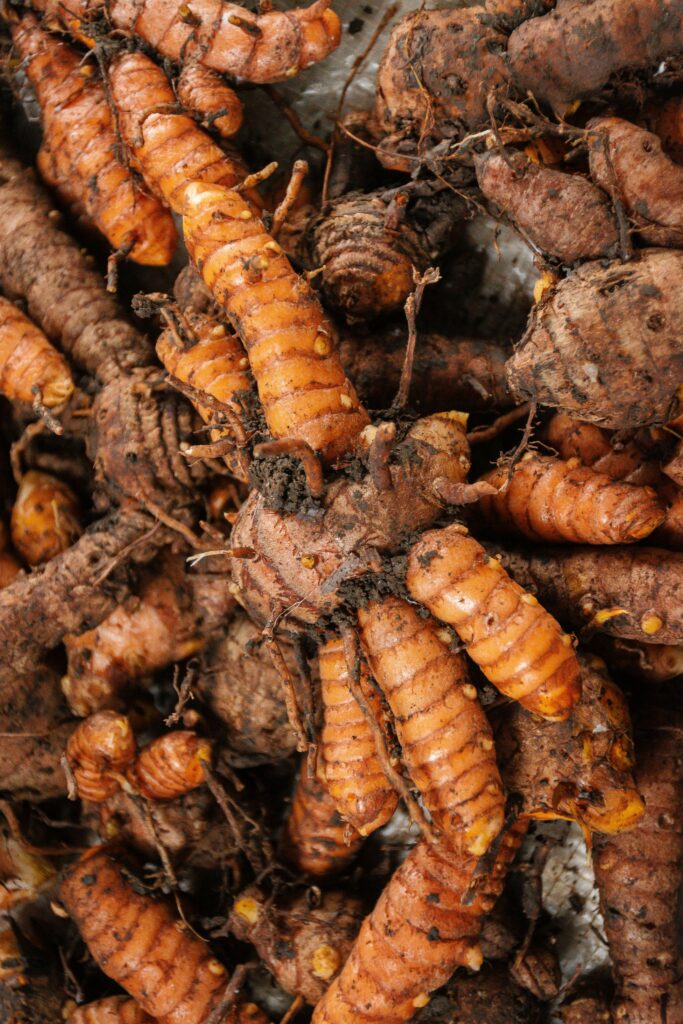
Turmeric is a perennial plant that grows up to about one metre in height, with large, lanceolate leaves of deep green. Its rhizomes are the edible and medicinal part of the plant. The turmeric root has a thin, brownish-yellow skin and a vibrant orange interior. This rhizome contains essential oils and bioactive compounds, such as curcumin, which is responsible for many of its health benefits.
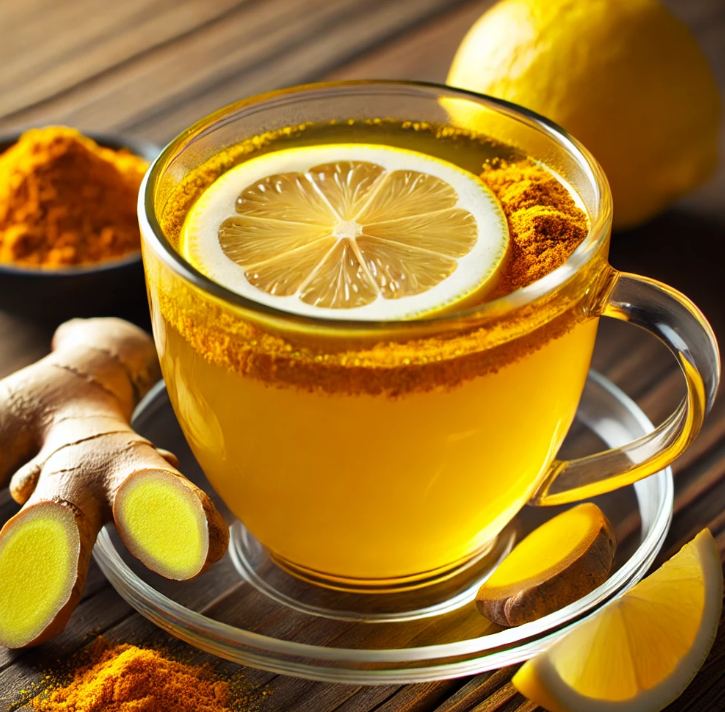
Turmeric Tea with Ginger and Lemon and Active Compounds
Turmeric is rich in bioactive compounds that confer powerful therapeutic properties:
Curcumin: The principal polyphenol in turmeric, known for its anti-inflammatory and antioxidant effects. Studies have shown it can combat inflammation and reduce oxidative stress.
Essential Oils: Turmeric contains oils like turmerone, which may contribute to brain health and possess antimicrobial effects.
Fiber: Although in moderate amounts, turmeric contributes to fibre intake, thus supporting digestive health.
Vitamins and Minerals: Turmeric provides vitamin C, B-complex vitamins, iron, potassium, and manganese.
Health Benefits of Turmeric
Turmeric has been extensively studied for its potential to support health and is used in natural treatments for various conditions.
Immune System Enhancement Turmeric has antimicrobial properties and can help strengthen the immune system. In traditional medicine, turmeric is used to prevent and treat colds and infections.
Anti-Inflammatory and Analgesic Effect Curcumin in turmeric is a powerful natural anti-inflammatory. It can help reduce pain and inflammation, often used as a supplement for chronic inflammatory conditions like rheumatoid arthritis and osteoarthritis.
Antioxidant Properties Turmeric helps neutralise free radicals, protecting cells from oxidative stress. Curcumin not only has direct antioxidant effects but also stimulates the body’s production of antioxidants, guarding against premature aging and degenerative diseases.
Digestive Support Turmeric may improve digestion, having carminative properties and stimulating bile secretion. It is traditionally used to alleviate digestive issues such as bloating, abdominal discomfort, and slow digestion.
Cognitive Function Improvement Studies suggest turmeric can help support cognitive health and prevent age-related mental decline. The essential oil turmerone may stimulate neuron production, benefitting brain function.
Cardiovascular Health Support Curcumin helps regulate cholesterol levels and may prevent its oxidation, thereby reducing the risk of cardiovascular diseases. Turmeric can also improve endothelial function (the lining of blood vessels), preventing atheromatous plaque formation.
Culinary Uses
TuTurmeric is a versatile ingredient in various culinary preparations, especially in Asian cuisine:
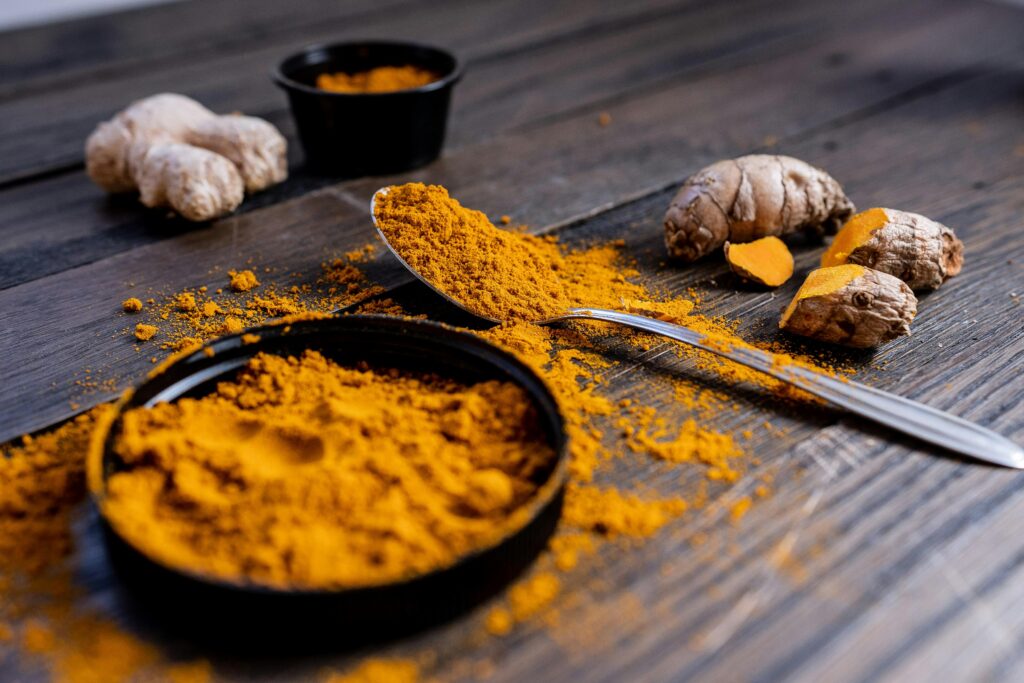
Spice: Ground turmeric serves as a base in curries, stews, and soups, imparting an earthy flavour and golden-yellow colour to dishes.
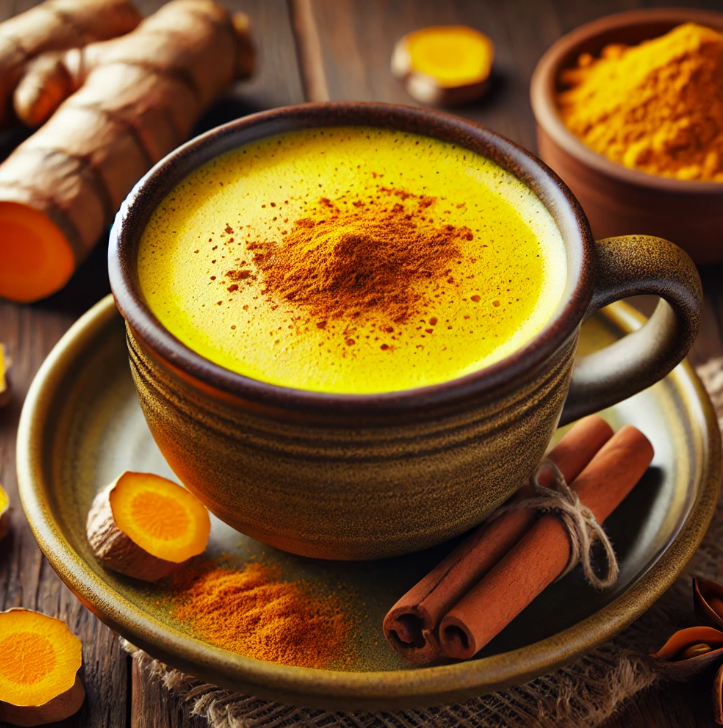
Teas and Beverages: Turmeric can be consumed as tea or in drinks such as “golden milk” (turmeric latte), a warm beverage with milk and spices, popular for its relaxing and anti-inflammatory effects.
Turmeric Tea and Other Turmeric-Infused Beverages
Turmeric is often enjoyed in beverages to support overall health:
Turmeric Tea: Made by boiling fresh or powdered turmeric in water, sometimes with ginger and honey for added flavour.
Golden Milk: A traditional Ayurvedic drink prepared from milk, turmeric, black pepper, and other spices, consumed for its relaxing and anti-inflammatory effects.
Detox Tonics: Turmeric combined with lemon and ginger in a morning tonic supports immunity and detoxification.
Turmeric Tea Recipes
Turmeric’s anti-inflammatory and antioxidant properties make it ideal for tea. These teas benefit immunity, digestion, and general health, with a pleasant, warm, earthy taste. Here are some easy recipes:
Strain into a cup and add honey and lemon if desired. Benefits: Reduces inflammation and supports immunity.
Simple Turmeric Tea Ingredients:
Boil water and add turmeric. If using fresh, simmer for 10 minutes.
Stir in black pepper.
2. Turmeric, Ginger, and Lemon Tea
Această rețetă combină turmericul și ghimbirul pentru a crea un ceai revigorant, perfect pentru zilele reci Ingredients:
1 tsp turmeric powder (or 1–2 cm fresh, grated)
1 tsp fresh ginger, grated
2 cups water
Juice of ½ lemon
1 tsp honey (optional) Instructions:
Add lemon juice and honey to taste. Benefits: Excellent for digestive support, immunity, and inflammation reduction.
Boil water with turmeric and ginger.
Simmer for 10 minutes, then strain.
Add lemon juice and honey to taste. Benefits: Excellent for digestive support, immunity, and inflammation reduction.
3. Golden Milk with Turmeric
„Laptele de aur” este o băutură ayurvedică populară, cunoscută pentru proprietățile sale relaxante și anIngredients:
1 cup plant-based or regular milk
1 tsp turmeric powder
½ tsp cinnamon powder
Pinch of black pepper
1 tsp honey or maple syrup
¼ tsp powdered ginger (optional) Instructions:
Strain, sweeten, and serve warm. Benefits: Ideal for relaxation and inflammation reduction.
Warm milk over low heat.
Add turmeric, cinnamon, pepper, and ginger.
Simmer for 5 minutes (do not boil).
4. Turmeric and Mint Tea for Digestion
UnIngredients:
1 tsp turmeric powder (or 1–2 cm fresh, grated)
1 tsp dried or fresh mint leaves
2 cups water
1 tsp honey (optional) Instructions:
Add honey if desired. Benefits: Calms the digestive system and refreshes.
Boil water with turmeric and mint.
Simmer for 5–10 minutes, then strain.
5. Turmeric and Cinnamon Tea for Immunity
Ingredients:
1 tsp turmeric powder
½ tsp cinnamon powder
2 cups water
1 tsp honey (optional)
Orange or lemon slice (optional) Instructions:
Boil water with turmeric and cinnamon.
Simmer for 5–10 minutes, then strain.
Add honey and citrus slice for extra flavour. Benefits: Boosts immunity and combats oxidative stress.
General Recommendations:
Black Pepper: Add a pinch to enhance curcumin bioavailability.
Regular Consumption: Teas can be enjoyed daily, varying recipes for a wider nutrient range.
Precautions: If on anticoagulant medications, consult a doctor before regular turmeric intake due to its blood-thinning potential.
General Recommendations
Black pepper: Add a pinch of black pepper to turmeric teas to improve curcumin absorption.
Regular consumption: Turmeric teas can be enjoyed daily, but it is recommended to vary the recipes to benefit from a wide range of nutrients.
Precautions: If you are taking anticoagulant medications, consult a physician before consuming turmeric regularly, as it may have a blood-thinning effect.
These turmeric teas are delicious, healthy, and easy to prepare, offering a simple way to integrate turmeric into your daily diet.
Smoothies and Juices: Fresh turmeric root or powder can be added to smoothies for an extra boost of antioxidants.
Recipes for Smoothies and Juices with Turmeric
Turmeric adds an extra boost of antioxidants and anti-inflammatory properties to beverages, making it an excellent choice for those who wish to support their health. Here are a few delicious and healthy recipes for smoothies and juices with turmeric.
1. Turmeric and Mango Smoothie
This smoothie is an explosion of antioxidants and vitamins, with a tropical flavor and a mild spicy kick.
Ingredients:
1 cup of diced mango (fresh or frozen)
½ banana
½ teaspoon of turmeric powder (or 1 cm of fresh turmeric, grated)
½ teaspoon of fresh ginger, grated
1 cup of coconut milk or coconut water
1 teaspoon of honey or maple syrup (optional)
Ice cubes (optional)
Instructions:
Add all ingredients to a blender and blend until you achieve a creamy consistency.
Serve immediately, garnished with a sprinkle of turmeric powder on top, if desired.
Benefits: Mango and bananas provide sweetness and fiber, while turmeric and ginger contribute anti-inflammatory properties and digestive benefits.ve.
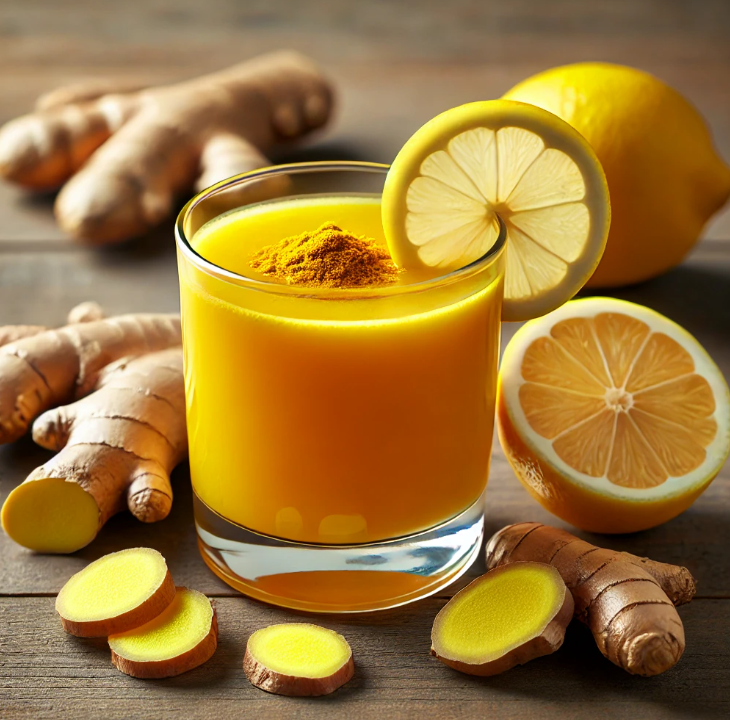
2. Turmeric and Ginger Juice with Lemon
This energizing drink is excellent for detoxification and for boosting your immune system.
Ingredients:
1 teaspoon of turmeric powder (or 1 cm of fresh turmeric, grated)
1 teaspoon of fresh ginger, grated
Juice of 1 lemon
1 cup of cold water (or coconut water)
1 teaspoon of honey or maple syrup (optional)
Ice cubes
Instructions:
In a shaker or blender, combine all ingredients and mix well.
Strain the mixture, if desired, and pour it into a glass over ice.
Benefits: This combination of turmeric, ginger, and lemon helps with liver detoxification, improves digestion, and strengthens the immune system.e ajută la detoxifierea ficatului, îmbunătățirea digestiei și întărirea imunității.
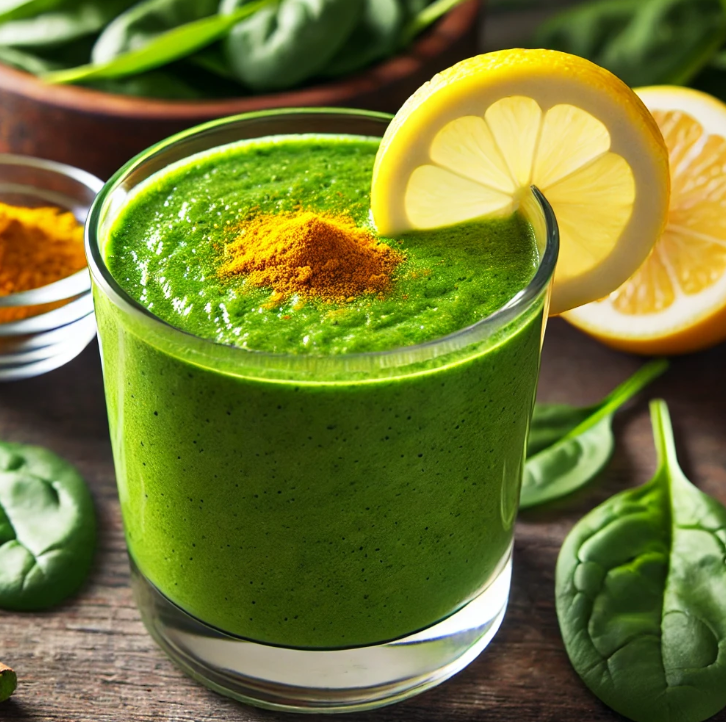
3. Green Smoothie with Turmeric and Spinach
A nutrient-packed smoothie, perfect for an energizing and healthy breakfast.
Ingredients:
1 handful of fresh spinach
½ banana
½ green apple, diced
½ teaspoon of turmeric powder
1 cup of almond milk or coconut water
½ teaspoon of fresh ginger, grated
Ice cubes (optional)
Instructions:
Add all ingredients to a blender and blend until you achieve a smooth consistency.
Serve immediately, garnished with spinach leaves or a slice of lemon.
Benefits: Spinach provides iron and vitamins, while turmeric and ginger enhance digestion and reduce inflammation.
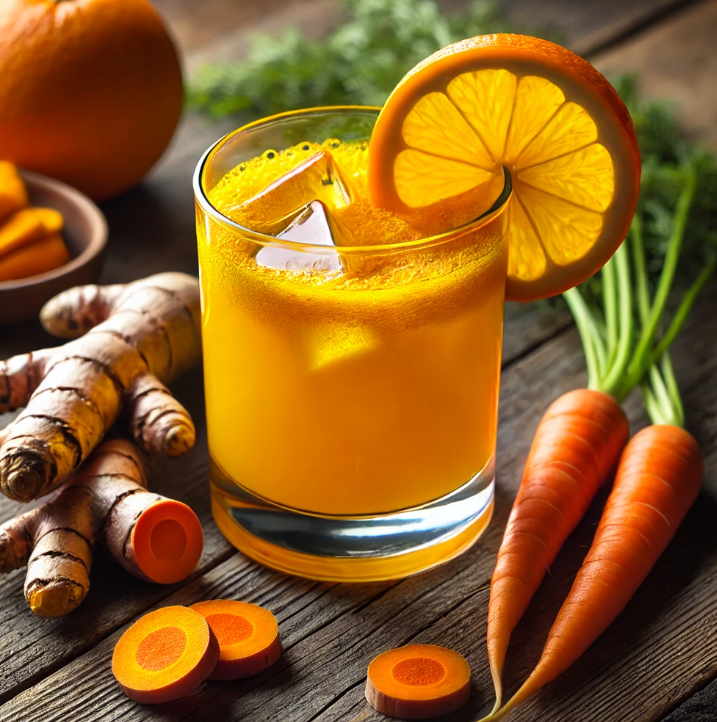
4. Turmeric and Carrot Tonic
This tonic is an excellent source of beta-carotene and antioxidants, making it ideal for skin health and vision.
Ingredients:
2 large carrots, peeled and cut into pieces
1 orange, peeled and sectioned
½ teaspoon of turmeric powder
½ teaspoon of fresh ginger, grated
1 cup of cold water
Ice cubes (optional)
Instructions:
Place the carrots and orange in a blender along with the turmeric and ginger.
Add the water and blend until smooth. Strain the drink if you prefer a finer texture.
Serve in a glass over ice.
Benefits: This drink helps improve skin health and boosts the immune system, thanks to its high content of beta-carotene and vitamin C.
5. Turmeric and Pineapple Smoothie
A tropical smoothie, light and delicious, which adds a dose of vitamins and minerals.
Ingredients:
1 cup of fresh or frozen pineapple
½ banana
½ teaspoon of turmeric powder
½ teaspoon of fresh ginger, grated
1 cup of coconut water or coconut milk
1 teaspoon of honey or maple syrup (optional)
Ice cubes (optional)
Instructions:
Add all ingredients to a blender and blend until you achieve a creamy consistency.
Serve immediately, garnished with pineapple chunks or a sprinkle of turmeric on top.
Benefits: Pineapple aids digestion thanks to its natural enzymes, while turmeric and ginger contribute to reducing inflammation.
General Recommendations
Frequency:Smoothies and juices with turmeric can be consumed daily or several times a week, as part of a healthy lifestyle.
Curcumin Absorption: To improve curcumin absorption from turmeric, you can add a small amount of black pepper to your smoothies or juices.
Choosing Ingredients:Fresh, quality ingredients contribute to both the taste and benefits of these beverages.
These recipes for smoothies and juices with turmeric are delicious, healthy, and easy to prepare, offering a simple way to include turmeric in your daily diet.
Natural Preservatives: Due to its antimicrobial properties, turmeric is often used as a natural preservative in foods.
Traditional Uses in Herbal Medicine
Turmeric has been used for thousands of years in Ayurvedic medicine and traditional Chinese medicine:
Turmeric powder: Administered mixed with honey or milk to support overall health.
Tinctures and extracts: Curcumin extracts are used in the treatment of inflammatory conditions and are often available in capsule form for easier administration.
Recipes for Turmeric Tinctures and Extracts
Tinctures and extracts of turmeric are concentrated sources of active compounds, easy to administer for their anti-inflammatory, antioxidant, and overall health–supporting benefits. These preparations can be used daily in small doses to support the immune system, digestive health, and to combat inflammation. Here are some recipes for making turmeric tinctures and extracts at home.
1. Alcohol-Based Turmeric Tincture
This tincture is an alcoholic extract of turmeric that can be stored for a long time. The alcohol helps extract curcumin, the active ingredient in turmeric.
Ingredients:
½ cup of fresh turmeric, peeled and cut into small pieces (or ¼ cup of turmeric powder)
1 cup of food-grade alcohol (vodka at least 40%, grain alcohol)
A glass jar with an airtight lid
Instructions:
Place the turmeric in the glass jar and pour the alcohol over it, ensuring the turmeric is completely covered.
Seal the jar and store it in a dark place for 4–6 weeks, shaking the jar daily to facilitate extraction.
After the maceration period, strain the tincture through a fine sieve or cheesecloth to remove any remaining turmeric.
Transfer the tincture to a dark-colored bottle and store it in a cool, dark place.
Recommended dosage: 10–15 drops diluted in a glass of water, 1–2 times per day.
2. Alcohol-Free Turmeric Tincture (with Glycerin)
For those who wish to avoid alcohol, vegetable glycerin is a good alternative for tinctures. It is sweeter but less potent than an alcoholic tincture.
Ingredients:
½ cup of fresh turmeric, finely grated (or ¼ cup of turmeric powder)
1 cup of vegetable glycerin
½ cup of distilled water
A glass jar with an airtight lid
Instructions:
Mix the glycerin with the water, then add the turmeric to the glass jar.
Pour the glycerin–water mixture over the turmeric, ensuring it is completely covered.
Seal the jar and store it in a dark place for 4–6 weeks, shaking daily.
Strain the tincture and transfer it to a dark-colored bottle.
Recommended Dosage: ½ teaspoon, 1–2 times per day, diluted in a glass of water.
3. Turmeric Extract with Honey and Black Pepper
This extract requires no alcohol and has the advantage of being consumed directly, without further dilution. The honey adds sweetness and helps with preservation of the preparation.
Ingredients:
¼ cup of turmeric powder
½ cup of raw, organic honey
¼ teaspoon of ground black pepper
Instructions:
In a small jar, mix the turmeric powder with the honey until smooth.
Add the black pepper and stir well.
Store the jar in a cool, dark place. You can use this extract for several months.
Recommended dosage: ½ teaspoon per day, consumed as is or added to a warm tea.
4. Liquid Turmeric Extract with Apple Cider Vinegare
Apple cider vinegar is a natural base for extracting the active compounds from turmeric. This extract has a tangier taste but is ideal for digestion and detoxification.
Ingredients:
½ cup of fresh turmeric, grated (or ¼ cup of turmeric powder)
1 cup of organic, unfiltered apple cider vinegar
A glass jar with an airtight lid
Instructions:
Place the turmeric in the jar and pour the apple cider vinegar over it, ensuring it is completely covered.
Seal the jar and leave it in a dark place for 2–3 weeks, shaking the jar daily.
Strain the mixture and store the extract in a dark-colored bottle in a cool place.
Recommended Dosage: 1–2 teaspoons diluted in water, 1–2 times per day, before meals.
Recommendations and Precautions
Black Pepper: Adding a small amount of black pepper to tinctures and extracts helps with curcumin absorption, the main active compound in turmeric.
Medical Consultation: If you are taking medications (especially anticoagulants) or have chronic health issues, it is recommended to consult a physician before using turmeric tinctures.
Storage: Turmeric tinctures and extracts should be stored in a cool, dark place to maintain the stability of their active compounds.
Tinctures and extracts of turmeric offer a convenient way to benefit from the anti-inflammatory and antioxidant properties of this plant, incorporating them into your daily health routine.
Cosmetic Uses
External Applications: Turmeric is used in combination with other ingredients to treat skin infections, minor wounds, and soothe skin irritations.
Turmeric is an important ingredient in natural cosmetic products due to its anti-inflammatory and antibacterial properties:
Face Masks: Turmeric is used in face masks to calm inflammation, reduce acne, and improve skin radiance.
Skin Creams: Turmeric helps reduce pigmentation and even out skin tone, and is often included in facial creams.
Hair Products: In traditional medicine, turmeric is used for scalp health and is added to hair treatments to combat dandruff and inflammation.
External Applications with Turmeric: Recipes and Uses for Skin and Hair
Turmeric is a valuable ingredient for skin and hair care, due to its anti-inflammatory, antibacterial, and antioxidant properties. It is used in various external applications to soothe irritations, even out skin tone, reduce acne, and improve scalp health. Here are a few recipes and examples of topical turmeric treatments.
1. Turmeric Face Mask for Radiant Skin
This face mask is ideal for imparting natural glow to the skin and reducing pigmentation spots.
Ingredients:
½ teaspoon turmeric powder
1 tablespoon plain yogurt
1 teaspoon honey (for hydration)
Instructions:
In a bowl, mix all ingredients until smooth.
Apply the mask to the face, avoiding the eye area.
Leave on for 10–15 minutes, then rinse with warm water.
Benefits: This mask reduces inflammation, evens out skin tone, and delivers a healthy radiance.
2. Turmeric Treatment for Acne
Due to its antibacterial properties and anti-inflammatory properties, turmeric is effective in soothing and reducing acne.
Ingredients:
¼ teaspoon of turmeric powder
1 teaspoon of raw honey
Instructions:
Mix the turmeric and honey until you obtain a paste.
Apply the paste to the areas affected by acne and leave it on for 10–15 minutes.
Rinse with warm water.
Benefits: This treatment helps with calming irritations and combating bacteria that cause acne.
3. Turmeric and Sugar Body Scrub
A gentle body exfoliant that helps remove dead skin cells and improve skin texture.
Ingredients:
1 teaspoon of turmeric powder
¼ cup of brown sugar (or white sugar for a finer texture)
2 tablespoons of coconut oil or olive oil
Instructions:
Mix all ingredients until you obtain a thick paste.
Massage the scrub onto damp skin using circular motions.
Rinse thoroughly with warm water.
Benefits: This exfoliant removes dead skin cells, leaving the skin smooth and moisturized.
4. Turmeric Hair Mask for a Healthy Scalp
Turmeric can help in soothing scalp irritations and reducing dandruff.
Ingredients:
½ teaspoon of turmeric powder
2 tablespoons of coconut oil (or olive oil)
1 tablespoon of aloe vera gel (for hydration)
Instructions:
In a bowl, mix the turmeric, coconut oil, and aloe vera gel until well combined.
Apply the mixture to the scalp, gently massaging it in.
Leave on for 20–30 minutes, then wash your hair with shampoo.
Benefits: This mask nourishes the scalp, soothes irritations, and can help in reducing dandruff.
5. Turmeric Mask for Spots and Even Skin Tone
This mask is excellent for reducing hyperpigmentation and evening out skin tone.
Ingredients:
½ teaspoon of turmeric powder
1 tablespoon of lemon juice (or rose water for sensitive skin)
1 teaspoon of honey
Instructions:
Mix the ingredients until you obtain a smooth paste.
Apply the mask to your face and leave it on for 10–15 minutes.
Rinse with warm water.
Benefits: This mask brightens the skin, reduces spots, and delivers an even complexion.
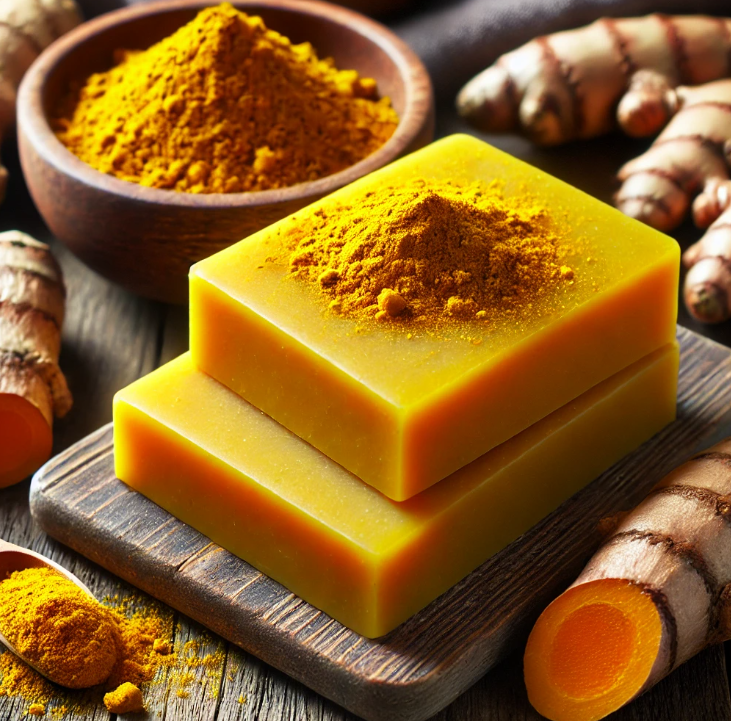
Natural Turmeric Soap
Săpunul cu turmTurmeric soap is ideal for skin care due to its anti-inflammatory, antibacterial, and complexion-evening properties. This is a simple and effective recipe for creating a natural soap at home, without chemicals or additives.
Ingredients:
500 g soap base (glycerin or vegetable soap base, available in health-food stores)
1 teaspoon of turmeric powder
10–15 drops of essential oil (lavender, tea tree, orange, or lemon)
2 tablespoons of coconut oil or olive oil (for hydration)
A silicone or metal soap mold
Instructions:
Prepare the base: Cut the soap base into small cubes and place them in a heat-resistant container.
Melt the base: Warm the soap base in a microwave or bain-marie, stirring occasionally until fully melted.
Add the turmeric: Gradually stir the turmeric powder into the melted base, mixing thoroughly to distribute color and benefits evenly.
Add the oils: Pour in the coconut or olive oil and the essential oil, stirring well. These add hydration and a pleasant scent to the soap.
Pour into mold: Pour the mixture into your soap mold and let it cool to room temperature for about 1–2 hours, or until completely solidified.
Unmold the soap: Once hardened, remove the soap from the mold. It’s recommended to let it dry for 24 hours before use.
Benefits and Use:
Anti-inflammatory and antibacterial properties: Turmeric benefits the skin by combating irritations and inflammation, reducing acne, and evening out the complexion.
Hydration and natural aroma: Coconut oil and essential oils provide moisture and a subtle fragrance, making the soap suitable for sensitive skin.
This natural turmeric soap is an excellent option for those who wish to care for their skin gently and naturally.
Recommendations for External Applications with Turmeric
Patch Test: Before applying turmeric to the face or body, test it on a small area of skin to prevent allergic reactions.
Staining Caution: Turmeric can temporarily stain skin and clothing. It’s recommended to apply masks in the evening and use an old towel to avoid stains.
Usage Frequency: Apply turmeric masks and treatments once a week for maintenance, but avoid overuse to prevent skin irritation.
These external turmeric recipes and treatments are simple, natural, and effective, offering a healthy and gentle alternative for skin and hair care.
Precautions and Adverse Effects
Although turmeric is considered safe for consumption, there are a few precautions:
Medication Interactions: Curcumin can interact with certain medications, especially anticoagulants. It’s advisable to consult a physician before taking high-dose turmeric supplements.
Excessive Intake: Consuming too much turmeric may cause gastric discomfort and bloating.
Allergies and Sensitivity: With external use, turmeric can temporarily stain the skin and may cause irritation in individuals with sensitive skin.
Conclusion
Turmeric is an extraordinary plant, valued for its benefits in traditional medicine, cooking, and cosmetics. With its anti-inflammatory, antioxidant, and detoxifying properties, turmeric is a valuable ally for supporting overall health. Whether consumed as tea, used as a culinary ingredient, or applied externally in cosmetic treatments, turmeric brings an extra dose of vitality and radiance, contributing to a balanced and healthy lifestyle.
What is turmeric and what is its scientific name? Answer: Turmeric, also known by its scientific name Curcuma longa, is a perennial herbaceous plant native to Southeast Asia and a member of the Zingiberaceae family. It is related to ginger and is prized both as a culinary ingredient and as a traditional remedy. Its intensely orange rhizomes are used in Ayurvedic and Traditional Chinese Medicine for their anti-inflammatory, antioxidant, and antimicrobial properties.
What are the main therapeutic properties of turmeric? Answer: Turmeric is renowned for its multiple beneficial properties:
Anti-inflammatory: Curcumin helps reduce inflammation in the body.
Antioxidant: It neutralizes free radicals and prevents oxidative stress.
Antimicrobial: It fights against bacteria and viruses.
Digestive: It stimulates bile secretion and improves digestion.
Immunomodulatory: It strengthens the immune system, protecting the body from infections.
How does the curcumin in turmeric contribute to health? Answer: Curcumin, the main bioactive compound in turmeric, has powerful anti-inflammatory and antioxidant effects. It helps with:
Reducing joint pain associated with arthritis.
Preventing chronic diseases such as diabetes and cardiovascular disorders.
Protecting cells against premature aging. Curcumin absorption is enhanced by adding black pepper or healthy fats to turmeric preparations.
How does turmeric support digestion? Answer: Turmeric stimulates bile secretion, essential for fat breakdown. Its carminative properties reduce bloating and abdominal discomfort. Regular consumption of turmeric tea can alleviate symptoms of irritable bowel syndrome and improve intestinal transit.
What are the benefits of turmeric for skin health? Answer: Turmeric is used externally for:
Treating acne and reducing skin inflammation.
Evening out skin tone and reducing pigmentation spots.
Healing minor wounds due to its antimicrobial properties. A simple face mask with turmeric, honey, and yogurt helps achieve a radiant, healthy complexion.
How does turmeric contribute to cardiovascular health? Answer: Curcumin helps reduce levels of “bad” cholesterol (LDL) and prevents its oxidation. It also improves endothelial function, the layer lining blood vessels, preventing the formation of atheromatous plaques. Regular turmeric consumption can lower the risk of hypertension and other cardiovascular diseases.
How is turmeric tea prepared and what are its benefits? Answer: Ingredients:
1 teaspoon of turmeric powder
250 ml hot water
A pinch of black pepper (for curcumin absorption)
Preparation:
Add the turmeric and black pepper to hot water.
Simmer over low heat for 10 minutes.
Strain and serve with honey or lemon, if desired.
Benefits:
Reduces inflammation.
Supports digestion.
Improves immunity.
How is turmeric used in natural cosmetics? Answer: Turmeric is used for:
Face masks: It soothes inflammation and evens out the complexion.
Acne treatments: Topical application of a turmeric–honey paste combats acne-causing bacteria.
Hair products: Added to oils, it reduces dandruff and soothes an irritated scalp. A patch test is recommended beforehand to avoid skin irritation.
What are the contraindications of turmeric consumption? Answer:
Drug interactions: Curcumin may reduce the efficacy of anticoagulants and certain medications.
Excess intake: Overconsumption may cause gastric discomfort or bloating.
Pregnancy and breastfeeding: Consultation with a physician is essential before use. It is recommended to adhere to daily dosage guidelines to prevent adverse effects.
What other traditional uses does turmeric have? Answer: In Ayurvedic and Traditional Chinese Medicine, turmeric is used for:
Mental health support: Turmeric is associated with reducing the risk of cognitive decline and supporting brain health.
Detoxification: It cleanses the liver and promotes toxin elimination.
Cold treatment: “Golden milk,” a warm beverage made with turmeric, milk, and black pepper, is used to relieve cold symptoms and boost immunity.
Burdock Root: Properties, Benefits, and Uses
Burdock root (Arctium lappa) is a valuable ingredient in traditional medicine and in skin and hair care. Burdock, a biennial herbaceous plant, is renowned for its detoxifying and nourishing properties and has been used for centuries to treat skin disorders, support liver function, and promote overall health.
Scientific Name and Origin
Burdock belongs to the Asteraceae family and is known by the scientific name Arctium lappa. The plant is native to Europe and Asia but has spread worldwide due to its ability to grow in diverse soil types. While recognized for its violet flowers and large leaves, it is the root that is used for medicinal purposes.
Botanical Description
Burdock is a robust plant that can grow to a height of 1.5–2 meters. It is covered in large leaves with wavy margins and a slightly hairy texture on the underside. The flowers are globular and violet in color, surrounded by small hooks that allow the plants to cling to clothing and fur, promoting seed dispersal. The root, which is the part used in herbal medicine, is long, fleshy, and brown, containing numerous bioactive substances.
Burdock root is rich in nutrients and active compounds with significant health benefits:
Inulin: A prebiotic fiber that helps support intestinal health and regulate blood sugar levels.
Antioxidants: Burdock contains quercetin, luteolin, and phenolic acids—powerful antioxidants that protect the body from free radical damage.
Tannins: Compounds with astringent and anti-inflammatory properties, beneficial for the skin.
Essential Oils: The root contains volatile oils that help reduce inflammation and provide a soothing effect.
BBurdock Root: Properties, Benefits, and Uses
Burdock root (Arctium lappa) is a valuable ingredient in traditional medicine and in skin and hair care. Burdock, a biennial herbaceous plant, is renowned for its detoxifying and nourishing properties and has been used for centuries to treat skin conditions, support liver function, and promote overall health.
Health Benefits of Burdock Root
Detoxifying Effect and Liver Support Burdock is a natural detoxifier that helps eliminate toxins from the blood and liver. The root stimulates bile production and supports hepatic function, making it beneficial in detoxification regimens.
Digestive Support The inulin in burdock root is a prebiotic fiber that nourishes beneficial gut bacteria, improving digestion and bolstering a healthy immune system. Burdock root is also used to alleviate gastrointestinal discomfort, such as bloating and constipation.
Skin Benefits Burdock is prized for its anti-inflammatory and antibacterial properties. It is used in the treatment of skin conditions such as acne, eczema, and psoriasis by reducing inflammation and combating infection-causing bacteria.
Anti-Inflammatory Effects Thanks to its powerful antioxidants, burdock helps reduce inflammation throughout the body. This makes it useful in treating inflammatory conditions like arthritis and in alleviating joint pain.
Blood Sugar Regulation The inulin in burdock root can help stabilize blood sugar levels, making this plant a good option for those seeking to manage glycemia.
Culinary Uses
In some Asian cultures, burdock root is consumed as a food ingredient in various recipes:
Stir-Fries and Soups: Burdock is often added to soups and stir-fries, offering a texture similar to carrot but with a slightly sweet, earthy flavor.
Pickles: In Japan, burdock is pickled and known as gobo, prized for its crisp texture.
Smoothies: Freshly grated burdock root can be added to smoothies to boost fiber and nutrient content.
Traditional Herbal Uses
Burdock root has been used for centuries in herbal medicine for its medicinal properties:
Tincture Recipe: Burdock Root Tincture A concentrated remedy traditionally used for its detoxifying, anti-inflammatory, and skin- and liver-supporting benefits. It can be taken in small doses to harness burdock’s therapeutic effects.
Ingredients:
1 cup fresh burdock root, washed and cut into small pieces (or ½ cup dried root)
250 ml food-grade alcohol (vodka at least 40% or grain alcohol)
A glass jar with an airtight lid
Instructions:
Prepare the root: Wash fresh burdock root thoroughly and chop into small pieces. If using dried root, ensure it’s finely crushed for efficient extraction.
Jar filling: Place burdock pieces in the jar, filling about one-third.
Add alcohol: Pour alcohol over the root to fully cover it; seal the jar tightly.
Maceration: Store in a cool, dark place for 4–6 weeks, shaking daily to help extract active compounds.
Straining: After maceration, strain through a fine sieve or cheesecloth, discarding solids. Transfer the tincture to a dark bottle to protect from light.
Storage: Keep in a cool, dark place; shelf life is about one year due to the alcohol content.
Usage:
For detoxification and liver support: 10–15 drops diluted in water, twice daily.
For skin health (acne, eczema): same dosage.
For digestion: 5–10 drops before meals to improve gut function.
Infusions and Teas
Burdock root infusions and teas offer a simple, effective way to consume this plant, especially during detox programs or for general health support.
Add burdock root, reduce heat, and simmer for 10–15 minutes.
Strain and serve. Sweeten with honey if desired. Benefits: Supports liver detoxification, reduces inflammation, and promotes skin health.
Burdock and Dandelion Tea A potent detox blend that supports liver and kidney health. Ingredients:
1 tablespoon dried burdock root
1 tablespoon dried dandelion root
3 cups water Instructions: Simmer roots together for 10–15 minutes, strain, and serve. Add lemon or honey for flavor. Benefits: Combines the detoxifying properties of burdock and dandelion, aiding toxin elimination.
Cold Infusion of Burdock Root A slow extraction method yielding a mild-flavored, concentrated infusion. Ingredients:
4 cups cold water Instructions: Steep root in cold water in the fridge for 8–12 hours or overnight, strain, and enjoy chilled or at room temperature. Benefits: A refreshing way to support gentle detoxification throughout the day.
Burdock and Ginger Tea Combines burdock’s anti-inflammatory and detoxifying effects with ginger’s digestive benefits. Ingredients:
1 tablespoon dried burdock root
1 teaspoon fresh grated ginger (or ½ teaspoon ginger powder)
2 cups water Instructions: Simmer together for 10–15 minutes, strain, and serve warm with honey or lemon. Benefits: Promotes digestion, reduces bloating, and supports skin and liver health.
Burdock and Mint Tea for Digestion A soothing blend to ease intestinal discomfort and support liver function. Ingredients:
1 tablespoon dried burdock root
1 teaspoon dried mint leaves (or 1 tablespoon fresh)
2 cups water Instructions: Boil water, add burdock, simmer 10 minutes, then add mint off heat and steep 5 minutes. Strain and serve. Benefits: Enhances digestion, calms the stomach, and reduces bloating.
General Recommendations:
Frequency: Consume burdock teas 1–2 times daily for detoxification effects, but avoid continuous use for more than a few weeks without a break.
Precautions: Do not overconsume and consult a physician if you have medical conditions, as burdock has diuretic effects and may interact with medications.
Flavoring: Burdock has a slightly bitter, earthy taste. Sweeten with honey, lemon, or aromatic herbs like cinnamon as desired.
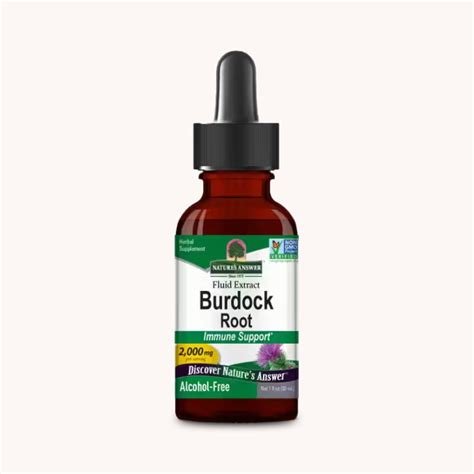
Extracts and Capsules Burdock root is also available as supplements, indicated for supporting liver health and skin conditions.
These burdock root preparations—tinctures, infusions, and supplements—provide a natural, versatile means to harness its detoxifying, anti-inflammatory, and nutritive benefits, easily integrating into daily health and wellness routines.
Burdock Root Extracts and Capsules are convenient forms for benefiting from the therapeutic properties of burdock without the need for daily preparation. These supplements are available in health-food stores and specialized pharmacies, offering an easy way to integrate burdock into your daily health routine—especially for those seeking natural detoxification or support for skin and liver.
What Are Burdock Root Extracts and Capsules?
Extracts: Burdock root extracts are concentrated solutions obtained by macerating the root in alcohol or glycerin. Extracts are more potent than teas and provide a higher dose of active compounds in a small amount of liquid.
Capsules: Burdock root capsules contain either dried root powder or concentrated extract. They are an ideal option for those who prefer a simple, precise method of administration without the characteristic earthy taste of burdock.
Benefits of Burdock Root Extracts and Capsules
Detoxification and Liver Health: Burdock supports the elimination of toxins from the body by stimulating liver function and helps purify the blood. Extracts and capsules are often used in detox regimens due to their ability to support the liver.
Skin Support: Burdock is renowned for its beneficial properties in skin conditions such as acne, eczema, and psoriasis. Its anti-inflammatory and antibacterial compounds contribute to healthier skin.
Digestive Health: Burdock extracts and capsules contain inulin, a prebiotic fiber that nourishes beneficial gut flora. These supplements can improve digestion and help reduce abdominal discomfort, bloating, and constipation.
Immune System: Thanks to its antioxidant content, burdock can support immune function and protect cells from damage caused by free radicals.
Inflammation Reduction: Burdock contains anti-inflammatory compounds that can help reduce inflammation, making it beneficial for those suffering from inflammatory conditions such as arthritis.
Method of Administration
Extract: Burdock root extracts are typically taken in doses of 10–15 drops, 2–3 times per day, diluted in a glass of water. It is important to follow the manufacturer’s instructions, as concentrations may vary.
Capsules: Capsule dosages vary depending on the concentration. Generally, 1–2 capsules twice daily are recommended, but you should follow the manufacturer’s guidelines or a specialist’s advice.
Precautions and Contraindications
Medical Consultation: Before taking burdock supplements, it is advisable to consult a physician, especially if you have liver or kidney conditions, or if you are pregnant or breastfeeding.
Drug Interactions: Burdock may have a diuretic effect and interact with diuretic medications or other treatments. Consult a specialist if you are on medication for a chronic condition.
Allergies: Individuals allergic to plants in the Asteraceae family (daisies, chrysanthemums) should avoid burdock.
Purchasing and Quality Recommendations
When acquiring burdock root extracts and capsules:
Choose high-quality products from reputable brands with strict testing and manufacturing standards.
Check the concentration and ingredients: Opt for products without additives or artificial flavors.
Review user feedback and specialist recommendations.
Conclusion
Burdock root extracts and capsules offer a convenient way for those wishing to enjoy the therapeutic benefits of burdock without daily preparation of infusions or teas. These concentrated supplement forms are easy to integrate into a daily routine, supporting liver health, skin, digestive function, and immunity.
Cosmetic Uses
Burdock root is a popular ingredient in skin care and hair care products, thanks to its soothing properties and its ability to regulate sebum:
Lotions and Serums for Acne: Burdock has anti-inflammatory and antibacterial properties, making it effective for treating acne and oily skin issues.
Scalp Masks: Burdock is used in scalp treatments, as it helps reduce dandruff and soothe scalp irritation.
Hair Products: Burdock extract is often included in shampoos and conditioners to stimulate hair growth, prevent hair loss, and improve scalp health.
Hair Care Recipes with Burdock
Burdock root is known for its scalp and hair benefits. The active compounds in burdock help strengthen roots, reduce hair loss, soothe scalp irritations, and stimulate healthy hair growth. Here are a few natural hair treatment recipes using burdock root.
In a small saucepan, combine the oil and burdock root.
Warm the oil over low heat for 30 minutes—do not allow it to boil—to extract the beneficial compounds from the burdock.
Let the oil cool, then strain to remove the root pieces.
Apply the oil to your scalp, gently massaging it in. Cover your hair with a warm towel and leave on for at least 1 hour or overnight, then wash your hair with a gentle shampoo.
Benefits: Burdock oil nourishes the scalp, strengthens roots, and can help reduce hair loss.
Burdock Tea Rinse for Hair Growth
Ingredients:
2 tablespoons of dried burdock root (or ¼ cup of finely chopped fresh root)
500 ml water
Instructions:
Bring the water to a boil in a saucepan, then add the burdock root.
Reduce the heat and simmer for 10–15 minutes.
Allow the tea to cool, then strain out the root pieces.
After shampooing and rinsing, pour the burdock tea over your hair and scalp as a final rinse. Do not rinse out with water—leave the tea in your hair.
Benefits: This tea rinse promotes scalp stimulation, strengthens the hair, and can help reduce dandruff and scalp irritations.
3. Burdock and Aloe Vera Mask for a Healthy Scalp
IIngredients:
1 tablespoon of burdock root powder (or 1 tablespoon of finely ground dried burdock root)
2 tablespoons of aloe vera gel
1 tablespoon of castor oil or jojoba oil
Instructions:
In a small bowl, mix the burdock root powder with the aloe vera gel and oil until you obtain a smooth paste.
Apply the mask to your scalp, gently massaging to stimulate circulation.
Cover your hair with a towel or shower cap and leave on for 30–45 minutes.
Wash your hair with a gentle shampoo and rinse thoroughly.
Benefits: This mask soothes the scalp, helps reduce dandruff, and nourishes hair roots, promoting healthier, shinier hair.
Recommendations:
Frequency: Use burdock treatments 1–2 times per week for visible results.
Patch Test: Before application, test on a small skin area to avoid allergic reactions.
These natural hair care recipes with burdock offer an effective alternative to support scalp health and hair strength, helping to reduce hair loss and achieve stronger, more radiant hair.
Recommendations:
Frequency: Use burdock treatments 1–2 times per week for visible results.
Patch Test: Before application, test on a small area of skin to avoid allergic reactions.
These burdock hair care recipes offer a natural and effective alternative to support scalp and hair health, helping reduce hair loss and promote stronger, shinier hair.
Burdock Tea and Other Burdock Beverages
Burdock tea is one of the most common ways to consume burdock root and is known for its detoxifying and diuretic effects.
Simple Burdock Tea: Infused for 10–15 minutes, this tea has an earthy, slightly bitter taste and helps eliminate toxins.
Burdock and Dandelion Tea: Combines the detoxifying properties of burdock and dandelion, offering additional liver and kidney support.
This burdock-and-dandelion tea is a natural remedy, easy to prepare, that supports overall health by stimulating the body’s natural detoxification processes.
Boil the water: Bring water to a boil in a small pot or kettle.
Add the roots: When boiling, add the burdock root and dandelion root.
Simmer: Reduce heat and simmer gently for 10–15 minutes to extract the active compounds.
Strain and serve: Strain into a cup. Add honey or lemon, if desired.
Consumption Recommendations:
Light Detox: Drink 1–2 cups per day for one week for a gentle detox.
Digestive Support: Regular consumption can aid digestion and toxin elimination.
Benefits:
Burdock aids liver detoxification and blood purification, supporting skin health and reducing inflammation.
Dandelion has diuretic properties and supports kidney function, helping eliminate excess fluids and toxins.
This burdock-and-dandelion tea is a natural, easy-to-prepare remedy that supports general health by boosting the body’s detoxification.
Detoxifying Smoothie with Burdock Root
This detoxifying smoothie with burdock root is a healthy option…ătoasă și revigorantă pentru a începe ziua sau ca gustare nutritivă. Rădăcina de brusture, împreună cu fructe și legume bogate în antioxidanți, contribuie la eliminarea toxinelor și susținerea sistemului digestiv și imunitar.
Ingredients:
1 tablespoon of fresh burdock root, cleaned and finely chopped (or ½ teaspoon of burdock root powder) 1 green apple, diced ½ cucumber, sliced 1 cup of fresh spinach (or kale) ½ banana, for texture and sweetness 1 tablespoon of fresh lemon juice 1 cup of coconut water (or filtered water) Ice cubes (optional)
Instructions:
Prepare the ingredients: Clean and chop the apple, cucumber, banana, and burdock root into small pieces to facilitate blending.
Combine in blender: Add the burdock root, green apple, cucumber, spinach, banana, lemon juice, and coconut water to the blender.
Blend: Mix on high speed until you achieve a creamy, homogenized consistency. For a more refreshing detoxifying smoothie, add a few ice cubes and blend again.
Serve: Pour the smoothie into a glass and consume immediately to enjoy all the nutrients.
Benefits:
Burdock root supports body detoxification, benefiting the liver and skin.
Green apple and cucumber add fiber and antioxidants, contributing to digestive health and hydration.
Spinach is rich in iron and minerals, supporting blood health and energy levels.
Lemon juice stimulates digestion and enhances the detoxification process.
This detoxifying smoothie with burdock root is an excellent way to support your daily health, providing an energy boost and essential nutrients to improve bodily functions and promote radiant skin.
Precautions and Adverse Effects
Although burdock root is considered safe for most people, there are a few precautions:
Allergies: Individuals allergic to plants in the Asteraceae family (such as daisies or chrysanthemums) should avoid burdock.
Drug Interactions: Burdock may have a diuretic effect, so those taking diuretic medications should consult a physician before consuming burdock.
Pregnancy and Breastfeeding: There are not enough studies to confirm burdock’s safety during pregnancy and lactation, so its use is not recommended in these cases.
Conclusion
Burdock root is a valuable ingredient with numerous benefits for health, skin, and hair. With its detoxifying, anti-inflammatory, and antioxidant properties, burdock is an excellent choice for those looking to support liver health, improve skin appearance, and promote healthy digestion. This natural remedy is easy to integrate into a daily routine—whether as tea, tincture, or in cosmetic products.
What is burdock root and what is its scientific name? Answer: Burdock root comes from the biennial herb Arctium lappa, of the Asteraceae family. Native to Europe and Asia, it’s now widely cultivated for its medicinal and nutritional benefits. Recognized by its violet flowers and long, fleshy root, burdock is used in traditional medicine for detoxification and skin support.
What are the main active compounds in burdock root? Answer: Burdock root is rich in:
Inulin: A prebiotic fiber beneficial for intestinal health and blood sugar regulation.
Antioxidants: Quercetin, luteolin, and phenolic acids that protect cells from oxidative stress.
Tannins: Astringent compounds with anti-inflammatory effects.
Essential Oils: Volatile oils that reduce inflammation and provide a soothing effect.
How does burdock root support detoxification? Answer: Burdock root aids detoxification by:
Stimulating liver function and bile production.
Eliminating toxins through its diuretic effect.
Improving blood circulation, which helps remove metabolic waste. Consuming burdock tea or tincture during detox regimens is a traditional and effective method.
What skin benefits does burdock root offer? Answer: Burdock root is acclaimed for treating acne, eczema, and psoriasis due to its:
Anti-inflammatory effects: Reduces redness and irritation.
Antibacterial action: Prevents skin infections.
Sebum regulation: Effective for oily skin. Topical use in lotions or masks can noticeably improve skin appearance.
How does burdock root support digestive health? Answer: The inulin in burdock root acts as a prebiotic, promoting beneficial gut bacteria. This:
Helps reduce bloating and constipation.
Improves nutrient absorption.
Contributes to a healthy immune system. Burdock teas are commonly used to support digestion.
What are the culinary uses of burdock root? Answer: In Asia, burdock root is enjoyed as a healthful food:
Soups: Adds an earthy flavor and satisfying texture.
Pickles: Popular in Japanese cuisine as gobo.
Smoothies: Grated root boosts fiber and antioxidants. It’s a nutritious addition to the daily diet.
How is burdock root tincture prepared and what is it used for? Answer:
Preparation:
Wash and chop fresh or dried burdock root.
Place in a jar and cover with food-grade alcohol (vodka).
Macerate for 4–6 weeks, shaking daily.
Strain the liquid and store the tincture in a dark container.
Use: 10–15 drops diluted in water, twice daily, for detoxification or liver support.
How does burdock root help lower blood sugar? Answer: Thanks to its high inulin content, burdock root:
Improves insulin sensitivity.
Helps regulate blood sugar levels, preventing spikes. Tea or capsules are recommended for those monitoring glucose control.
What are burdock root’s uses in hair care? Answer: Burdock root stimulates scalp circulation and helps reduce dandruff and hair loss. Examples include:
Burdock oil: Massaged into the scalp to fortify roots.
Burdock tea rinses: Revitalize hair and soothe irritated scalp. It is a common ingredient in hair-growth shampoos.
Are there contraindications for burdock root use? Answer: Though safe for most, note:
Pregnancy and breastfeeding: Safety is not well studied, so avoid use. Consult a healthcare professional before therapeutic use.
Allergies: Those sensitive to Asteraceae plants should avoid use.
Diuretic effect: May interact with diuretic medications.
Ginger: Properties, Benefits, and Uses
Ginger (Zingiber officinale) is an aromatic plant known for thousands of years for its medicinal and culinary properties. Originating in Southeast Asia, ginger is appreciated worldwide for its therapeutic benefits and its distinct, mildly spicy and invigorating flavor. The ginger root is the most commonly used part, and its active compounds – especially gingerol – are responsible for its numerous positive effects on health.
Scientific Name and Origin
Ginger belongs to the Zingiberaceae family and is closely related to other medicinal plants such as turmeric and cardamom. Its scientific name, Zingiber officinale, is derived from the Sanskrit word singabera, meaning “horn-shaped,” referring to its rhizome’s form. This plant is native to tropical Asia—particularly India and China—but has become a popular crop throughout tropical regions worldwide.
Botanical Description
Ginger is a perennial plant that grows to approximately one meter in height. The plant has narrow, lanceolate leaves and delicate yellowish-green flowers that appear in spike-like inflorescences. Its underground stem—the rhizome—has a knobby texture and a thin skin ranging from yellow to light brown. This root is intensely aromatic and contains volatile oils as well as potent bioactive compounds.
Nutritional Composition and Active Compounds
The ginger rhizome is rich in bioactive compounds and essential nutrients:
Gingerol: The primary compound in ginger, responsible for its spicy flavor and anti-inflammatory and antioxidant effects.
Vitamins and Minerals: Ginger contains B-complex vitamins (B1, B2, B3), vitamin C, and minerals such as magnesium, manganese, copper, and iron.
Essential Oils: Aromatic compounds like zingiberene contribute to its soothing effects and pain-relief properties.
Fiber: Although not consumed for fiber intake, fresh ginger contains a small amount of fiber that supports digestive health.
Health Benefits
Ginger is recognized for a wide range of health benefits and is widely used in traditional medicine.
Anti-Inflammatory and Antioxidant Effects Gingerol and other phenolic compounds in ginger exhibit strong anti-inflammatory properties. They reduce inflammation in the body and help alleviate joint and muscle pain.
Support for the Digestive System Ginger is renowned for its ability to relieve digestive discomfort. It is a traditional remedy for nausea and vomiting and is often recommended for motion sickness and pregnancy-related nausea. It also stimulates the production of digestive enzymes, contributing to more efficient digestion.
Enhancement of Blood Circulation Ginger can help dilate blood vessels and lower blood pressure, promoting healthy circulation and reducing the risk of cardiovascular conditions. Its content of magnesium and potassium supports heart health.
Antimicrobial and Immunomodulatory Effects Studies have shown that ginger possesses antimicrobial properties, potentially aiding in the fight against bacterial and fungal infections. It is also used to strengthen the immune system and prevent colds and flu.
Glycemic Control Regular consumption of ginger may help improve insulin sensitivity and reduce blood glucose levels, making it useful for individuals at risk of type 2 diabetes.
Culinary Uses
Ginger is a versatile ingredient used in both sweet and savory dishes. Its mildly spicy and slightly sweet flavor enhances a variety of recipes, including:
Teas: Ginger tea, made from fresh root, is popular for its invigorating and soothing effect.
Soups and Broths: Ginger adds a distinctive flavor to Asian soups such as miso soup.
Chicken and Ginger Soup
This soup is ideal for cold days or periods when you need an energy and immune boost. Ginger adds a mildly spicy and refreshing aroma, and paired with chicken, it creates a nutritious and light soup.
Ingredients:
1 chicken breast or 2 chicken thighs, skinless 1.5 liters of water 1 piece of fresh ginger (approximately 5 cm), peeled and thinly sliced 2–3 cloves of garlic, crushed 1 carrot, cut into rounds 1 small onion, finely chopped 1 stalk of celery, chopped 1–2 tablespoons of soy sauce (optional, for extra flavor) Salt and pepper to taste Green onion and fresh cilantro for garnish (optional) Lemon or lime, for serving (optional)
Instructions:
Boil the chicken: In a large pot, place the chicken and water, and bring to a boil. Skim off any foam that forms on the surface to achieve a clear broth.
Add the ginger and vegetables: Add the sliced ginger, garlic, carrot, onion, and celery to the pot. Reduce the heat and let the soup simmer gently for 30–40 minutes, until the chicken is cooked through and the vegetables are tender.
Season: Add salt, pepper, and soy sauce to taste. The soy sauce adds an extra layer of umami and saltiness but can be omitted if you prefer a simpler soup.
Remove and shred the chicken: Take the chicken out of the pot, let it cool slightly, then cut it into small pieces or strips. Return it to the soup.
Serve: Ladle the soup into bowls and sprinkle with green onion and fresh cilantro for a burst of color and flavor. Serve with lemon or lime wedges on the side for a light, tangy finish, if desired.
This chicken and ginger soup is delicious and easy to digest, perfect for strengthening the immune system and warming the body during the cold season.
Marinades and Sauces: Ginger is also a key ingredient in meat marinades and in sauces such as soy-ginger sauce for Asian dishes. Ginger sauce is a flavorful and versatile option, ideal for accompanying fish, chicken, grilled vegetables, or rice. Its fresh, mildly spicy aroma adds a delightful boost of flavor to any dish.
Ingredients:
2 tablespoons of fresh ginger, finely grated
2 cloves of garlic, crushed
3 tablespoons of soy sauce
2 tablespoons of rice vinegar (or lemon juice)
1 tablespoon of sesame oil (optional, for extra aroma)
1 tablespoon of honey or brown sugar (for a touch of sweetness)
¼ cup of water
Finely chopped green onion (optional, for garnish)
Instructions:
Prepare the ginger and garlic: In a small bowl, combine the grated ginger and crushed garlic.
Add the liquid ingredients: Pour the soy sauce, rice vinegar, and sesame oil over the ginger and garlic. Stir well.
Sweeten: Add the honey or brown sugar and mix until fully dissolved.
Dilute with water: Gradually add the water, stirring to achieve your desired consistency. Adjust the amount of water depending on how thick you want the sauce.
Serve: Sprinkle finely chopped green onion on top for garnish, if desired. The sauce is now ready to serve.
Serving Suggestions:
For meats: Ideal as a marinade for chicken or pork. Let the meat marinate for 30 minutes before cooking.
For vegetables: Use as a dressing for salads or as a dip for fresh vegetables.
For Asian dishes: Serve as a sauce for sushi, spring rolls, or noodles.
This ginger sauce is quick to prepare and offers a balanced combination of sweet, spicy, and salty flavors, bringing an exotic and refreshing taste to your dishes.
Desserts: Ginger appears in baked goods such as gingerbread, as well as in recipes for ginger ice cream or candied ginger.
Traditional Methods of Use
Ginger is a traditional remedy in Ayurveda and Chinese medicine. These ancient practices use ginger to balance the body and support overall health:
Ginger Tincture: Used to stimulate digestion and alleviate inflammation. The ginger tincture is a concentrated natural remedy for various ailments, especially digestive issues, nausea, and muscle or joint pain. It can be taken in small doses and is an effective way to benefit from ginger’s therapeutic properties. Ingredients:
½ cup of fresh ginger, cleaned and cut into small cubes (or ¼ cup of dried, ground ginger)
250 ml of food-grade alcohol (vodka of at least 40%, pure ethyl alcohol, or grain alcohol)
A glass jar with an airtight lid
Instructions:
Prepare the ginger: Wash and peel the fresh ginger, then cut it into small pieces to facilitate the extraction of active compounds. If using dried ginger, measure a smaller amount, as it is more concentrated.
Place the ginger in the jar: Fill about one-third of the jar with the ginger pieces.
Pour in the alcohol: Add the alcohol, ensuring the ginger is completely covered. Seal the jar tightly.
Maceration period: Store the jar in a cool, dark place for 2–4 weeks. Shake the jar daily to help extract the active compounds.
Strain the tincture: After 2–4 weeks, strain the liquid through a fine sieve or cheesecloth to remove the ginger pieces. Transfer the tincture to a dark-colored bottle to protect it from light.
Storage: Keep the tincture in a cool, dark place. It has a shelf life of about one year due to its alcohol content.
Usage:
For digestion: 5–10 drops diluted in a glass of water, before or after meals, to stimulate digestion and reduce bloating.
For nausea and motion sickness: 5 drops diluted in water, taken before travel.
For joint or muscle pain: 10–15 drops, twice daily, to reduce inflammation and discomfort.
The ginger tincture is an effective natural alternative to support digestive health and reduce inflammation.
Ginger Compresses: Used externally to soothe muscle and joint pain. Ginger compresses are a natural way to relieve muscle and joint pain, stimulate blood circulation, and reduce inflammation. The essential oils and active compounds in ginger, such as gingerol, are absorbed through the skin and act directly on the affected area. a. Simple Fresh Ginger CompressIngredients:
1 piece of fresh ginger (5–7 cm)
500 ml of hot water
A cotton cloth or cheesecloth
Instructions:
Grate the ginger and place it in a pot with hot water. Let it infuse for 5–10 minutes.
Soak the cotton cloth or cheesecloth in the ginger-infused water, then wring out excess liquid.
Apply the compress to the painful area (back, joints, muscles). You may cover with a dry towel to retain heat.
Leave the compress on the affected area for 15–20 minutes. Re-soak the cloth in hot ginger water if needed.
Indications: This compress is ideal for relieving muscle and joint pain, as well as relaxing the back. b. Soothing Ginger and Sea Salt CompressIngredients:
1 piece of fresh ginger, finely grated
2 tablespoons of sea salt
A small cotton cloth or towel
Instructions:
Mix the grated ginger with the sea salt.
Heat the mixture in a dry pan over low heat for a few minutes, until warm.
Place the mixture in a cloth and tie it to form a small pouch.
Apply the compress to the painful area, especially on joints or muscles, and leave it for 15–20 minutes.
Indications: The sea salt compress is recommended for reducing inflammation and rheumatic pain, thanks to the combined heat and ginger effect. c. Ginger and Olive Oil Compress for Menstrual PainIngredients:
1 piece of fresh ginger, grated
1 tablespoon of olive oil or coconut oil (optional)
500 ml of hot water
A soft cloth
Instructions:
Grate the ginger and add it to the hot water. Let it infuse for 5–10 minutes.
Remove the ginger and add olive oil for an additional soothing effect.
Soak the cloth in the mixture, wring out excess, and apply to the lower abdominal area.
Leave the compress on for 15–20 minutes, covering with a dry towel to retain heat.
Indications: This compress is beneficial for relieving menstrual cramps and promoting muscle relaxation. d. Ginger and Lavender Essential Oil Compress for RelaxationIngredients:
1 piece of fresh ginger
3–4 drops of lavender essential oil (optional)
500 ml of hot water
A cotton cloth
Instructions:
Grate the ginger and infuse in hot water for 5–10 minutes.
Add a few drops of lavender essential oil to the ginger water.
Soak the cloth, wring out excess, and apply to the back, neck, or shoulders for a relaxing sensation.
Leave on for 15–20 minutes, adding more hot water if necessary.
Indications: This compress is excellent for relieving muscle tension and stress, offering the soothing aroma of lavender.
Inhalation:Ginger essential oil is used to open sinus passages and relax the respiratory tract. Ginger Essential Oil Inhalation MethodIngredients & Materials:
3–4 drops of ginger essential oil
1 liter of hot water
A large bowl or heatproof vessel
A large towel
Step-by-Step Instructions:
Prepare the hot water: Boil water and pour it into a large bowl or heatproof vessel.
Add the essential oil: Place 3–4 drops of ginger essential oil into the hot water. Stir gently to disperse the oil.
Position yourself for inhalation: Lean over the bowl at a distance of about 20–30 cm, so you can inhale the steam without burning yourself.
Cover your head with the towel: Drape a large towel over your head and the bowl, creating a tent to trap the steam. This concentrates the ginger-infused steam.
Inhale deeply: Breathe in deeply through your nose and exhale through your mouth for 5–10 minutes, taking short breaks if the steam feels too intense.
Conclude the inhalation: After you finish, remain in a comfortable position for a few minutes to acclimate.
Recommendations & Precautions:
Frequency: Perform inhalations 1–2 times per day, but avoid overuse, as essential oils are concentrated and can irritate respiratory mucosa.
Water temperature: Ensure the water isn’t too hot to avoid burns.
Sensitivities: Individuals with asthma or other respiratory conditions should consult a physician before using ginger oil inhalations, as steam inhalation may worsen symptoms.
Allergies: Discontinue immediately if you experience discomfort or irritation during inhalation.
Benefits of Ginger Oil Inhalation:
Relieves nasal congestion and cough: The steam and ginger help open airways and reduce mucus.
Antimicrobial effect: Ginger may aid in fighting bacteria and viruses that cause colds.
Mental stimulation: The scent of ginger is energizing, helping alleviate mental fatigue.
Ginger oil inhalations are a natural method to support respiratory health, especially during the cold season or when you need a revitalizing boost.
Cosmetic Uses
In skincare products, ginger is often used for its antioxidant and anti-inflammatory properties:
Cellulite-reducing cream: Ginger stimulates circulation, diminishing the appearance of cellulite.
Recipe: Anti-Cellulite Cream with Ginger
The ginger cream for reducing cellulite is an effective natural remedy thanks to its circulation-stimulating, local warming, and anti-inflammatory effects. The active compounds in ginger help improve skin texture, tone, and reduce cellulite when used regularly.
Ingredients:
2 tablespoons of fresh ginger, finely grated
½ cup of coconut oil (or olive oil)
¼ cup of coffee grounds (optional, for an exfoliating and stimulating effect)
10 drops of ginger essential oil
5 drops of cinnamon or black pepper essential oil (optional, to intensify the warming effect)
2 tablespoons of aloe vera gel (optional, for hydration)
Instructions:
Prepare the oil base: In a small bowl, combine the coconut (or olive) oil with the coffee grounds, if you want an exfoliating and circulation-boosting effect. Mix well.
Add the fresh ginger: Grate the fresh ginger and stir into the mixture. Fresh ginger will contribute additional active compounds that stimulate circulation and provide a gentle warming sensation.
Add the essential oils: Add 10 drops of ginger essential oil and, optionally, 5 drops of cinnamon or black pepper essential oil to enhance the thermal effect. Mix thoroughly.
Add the aloe vera gel: If you prefer a more hydrating texture, stir in 2 tablespoons of aloe vera gel. Aloe vera soothes and hydrates the skin.
Mix and store: Transfer the cream to a clean, lidded container and store in a cool place. The cream can be kept for about 1–2 weeks, especially if refrigerated.
How to Use:
Application: Apply the cream to areas with cellulite (thighs, abdomen, buttocks) using circular motions, massaging until fully absorbed. You can focus on problem areas with firmer massage movements.
Wrap treatment: For a more intense effect, apply the cream, then wrap the area in cling film, leaving it on for 20–30 minutes before rinsing with warm water.
Frequency: Use the cream 2–3 times per week for visible results.
Precautions:
Allergy test: Before use, patch-test the cream on a small skin area to ensure it does not cause irritation.
Warming sensation: Ginger and cinnamon essential oils may produce a warming sensation. If it becomes too intense, rinse the area immediately with cool water.
Avoid sun exposure: After applying the cream, avoid direct sun exposure for several hours, as essential oils can sensitize the skin.
This natural anti-cellulite cream helps reduce the orange peel appearance and improve skin texture when used regularly.
Mask for Oily Skin: Its antibacterial properties help control excess sebum.
Mask for Oily Skin with Ginger
This face mask with ginger is suitable for oily skin, helping reduce excess sebum and cleanse pores. Ginger has antibacterial and anti-inflammatory properties, while other ingredients like honey and clay help balance and nourish the skin.
Ingredients:
1 teaspoon of fresh ginger, finely grated (or ½ teaspoon of ginger powder)
1 tablespoon of green or white clay (ideal for oily skin)
1 teaspoon of honey (preferably organic)
1–2 teaspoons of water or green tea (to achieve the desired consistency)
Instructions:
Prepare the clay: In a small bowl, combine the clay with the grated ginger. Stir well to blend the dry ingredients.
Add the honey: Incorporate the honey into the mixture. Honey adds an antibacterial and hydrating effect, helping maintain skin balance.
Adjust consistency: Gradually add water or green tea, one teaspoon at a time, until you obtain a smooth, easy-to-apply paste.
Application: Wash your face with warm water to open pores, then apply the mask to your face, avoiding the eye and mouth areas.
Leave on: Let the mask sit for 10–15 minutes, or until it begins to dry (do not allow it to dry completely to avoid irritation).
Rinse: Remove the mask with warm water, gently massaging for an exfoliating effect. Finish with a cold water rinse to close the pores.
Recommendations:
Frequency: Use the mask once a week to help control sebum and cleanse oily skin.
Sensitivity test: Patch-test the mask on a small skin area before full application to prevent allergic reactions.
This ginger mask for oily skin helps reduce shine, balance sebum production, and leaves the skin looking clean and refreshed.
Shampoos and Hair Products: Ginger is used to stimulate scalp circulation, promoting hair growth.
3 Ginger Hair Masks: Nourishment, Stimulation, and Shine
Ginger is an excellent ingredient for hair care, thanks to its scalp-stimulating, hair-loss-preventing, and shine-enhancing properties. Here are three recipes for ginger hair masks, for different needs:
Hair Growth Mask with Ginger and Coconut Oil
Ingredients:
1 tablespoon of fresh ginger, finely grated
2 tablespoons of coconut oil
Instructions:
Mix the grated ginger with coconut oil in a bowl until you obtain a smooth paste.
Apply the mask to the scalp, massaging gently to stimulate circulation.
Spread the mask along the hair length, then wrap your hair in a warm towel.
Leave the mask on for 30–40 minutes, then wash your hair with shampoo.
Benefits: Ginger stimulates hair growth and improves circulation, while coconut oil nourishes and hydrates the hair shaft.
Dandruff-Reducing Mask with Ginger and Lemon Juice
Ingredients:
1 tablespoon of grated ginger or ½ tablespoon of ginger powder
1 tablespoon of fresh lemon juice
2 tablespoons of plain yogurt
Instructions:
Combine the ginger with lemon juice and yogurt until you obtain a creamy paste.
Apply the mixture to the scalp, focusing on areas with dandruff.
Leave on for 20–30 minutes, then rinse thoroughly and shampoo.
Benefits: Ginger and lemon have antimicrobial properties that help reduce dandruff, and yogurt hydrates and soothes the scalp.
Shine and Volume Mask with Ginger and Aloe Vera
Ingredients:
1 tablespoon of grated ginger or ½ tablespoon of ginger powder
2 tablespoons of aloe vera gel
1 tablespoon of honey (optional)
Instructions:
Mix the ginger with aloe vera gel and honey until you obtain a smooth paste.
Apply the mask to the scalp and along the hair length, massaging gently.
Leave on for 20–30 minutes, then rinse thoroughly and shampoo.
Benefits: Aloe vera and ginger add shine and volume, and honey provides hydration, leaving hair soft and healthy.
General Recommendations:
Frequency: Use these masks once a week for visible results.
Sensitivity test: Patch-test on a small skin area before full application to prevent irritation.
Rinse thoroughly: Ensure you wash your hair well after use, especially if using fresh ginger, to remove all residues.
These natural ginger masks provide intensive hair treatment, leaving it healthier, shinier, and full of vitality.
Ginger Tea and Other Ginger-Based Beverages
Ginger tea is one of the simplest and most effective ways to consume ginger. It is used to relieve digestive issues, boost immunity, and promote overall relaxation. Examples of ginger-based teas and beverages include:
Simple ginger tea: Made by infusing fresh ginger slices in hot water.
Ginger and lemon tea: An ideal drink for the cold season, with antiviral and antioxidant properties.
Ginger Smoothie:
Added to smoothies, ginger provides a spicy and energizing note.
Revitalizing Ginger Smoothie
This smoothie is a healthy, refreshing, and nutrient-packed drink, perfect for starting your day or as an energizing snack. Ginger adds a burst of freshness and a spicy kick that supports digestion and immunity.
Ingredients:
1 piece of fresh ginger (about 2 cm), peeled and grated
1 banana, sliced
1 apple, cut into cubes
½ cup of fresh or frozen pineapple, chopped
½ cup of spinach or kale (optional, for extra nutrients)
1 cup of coconut water or orange juice (for liquid)
1 teaspoon of honey or maple syrup (optional, for sweetness)
Ice cubes (optional)
Instructions:
Prepare the ingredients: Peel and finely chop the ginger. Wash and cut the other fruits into smaller pieces to facilitate blending.
Combine everything: In a blender, add the ginger, banana, apple, pineapple, spinach or kale, and coconut water or orange juice.
Blend: Process until smooth. For a colder, thicker smoothie, add a few ice cubes and blend again.
Taste and sweeten: If you prefer a sweeter drink, add honey or maple syrup to taste and blend briefly.
Serve immediately: Pour into a glass and enjoy right away to benefit from its full nutritional properties and freshness.
Benefits:
Ginger aids digestion, reduces inflammation, and strengthens immunity.
Banana provides natural sweetness and is a good source of potassium.
Apple and pineapple deliver vitamins and antioxidants.
Spinach or kale contribute iron and fiber, making the smoothie more nutritious.
This ginger smoothie is an excellent choice for a healthy breakfast, mid-day snack, or an energy boost before a workout.
Ginger Tinctures
Ginger tinctures are concentrated extracts made by macerating the root in alcohol. They are used to relieve nausea and joint pain:
Simple ginger tincture: A few drops diluted in water to support digestion.
Ginger and turmeric tincture: A combination with strong anti-inflammatory and antioxidant effects, recommended for pain and inflammation.
Precautions and Adverse Effects
Ginger is generally safe for most people, but there are some precautions:
Gastrointestinal Reactions: Excessive consumption may cause heartburn or digestive discomfort in some individuals.
Drug Interactions: Ginger can interact with anticoagulant or diabetes medications, so consult a physician before using large amounts.
Allergies: Rare but possible. If symptoms such as itching, rash, or difficulty breathing occur, discontinue use immediately.
Conclusion
Ginger is a plant with numerous health benefits, used across diverse fields—from cooking to traditional medicine and cosmetics. Its anti-inflammatory, digestive, and antioxidant properties make ginger a valuable and versatile ingredient. It’s an excellent choice for supporting daily health and can be easily integrated into your care and dietary routines, adding both flavor and vitality.
Mint: The Aromatic Herb and Its Beneficial Properties
Mint, known for its refreshing aroma and taste, is an aromatic plant revered through the centuries. From ancient medicinal traditions to modern kitchens and cosmetic products, mint maintains its popularity and relevance. Rich in nutrients and active compounds, this plant offers a wide range of benefits and uses.
Scientific Name and Origin
Mint belongs to the genus Mentha, in the family Lamiaceae, and includes over 20 species and numerous hybrids. The best-known species are Mentha piperita (peppermint) and Mentha spicata (spearmint). The plant’s name originates from Greek mythology, where Minthe, a nymph transformed into this plant, symbolizes cooling and refreshment.
Description and Taxonomy
Mint is a perennial herbaceous plant that grows in bushy clumps. Its green, oval leaves have a slightly serrated surface and are covered with tiny hairs that trap the essential oils responsible for its distinct aroma. The plant bears small flowers clustered in inflorescences ranging in color from white and pink to pale purple. Mint oil contains menthol, a compound with cooling and soothing effects.
In botanical taxonomy, mint is classified as follows:
Kingdom: Plantae
Class: Angiospermae
Order: Lamiales
Family: Lamiaceae
Genus: Mentha
Species and Hybrids
The genus Mentha comprises numerous species, each with distinct characteristics and varied uses. Among the most popular are:
Mentha piperita (peppermint): A natural hybrid of Mentha aquatica and Mentha spicata, most commonly used for its high concentration of menthol in essential oils.
Mentha spicata (spearmint): Has a milder flavor than peppermint, preferred in culinary applications.
Mentha × villosa: Another popular hybrid, with a gentle taste, often used in cooking.
Habitat and Propagation
Mint is native to Europe and Asia but has spread worldwide thanks to its adaptability and utility. The plant prefers moist, well-drained soils and thrives in shady or partially shaded locations. A notable characteristic of mint is its aggressive growth; its roots spread quickly and, if uncontrolled, can overrun an entire garden.
Cultivating Mint
Growing mint is relatively simple. The plant can be propagated by cuttings or by dividing clumps and is usually planted in spring. Mint favors fertile, organically rich soils and requires frequent watering to prevent root drying. To control excessive spread, mint is often grown in pots or confined beds.
Cultivating mint in a pot is an excellent way to have fresh aromatic herbs at hand, easy to care for and use in culinary preparations. Mint adapts well to container growth and spreads rapidly, but to maintain a healthy and abundant plant, it’s important to provide the proper conditions.
Choosing the Pot
Size: Select a wide, deep pot, as mint spreads quickly and its roots need space. A diameter of 20–30 cm is ideal for a mint plant.
Drainage: The pot must have drainage holes to prevent waterlogging, as mint does not tolerate soggy soil.
2. Soil
Soil type: Use a well-drained, fertile potting mix. You can opt for a universal potting soil enriched with a bit of compost to provide the nutrients necessary for healthy growth.
pH: Mint prefers a slightly acidic to neutral pH (pH 6–7), but it is quite resilient and can adapt to other soil types as well.
3. Planting
Plant mint in early spring, when temperatures are milder.
You can sow mint seeds or use cuttings (young plants), but the fastest method is to use a young plant purchased from a nursery or a root piece from a mature mint plant.
4. Light
Mint needs light but not intense, direct sun, especially on very hot days.
Provide a bright location, preferably in partial shade or near an east- or west-facing window where it receives indirect light.
5. Watering
Mint requires consistently moist but not waterlogged soil. Water the plant regularly, keeping the soil damp while ensuring excess water drains away.
During summer or dry spells, you may need to water more frequently. Generally, watering 2–3 times per week is sufficient.
6. Fertilizer
Use an organic or liquid houseplant fertilizer once a month during the growing season (spring and summer).
Avoid over-fertilizing, as mint is quite hardy and does not require large amounts of nutrients.
7. Pruning and Maintenance
Prune mint leaves frequently to encourage lateral growth and keep the plant dense and healthy.
Remove any yellow or dried leaves, and pinch out the plant’s tips to prevent flowering, as mint loses some of its intense aroma once it blooms.
8. Controlling Spread
Mint tends to spread and can invade the space of other plants if grown alongside them. For this reason, it’s recommended to cultivate mint in a separate pot.
If mint grows too vigorously, you can divide the plant and replant part of it in another container.
9. Overwintering
Mint is hardy, but if you keep it outdoors in a pot, provide protection during winter or move it to a warmer spot.
Indoors, the plant will need less water during the cold season but should maintain access to natural light.
Cultivating mint in a pot is a wonderful way to have a fresh, aromatic plant on hand that is easy to care for. With appropriate conditions, mint will grow quickly and bring a burst of freshness to your kitchen!
Culinary Uses
In gastronomy, mint is used in both sweet and savory dishes. Its fresh flavor complements desserts such as ice cream, cakes, and cocktails. In salads, it adds an extra layer of aroma and freshness, and in Middle Eastern cuisine it is essential for recipes like tabbouleh and hummus. Some popular preparations featuring mint include:
Mint Sauce for Lamb
A classic English sauce, served alongside roast lamb.
Recipe: Mint Sauce for Lamb
This classic mint sauce is ideal for accompanying roast lamb, imparting a refreshing, slightly tangy flavor. It’s simple to prepare and retains its fresh aroma thanks to fresh mint.
Ingredients:
1 bunch of fresh mint (about 20–30 leaves)
2–3 tablespoons of white wine vinegar or apple cider vinegar
2 tablespoons of sugar (adjustable to taste)
½ cup of hot water
Salt, to taste
Instructions:
Prepare the mint: Wash and finely chop the mint leaves.
Dissolve the sugar: In a small bowl, combine the sugar with the hot water and stir until the sugar is completely dissolved.
Add the vinegar: Stir the vinegar into the sugar-water mixture. The vinegar brings a light tang that complements the lamb.
Add the mint: Stir the chopped mint into the sugar-vinegar liquid. For a more intense flavor, let the sauce sit for a few minutes before serving.
Season with salt: Add salt to taste and mix gently.
Serve: The mint sauce can be served at room temperature alongside roast lamb.
Tip: If you prefer a thicker sauce, reduce the amount of water or add more chopped mint to achieve a denser consistency.
This mint sauce adds freshness and balance to roast lamb, offering a refined, slightly tangy note that is perfect for special occasions.
Mint Lemonade
Mint lemonade is a perfect drink for hot days—refreshing and aromatic, bringing an extra burst of freshness thanks to mint.
Ingredients:
4–5 large lemons (enough to yield about 1 cup of fresh lemon juice)
1 liter of cold water
½ cup of sugar (or to taste)
1 bunch of fresh mint (about 10–15 leaves)
Ice cubes
Lemon slices and mint leaves for garnish (optional)
Instructions:
Make the sugar syrup: In a small saucepan, combine ½ cup of water with the sugar and heat until the sugar is completely dissolved. Allow the syrup to cool.
Juice the lemons: Squeeze the lemons to obtain 1 cup of fresh lemon juice.
Combine the ingredients: In a large pitcher, mix the lemon juice, cooled sugar syrup, and the remaining cold water. Adjust the taste by adding more sugar or lemon juice, as desired.
Add the mint: Gently bruise the mint leaves between your palms or with the back of a spoon to release their aroma, then add them to the lemonade.
Serve: Place ice cubes and lemon slices in glasses, pour in the lemonade, and garnish with fresh mint leaves.
Tip: For a more intense mint flavor, allow the mint to infuse in the lemonade for 15–30 minutes before serving.
This mint lemonade is naturally cooling and brings a unique, vibrant taste to any summer day!
Mojito:
The Mojito is a classic Cuban cocktail, famous for its blend of mint, lime, and rum, offering a refreshing and slightly tangy drink—perfect for hot days or any special occasion.
Ingredients:
45 ml white rum
1 lime (cut into 4 wedges)
6–8 fresh mint leaves
2 teaspoons of sugar (or to taste)
Sparkling mineral water
Ice cubes
Mint leaves and lime slices, for garnish
Instructions:
Prepare the lime and mint: In a large highball glass, place the lime wedges and sugar.
Muddle: Use a spoon or muddler to crush the lime and sugar together. This releases the lime juice and the essential oils from the peel, mixing with the sugar to create a sweet-tart base.
Add the mint: Add the mint leaves to the glass and gently muddle them (without tearing them completely) to release their aroma, but avoid making them bitter.
Add the rum: Pour the white rum over the lime, sugar, and mint mixture.
Add ice: Fill the glass with ice cubes nearly to the top.
Top with mineral water: Pour sparkling mineral water to fill the glass, according to your preference. Stir gently.
Garnish and serve: Add a few fresh mint leaves and a lime slice to the rim of the glass for decoration.
Tip: For a sweeter version, adjust the amount of sugar to taste. You can also use simple syrup (sugar syrup) instead of granulated sugar for easier dissolution.
The Mojito is a fresh and revitalizing drink, perfect for enjoying on a sunny day or at a gathering with friends.
Traditional and Cosmetic Uses
Mint has been used throughout history for its medicinal properties. In traditional medicine, it is prized for its soothing effects on the digestive system and its ability to relieve cold symptoms and headaches. Mint oil is used in massages to relax muscles, and steam baths with mint are recommended for sinus cleansing.
In cosmetics, mint appears in shampoos and shower gels due to its invigorating effect. It stimulates blood circulation at the scalp, which may promote healthy hair growth. Additionally, mint has antibacterial properties, making it a common ingredient in toothpastes and mouthwashes.
Mint Teas
Mint Tea is known for its soothing and digestive effects. Its popularity stems both from its health benefits and its refreshing taste. Examples of teas that include mint:
Simple mint tea: Made from fresh or dried leaves, it is ideal for calming the stomach and reducing stress.
Mint and chamomile tea: A calming blend that combines the soothing properties of both plants, perfect before bedtime.
Mint and ginger tea: Used for digestion, the combination of mint and ginger adds energy and helps relieve bloating.
Mint-Based Tinctures
Tinctures of mint are another popular form of using this plant, offering a higher concentration of active compounds and allowing for varied use:
Simple mint tincture: Made by macerating mint leaves in alcohol, used for digestive issues and headaches.
The mint tincture is an effective way to preserve mint’s therapeutic properties for an extended period. Used for its calming, digestive, and invigorating effects, mint tincture is easy to prepare at home.
Ingredients:
1 cup fresh mint leaves or ½ cup dried mint leaves
250 ml food-grade alcohol (vodka at least 40% or pure ethyl alcohol)
A glass jar with a tight-fitting lid
Instructions:
Prepare the mint: Wash fresh mint leaves and let them dry completely to avoid adding water to the tincture.
Add mint to the jar: Place the mint leaves in the glass jar. If using dried mint, ensure the leaves are crumbled for more efficient oil extraction.
Pour in the alcohol: Cover the leaves completely with alcohol. Seal the jar tightly.
Maceration: Store the jar in a cool, dark place for 2–4 weeks, shaking daily to aid extraction of active compounds.
Strain the tincture: After maceration, strain the liquid through a fine sieve or cheesecloth to remove the leaves. Transfer the tincture to a dark-colored bottle to protect it from light.
Storage: Keep the tincture in a cool, dark place. It can be stored for up to one year due to its alcohol content.
Use:
For digestion: 5–10 drops diluted in a glass of water before meals.
For headaches: 2–3 drops applied to the temples, massaging gently.
For freshening breath: 1–2 drops in a glass of water as a mouthwash.
The mint tincture is a versatile natural remedy, effective for soothing stomach aches, reducing bloating, and providing a cooling, refreshing effect.
2. Mint and Rosemary Tincture: A blend known for its energizing effect and ability to stimulate circulation.
The combined mint and rosemary tincture is a versatile natural remedy, recognized for its stimulating effects on digestion, circulation, and for reducing mental fatigue. Both plants have complementary properties, offering an aromatic, energizing tincture.
Ingredients:
½ cup mint leaves (fresh or dried)
½ cup rosemary leaves (fresh or dried)
250 ml food-grade alcohol (vodka at least 40% or pure ethyl alcohol)
A glass jar with a lid
Instructions:
Prepare the herbs: If using fresh plants, wash and dry them completely. You may crumble the leaves to maximize extraction.
Fill the jar: Place the mint and rosemary in the jar, filling it halfway with the herbs.
Add alcohol: Cover the herbs completely with alcohol, ensuring they are fully submerged. Seal the jar tightly.
Maceration period: Store the jar in a cool, dark place for 3–4 weeks, shaking daily to facilitate extraction of essential oils and other beneficial compounds.
Strain the tincture: After maceration, strain the liquid through a fine sieve or cheesecloth to remove the plant material. Transfer the tincture to a dark bottle to protect it from light.
Storage: Keep in a cool, dark place; it remains potent for about one year.
Use:
To stimulate digestion: 10–15 drops diluted in water before meals.
To improve circulation: 5–10 drops in the morning, diluted in water.
For mental fatigue: Inhale a few drops on a handkerchief or use in an aromatherapy diffuser.
This mint and rosemary tincture is a powerful combination for supporting digestive health, combating mental fatigue, and stimulating circulation, providing an effective, natural remedy.
3. Mint and Fennel Tincture: Used to support digestion and reduce intestinal discomfort.
The mint and fennel tincture is an excellent natural remedy for promoting digestion, reducing bloating, and relieving abdominal discomfort. Both mint and fennel are known for their beneficial effects on the digestive system, together forming an effective and aromatic tincture.
Ingredients:
½ cup mint leaves (fresh or dried)
½ cup fennel seeds (lightly crushed)
250 ml food-grade alcohol (vodka at least 40% or pure ethyl alcohol)
A glass jar with a lid
Instructions:
Prepare the plants: If using fresh mint, wash and dry thoroughly. Lightly crush the fennel seeds to release their essential oils and aromas.
Fill the jar: Place the mint leaves and fennel seeds in the jar, filling it halfway with the plant mixture.
Add alcohol: Cover completely with alcohol, ensuring all plant material is submerged. Seal tightly.
Maceration period: Store in a cool, dark place for 2–4 weeks, shaking daily to aid extraction.
Strain the tincture: After maceration, strain through a fine sieve or cheesecloth to remove solids. Transfer to a dark bottle to protect from light.
Storage: Keep in a cool, dark place; it remains effective for about one year.
Use:
For digestion: 10–15 drops diluted in water before or after meals to support digestion and reduce bloating.
For abdominal discomfort: 5–10 drops in warm water as needed to ease cramps and intestinal discomfort.
This mint and fennel tincture is an easy-to-administer remedy suitable for daily use or as needed, supporting a healthy digestive system and reducing bloating naturally.
Health Benefits
Mint is a plant with numerous health benefits. Thanks to menthol and other active compounds, mint helps with:
Relieving digestive issues: It soothes the gastric mucosa and is used to combat bloating, nausea, and indigestion.
Calming headaches: Applying mint oil to the temples can reduce headache pain due to its cooling effect.
Refreshing breath: A common ingredient in mouthwashes and toothpastes because of its antibacterial properties.
Mint remains one of the most versatile plants, used both in culinary applications and for its therapeutic and cosmetic properties. Easily grown at home, it adds a burst of freshness to various recipes and serves as a natural remedy for many common ailments. This aromatic and beneficial plant deserves a place in daily life for its taste and revitalizing effects.
Although mint is prized for its many benefits, it can cause allergic reactions in some individuals. Reactions may range from mild to severe and can occur after internal consumption or external application of mint-based products. Here are common allergic reactions and precautions to consider:
1. Dermatological Reactions Topical application of mint essential oil or mint-containing products may cause skin reactions, including:
Irritation: Redness, burning, or itching of the skin.
Rash: Small red spots, similar to dermatitis, appearing shortly after application.
Contact dermatitis: A more severe reaction that can include swelling and pain; more common in those with sensitive or allergy-prone skin.
2. Respiratory Reactions Inhaling menthol from mint may trigger allergic reactions in some:
Breathing difficulties: Chest tightness or labored breathing, especially in individuals with asthma or respiratory allergies.
Congestion and cough: Mint essential oil inhalation can irritate the airways and provoke coughing.
3. Gastrointestinal Reactions Consuming mint or menthol-containing products may cause digestive upset in some:
Nausea and vomiting: Menthol can irritate the stomach lining, leading to nausea, particularly in large amounts.
Heartburn and acid reflux: Mint relaxes the esophageal sphincter, which can promote acid reflux.
4. Systemic Reactions In rare cases, highly sensitive individuals may experience systemic allergic reactions:
Anaphylaxis: A severe, potentially life-threatening reaction, including breathing difficulty, low blood pressure, facial and throat swelling, requiring emergency medical attention.
Angioedema: Sudden swelling of the face, tongue, or throat, which can compromise the airways.
Precautions
Sensitivity test: Before applying mint oil or mint-based products to the skin, perform a patch test on a small area.
Avoid excessive consumption: Large amounts of mint or menthol increase the risk of adverse reactions.
Consult a physician: Individuals with allergies, asthma, or respiratory issues should seek medical advice before using mint products.
If unpleasant symptoms occur after using or consuming mint, discontinue use and consult a specialist to determine the nature of the reaction.
1. What is mint and what is its scientific name?
Answer: Mint is a perennial aromatic plant in the family Lamiaceae, prized for its cooling aroma and therapeutic benefits. Its scientific name depends on the species; the most common are:
Mentha piperita (peppermint): Frequently used in pharmaceuticals and essential oils for its high menthol content.
Mentha spicata (spearmint): Used in cooking for its milder flavor. Mint is native to Europe and Asia but is cultivated worldwide due to its adaptability.
2. What are the main therapeutic properties of mint?
Answer: Mint offers multiple beneficial properties:
Calming: Reduces stress and anxiety.
Digestive: Relieves indigestion, bloating, and nausea.
Antibacterial: Fights bacteria and freshens breath.
Cooling: Provides a sense of freshness thanks to menthol.
Analgesic: Mint oil can soothe headaches and muscle pain. These benefits make it essential in herbal medicine and cosmetic products.
3. How does mint help relieve digestive problems?
Answer: Mint relaxes the smooth muscles of the digestive tract, helping to:
Reduce bloating and abdominal cramps.
Alleviate symptoms of irritable bowel syndrome (IBS).
Stimulate bile flow, aiding fat digestion. Usage:
Drink mint tea before or after meals.
Apply diluted mint essential oil to the abdomen, massaging gently to ease cramps.
4. How can mint be used for headaches?
Answer: Mint essential oil has analgesic and cooling properties, effective for headache relief. How to use:
Dilute 1–2 drops of mint essential oil in a carrier oil (coconut or almond oil).
Apply to temples and forehead, massaging gently. Benefits:
Relaxes tense muscles.
Improves local blood circulation, reducing pressure.
5. How is mint tea prepared and what are its benefits?
Answer: Ingredients:
1–2 teaspoons of mint leaves (fresh or dried).
250 ml of hot water. Preparation:
Pour hot water over the mint leaves.
Steep for 5–10 minutes, then strain. Benefits:
Calms the stomach and reduces bloating.
Promotes relaxation and relieves stress.
Alleviates cold symptoms such as nasal congestion.
6. How is mint used in natural cosmetics?
Answer: Mint is popular for its invigorating and antibacterial effects:
For hair: Stimulates scalp circulation, promoting hair growth.
Recipe: Add 2–3 drops of mint essential oil to regular shampoo.
For skin: Reduces redness and acne due to its antibacterial properties.
Recipe: Mix 1 teaspoon of mint oil with green clay and water for a facial mask.
7. How can mint tincture be used for health?
Answer: Mint tincture supports digestion and soothes pain. Ingredients:
50 g mint leaves.
250 ml food-grade alcohol (vodka). Preparation:
Place leaves in a jar and add alcohol.
Macerate for 2–4 weeks, shaking daily.
Strain and store in an opaque bottle. Use:
10–15 drops diluted in water after meals for digestion.
Topical application to relieve muscle pain.
8. How does mint help freshen breath?
Answer: Mint contains menthol, which combats bacteria causing bad breath. Ways to use:
Mouthwash: Add a few drops of mint essential oil to a glass of water.
Chewing gum: Chew gum with mint extract for immediate effect. Benefits:
Provides long-lasting freshness.
Protects gums with its antibacterial properties.
9. How can mint be used in cooking?
Answer: Mint adds freshness and flavor to various dishes:
Salads: Fresh mint leaves complement fruit or vegetable salads.
Beverages: Lemonade or cocktails like Mojito feature mint for a refreshing taste.
Desserts: Used to garnish cakes or ice creams. Tip: Add fresh leaves at the end to preserve their intense aroma.
10. What are possible side effects of mint?
Answer: Although mint is generally safe, excessive use can cause:
Consult a physician before using during pregnancy or breastfeeding.
Heartburn: Relaxation of the esophageal sphincter can worsen acid reflux.
Allergic reactions: Itching or rashes, especially with undiluted essential oil.
Respiratory irritation: Excessive inhalation of menthol may cause breathing difficulties. Precautions:
Perform a sensitivity test before topical application of essential oil.
📬 Stay Creative
Get free tools, fresh articles, and creative inspiration delivered to your inbox.
🍪 We use cookies to improve your experience. By continuing to use this site, you agree to our use of cookies.