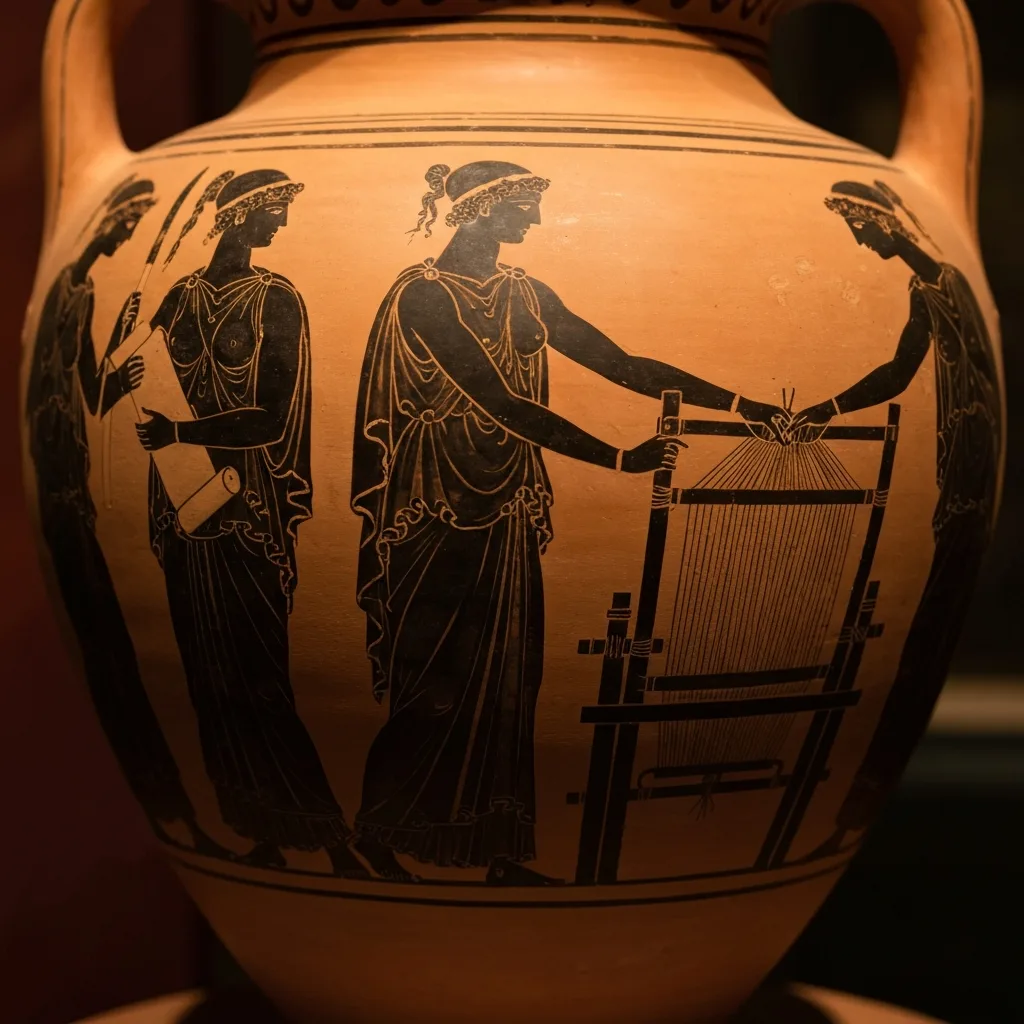
The Enduring Power of Ancient Myths
For millennia, the foundational stories of Western literature have been dominated by a singular perspective. The epic poems of Homer, the tragedies of Sophocles, and the metamorphoses chronicled by Ovid have traditionally celebrated the triumphs and tragedies of men. Achilles, Odysseus, Heracles, and Perseus stood at the center of the narrative stage, their swords and sorrows dictating the fate of the ancient world. In these original texts, women were frequently relegated to the margins. They existed as faithful wives waiting at home, captive prizes of war, wicked temptresses, or tragic victims of divine wrath. They were plot devices rather than protagonists.
However, the contemporary literary scene is experiencing a profound and necessary shift. A wave of brilliant authors has taken up the mantle of the ancient bards, choosing to spin the old threads into entirely new patterns. This movement of feminist mythological retellings is not about erasing the original stories, but rather expanding them. By shifting the camera angle, modern writers are giving voice to the voiceless, offering readers a richer, more complex understanding of the myths that have shaped cultural consciousness for centuries.
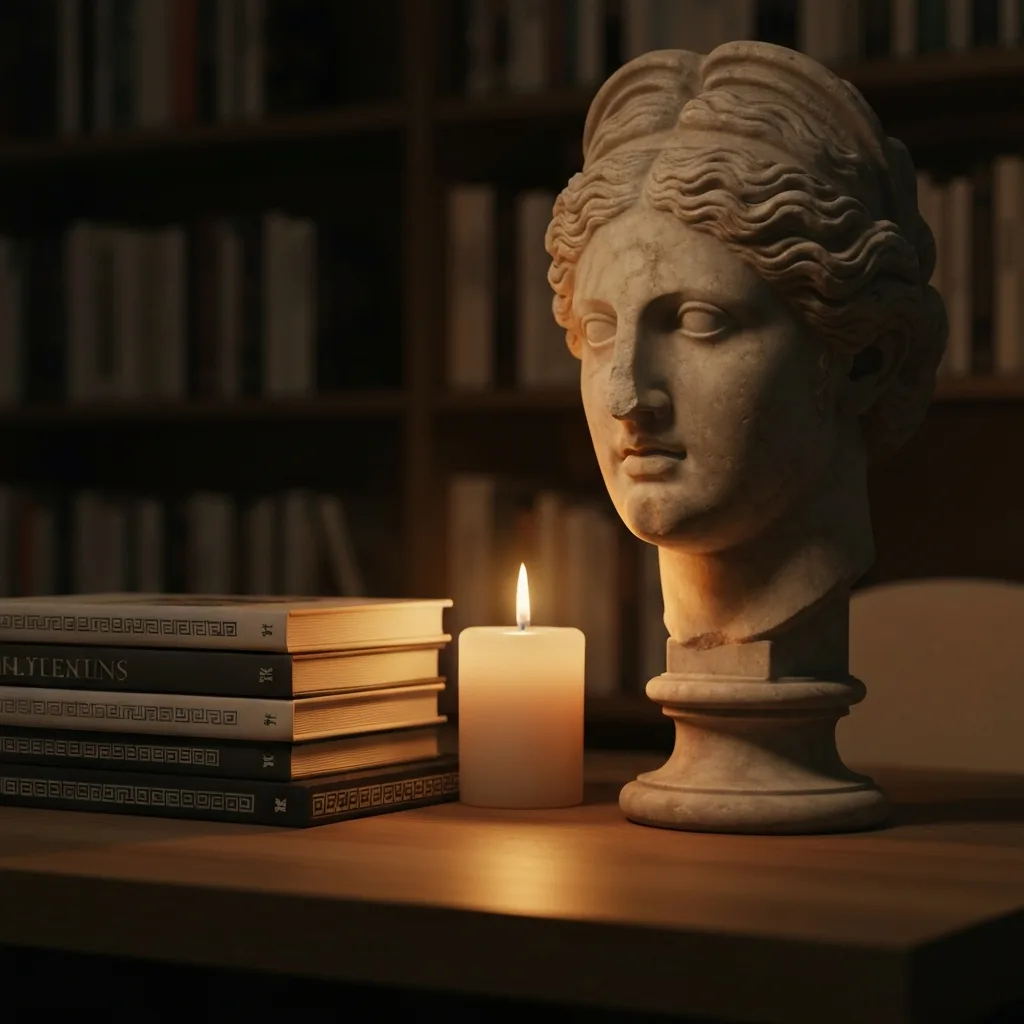
The Catalyst for Narrative Shift
The appetite for these reimagined tales did not appear in a vacuum. It mirrors a broader cultural movement that questions established historical narratives and seeks out marginalized voices. Readers today are highly attuned to the biases inherent in historical texts. When we read the classics, the glaring silence of the female characters practically begs to be filled. What was Penelope actually thinking during those twenty years? How did Briseis feel when she was traded between warlords like a piece of armor?
This literary trend serves as a corrective lens. It strips away the romanticized glory of ancient warfare and divine intervention to reveal the deeply human, often brutal realities experienced by the women who lived through them. The resulting novels offer psychological depth where there was once only archetype, transforming two-dimensional figures into fully realized human beings with agency, ambition, and profound emotional lives.
Trailblazers of the Modern Mythic Retelling
Madeline Miller and the Humanization of the Witch
No discussion of this genre is complete without acknowledging the monumental impact of Madeline Miller. While her debut, The Song of Achilles, offered a fresh, queer perspective on the Trojan War, it was her sophomore novel, Circe, that firmly established the template for the modern feminist retelling. In the Odyssey, Circe is a brief, dangerous detour—a witch who turns men into pigs before being subdued by the hero.
Miller dismantles this brief encounter and rebuilds an entire cosmos around the nymph. She gives Circe an origin story rooted in familial neglect and divine cruelty, explaining exactly why she isolates herself on the island of Aiaia and why she views mortal men with such intense suspicion. Miller’s prose elevates Circe from a malevolent obstacle to a complex protagonist who must carve out her own power in a universe ruled by capricious, aggressive gods. The novel is a masterclass in reclaiming a villainized figure and revealing the trauma and resilience beneath the myth.
Pat Barker and the Brutal Reality of the Vanquished
If Miller brings magic and divine politics to the forefront, Pat Barker grounds the myth in the grim, unyielding dirt of the battlefield. In The Silence of the Girls, Barker tackles the Iliad from the perspective of Briseis, the Trojan queen who is captured and awarded to Achilles as a war prize. The original epic frames the conflict over Briseis as a matter of male honor between Achilles and Agamemnon. Barker, however, forces the reader to look at the situation through the eyes of the woman being treated as property.
Barker refuses to shy away from the horrific realities of ancient warfare. Her retelling strips the Trojan War of its heroic sheen. There is no glory in her Greek camp—only blood, disease, and the systematic subjugation of the conquered women. By giving Briseis a sharp, observant narrative voice, Barker highlights the survival mechanisms of women trapped in a hyper-masculine world of violence. It is a sobering, necessary read that permanently alters how one views the “heroes” of antiquity.
Natalie Haynes and the Collective Female Experience
While Miller and Barker focus intensely on individual women, Natalie Haynes broadens the scope to encompass a multitude of voices. In A Thousand Ships, Haynes offers a panoramic view of the Trojan War’s fallout, told entirely by the women involved. The novel is framed by Calliope, the muse of epic poetry, who is deeply frustrated by a poet who only wants to sing of men and their battles.
Through episodic chapters, Haynes weaves together the fates of Penelope waiting in Ithaca, the Trojan women enslaved after the fall of their city, and the Amazonian warriors who fought and died on the plains of Ilium. She even gives voice to the goddesses whose petty squabbles sparked the war in the first place. This kaleidoscopic approach underscores a vital point: war does not only happen on the battlefield. The consequences ripple out, destroying homes, families, and futures, and it is almost entirely the women who are left to sift through the ashes.
The Mechanics of Reclaiming a Myth
Balancing Fidelity with Innovation
Writing a successful mythological retelling requires a delicate balancing act. The author must remain faithful enough to the original source material to satisfy classicists and fans of the myths, while introducing enough innovation to justify the new narrative. The genius of these modern authors lies in their ability to work within the established parameters of the myth. They do not change the ultimate outcomes—Troy still falls, Odysseus still returns home, Hector still dies. Instead, they change the meaning of these events by altering the perspective.
This constraint actually fuels creativity. Because the “what” is already known, the narrative tension shifts entirely to the “how” and the “why.” The focus moves from external action to internal psychology. We know Clytemnestra will murder Agamemnon upon his return; the modern retelling explores the decades of grief, rage, and political maneuvering that make that murder an inevitable act of justice rather than a simple act of treachery.
Restoring Agency to the Margins
The most crucial element of these retellings is the restoration of agency. In classical texts, women are frequently acted upon. They are kidnapped, cursed, married off, or sacrificed without their consent. Modern retellings search for the spaces between the lines of the original poetry to find moments of choice. A character might be trapped in an impossible situation, but authors like Miller, Barker, and Haynes ensure that these women make active decisions regarding their survival, their alliances, and their inner lives. They are no longer passive recipients of fate; they are active participants in their own stories.
A Broader Literary Ripple Effect
The commercial and critical success of Greek mythological retellings has created a ripple effect across the publishing industry. Readers’ hunger for reimagined folklore has paved the way for authors to explore and dismantle myths from other cultures. We are now seeing a surge in feminist retellings of Norse mythology, such as Genevieve Gornichec’s The Witch’s Heart, which centers on Angrboda, the mother of monsters. Similarly, authors like Vaishnavi Patel are re-examining Indian epics; her novel Kaikeyi offers a sympathetic look at the vilified stepmother of the Ramayana.
This global expansion proves that the desire to re-evaluate our foundational stories is not limited to a single culture. It is a universal literary movement driven by a collective desire to understand the full spectrum of human history and imagination.
Conclusion: The Evolution of Storytelling
The rise of feminist mythological retellings is far more than a passing publishing trend. It represents a vital evolution in how we interact with our oldest stories. Oral traditions were never meant to be static; myths were constantly adapted and reshaped by the bards who told them to suit the needs and values of their current audience. Today’s authors are simply continuing that ancient tradition.
By centering female perspectives, these writers are correcting a historical imbalance. They remind us that behind every great hero was a woman who was likely fighting a much harder battle in the shadows. These novels invite us to read critically, to question the narrator, and to look for the hidden figures in the margins of history. In doing so, they ensure that these ancient myths will continue to resonate, challenge, and inspire readers for generations to come.


Do you enjoy the content on Agenda Creativa?
Your contributions help me create new articles, share creative ideas, and keep this platform alive! If you like what I do and want to support my work, you can buy us a coffee.
Every cup of coffee means more than just a gesture – it's direct support for my passion to create inspiring and useful content. Thank you for being part of this journey!
☕ Buy me a coffee