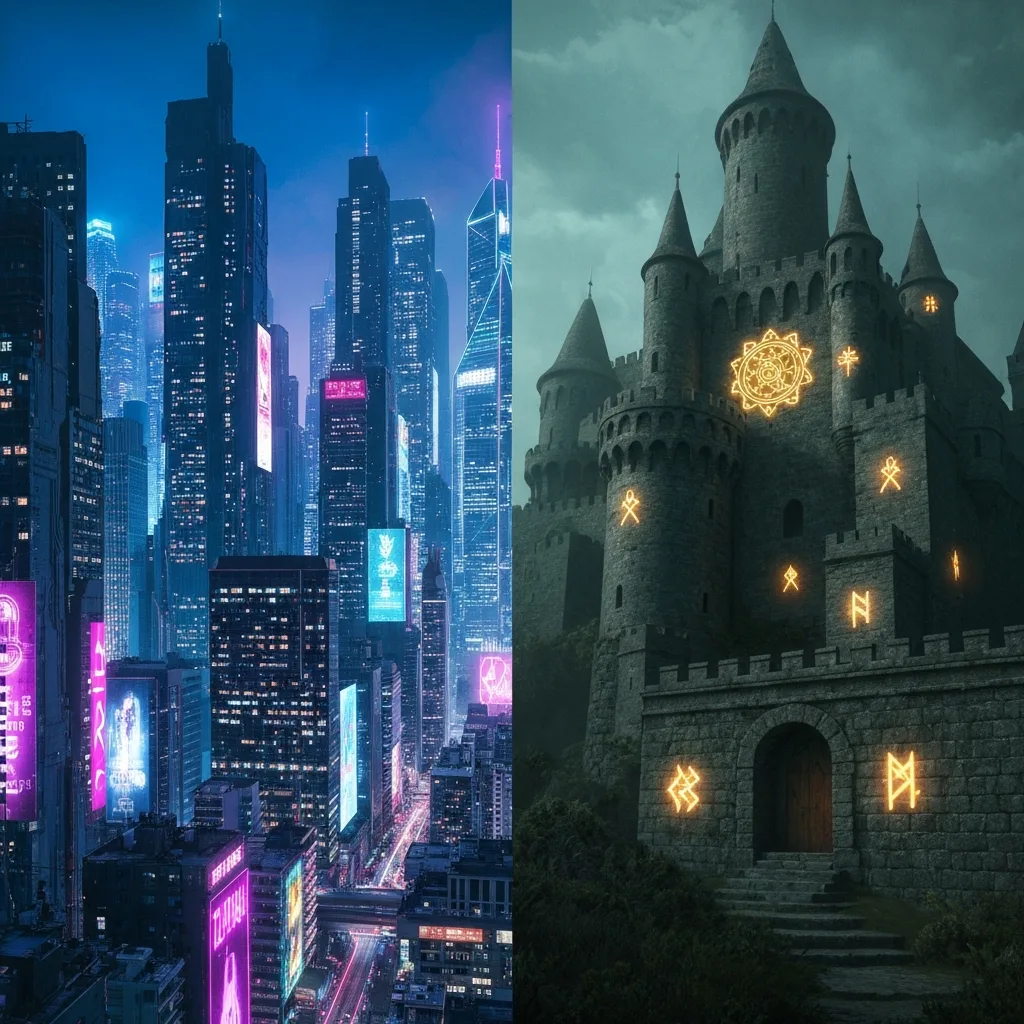
The Umbrella of the Impossible: Defining Speculative Fiction
Literature has always served as a mechanism for understanding the human condition, but speculative fiction takes this a step further by altering the fundamental rules of our reality. As an umbrella term, speculative fiction encompasses any narrative that departs from consensus reality, asking the vital question: What if? Rather than being constrained by the historical or the mundane, this super-genre uses the impossible and the improbable to examine the very real anxieties, hopes, and complexities of modern life. By exploring the depths of speculative fiction genres, we uncover a vast literary landscape where imagination becomes a powerful tool for social commentary and philosophical inquiry.
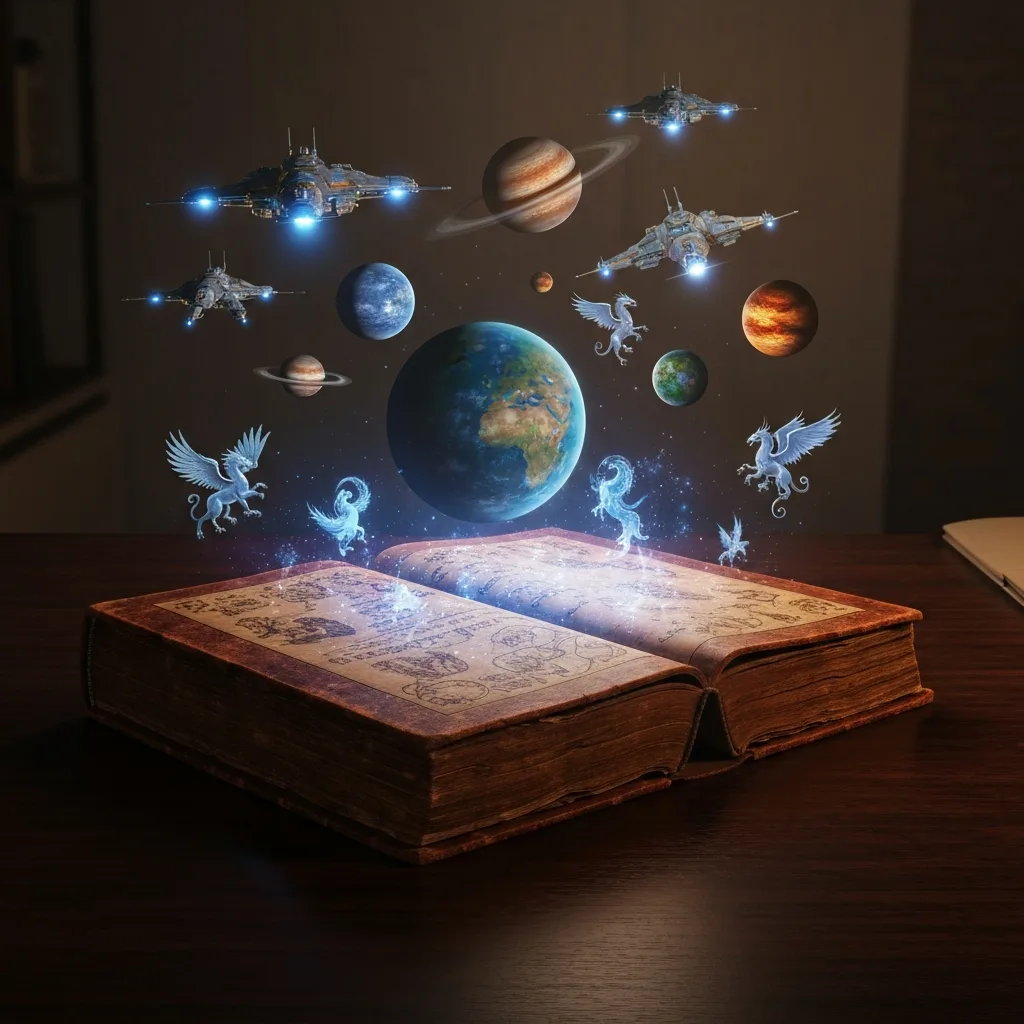
Building on the Echoes of Tomorrow
To truly appreciate the architecture of these genres, we must first look at their overarching purpose. In our previous exploration, Echoes of Tomorrow: How Speculative Fiction Anticipates and Shapes Our Reality, we examined how these imaginative narratives act as both mirrors reflecting our current societal trajectories and blueprints that occasionally guide our technological and cultural advancements. We saw how authors serve as temporal scouts, venturing into possible futures to report back on the consequences of our present actions.
Building upon that foundation, this article will delve into the specific subgenres that do the heavy lifting within speculative fiction. Science fiction, fantasy, and dystopian literature each possess unique themes, distinct narrative structures, and profound cultural relevance. While they share the common DNA of speculative thought, the ways in which they construct their worlds and challenge their readers are entirely distinct.
Science Fiction: The Extrapolation of Human Ingenuity
Science fiction (sci-fi) is the literature of cognitive estrangement and technological extrapolation. It is grounded in the scientific method and rational speculation, exploring how advancements in science, technology, and society might alter the human experience.
Themes and Cultural Relevance
At its core, science fiction grapples with humanity’s relationship with the unknown and our own creations. Themes of artificial intelligence, space exploration, genetic engineering, and extraterrestrial contact are prevalent. However, the cultural relevance of sci-fi lies not in its gadgets, but in its ethical inquiries. When Mary Shelley wrote Frankenstein, widely considered the first true science fiction novel, she was not merely writing about a monster; she was questioning the moral responsibility of the creator. Today, as we stand on the precipice of advanced AI and biotechnology, the works of authors like Isaac Asimov, Philip K. Dick, and Ursula K. Le Guin remain culturally vital, offering frameworks for navigating the ethical minefields of our rapid technological progress.
Narrative Structures
The narrative structure of science fiction often relies heavily on world-building that is internally consistent with established scientific principles—or at least plausible theories. Hard science fiction, such as the works of Arthur C. Clarke or Cixin Liu, structures its narrative around rigorous scientific accuracy, where the science itself drives the plot. Soft science fiction, conversely, focuses more on the sociological and psychological impacts of speculative concepts, using the altered reality as a backdrop for deep character studies and societal critique.
Fantasy: Mythmaking in the Modern Age
If science fiction is the literature of what could be, fantasy is the literature of what cannot be. It relies on magic, mythical creatures, and supernatural phenomena as primary elements of plot, theme, and setting. Far from being mere escapism, fantasy is a profound exercise in modern mythmaking.
Themes and Cultural Relevance
Fantasy strips away the complexities of modern technology to explore elemental human struggles. Themes of good versus evil, the hero’s journey, destiny, and the corrupting nature of power dominate the genre. The cultural relevance of fantasy lies in its ability to provide moral clarity and emotional resonance. J.R.R. Tolkien’s The Lord of the Rings was profoundly influenced by the trauma of industrialized warfare, using the idyllic Shire and the dark realm of Mordor to process the loss of innocence in the 20th century. Modern fantasy, championed by authors like N.K. Jemisin and George R.R. Martin, has evolved to tackle complex political systems, systemic oppression, and moral ambiguity, proving that the genre can reflect contemporary social dynamics just as effectively as realism.
Narrative Structures
Fantasy narratives are typically structured around the concept of the quest or the coming-of-age arc. Epic or high fantasy takes place in entirely secondary worlds with their own histories, languages, and physical laws. The structural integrity of these stories depends on the consistency of their magic systems. Whether the magic is “hard” (operating under strict, defined rules, akin to a science) or “soft” (mysterious, wondrous, and unpredictable), the narrative must respect its own boundaries to maintain the reader’s suspension of disbelief. Urban or low fantasy, on the other hand, intrudes upon our primary world, structuring its tension around the collision between the mundane and the magical.
Dystopian Literature: The Anatomy of Societal Collapse
Dystopian literature is the dark reflection of the utopian ideal. It presents a society characterized by human misery, oppression, disease, and the deprivation of fundamental rights. While often categorized as a subgenre of science fiction, dystopia has grown into a distinct literary tradition of its own.
Themes and Cultural Relevance
The central theme of dystopian fiction is the loss of individual autonomy in the face of absolute power. These narratives explore surveillance, totalitarianism, environmental collapse, and the weaponization of truth. The cultural relevance of dystopian literature is immediate and visceral; it serves as a canary in the coal mine for democratic societies. George Orwell’s 1984 gave us the vocabulary to discuss state surveillance, while Margaret Atwood’s The Handmaid’s Tale provided a chilling framework for understanding the fragility of reproductive rights and gender equality. Dystopian novels resonate deeply during times of political instability, offering a cathartic space for readers to confront their worst fears about the direction of their societies.
Narrative Structures
The narrative arc of a dystopian novel is remarkably consistent, usually following a protagonist who initially accepts or is comfortably numb to the oppressive society. The inciting incident is almost always an awakening—a moment where the protagonist pierces the veil of state propaganda. The structure then follows their journey of rebellion, subversion, or escape. Unlike traditional heroic narratives, dystopian stories often eschew clean, triumphant resolutions. The endings are frequently ambiguous or tragic, reinforcing the structural theme that systemic oppression is a monolith not easily dismantled by a single individual.
Blurring the Lines: The Convergence of Subgenres
While examining these genres in isolation is useful for literary analysis, the reality of modern speculative fiction is one of constant convergence. The boundaries between science fiction, fantasy, and dystopia are increasingly porous. Frank Herbert’s Dune masterfully blends the interstellar politics and ecology of science fiction with the mysticism and chosen-one tropes of epic fantasy. Suzanne Collins’s The Hunger Games marries the grim societal warnings of dystopian literature with the advanced technological arenas of sci-fi.
This cross-pollination has given rise to micro-genres like cyberpunk, steampunk, and weird fiction, which borrow structural elements and themes from across the speculative spectrum. This evolution ensures that the genre remains dynamic, capable of adapting its metaphors to suit the shifting anxieties and aspirations of each new generation.
The Enduring Power of the ‘What If’
Exploring the depths of speculative fiction genres reveals a literary tradition that is far more than mere entertainment. Science fiction challenges our intellect, fantasy speaks to our soul, and dystopian literature demands our vigilance. Together, they form a multifaceted lens through which we can examine our reality from a safe distance. As we noted in our reflections on the Echoes of Tomorrow, the stories we tell about the future inevitably shape the future we build. By understanding the unique themes and structures of these genres, we become more active participants in that shaping process, learning to read not just for the thrill of the impossible, but for the profound truths hidden within the spectacle.

Do you enjoy the content on Agenda Creativa?
Your contributions help me create new articles, share creative ideas, and keep this platform alive! If you like what I do and want to support my work, you can buy us a coffee.
Every cup of coffee means more than just a gesture – it's direct support for my passion to create inspiring and useful content. Thank you for being part of this journey!
☕ Buy me a coffee