The Healing Power of Pages
When life fractures, the instinct is often to retreat. Yet, one of the most profound ways to rebuild a shattered sense of self isn’t found in isolation, but between the covers of a book. Literature has long served as a mirror for human suffering and a roadmap for recovery. The act of reading is far more than mere escapism; it is a psychological tool that fosters emotional resilience, offering us a safe environment to process difficult emotions, confront our fears, and borrow the strength of those who have navigated the dark before us.
Emotional resilience is not the absence of distress or pain. Rather, it is the ability to adapt to adversity, trauma, tragedy, or significant sources of stress. While therapy, community support, and personal reflection are foundational to building this trait, literature provides a unique, accessible mechanism for healing. Through stories, we find the vocabulary for our own unspoken pain and the strategies to endure it.
The Psychology Behind Bibliotherapy
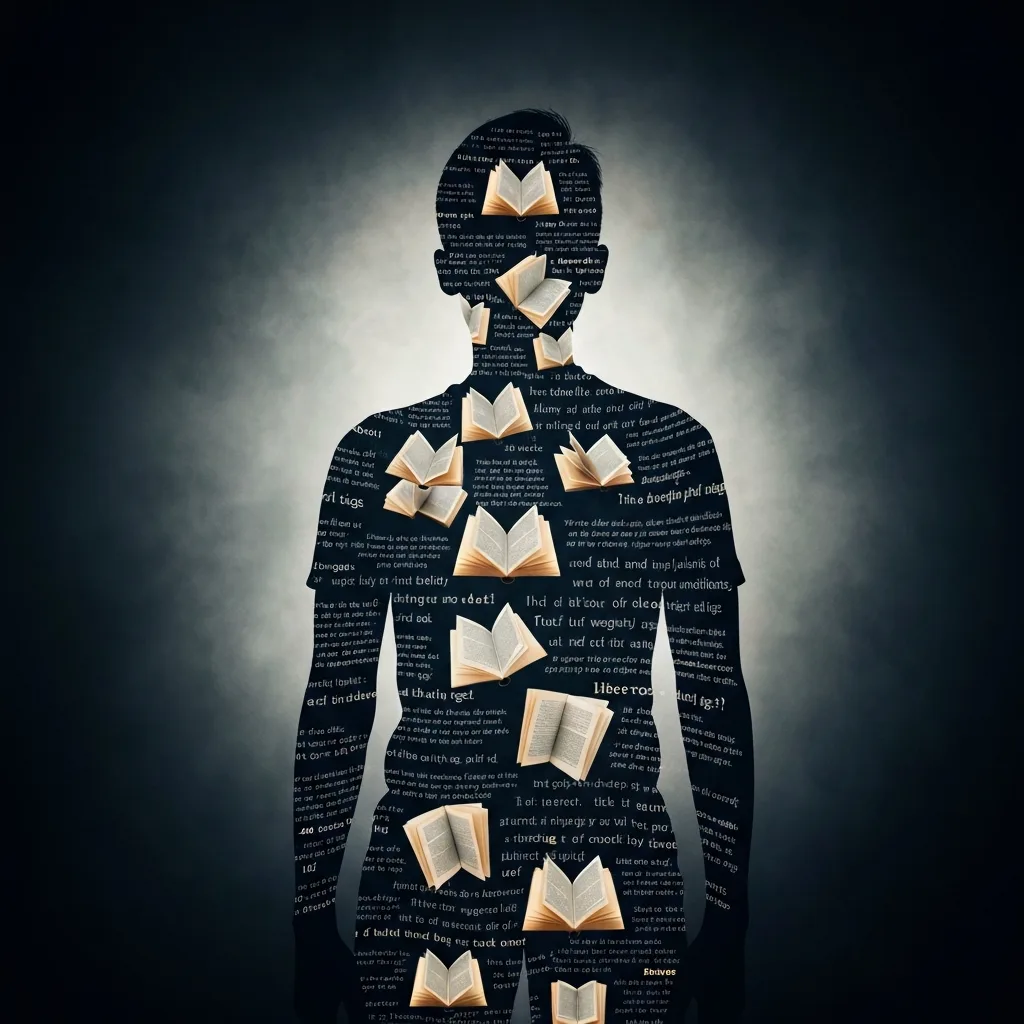
The concept of using books for healing, known as bibliotherapy, is not a modern invention. Following World War I, librarians and doctors frequently prescribed reading to returning soldiers to help them process the horrors of combat. Today, psychological research backs this historical practice, revealing exactly how reading rewires our brains for resilience.
When we read a compelling narrative, our brains undergo a process called “experience-taking.” Functional MRI scans show that reading about an action or emotion activates the same neurological regions as experiencing it firsthand. This means that when we read about a protagonist surviving a devastating loss or overcoming insurmountable odds, our brains are essentially running a simulation of survival. We get to practice facing disaster, navigating grief, and finding hope, all from the safety of our armchairs.
Furthermore, reading develops cognitive empathy—the ability to understand another person’s perspective. By inhabiting the minds of diverse characters, we expand our emotional repertoire. We learn that suffering is a universal human condition, which deeply combats the isolation that trauma often brings. Recognizing our own struggles in the pages of a book validates our feelings and diminishes the shame associated with them.
Literary Genres That Cultivate Inner Strength
Not all books offer the same type of emotional support. Different genres provide distinct frameworks for processing life’s challenges.
Memoirs and Autobiographies: Proof of Survival
There is immense power in knowing a story is true. Memoirs offer unfiltered access to the lived experiences of individuals who have faced profound adversity. Reading about real people who have survived grief, illness, or systemic oppression provides tangible proof that endurance is possible. These narratives act as mentorship in written form, showing us not just that someone survived, but exactly how they pieced their life back together.
Literary Fiction: Mirrors for Complex Emotions
Literary fiction excels at exploring the gray areas of the human condition. Unlike plot-driven commercial fiction, literary works prioritize character development and internal psychological landscapes. These stories allow readers to explore complex emotions—like ambivalence, quiet despair, or slow-burning hope—without the pressure of a neatly tied resolution. They teach us to sit comfortably with ambiguity, a crucial skill for emotional resilience.
Speculative Fiction: Metaphors for Real-World Struggles
Science fiction and fantasy might seem like pure escapism, but they are often deeply rooted in real-world anxieties. By displacing human struggles into fantastical settings, speculative fiction allows readers to examine their fears from a safe psychological distance. A protagonist battling a literal monster or surviving a dystopian regime can serve as a powerful metaphor for battling depression, illness, or societal injustice. The “Hero’s Journey” inherent in these genres provides a classic blueprint for grit and perseverance.
Essential Books for Building Emotional Resilience
If you are looking to curate a reading list geared toward emotional strength, certain works stand out for their profound insights into the human capacity to heal.
1. Man’s Search for Meaning by Viktor E. Frankl
Few books address the concept of resilience as directly and powerfully as Viktor Frankl’s memoir of his time in Nazi concentration camps. A psychiatrist by trade, Frankl observed that the prisoners who survived were not necessarily the physically strongest, but those who maintained a sense of purpose. He introduces the concept of logotherapy, arguing that our primary drive in life is not pleasure, but the discovery and pursuit of meaning. When dealing with unimaginable hardship, Frankl’s work reminds us that while we cannot always control our circumstances, we retain the ultimate freedom to choose our attitude toward them.
2. The Year of Magical Thinking by Joan Didion
Grief is one of the most destabilizing emotions a person can experience. Following the sudden death of her husband, writer Joan Didion chronicled her mourning process with clinical precision and devastating honesty. She explores the “magical thinking” that accompanies fresh grief—the irrational belief that our thoughts or actions can reverse tragedy. By laying bare her own temporary descent into madness, Didion provides immense comfort to anyone navigating the chaotic, non-linear path of loss. It is a masterclass in confronting pain rather than turning away from it.
3. The Midnight Library by Matt Haig
For those struggling with regret, anxiety, or depression, Matt Haig’s novel offers a beautiful, imaginative remedy. The story follows Nora Seed, a woman who decides to end her life, only to wake up in a library suspended between life and death. Every book on the shelves represents a different life she could have lived had she made different choices. Through Nora’s journey of trying on alternate realities, the novel tackles the paralyzing weight of regret and the societal pressure to achieve. It gently guides the reader toward the realization that resilience often means accepting the imperfect, messy reality we currently inhabit.
4. Wild by Cheryl Strayed
At twenty-two, reeling from the death of her mother and the collapse of her marriage, Cheryl Strayed made the impulsive decision to hike the Pacific Crest Trail alone. Her memoir is a testament to the connection between physical endurance and psychological repair. Strayed hauls a literal and metaphorical monster of a backpack across thousands of miles, mirroring the heavy emotional baggage she is trying to shed. The narrative perfectly captures how putting one foot in front of the other—even when blistered, exhausted, and terrified—is the fundamental mechanism of resilience.
How to Read for Emotional Healing
To fully harness the resilience-building power of literature, it helps to approach reading with intention. Passive consumption is enjoyable, but active reading facilitates deeper psychological processing.
First, practice conscious selection. If you are in the acute stages of trauma, reading a book that mirrors your exact situation might be triggering rather than healing. In such times, reading about parallel struggles—different circumstances, but similar emotional arcs—can provide the necessary psychological distance to process your feelings safely.
Second, engage in marginalia. Do not be afraid to write in your books. Underline passages that resonate, write your reactions in the margins, or keep a companion journal. When you highlight a sentence that perfectly articulates your hidden pain, you are actively participating in your own emotional regulation.
Finally, pace yourself. Books dealing with heavy emotional themes require digestion. If a chapter brings up intense feelings, put the book down. Take a walk, reflect on what you have read, and allow your brain the time it needs to integrate the story’s lessons into your own emotional framework.
Conclusion: Your Library as a Sanctuary
Life will inevitably present us with challenges that test our limits. While we cannot avoid the storms, we can fortify our minds to weather them. Literature remains one of our most enduring, accessible sanctuaries. By immersing ourselves in the struggles and triumphs of others—whether real or imagined—we borrow their courage. We learn that we are not the first to suffer, we are not alone in our grief, and we possess the same innate capacity to rise, rebuild, and rewrite our own narratives.



Do you enjoy the content on Agenda Creativa?
Your contributions help me create new articles, share creative ideas, and keep this platform alive! If you like what I do and want to support my work, you can buy us a coffee.
Every cup of coffee means more than just a gesture – it's direct support for my passion to create inspiring and useful content. Thank you for being part of this journey!
☕ Buy me a coffee