The Architecture of Fear: Understanding the Gothic Tradition
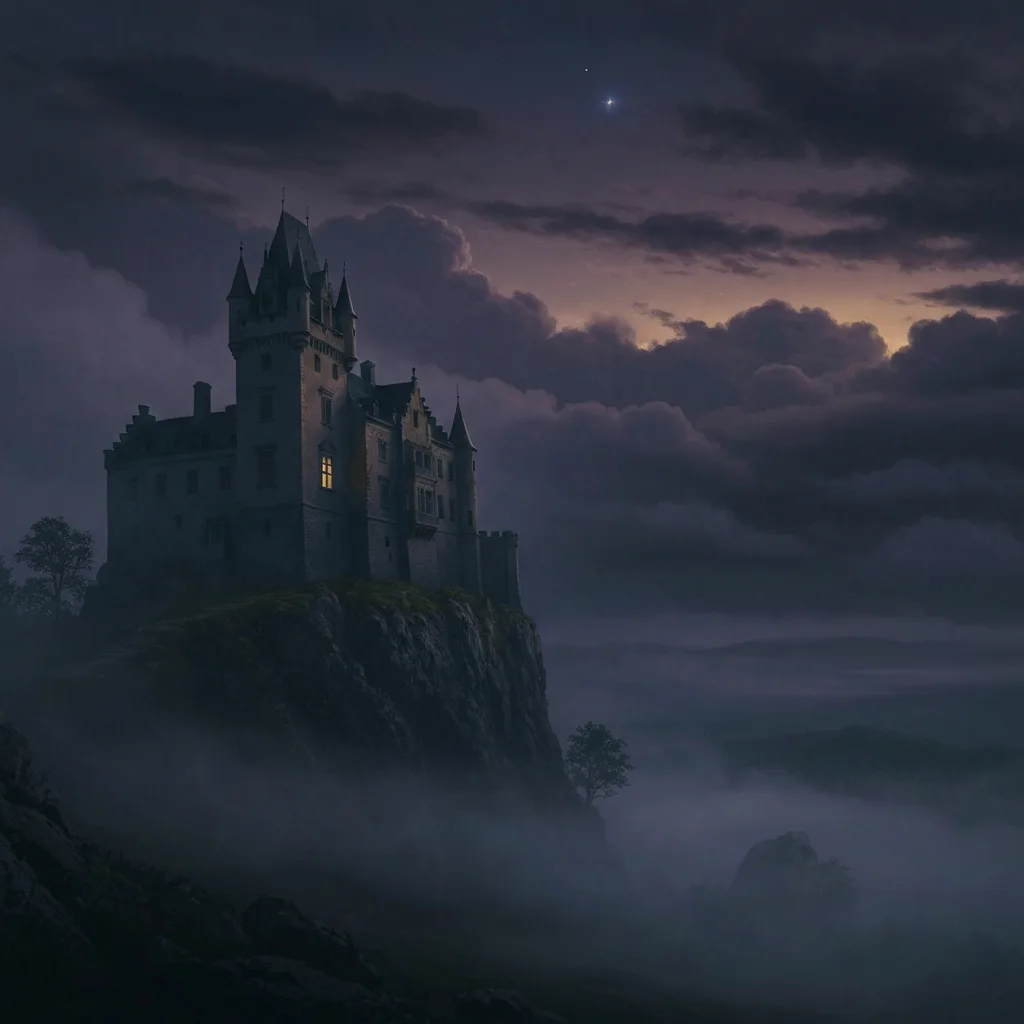
Literature has long maintained a profound fascination with the shadows. While many genres seek to illuminate the human condition through narratives of triumph, clarity, and rational progress, Gothic fiction takes a deliberately different route. It drags readers into the damp, poorly lit corridors of the human psyche, using external environments to mirror internal decay. The Gothic novel is not merely a collection of haunted houses, fainting heroines, and brooding villains; it is a sophisticated literary tradition that has continuously adapted to reflect the specific anxieties of its time. From its aristocratic origins in the eighteenth century to its modern iterations in suburban neighborhoods, the Gothic genre has proven to be one of the most resilient and mutable forms of storytelling in literary history.
Origins in the 18th Century: Castles, Curses, and the Sublime
The birth of the Gothic novel is universally attributed to Horace Walpole, whose 1764 work, The Castle of Otranto, carried the subtitle “A Gothic Story.” Walpole sought to combine the fantastical, unrestrained elements of medieval romance with the strict realism of the emerging modern novel. His narrative established the foundational tropes that would define the genre for decades: ancient prophecies, hidden trapdoors, oppressive ancestral homes, and a pervasive sense of inescapable doom.
However, it was Ann Radcliffe who elevated the Gothic from a niche curiosity to a dominant literary force. In novels like The Mysteries of Udolpho (1794), Radcliffe perfected the concept of the ‘sublime’—an aesthetic quality that evokes a mixture of terror, awe, and overwhelming emotion, often triggered by vast, untamed natural landscapes. Radcliffe also introduced the technique of the explained supernatural, where seemingly ghostly occurrences are eventually revealed to have rational, albeit sinister, human causes. Her work established a psychological depth that moved the genre away from cheap scares and toward a nuanced exploration of paranoia and isolation.
Monsters of Our Own Making: The Victorian Era Shift
Frankenstein and the Scientific Sublime
As the Enlightenment gave way to the Industrial Revolution, societal fears shifted from ancient curses to the terrifying potential of unchecked human progress. Mary Shelley’s Frankenstein (1818) represents a crucial pivot in Gothic literature. Shelley discarded the haunted castle in favor of the laboratory, replacing the ghost with a monster born of scientific hubris. The terror in Frankenstein does not come from the supernatural, but from the natural world manipulated by man. It is a deeply philosophical Gothic tale that questions the ethical boundaries of science and the devastating consequences of isolation and abandonment.
Dracula and Late-Victorian Anxieties
By the end of the nineteenth century, the Gothic had fully infiltrated the urban landscape. Bram Stoker’s Dracula (1897) brought the ancient, aristocratic terror of Transylvania directly into the bustling heart of modern, bureaucratic London. Stoker’s novel is a masterclass in exploiting late-Victorian anxieties: the fear of reverse colonization, the spread of disease, the disruption of traditional gender roles, and the tension between ancient folklore and modern technology. The vampire became the ultimate Gothic antagonist—a parasitic force that feeds on the lifeblood of the living, representing both literal death and moral corruption.
The Female Gothic: Terror in the Domestic Sphere
Parallel to the monstrous explorations of Shelley and Stoker, another highly influential subgenre was taking shape: the Female Gothic. This tradition, pioneered by writers like Charlotte Brontë and later perfected by Daphne du Maurier, utilized Gothic tropes to explore the distinct terrors of the female experience in a patriarchal society.
In Brontë’s Jane Eyre (1847), Thornfield Hall functions as a space of both romantic possibility and intense claustrophobia. The literal “madwoman in the attic” serves as a dark double to the protagonist, symbolizing the suppressed rage and stifled autonomy of Victorian women. The threat in the Female Gothic rarely comes from a supernatural entity; rather, it emanates from the husband, the domestic space, and the legal and social structures that render women powerless.
Nearly a century later, Daphne du Maurier’s Rebecca (1938) resurrected these themes with devastating effect. The sprawling estate of Manderley acts as a psychological prison for the unnamed narrator, who is haunted not by a ghost, but by the overwhelming, idealized memory of her husband’s first wife. Du Maurier demonstrated that the Gothic did not require blood or monsters to be terrifying; gaslighting, social alienation, and identity erasure were more than sufficient to create an atmosphere of suffocating dread.
Crossing the Atlantic: The Rise of Southern Gothic
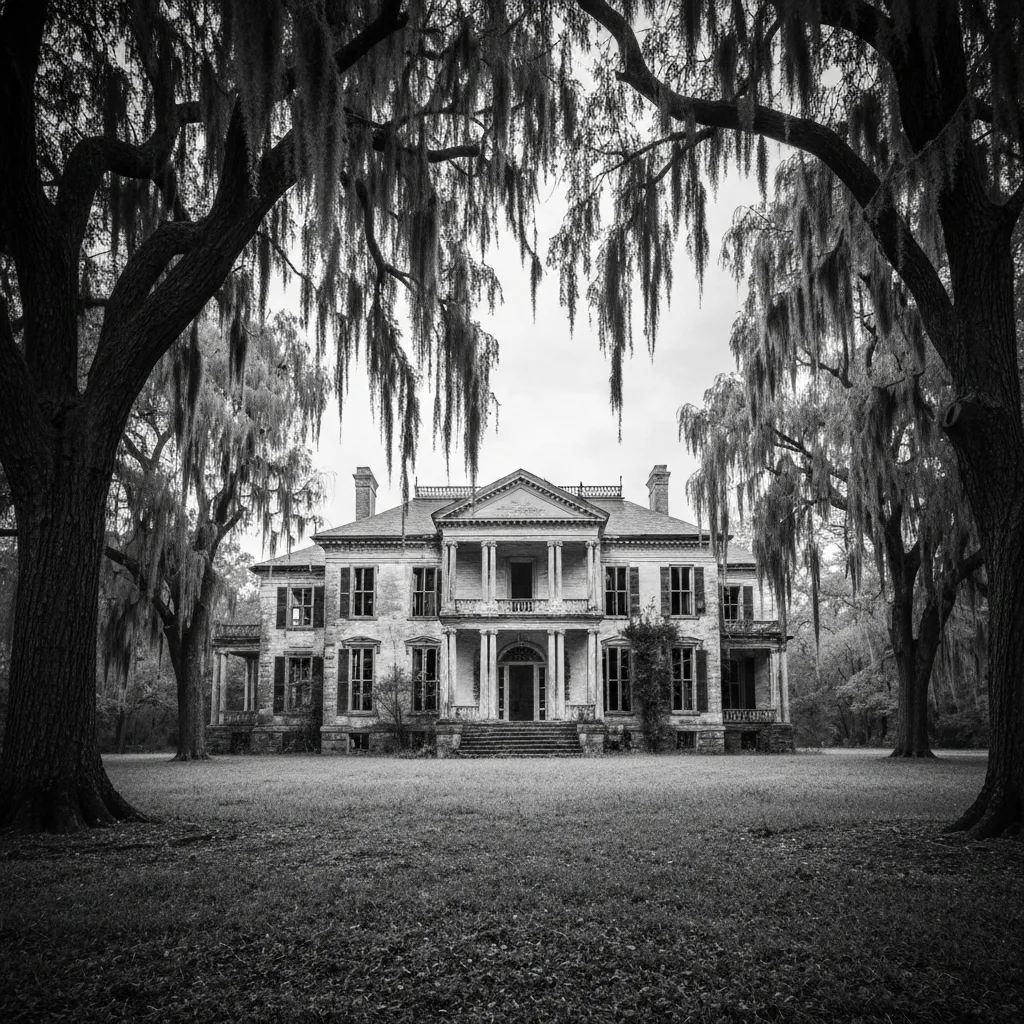
As the Gothic tradition crossed into the United States, it underwent a radical transformation. The American South, with its history of slavery, deep religious fervor, and the lingering trauma of the Civil War, provided a fertile ground for a new kind of darkness. The ruined castles of Europe were replaced by decaying antebellum plantations; the aristocratic villains were swapped for grotesque, deeply flawed characters grappling with generational guilt and systemic moral rot.
Decay in the Deep South
Writers like William Faulkner and Flannery O’Connor stripped away the romanticism of the traditional Gothic, exposing the ugly realities of a society in decline. In Faulkner’s short story “A Rose for Emily,” the decaying mansion of Emily Grierson stands as a monument to a dead era, hiding a literal and metaphorical corpse that the town refuses to acknowledge. The horror here is born from an absolute refusal to let go of the past.
Flannery O’Connor utilized Gothic elements to explore profound spiritual themes. Her characters are often physically or morally deformed, acting as grotesque mirrors to a hypocritical society. In works like “A Good Man is Hard to Find,” the violence is sudden, shocking, and entirely human. Southern Gothic literature teaches us that the most terrifying monsters are not supernatural creatures hiding in the dark, but ordinary people corrupted by pride, prejudice, and historical amnesia.
Modern Mutations: Contemporary Gothic Literature
Today, the Gothic novel continues to thrive by adapting to contemporary fears. The haunted house remains a staple, but it is increasingly used to explore themes of mental illness, systemic oppression, and the breakdown of the modern family unit. Shirley Jackson’s seminal work, The Haunting of Hill House (1959), bridged the gap between classic and modern Gothic by treating the house itself as a conscious, malicious entity that preys on the psychological vulnerabilities of its inhabitants.
New Voices and Haunted Spaces
In recent years, authors have brilliantly utilized the Gothic framework to dissect colonialism, race, and class. Silvia Moreno-Garcia’s Mexican Gothic (2020) places an intrepid, modern heroine in a decaying mansion in 1950s Mexico, using the tropes of the genre to deliver a searing critique of eugenics and colonial exploitation. The rot in the house is intrinsically linked to the historical bloodletting of the indigenous population, proving that the Gothic is an ideal vehicle for historical reckoning.
Furthermore, the concept of the “Suburban Gothic” has gained significant traction. Writers like Gillian Flynn have demonstrated that one does not need a remote, mist-shrouded castle to evoke terror. In the Suburban Gothic, the manicured lawns, identical houses, and polite neighborly interactions serve as a veneer covering deep-seated malice, domestic abuse, and psychopathy. The modern Gothic suggests that true horror lies in the mundane, and that the most dangerous place a person can be is behind the closed doors of their own home.
The Enduring Appeal of the Dark
Why do readers continually return to the Gothic novel? The answer lies in the genre’s unique ability to provide catharsis. By externalizing our deepest, most unspoken fears—death, madness, loss of control, and societal collapse—Gothic literature allows us to confront them from a place of safety. It acknowledges that humans are complex creatures, driven as much by irrational fears and dark desires as by logic and reason.
The evolution of the Gothic novel from Horace Walpole to Silvia Moreno-Garcia highlights a fundamental truth about storytelling: while the architecture of our nightmares may change, the underlying dread remains the same. Whether it is a crumbling stone tower in the Apennines, a decaying plantation in Georgia, or a seemingly perfect suburban home, the Gothic reminds us that the past is never truly dead, and the shadows will always have a story to tell.



Do you enjoy the content on Agenda Creativa?
Your contributions help me create new articles, share creative ideas, and keep this platform alive! If you like what I do and want to support my work, you can buy us a coffee.
Every cup of coffee means more than just a gesture – it's direct support for my passion to create inspiring and useful content. Thank you for being part of this journey!
☕ Buy me a coffee