Introduction to the World of Calendula
medicinal plants have been used throughout history for their therapeutic properties, forming an essential part of traditional folk medicine across various cultures. These plants have been valued not only for their medicinal benefits but also for their ability to support natural remedies. One such plant is Calendula officinalis, often called marigold. This species is cherished not only for its beauty but also for its versatile applications in alternative medicine.
Native to Mediterranean regions, calendula has been cultivated and traditionally used for centuries. It thrives in warm habitats with well-drained soils and is commonly grown in gardens as both an ornamental plant and a valuable resource for health. Its popularity has led to its spread worldwide, as communities have long appreciated its beneficial effects on the body.
Over time, the use of Calendula officinalis has evolved, and it is now recognized not only for its floral beauty but also for its anti-inflammatory, antimicrobial, and wound-healing properties. These characteristics have made calendula a popular choice in cosmetic products, skincare, and as an ingredient in tinctures and ointments. This highlights the importance of researching and preserving medicinal traditions, given the positive impact these plants can have on human health.
Botanical Description of Calendula
Calendula officinalis, also known as pot marigold or garden marigold, is a biennial or perennial herbaceous plant belonging to the Asteraceae family. Native to southeastern Europe, it has been widely cultivated for its healing and ornamental flowers. Its physical appearance is striking, with a height ranging from 30 to 60 centimeters. The stems are erect, thick, and covered in fine hairs, providing excellent stability, especially in variable weather conditions.
The flowers of Calendula officinalis are perhaps its most attractive feature. They form capitulum-type inflorescences with a diameter of 5 to 10 centimeters. Their vibrant colors, ranging from bright yellow to orange, not only add visual appeal but also attract pollinators. The outer petals are oblong, while the inner ones are shorter, forming a distinctive structure. The flowering period is extensive, lasting from spring to autumn, provided favorable conditions.
The leaves are lanceolate with smooth or slightly serrated edges. They are arranged alternately on the stem, with a soft texture and deep green color. The basal leaves are larger and help retain moisture during droughts, while the upper leaves are narrower and smaller. The distinctive botanical characteristics of Calendula officinalis make it easy to identify, whether in gardens or the wild. This plant has been revered since ancient times for its medicinal properties, remaining a staple in both folk and modern herbal medicine.
Therapeutic Benefits of Calendula
Calendula officinalis, commonly known as marigold, is a herbaceous plant celebrated for its medicinal properties. It has been used for centuries in traditional medicine to treat various conditions, particularly skin lesions, inflammation, and pain. Active ingredients in calendula flowers, such as flavonoids and triterpenoids, contribute to its anti-inflammatory, antimicrobial, and regenerative effects.
The medicinal uses of calendula are diverse. For example, calendula extracts are often applied topically to aid in healing cuts, burns, rashes, and dermatitis. Its soothing effect on the skin is well-documented, with properties that promote epithelial cell regeneration and reduce inflammation, making it ideal for treating these conditions. A study published in Phytotherapy Research confirmed calendula’s effectiveness in reducing wound-healing time.
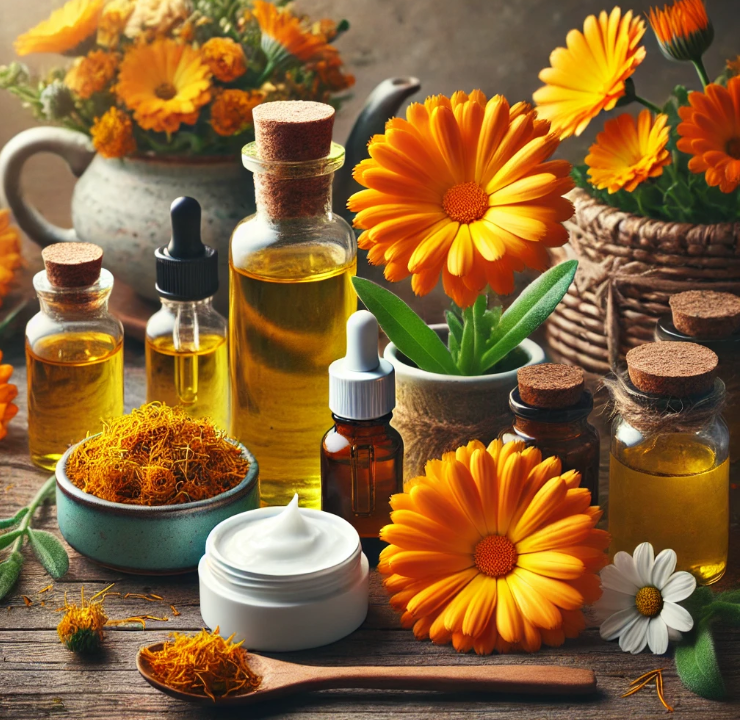
Additionally, calendula is used to manage internal conditions. Infusions of calendula flowers can help alleviate digestive symptoms such as colic or irritation. This plant is also recommended for reducing inflammation in arthritis. Moreover, due to its calming properties, calendula can be used as tinctures or essential oils in aromatherapy to reduce stress and anxiety.
Thus, calendula proves to be a valuable resource in natural medicine, supported by scientific research confirming its remarkable therapeutic benefits. With informed and appropriate use, marigold can improve skin health and support the immune system, offering effective relief for a wide range of health issues.
Uses in Natural Cosmetics
Calendula officinalis, also known as marigold, is a renowned and cherished ingredient in natural cosmetics due to its anti-inflammatory, antiseptic, and regenerative properties. This plant has been used for centuries in skincare products, playing a key role in formulating creams, ointments, and oils designed to enhance skin health and radiance.
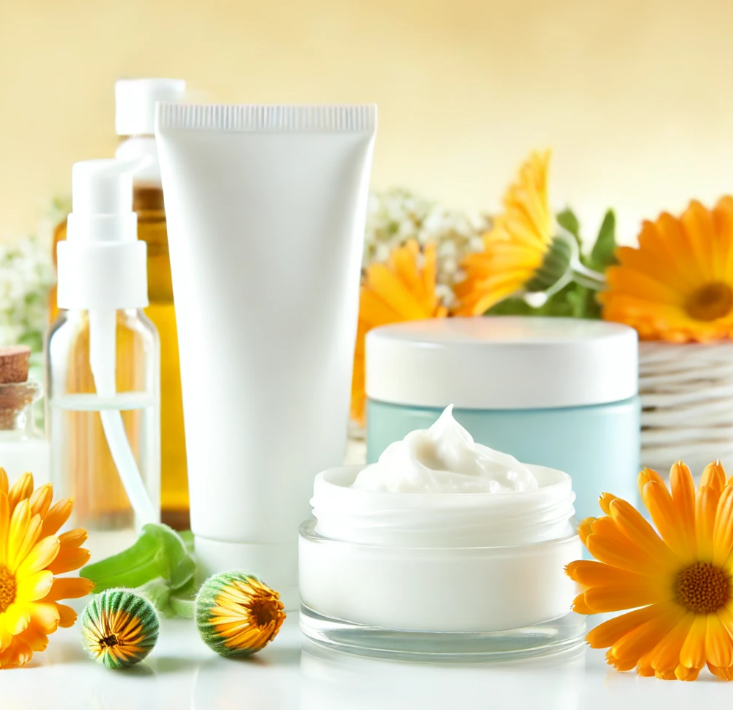
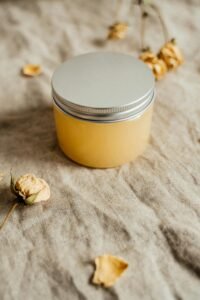
One of the most common uses of calendula extract is in moisturizing creams. These are formulated to soothe skin irritations and provide hydration, thanks to its rich content of flavonoids and carotenoids. The active compounds in calendula help maintain skin elasticity, preventing dehydration and premature aging.
Calendula ointment is another popular product in natural cosmetics. It is often used to treat minor skin injuries like burns, cuts, or irritation from hair removal. Its anti-inflammatory properties help reduce redness and swelling while accelerating healing.
Calendula-infused essential oils are also widely used in aromatherapy and massage formulations due to their calming effects. These oils can alleviate stress and anxiety while improving skin appearance. Thus, Calendula officinalis proves to be a versatile and valuable ingredient with multiple applications in skincare, significantly contributing to skin beauty and health.
Natural Calendula Cream Recipes
Here are a few recipes for natural creams with Calendula officinalis (marigold), ideal for soothing and hydrating the skin:
- Simple Calendula Cream for Sensitive Skin
Ingredients:
- 50 g dried calendula flowers
- 100 ml olive oil or sweet almond oil
- 30 g beeswax
- 10 drops lavender essential oil (optional)
Preparation:
- Oil Infusion: Place calendula flowers in a jar and cover with olive oil. Infuse using a double boiler for 1–2 hours or in sunlight for 2–3 weeks.
- Strain the Oil: After infusion, strain the oil and discard the flowers.
- Prepare the Cream: Melt beeswax in a double boiler. Once melted, slowly add the calendula oil and mix well.
- Add Essential Oil: Optionally, add lavender essential oil.
- Storage: Pour the mixture into a clean container and let it cool completely before use.
Use: This cream is excellent for dry, irritated, or sensitive skin and can be applied daily for hydration and soothing.
- Calendula Cream for Dry and Cracked Skin
Ingredients:
- 100 ml calendula oil (from the infusion above)
- 50 g shea butter
- 20 g beeswax
- 1 teaspoon coconut oil
- 10 drops chamomile essential oil (optional)
Preparation:
- Melt Ingredients: In a double boiler, melt beeswax, shea butter, and coconut oil.
- Add Calendula Oil: Once melted, add calendula oil and mix well.
- Add Essential Oil: Optionally, add chamomile essential oil.
- Pour into Containers: Pour the mixture into clean containers and let it cool.
Use: This cream is ideal for very dry or cracked skin, offering nourishing and regenerative properties.
- Calendula Cream for Eczema and Irritations
Ingredients:
- 50 ml calendula oil
- 30 g beeswax
- 10 ml jojoba oil
- 10 drops tea tree essential oil (optional)
Preparation:
- Melt Beeswax: Melt beeswax in a double boiler.
- Mix Oils: Add calendula oil and jojoba oil to the melted wax, mixing well.
- Add Essential Oil: Optionally, add tea tree essential oil.
- Pour into Containers: Pour the mixture into containers and let it solidify.
Use: This cream is ideal for treating eczema, irritations, and other skin conditions due to calendula’s anti-inflammatory and antimicrobial properties.
- Calendula and Aloe Vera Cream for Burns and Minor Wounds
Ingredients:
- 50 ml calendula oil
- 30 ml aloe vera gel
- 20 g beeswax
- 10 drops lavender essential oil
Preparation:
- Melt Beeswax: Melt beeswax in a double boiler.
- Mix Ingredients: Add calendula oil and aloe vera gel, mixing well.
- Add Essential Oil: Add lavender essential oil.
- Pour into Containers: Pour the mixture into a container and let it solidify.
Use: Perfect for soothing burns, irritations, or minor wounds, promoting healing and regeneration.
- Calendula and Vitamin E Cream for Skin Regeneration
Ingredients:
- 50 ml calendula oil
- 20 g beeswax
- 1 vitamin E capsule
- 10 drops rose essential oil (optional)
Preparation:
- Melt Beeswax: Melt beeswax in a double boiler.
- Add Calendula Oil: Mix calendula oil into the melted wax.
- Add Vitamin E: Open the capsule and add its contents to the mixture.
- Pour into Containers: Pour into containers and let it cool.
Use: This cream aids in skin regeneration and reduces signs of aging due to vitamin E and calendula’s soothing properties.
These natural creams are easy to prepare and can address various skin conditions, offering a gentle and effective remedy.


Traditions and Cultural Uses
Marigold, scientifically known as Calendula officinalis, has a rich history across cultures, used not only for its medicinal properties but also in rituals and folk traditions. This plant has been revered for centuries due to its deep symbolism, often associated with the sun and light, thanks to its bright and vibrant flowers.
In folk medicine, calendula was used in many cultures for its antiseptic and anti-inflammatory effects. For example, in medieval Europe, it was applied to wounds and burns, and its leaves were used topically to promote healing. In folk traditions, calendula symbolized protection and was used in purification rituals to ward off negative energy.

In various cultures, calendula flowers were incorporated into wedding ceremonies, representing love, light, and hope. In Romanian culture, calendula is linked to spring celebrations and included in traditions meant to bring abundance and health. The flowers were also used in clothing due to their vivid colors, symbolizing prosperity.
In conclusion, the abundant cultural uses of marigold highlight its importance not only in health but also in human symbolism. These traditions reflect humanity’s deep appreciation for this plant, blending physical care with spirituality and culture. Thus, Calendula officinalis remains integral to the cultural and medicinal heritage of many societies.
Cultivation and Care of Calendula Officinalis
Cultivating and caring for Calendula officinalis, also known as marigold, is relatively simple and can be done successfully in gardens or pots. This plant prefers well-drained, nutrient-rich soil with a slightly acidic or neutral pH. Mixing soil with compost or organic matter improves fertility and structure. Ensure the soil retains moisture but avoids waterlogging to prevent root rot.
Sun exposure is crucial for healthy growth. Marigolds thrive in full sun, requiring at least 6–8 hours of sunlight daily. This promotes abundant flowering and robust growth. In extreme heat, temporary shading during peak hours can protect the plants.

Watering is vital, especially during droughts. Water regularly to keep the soil moist but not soggy. Water at the base to avoid fungal diseases. Seasonal care is also important: increase watering frequency in summer and reduce it in autumn. Deadheading spent flowers encourages continuous blooming. These simple tips ensure successful marigold cultivation at home.
Natural Ingredient Recipes with Calendula
Calendula officinalis, also known as medicinal marigold, is widely used in traditional medicine preparations. This versatile plant can be incorporated into various natural recipes. A classic example is a calming tea made by steeping 2–3 teaspoons of dried calendula flowers in 250 ml of boiling water. This tea can be added to baths for a relaxing skin treatment.
Calendula is also used in therapeutic baths. Adding a handful of dried flowers to bathwater leverages its anti-inflammatory effects, soothing skin and reducing discomfort.

Topical applications with calendula are highly valued. Calendula oil can be made by infusing dried flowers in olive or coconut oil for two weeks. This oil treats skin irritations, minor burns, and other skin conditions. Applying it to affected areas significantly improves skin health.
In summary, calendula’s therapeutic uses are diverse, and natural recipes offer simple, effective ways to harness its benefits. Whether through teas, baths, or oils, calendula proves to be a valuable ally in enhancing health and well-being.
Calendula Tea Recipes
Here are a few calendula tea recipes and their uses:
- Simple Calendula Tea
Ingredients:
- 1 teaspoon dried calendula flowers
- 250 ml hot water
Preparation:
- Steep flowers in hot water for 10–15 minutes. Strain and drink warm.
Uses:
- Digestion: Soothes digestive inflammation, ideal for gastritis or ulcers.
- Immunity: Boosts the immune system and reduces inflammation.
- Calendula and Chamomile Tea
Ingredients:
- 1 tsp dried calendula flowers
- 1 tsp dried chamomile flowers
- 250 ml hot water
Preparation:
- Steep both herbs for 10–12 minutes. Strain and drink.
Uses:
- Nervous System: Reduces stress and induces sleep.
- Skin Health: Beneficial when consumed or applied topically.
- Calendula and Peppermint Tea
Ingredients:
- 1 tsp dried calendula flowers
- 1 tsp dried peppermint leaves
- 250 ml hot water
Preparation:
- Steep for 10 minutes. Strain and drink.
Uses:
- Digestion and Respiration: Alleviates digestive issues and improves breathing.
- Calendula and Ginger Tea
Ingredients:
- 1 tsp dried calendula flowers
- 1 slice fresh ginger
- 250 ml hot water
Preparation:
- Steep for 10 minutes. Strain and drink.
Uses:
- Immunity and Inflammation: Ginger adds anti-inflammatory effects, while calendula soothes.
- Calendula and Sage Tea
Ingredients:
- 1 tsp dried calendula flowers
- 1 tsp dried sage leaves
- 250 ml hot water
Preparation:
- Steep for 10 minutes. Strain and drink.
Uses:
- Sore Throat: Calms throat irritation and reduces inflammation from colds.
These teas are easy to prepare and can be integrated into daily routines to support skin health, digestion, and immunity.


Precautions and Side Effects
The use of Calendula Officinalis, commonly known as marigold, has gained increasing popularity due to its potential health and beauty benefits. However, it is essential to consider certain precautions and possible side effects before using this plant for medicinal or cosmetic purposes. While generally considered safe for most people, adverse reactions may occur.
One important aspect to note is that some individuals may develop allergies to Calendula. Symptoms can include skin rashes, itching, or breathing difficulties. This is more likely in people with heightened sensitivity to plants in the Asteraceae family, which includes daisies, chicory, and arnica. Therefore, it is recommended to perform an allergy test by applying a small amount of a calendula-based product to the skin before wider use.
Additionally, pregnant or breastfeeding women should consult a doctor before using Calendula, as there is insufficient research to confirm its safety during these periods. Similarly, individuals taking medications, particularly anticoagulants, should exercise caution, as Calendula may have its own blood-thinning effects, which could interact with these medications.
Another consideration is the topical application of calendula-based products. It is crucial to avoid using them on open wounds or infections, as this may worsen the condition. Therefore, those interested in using this plant should be aware of these precautions to ensure a safe and beneficial experience.
Conclusion and Future Perspectives
In conclusion, Calendula Officinalis (marigold) proves to be an exceptionally valuable medicinal plant, offering a multitude of benefits associated with its uses in natural medicine. This plant has been used for centuries due to its anti-inflammatory, wound-healing, and antiseptic properties, playing a vital role in various therapeutic traditions. The use of calendula bridges folk medicine with modern research, demonstrating a synergy between ancestral knowledge and innovations in phytochemistry.

The importance of Calendula in natural medicine is not limited to topical remedies for skin conditions. Recent studies suggest expanding its use into systemic treatments and even the cosmetics industry. Furthermore, research focused on identifying the bioactive compounds in calendula flowers continues to offer promising insights into its therapeutic potential. Notably, its ability to contribute to health and well-being stands out, with applications in herbal medicine and nutrition.
For the future, it is essential to continue exploring the medicinal applications of Calendula. Combining scientific research with traditional knowledge will lead to a better understanding of this plant’s benefits. Additionally, investments in sustainable cultivation of marigold and studies on its effects on human health could open new opportunities for natural medicines. Thus, Calendula Officinalis remains a plant of great interest, deserving ongoing attention from researchers and healthcare practitioners. Not only does it enrich our natural heritage, but it also provides a promising framework for developing innovative remedies in the future.
Frequently Asked Questions (FAQs)
- What is Calendula Officinalis, and where does it grow naturally?
Calendula Officinalis, scientifically known as marigold, is an annual or biennial herbaceous plant from the Asteraceae family. Native to Mediterranean regions, it is commonly found in sunny gardens and fields, preferring well-drained soils and warm climates. The plant is recognized for its bright orange or yellow flowers, which not only beautify landscapes but also offer remarkable medicinal benefits. - What are the main therapeutic benefits of Calendula?
Calendula is renowned for its anti-inflammatory, antimicrobial, and wound-healing properties. It is used to treat wounds, minor burns, dermatitis, and skin irritations. Infusions made from its flowers help soothe digestive issues, such as gastritis and ulcers. Additionally, the plant supports the immune system and reduces internal inflammation, making it a versatile remedy in natural medicine. - How do you prepare Calendula tea, and what conditions does it help?
To prepare Calendula tea, add one teaspoon of dried flowers to a cup of boiling water and steep for 10–15 minutes. This tea helps alleviate digestive problems, reduces inflammation, and supports detoxification. When consumed regularly, it strengthens the immune system and promotes overall health. - How can Calendula be used in skincare?
Calendula is a key ingredient in cosmetic products due to its anti-inflammatory and hydrating effects. It is used in creams and ointments to soothe irritations, treat eczema, and regenerate dry skin. Calendula oil, made by infusing the flowers in vegetable oils, is excellent for massage or direct application on wounds and burns. - What properties do essential oils extracted from Calendula have?
Calendula essential oils contain active compounds like flavonoids and carotenoids, which provide anti-inflammatory, antioxidant, and antimicrobial benefits. These oils are used in aromatherapy to reduce stress and anxiety, as well as in skincare treatments to accelerate wound healing and calm irritations. - What are the traditional uses of Calendula?
In folk medicine, calendula was used to treat wounds and skin infections. In medieval Europe, it was considered a protective plant, used in purification rituals. In Romanian tradition, the flowers were brewed into teas to relieve abdominal pain and made into ointments for cuts and burns. - How is Calendula harvested and stored for medicinal use?
Calendula is harvested during flowering, preferably in the morning when essential oil content is highest. The flowers are dried in a cool, well-ventilated area, away from direct sunlight. After drying, they should be stored in airtight containers in a dark, dry place to preserve their therapeutic properties. - What precautions should be taken when using Calendula?
Although generally safe, calendula may cause allergic reactions in individuals sensitive to Asteraceae plants. It is contraindicated during pregnancy, as it may stimulate uterine contractions. Those taking anticoagulant medications should avoid it due to potential blood-thinning interactions. - How do you prepare a Calendula ointment for external use?
To make a Calendula ointment, infuse 50 g of dried flowers in 100 ml of olive or almond oil for 2–3 weeks. After straining, gently heat the oil with 20 g of beeswax, then pour into clean containers and let cool. This ointment is ideal for soothing irritations and skin regeneration. - What are the modern research perspectives on Calendula?
Recent studies confirm calendula’s antioxidant and antimicrobial properties, highlighting its potential in treating skin conditions and managing chronic inflammation. Research explores its use in developing natural medicines and innovative cosmetic products, underscoring its value in modern medicine.

Do you enjoy the content on Agenda Creativa?
Your contributions help me create new articles, share creative ideas, and keep this platform alive! If you like what I do and want to support my work, you can buy us a coffee.
Every cup of coffee means more than just a gesture – it's direct support for my passion to create inspiring and useful content. Thank you for being part of this journey!
☕ Buy me a coffee