The Breaking of the English-Language Bubble
For decades, the English-speaking publishing world operated within a remarkably tight bubble. Industry insiders frequently referenced the infamous “three percent problem”—a statistic highlighting that translated literature made up merely three percent of all books published in the United States and the United Kingdom. This figure wasn’t just a reflection of publishing economics; it signaled a distinct cultural insularity. Readers were largely confined to narratives, structures, and worldviews native to their own language, missing out on the vast, complex literary movements happening across the globe.
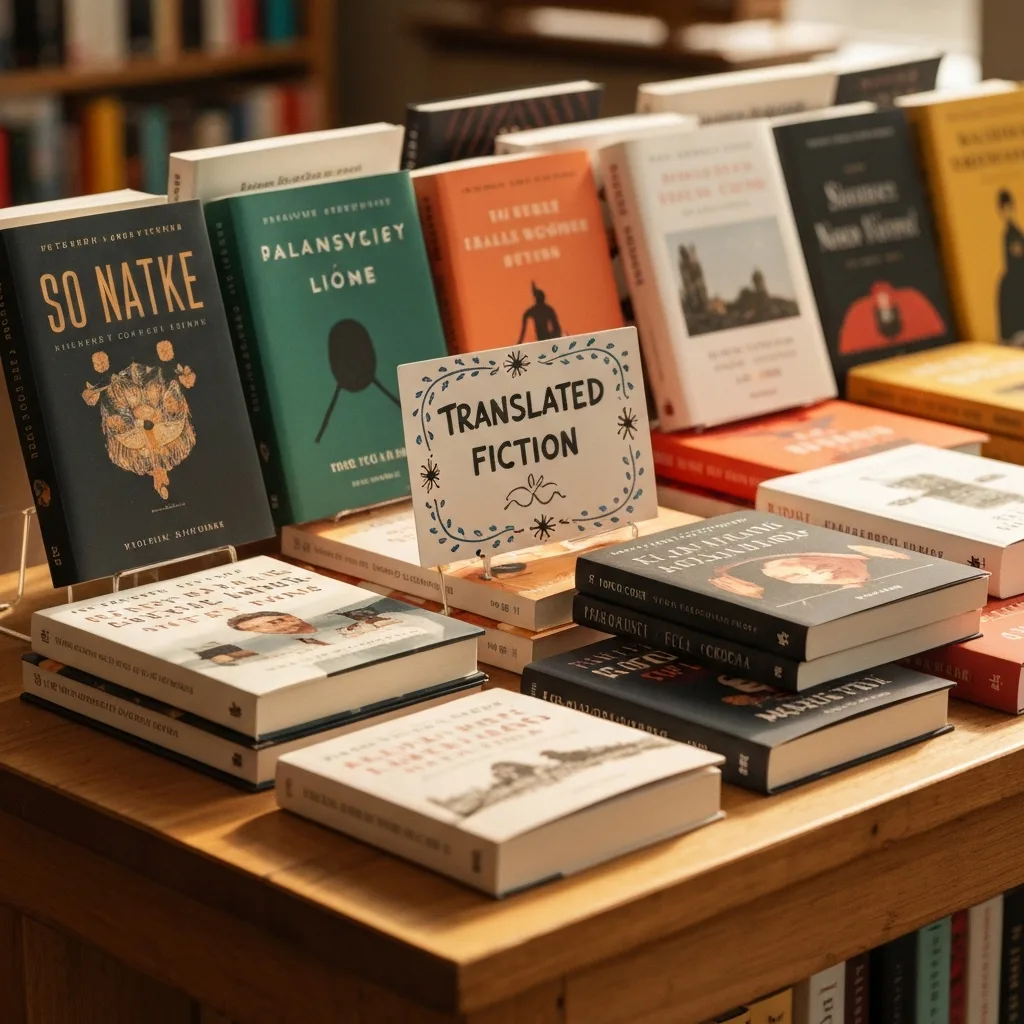
Today, that paradigm has shifted entirely. We are witnessing an unprecedented boom in translated fiction, moving international voices from the obscure corners of academic presses straight to the front tables of mainstream bookstores. Authors like Haruki Murakami, Elena Ferrante, and Han Kang are no longer viewed as niche international writers; they are global literary superstars whose new releases command the same anticipation as any domestic bestseller. This surge is not a fleeting trend but a fundamental restructuring of modern reading habits. Readers are actively seeking out unfamiliar perspectives, driven by a desire to understand a rapidly globalizing world and a hunger for storytelling that breaks the conventional molds of Western literature.

Key Drivers Behind the Translated Fiction Boom
The rise of international literature in English-speaking markets didn’t happen in a vacuum. It is the result of a perfect storm of dedicated publishing efforts, prestigious literary awards, and grassroots reader movements that have collectively championed global voices.
Independent Publishers Leading the Charge
While major publishing houses historically viewed translated fiction as a financial risk, independent presses recognized it as an untapped well of brilliant literature. Publishers such as Fitzcarraldo Editions, Europa Editions, and Charco Press built their entire brand identities around bringing exceptional foreign-language books to English readers. By focusing on high-quality curation and striking, recognizable book designs, these indie presses created a dedicated readership that trusts their editorial vision. When Fitzcarraldo Editions publishes a new translation, readers buy it not necessarily because they know the author, but because they trust the publisher’s track record of identifying masterpieces.
The Impact of Literary Prizes
The restructuring of the International Booker Prize in 2016 was a watershed moment for translated fiction. By splitting the substantial prize money equally between the author and the translator, the award elevated the status of translation as a vital literary art form. Winning, or even being shortlisted for, the International Booker now guarantees a massive spike in sales and international media attention. It serves as a reliable compass for readers looking to navigate the vast world of international literature. Furthermore, the Nobel Prize in Literature continues to drive massive spikes in translated book sales, as seen with recent laureates like Annie Ernaux and Jon Fosse, whose backlists were rapidly translated and consumed by eager new audiences.
The Social Media Catalyst
We cannot discuss modern reading habits without acknowledging the profound impact of social media, particularly BookTok and Bookstagram. These platforms have democratized book recommendations, stripping away the traditional gatekeeping of literary criticism. A compelling, emotionally resonant book can go viral overnight, regardless of its original language. Japanese “healing fiction” like Toshikazu Kawaguchi’s Before the Coffee Gets Cold or Korean feminist literature like Cho Nam-joo’s Kim Jiyoung, Born 1982 found massive, passionate audiences online. Younger readers, who are statistically more open to international media—be it K-pop, anime, or foreign cinema—naturally extend this globalized consumption to their reading habits.
The Invisible Art of Translation
As translated fiction grows in popularity, the industry is finally reckoning with the artists who make this cultural exchange possible: the translators. Historically, translators were treated as invisible conduits, their names omitted from book covers and their labor undervalued. The prevailing thought was that a good translation should read as though it were originally written in English, erasing the specific cultural cadence of the source material.
Modern readers and publishers are adopting a more sophisticated understanding of translation. It is not merely a word-for-word substitution; it is a complex act of cultural mediation and creative writing. Translators must capture the rhythm, tone, and cultural nuances of the original text while making it resonate with a new audience. The movement to put “translators on the cover” has gained significant traction, spearheaded by prominent translators like Anton Hur, Ann Goldstein, and Deborah Smith. By recognizing translators as co-authors of the English text, the literary world is acknowledging that reading a translated book is a collaborative experience between the original author, the translator, and the reader.
Regions and Genres Capturing Readers’ Imaginations
The current appetite for translated fiction is broad, but specific regional movements and genres have captured the cultural zeitgeist in profound ways, offering readers unique structural and thematic experiences.
The Surge of East Asian Literature
East Asian literature has seen an explosive rise in the West, driven by distinct subgenres that address contemporary anxieties. Japanese “healing fiction”—often featuring quiet, magical realist elements centered around cafes, libraries, or cats—offers readers a soothing antidote to the relentless pace of modern life. Conversely, South Korean literature has gained massive popularity through its sharp, unflinching critiques of hyper-capitalism, beauty standards, and patriarchal structures. Han Kang’s The Vegetarian and Bora Chung’s Cursed Bunny utilize elements of body horror and surrealism to express societal traumas, resonating deeply with an international audience grappling with similar systemic issues.
Latin American Gothic and Speculative Fiction
A new generation of Latin American writers is reinventing the region’s literary legacy. Moving away from the traditional magical realism associated with Gabriel García Márquez, contemporary authors are leaning into horror, gothic, and speculative fiction to address political violence, environmental collapse, and gender-based trauma. Writers like Mariana Enríquez (Things We Lost in the Fire), Samanta Schweblin (Fever Dream), and Fernanda Melchor (Hurricane Season) are producing visceral, unsettling narratives. Their work proves that genre fiction can be a powerful vehicle for serious literary and socio-political exploration.
European Introspection and Auto-fiction
European translated fiction continues to dominate the literary fiction space, particularly through the lens of auto-fiction—a blend of autobiography and fiction. The monumental success of Karl Ove Knausgård’s My Struggle series paved the way for a deep appreciation of hyper-realistic, introspective writing. French authors like Annie Ernaux and Édouard Louis use their personal histories to dissect class, sexuality, and societal shifts, offering readers a microscopic view of European life that speaks to universal human experiences.
Why Reading Translated Fiction Matters Today
The shift towards a more globalized reading diet is more than just a market trend; it is a vital cultural development. Literature is one of the most effective tools for building empathy and understanding across borders. When we read a novel translated from Arabic, Spanish, or Japanese, we are not just consuming a story; we are invited into the intimate, everyday realities of another culture. We step outside the echo chamber of our own societal norms and recognize the shared human conditions of grief, joy, ambition, and fear.
Furthermore, reading translated fiction challenges our preconceived notions of how a story should be told. Different cultures have different narrative traditions. Some prioritize mood and atmosphere over plot progression; others use circular storytelling rather than linear arcs. Engaging with these diverse narrative structures makes us better, more flexible readers and expands our understanding of what literature can achieve.
The breaking of the English-language bubble is a triumph for literature. As independent publishers continue to take risks, translators receive the recognition they deserve, and readers remain curious, the literary landscape will only grow richer. Translated fiction proves that while language may divide us, storytelling remains our most profound point of connection.




Do you enjoy the content on Agenda Creativa?
Your contributions help me create new articles, share creative ideas, and keep this platform alive! If you like what I do and want to support my work, you can buy us a coffee.
Every cup of coffee means more than just a gesture – it's direct support for my passion to create inspiring and useful content. Thank you for being part of this journey!
☕ Buy me a coffee