Introduction
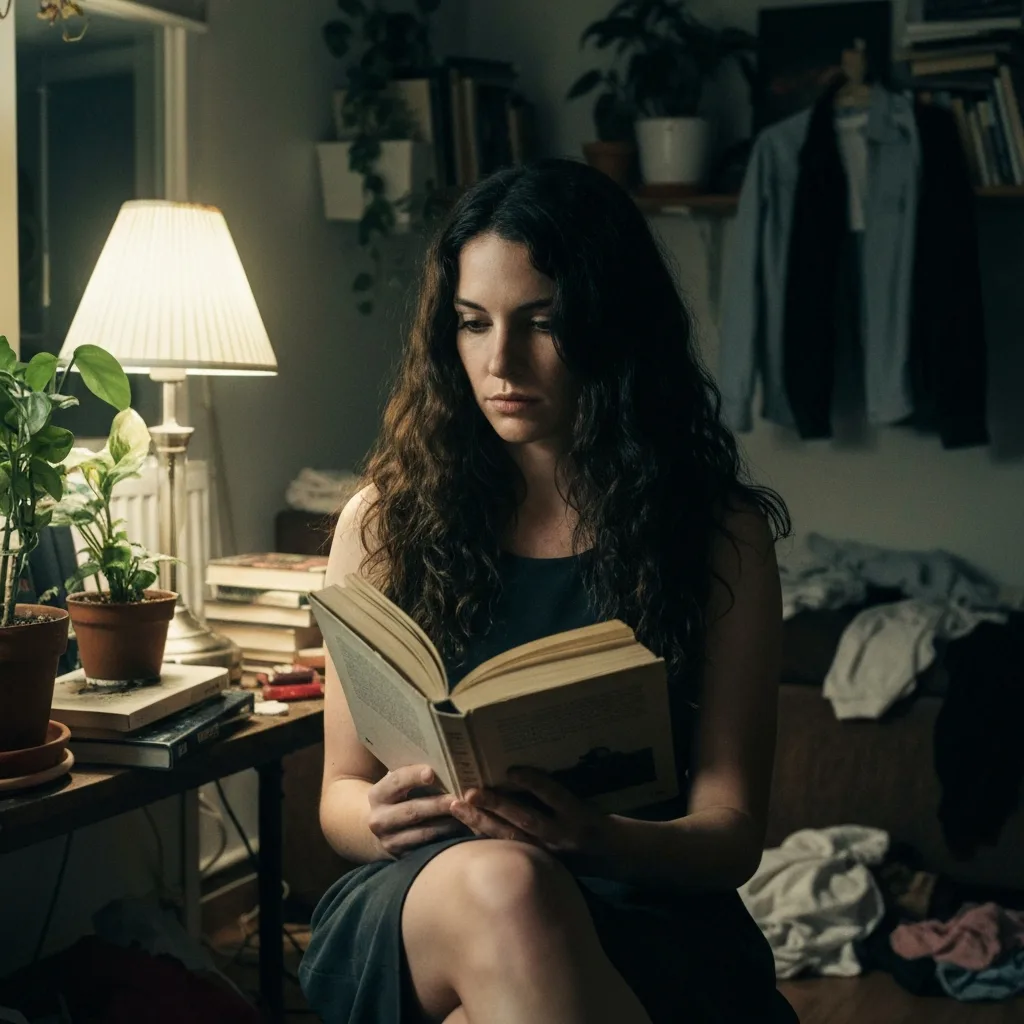
The literary landscape has experienced a seismic shift over the past decade. For centuries, the unspoken rule of commercial and literary fiction dictated that female protagonists must, above all else, be likable. They could be flawed, certainly, but their flaws had to be endearing—a little clumsy, perhaps overly trusting, or fiercely protective to a fault. Today, however, readers are actively seeking out women on the page who are selfish, manipulative, apathetic, or downright cruel. The rise of the unlikable female protagonist represents one of the most significant literary movements of the twenty-first century, fundamentally altering how we consume stories and what we expect from the women who lead them.
The Historical Context of Female Likability
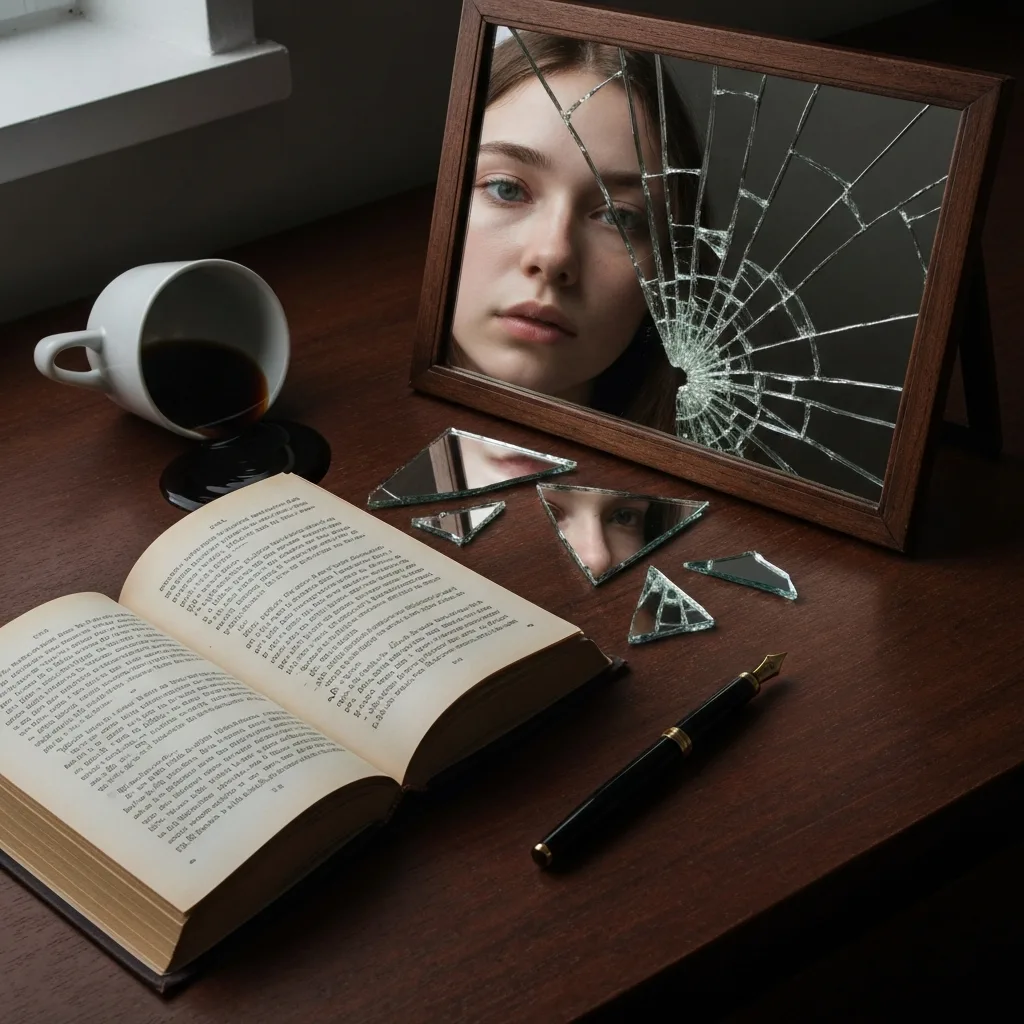
To understand the magnitude of this shift, we must examine the historical constraints placed on female characters. The Victorian ideal of the ‘Angel in the House’ loomed large over Western literature for generations, demanding that female characters serve as the moral anchors of their narratives. While male characters were permitted to pursue violent crusades, make disastrous moral compromises, and alienate everyone around them while still retaining the reader’s fascination—think Captain Ahab or Heathcliff—female characters were held to an entirely different standard.
Early exceptions certainly existed. William Makepeace Thackeray’s Becky Sharp in Vanity Fair manipulated her way through high society with ruthless pragmatism, and Jane Austen famously declared that Emma Woodhouse was a heroine ‘whom no one but myself will much like.’ Yet, these characters were often framed as cautionary tales or eventually humbled by the narrative structure. Their unlikability was a defect to be cured, not a state of being to be celebrated.
The Turning Point: Gillian Flynn and the ‘Cool Girl’
The modern watershed moment for the unapologetically flawed woman arrived in 2012 with Gillian Flynn’s Gone Girl. Amy Dunne was not a woman waiting to be humbled; she was a mastermind of domestic terror. Her infamous ‘Cool Girl’ monologue articulated a specific, exhausting performance that modern women are expected to maintain—the effortless, low-maintenance, eternally accommodating partner. By violently rejecting this performance, Amy Dunne struck a cultural nerve.
She was a villain, certainly, but she was a villain who spoke an uncomfortable truth. Flynn proved that a female character did not need the reader’s approval to command their absolute attention. The massive commercial dominance of Gone Girl signaled to publishers that female rage and moral bankruptcy were not just critically interesting; they were highly marketable, opening the floodgates for a new era of psychological thrillers led by unreliable, abrasive women.
Embracing the Grotesque: Ottessa Moshfegh and the Rejection of Polish
Following the path cleared by domestic thrillers, literary fiction began to experiment with a different flavor of unlikability: the grotesque and the profoundly apathetic. Ottessa Moshfegh has built a celebrated career on protagonists who actively repel the reader. In Eileen, the titular character is obsessed with her own bodily fluids, harbors violent fantasies, and operates with a profound lack of conventional morality. In My Year of Rest and Relaxation, the protagonist is beautiful and wealthy but entirely devoid of empathy, choosing to heavily medicate herself to sleep through a year of her life rather than engage with the world.
Moshfegh’s women are revolutionary because they completely reject the male gaze and societal expectations of female decorum. They do not care if they are attractive, they do not care if they are good, and most importantly, they do not care if you like them. This absolute rejection of the performance of goodness offers a strange, dark liberation for the reader.
The Millennial Malaise and the Messy Woman
Not all unlikable female protagonists are plotting murders or sleeping through years of their lives. A parallel trend has emerged in contemporary fiction often dubbed the ‘Messy Millennial Woman.’ Authors like Sally Rooney, Raven Leilani, and Halle Butler have crafted protagonists who are deeply flawed in mundane, instantly recognizable ways. They sabotage good relationships, perform poorly at work, harbor petty jealousies, and make disastrous financial and romantic decisions.
Edie in Leilani’s Luster or the various protagonists in Rooney’s novels often act out of selfishness and deep-seated insecurity. Their unlikability stems from their uncomfortable proximity to reality. They reflect the quiet, everyday failures of modern adulthood. Readers might cringe at their decisions, but the discomfort arises from recognition rather than alienation. These characters are permitted the grace of being entirely, frustratingly human without the narrative demanding they undergo a miraculous transformation into perfect citizens by the final chapter.
Why Do We Read Them? The Psychology of the Anti-Role Model
Why has the reading public developed such a voracious appetite for these characters? The answer lies in the psychological concept of catharsis and the modern exhaustion with perfectionism. Women today are subjected to an endless barrage of behavioral expectations, amplified by the curated realities of social media. The pressure to be a successful professional, a perfect mother, an attentive partner, and a socially conscious citizen is immense.
When readers open a book featuring an unlikable female protagonist, they are granted a reprieve from this pressure. These characters act out the reader’s repressed impulses. They say the unforgivable thing, they burn bridges, they abandon their responsibilities. Engaging with these anti-role models allows readers to process their own feelings of burnout, resentment, and inadequacy in a safe, fictional environment. It acts as a literary pressure valve for crushing societal expectations.
Redefining Empathy: Understanding vs. Approval
The success of these narratives relies on a fundamental distinction in literary theory: the difference between likability and empathy. Authors of these novels understand that a reader does not need to want to be friends with a character to be invested in their journey. Instead of relying on charm or moral superiority, these authors build empathy through intense psychological realism.
By granting the reader unfiltered access to the protagonist’s internal monologue—their fears, their trauma, their twisted logic—the author creates a bond of radical understanding. We may be appalled by what the character does, but we understand exactly why they are doing it. This requires immense technical skill. The author must balance the character’s abrasive actions with enough vulnerability or sharp wit to keep the reader turning the page. It is a masterclass in narrative tension, forcing the reader to constantly negotiate their own moral boundaries as they root for someone they fundamentally disapprove of.
The Future of the Unlikable Woman in Literature
As this literary trend matures, critics and authors alike are examining who gets to be ‘unlikable.’ Historically, the privilege of being a messy, flawed protagonist has been predominantly afforded to white, middle-class women. When characters from marginalized backgrounds exhibit the same selfish or destructive behaviors, they are often subjected to harsher judgment from both critics and the reading public, mirroring real-world biases.
However, the landscape is expanding. Authors like Oyinkan Braithwaite in My Sister, the Serial Killer and Kiley Reid in Such a Fun Age are pushing the boundaries of moral ambiguity across different cultural contexts, ensuring that the right to be flawed is universally distributed. The future of the unlikable female protagonist lies in this intersectional expansion, exploring how different societal pressures forge different brands of rebellion.
Conclusion
The era of the obligatory ‘good girl’ in fiction is decisively over. The rise of the unlikable female protagonist is not a passing fad, but a vital evolution in how literature reflects the human experience. By stripping away the requirement for female characters to be nurturing, agreeable, and morally pure, authors have unlocked a vast, unexplored territory of psychological storytelling.
These characters challenge us, frustrate us, and occasionally disgust us, but they also offer a profound sense of validation. They prove that women in literature do not have to earn their place on the page through good behavior; they belong there simply because they are complex, fascinating, and real. As long as society continues to demand perfection from women, literature will continue to provide the perfect antidote: women who are gloriously, unapologetically awful.
Do you enjoy the content on Agenda Creativa?
Your contributions help me create new articles, share creative ideas, and keep this platform alive! If you like what I do and want to support my work, you can buy us a coffee.
Every cup of coffee means more than just a gesture – it's direct support for my passion to create inspiring and useful content. Thank you for being part of this journey!
☕ Buy me a coffee