The Illusion of the Organized Mind
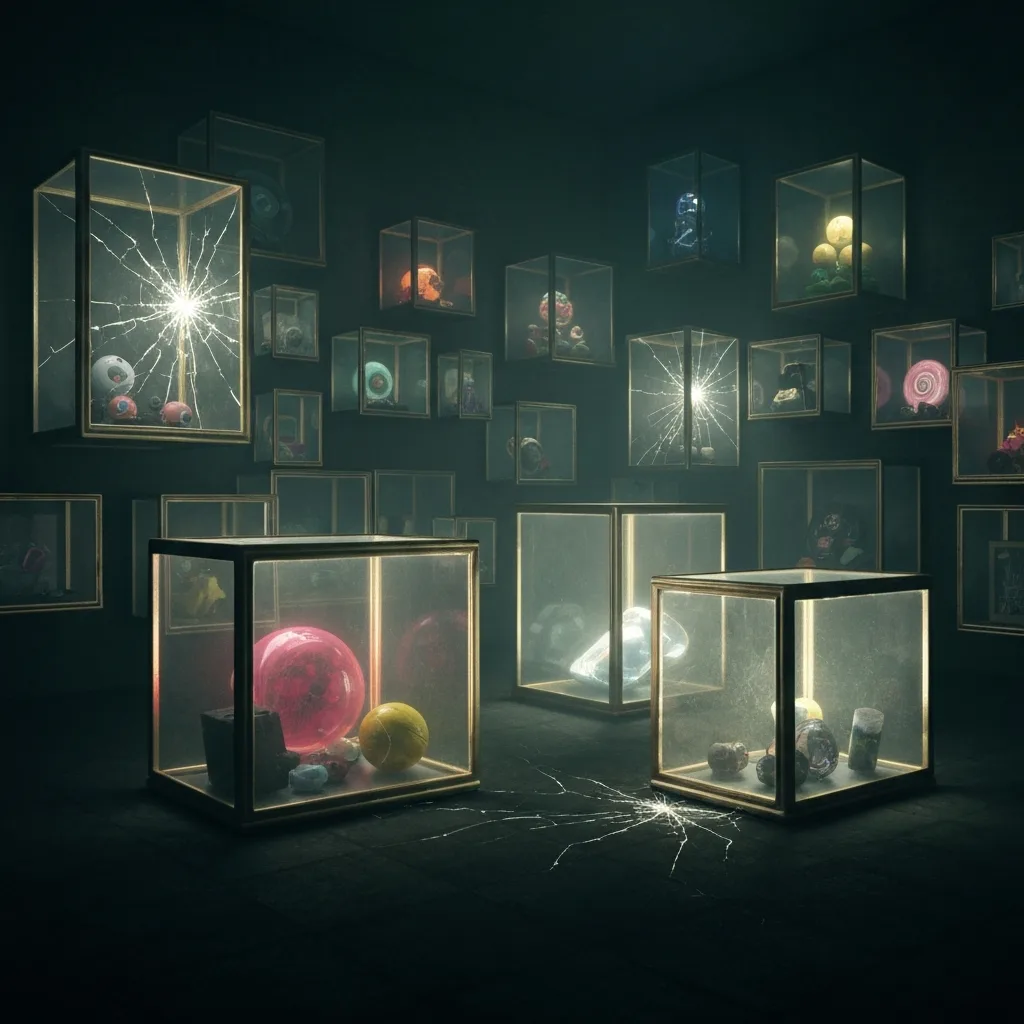
In our hyper-demanding modern world, the ability to compartmentalize is often lauded as the ultimate psychological superpower. We are taught to leave our personal problems at the door when we enter the workplace, to shelve our workplace stress when we sit down for family dinner, and to neatly pack away our grief, anxiety, or frustration so we can continue to function. On the surface, this cognitive sorting mechanism feels like mastery. It gives us the illusion of an organized mind, a sterile internal environment where every feeling has its designated box, tightly sealed and stored out of sight.
However, there is a profound difference between healthy emotional boundaries and chronic emotional compartmentalization. While boundaries allow us to choose when and how we engage with our feelings, compartmentalization is fundamentally an act of psychological evasion. The human nervous system is not a filing cabinet; it is a highly sensitive, interconnected biological ecosystem. When we attempt to isolate our emotions into discrete, airtight compartments, we do not neutralize them. Instead, we inadvertently manufacture a state of hidden psychological pressure that slowly bankrupts our emotional bandwidth and destabilizes our mental health.

The Mechanics of Psychological Pressurization
To understand why compartmentalization eventually fails, we must first look at the cognitive mechanics required to maintain it. Emotions are not static objects; they are dynamic physiological events. They carry energetic weight and demand processing. When you experience a significant stressor—whether it is a subtle interpersonal betrayal or a major life transition—your nervous system initiates a cascade of neurochemical responses designed to be felt, processed, and released.
When you compartmentalize, you interrupt this natural cycle. You take an active, living physiological process and force it into a state of suspended animation. But here is the critical flaw in the architecture of compartmentalization: keeping the lid on these emotional boxes requires a continuous, subconscious expenditure of mental energy. Psychologists refer to this as cognitive load. Just as holding a beach ball underwater requires constant physical exertion, keeping unacknowledged emotions suppressed demands relentless neurological effort.
The Somatic Toll of Holding the Walls
Because the brain and body are inextricably linked, the effort of maintaining these psychological walls inevitably manifests in the physical body. The tension required to keep the “boxes” closed translates into somatic rigidity. This is why highly compartmentalized individuals often suffer from chronic jaw clenching, shallow chest breathing, unexplained muscular tension, and pervasive fatigue. Their nervous systems are locked in a perpetual state of low-grade defense, burning through vital energy reserves simply to maintain the structural integrity of their emotional compartments.
The Unintended Consequences of the Compartmentalized Life
The short-term utility of compartmentalization is undeniable. It allows us to survive crises, meet deadlines, and navigate high-stakes environments without falling apart. But when a short-term survival strategy becomes a default way of living, the psychological consequences are severe and far-reaching.
Affective Blunting and the Loss of Joy
One of the most insidious traps of emotional compartmentalization is the illusion of selective numbing. We mistakenly believe that we can box up our grief, anger, or fear while leaving our capacity for joy, connection, and spontaneity fully intact. But the nervous system does not operate on a selective dimmer switch. The same neural pathways that process profound sadness are also responsible for processing profound joy. When you build walls to block out the dark, you simultaneously block out the light. Over time, chronic compartmentalization leads to affective blunting—a pervasive sense of emotional flatness, where life feels functional but fundamentally hollow and disconnected.
The Phenomenon of Displaced Reactivity
Emotions, much like water, always seek the path of least resistance. When primary emotional compartments become too full, the pressure inevitably forces the feelings to leak out in unrecognizable ways. This results in displaced reactivity. You might find yourself maintaining absolute stoicism in the face of a massive professional failure, only to experience an explosive meltdown because you dropped your keys or your partner forgot to buy milk. The nervous system, desperate to release the accumulated pressure, seizes upon minor, safe triggers to vent the backlog of unprocessed distress. This leaves you feeling erratic, out of control, and deeply confused by your own behavior.
The Architecture of De-Compartmentalization
If you have spent years building and maintaining emotional compartments, the idea of dismantling them can feel terrifying. The fear of emotional flooding—the belief that if you open one box, you will be completely swept away by the contents of all of them—is what keeps most people trapped in the cycle of suppression. However, de-compartmentalization does not mean taking a sledgehammer to your psychological architecture. It requires a slow, deliberate, and compassionate approach to integration.
Establishing Controlled Permeability
The first step in dismantling the trap is moving from rigid compartmentalization to controlled permeability. Instead of demanding that your “work self” and “personal self” remain entirely separate, begin allowing small moments of emotional bleed-through in safe environments. Acknowledge to yourself, “I am carrying a lot of anxiety from that meeting, and it is present with me right now.” Simply naming the emotion without immediately trying to box it away begins to reduce the internal pressure. You are signaling to your nervous system that the emotion is allowed to exist in the open air.
The Practice of Scheduled Emotional Unpacking
Because the fear of flooding is so strong, it is vital to create structured containers for emotional processing. Scheduled unpacking involves setting aside a specific, limited amount of time—perhaps twenty minutes in the evening—to intentionally open a specific emotional box. During this time, you might journal, speak aloud to yourself, or simply sit quietly and notice the physical sensations associated with the suppressed feeling. When the timer goes off, you consciously close the session. This practice teaches your brain that you can engage with difficult emotions without being consumed by them. You are in the driver’s seat; you control the pacing.
Somatic Anchoring During Integration
As you begin to unpack stored emotions, your nervous system may interpret the sudden influx of feeling as a threat. To counteract this, you must utilize somatic anchoring techniques. While processing, keep a portion of your awareness firmly rooted in the physical present. Notice the feeling of your feet on the floor, the texture of the chair beneath you, or the rhythm of your breath. By anchoring into the present-moment physical reality, you provide your brain with the safety cues it needs to process past distress without slipping into a state of panic or dissociation.
Reclaiming Your Psychological Wholeness
The journey out of emotional compartmentalization is fundamentally a journey toward psychological integration. It is the brave transition from living as a fragmented collection of carefully managed parts to existing as a cohesive, fluid whole. True emotional resilience is never found in the strength of the walls you build to contain your feelings. It is found in your capacity to let emotions arise, peak, and pass through you without resistance.
Dropping the heavy boxes of compartmentalization is undoubtedly uncomfortable at first. It requires you to face the messy, unpredictable reality of your own inner landscape. But on the other side of that discomfort lies an incredible lightness. When you no longer have to spend your life guarding the vaults of your own mind, you reclaim an immense reservoir of energy. You move from merely managing your existence to actually experiencing it—with all the depth, clarity, and vibrant emotional color that a fully integrated life has to offer.
Do you enjoy the content on Agenda Creativa?
Your contributions help me create new articles, share creative ideas, and keep this platform alive! If you like what I do and want to support my work, you can buy us a coffee.
Every cup of coffee means more than just a gesture – it's direct support for my passion to create inspiring and useful content. Thank you for being part of this journey!
☕ Buy me a coffee