The Anatomy of Regional Darkness
The American South occupies a uniquely complicated space in the nation’s cultural imagination. It is a region defined by its contradictions: extreme hospitality masking deep-seated hostility, profound religious devotion existing alongside profound moral failings, and immense natural beauty hiding humid, suffocating decay. Out of this friction emerged one of the most distinctive and enduring movements in American literature: the Southern Gothic.
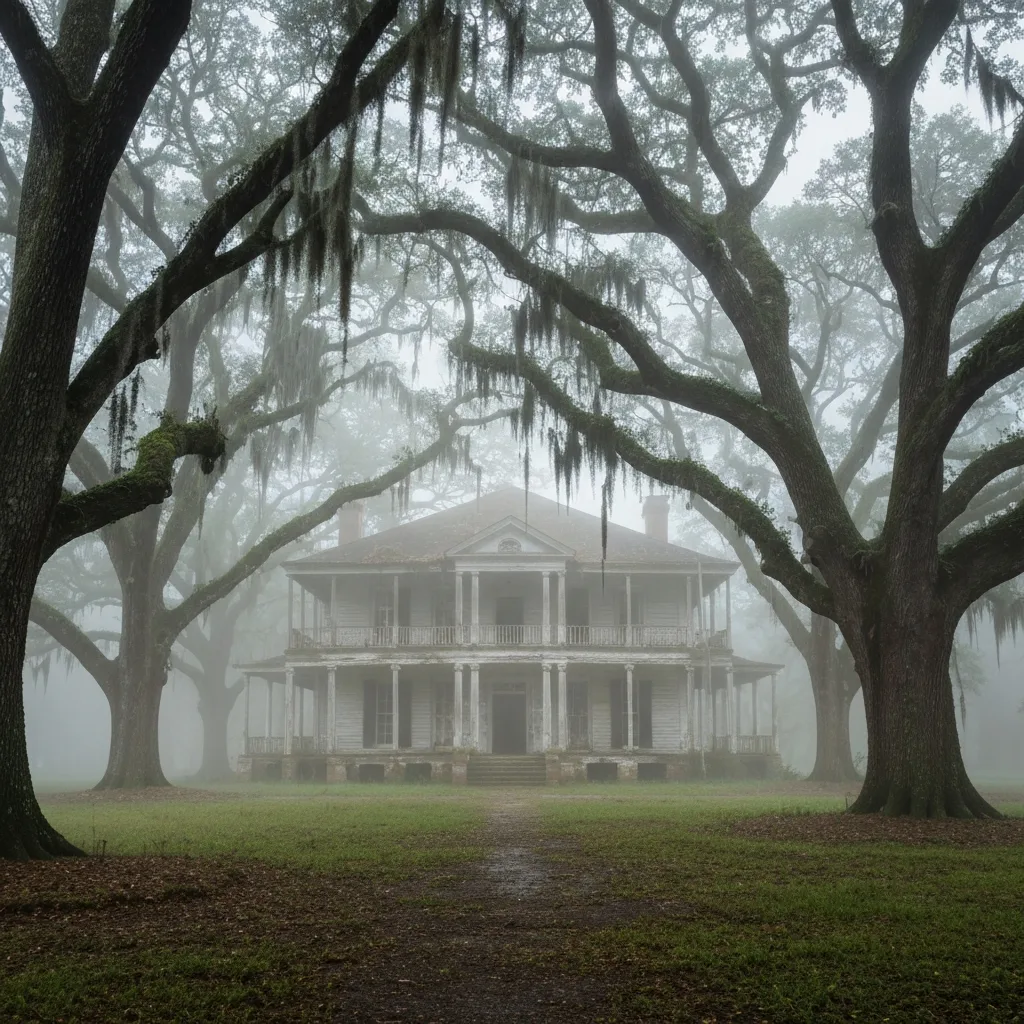
Unlike traditional European Gothic literature, which relies on ruined castles, supernatural monsters, and damsels in distress to evoke terror, Southern Gothic literature roots its horror in reality. The haunted castles are replaced by decaying antebellum plantations. The ghosts are not ethereal spirits, but the lingering, oppressive memories of slavery, the Civil War, and generational guilt. The monsters are not vampires or werewolves; they are our neighbors, our family members, and often, the protagonists themselves.
Southern Gothic literature does not aim to frighten the reader with cheap jump scares. Instead, it seeks to disturb, to provoke, and to expose the psychological rot festering beneath the veneer of Southern gentility. By utilizing flawed, often grotesque characters and setting them against a backdrop of poverty and social ruin, the genre forces readers to confront the darkest aspects of the human condition.
The Architects of Southern Decay: Faulkner and O’Connor
Any exploration of the Southern Gothic must begin with its most prolific architect, William Faulkner. Through his fictional Yoknapatawpha County, Faulkner mapped the psychological and physical ruin of the post-Civil War South. His characters are frequently trapped by the weight of their own history, unable to move forward but equally unable to survive in the past. In his famous short story “A Rose for Emily,” Faulkner perfectly encapsulates the genre. Emily Grierson, a monument of old Southern aristocracy, slowly decays in her crumbling home, ultimately revealed to be sleeping next to the rotting corpse of her former lover. It is a brilliant, macabre metaphor for the South’s refusal to let go of a dead era.
While Faulkner mapped the historical decay, Flannery O’Connor charted the spiritual ruin. O’Connor’s work is characterized by its dark humor, religious themes, and her masterful use of the “grotesque.” Her characters are often physically deformed, mentally deficient, or morally bankrupt—sometimes all three. Yet, O’Connor did not create these characters out of malice. As a devout Catholic writing in the Protestant South, she used the grotesque to shock her readers into spiritual awareness. As she famously noted, “To the hard of hearing you shout, and for the almost-blind you draw large and startling figures.”
In O’Connor’s masterpiece, “A Good Man is Hard to Find,” a petty, superficial grandmother is confronted by an escaped convict known as The Misfit. The resulting violence is sudden and brutal, but it strips away the grandmother’s superficial morality, leaving her with a moment of genuine grace right before her death. This intersection of sudden violence and profound spiritual revelation is the beating heart of O’Connor’s Southern Gothic.
The Function of the Grotesque
The “grotesque” is perhaps the most misunderstood element of Southern Gothic literature. Casual readers often mistake it for mere exploitation or shock value. However, the grotesque serves a highly specific literary function. In a society that places a premium on outward appearances and polite manners, the grotesque character acts as a walking manifestation of the community’s hidden sins.
When a character is missing a limb, suffers from a severe affliction, or behaves with bizarre fanaticism, they are externalizing the internal rot of the society around them. They are the physical evidence of the poverty, ignorance, and racism that the “polite” Southern society attempts to sweep under the rug. The grotesque character demands to be seen, forcing both the other characters and the reader to acknowledge the ugly truths that lie just beneath the surface of everyday life.
Setting as Character: The Oppressive Landscape
In Southern Gothic fiction, the environment is never merely a backdrop; it is an active, antagonistic force. The setting is characterized by its oppressive nature. The heat is suffocating, described in ways that make the reader feel the sweat on their own skin. The landscape is overgrown, with kudzu vines swallowing abandoned homes and Spanish moss hanging like tattered funeral shrouds from ancient oak trees.
This environment isolates the characters. Whether it is a remote farm in Georgia, a swampy bayou in Louisiana, or a forgotten town in Mississippi, the isolation breeds madness. Cut off from the progress and modernization of the outside world, the characters turn inward, their neuroses and prejudices amplifying in the echo chamber of their confined communities. The physical decay of the buildings mirrors the moral decay of the inhabitants. A crumbling mansion with a leaking roof and rotting floorboards is the perfect vessel for a family hiding incest, murder, or madness.
The Burden of History and the Stain of Sin
You cannot separate Southern Gothic literature from the history of the American South. The genre is inextricably linked to the trauma of the Civil War, the horrors of chattel slavery, and the subsequent failures of Reconstruction and the Jim Crow era. Faulkner famously wrote, “The past is never dead. It’s not even past.” This sentiment is the thesis statement of the entire genre.
Characters in Southern Gothic novels are constantly grappling with the sins of their ancestors. They inherit bankrupt plantations, but they also inherit the racial guilt and the blood-soaked soil that built them. The literature frequently explores the tension between the myth of the “Noble South”—a romanticized vision of moonlight and magnolias—and the brutal, violent reality of how that society was maintained.
Religion also plays a massive, often contradictory role. The characters are steeped in the language of evangelical Christianity, yet their actions are profoundly un-Christian. Hypocrisy is a central theme, with self-righteous characters committing heinous acts in the name of God. The struggle is often between a harsh, punitive Old Testament interpretation of justice and the desperate need for New Testament grace.
The Evolution: Neo-Southern Gothic in the Modern Era
While the golden age of Southern Gothic is deeply tied to the mid-20th century, the genre is far from dead. It has evolved, mutating to address contemporary anxieties while maintaining its core atmospheric and thematic elements. This modern iteration, often called Neo-Southern Gothic, proves that the region’s ghosts have simply changed their clothes.
Authors like Jesmyn Ward have masterfully updated the genre for the 21st century. In her National Book Award-winning novel Sing, Unburied, Sing, Ward blends the traditional Southern Gothic elements of poverty, addiction, and a brutal landscape with magical realism. The ghosts in Ward’s novel are literal, representing the historical trauma of the Mississippi State Penitentiary (Parchman Farm) and the ongoing crisis of the modern carceral state. Ward shifts the focus from the decaying white aristocracy to the marginalized Black communities, offering a fresh, vital perspective on who exactly is haunted by the South’s history.
Similarly, writers like Gillian Flynn and Donna Tartt have woven Southern Gothic tropes into modern psychological thrillers. Tartt’s The Little Friend explores the aftermath of a child’s murder in a sleepy Mississippi town, focusing on the decay of a prominent family and the menacing underbelly of the local drug trade. Flynn’s Sharp Objects takes the reader to the fictional town of Wind Gap, Missouri, where self-harm, Munchausen syndrome by proxy, and suffocating maternal expectations create a profoundly toxic, distinctly Southern nightmare.
Redefining the Monsters
In the Neo-Southern Gothic, the monsters have evolved. They are no longer just eccentric recluses hiding in attics. Today’s Southern Gothic monsters are the opioid epidemic hollowing out rural communities, the environmental degradation of the Gulf Coast, and the systemic inequalities that continue to trap generations in poverty. The genre has proven incredibly elastic, capable of absorbing modern social issues without losing its distinctive, creeping dread.
Why We Keep Returning to the Swamp
The enduring appeal of Southern Gothic literature lies in its unflinching honesty. We live in a world that constantly encourages us to curate our lives, to present a flawless, sanitized version of ourselves to the public. Southern Gothic literature violently rejects this sanitization. It demands that we look at the ugly, the broken, and the profane.
By dragging the darkest parts of the human psyche out into the blistering Southern sun, these authors provide a strange sort of catharsis. We read about these deeply flawed, often doomed characters, and we recognize fragments of our own hidden fears and secret shames. The genre reminds us that no amount of polite manners or aristocratic posturing can save us from the consequences of our actions. The past will always demand a reckoning, and the secrets buried in the swamp will, eventually, float to the surface.
Do you enjoy the content on Agenda Creativa?
Your contributions help me create new articles, share creative ideas, and keep this platform alive! If you like what I do and want to support my work, you can buy us a coffee.
Every cup of coffee means more than just a gesture – it's direct support for my passion to create inspiring and useful content. Thank you for being part of this journey!
☕ Buy me a coffee