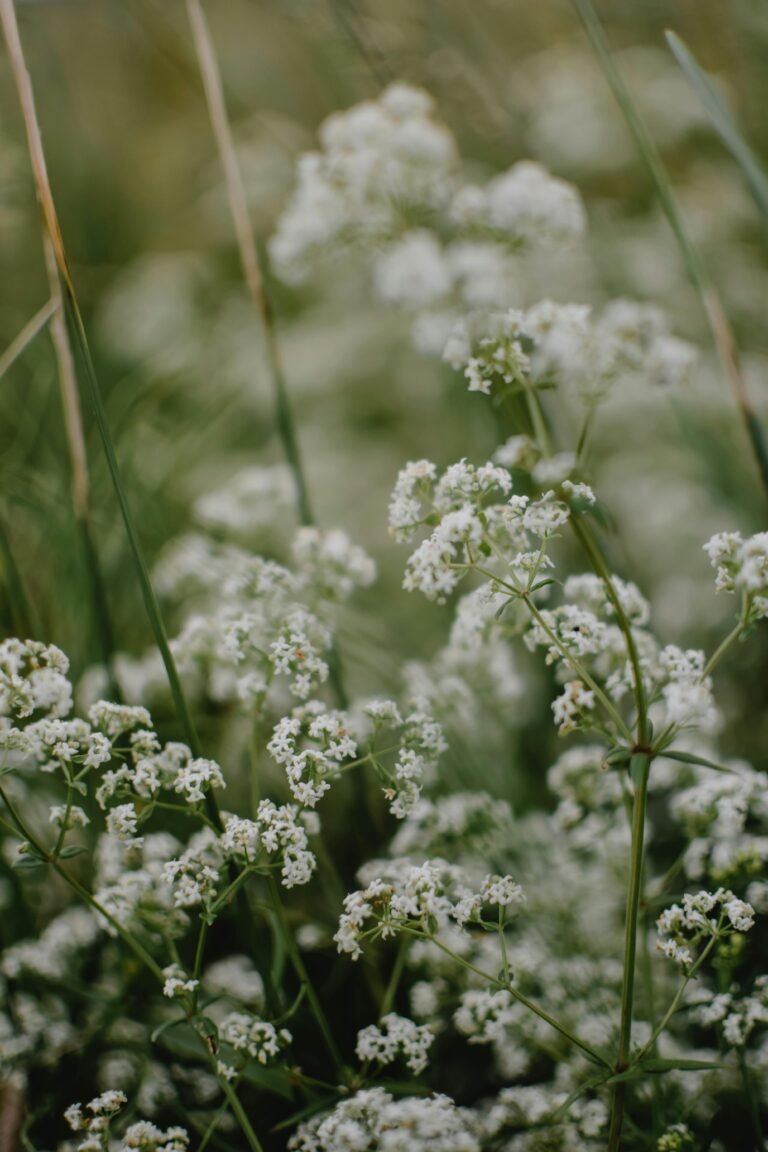

Sage, known colloquially as “garden sage” or “common sage,” is one of the oldest medicinal herbs, revered for its therapeutic properties and spiritual symbolism. Native to the Mediterranean region, sage was considered sacred by many cultures and used in rituals of healing, purification and protection.
Description and Composition of Sage
Sage (Salvia officinalis) is a perennial of the Lamiaceae family, growing to about 30–70 cm in height. It bears soft, grey-green leaves and violet-blue flowers in early summer. Its leaves are especially aromatic, with an intense, characteristic scent.
The chemical composition of sage is complex and includes:
- Essential oils: chiefly thujone, camphor, cineole and borneol, with antimicrobial and anti-inflammatory effects
- Flavonoids: antioxidant compounds that protect cells from oxidative stress
- Tannins: with an astringent effect, useful in treating inflammation
- Phenolic acids: such as rosmarinic and ursolic acids, with anti-inflammatory and antimicrobial activity
- Vitamins and minerals: vitamin K, iron, calcium and magnesium, essential for overall health
Therapeutic Properties and Benefits
Sage is recognised for numerous therapeutic properties, including:
- Anti-inflammatory: due mainly to phenolic acids and tannins
- Antimicrobial and antiviral: sage’s essential oils are active against a broad spectrum of bacteria and viruses
- Antioxidant: protects the body from oxidative stress and supports immunity
- Spasmolytic and carminative: helps relieve gastrointestinal discomfort and cramps
- Antiperspirant: used to reduce excessive sweating
- Neuroprotective: shown to support brain health and memory
Sage Teas
Sage teas are the most common form of intake, offering calming and antiseptic effects.
Simple Sage Tea
- Ingredients: 1–2 tsp dried sage leaves, 250 ml boiling water
- Preparation: Infuse for 5–10 minutes, then strain
- Uses: Supports digestion, soothes sore throats and reduces sweating; also has a calming effect on the nervous system
Sage and chamomile Tea
- Ingredients: 1 tsp sage, 1 tsp chamomile, 250 ml boiling water
- Benefits: Effective for soothing sore throats, reducing inflammation and supporting immunity
Sage and Mint Tea
- Ingredients: 1 tsp sage, 1 tsp mint, 250 ml boiling water
- Benefits: Recommended for digestion, reducing bloating and indigestion symptoms
Sage Sitz Baths
Sitz baths are used to treat local infections and inflammation, especially in the genital tract.
- Recipe: Steep 3 tbsp sage in 1 litre boiling water for 15 minutes, strain and add to bath water
- Benefits: Calms irritation and reduces inflammation in the pelvic area
Sage Vinegar
Sage vinegar is used for its antimicrobial and astringent properties, applied externally to soothe skin irritations and reduce excessive sweating.
Recipe: Combine 100 g fresh sage with 500 ml apple cider vinegar and let infuse for 2 weeks. Finally, strain.
Benefits: Sage vinegar can be applied to the skin to calm irritations and used as a hair tonic to prevent dandruff and hair loss.
Sage Tincture
The tincture is a concentrated form of sage, used for digestive issues, sore throats and excessive sweating.
Sage Tincture Recipe
- Ingredients: 100 g dried sage leaves, 500 ml 40% alcohol
- Preparation: Place the leaves in a jar, add the alcohol, and let macerate for 2–3 weeks, shaking daily. Strain and keep in dark bottles.
- Dosage: Take 10–15 drops 2–3 times daily, diluted in water. The tincture is effective for soothing sore throats, reducing sweating and supporting digestion.
Precautions and Contraindications

Sage must be used with caution due to the presence of thujone, an active compound that can become toxic in large quantities. Excessive consumption may cause irritation and neurotoxic symptoms. It is not recommended:
- During pregnancy and breastfeeding, as thujone may affect fetal health.
- For individuals with epilepsy, since its compounds can increase the risk of seizures.
- Long-term use and high doses may lead to side effects such as nausea, dizziness and irritability.
The Legend and History of Sage
Sage was regarded as sacred by ancient civilizations such as the Egyptians, Greeks, and Romans. According to one legend, sage was blessed by the Virgin Mary, who, seeking shelter to hide her infant, took refuge under a sage bush. The plant was thus blessed, gaining the power to soothe and protect. In the Middle Ages, sage was considered a plant with magical powers and was used in purification and protection rituals.
Sage in Aromatherapy
Sage essential oil is used in aromatherapy to reduce stress, calm the mind, and stimulate memory. Its distinctive scent helps improve concentration and induce a state of calm and balance.
Studies and Research on Sage
Modern studies have confirmed the neuroprotective properties of sage, and it is being investigated in natural treatment research for neurodegenerative diseases. A study published in the Journal of Clinical Psychopharmacology found that administration of sage extract improves cognitive functions and memory, making it useful in the treatment of mild cognitive impairments.
The Importance of Sage in Everyday Life

Today, sage is widely used in herbal medicine, aromatherapy, and cosmetic products due to its calming, antiseptic, and anti-inflammatory properties. In the kitchen, sage is also prized for its culinary uses, being added to various dishes for its intense flavour and ability to support digestion.
Sage is an aromatic herb that adds a distinctive note to culinary creations, with a slightly peppery, earthy flavour highlighted by pine and lemon accents. Its leaves, used fresh or dried, are favoured in kitchens around the world, especially in meat, vegetable, and sauce recipes.
Sage’s Properties in the Kitchen
Beyond its exceptional taste, sage offers digestive benefits by stimulating bile secretion and aiding the digestion of fats, making it ideal for heavier dishes. It is also recognised for its antioxidant and anti-inflammatory effects, adding a healthy note to any recipe.
Sage is often used to provide depth and complexity to dishes, balancing them with its characteristic aroma. In Italian cuisine, sage is essential in dishes such as saltimbocca, where it is paired with veal, prosciutto, and white wine, enhancing the meat’s savouriness and adding a subtle aromatic layer. Sage is also an excellent choice in butter-based pasta dishes, imparting an intense flavour that contrasts beautifully with the creamy texture of the butter.
In meat dishes, sage is particularly welcome for its ability to counterbalance fat, making the meat easier to digest. Whether used in stuffings, roulades, roasts, or even sausages, sage pairs excellently with pork, beef, lamb, or chicken. Additionally, fried or baked sage leaves become crispy and are perfect for adding extra texture and an intense piney, earthy flavour.
Sage in Marinades and Sauces
In sauces, sage can be added to impart a fresh note, contributing to a balanced taste. Combined with ingredients like garlic, onion, and lemon, sage can transform a simple sauce into a true culinary experience. Infusing olive oil with sage is also a simple and effective way to add this deep flavour to dishes, with the oil being used later in sauces or even as a base for roasted vegetables.
In Vegan and Vegetarian Recipes
Sage is also appreciated in vegan and vegetarian dishes, adding a robust taste to plant-based meals. It is excellent in soups, stews, and even in potato, pumpkin, or legume recipes, where it enhances flavour and adds an earthy note.
Thus, sage is a versatile and extremely useful herb in the kitchen, bringing a unique aroma and nutritional benefits to dishes, whether simple or complex.
Examples of Sage Recipes
1. Sage-Infused Butter
Ingredients:
- 100 g butter
- 5–6 fresh sage leaves (or 1 tsp dried sage)
- Salt and pepper
Preparation:
- Finely chop the sage leaves and mix with softened butter, salt, and pepper.
- Chill in the fridge for 1–2 hours before use.
Usage:
This sage butter is perfect for roasts, baked potatoes, or even toast. Its intense flavour complements the butter and adds a unique note to dishes.
2. Roast Chicken with Sage and Lemon
Ingredients:
- 4 chicken thighs
- 1 lemon, sliced
- 6–8 fresh sage leaves
- 2–3 cloves garlic
- Olive oil, salt, and pepper
Preparation:
- Rub the chicken with olive oil, season with salt and pepper, and place in a baking tray.
- Scatter lemon slices, garlic, and sage leaves around the chicken.
- Cover with foil and bake at 180 °C for 45 minutes, then remove the foil and bake for a further 15 minutes to brown.
Result:
The chicken acquires a delightful citrus note and a fresh lift from the sage, creating an easy yet aromatic dish.
3. Sage and Butter Pasta
Ingredients:
- 250 g pasta
- 50 g butter
- 5–6 fresh sage leaves
- Grated Parmesan, salt, and pepper
Preparation:
- Cook the pasta according to the package instructions.
- In a pan, melt the butter and add the sage leaves, letting them fry lightly to release their aroma.
- Drain the pasta and toss it in the sage butter, seasoning and sprinkling with Parmesan.
Result:
A simple yet flavourful recipe in which sage provides an intense taste and an extra aromatic boost, transforming it into a special dish.
4. Pork Chop with Apples and Sage
Ingredients:
- 1 pork chop
- 2 apples, sliced
- 5–6 sage leaves
- 2 tbsp olive oil, salt, and pepper
Preparation:
- Season the pork chop with salt and pepper, then fry it in olive oil with the sage leaves until golden on both sides.
- Add the apple slices to the pan and let them soften slightly.
Result:
The chop gains a slightly sweet flavour from the apples, elevated by the aromatic sage, making it ideal for special dinners.
5. Pumpkin Soup with Sage
Ingredients:
- 1 kg pumpkin
- 1 onion
- 2 potatoes
- 4 sage leaves
- 2 tbsp olive oil, salt, and pepper
Preparation:
- Sauté the chopped onion in oil, then add the pumpkin and potato cubes.
- Pour in enough water to cover the vegetables and sage leaves, and simmer until tender.
- Blend the soup and season to taste.
Result:
A rich, warm, and comforting soup thanks to sage, perfect for the cold season.
Precautions When Cooking with Sage
Although sage is safe for most people when used in culinary amounts, it contains thujone, a compound that can be toxic in large doses. Therefore, it is advised to use sage in moderation, and pregnant women or individuals with kidney conditions should avoid excessive consumption.
Conclusion
Sage (Salvia officinalis) is one of the most versatile and appreciated medicinal herbs, with a long history and numerous uses in medicine, cosmetology, and aromatherapy. Correct use of sage can bring significant health benefits, but it is essential to adhere to proper dosages and precautions to avoid side effects.
What is sage and what is its historical significance?
Sage (Salvia officinalis) is a perennial herb in the Lamiaceae family, native to the Mediterranean region. It was venerated by ancient civilizations such as the Egyptians, Greeks, and Romans for its healing properties and was used in rituals of purification and protection. In the Middle Ages, sage was considered a sacred plant, believed to ward off evil spirits and safeguard health.
What are the active compounds in sage and how do they contribute to its therapeutic effects?
Sage contains:
- Essential oils: thujone, camphor, cineole, offering antimicrobial and anti-inflammatory properties.
- Flavonoids: antioxidant compounds that protect cells from oxidative stress.
- Tannins: with an astringent effect, useful in treating inflammation.
- Phenolic acids: rosmarinic acid and ursolic acid, which support immunity and reduce inflammation.
These compounds make sage an effective remedy for digestive, respiratory, and skin conditions.
- How is sage tea prepared and what is it recommended for?
Ingredients: 1–2 tsp dried sage leaves, 250 ml hot water.
Preparation: Infuse the leaves for 5–10 minutes, then strain.
Uses: Drinking sage tea helps soothe sore throats, support digestion, reduce excessive sweating, and boost memory. It is also useful for stress relief and menopausal symptoms. - How does sage help with digestive disorders?
Sage possesses carminative, spasmolytic, and choleretic properties, making it ideal for relieving bloating, abdominal cramps, and slow digestion. It stimulates bile secretion, aiding the digestion of fats and preventing gastrointestinal discomfort. - What antimicrobial properties does sage have and how can it be used externally?
The essential oils in sage exhibit antimicrobial and antiviral effects. Externally, sage can be used as:
- Compresses with sage infusion: for minor wounds, irritations, or eczema.
- Sage tea gargle: for sore throats or oral conditions such as stomatitis.
- Sage vinegar: applied to the skin to calm irritation or reduce excessive sweating.
- What is sage tincture and what is it used for?
Preparation: Macerate 100 g dried sage leaves in 500 ml 40% alcohol for 2–3 weeks.
Dosage: 10–15 drops, 2–3 times a day, diluted in water.
Uses: Effective for excessive sweating, digestive issues, and soothing sore throats. Externally, the tincture can be used for massage or local applications on inflamed areas. - How can sage support women’s health?
Sage is used to relieve menopausal symptoms such as hot flashes and night sweats, thanks to its effects on hormonal balance. It also has emmenagogue properties, helping to regulate the menstrual cycle. - Are there any contraindications to using sage?
Yes, sage should be used with caution:
- Pregnancy and breastfeeding: Thujone in sage can affect fetal and infant health.
- Epilepsy: It may increase the risk of seizures.
- High doses or long-term use: Can cause nausea, dizziness, or irritation.
Consulting a healthcare professional before use is essential.
- How is sage used in aromatherapy and what are its benefits?
Sage essential oil is used for:
- Stress reduction: Inhalation calms the mind and improves focus.
- Memory stimulation: Effective in alleviating mental fatigue.
- Sleep support: Its relaxing aroma helps combat insomnia.
- What is the importance of sage in cooking and what benefits does it bring?
Sage is prized for its intense aroma, making it ideal in meat dishes, soups, pasta, and sauces. In the kitchen, sage:
- Stimulates fat digestion, reducing abdominal discomfort.
- Provides antioxidant properties, boosting the nutritional value of dishes.
Popular recipes include sage-infused butter, pasta with sage, and roast chicken with sage and lemon.
When used correctly, sage becomes a valuable ingredient both for its health benefits and its unique culinary flavours.



Do you enjoy the content on Agenda Creativa?
Your contributions help me create new articles, share creative ideas, and keep this platform alive! If you like what I do and want to support my work, you can buy us a coffee.
Every cup of coffee means more than just a gesture – it's direct support for my passion to create inspiring and useful content. Thank you for being part of this journey!
☕ Buy me a coffee